Harry Winston


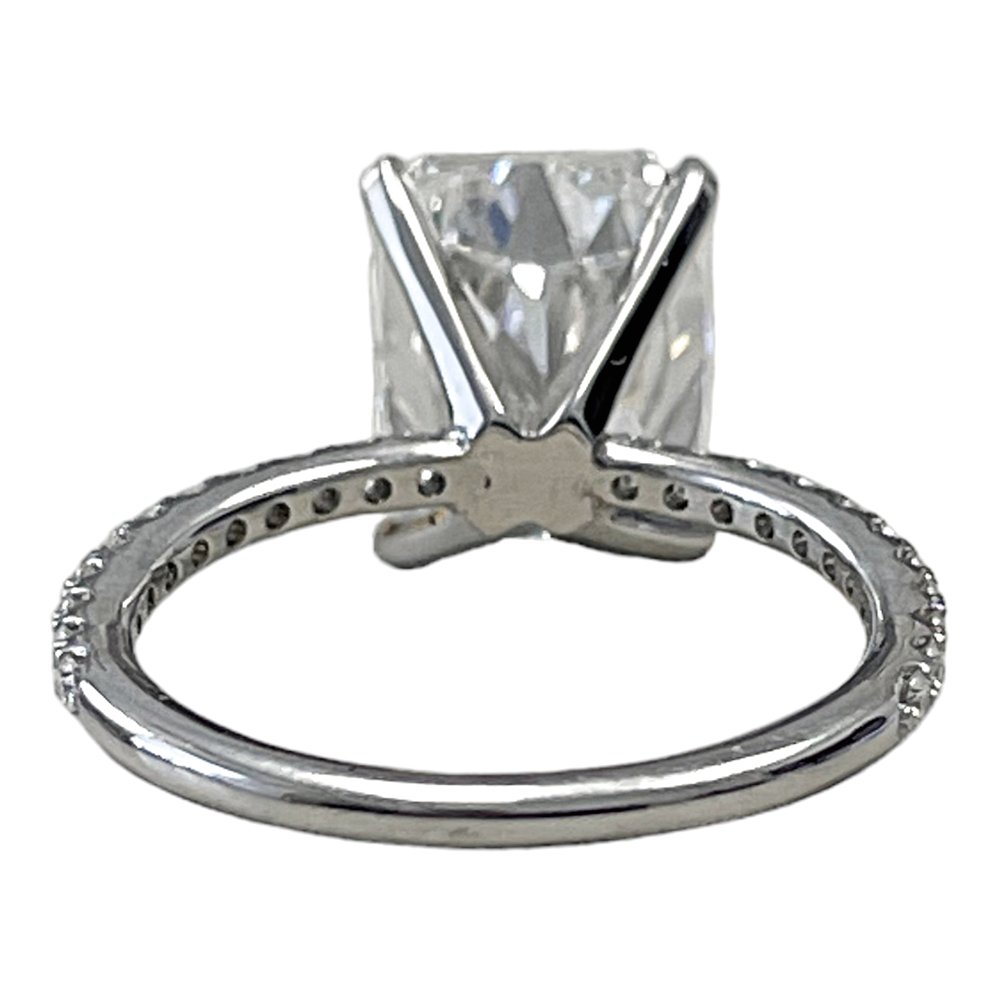
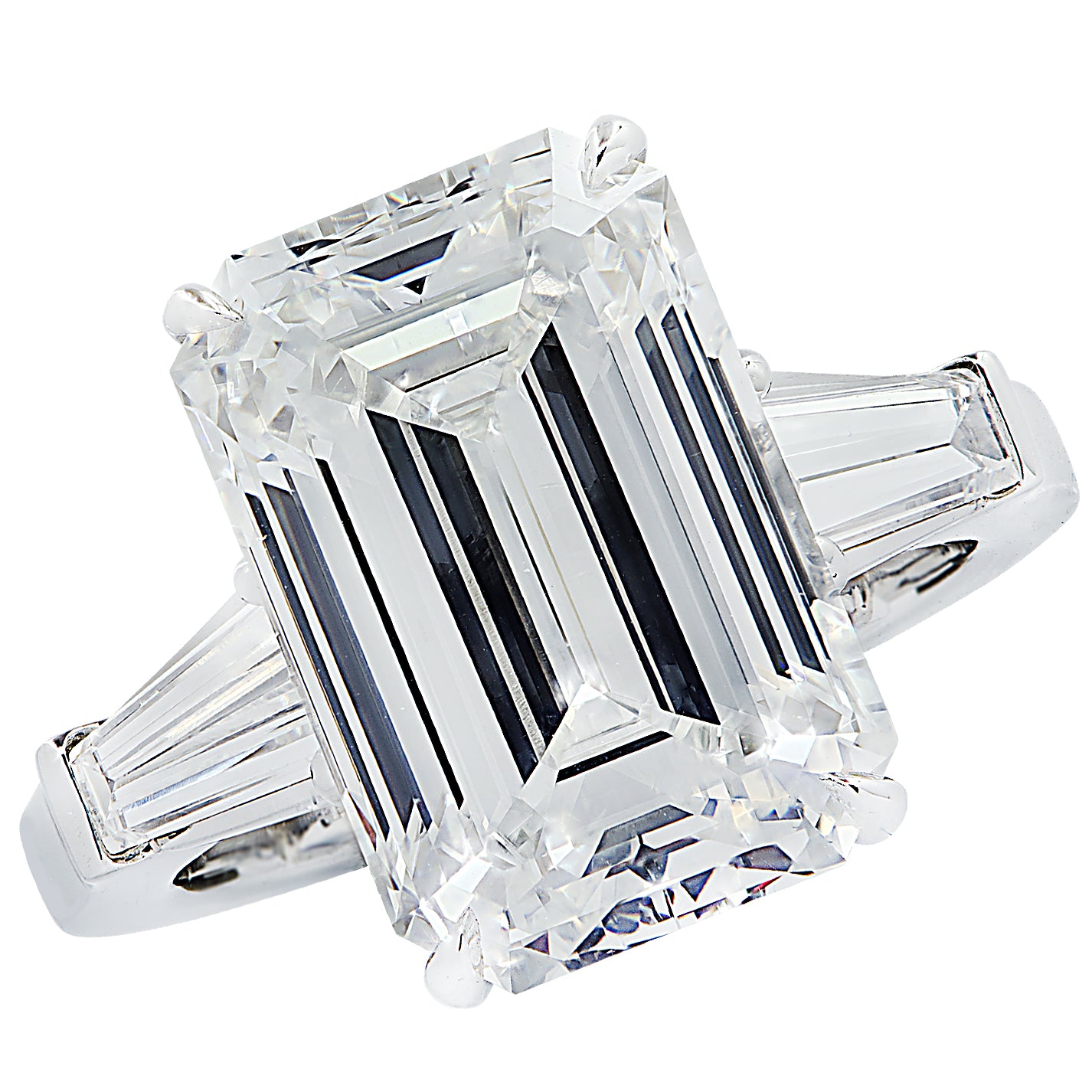
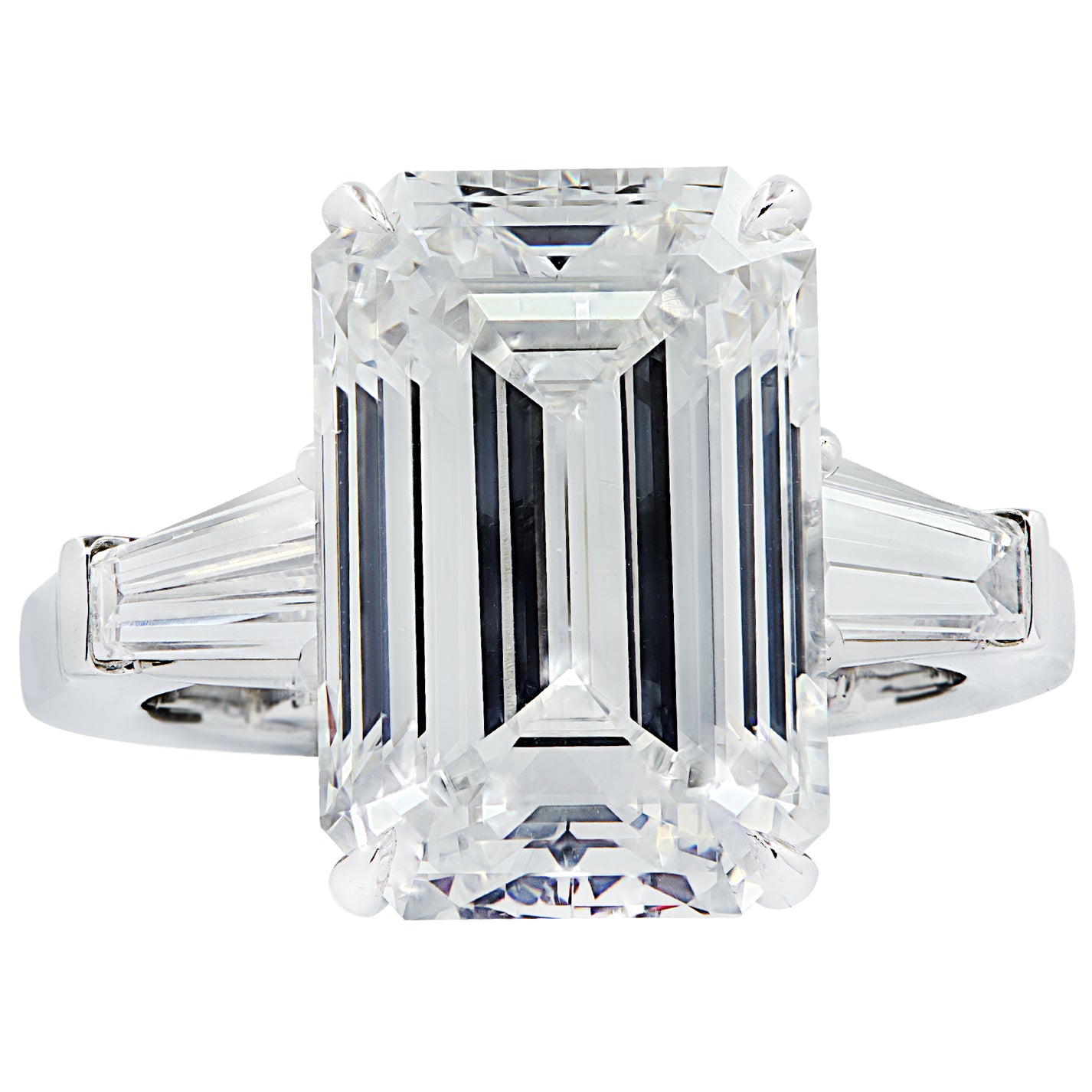
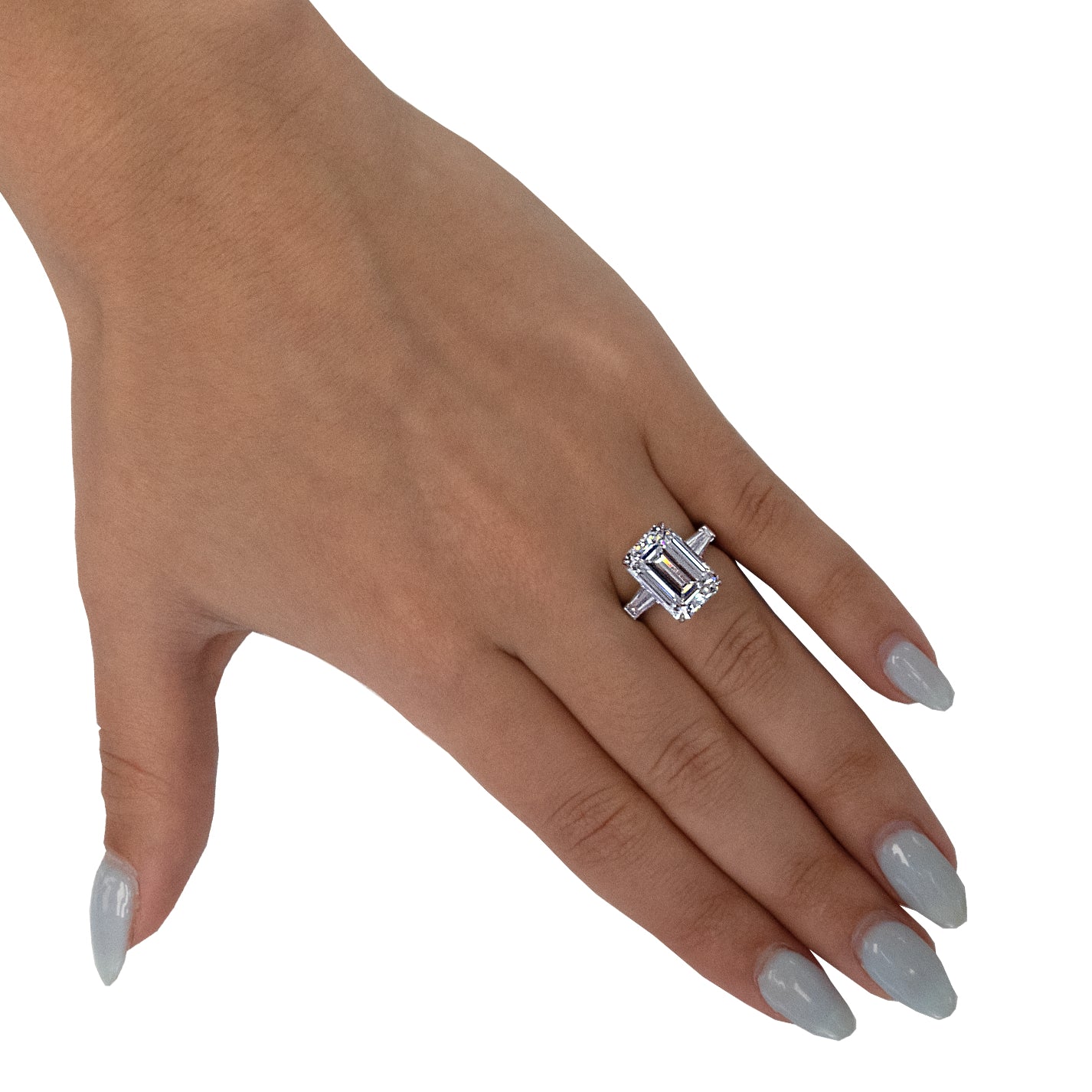
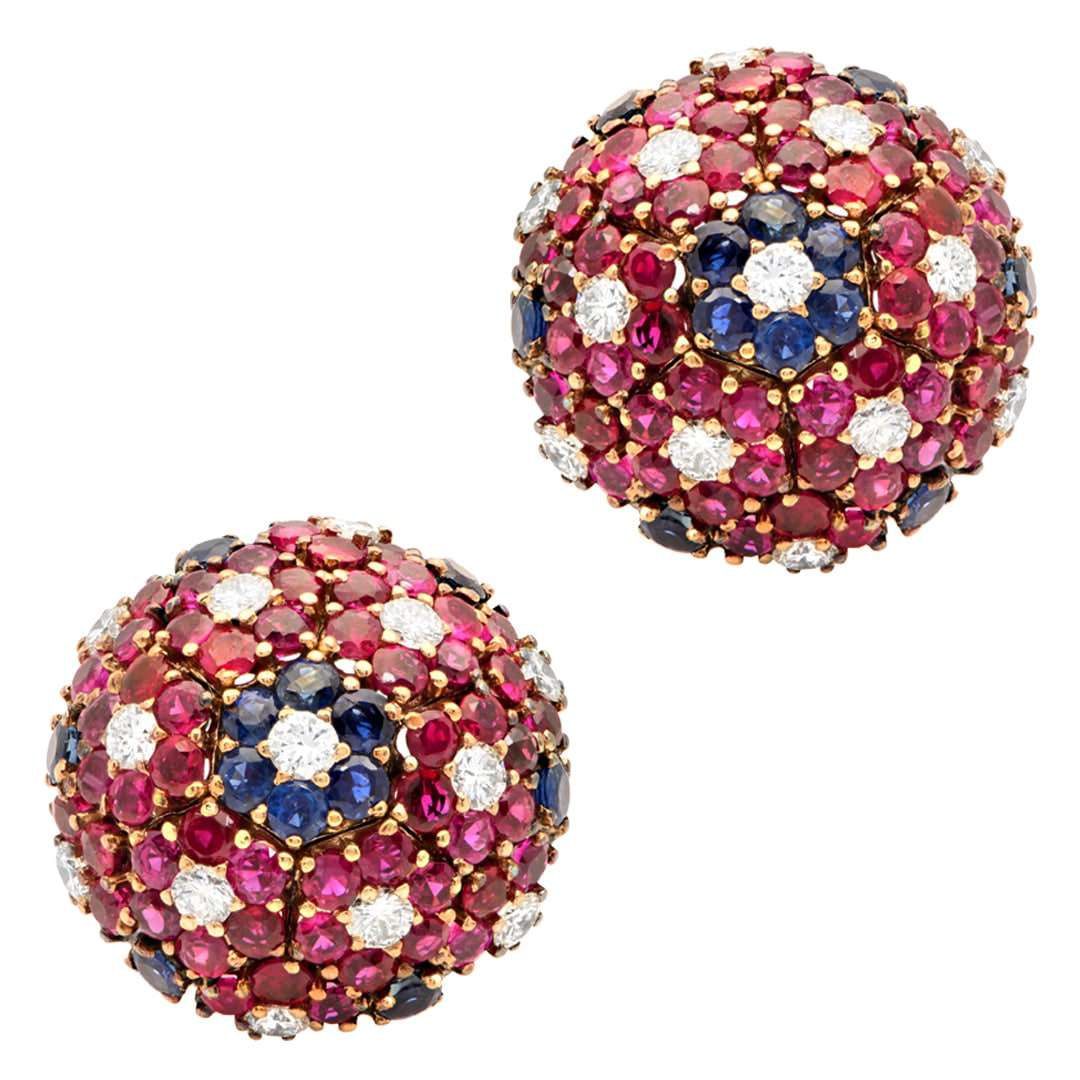
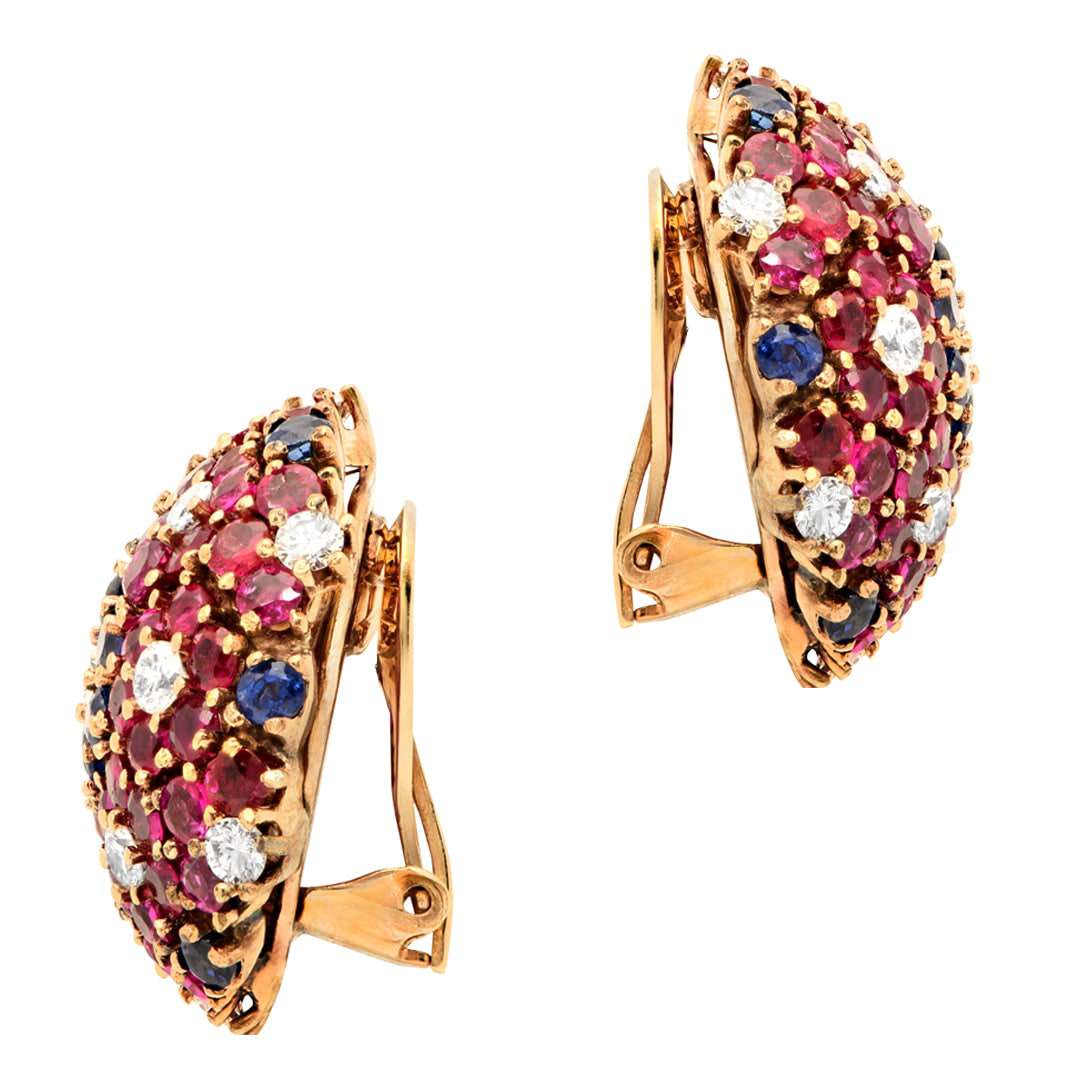
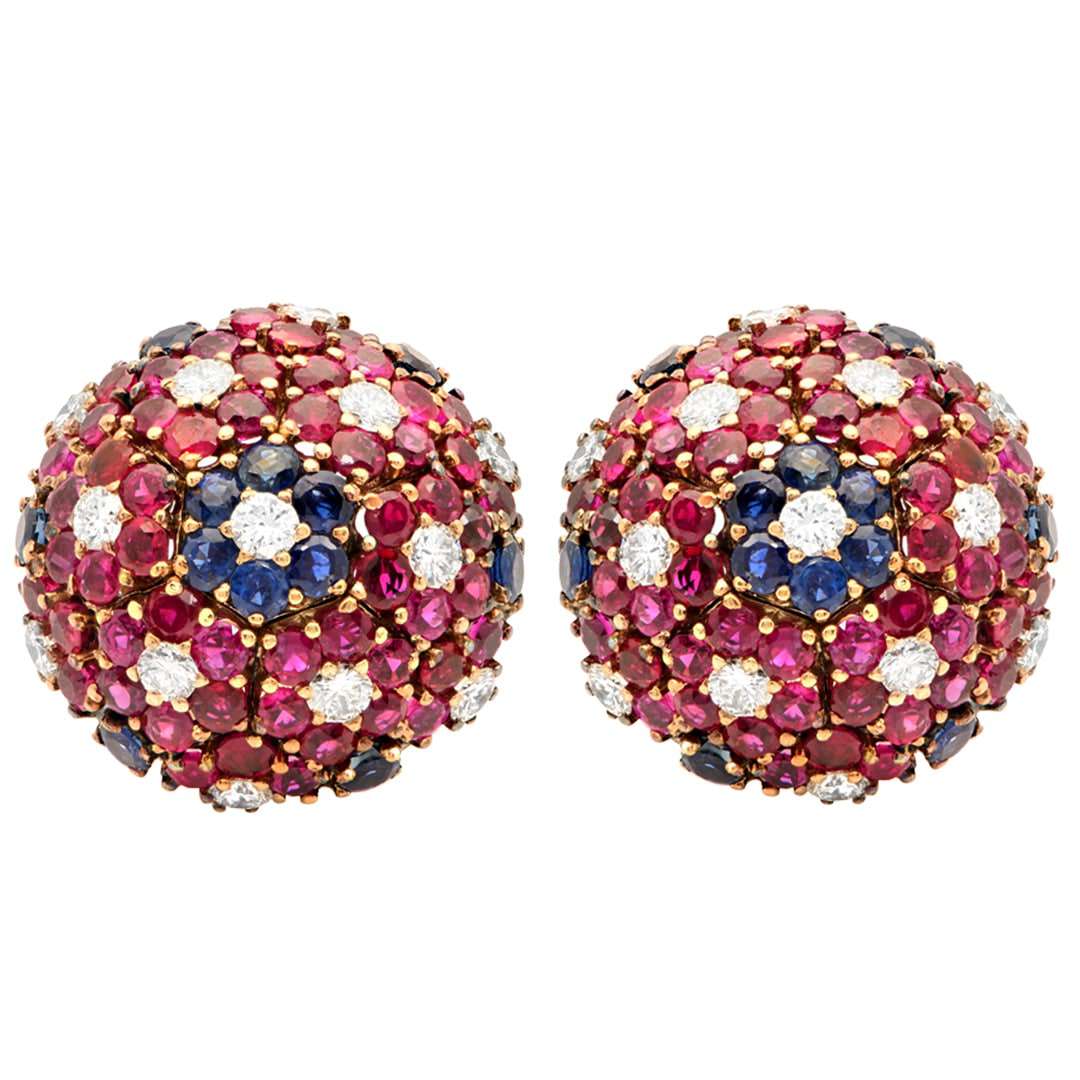
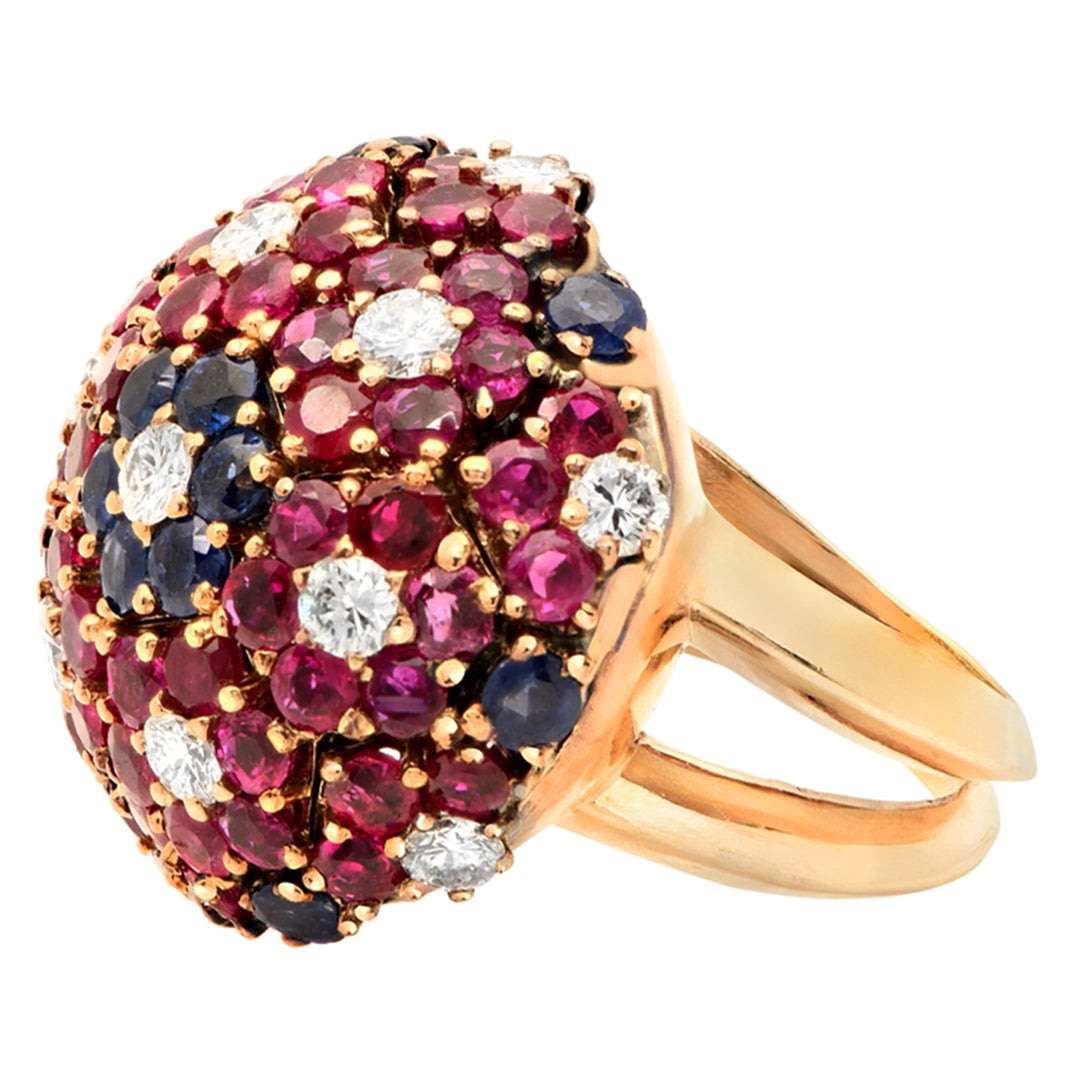
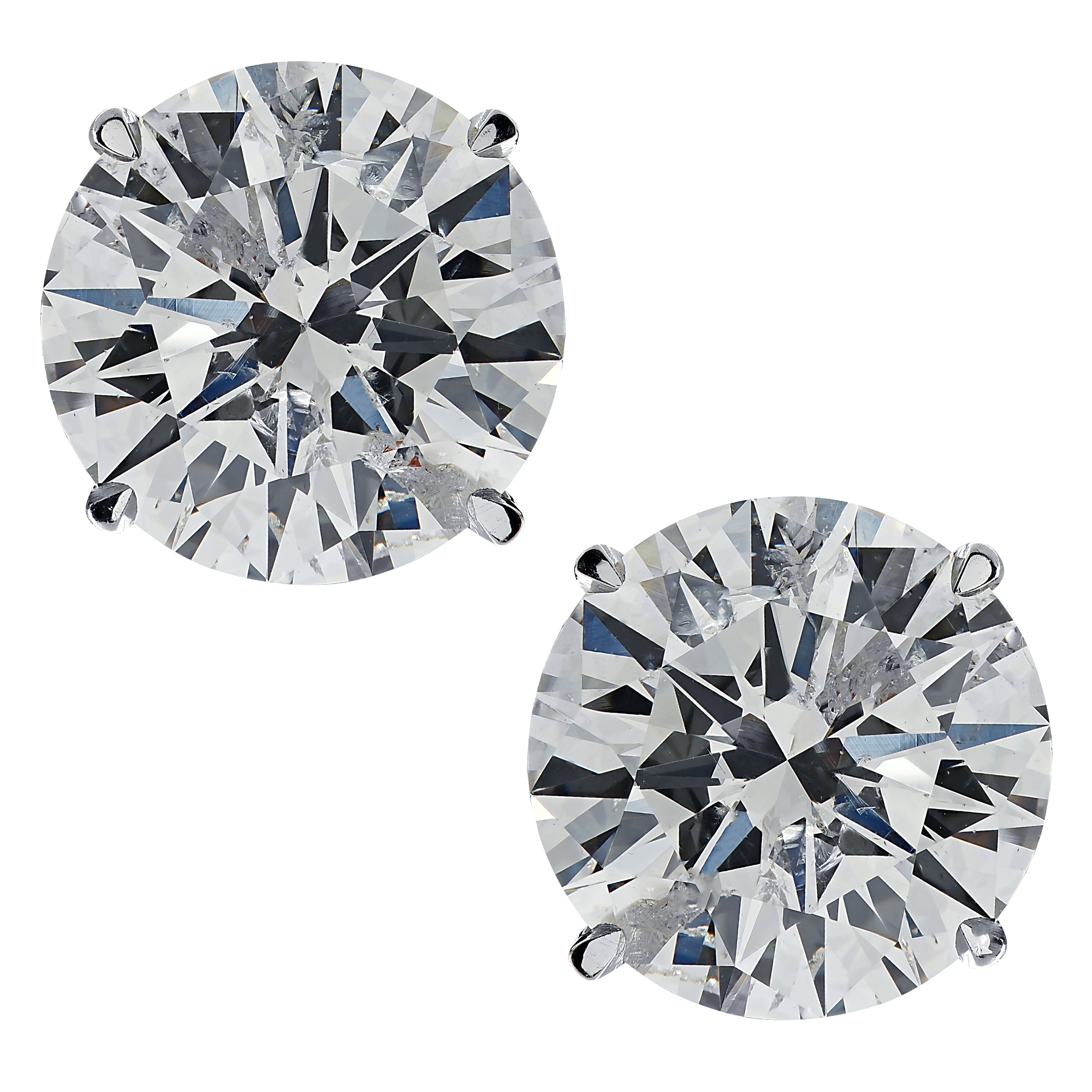
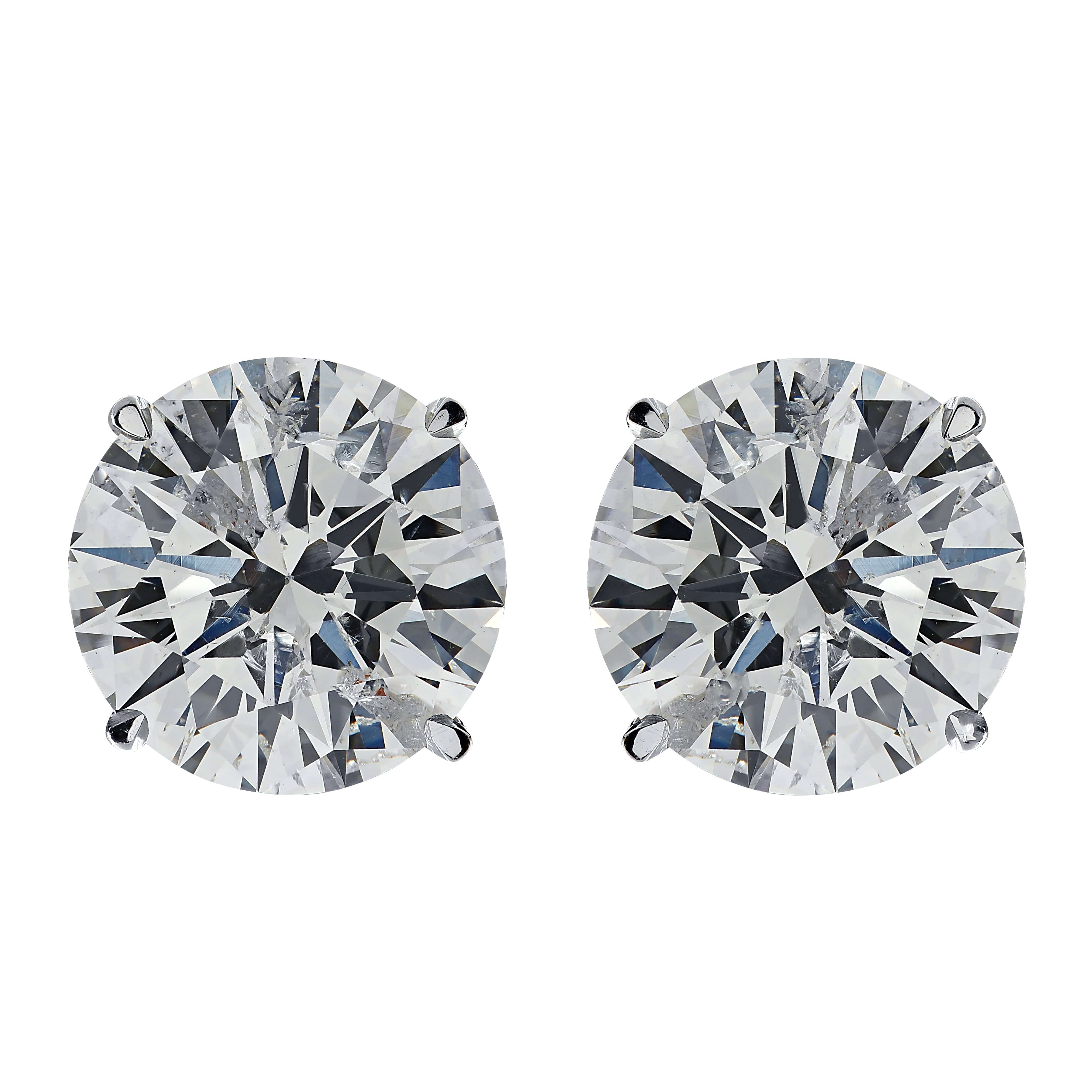
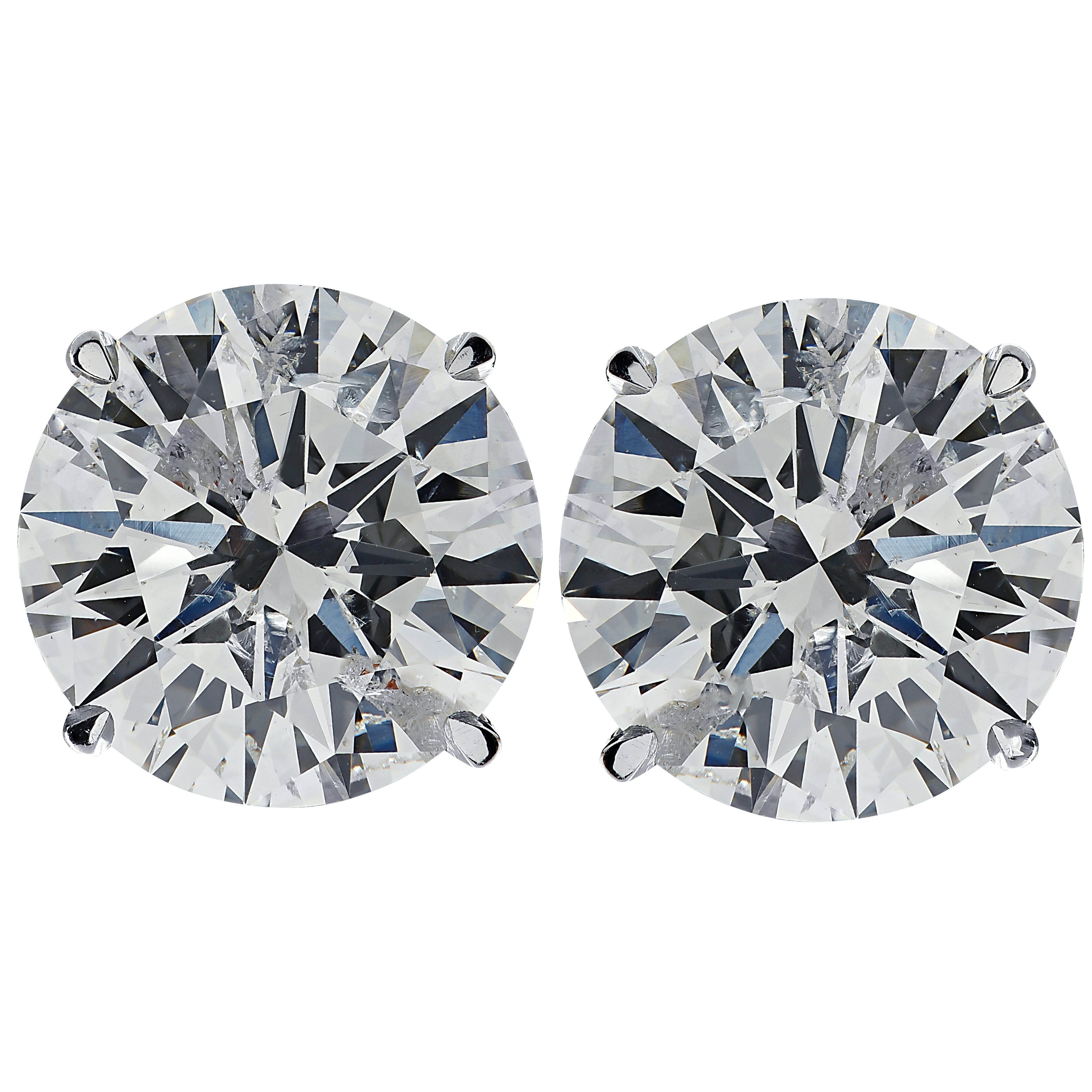
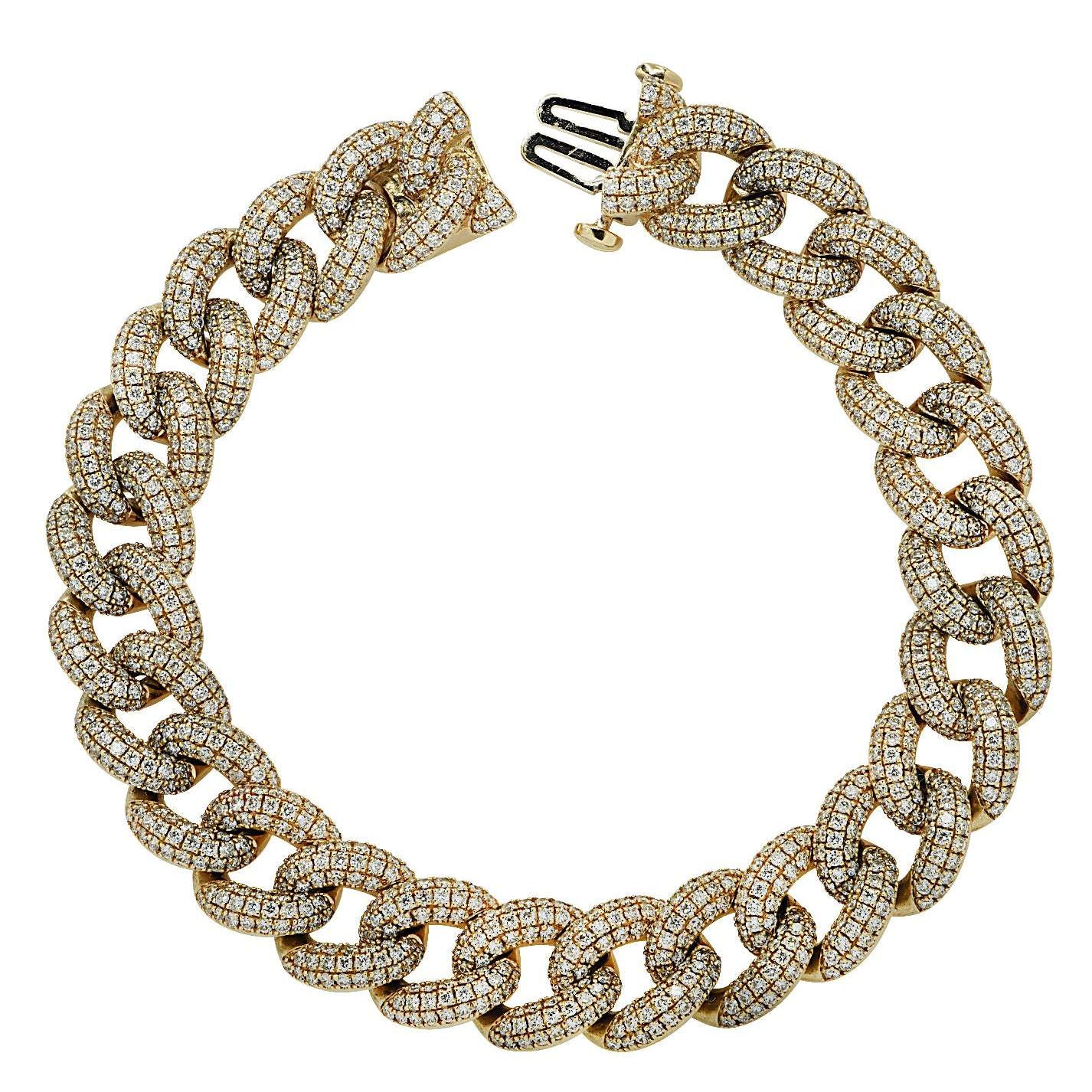

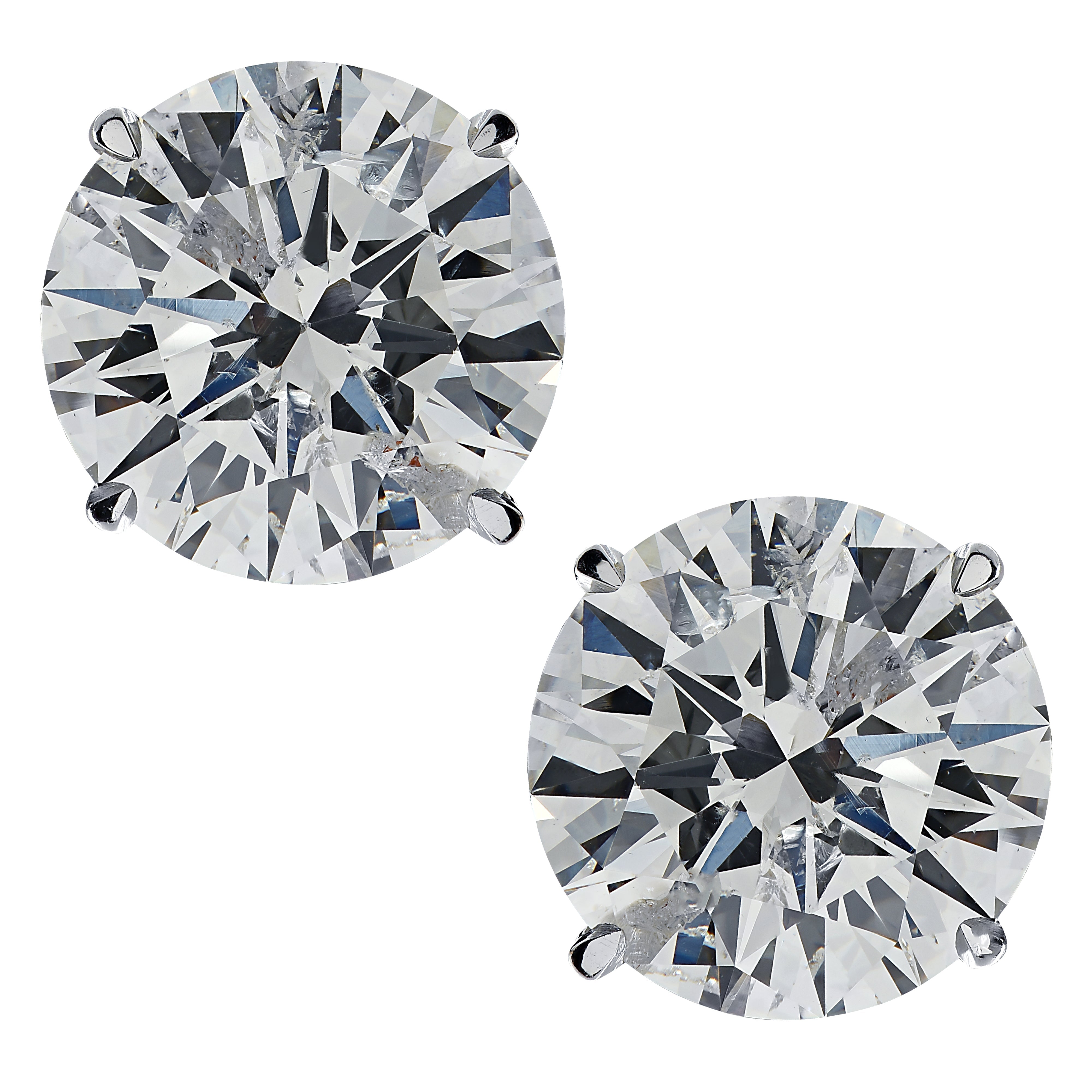
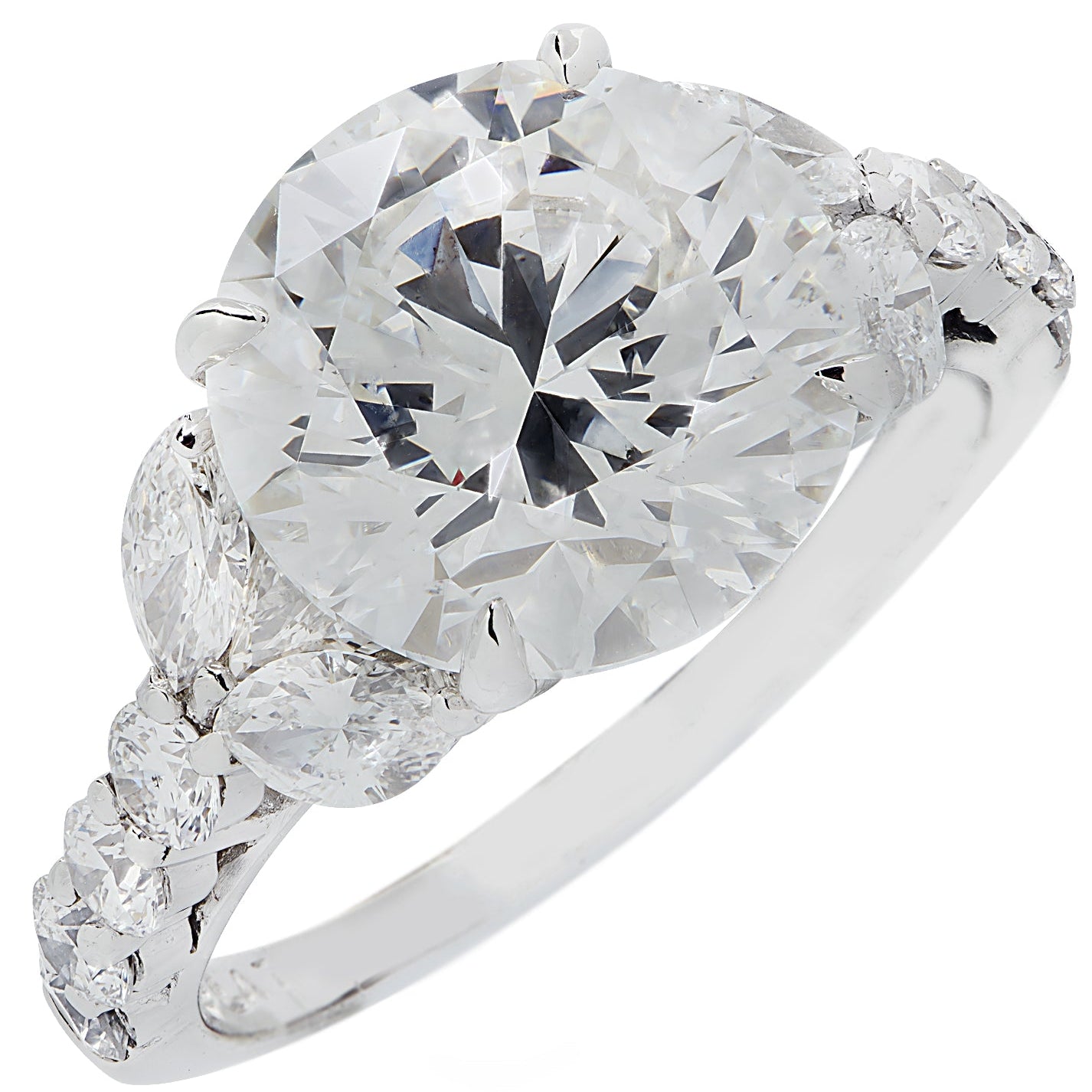
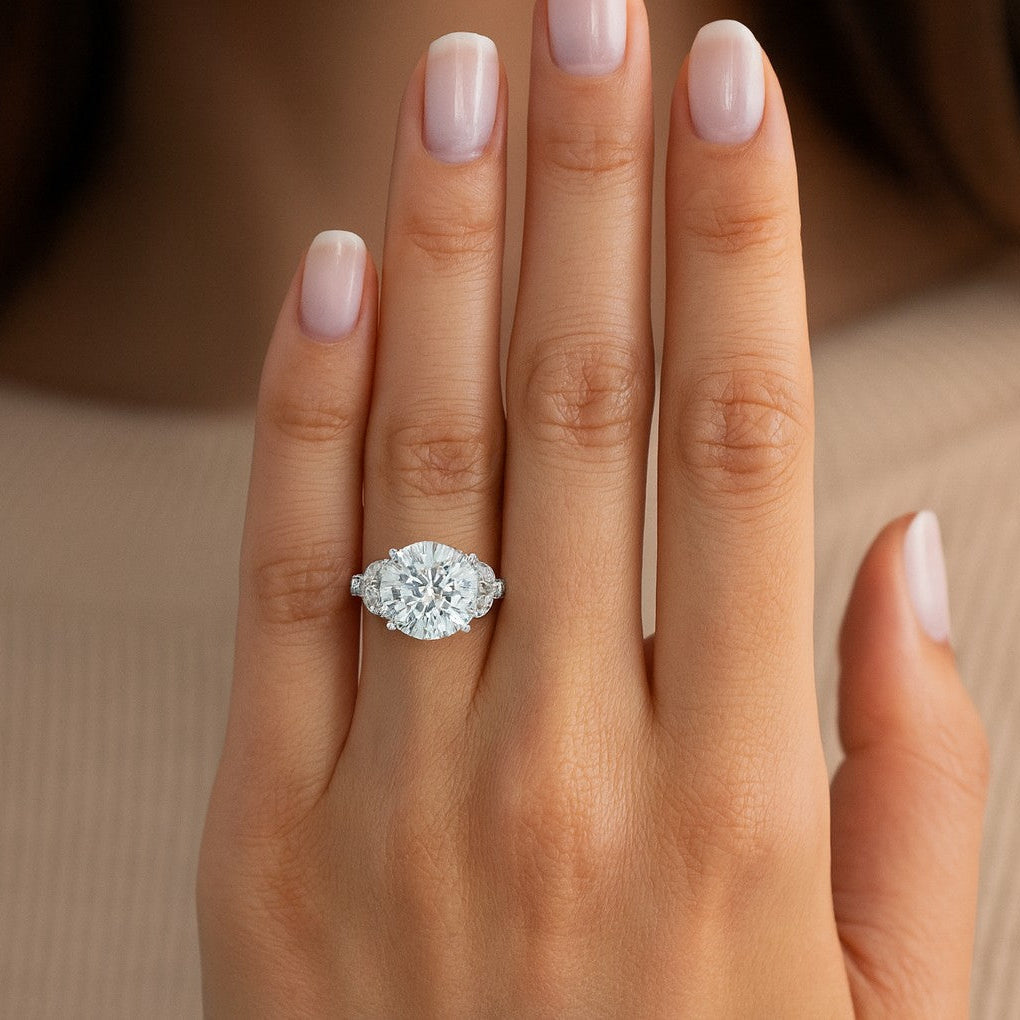
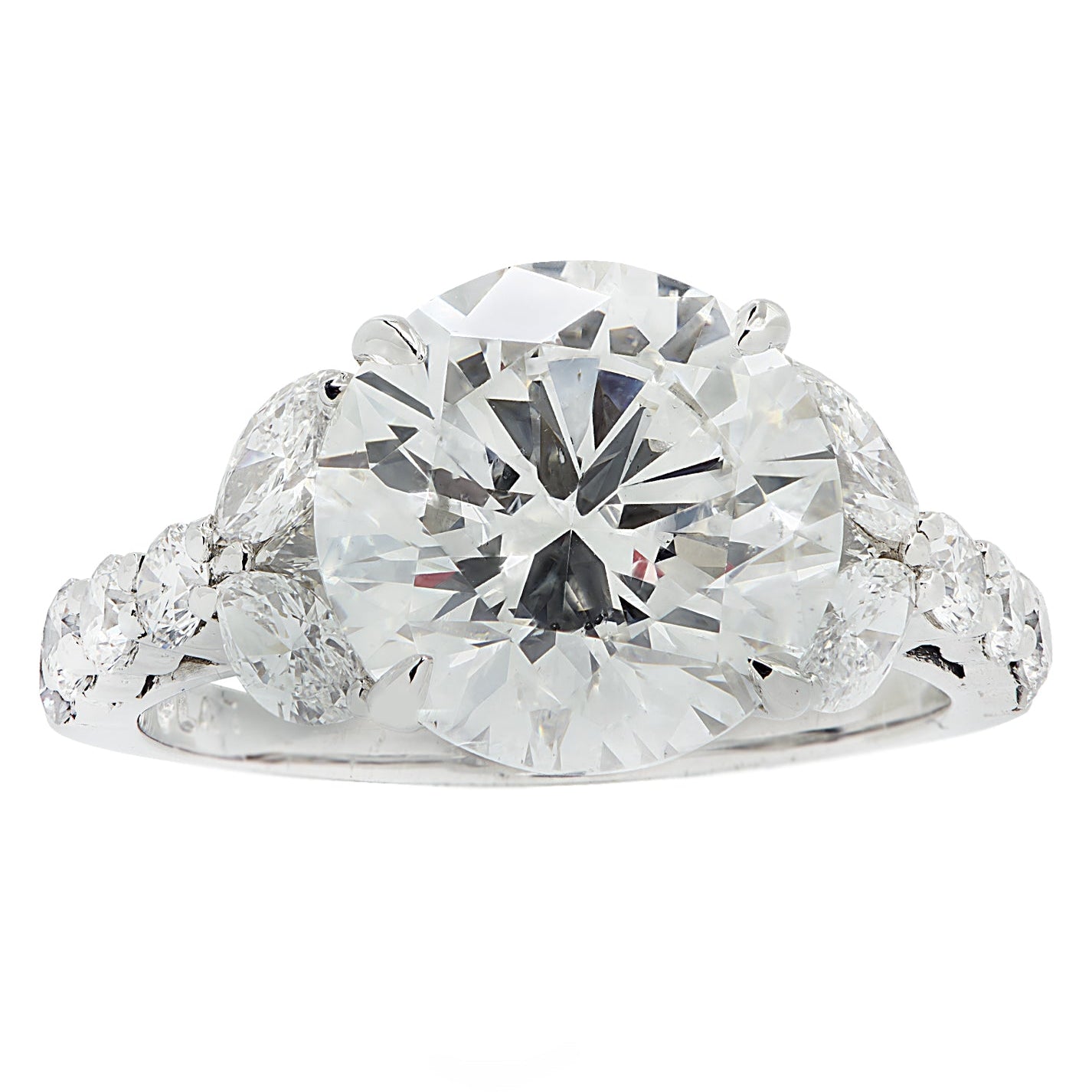
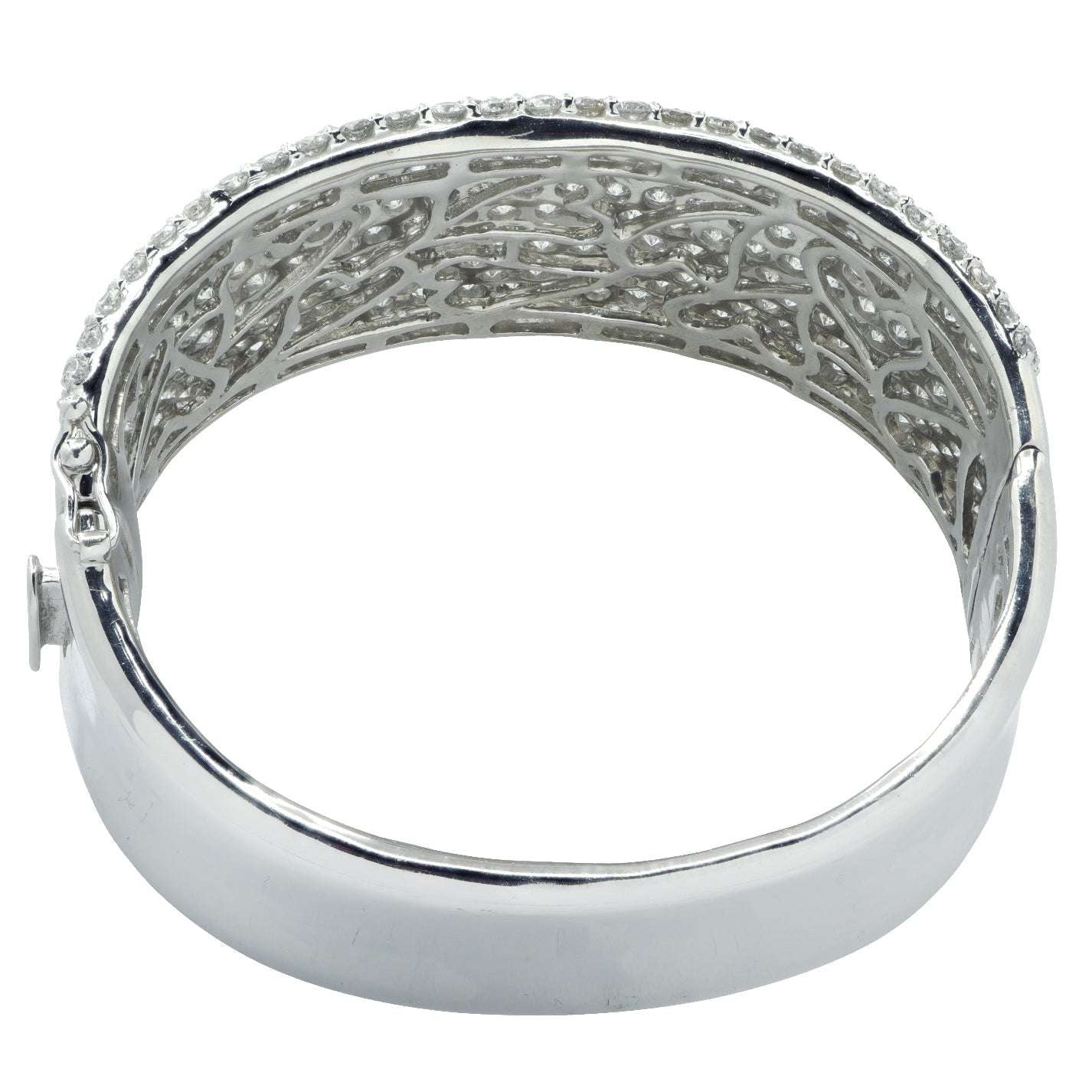
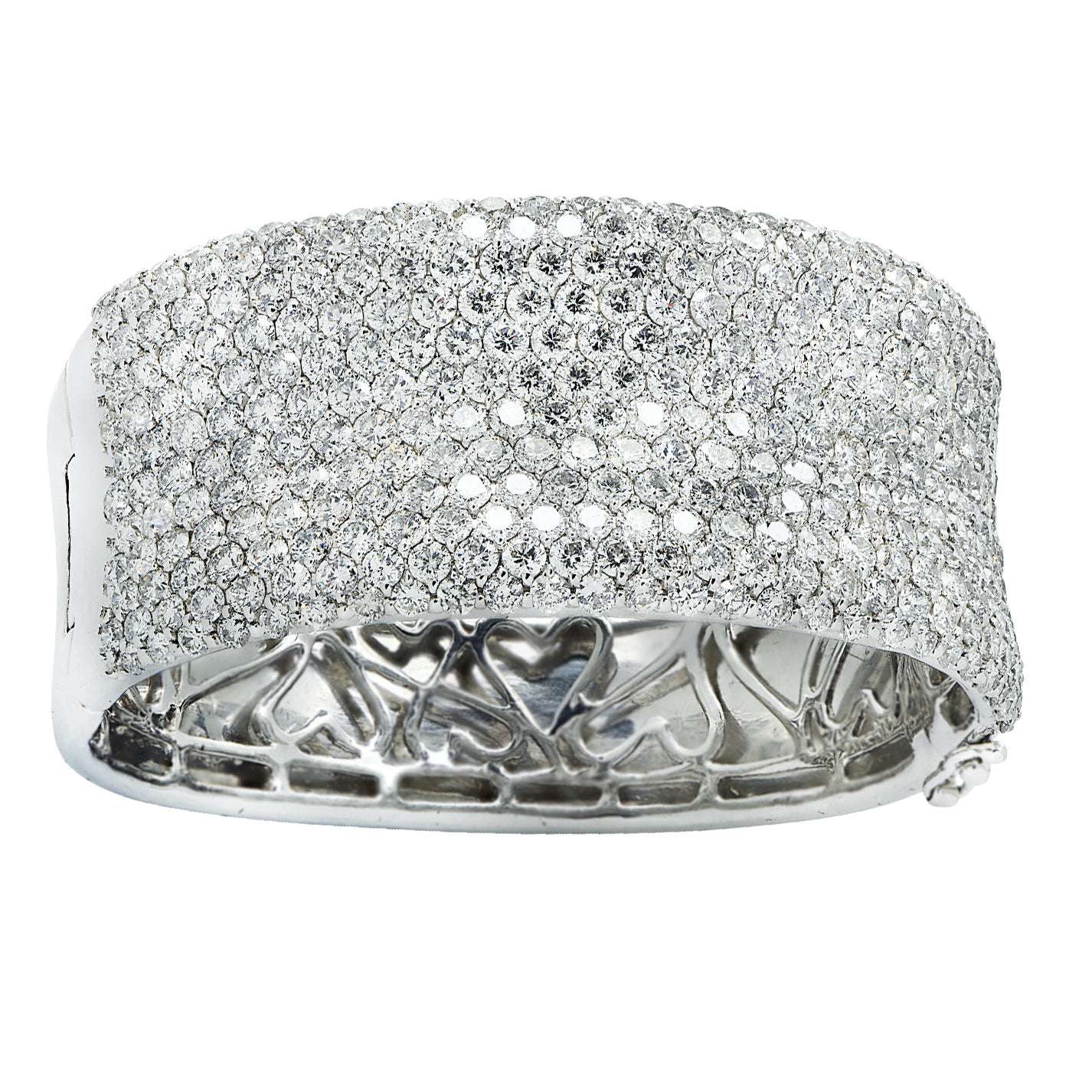
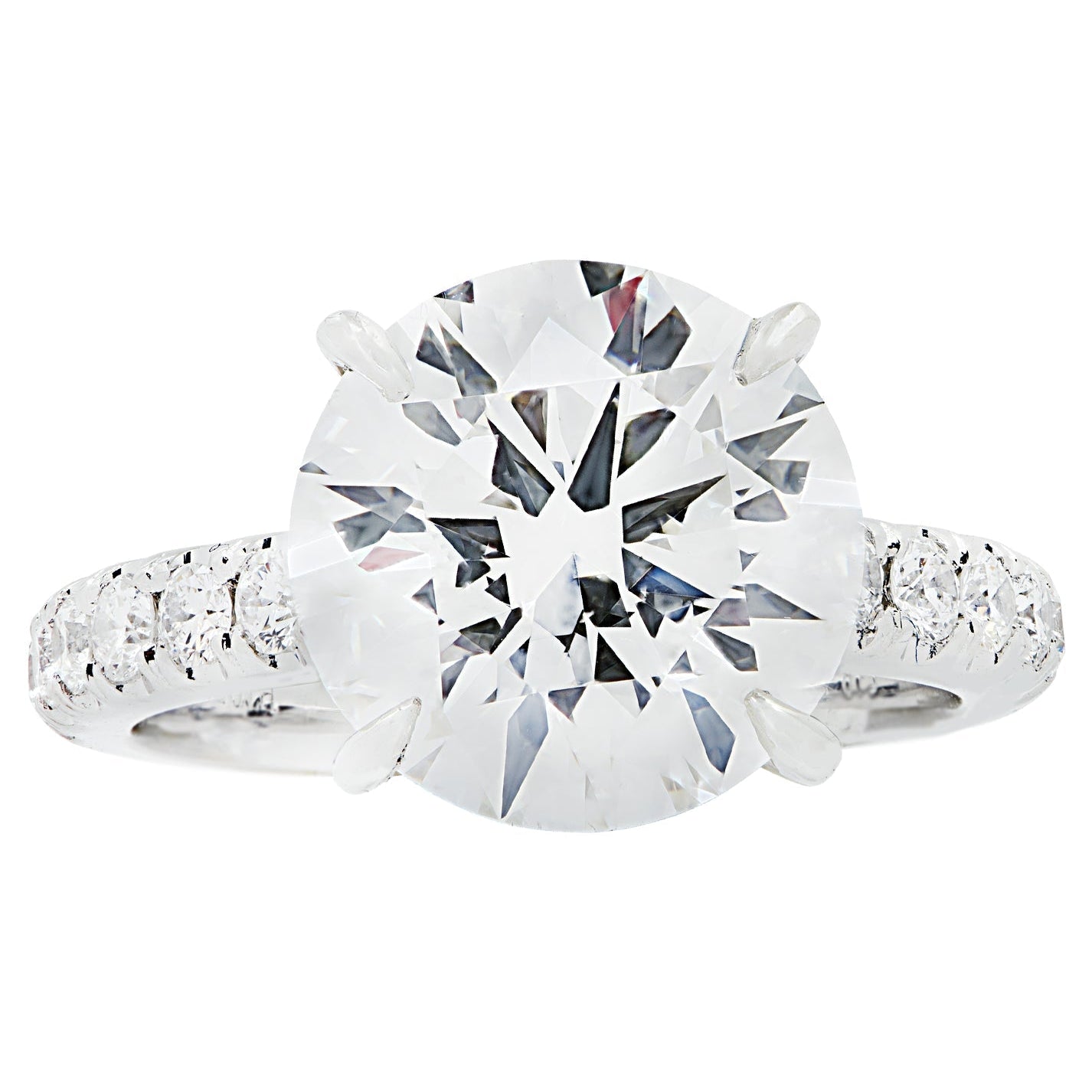
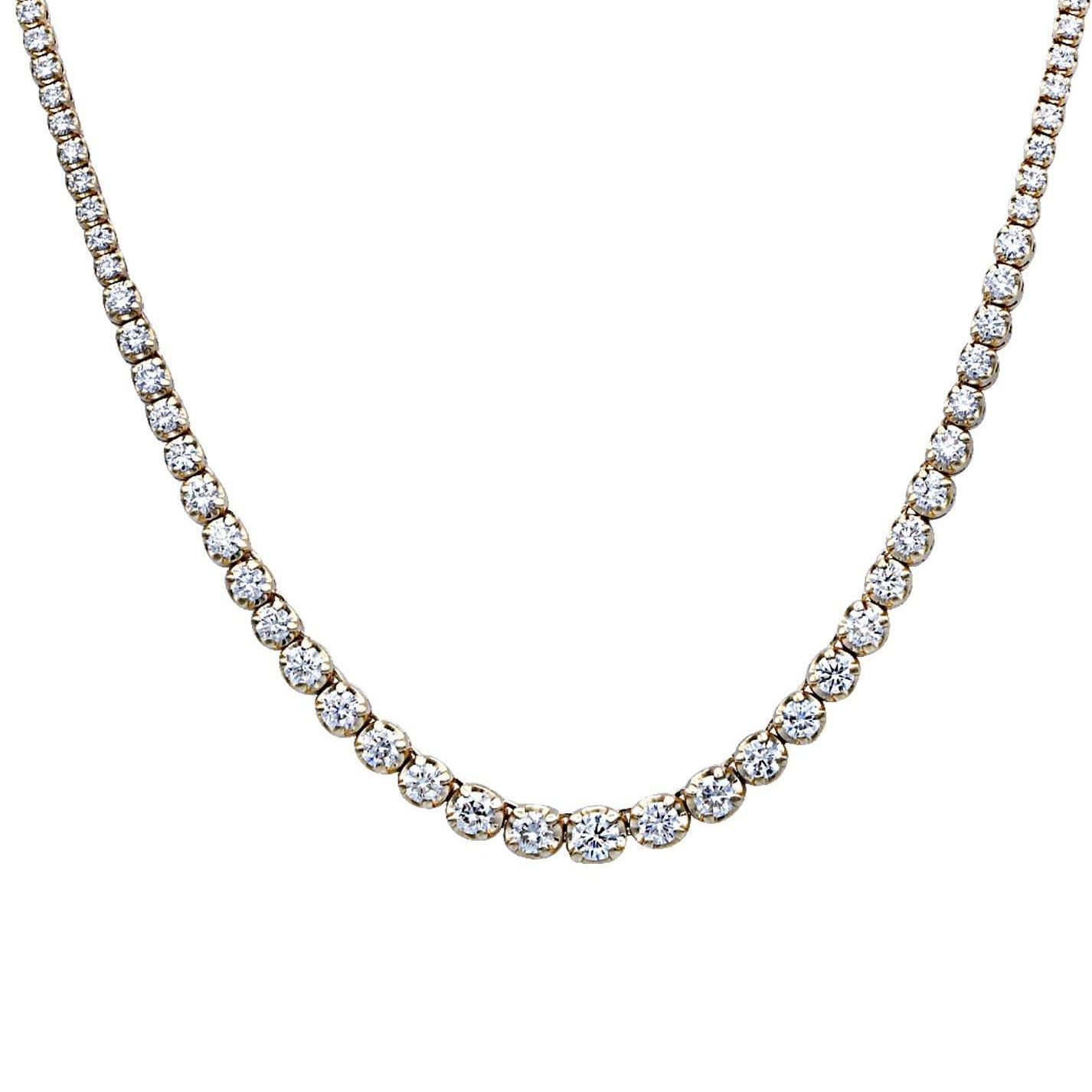
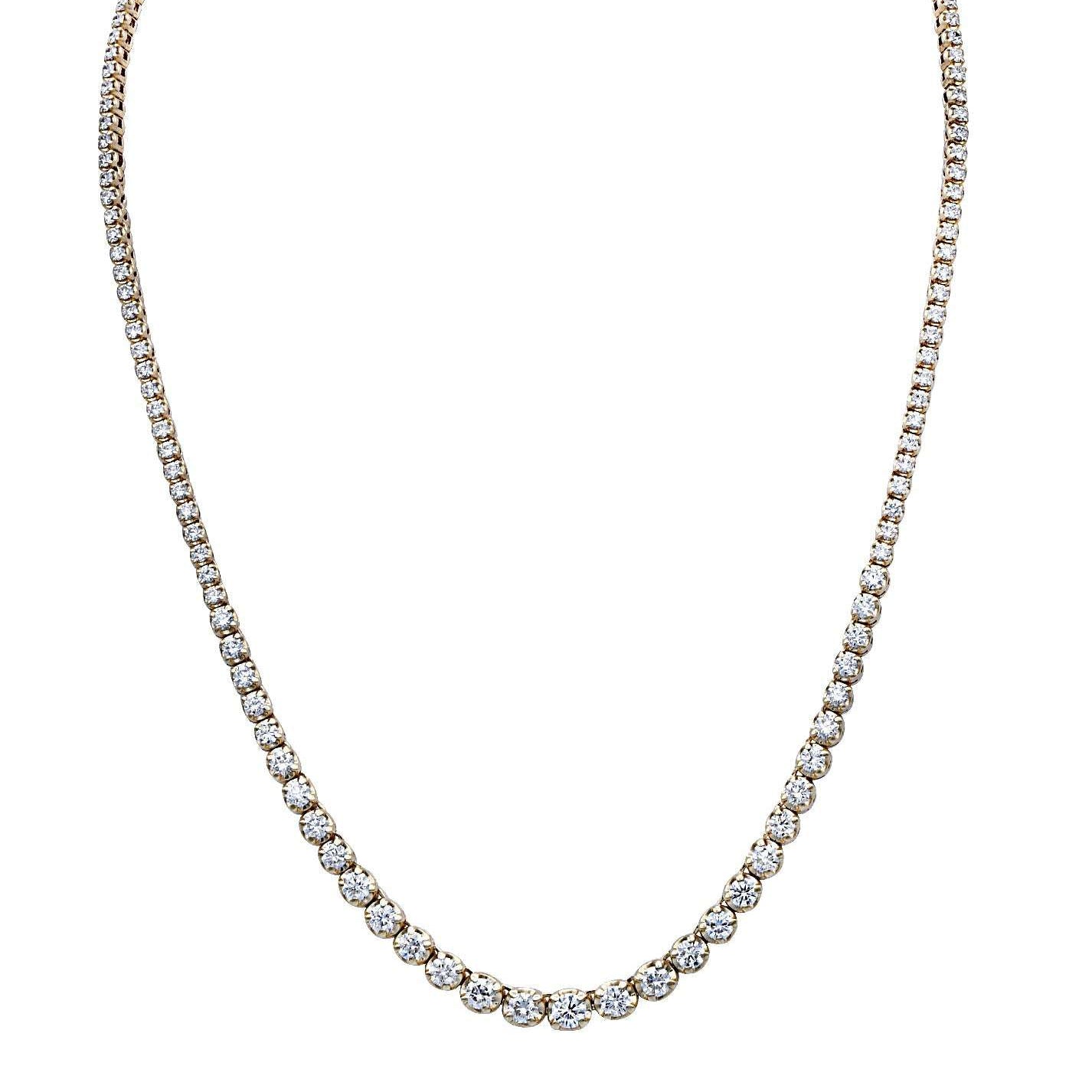
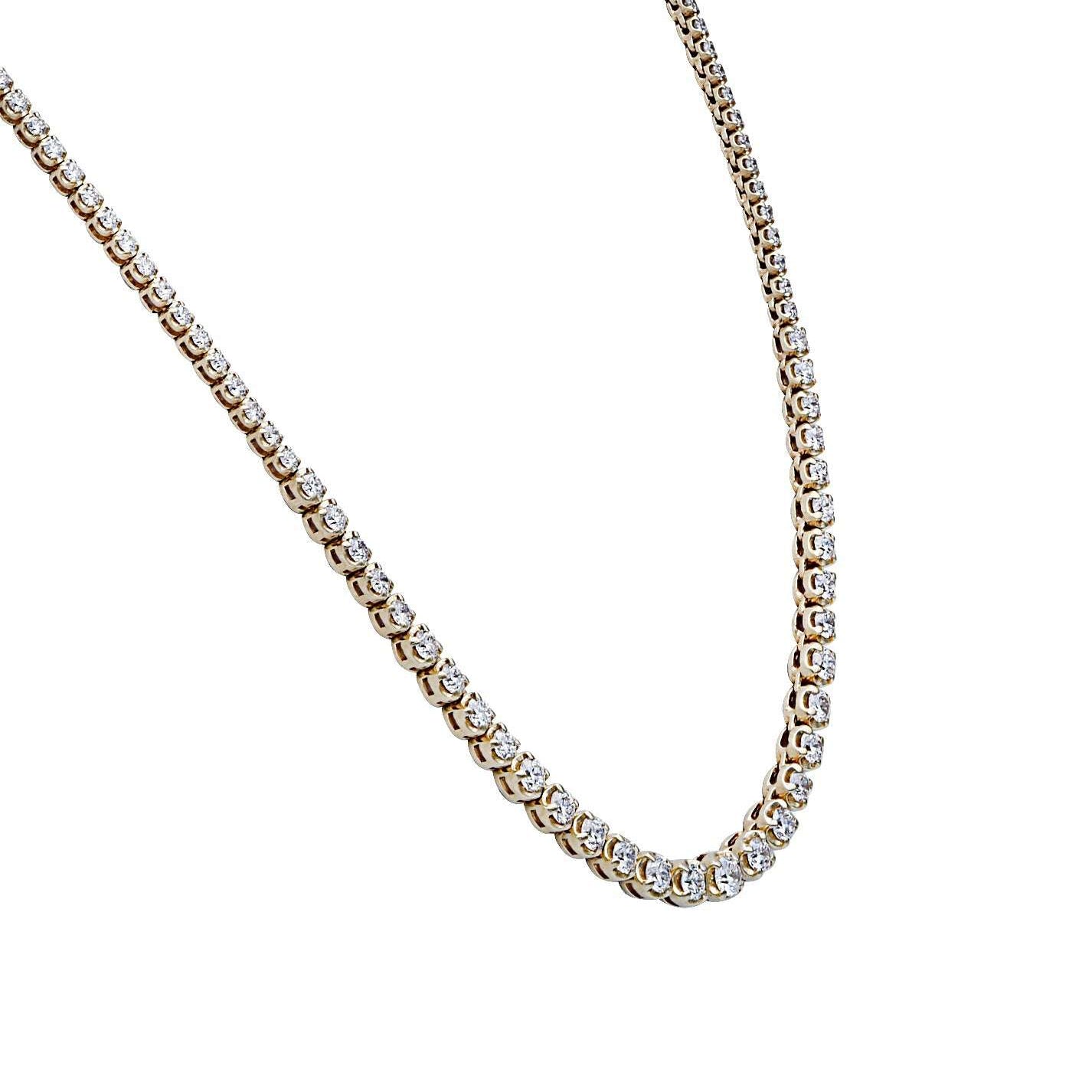
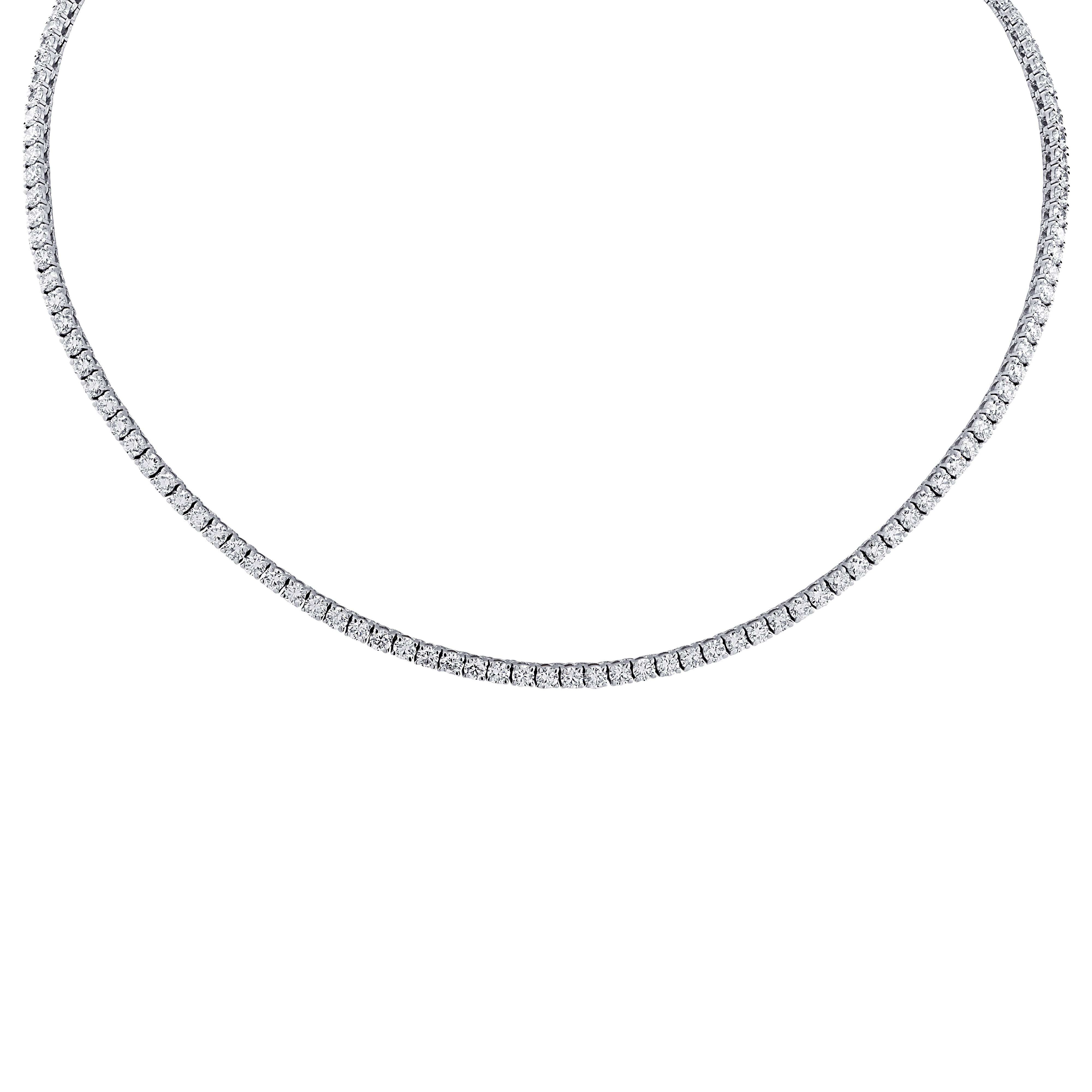
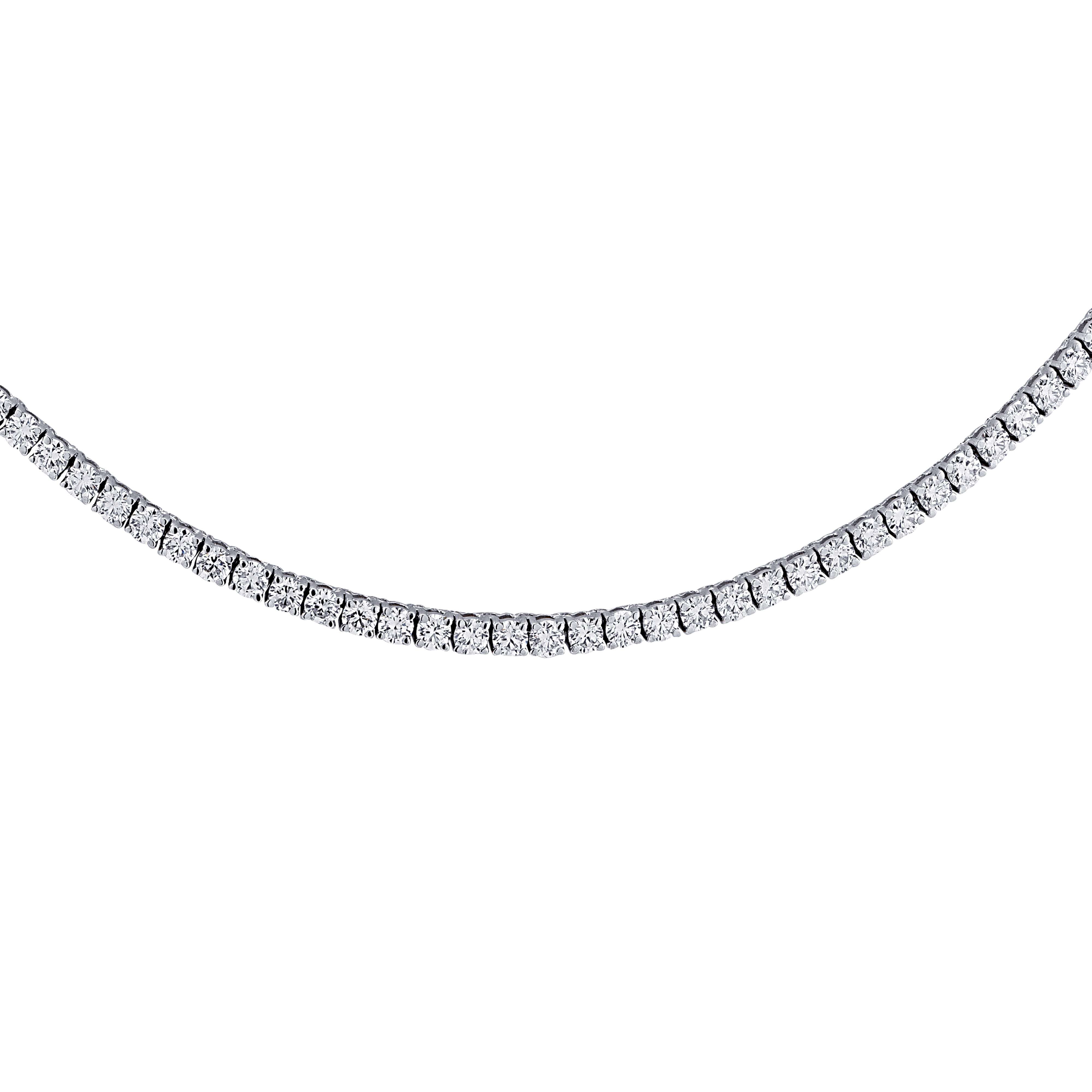
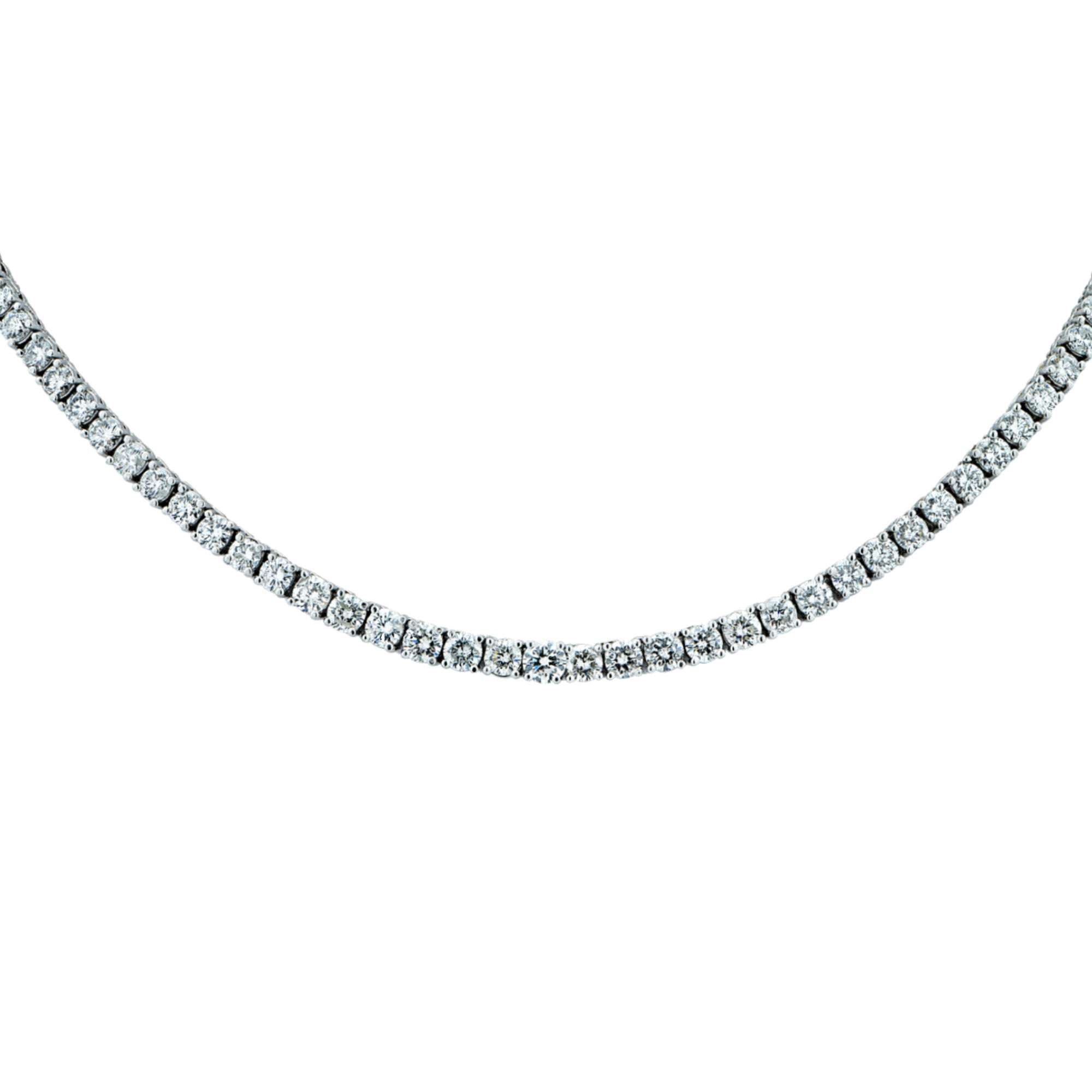
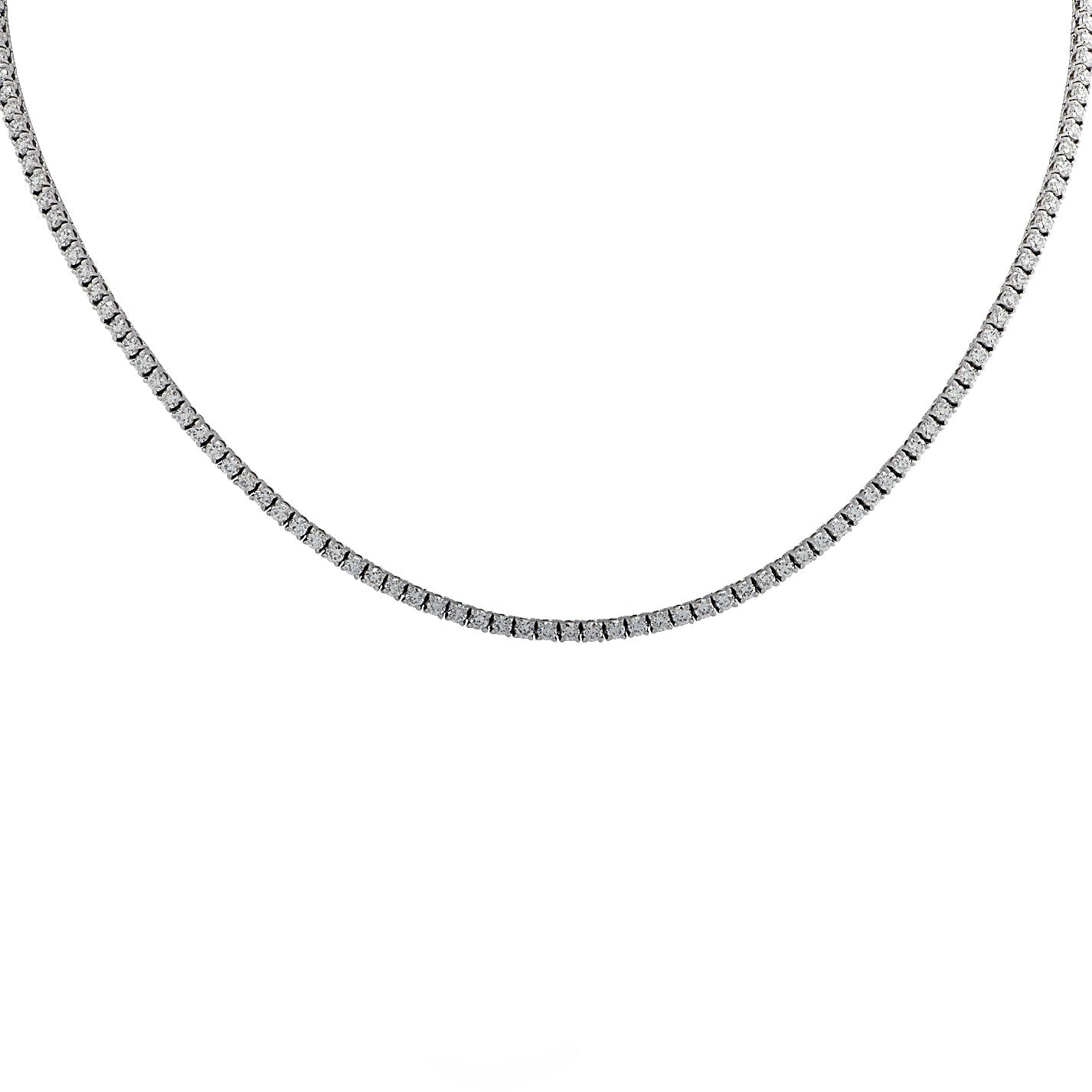
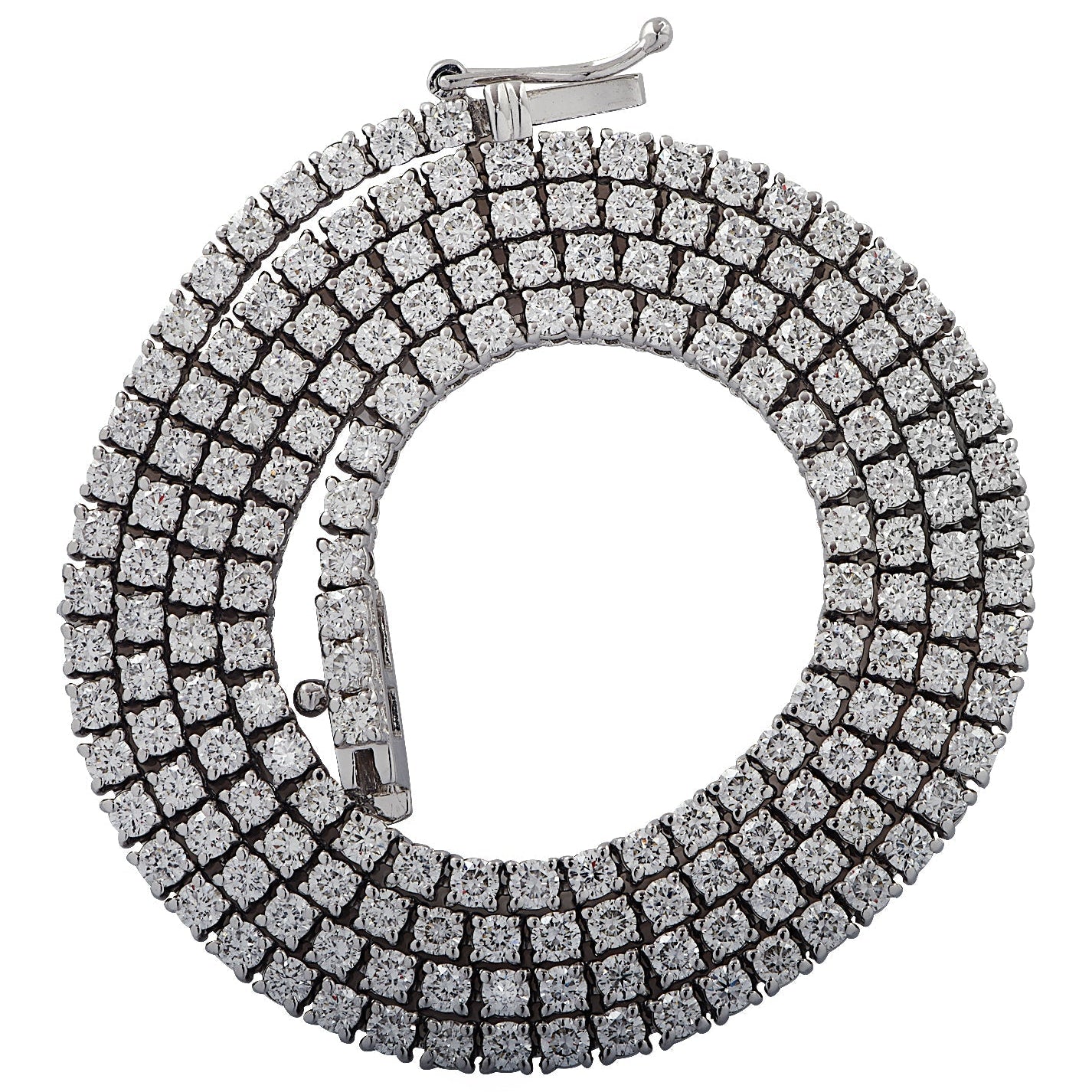
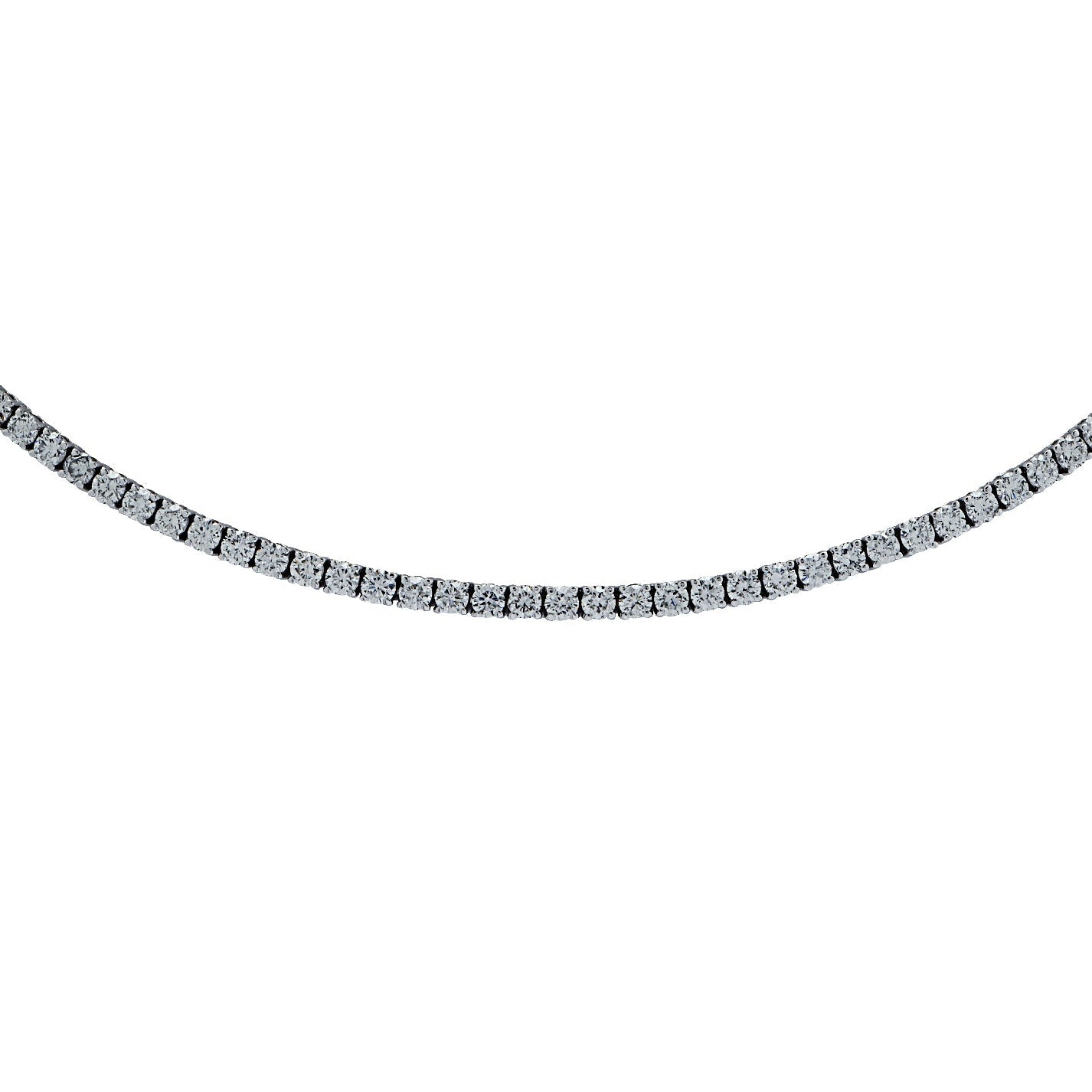
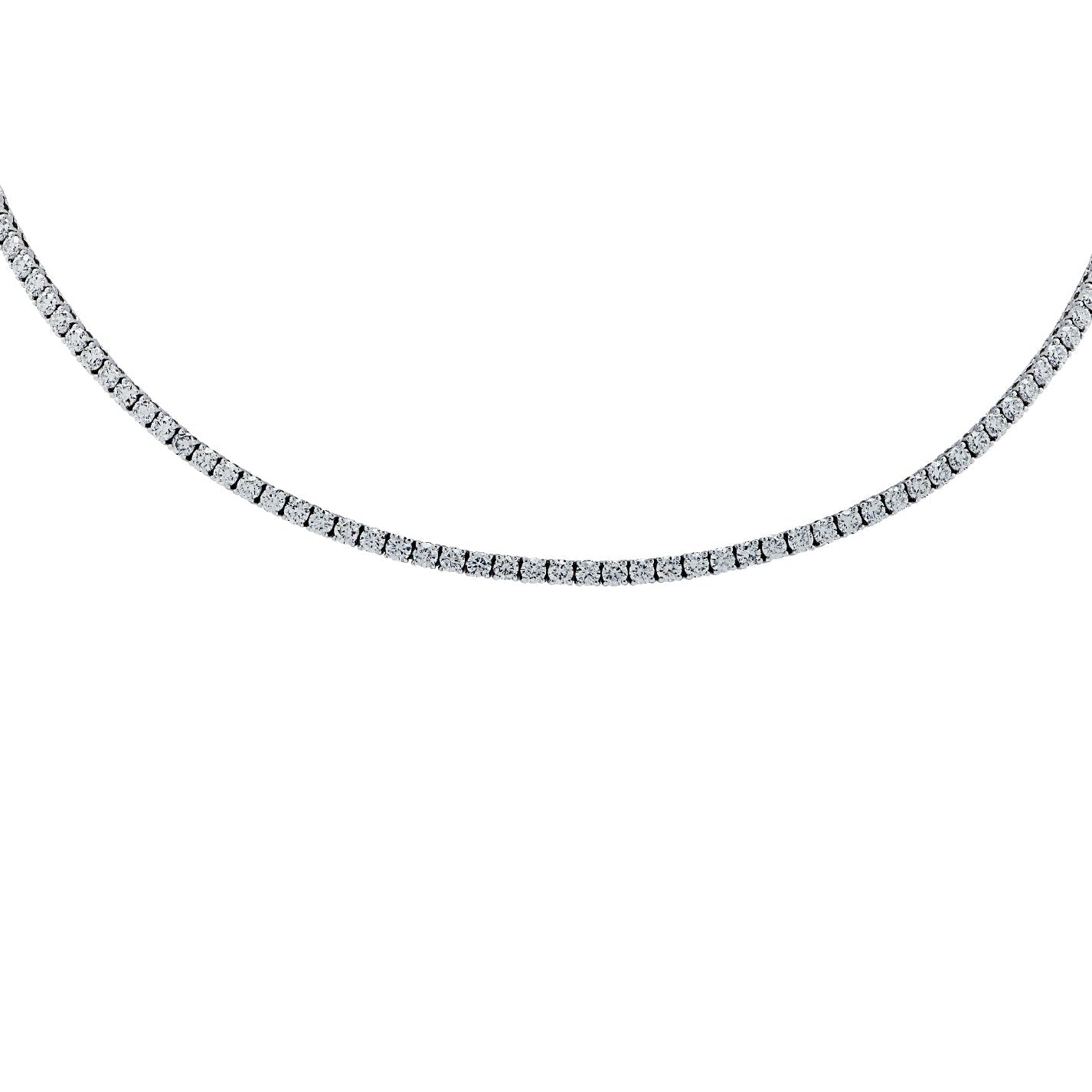
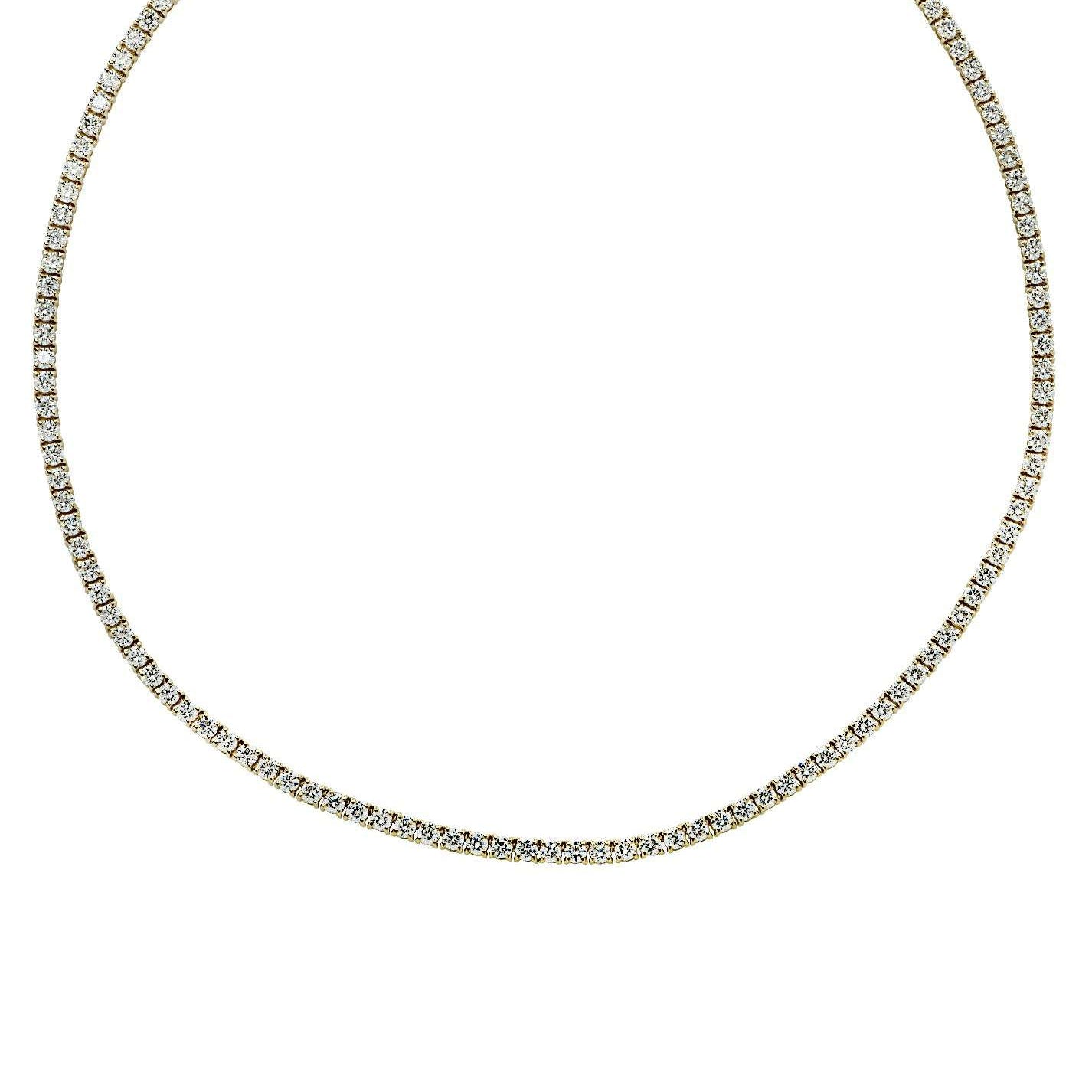
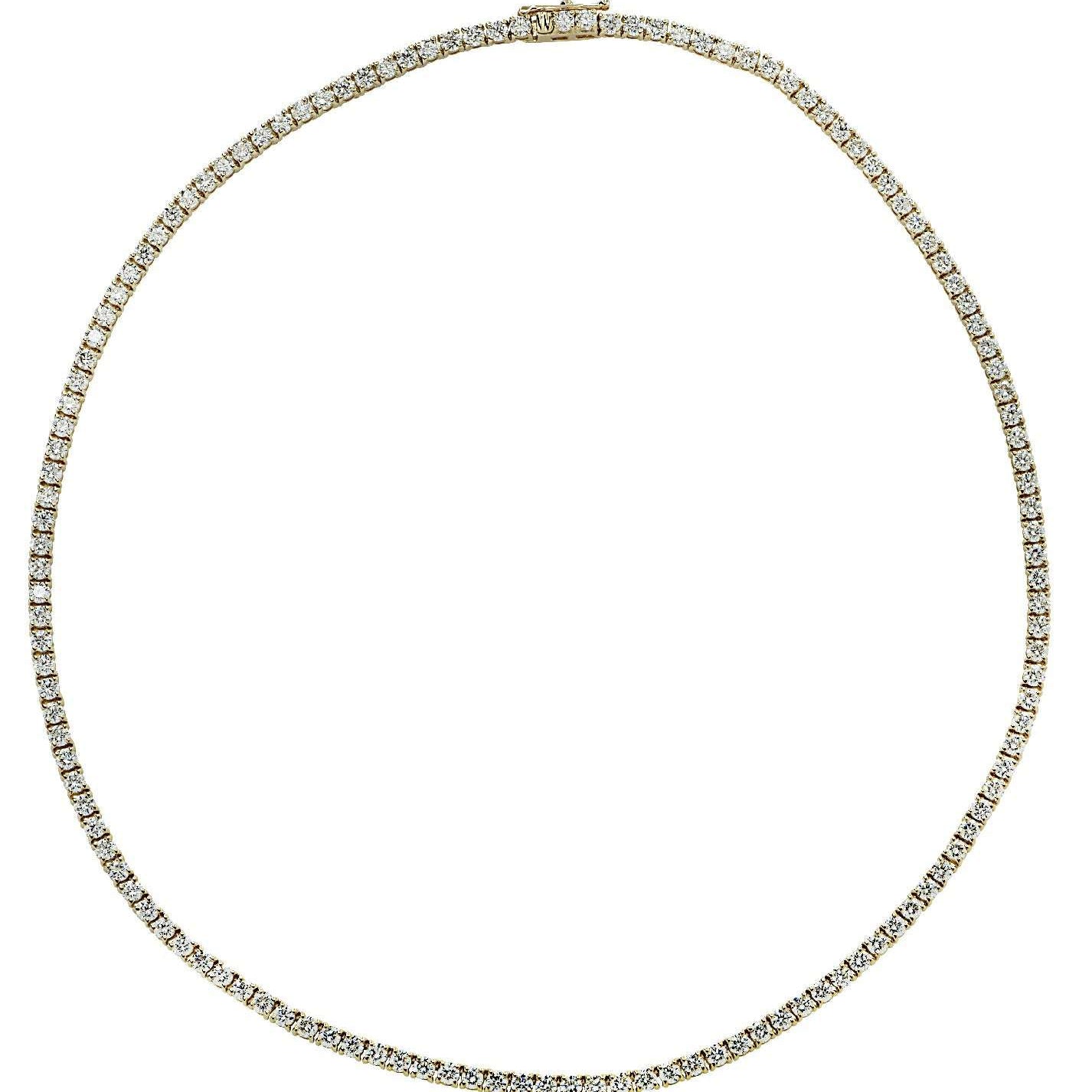
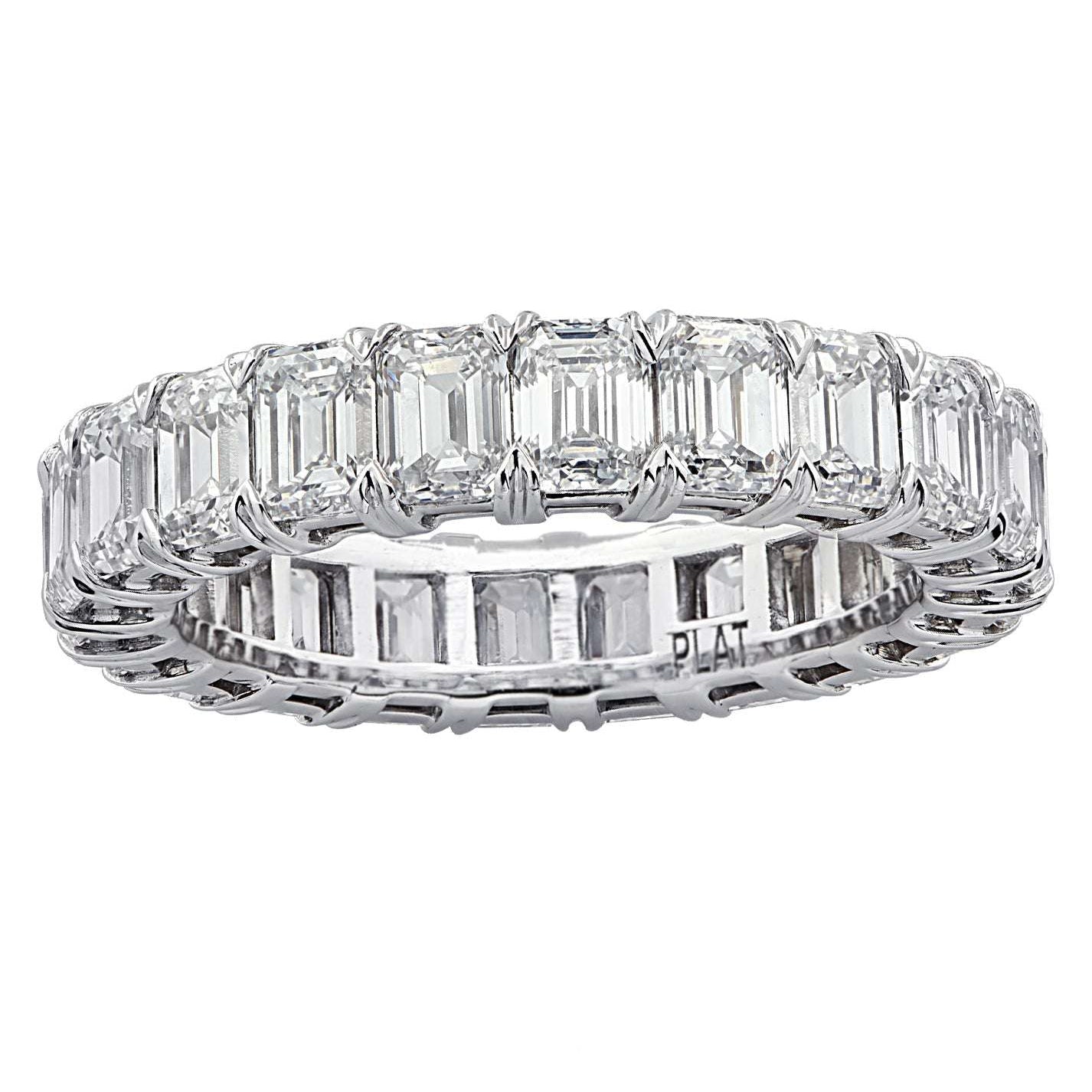
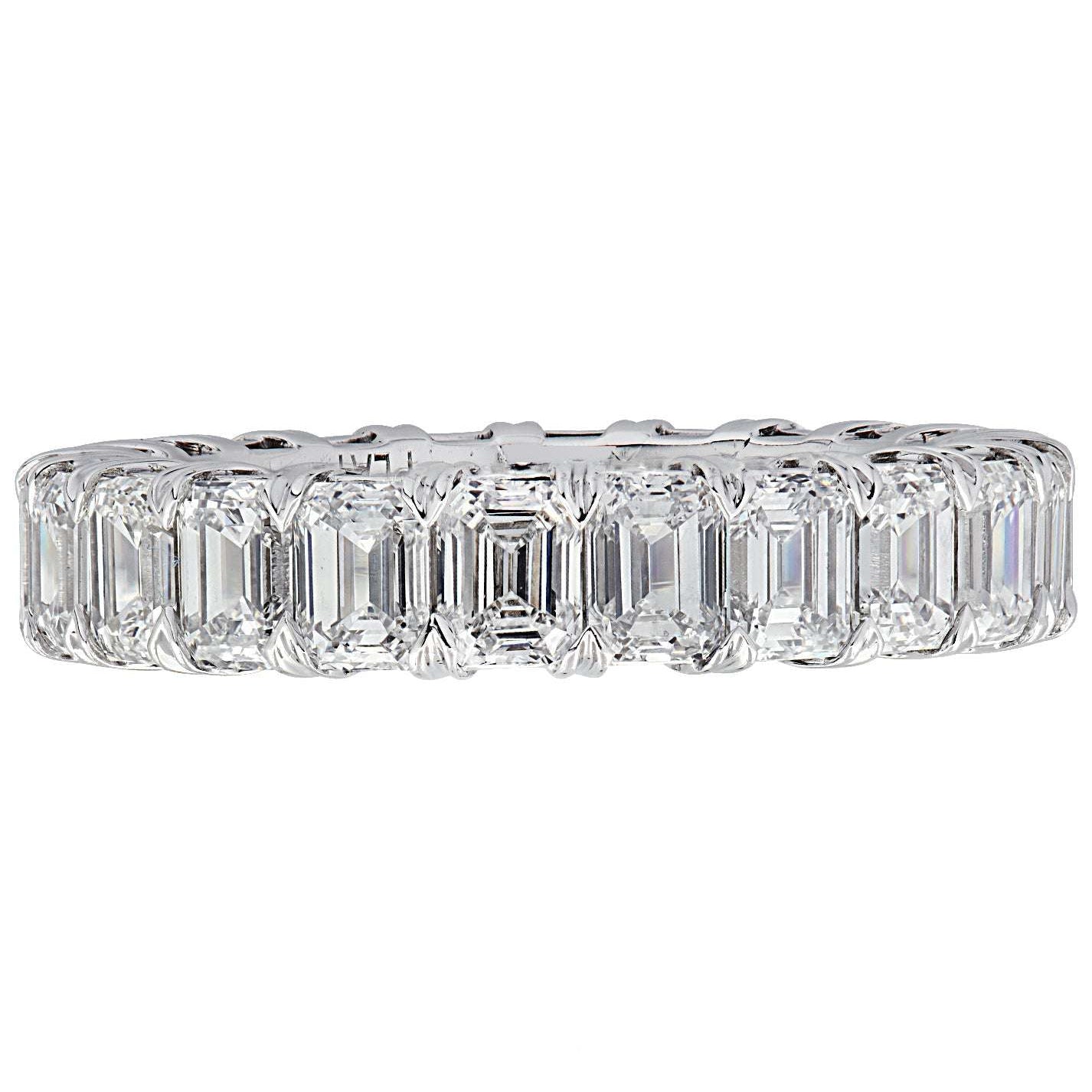
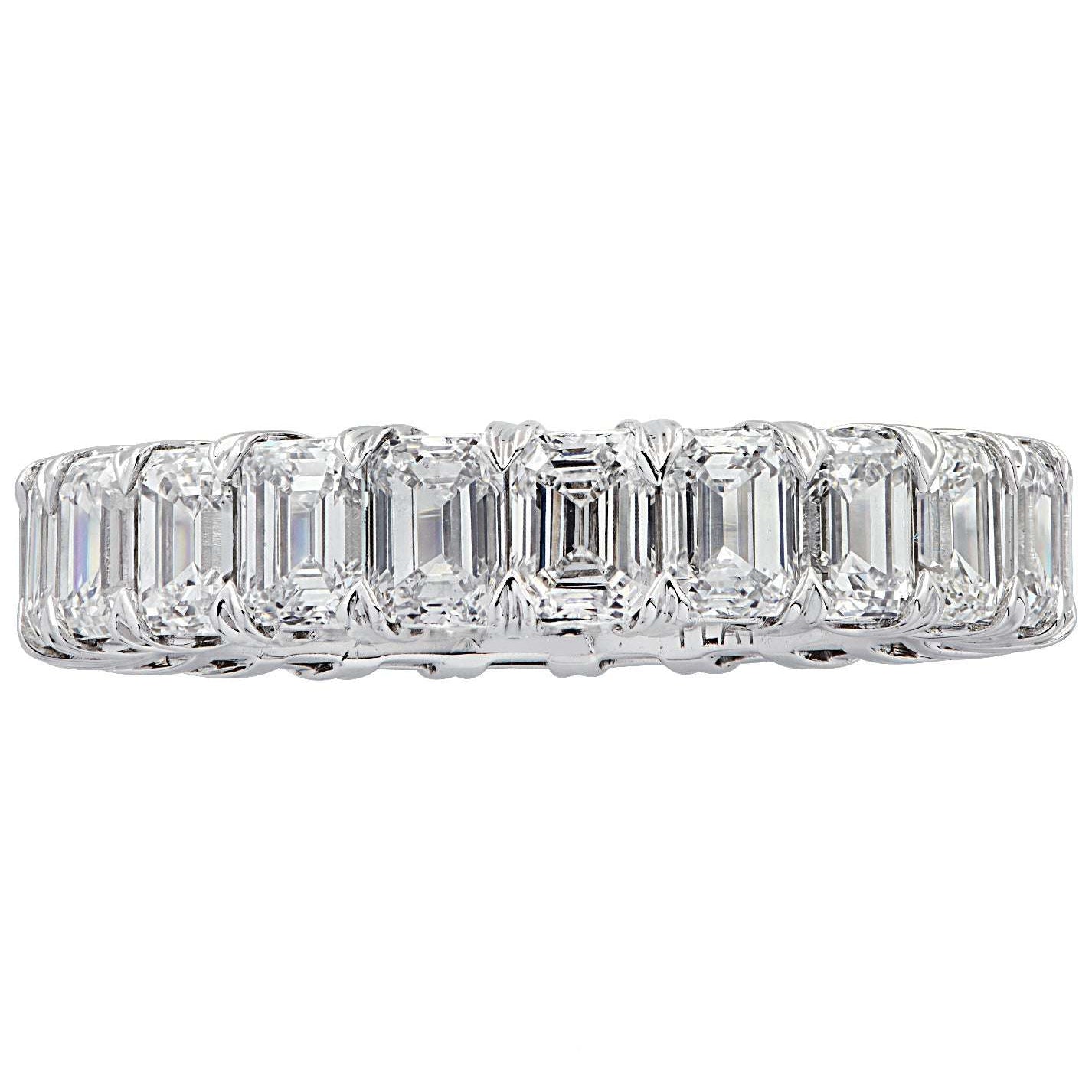
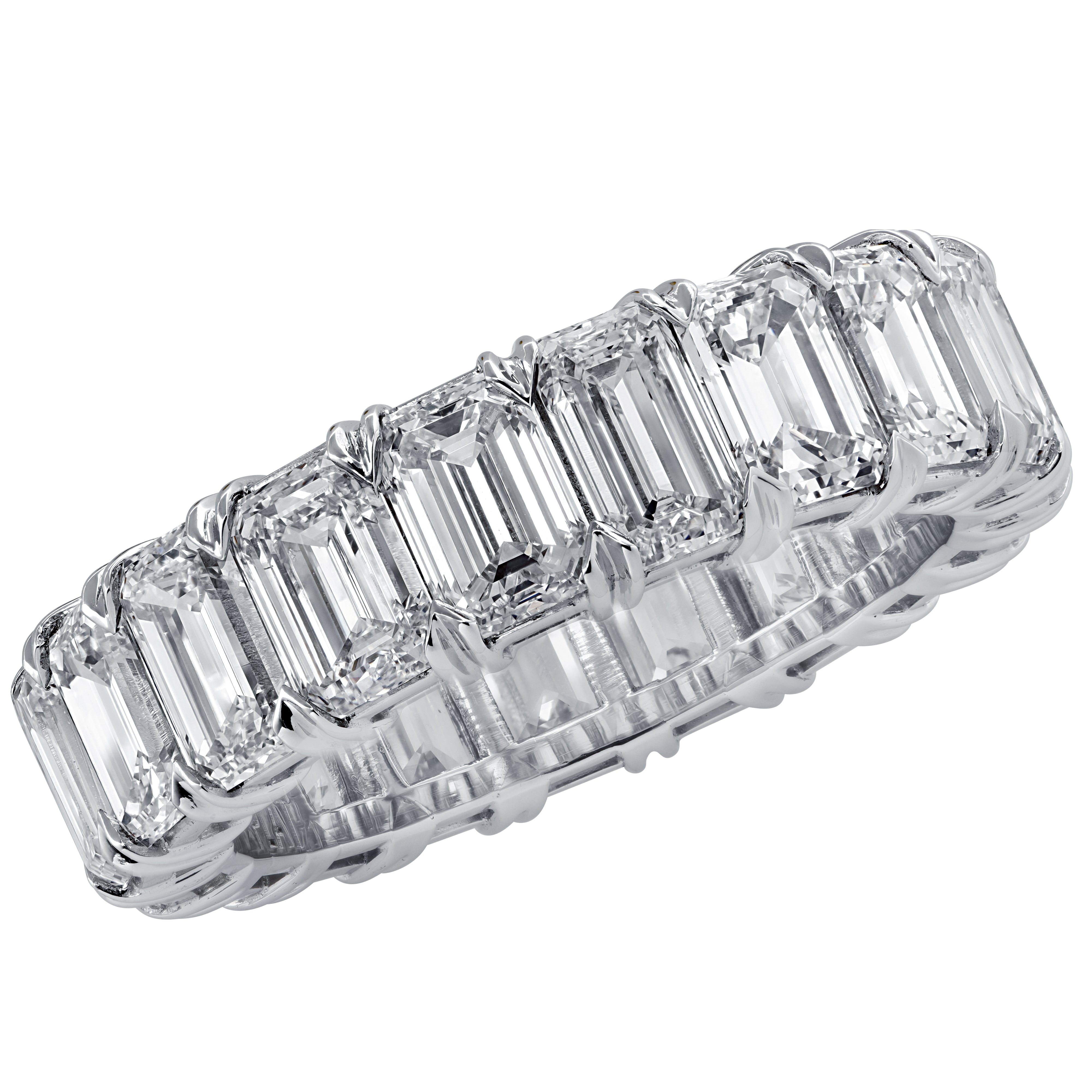
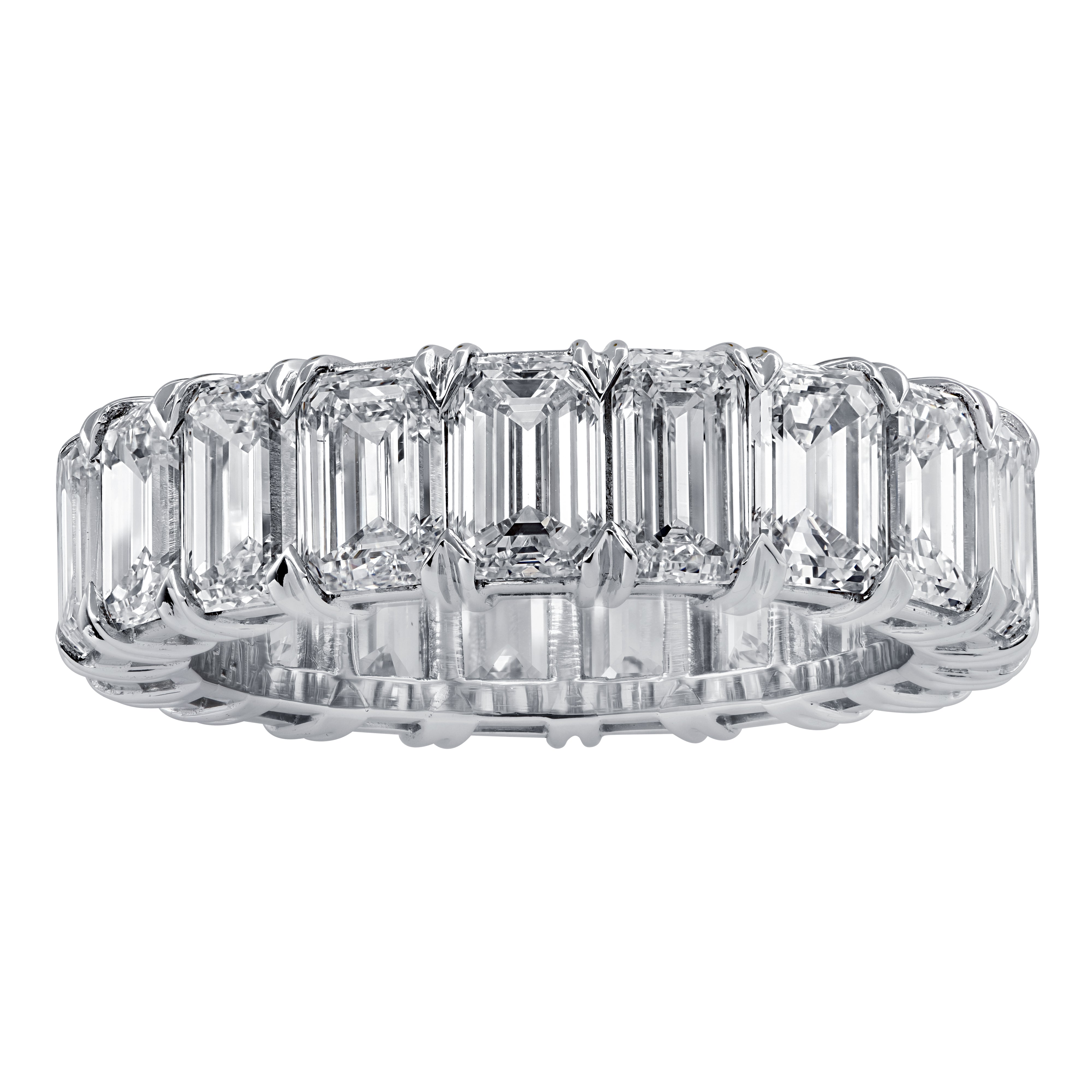
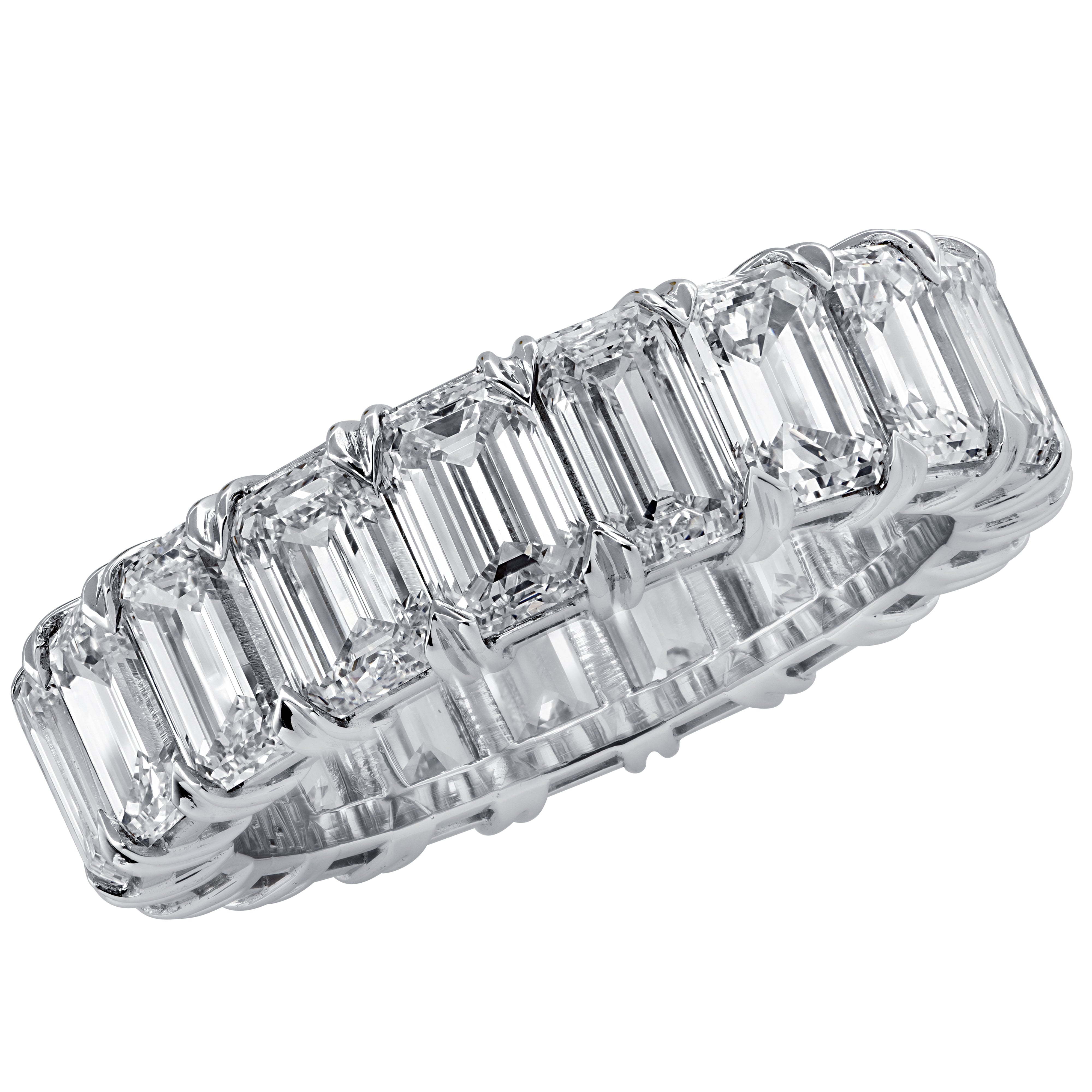
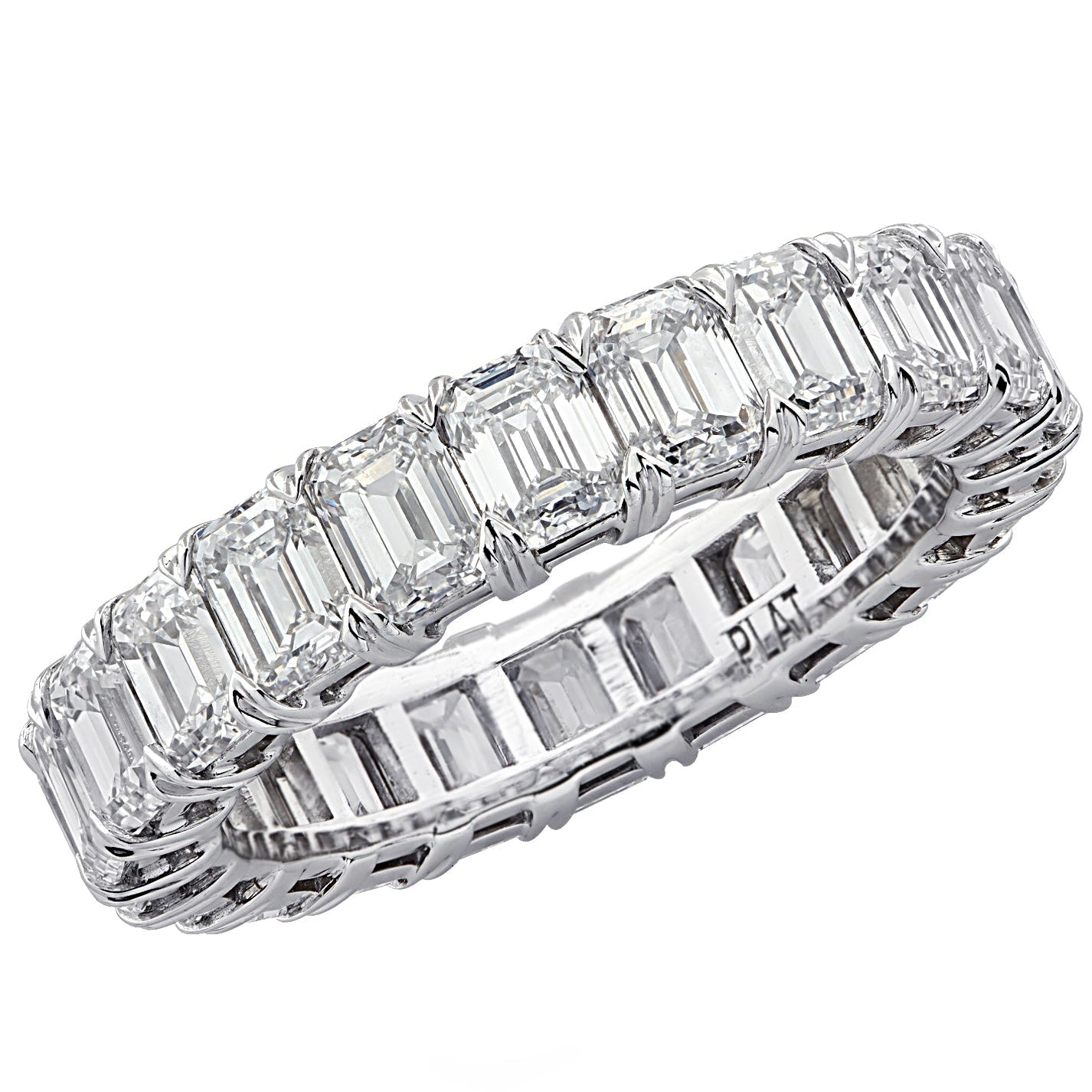
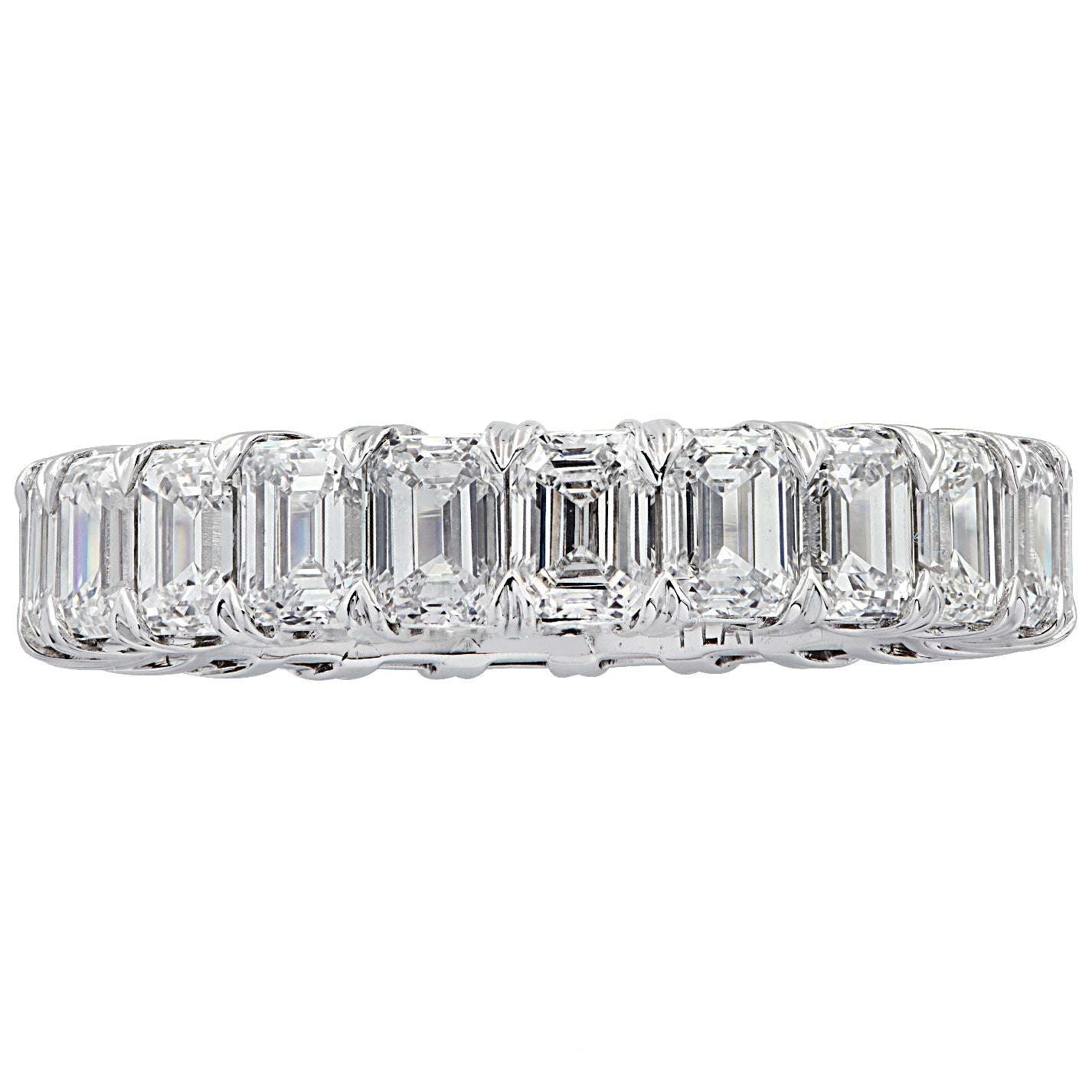
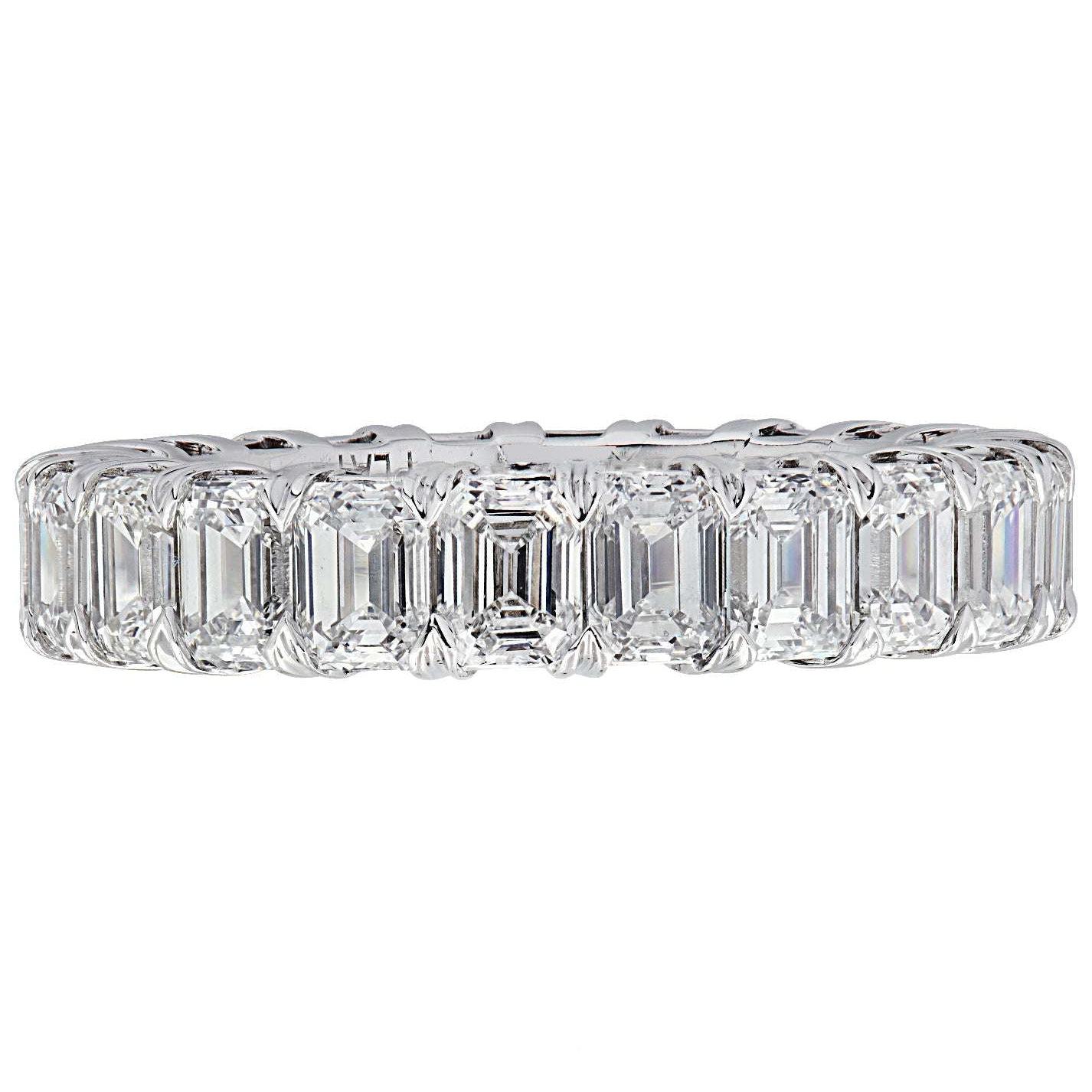
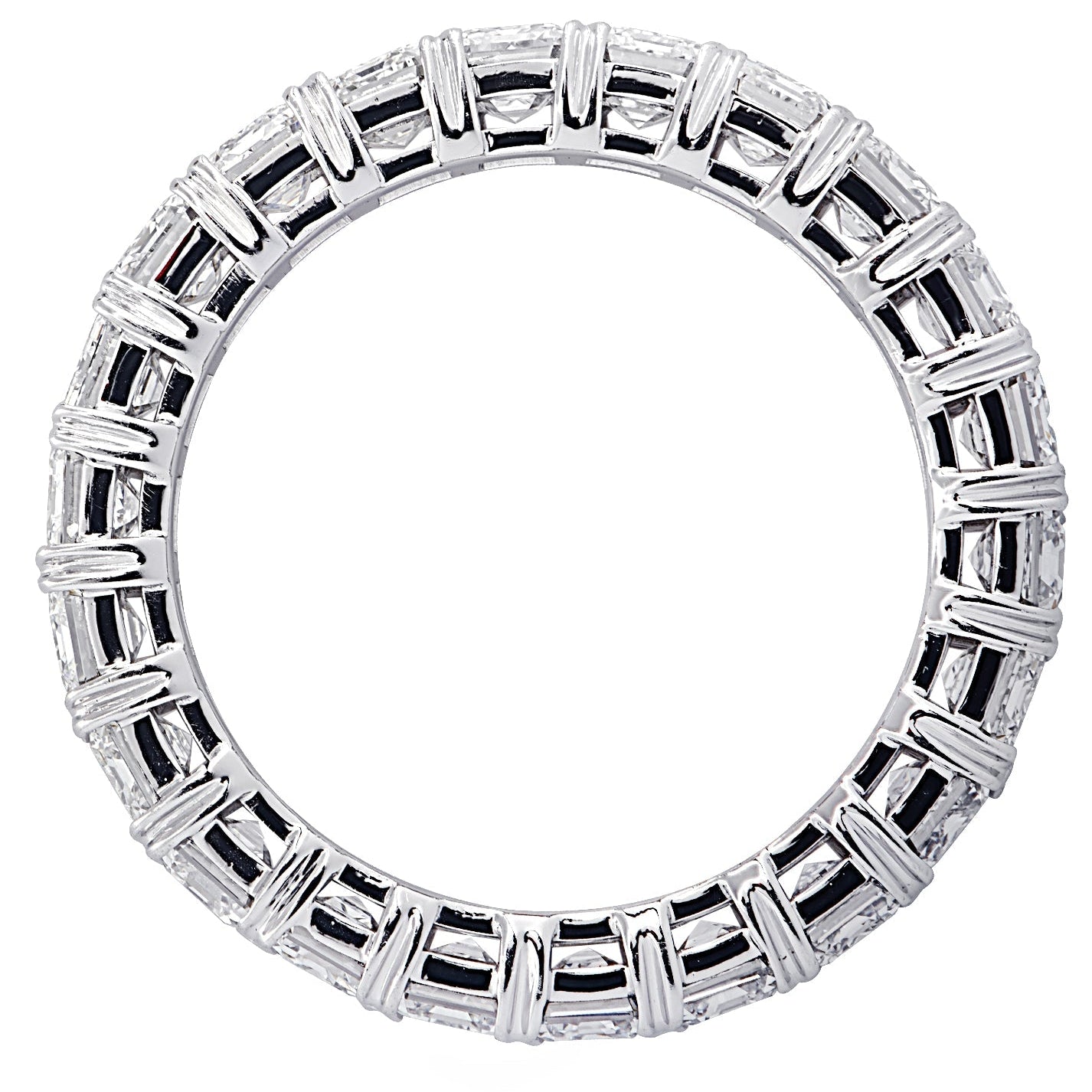
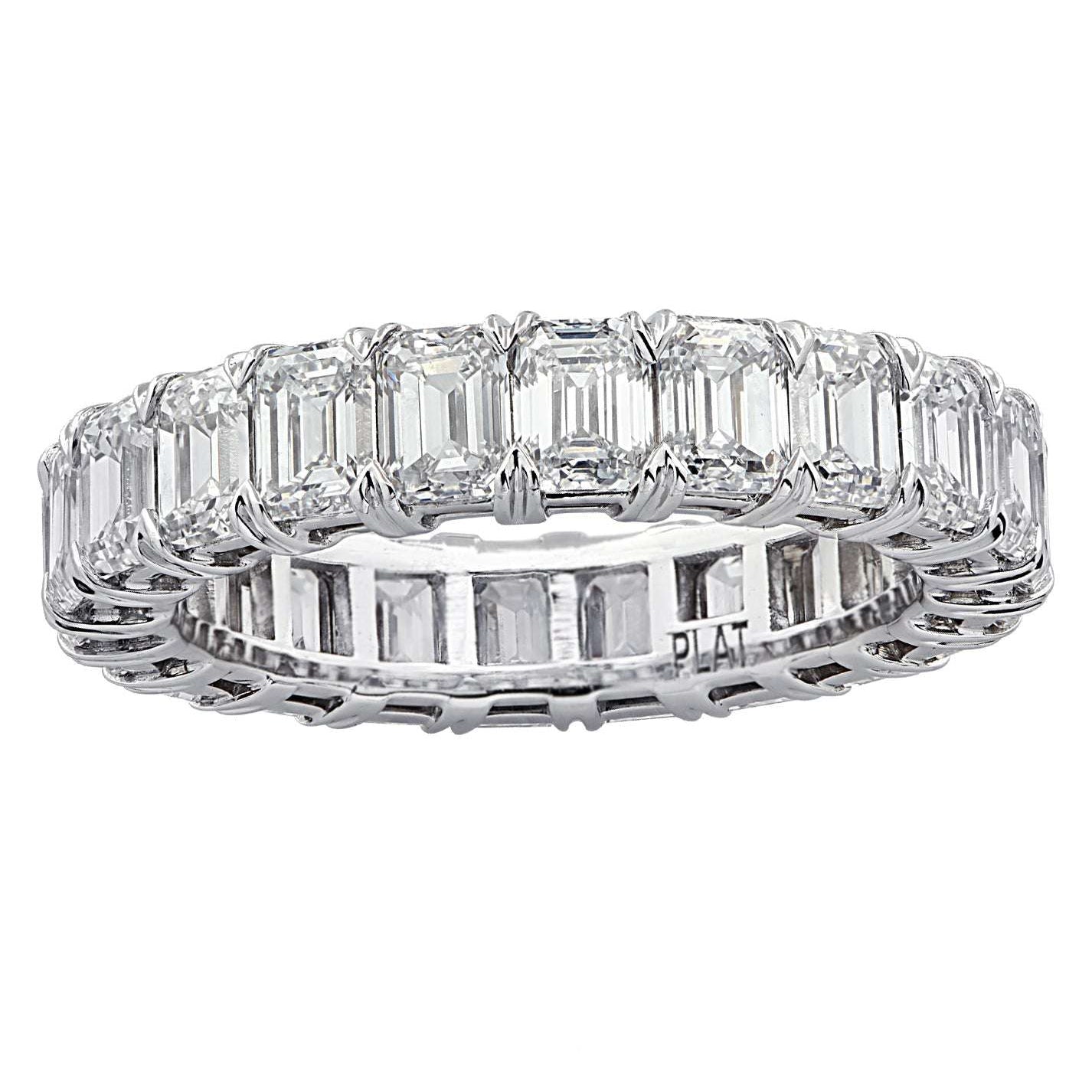
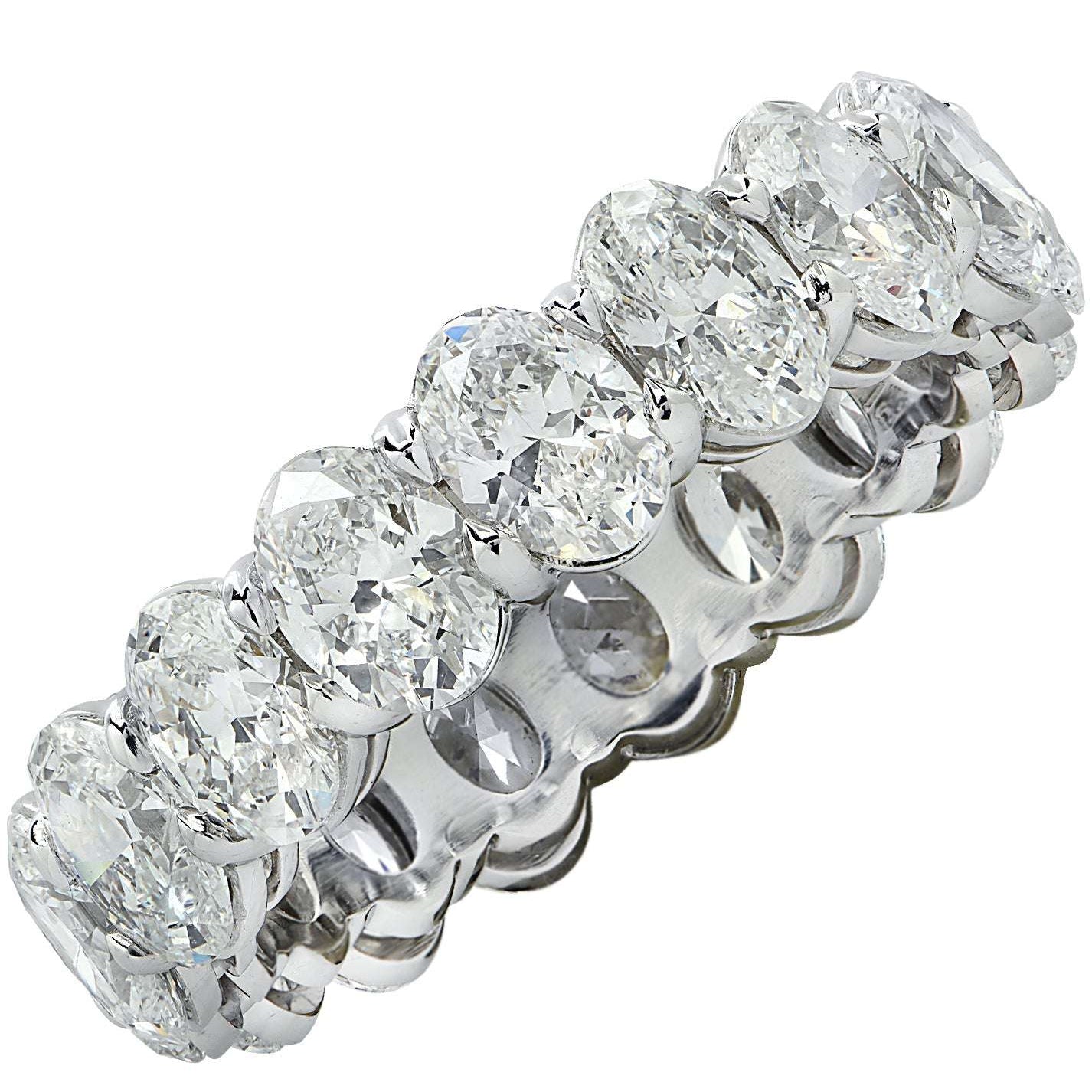
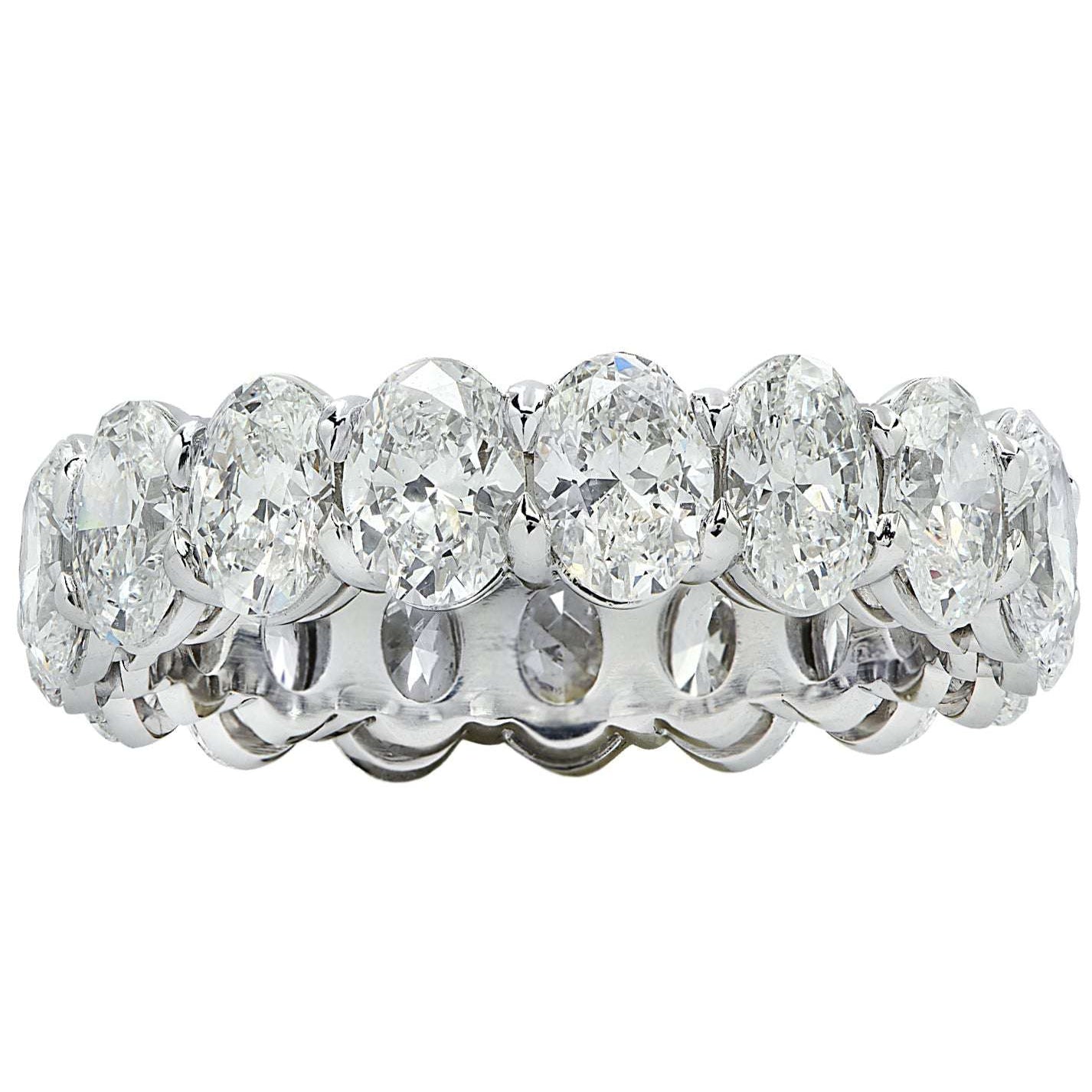
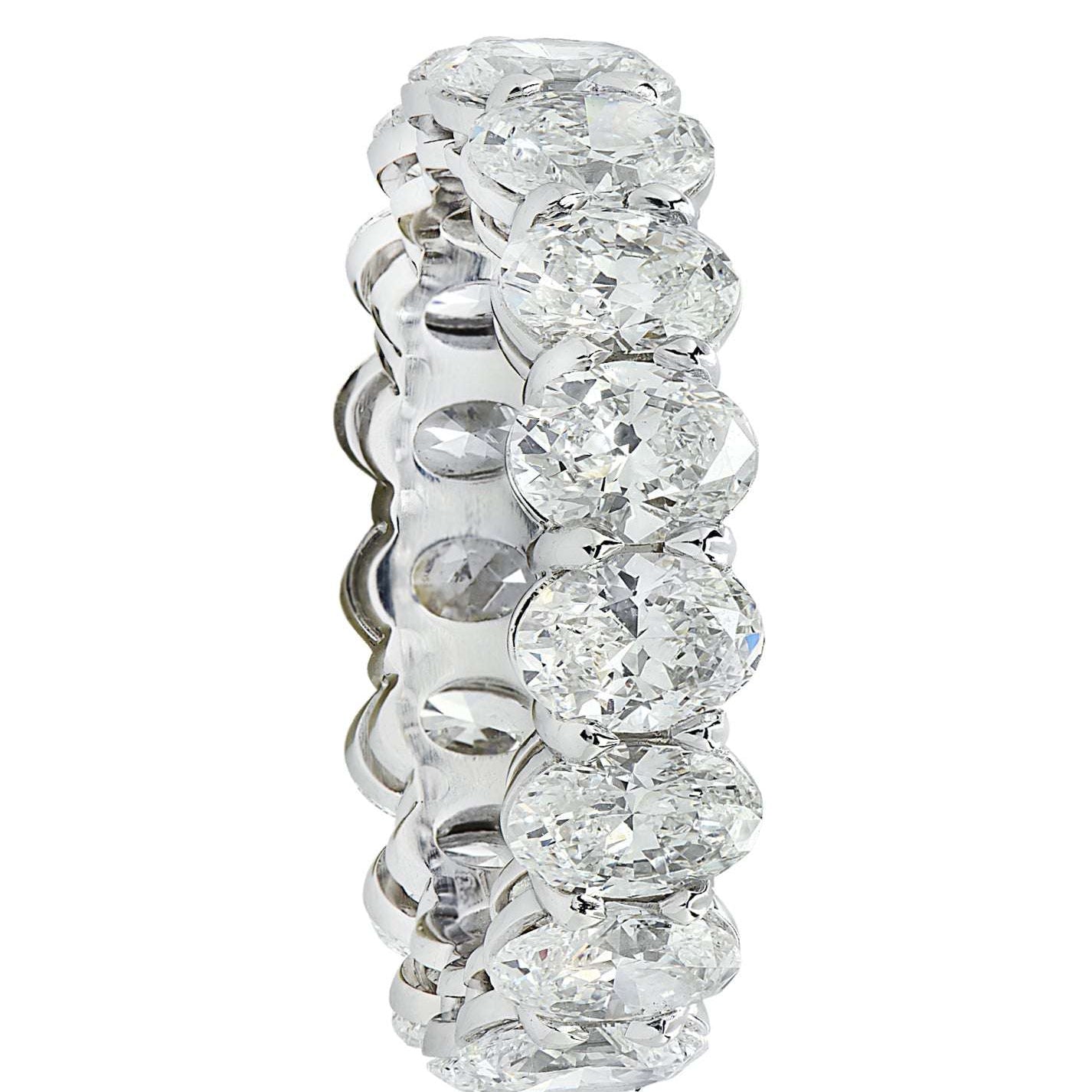
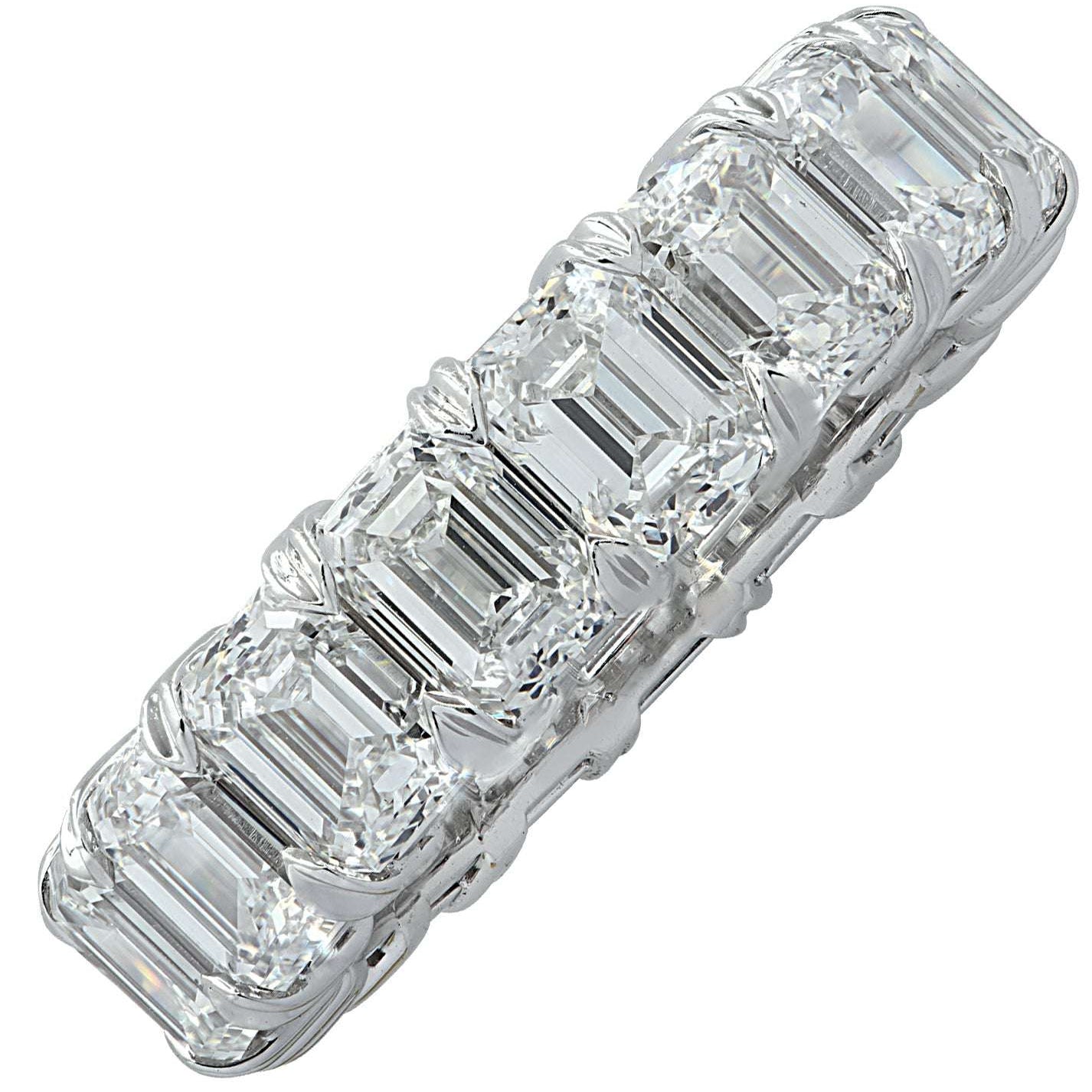
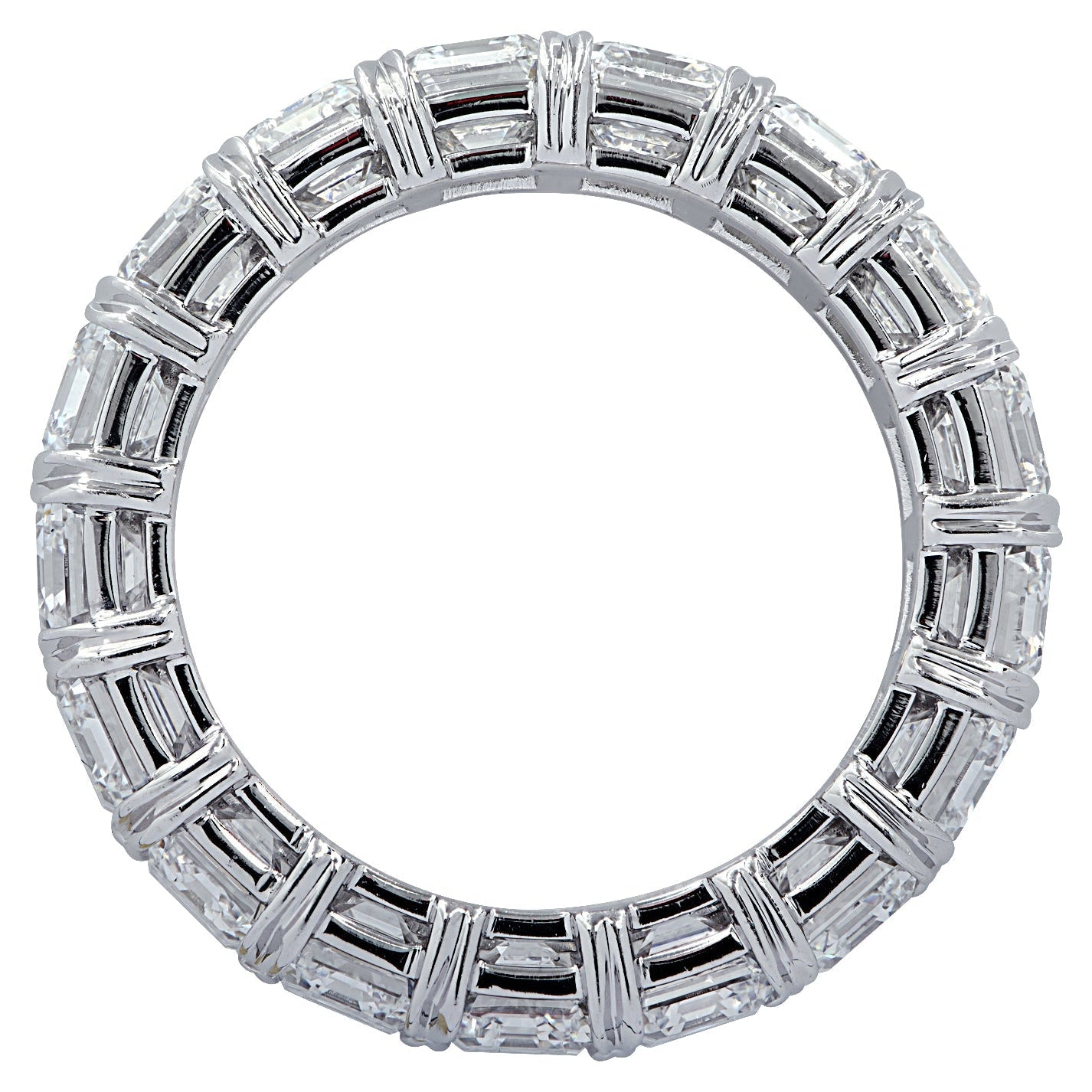
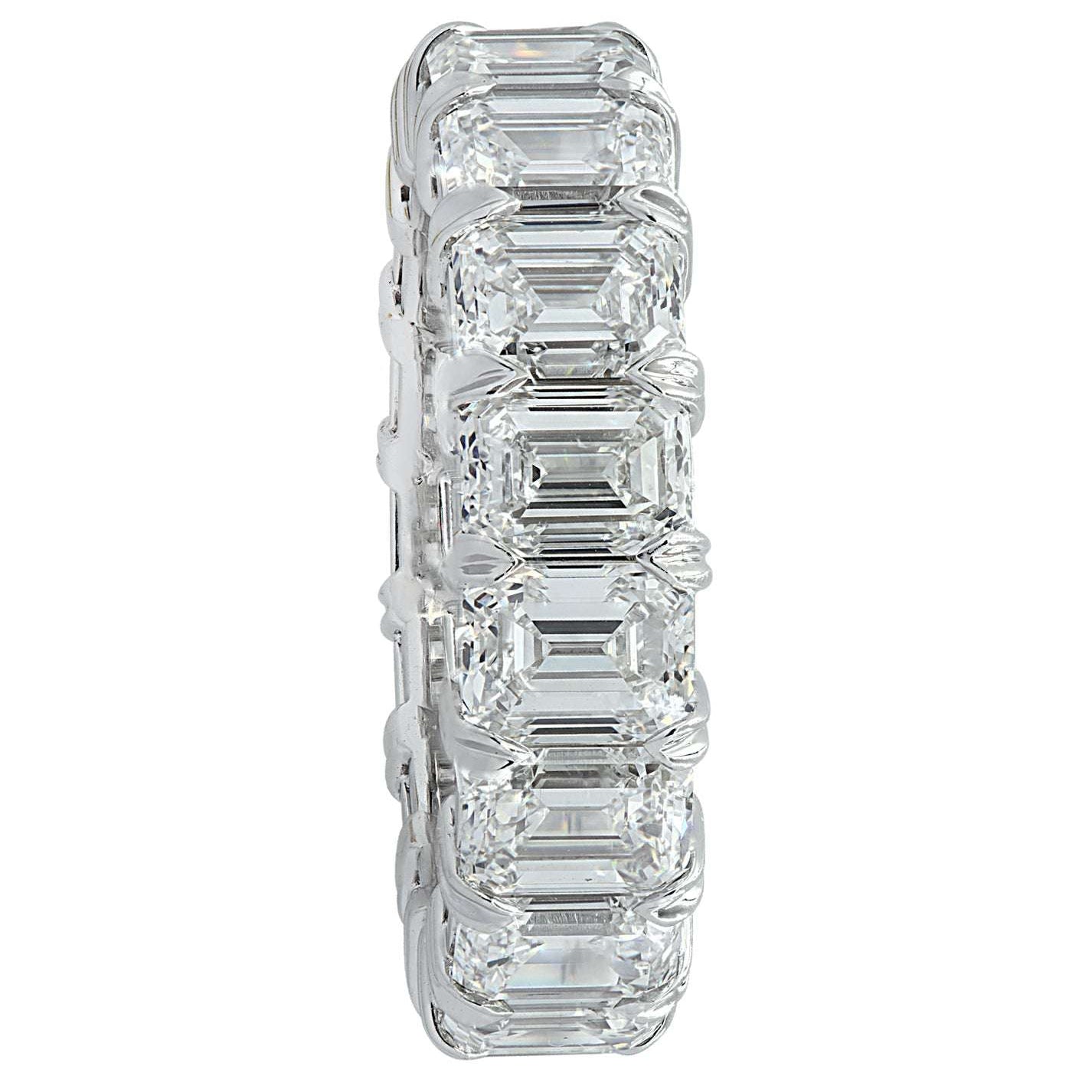
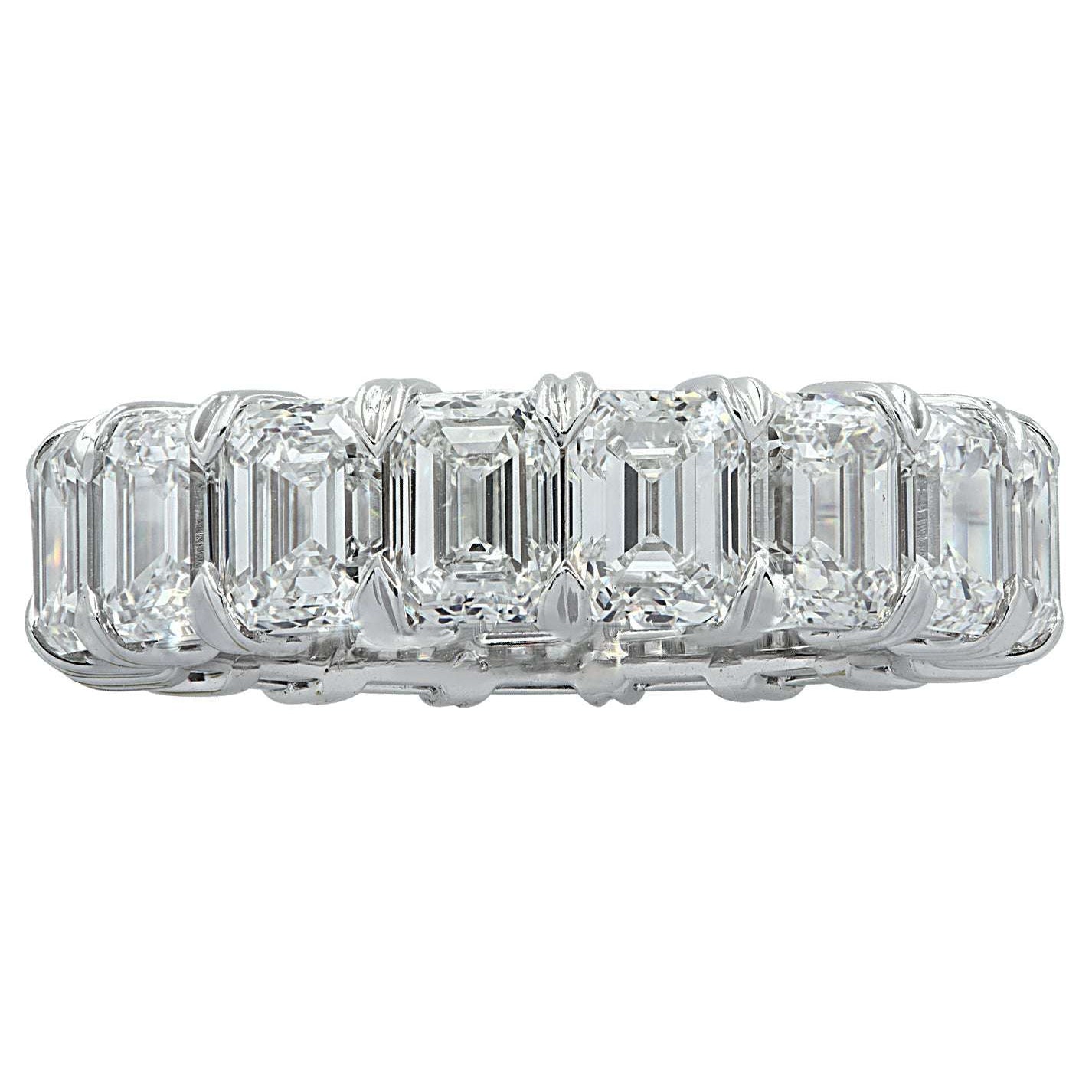
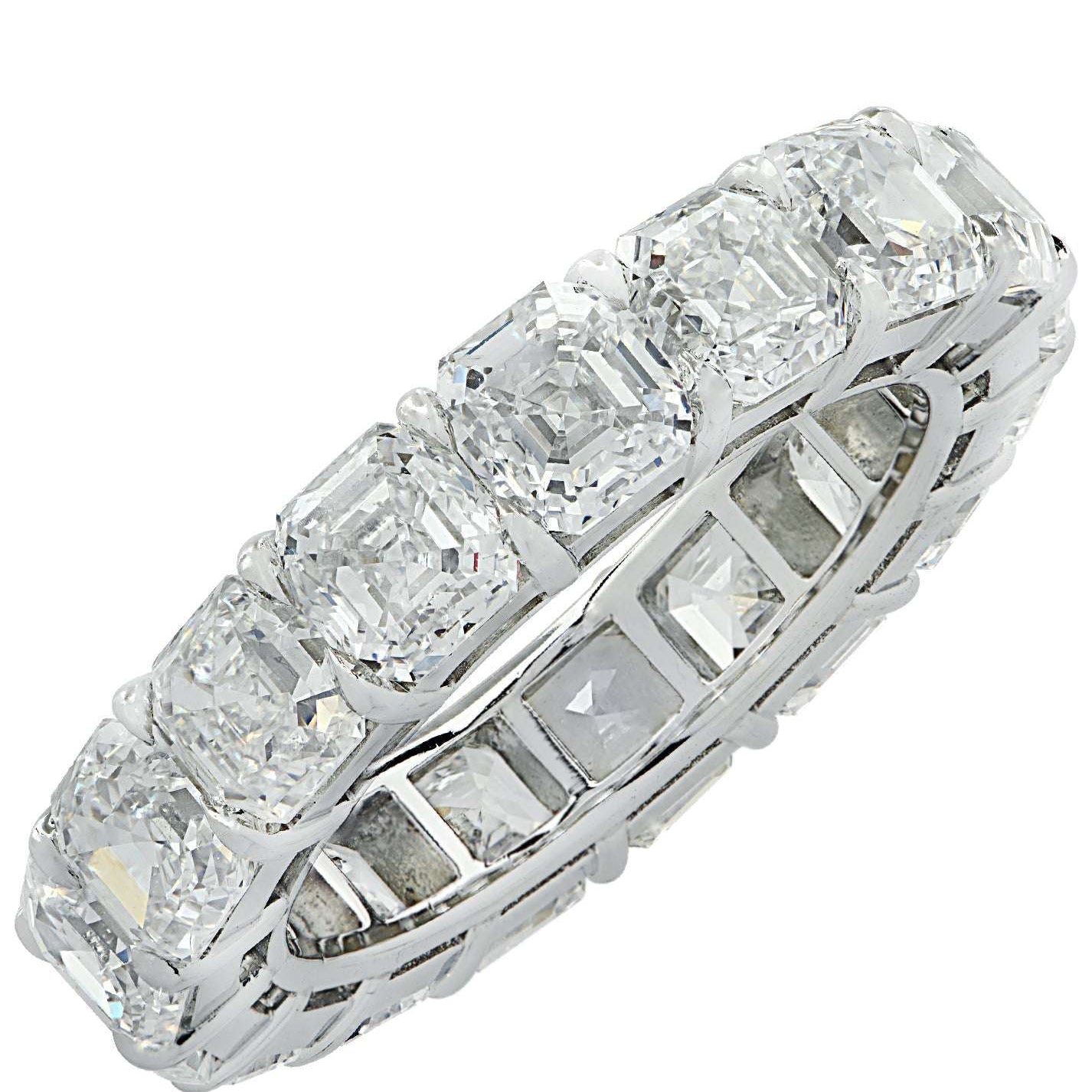
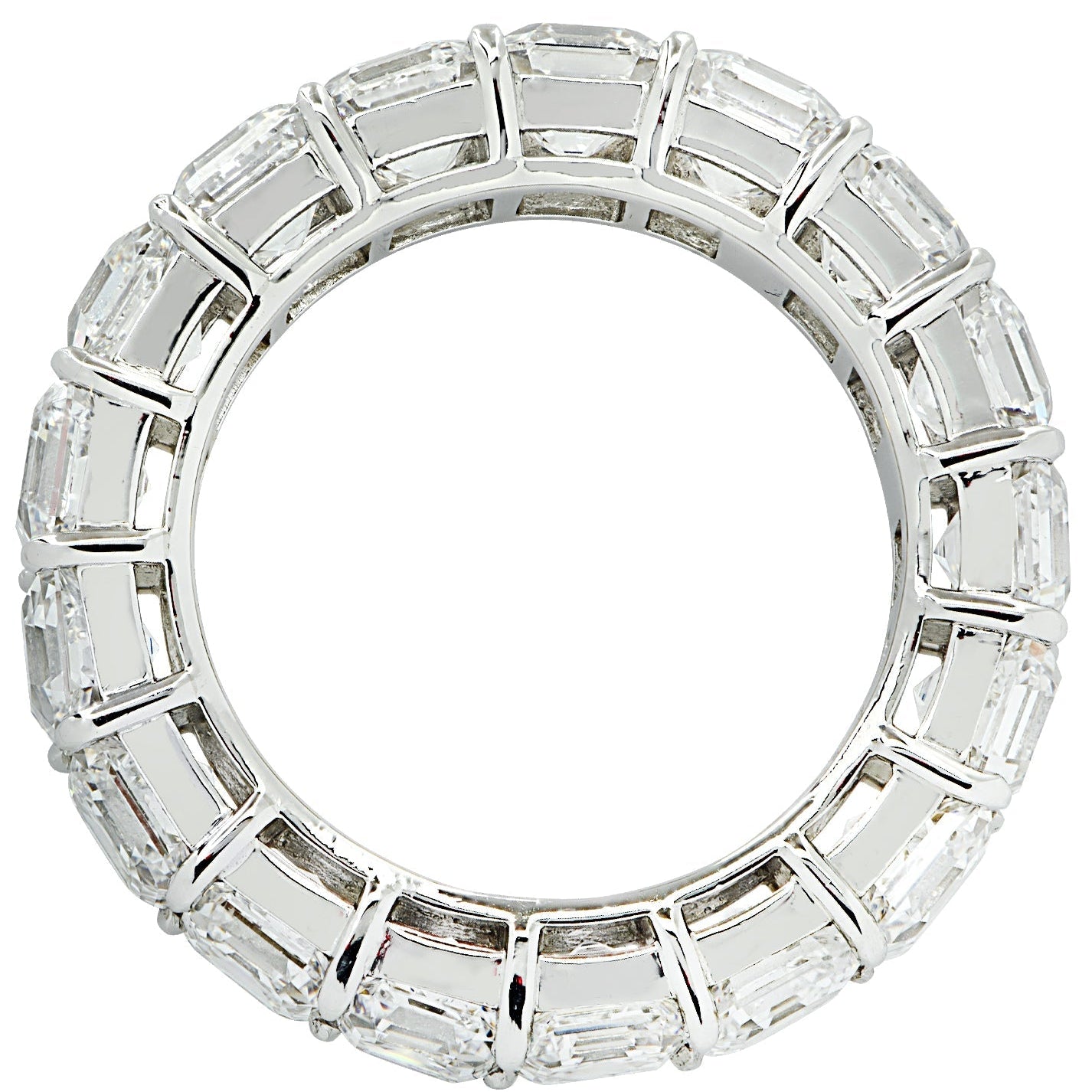
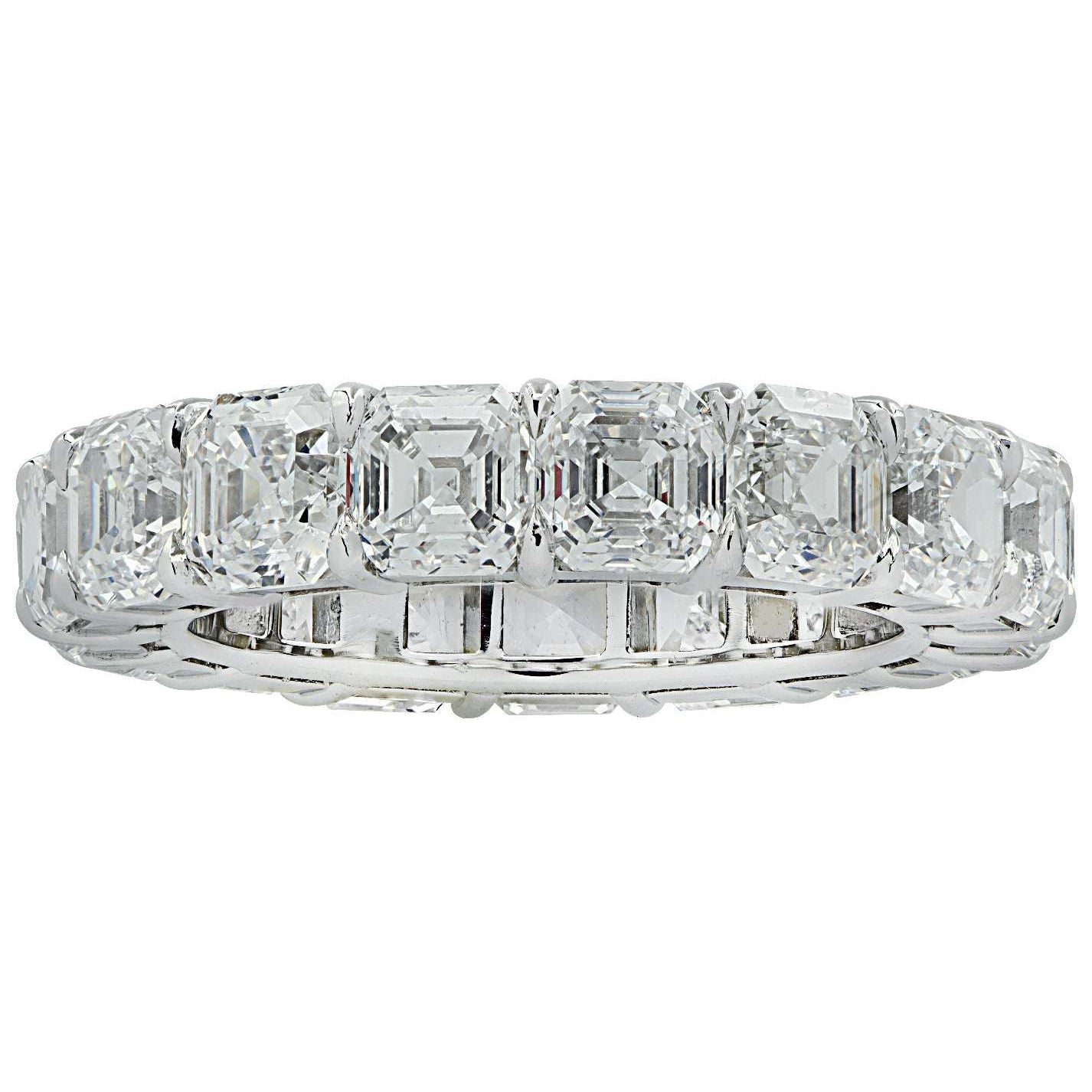
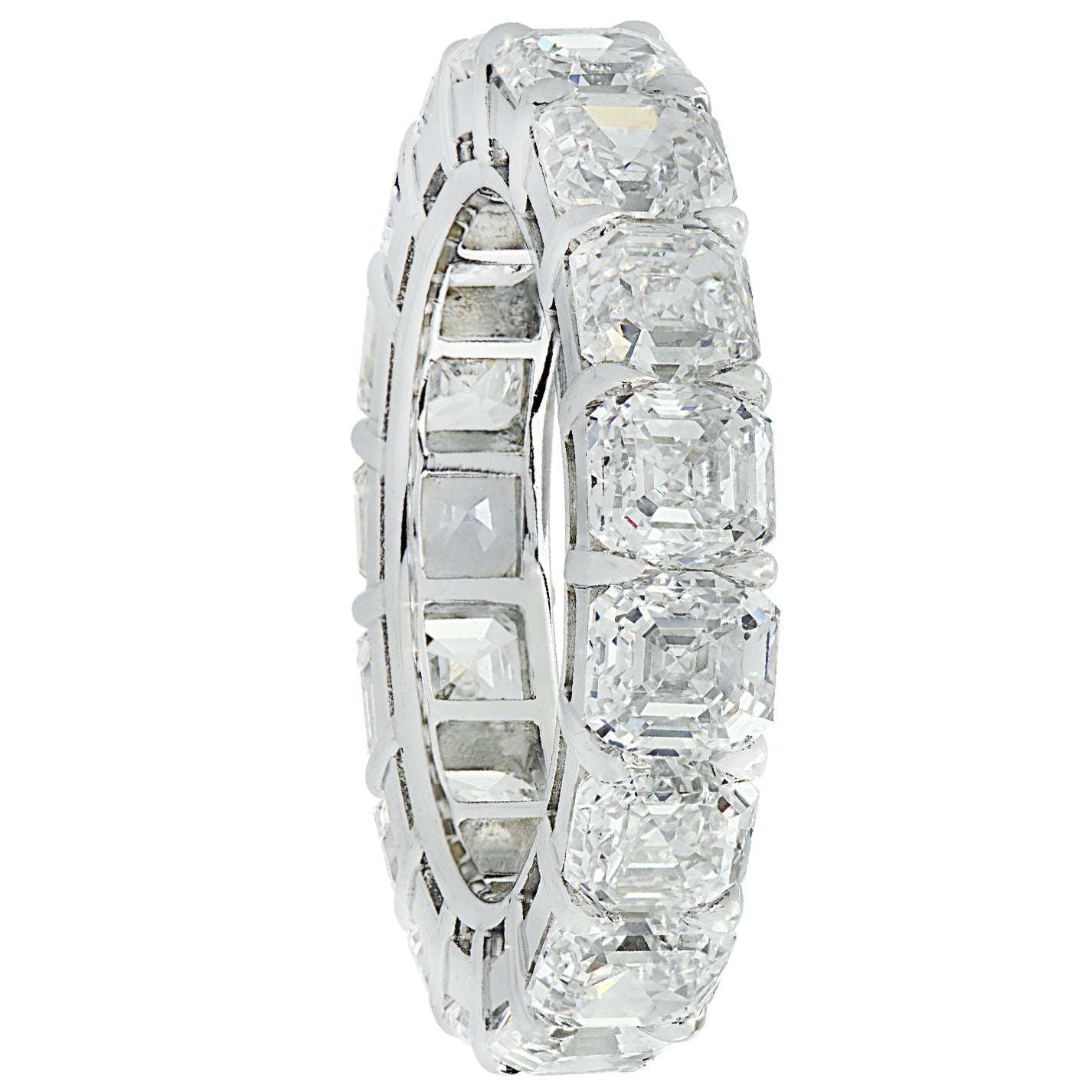
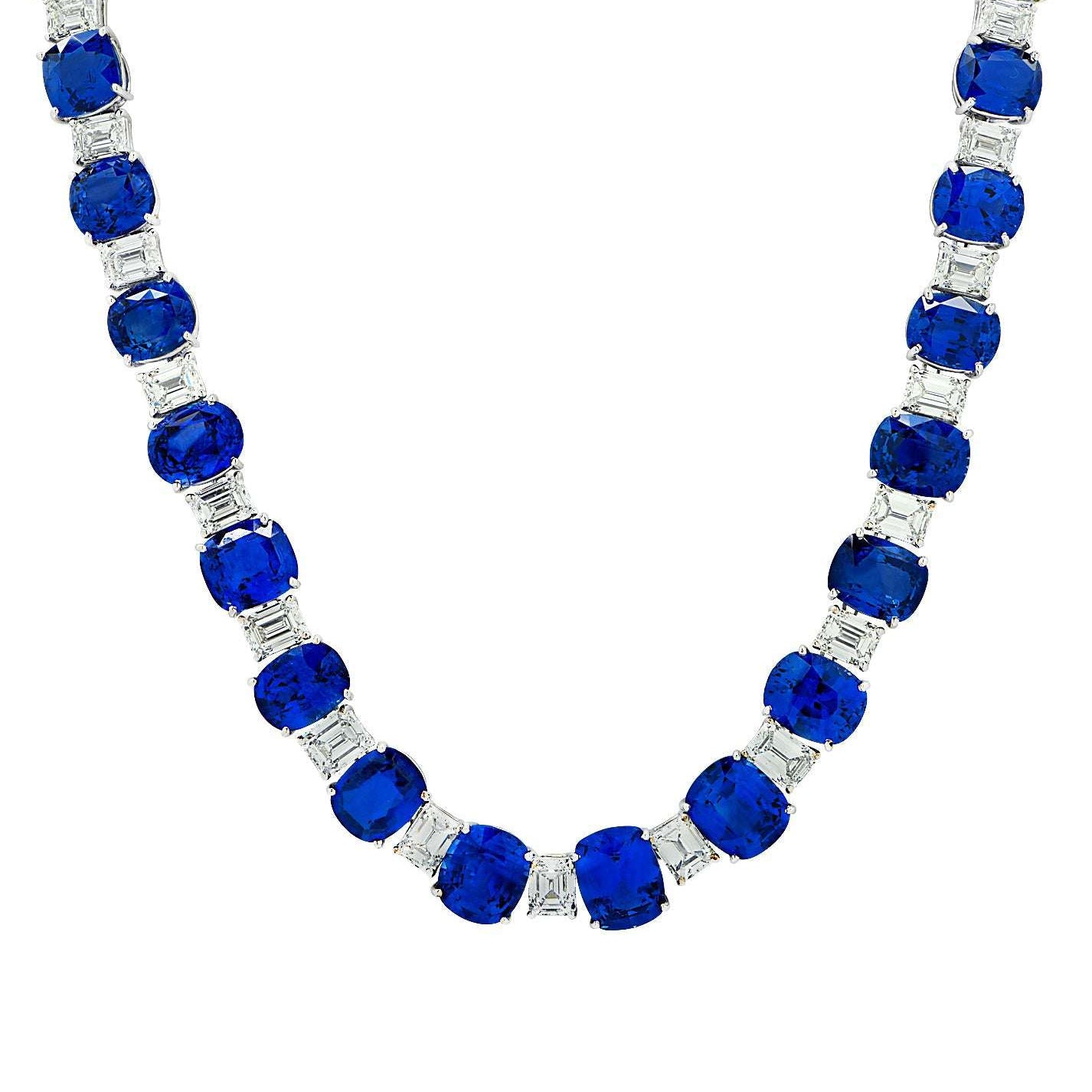
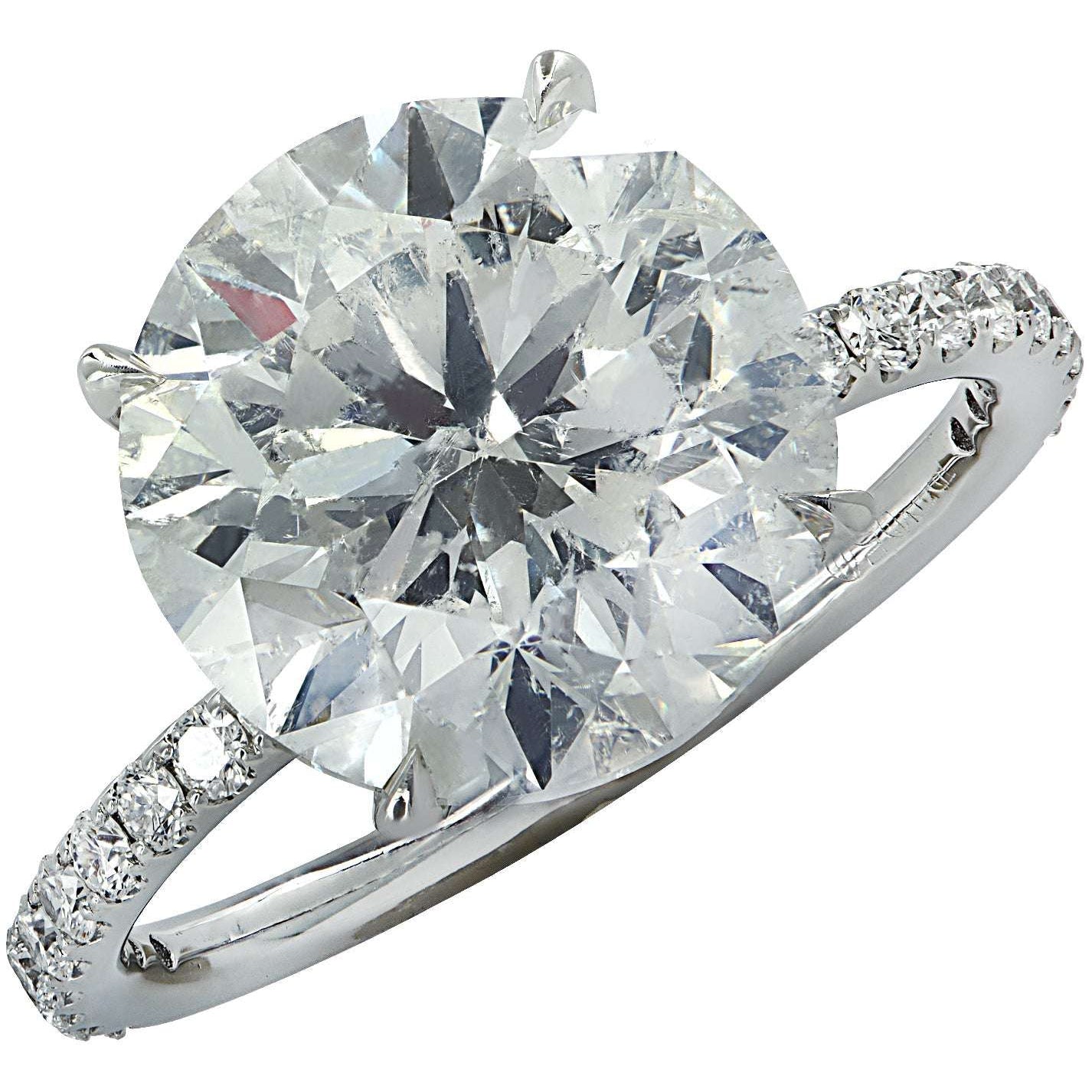
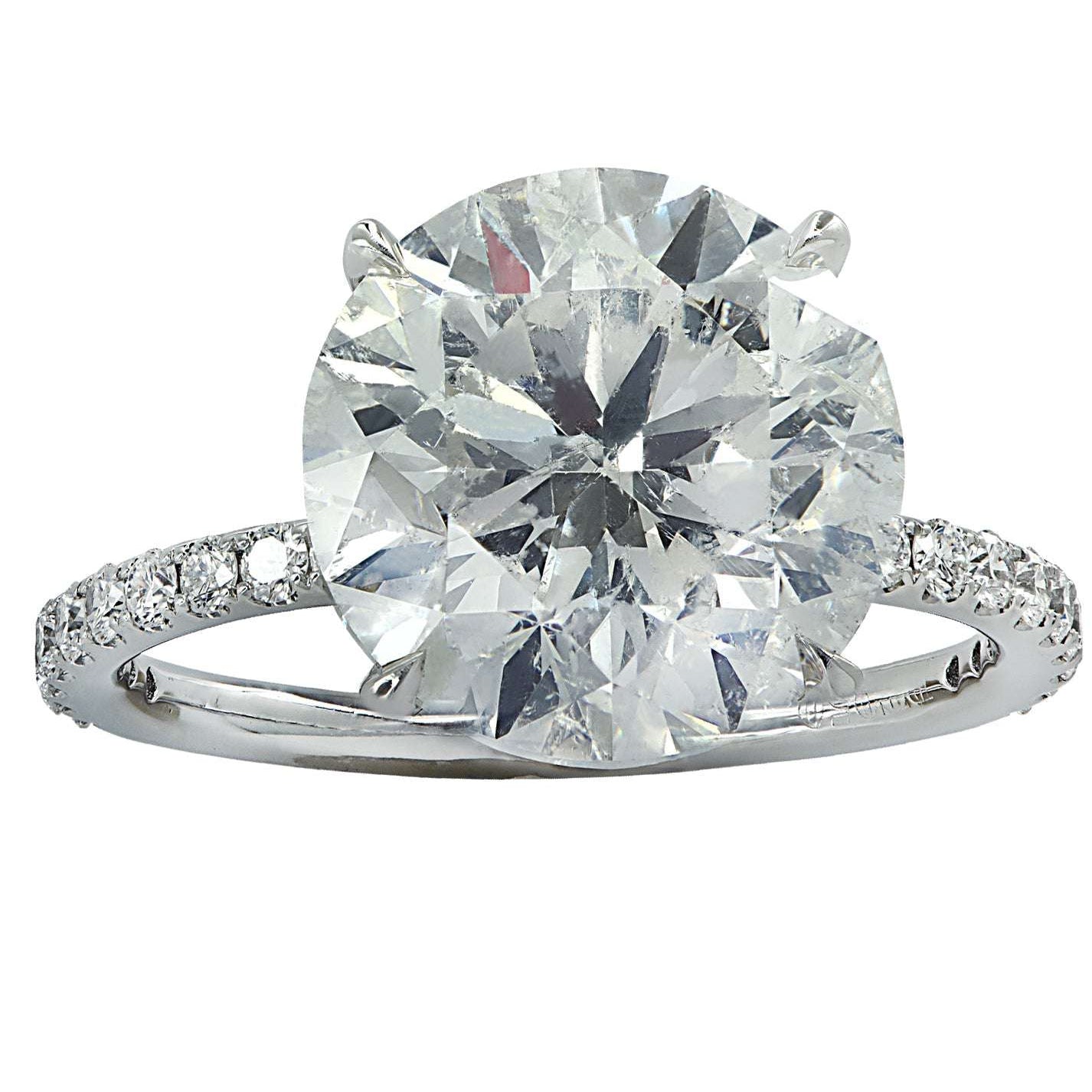
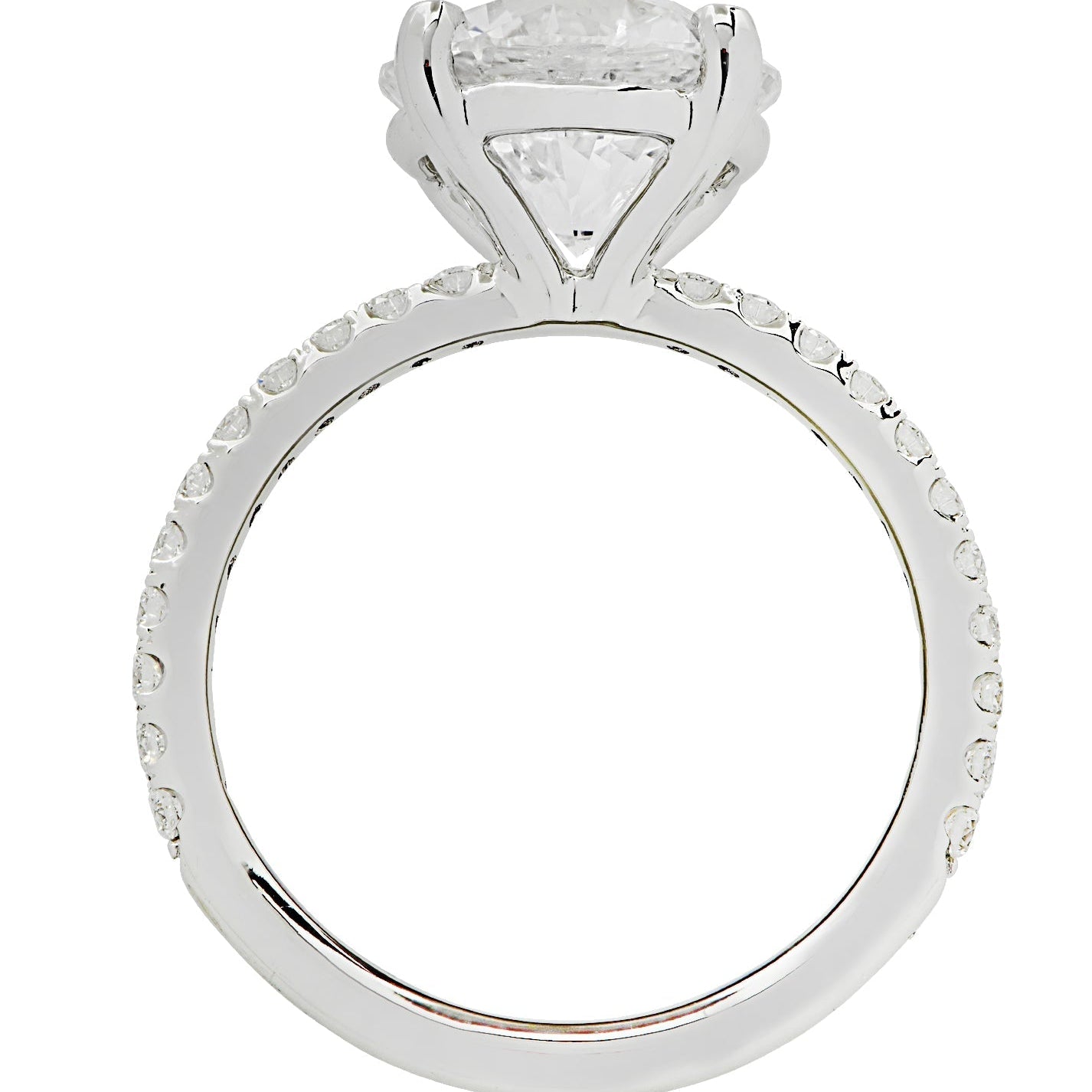
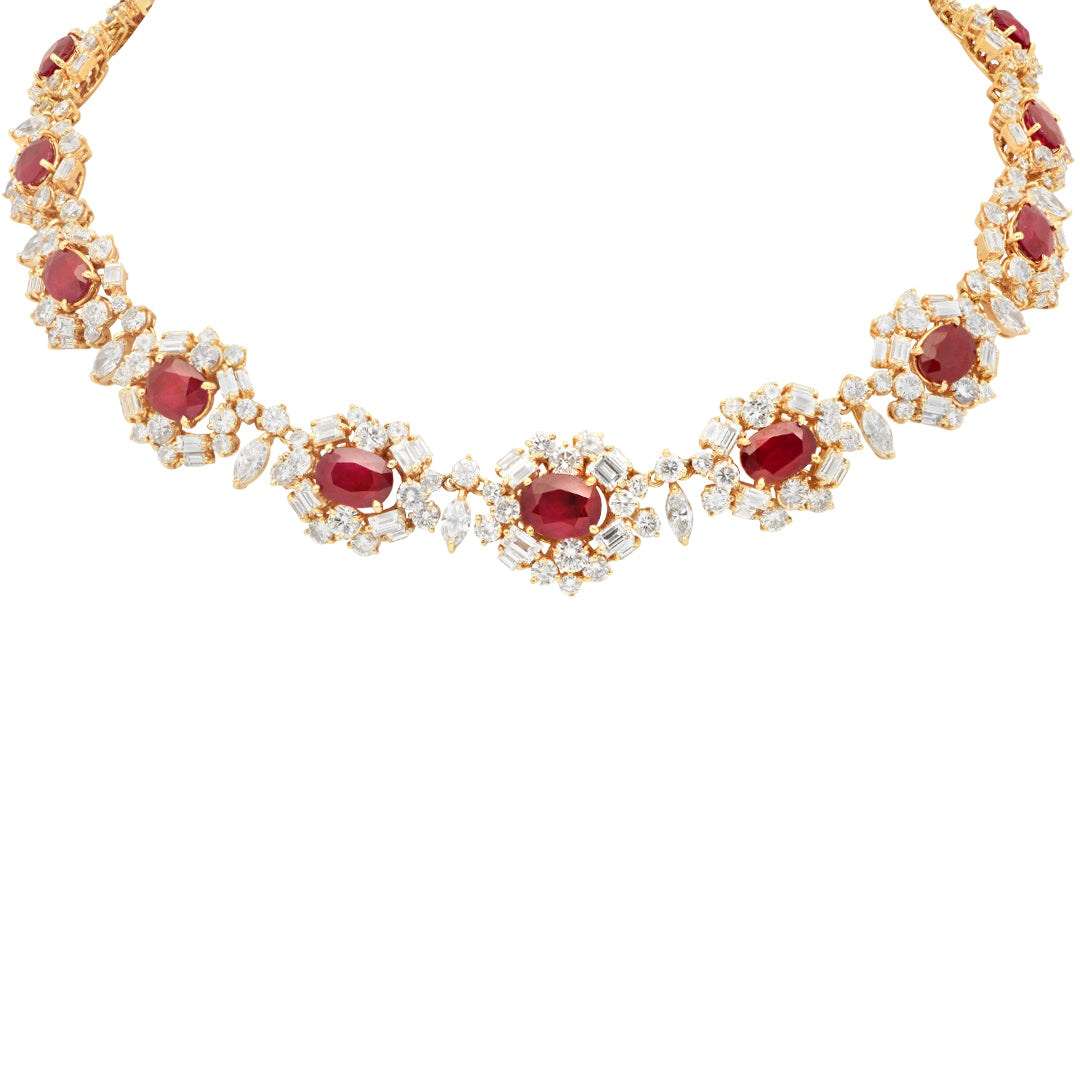
Harry Winston Jewelry: History, Craftsmanship, And What To Know
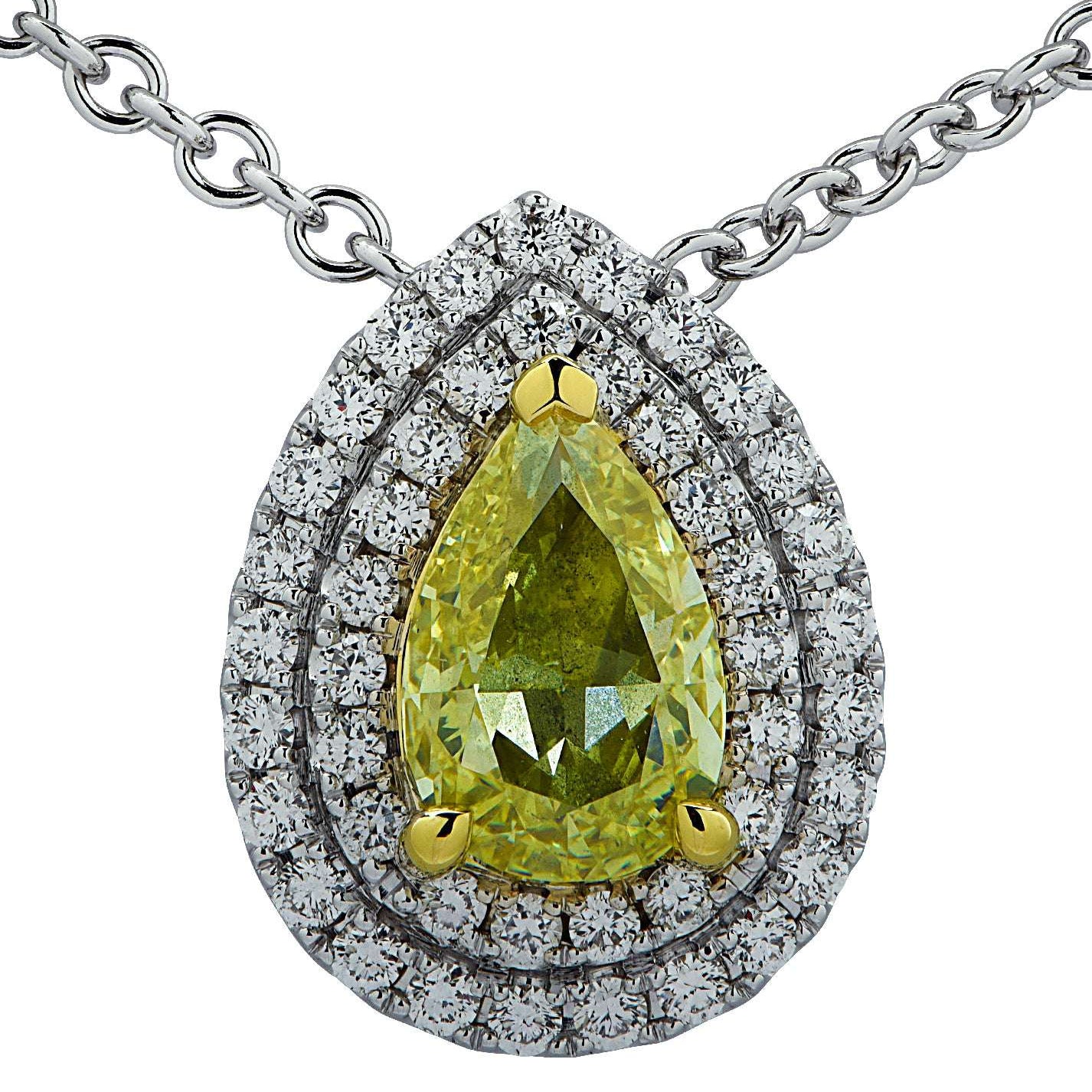
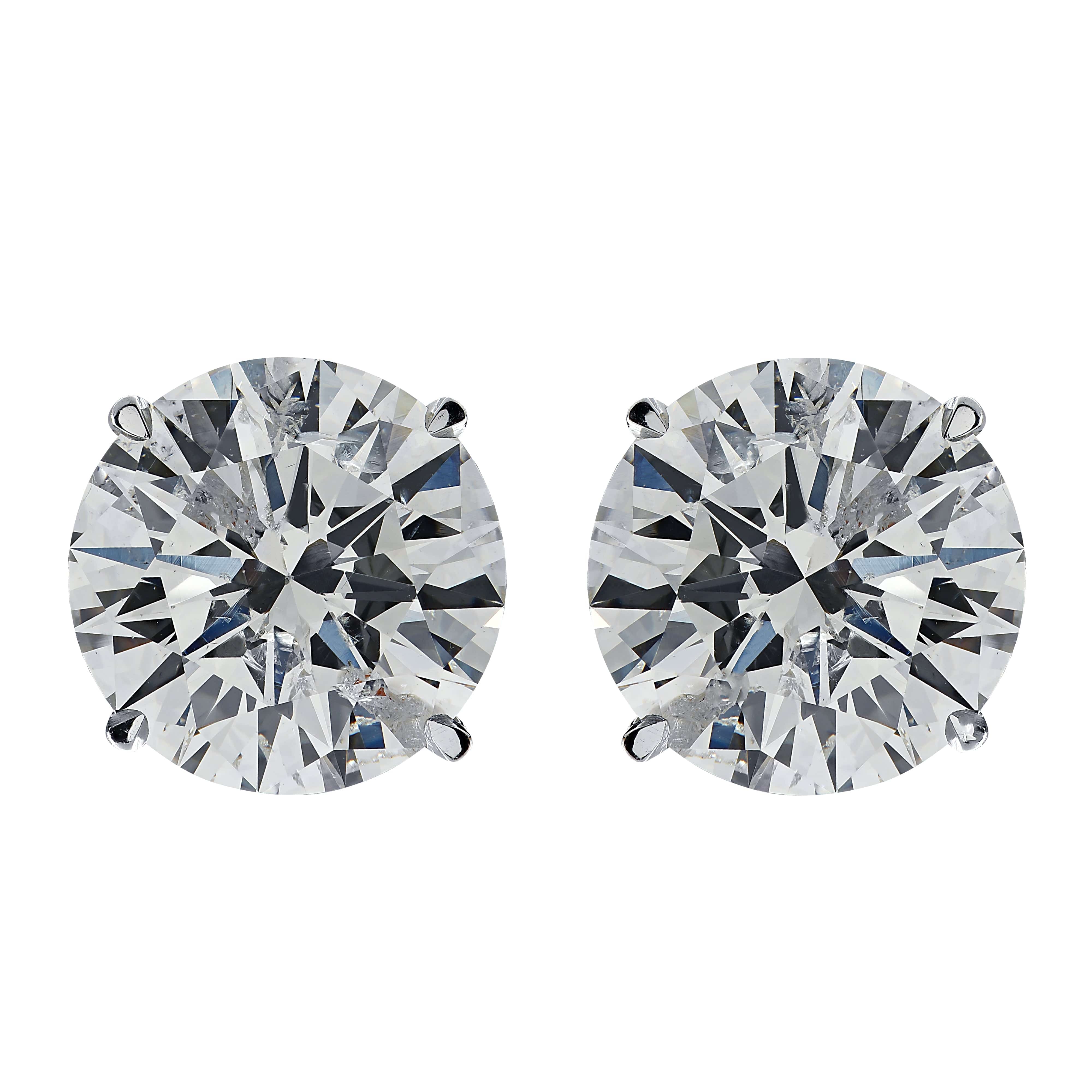
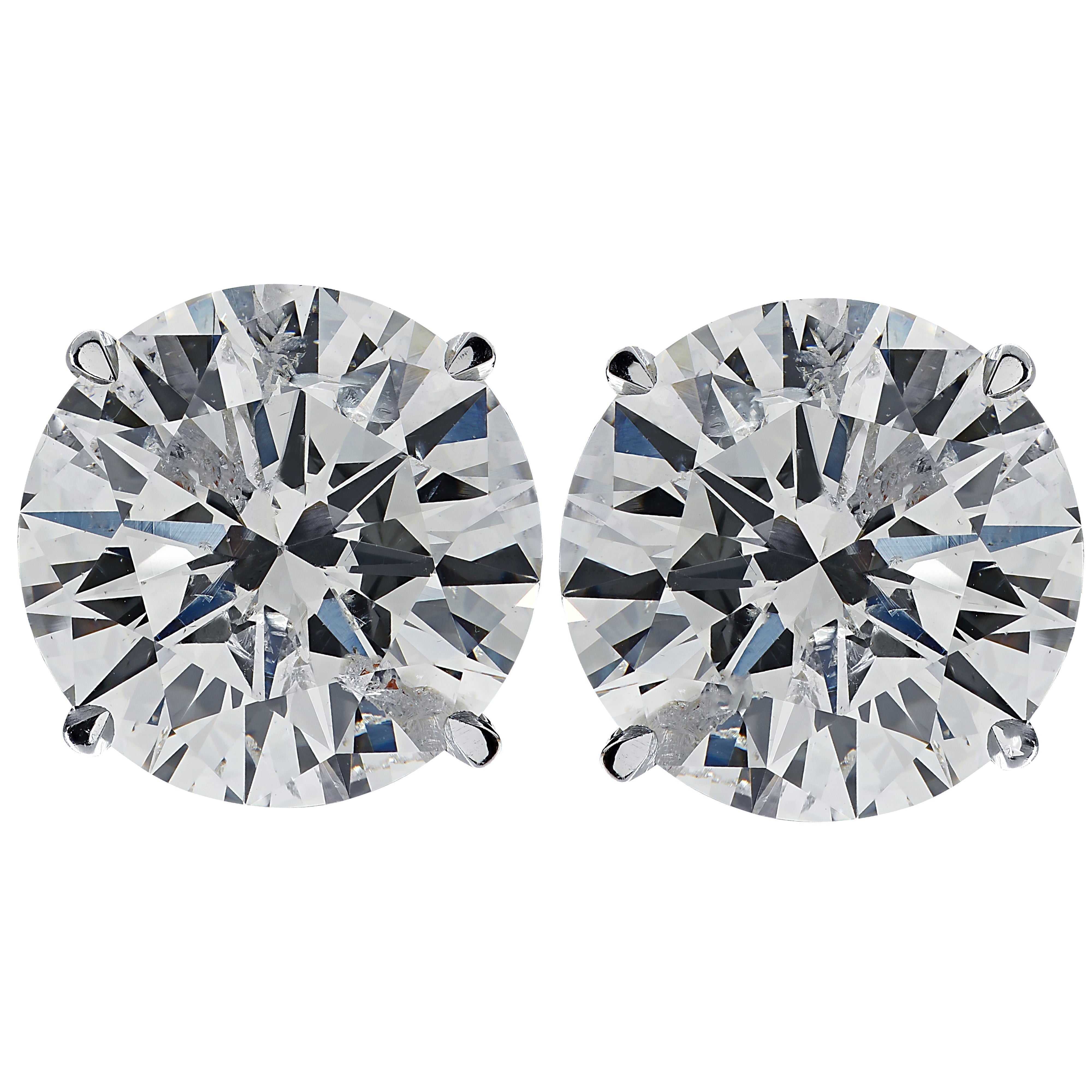
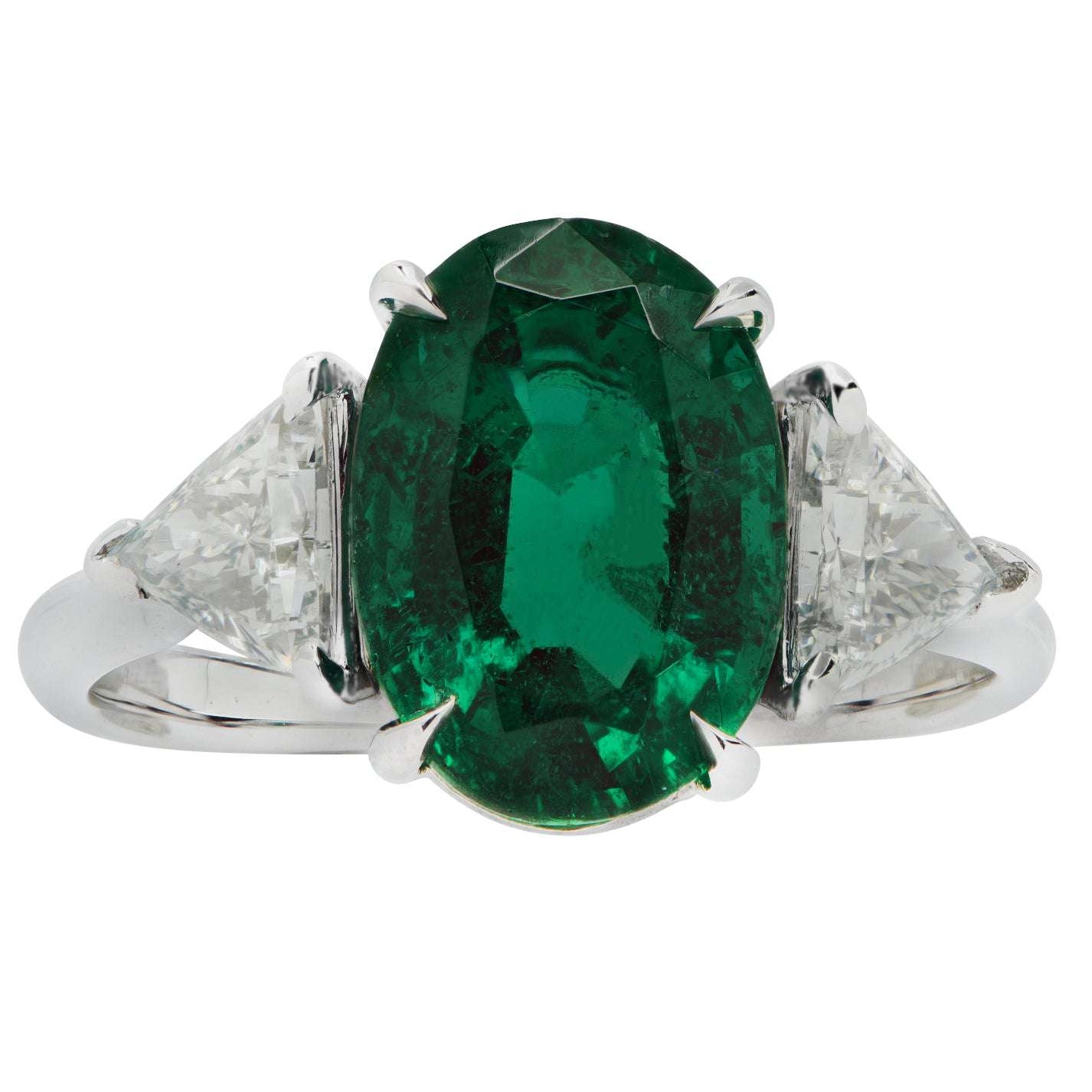
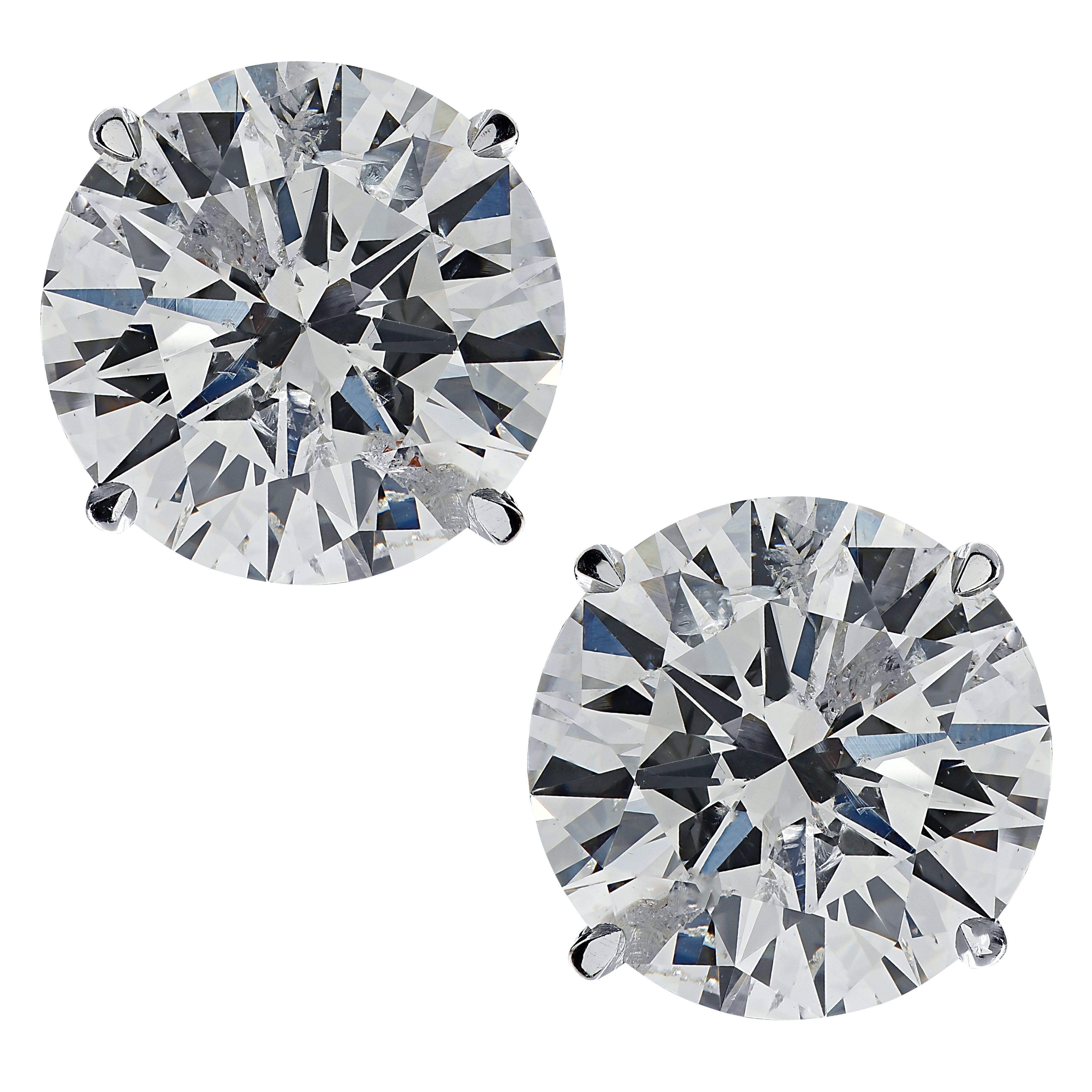
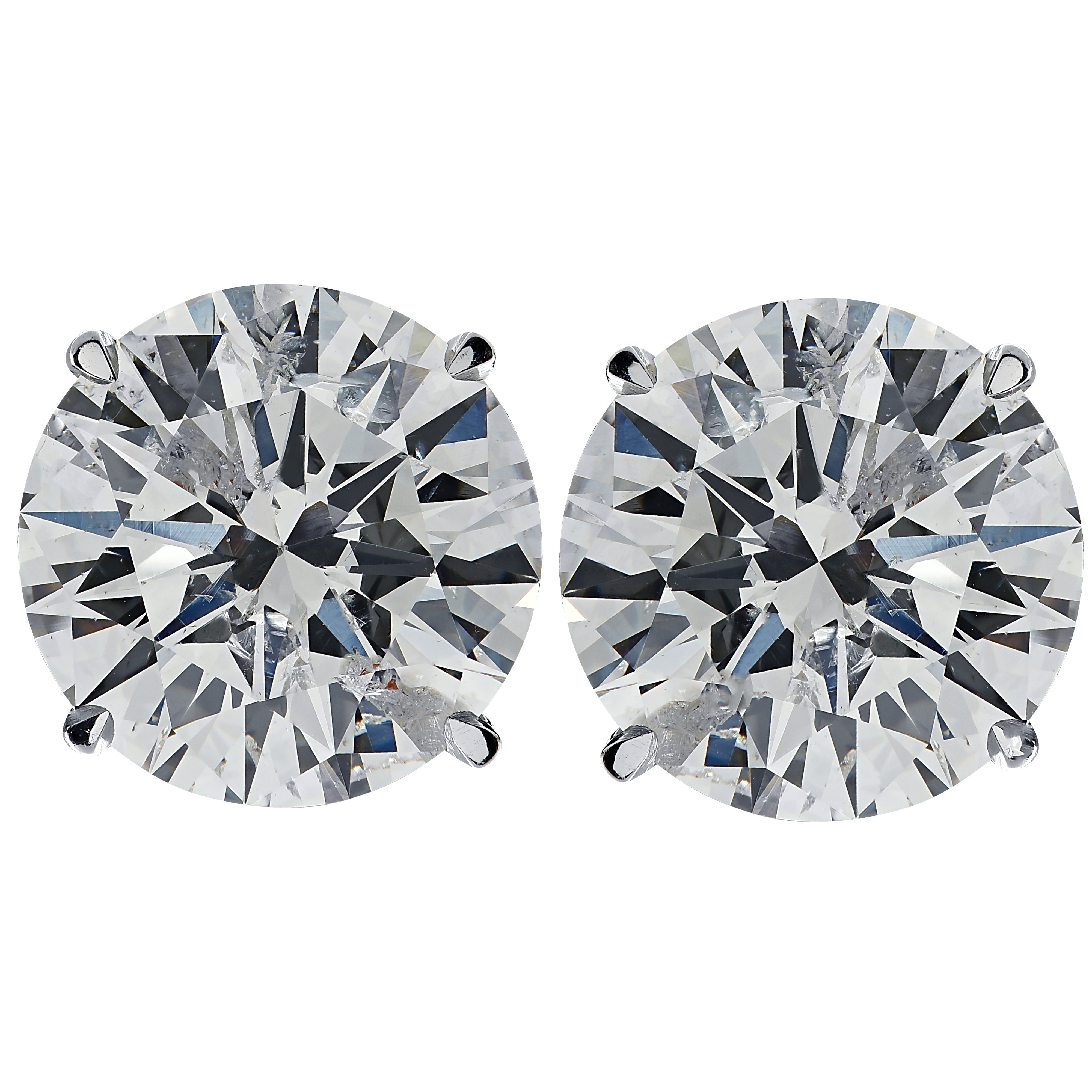
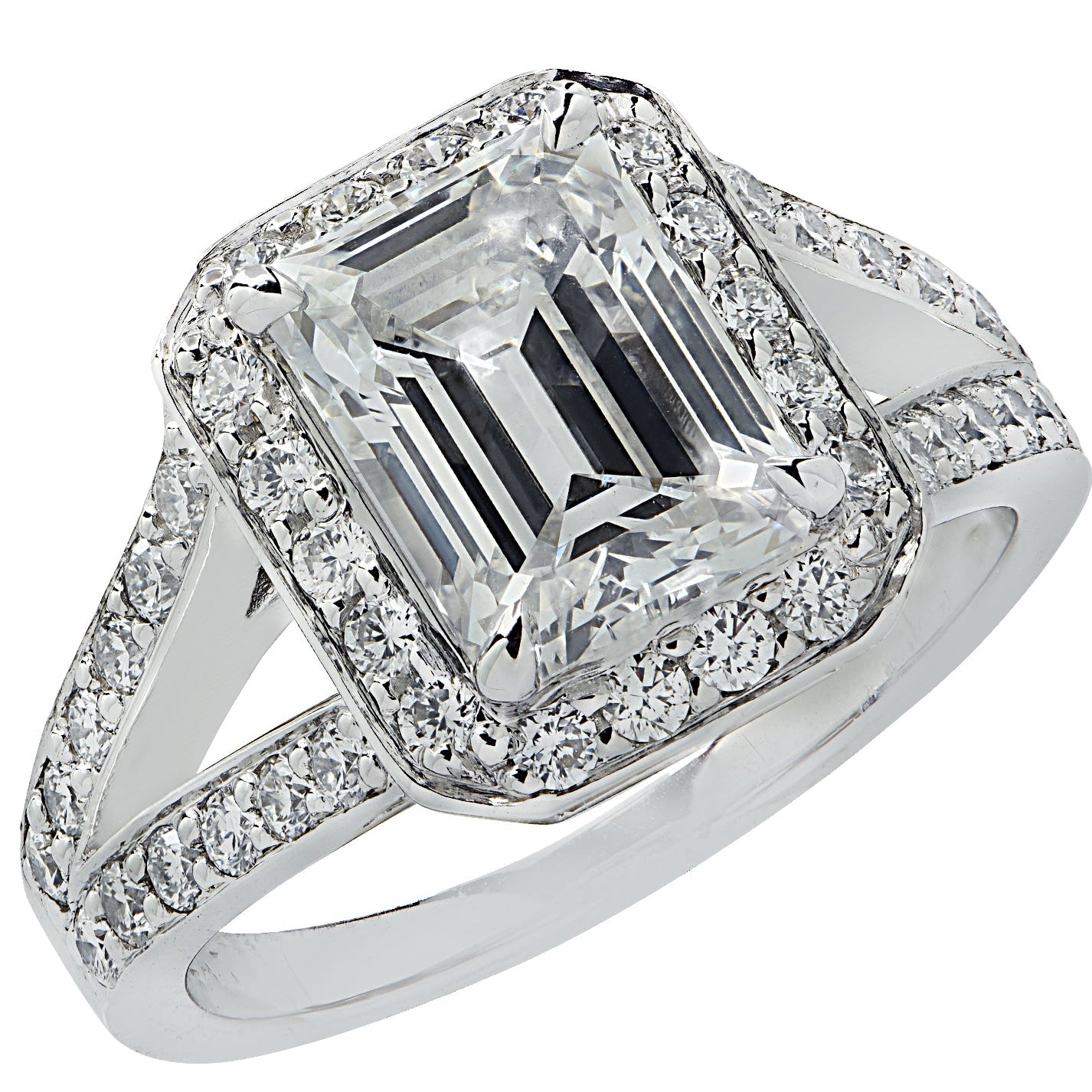
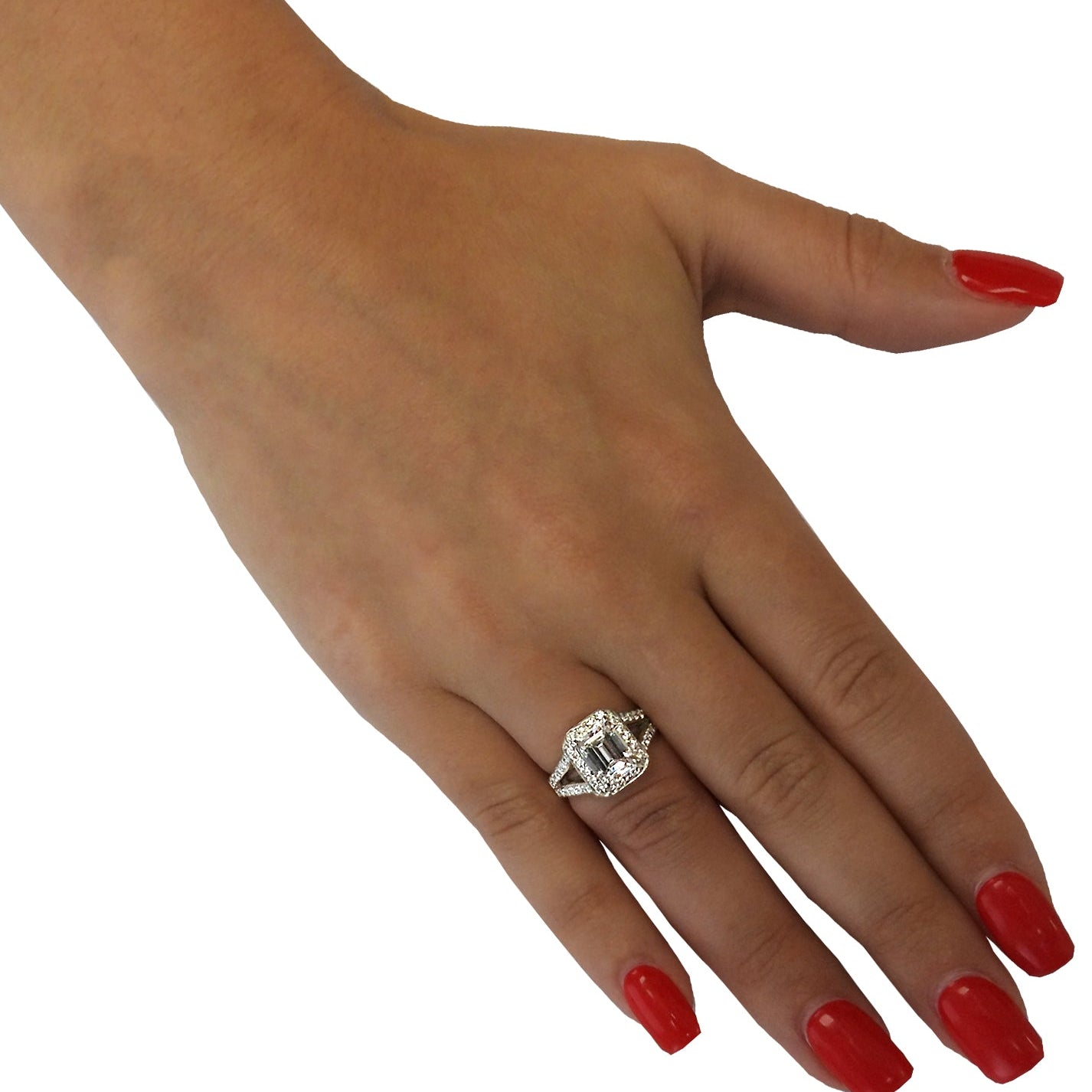
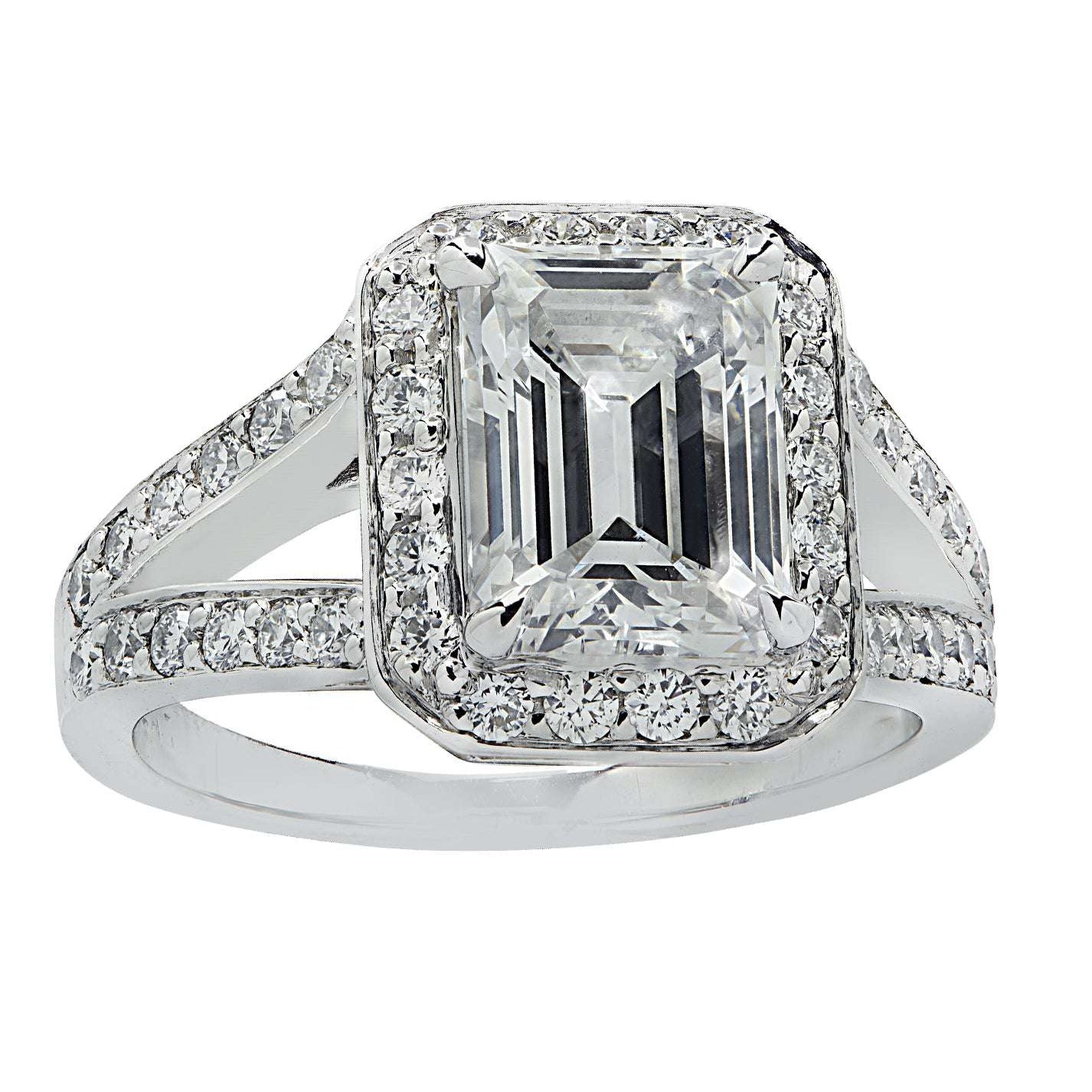
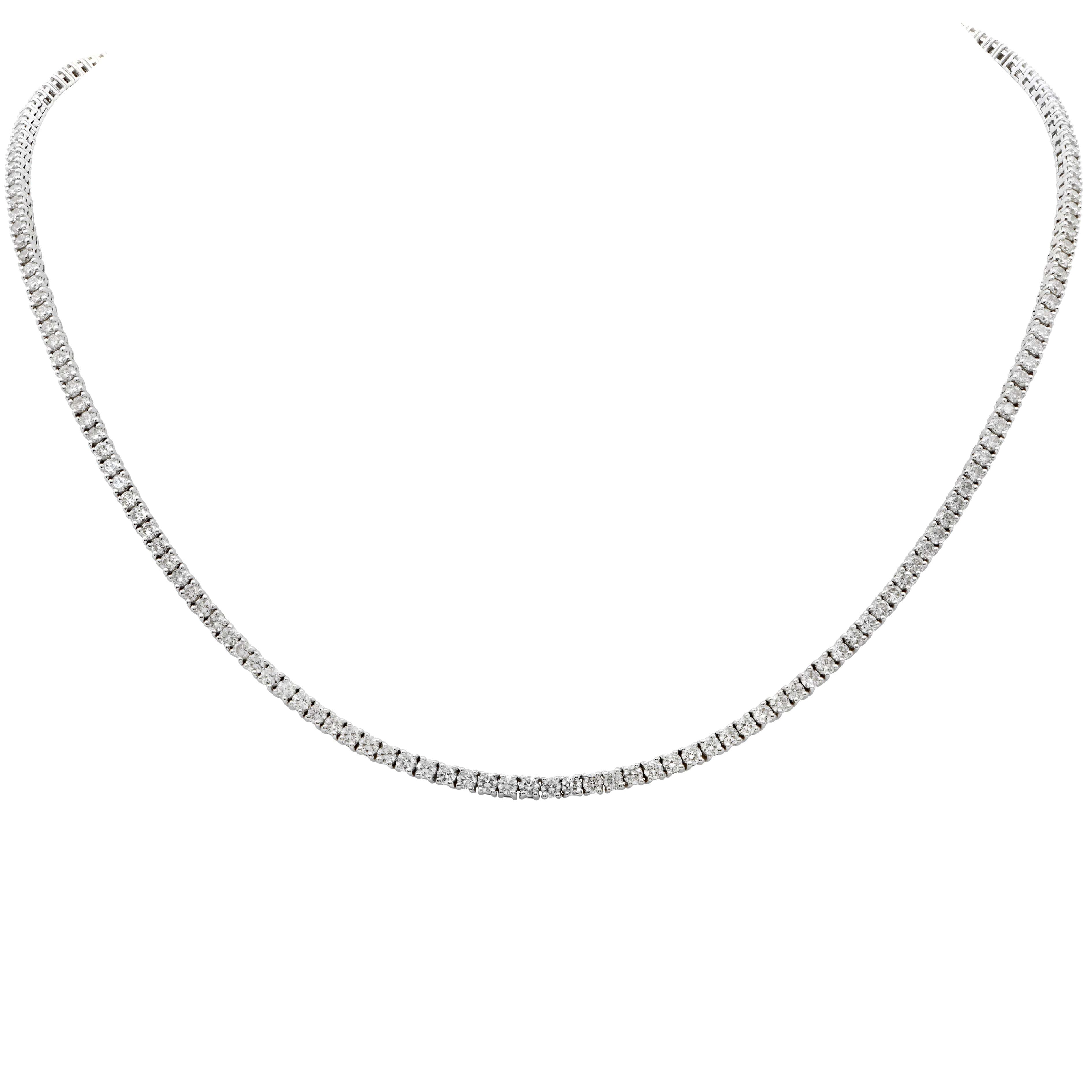
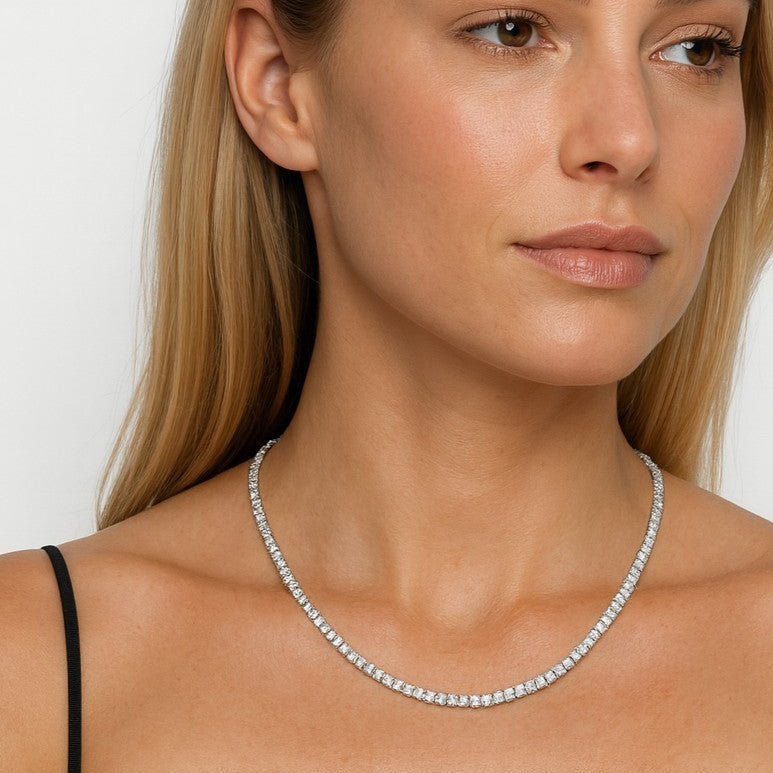
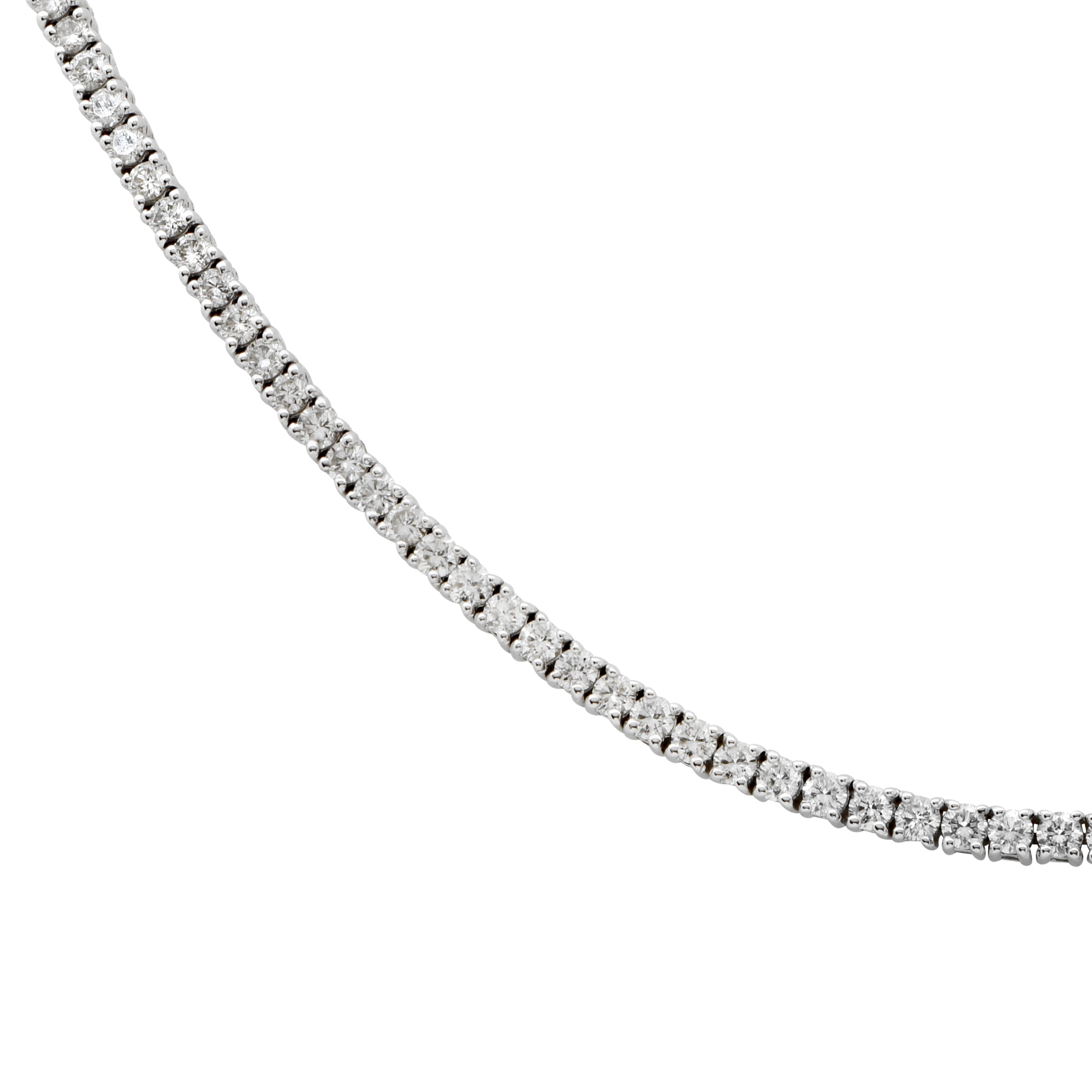
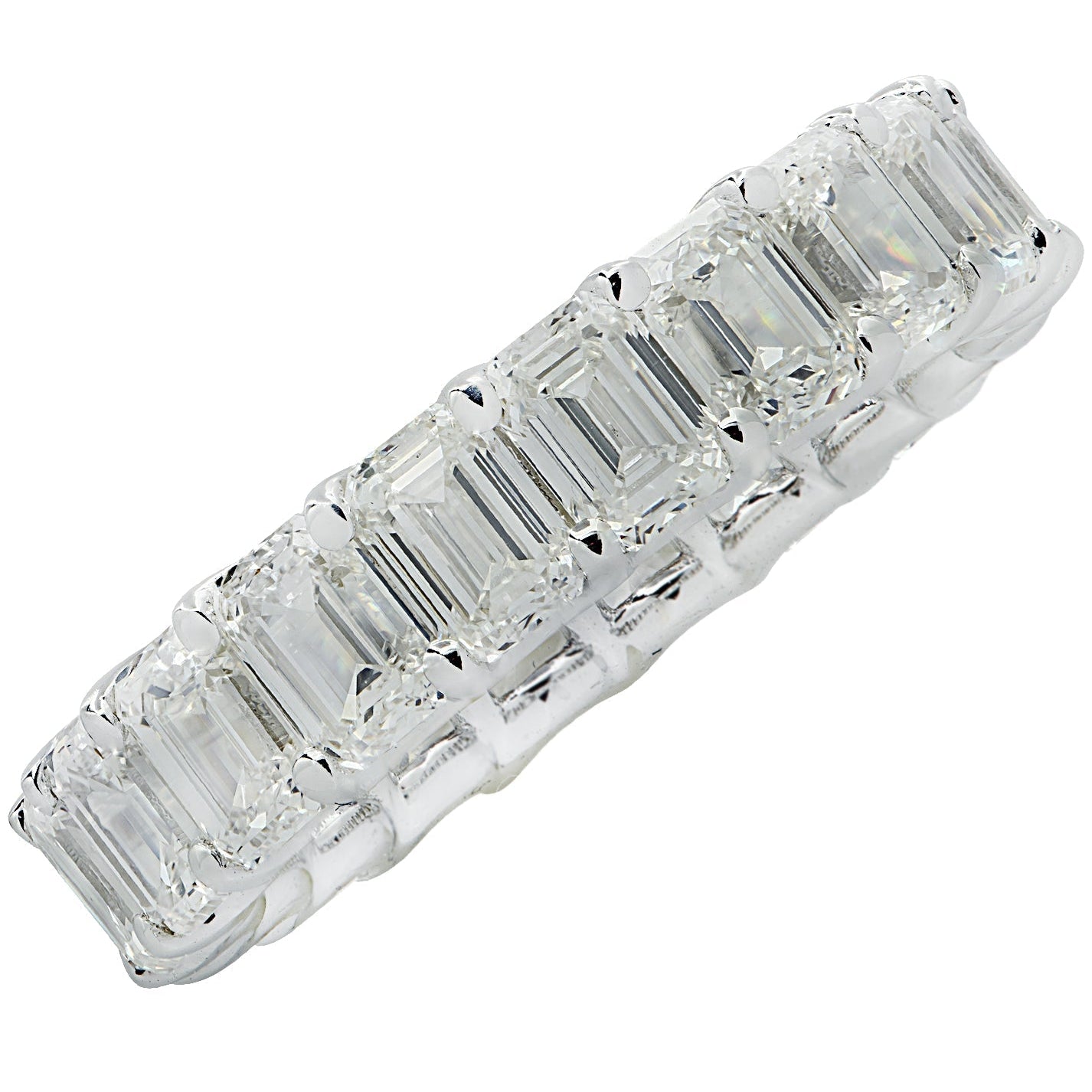
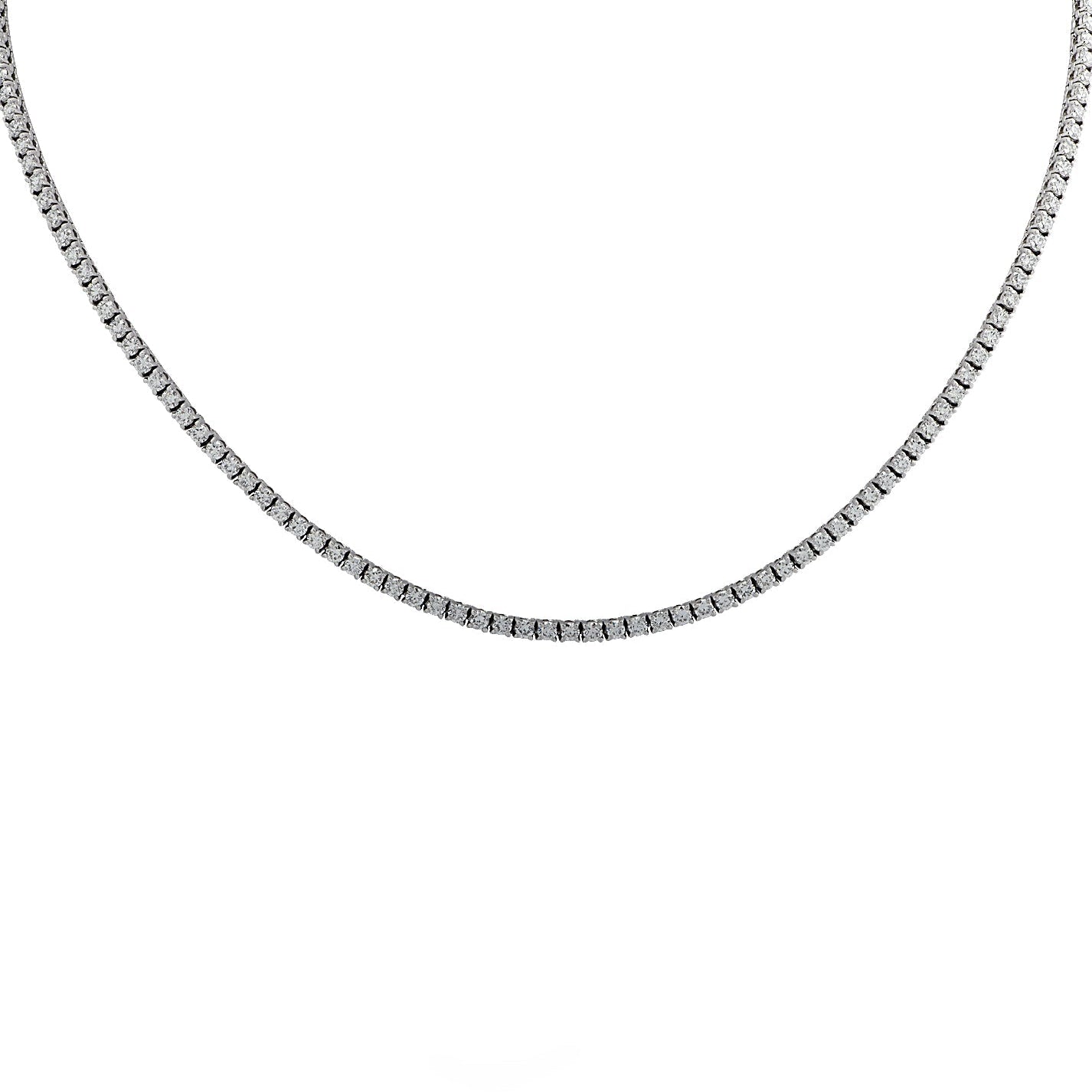
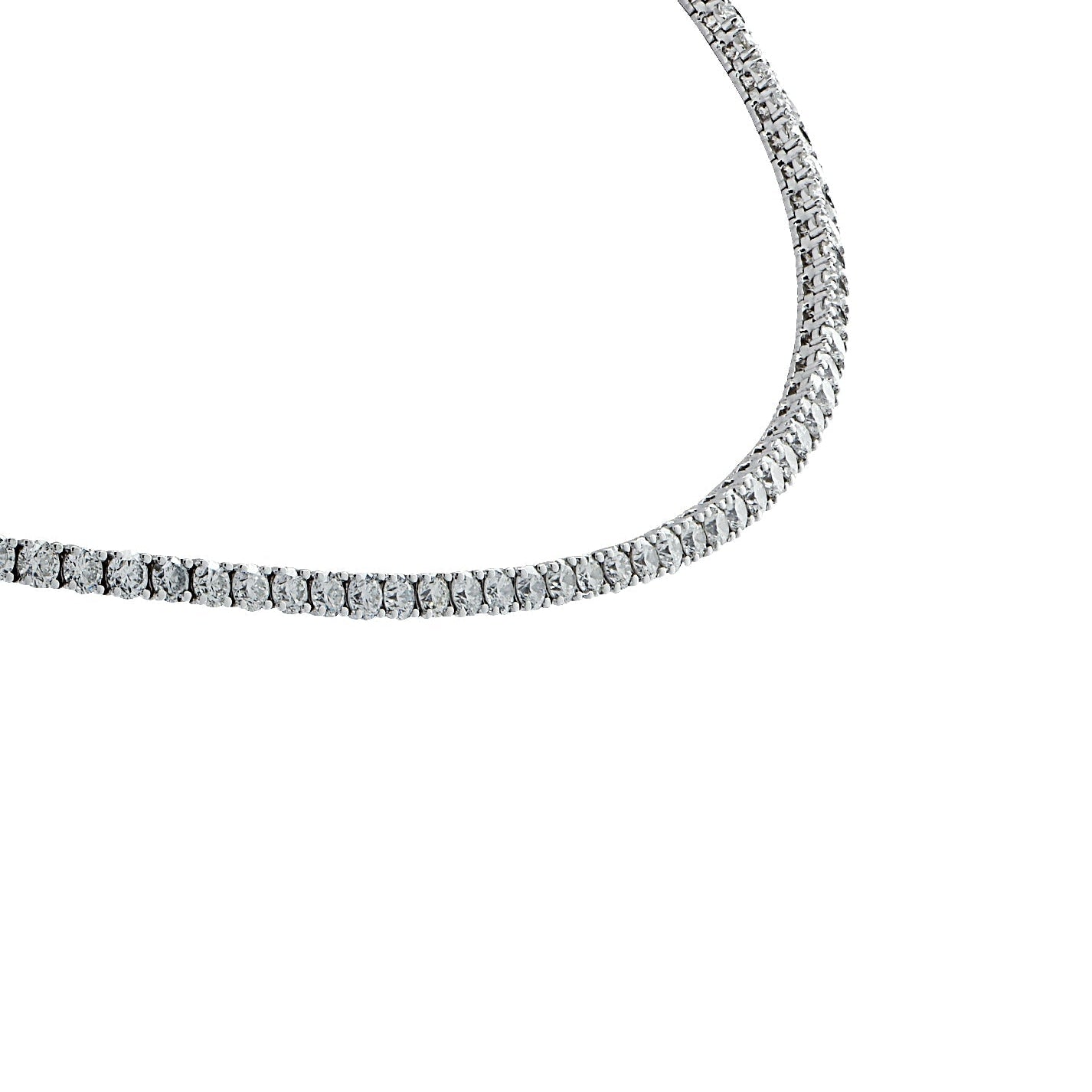
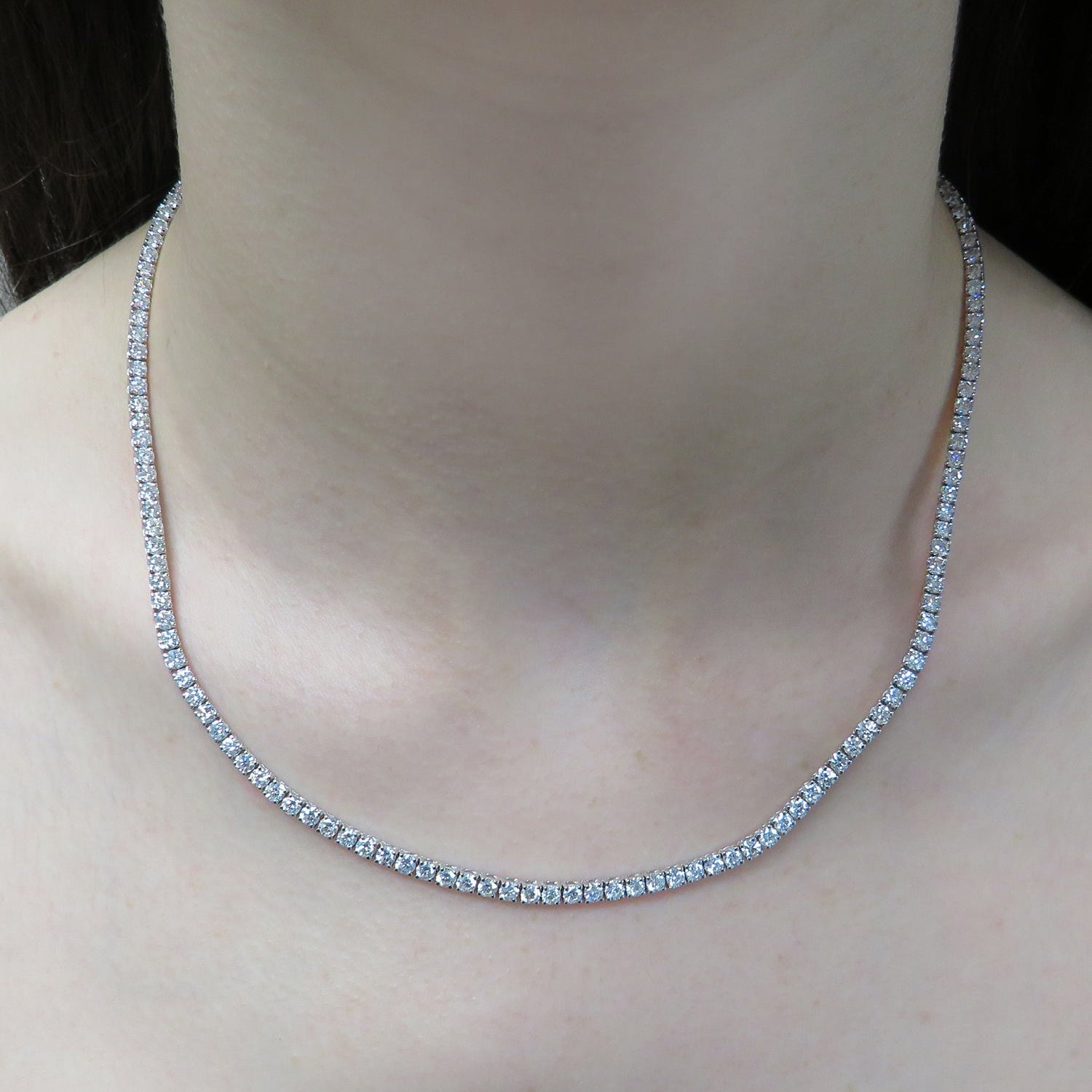
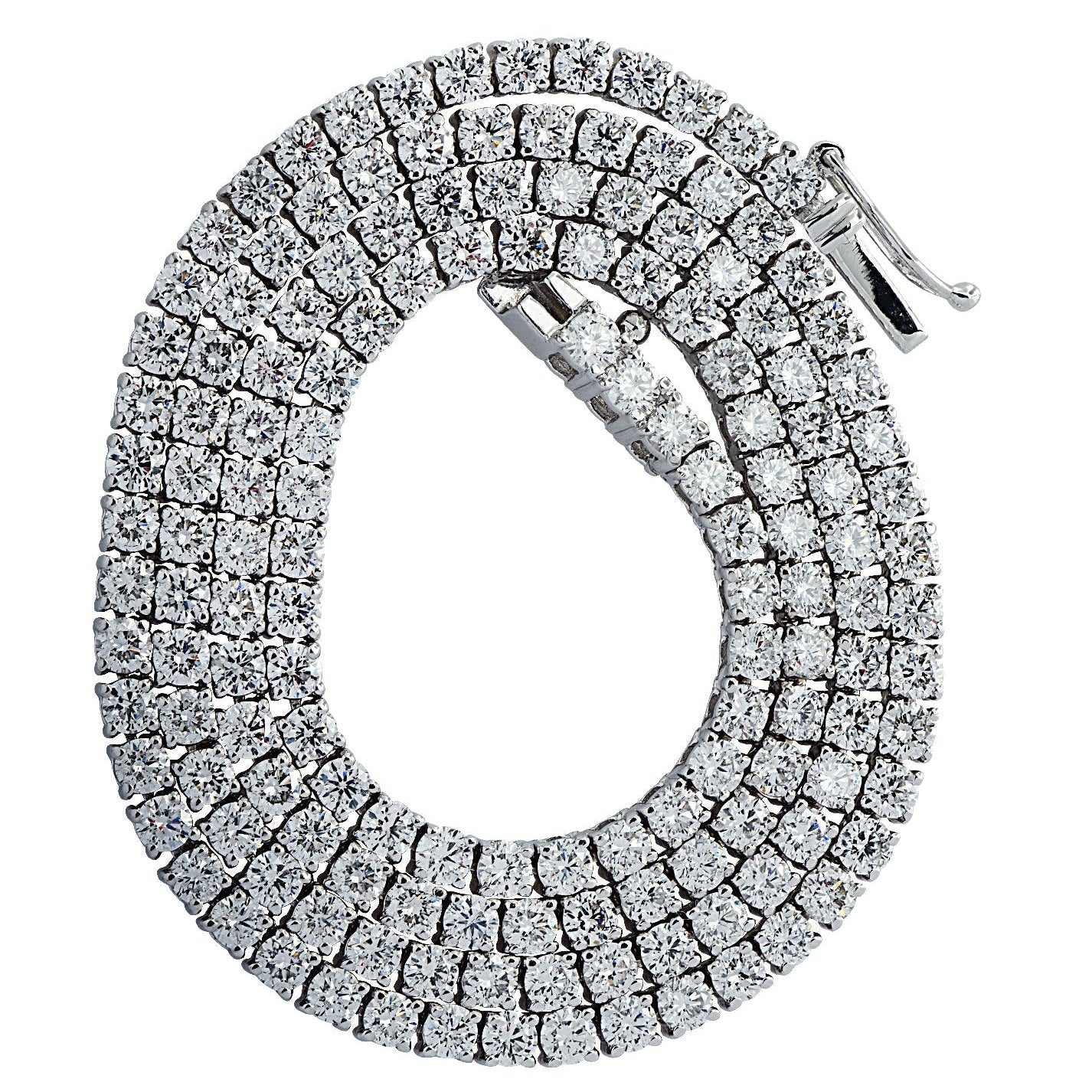
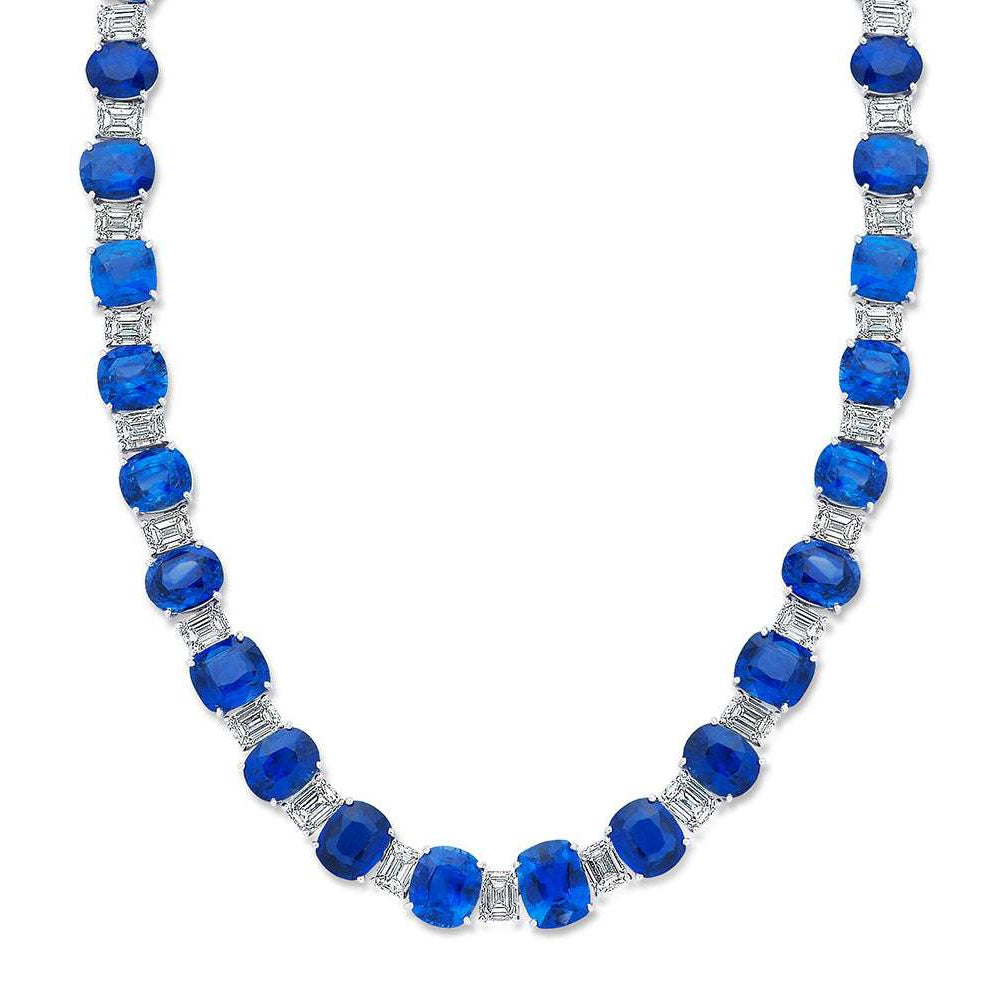
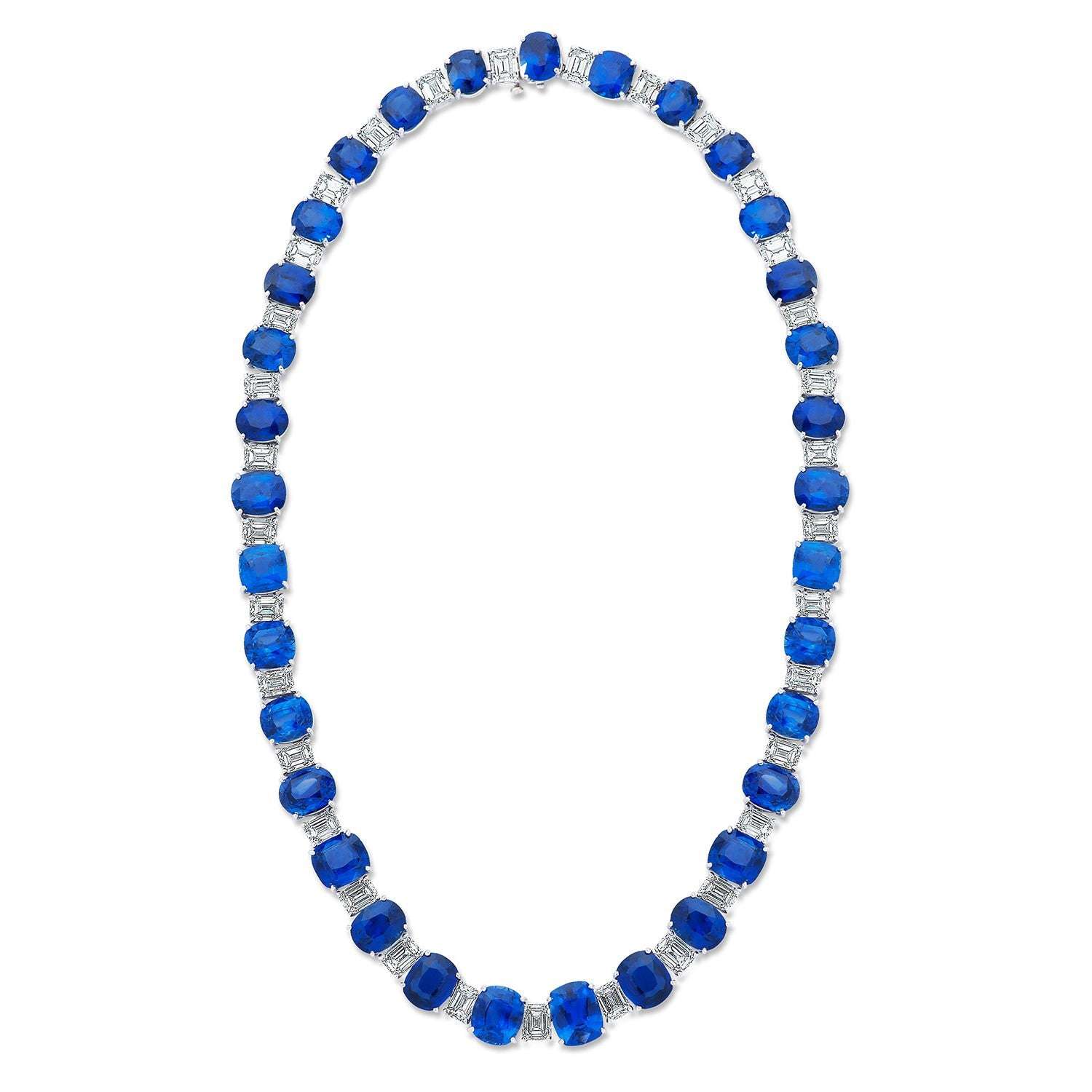
If you're drawn to diamonds that look almost impossibly bright, you'll eventually arrive at Harry Winston Jewelry. The house's name is shorthand for museum-grade gems, exacting craftsmanship, and a legacy that helped define Hollywood glamour. This guide gives you the context you need, how the brand came to be, what sets the designs apart, how to buy (and what to scrutinize), where prices sit, and how to care for your pieces so they last for generations.
A Brief History And Legacy
Harry Winston founded his namesake house in New York in 1932, but his reputation began earlier: as a teenager he famously spotted a two-carat emerald in a pawn shop "costume" tray and bought it for 25 cents. That sharp eye for stones, and a near-obsession with maximizing their beauty, became the company's DNA.
By the mid-20th century, Winston was nicknamed the "King of Diamonds." He handled some of history's most important gems: the Jonker diamond (cut in the 1930s), the 601-carat Lesotho rough (acquired in 1967), and, most famously, the Hope Diamond, which he donated to the Smithsonian in 1958, a public-spirited move that also cemented the brand's cultural cachet.
After Winston's passing in 1978, the house continued to evolve, and in 2013 it joined the Swatch Group, giving the brand global retail scale while preserving its high-jewelry focus. Today, Harry Winston Jewelry is synonymous with top-tier diamonds, meticulous setting, and a distinct aesthetic that you can recognize across decades of work.
Design DNA And Craftsmanship
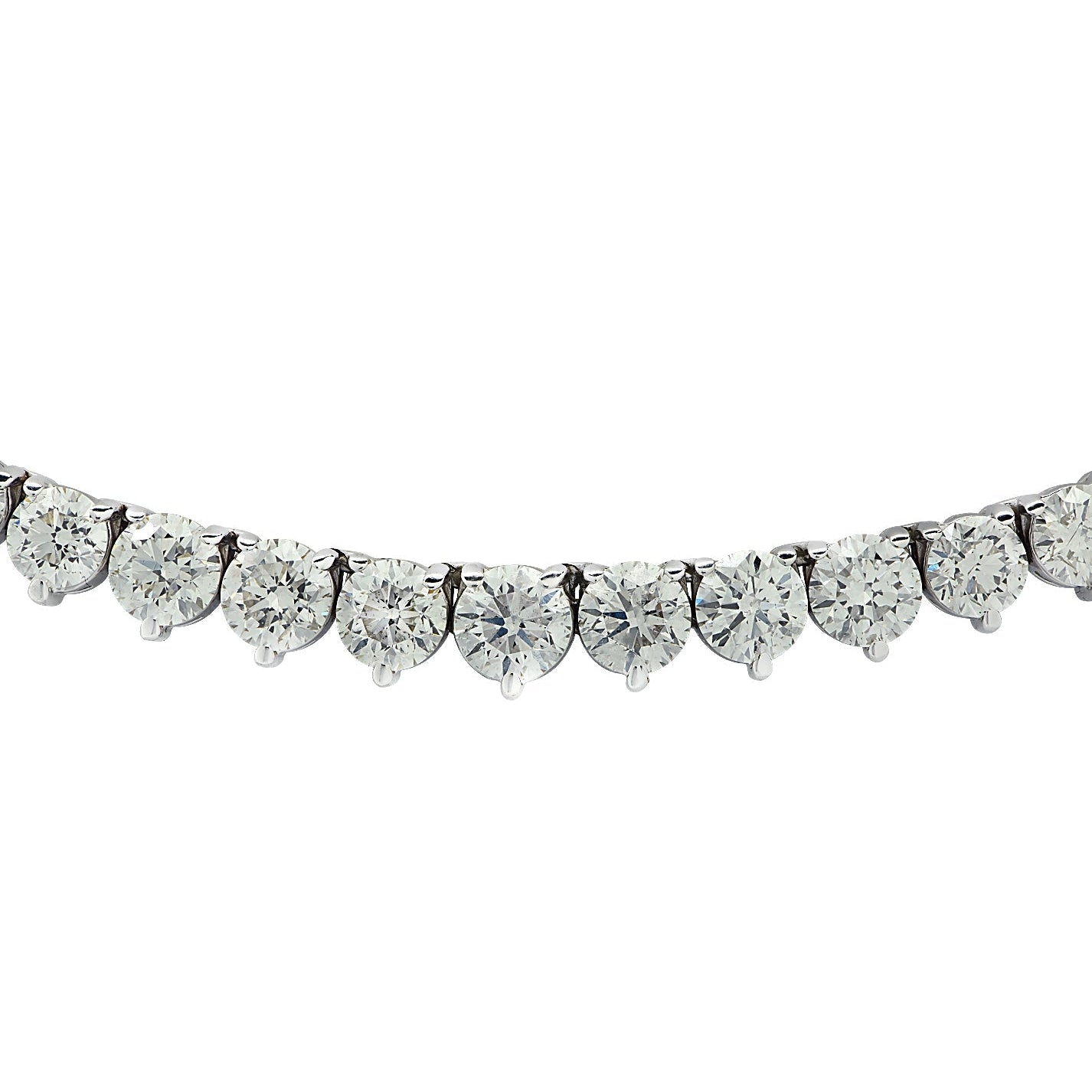
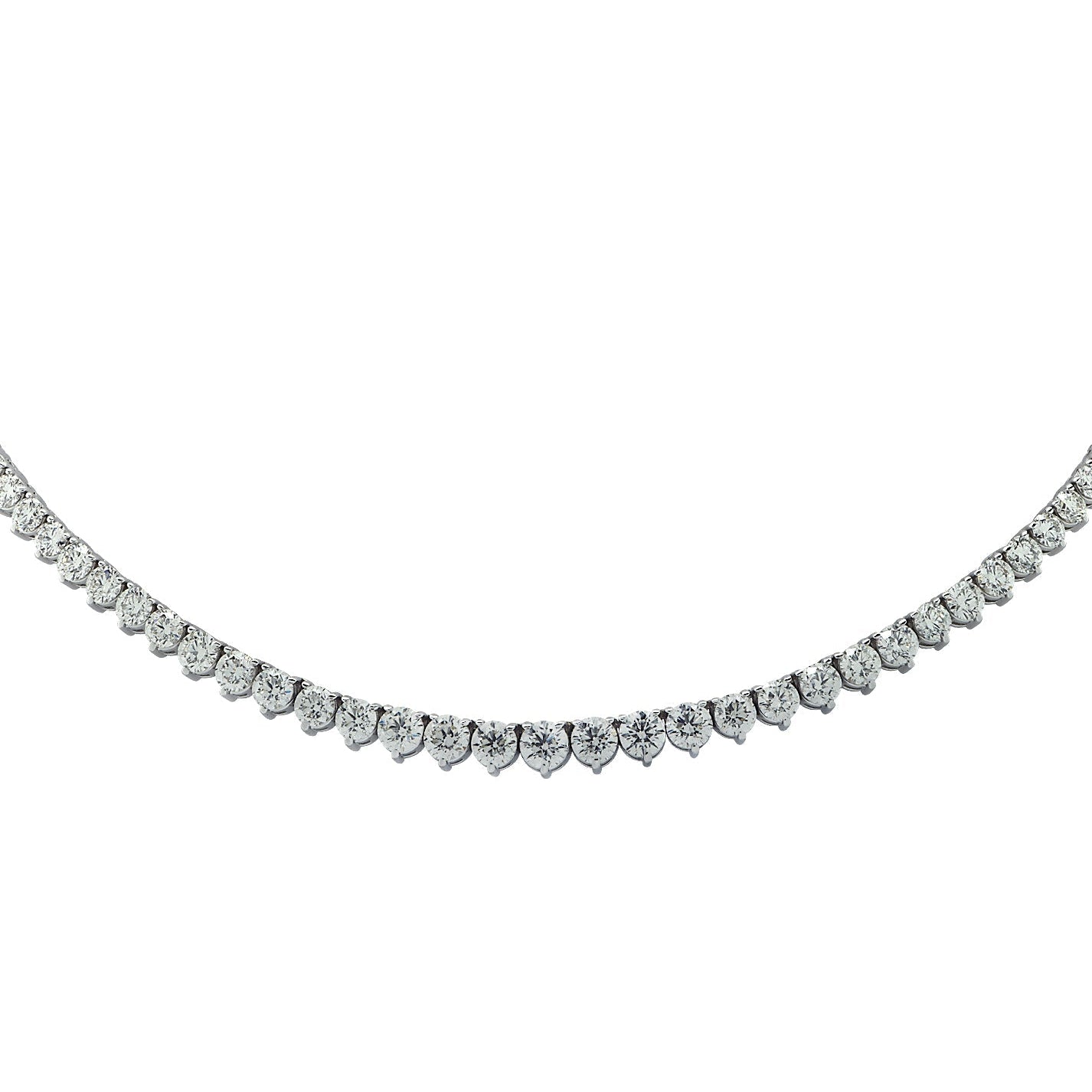
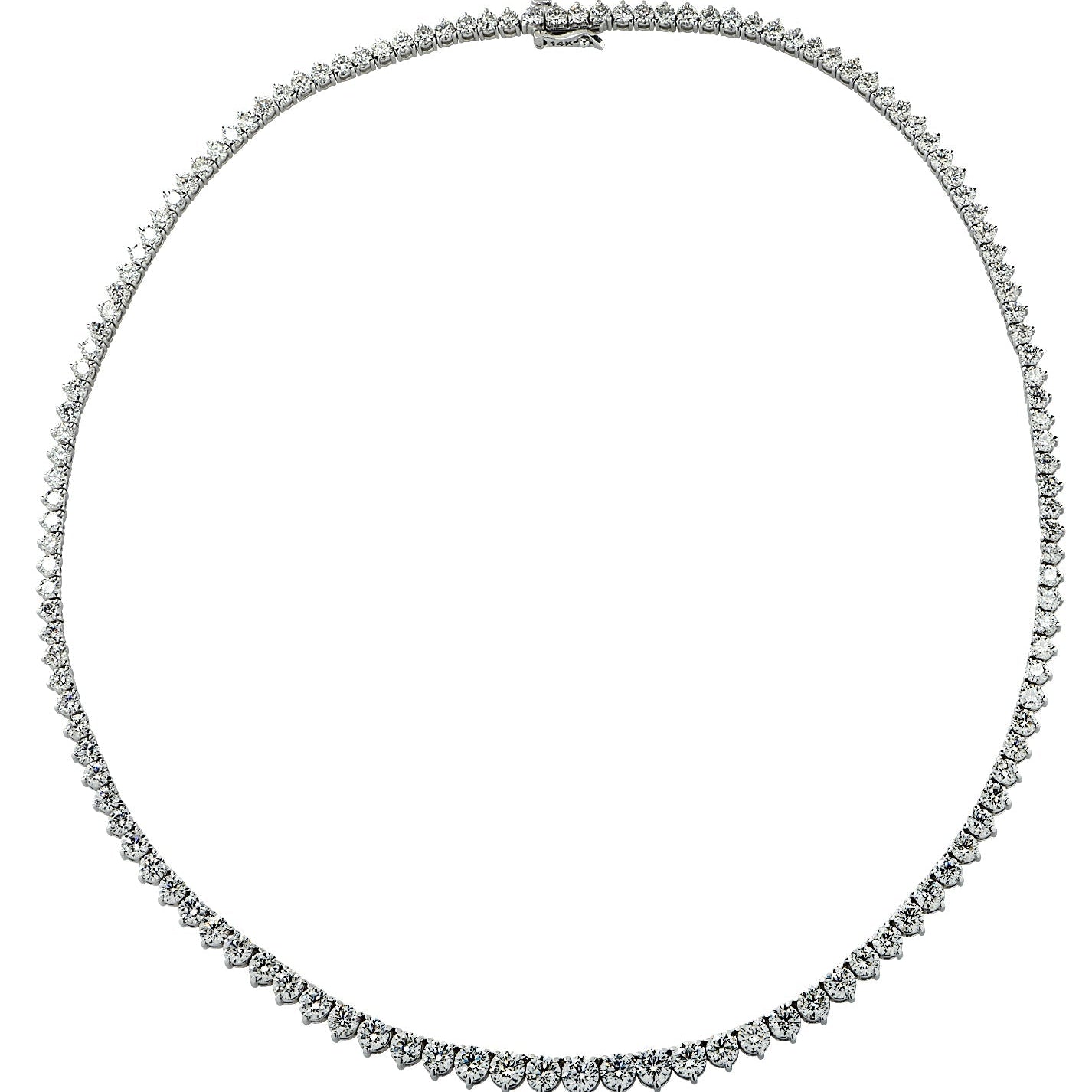
Harry Winston's design philosophy begins with the stone and builds outward. That sounds obvious until you compare it with pieces where metal architecture steals the spotlight. Here, the metal is engineered to vanish: articulation is planned so diamonds sit in airy compositions that pour light in and throw fire back.
A few signatures matter most when you evaluate authenticity and quality.
The Winston Cluster
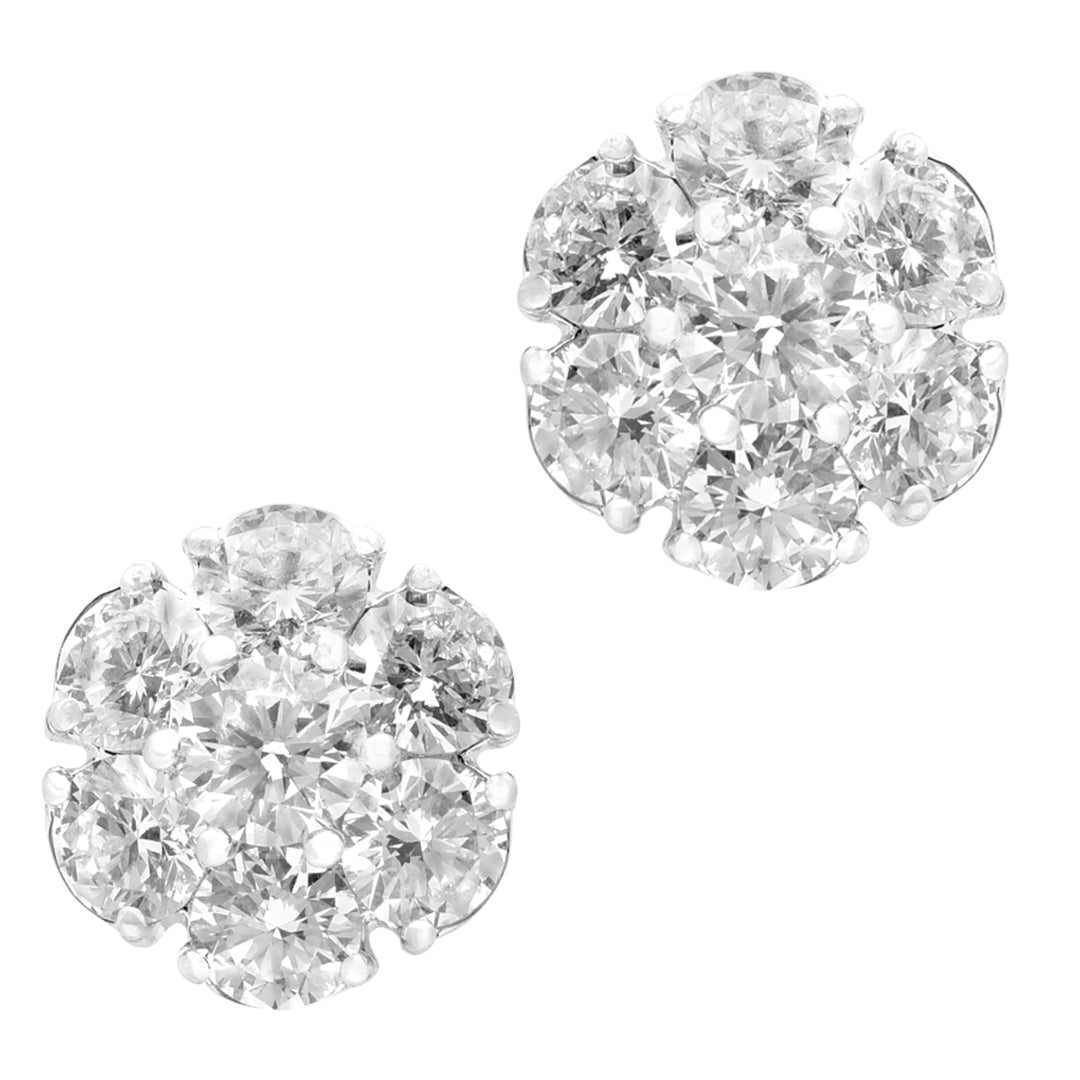
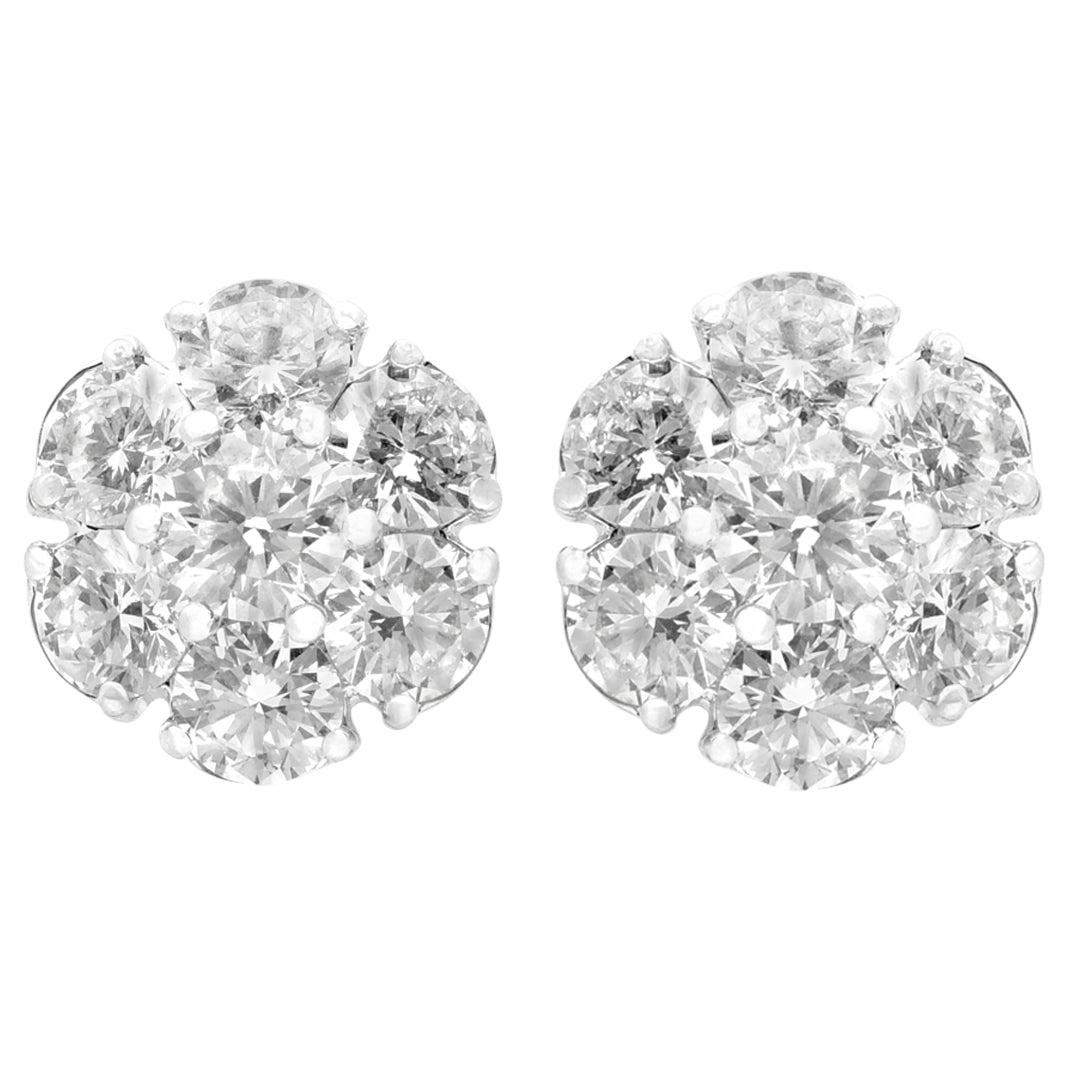
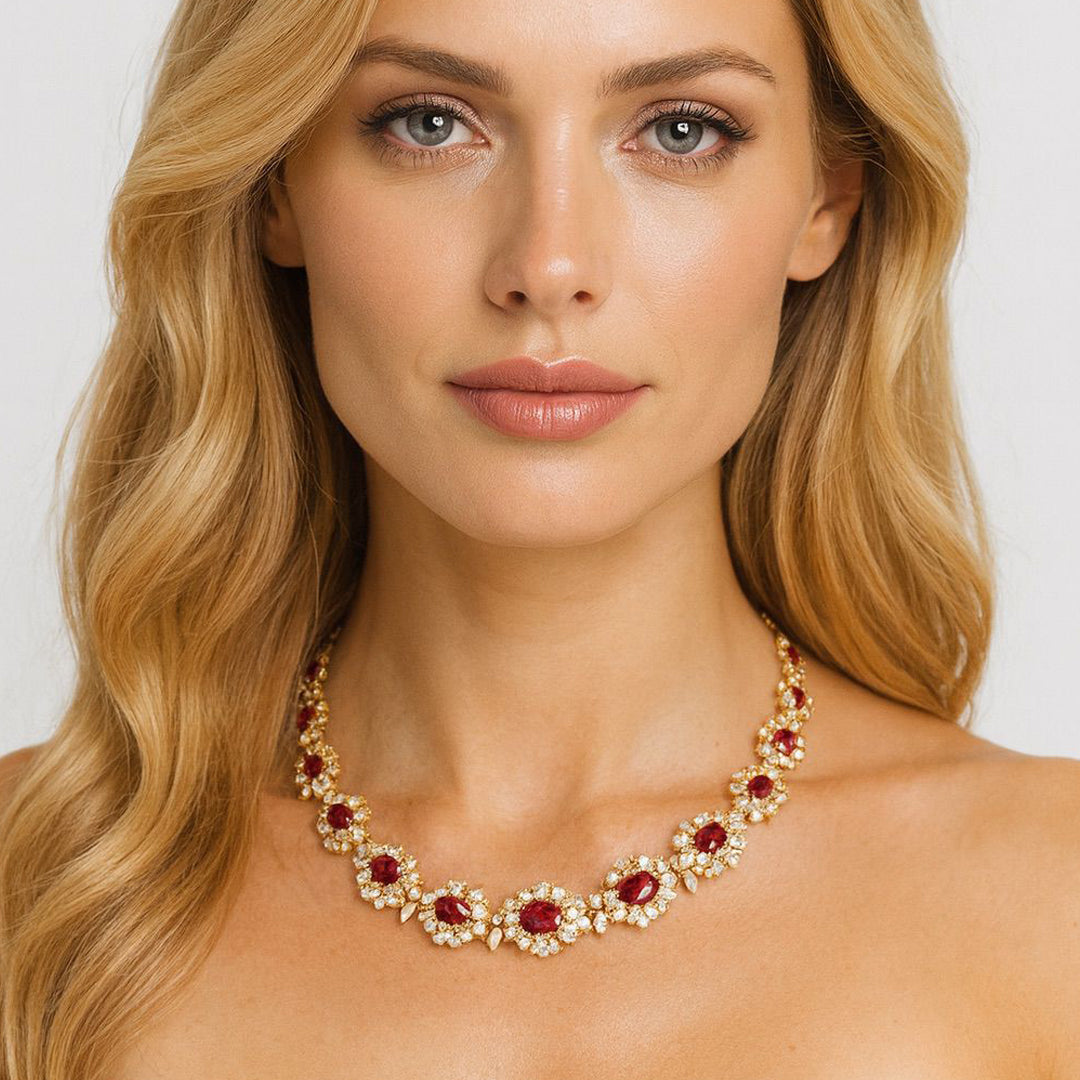
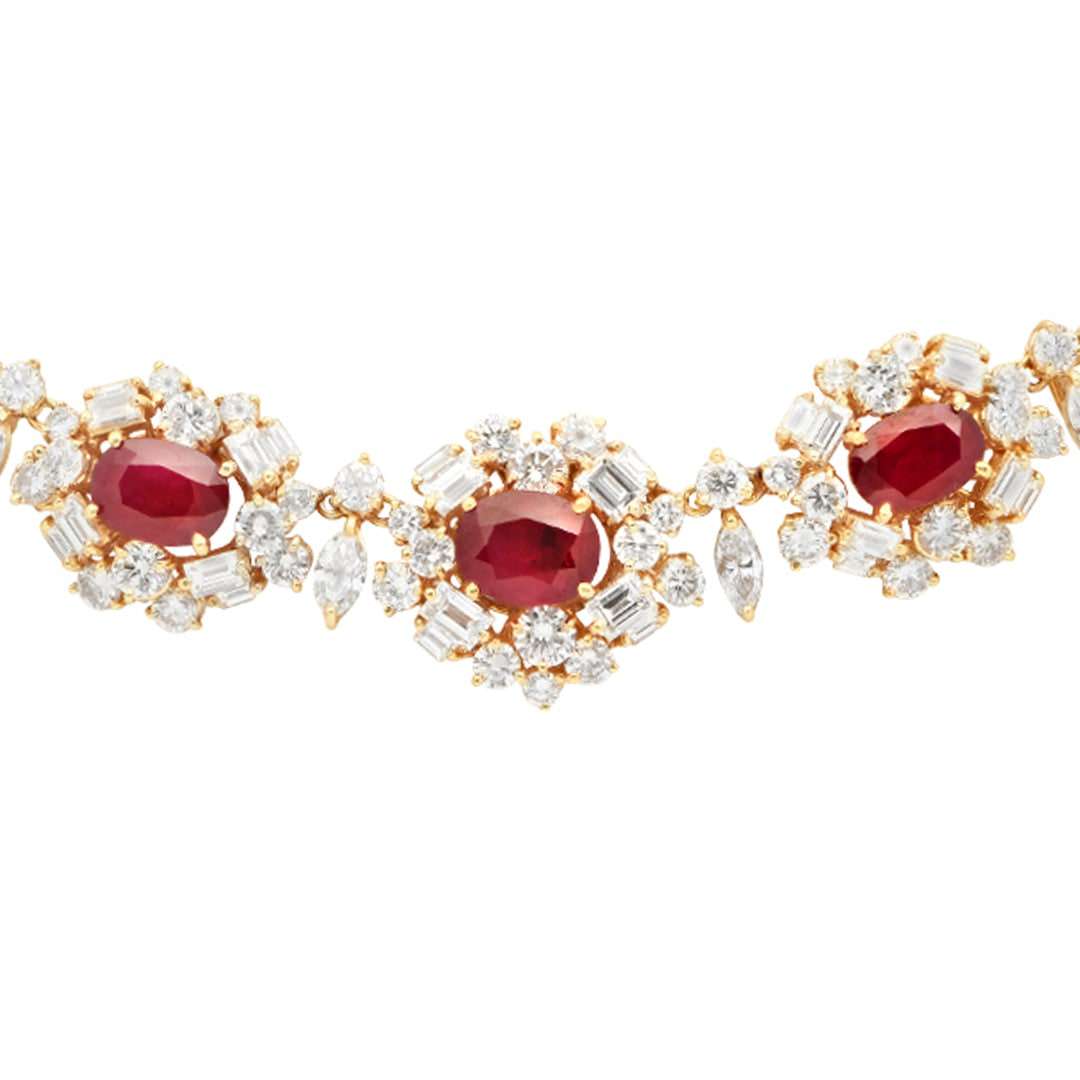
Developed in the 1940s, the Winston Cluster arranges different diamond shapes, often pear, marquise, and round brilliants, at varying angles and heights so they appear to float. Instead of a rigid, symmetrical rosette, you see an organic burst of light. In person, this creates that "wet" scintillation: tiny flashes across the whole surface rather than a single point of glare.
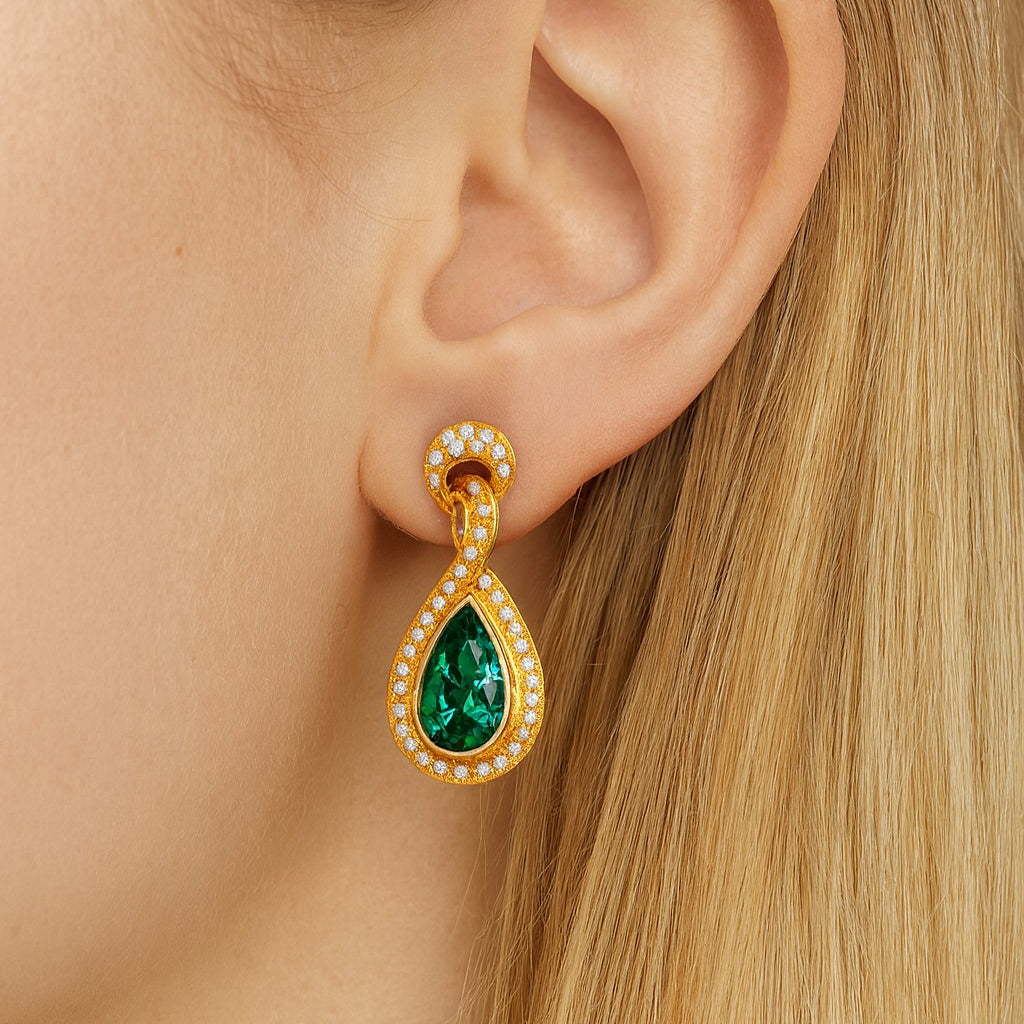
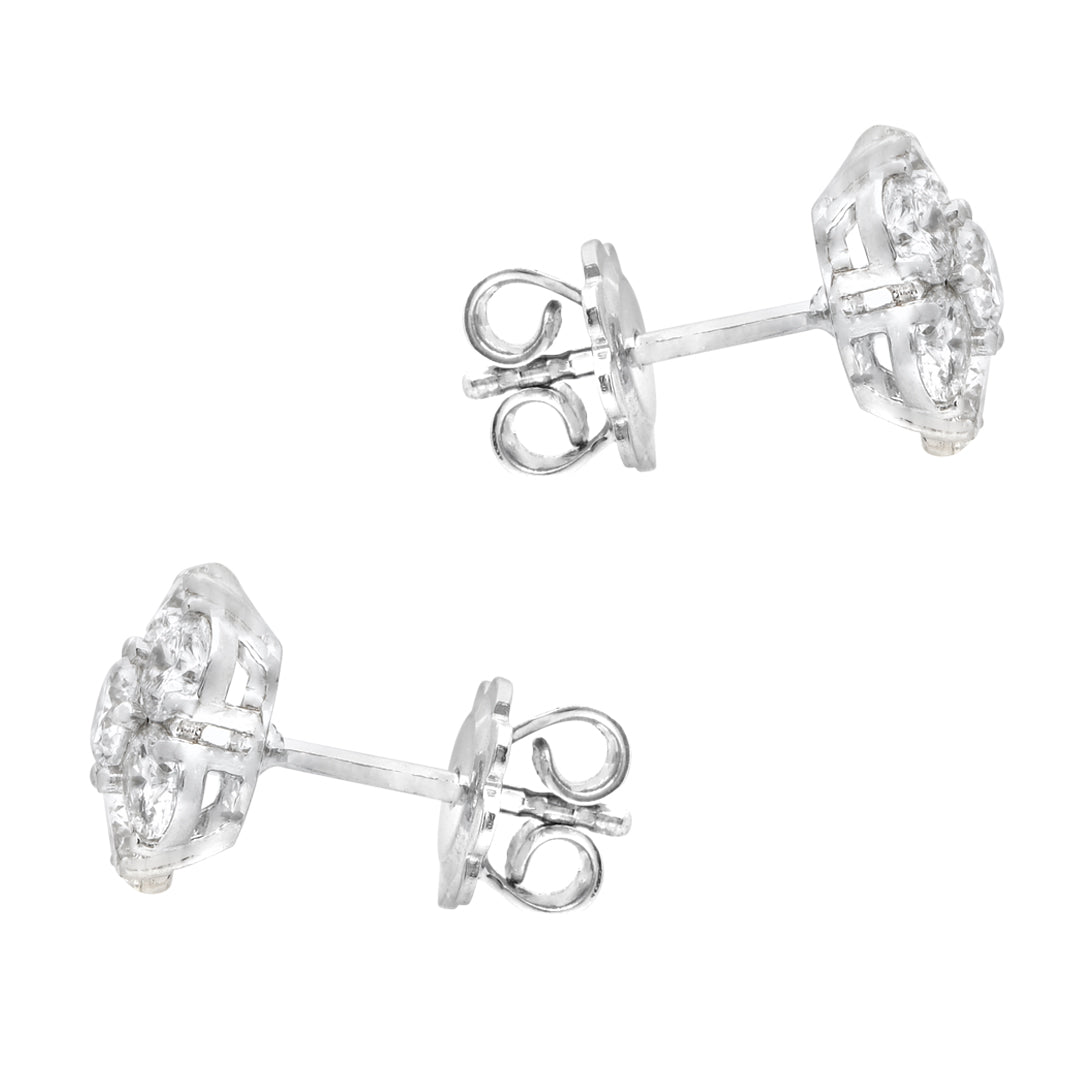
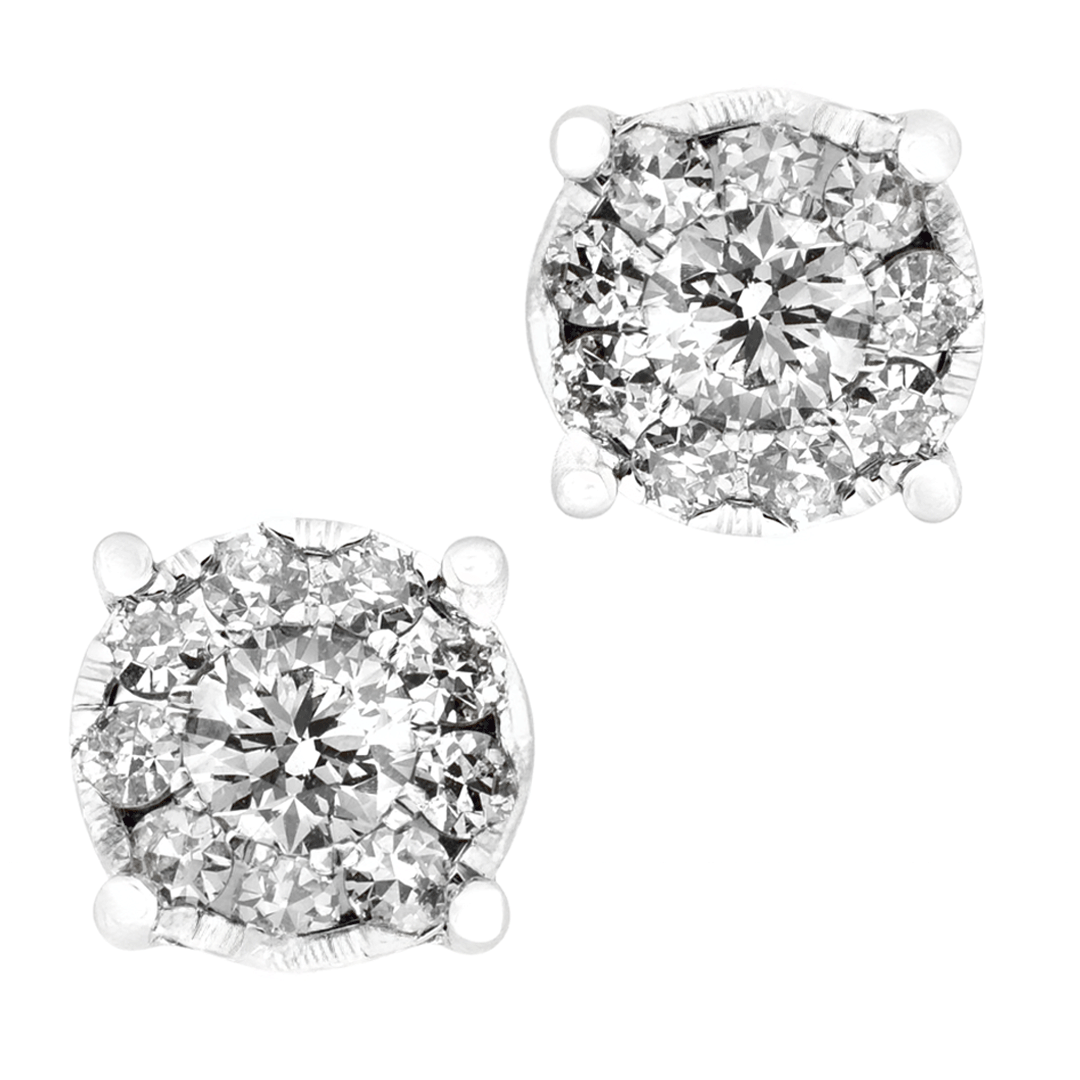
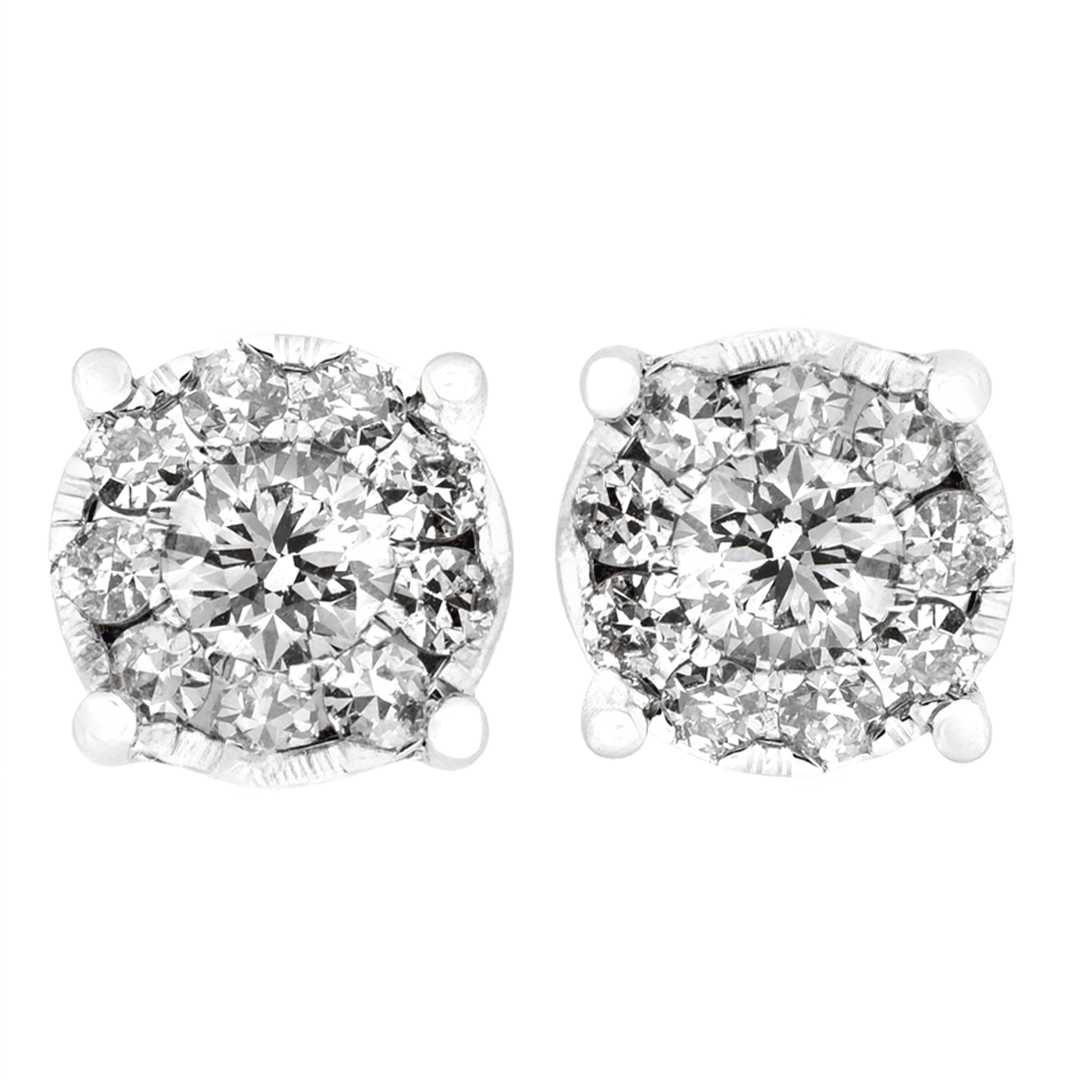
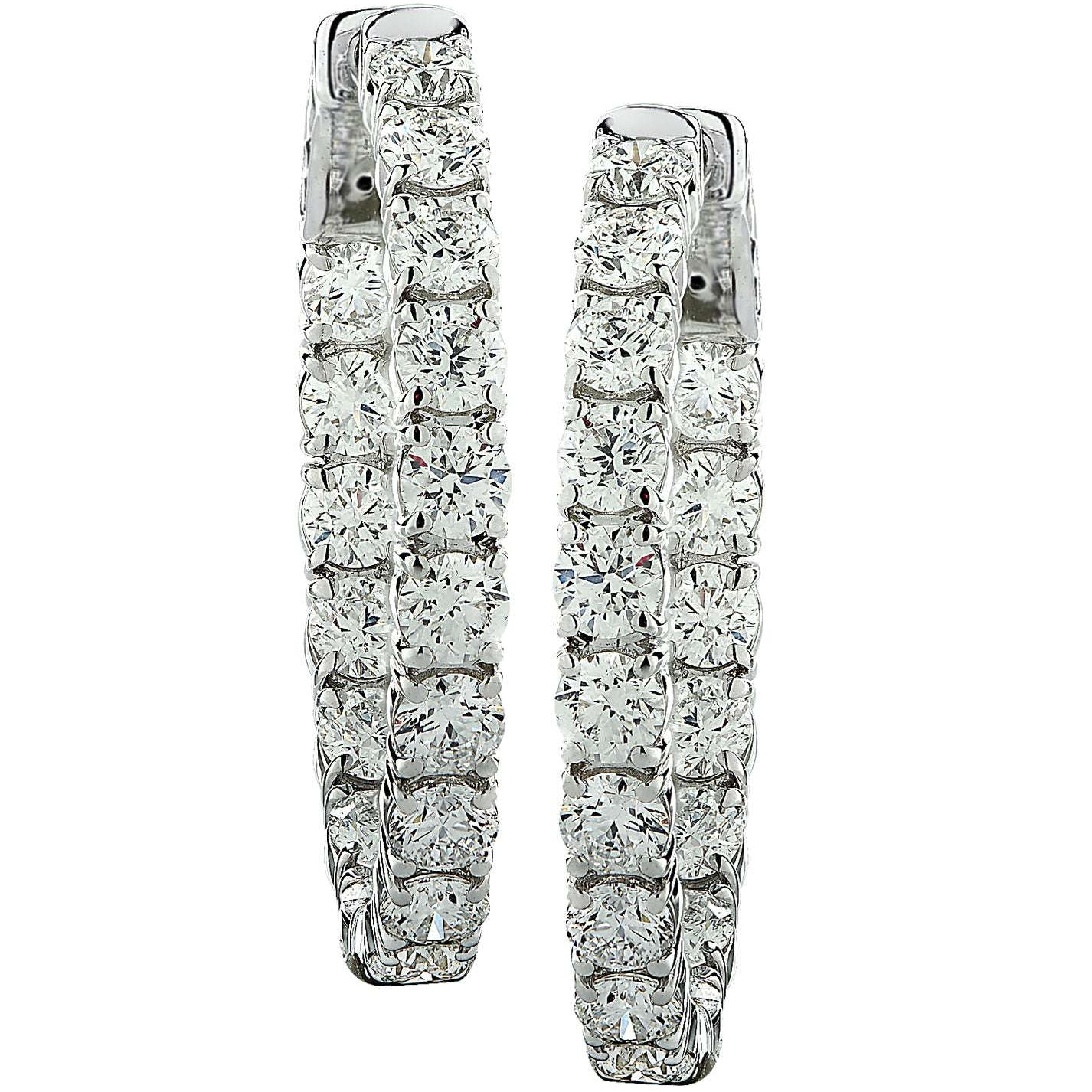
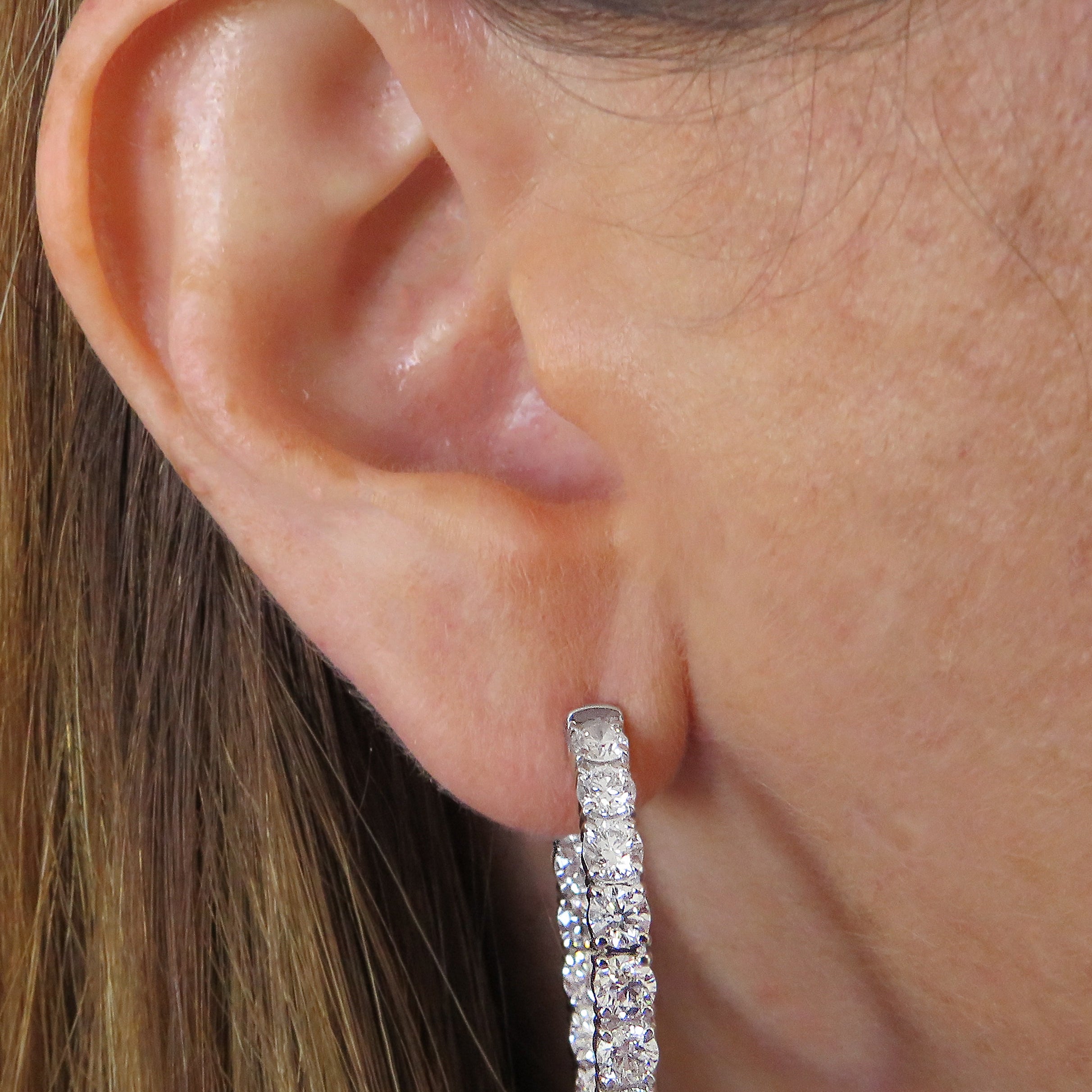
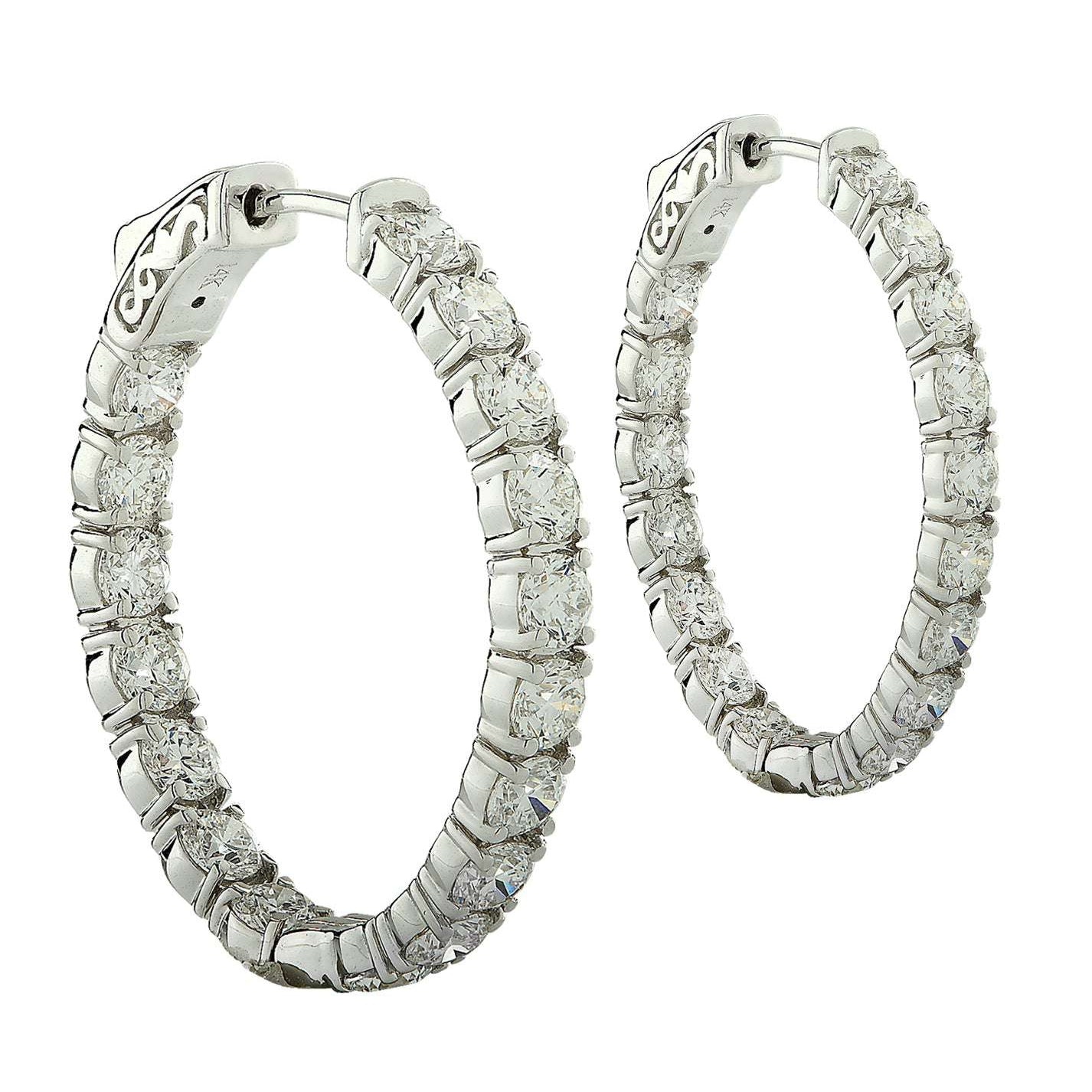
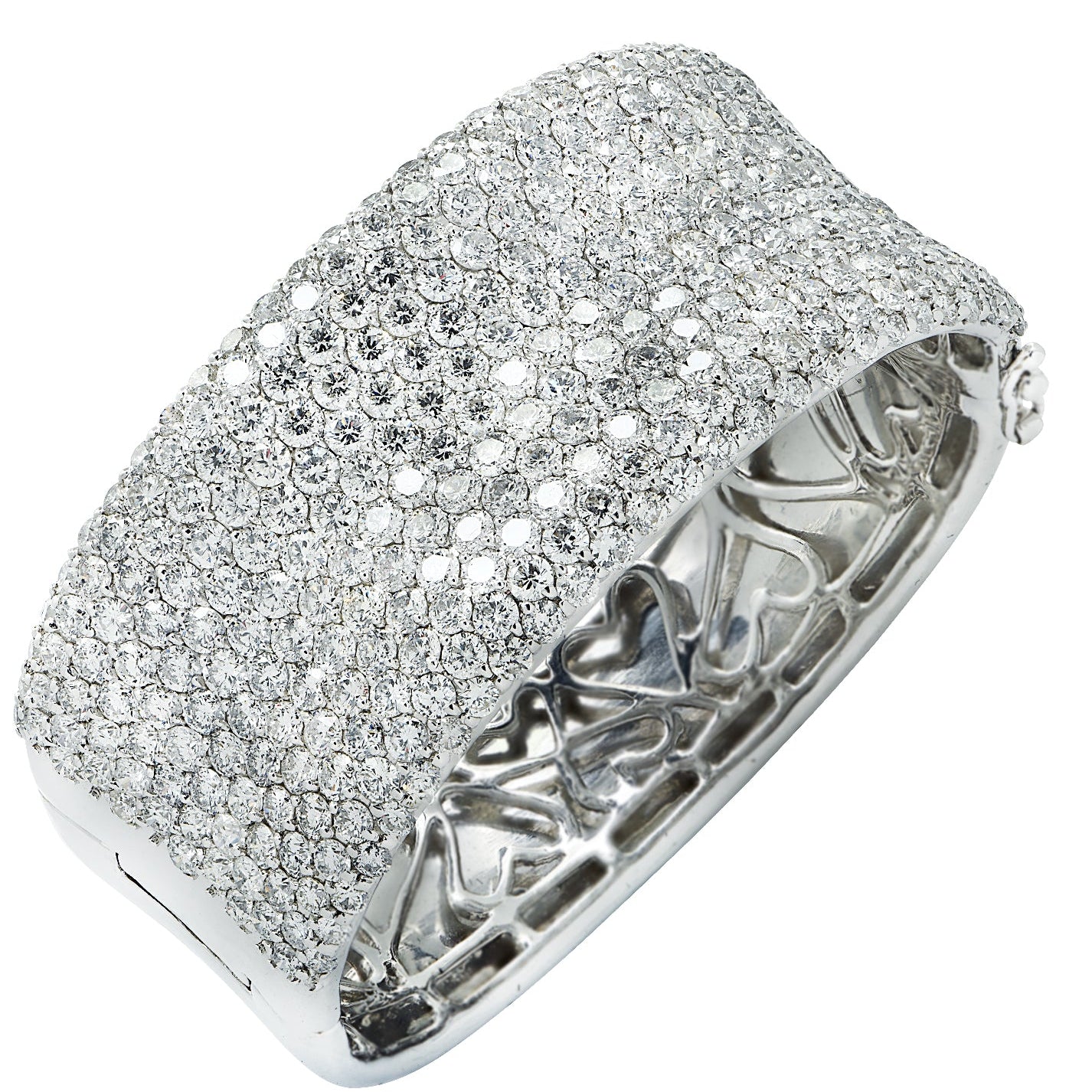
Modern Cluster pieces (earrings, necklaces, bracelets, rings) follow the same principles: minimal shared metal, precise pavé or prong placement, and enough flexibility that the cluster drapes rather than sits as a flat plaque. If you're comparing cluster earrings from different maisons, Winston's usually look more three-dimensional and less "outlined."
Minimal Metal, Maximum Light
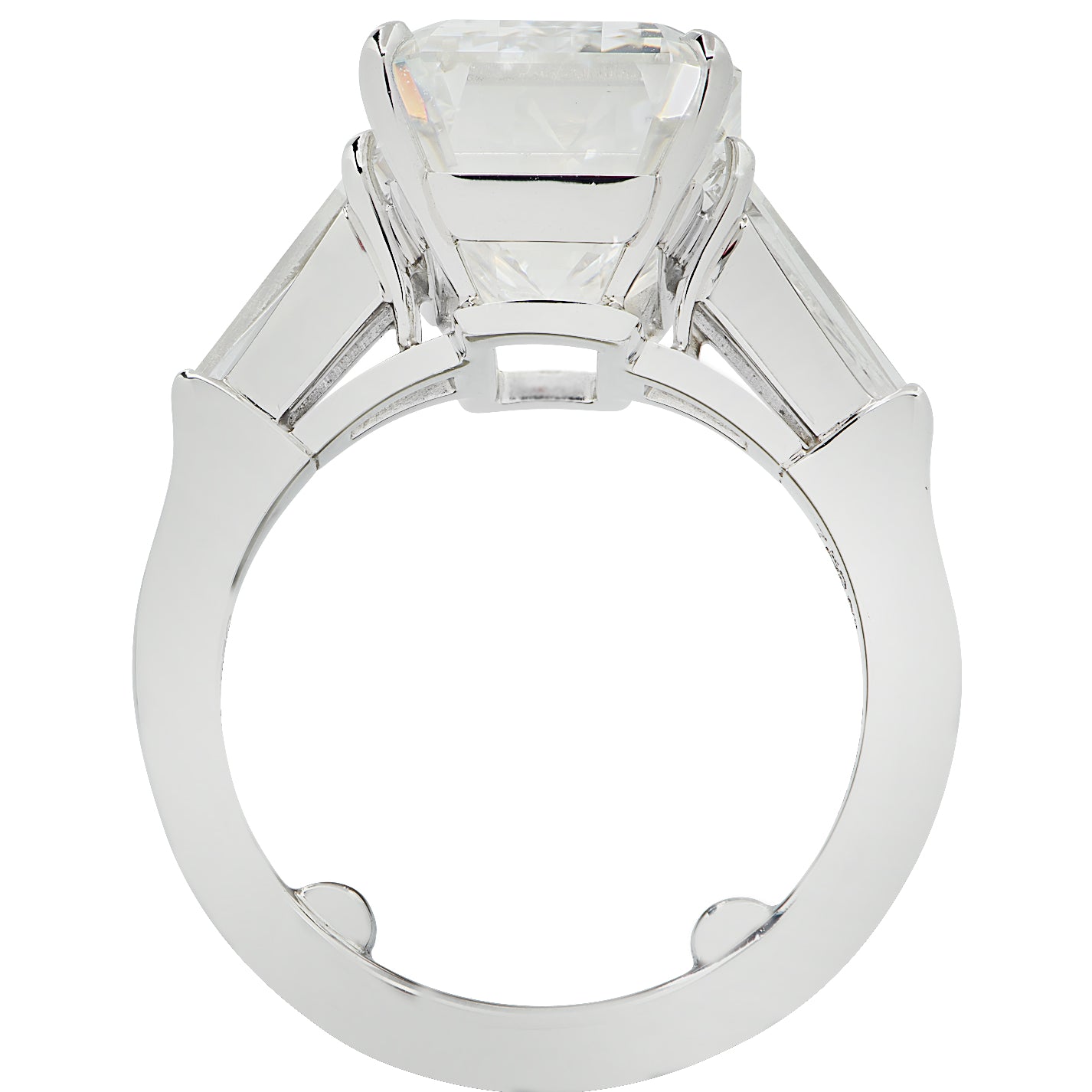
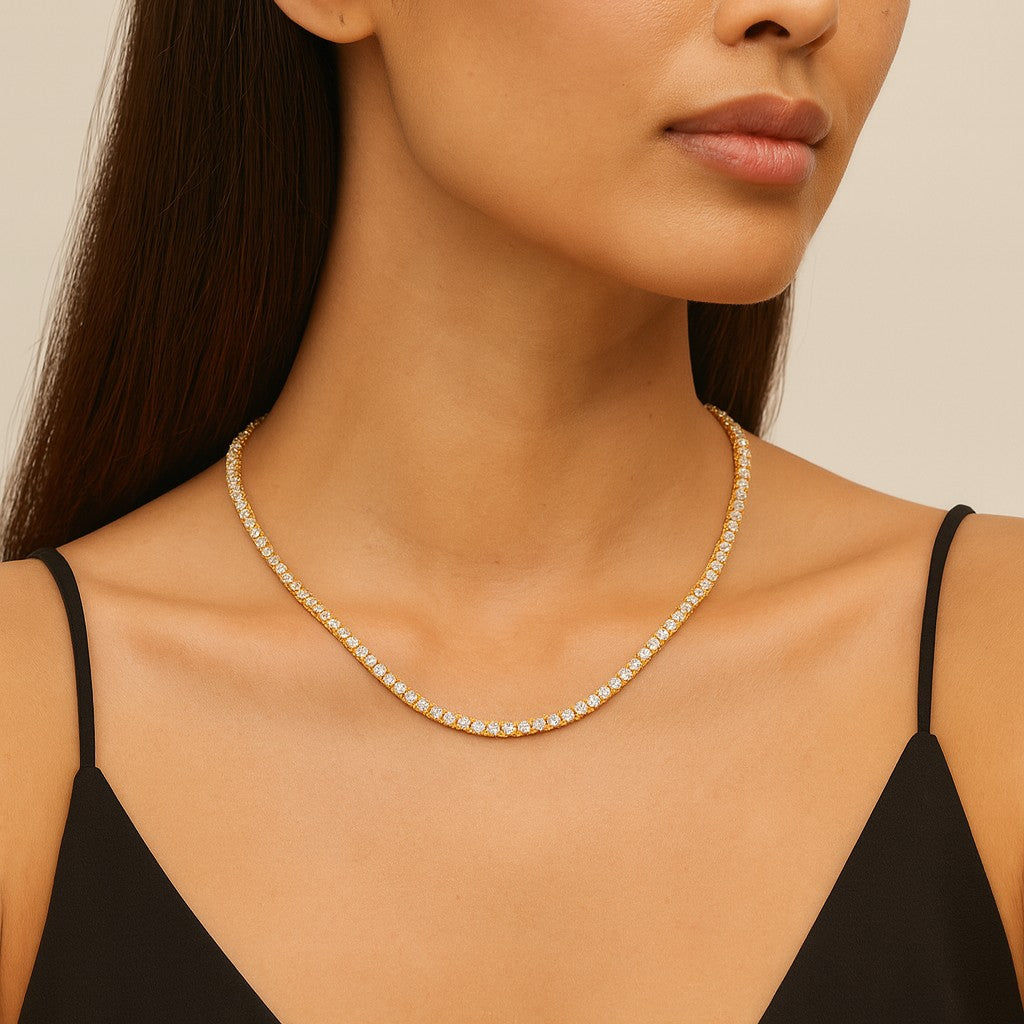
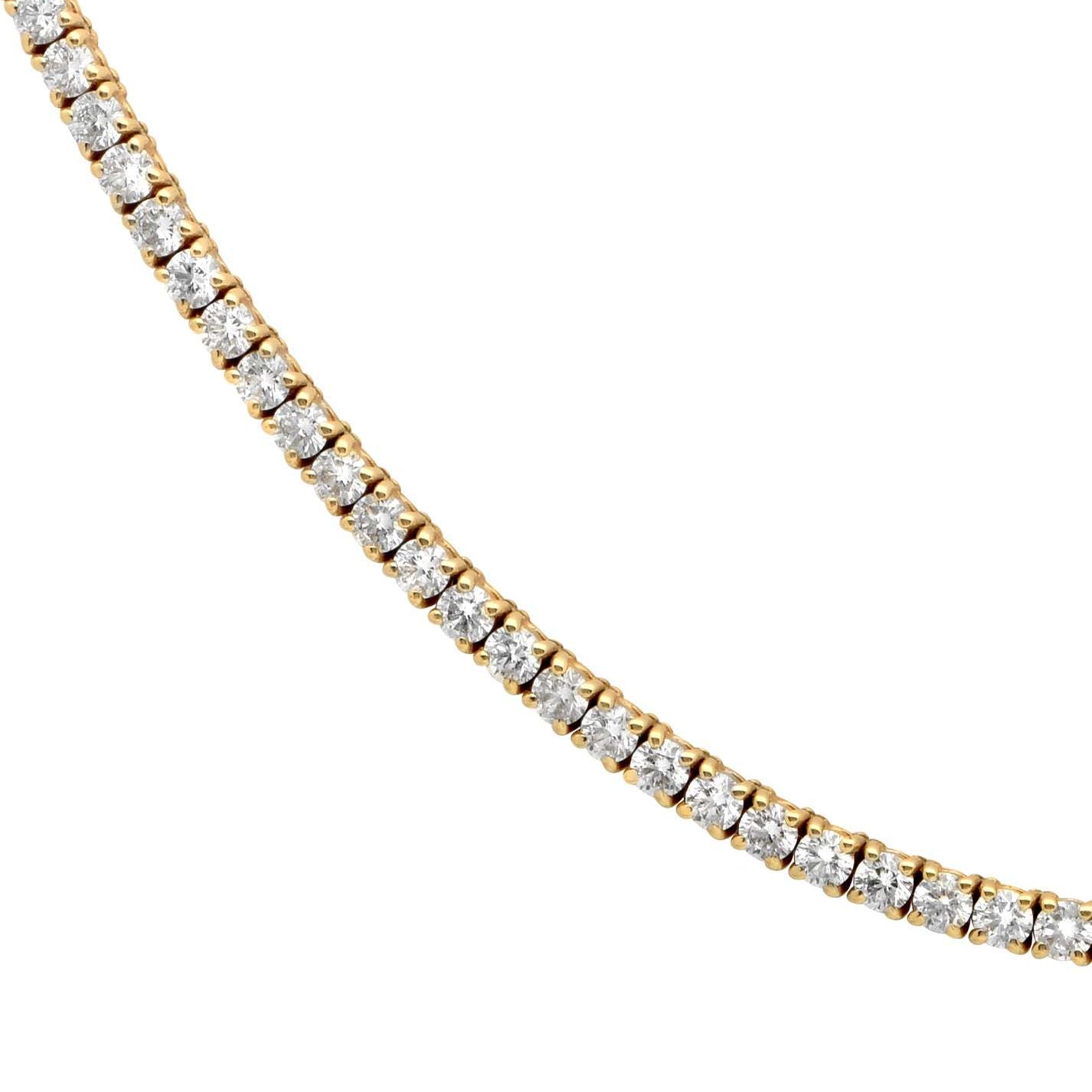
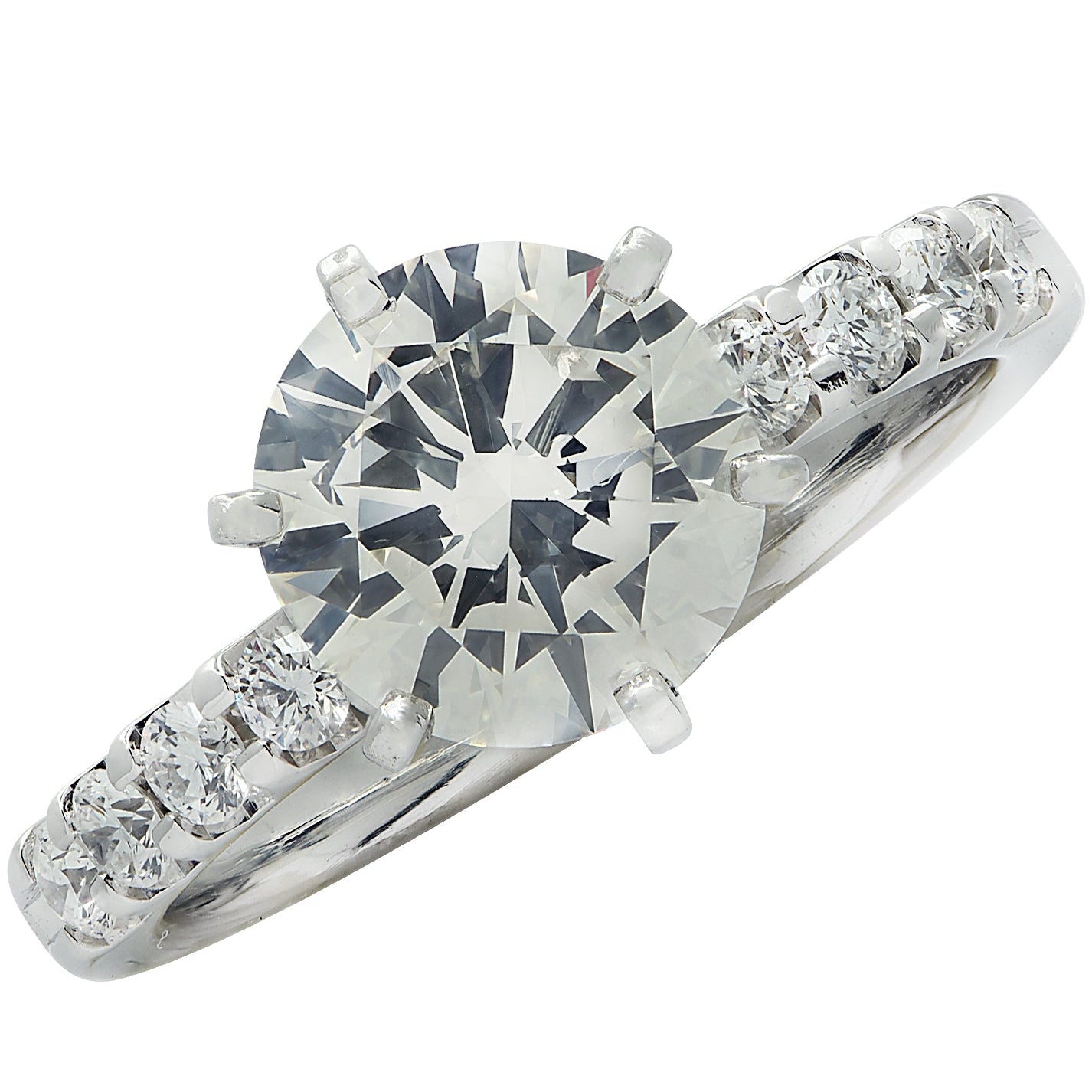
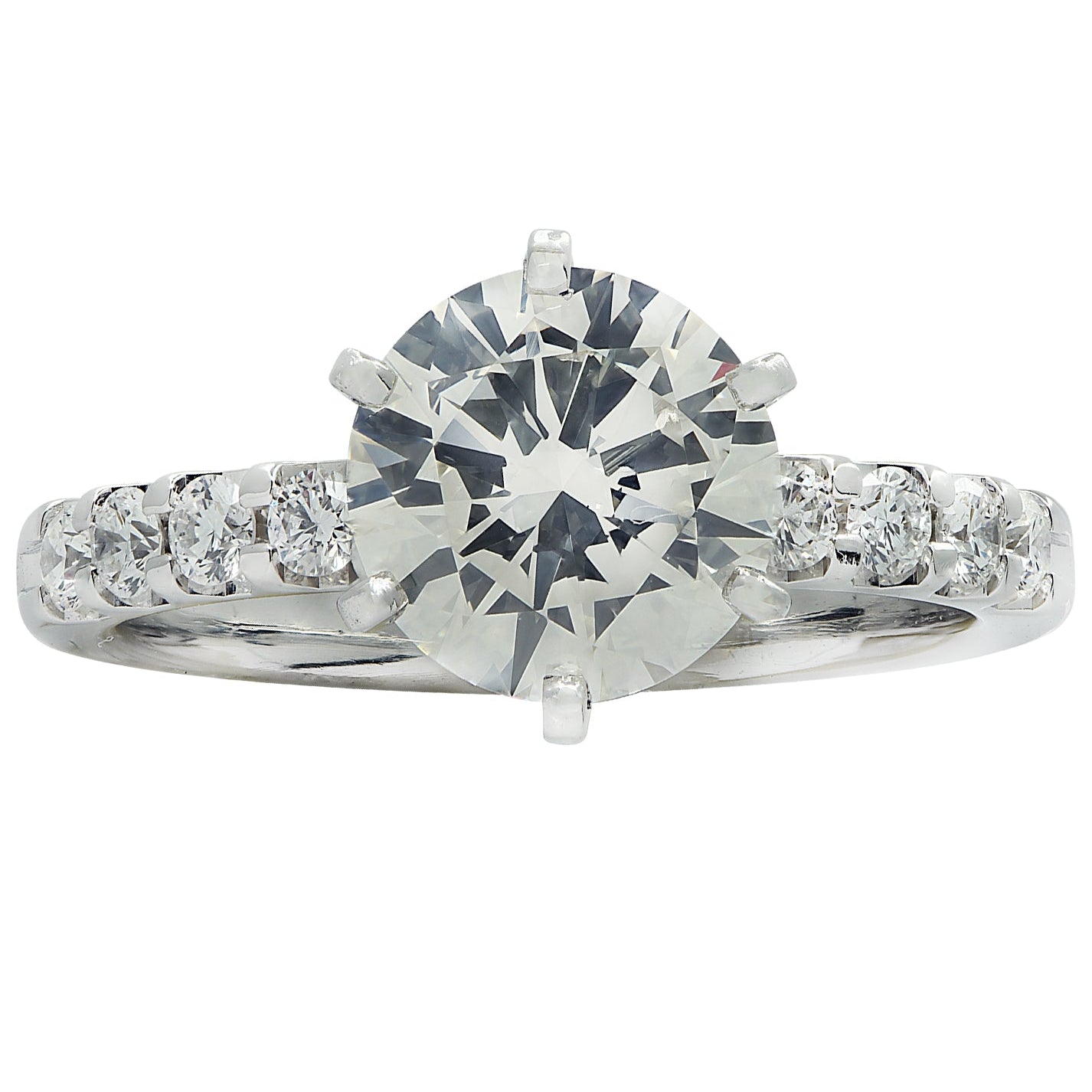
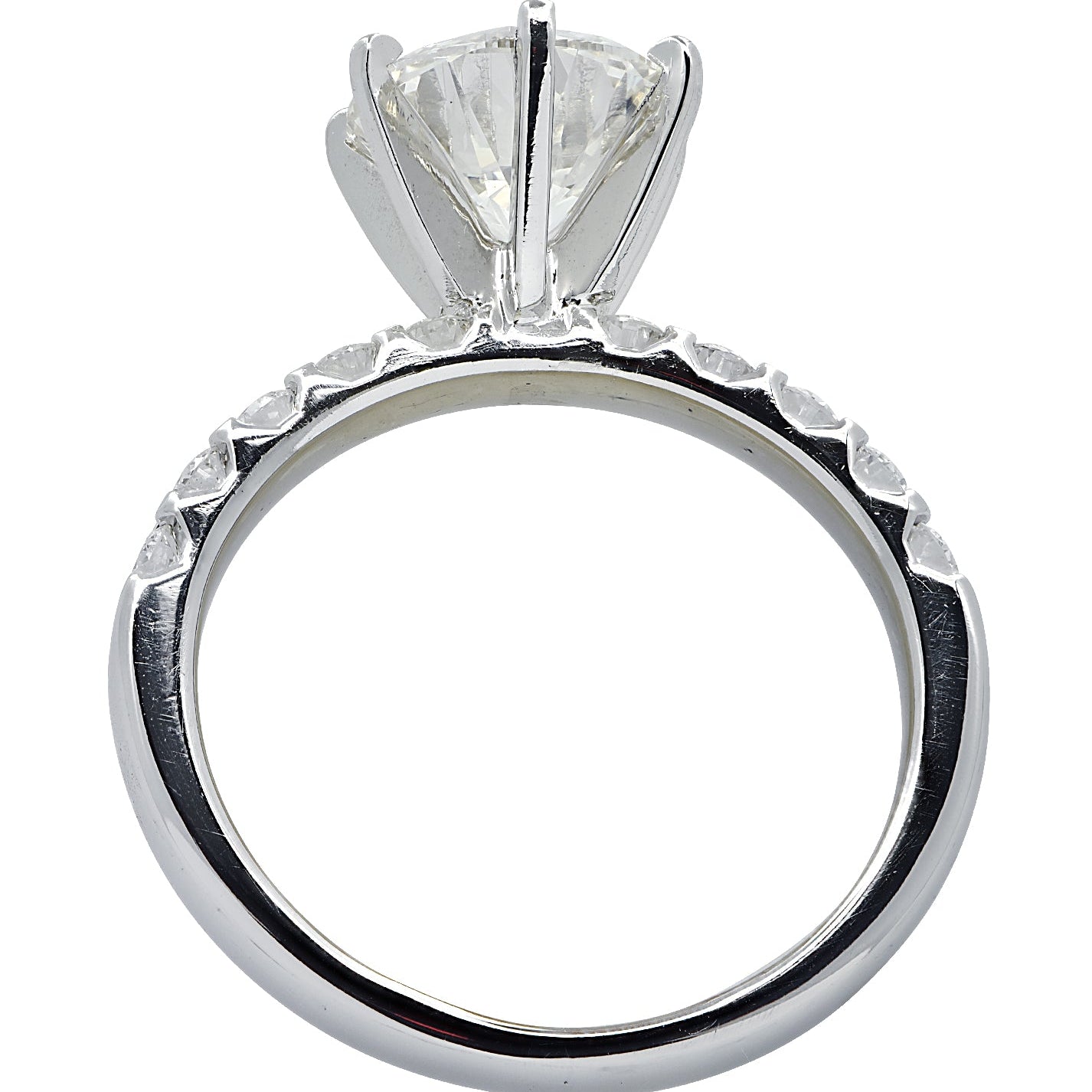
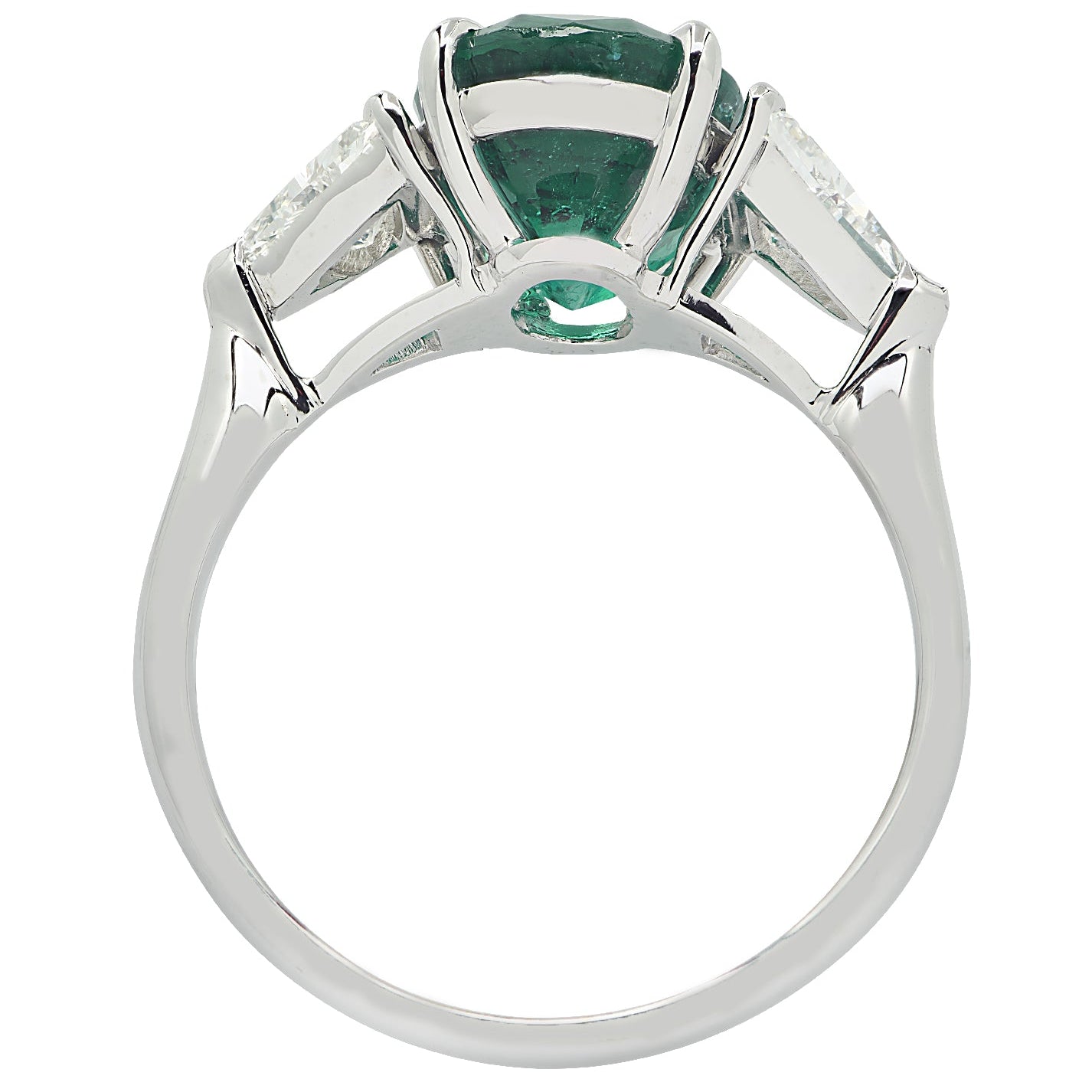
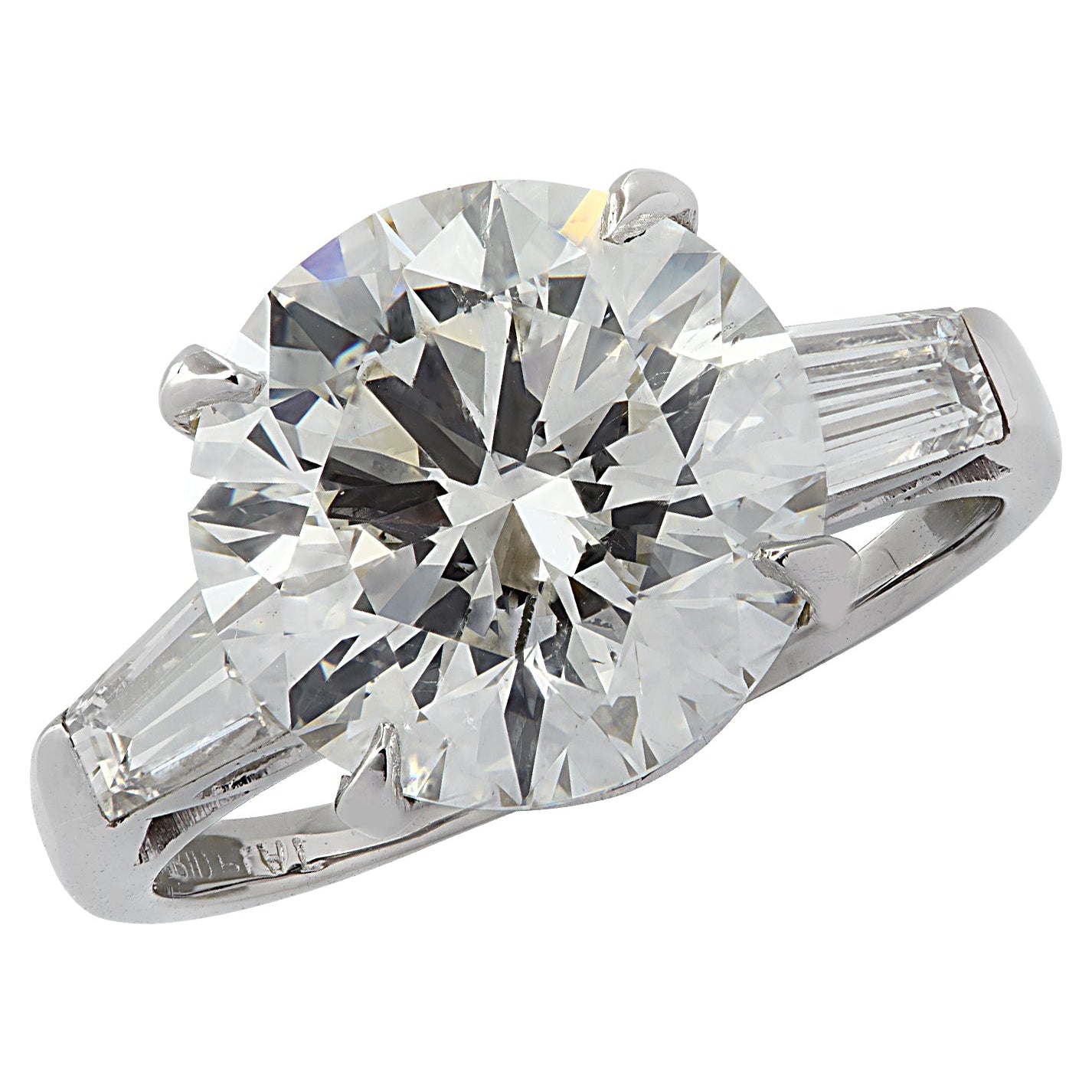
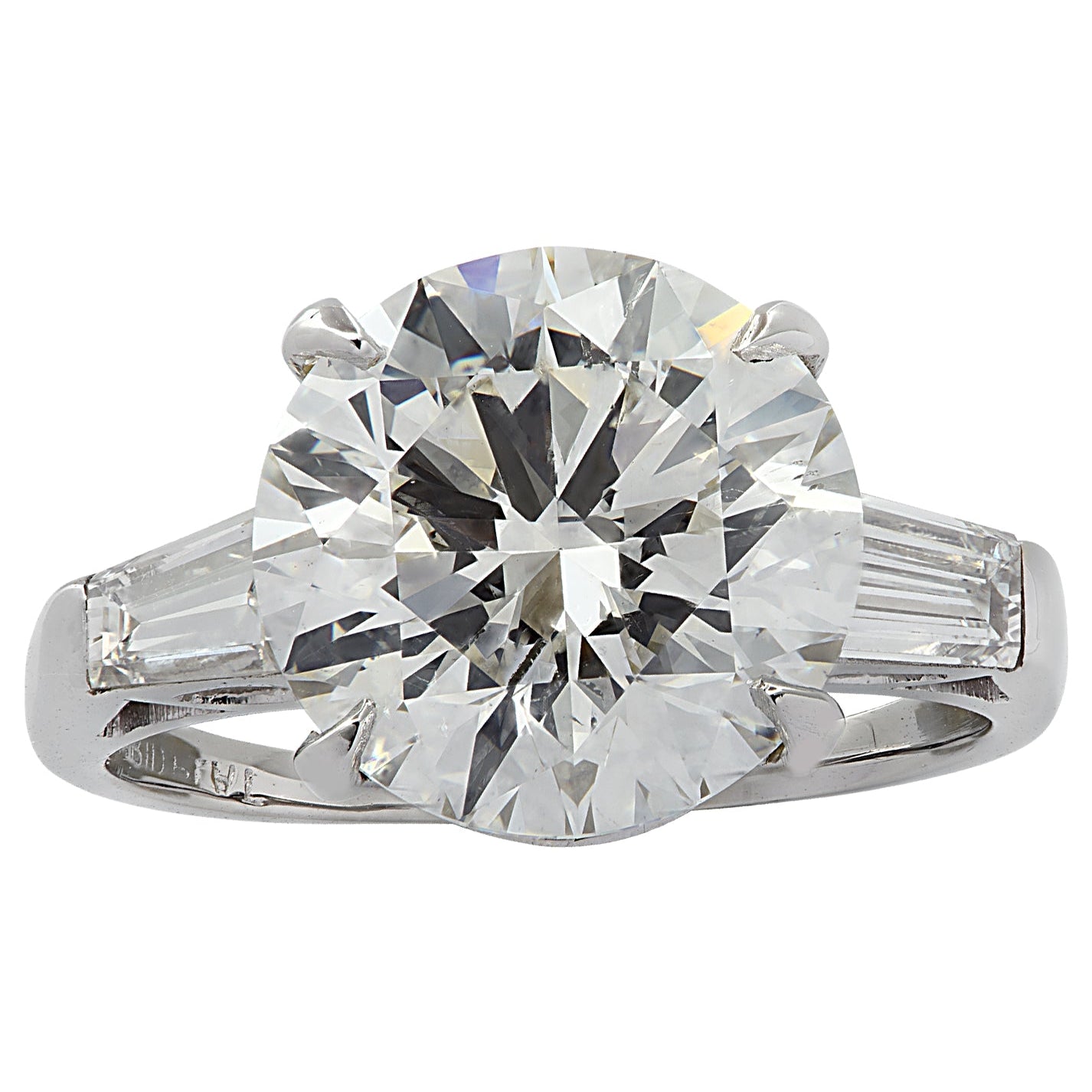
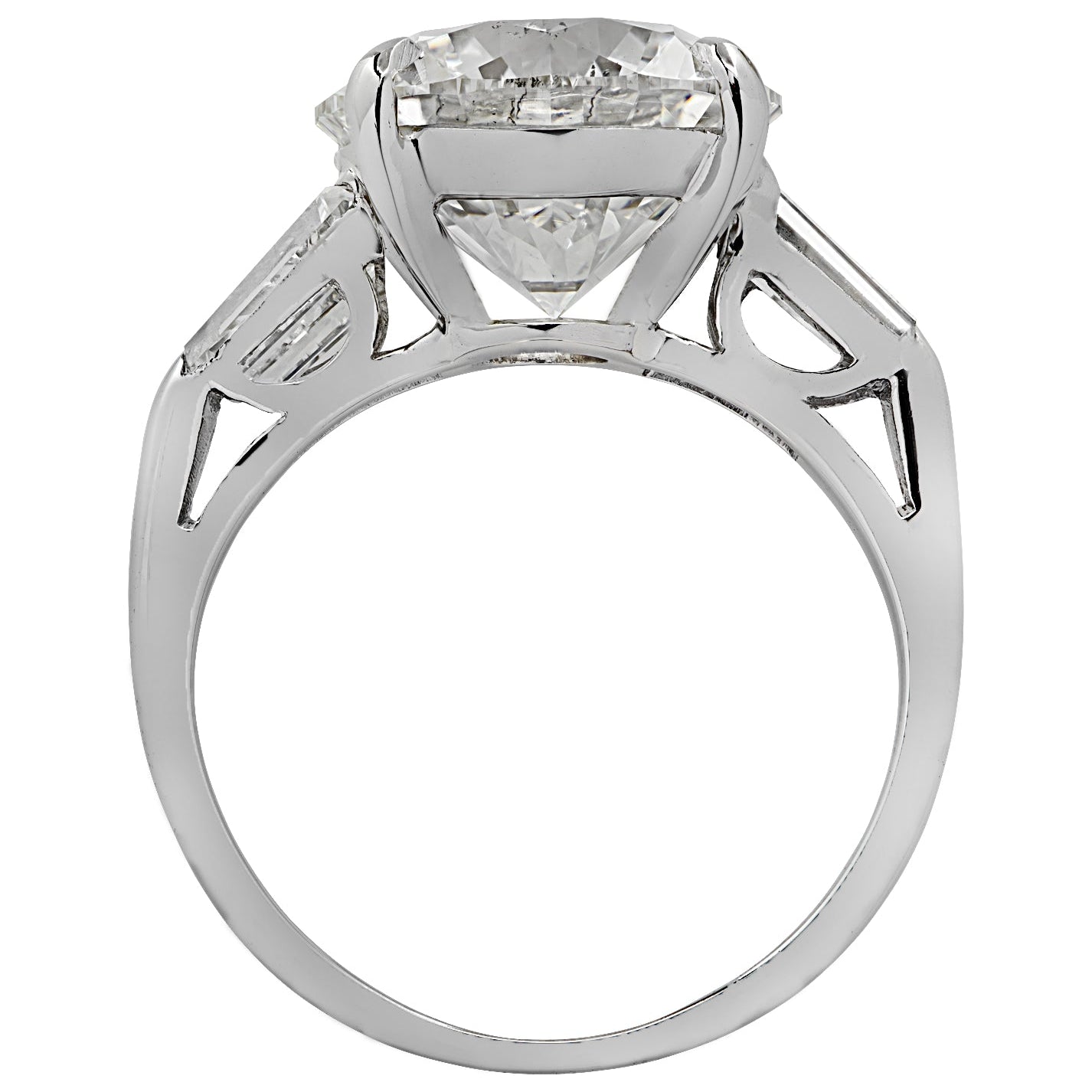
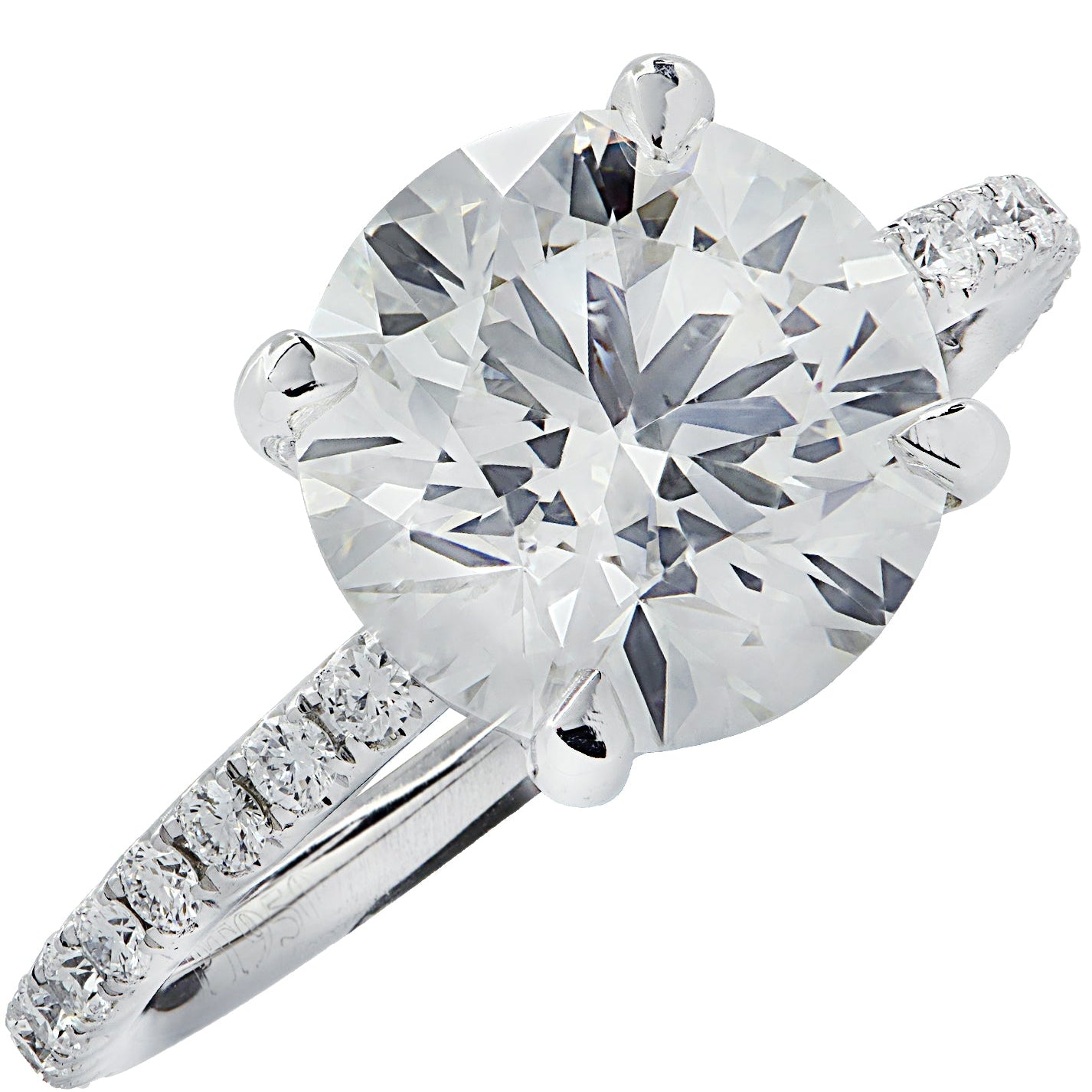
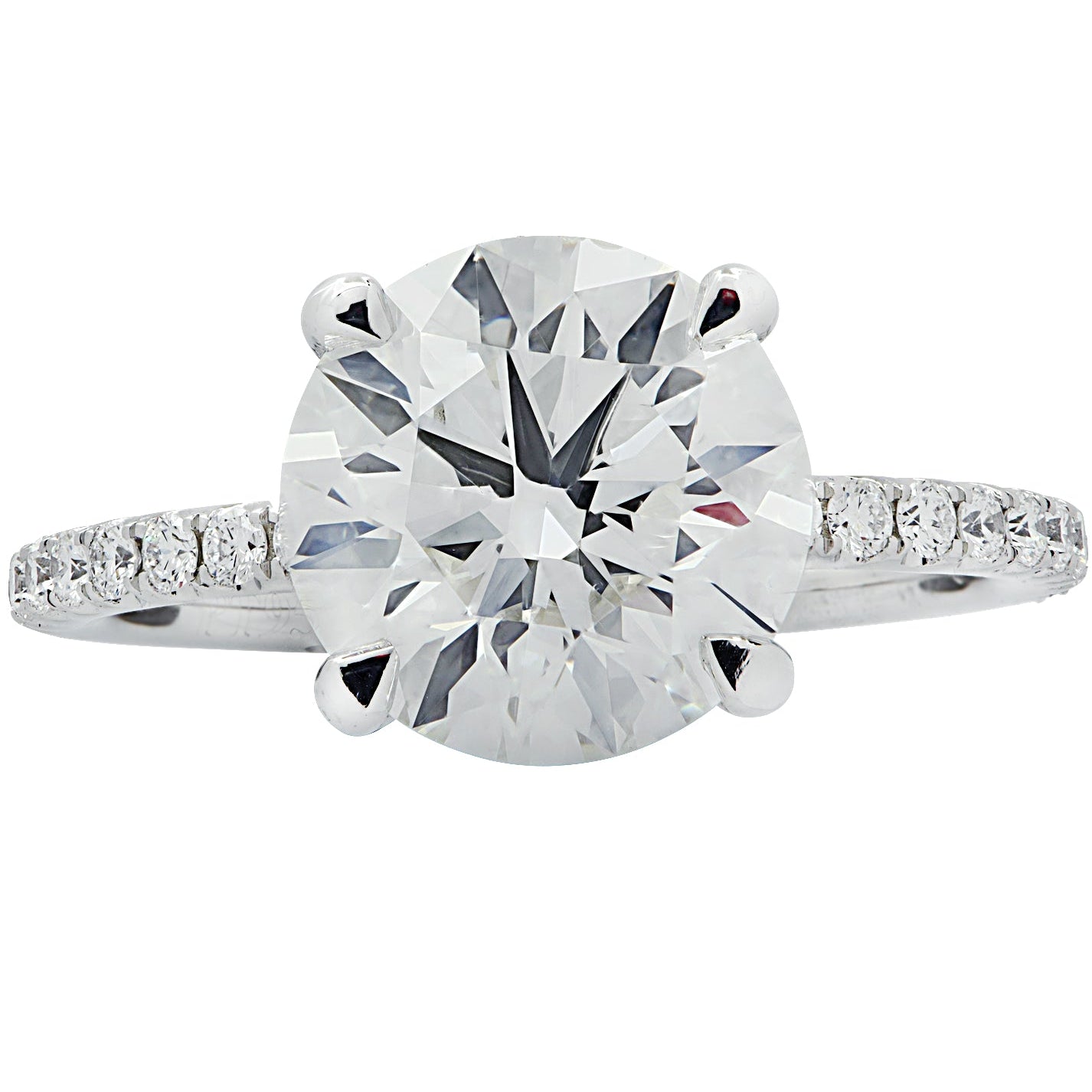
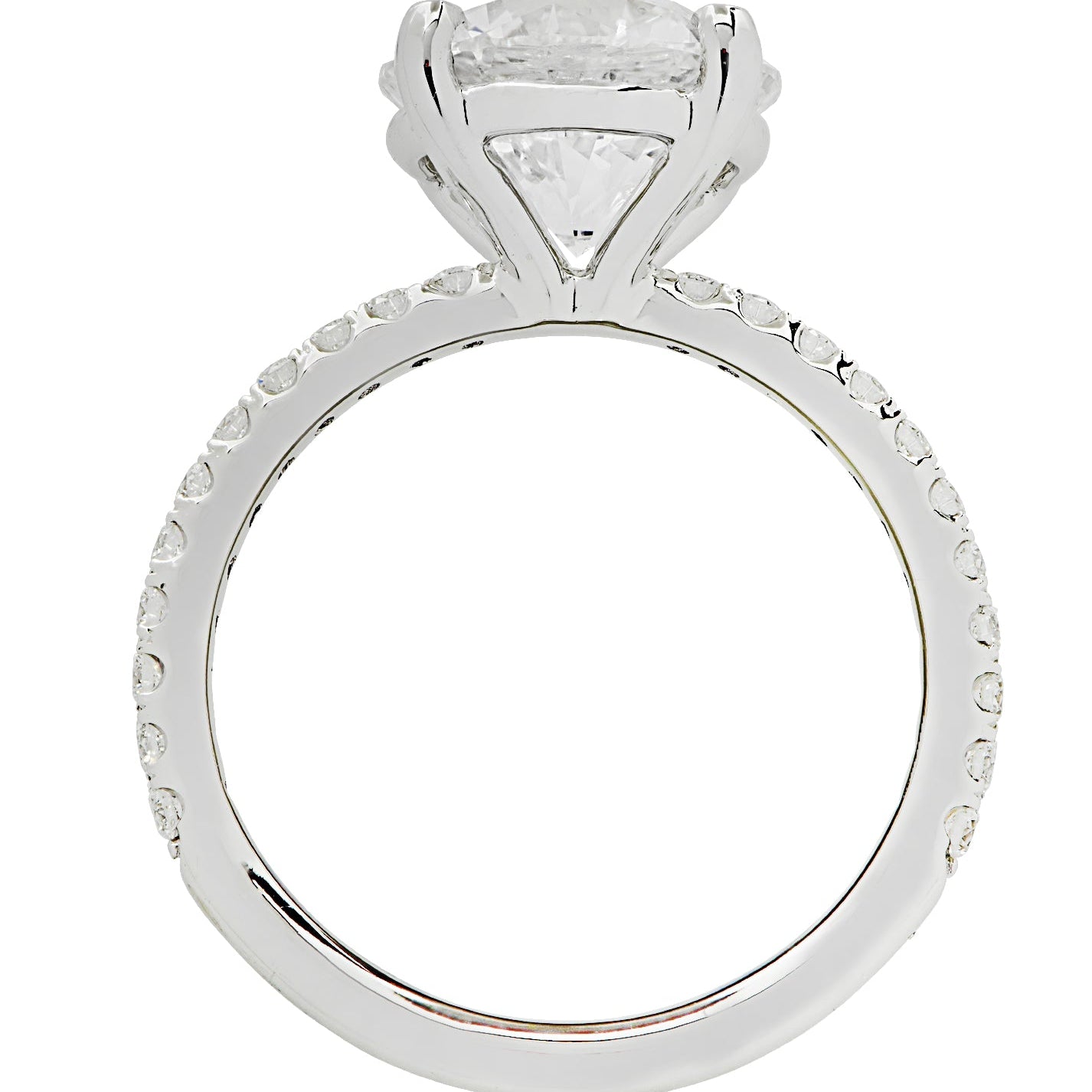
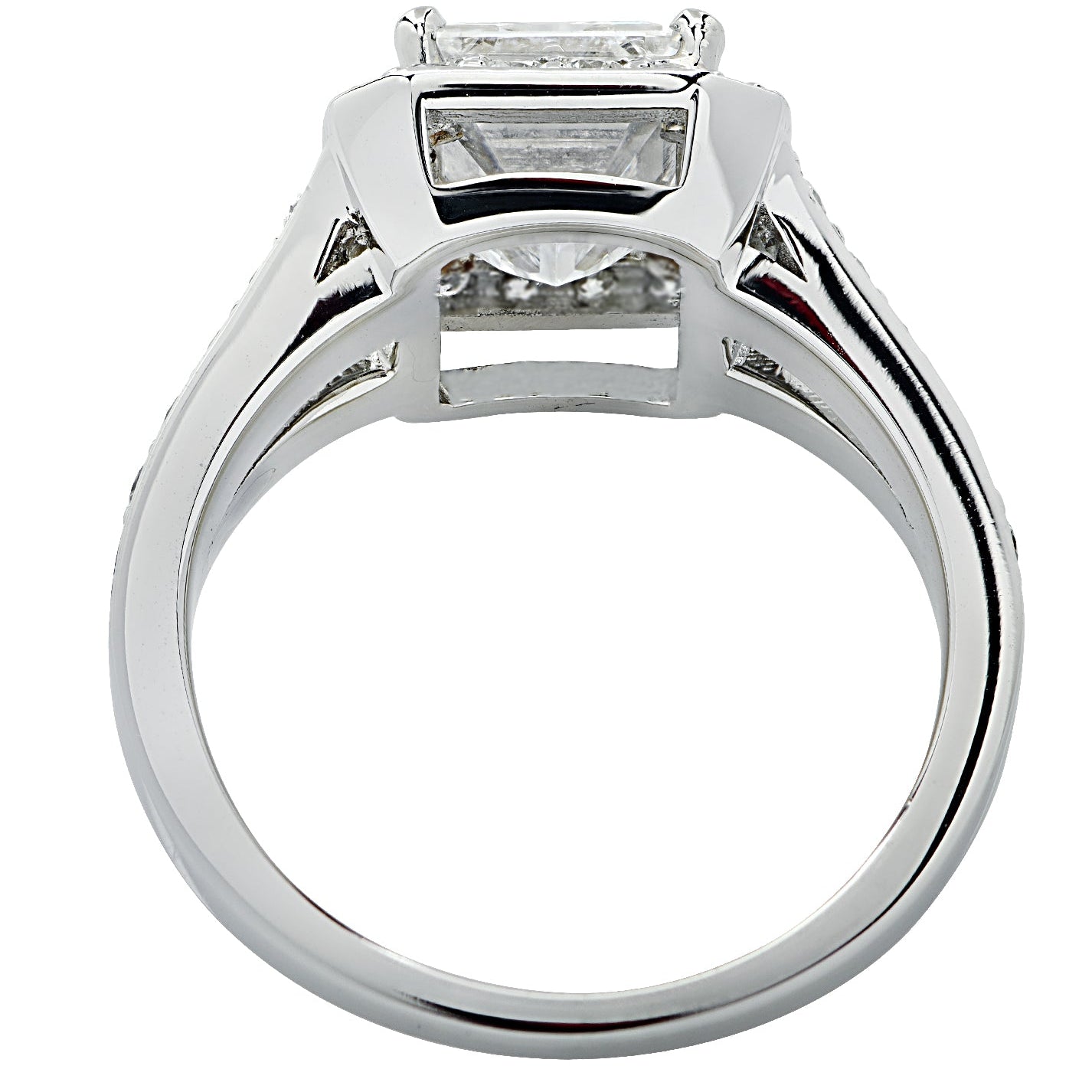
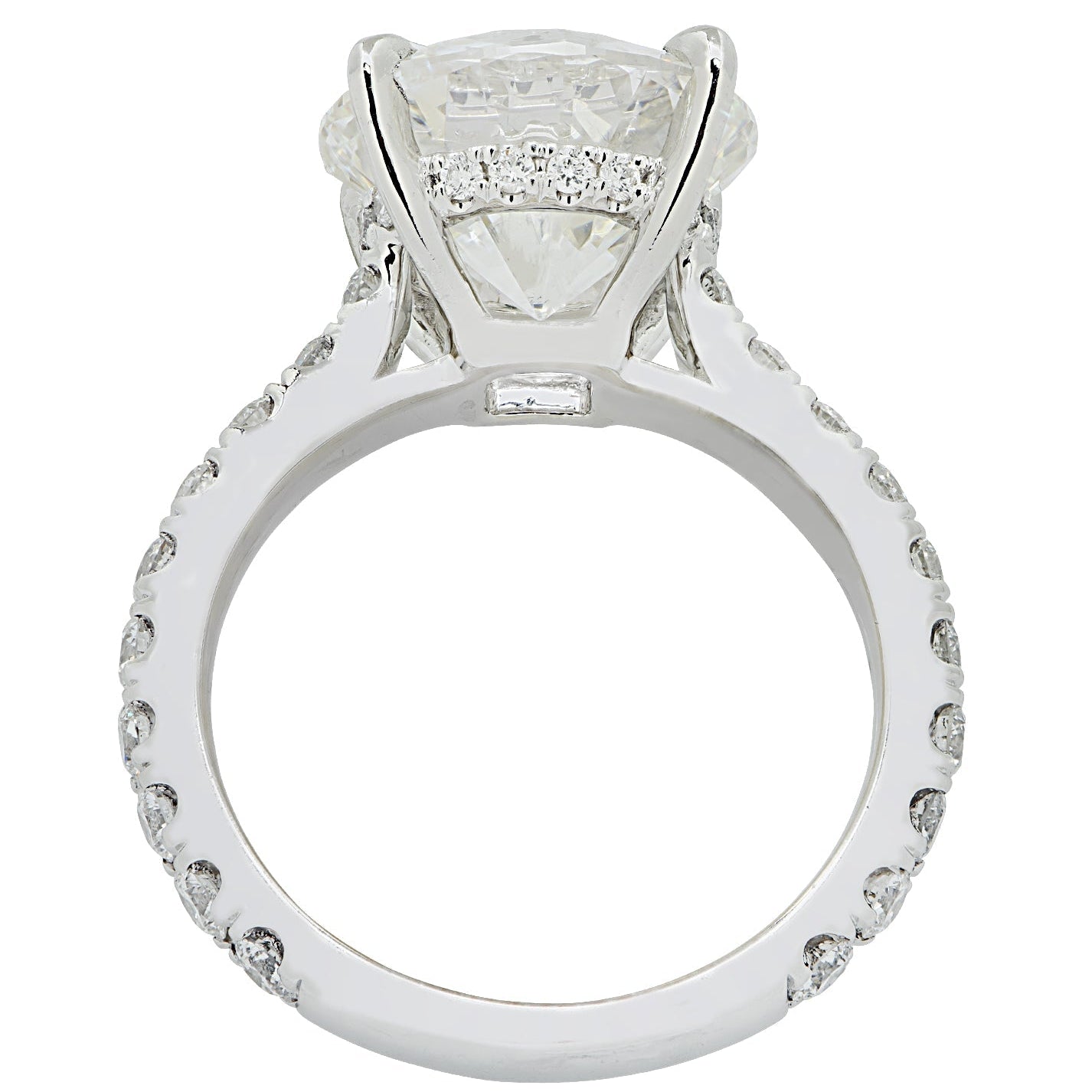
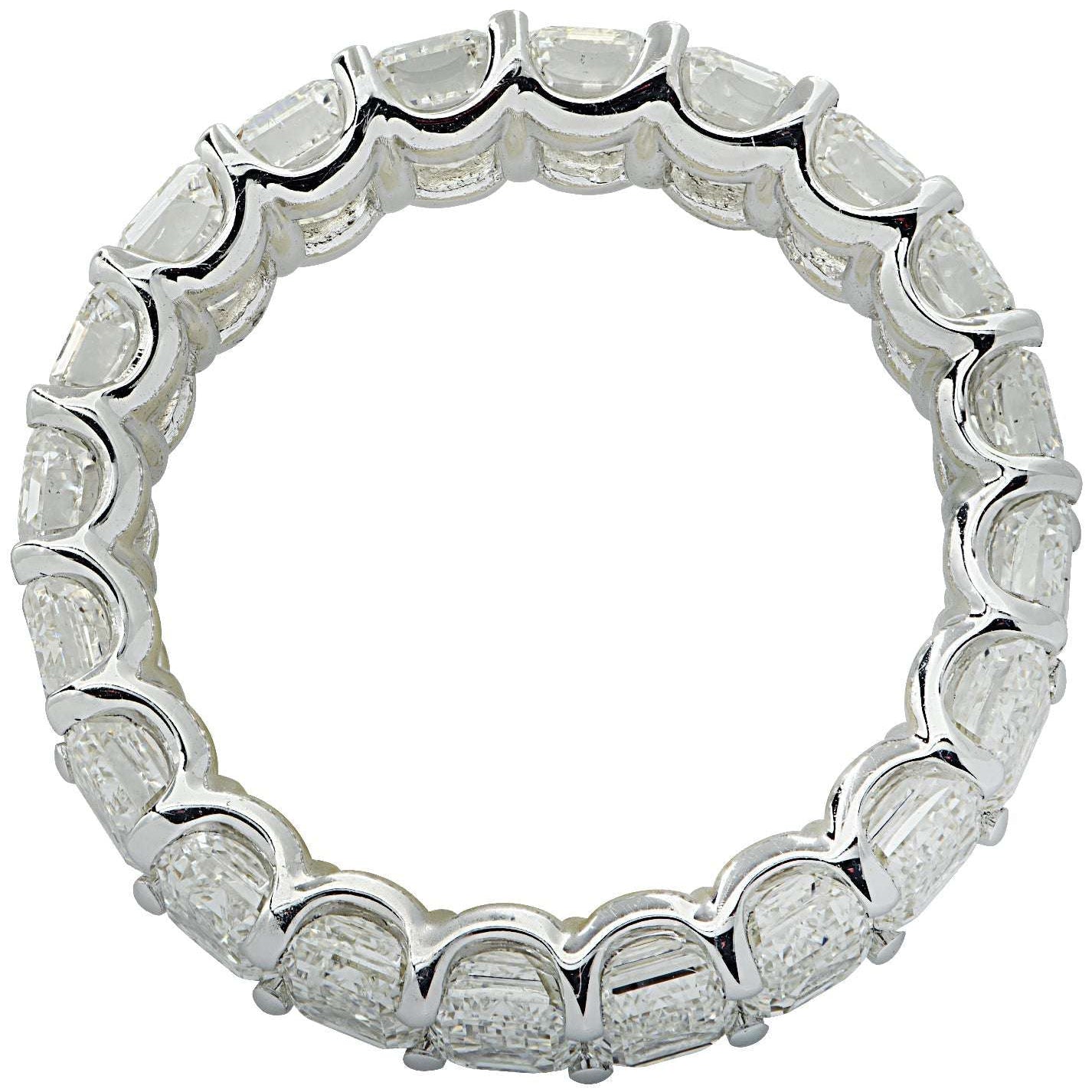
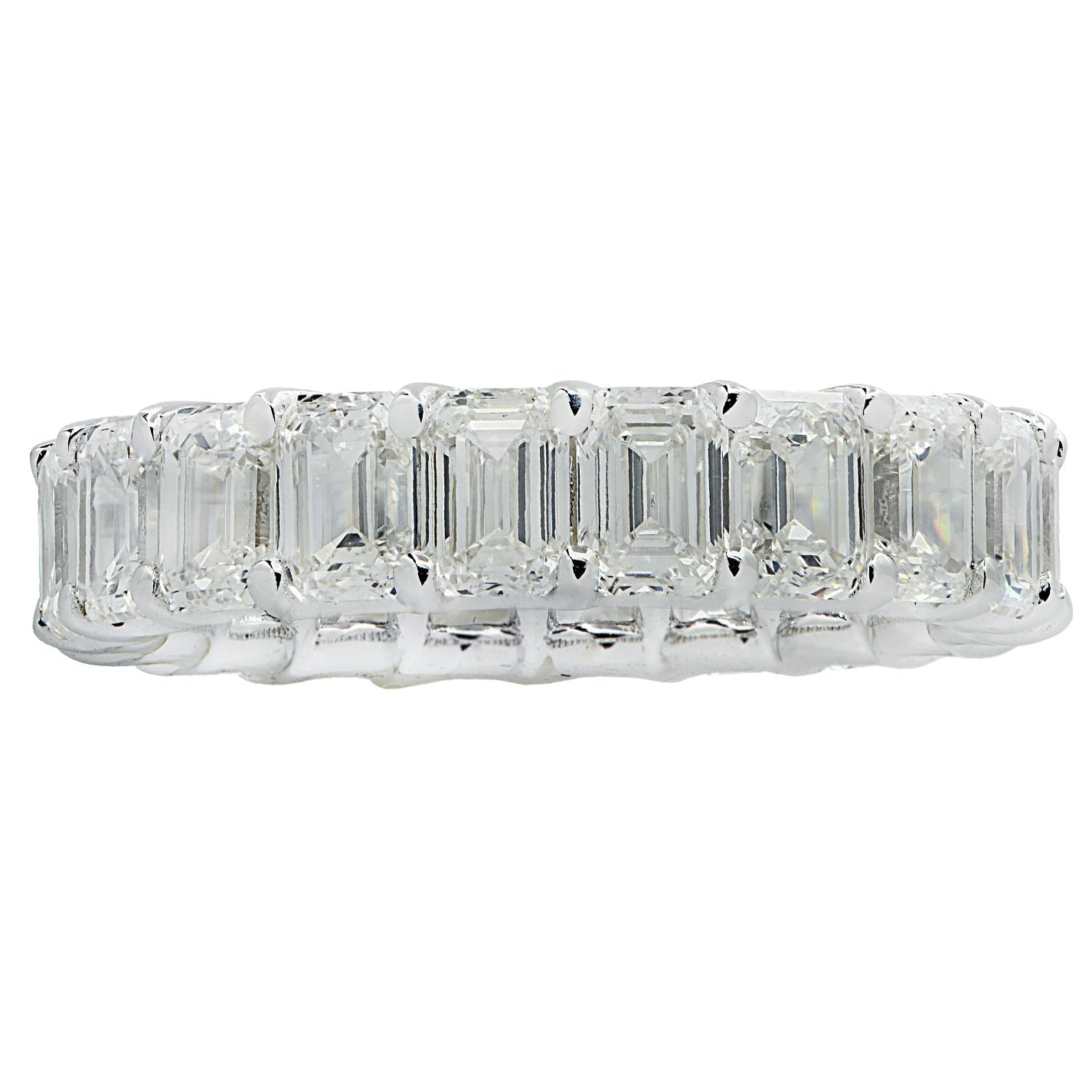
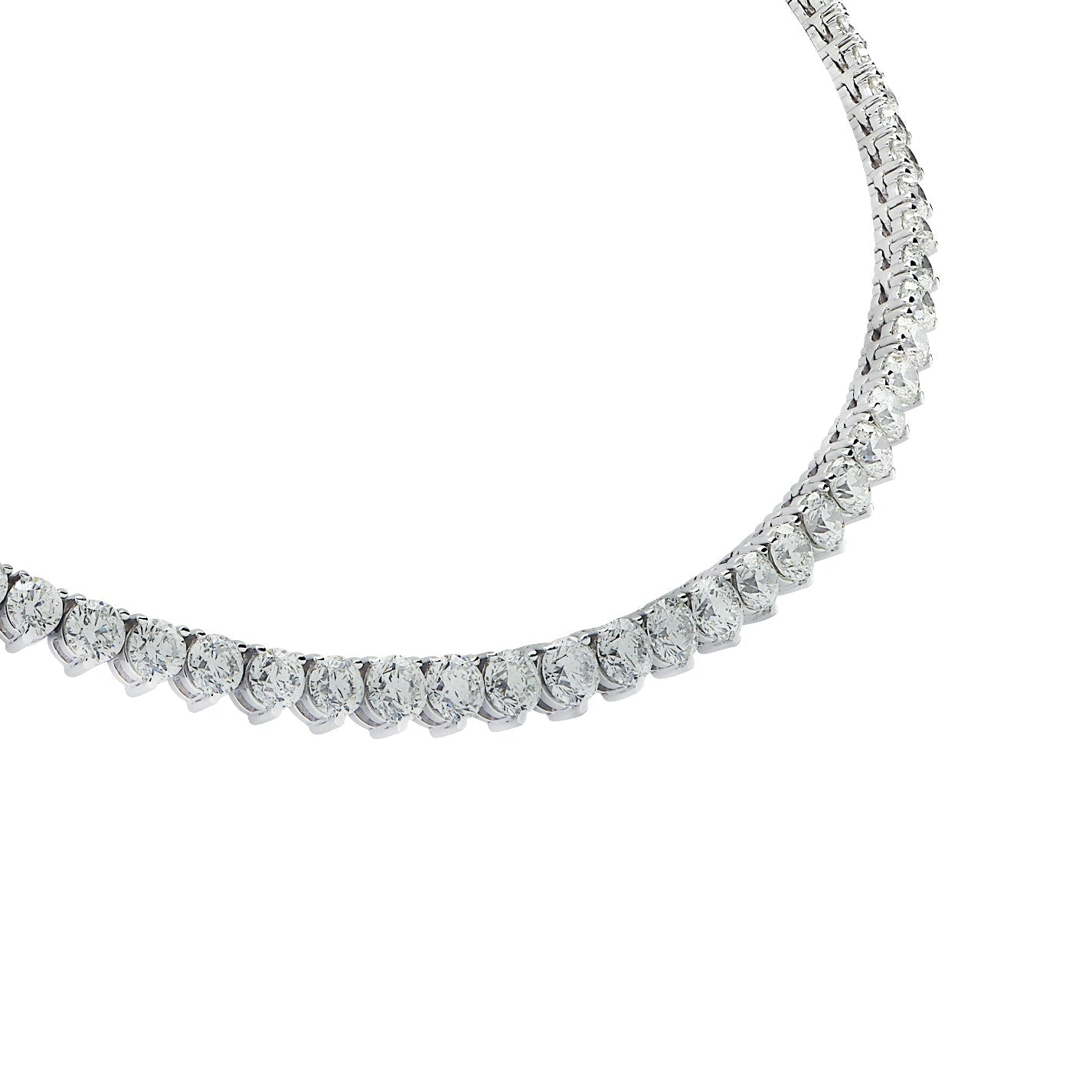
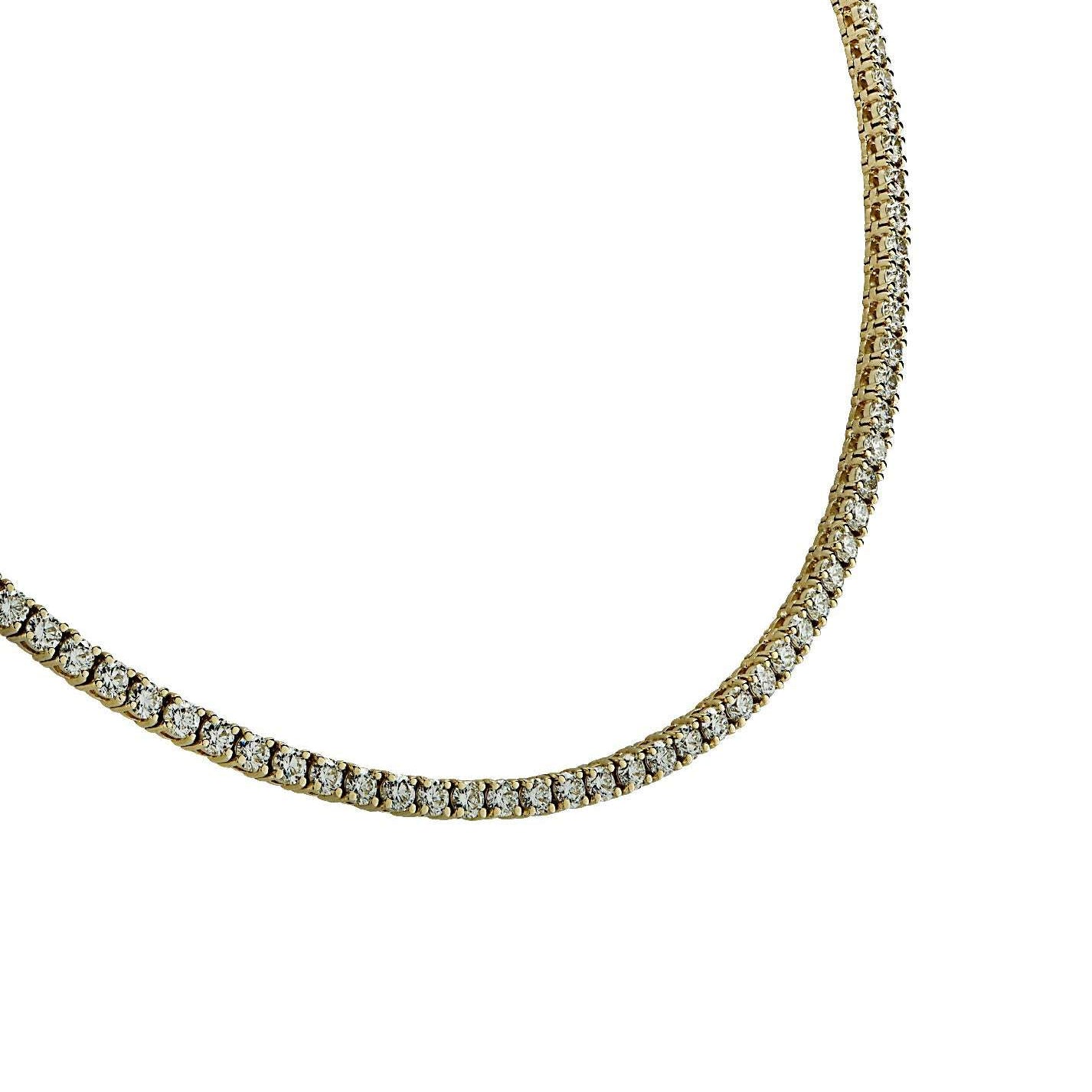
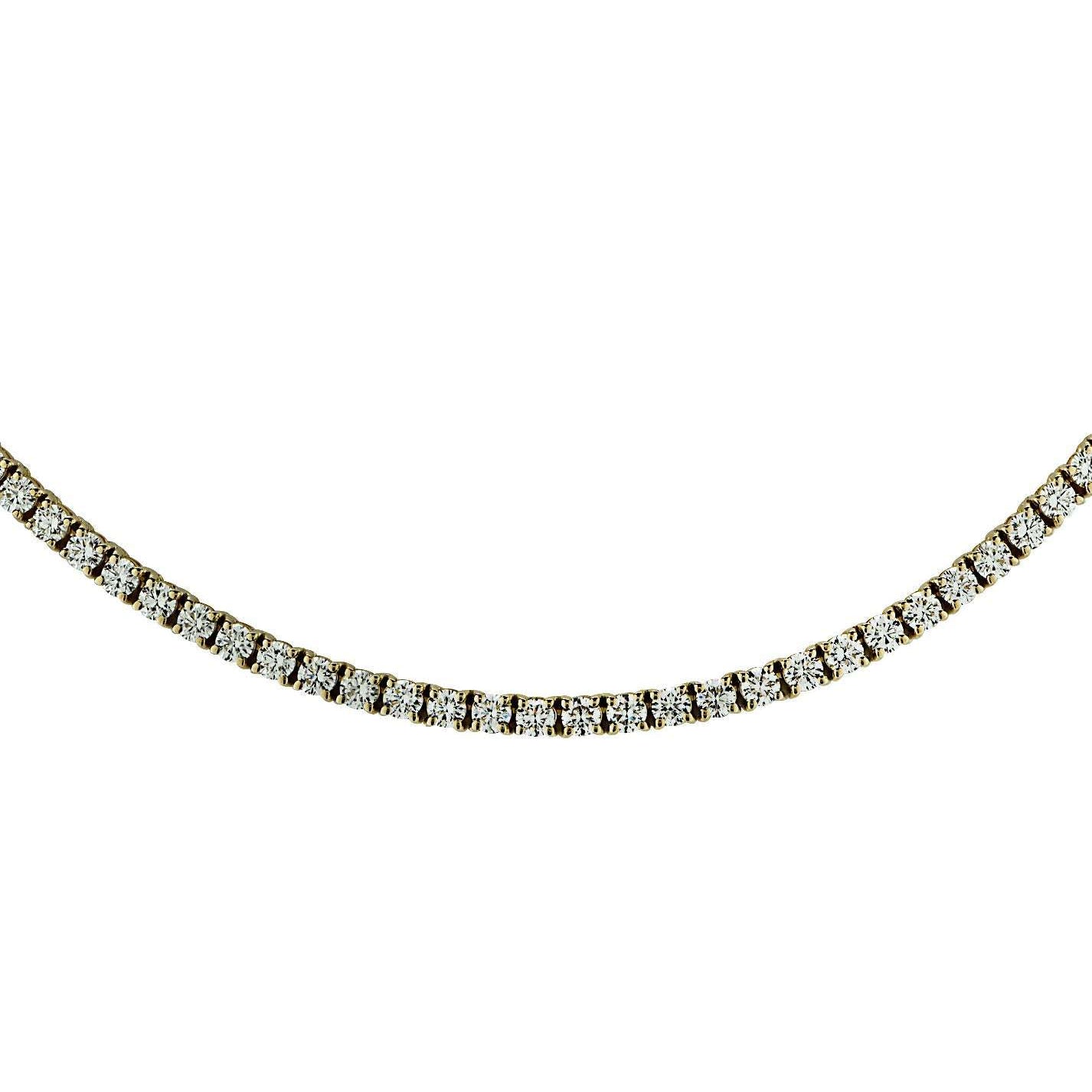
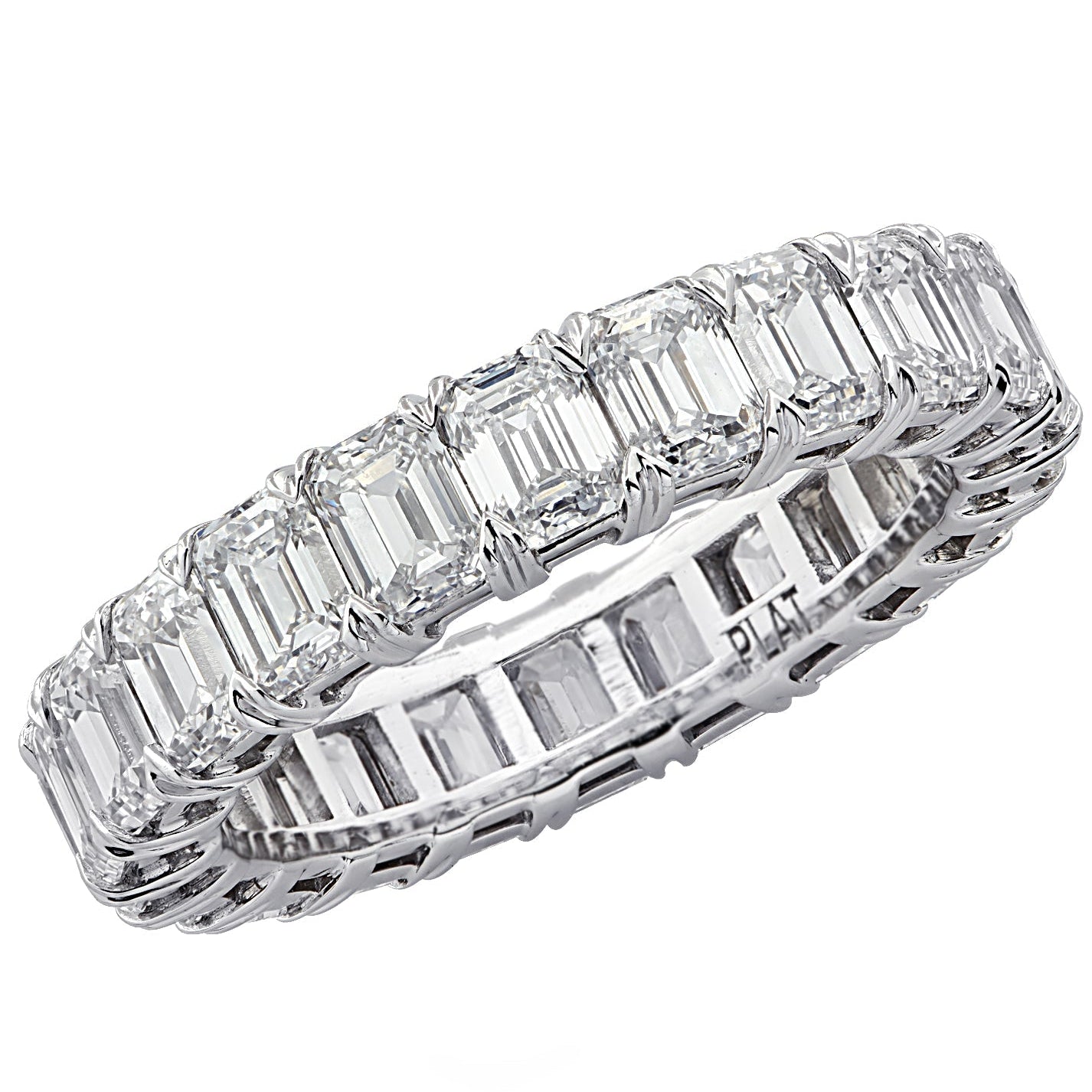
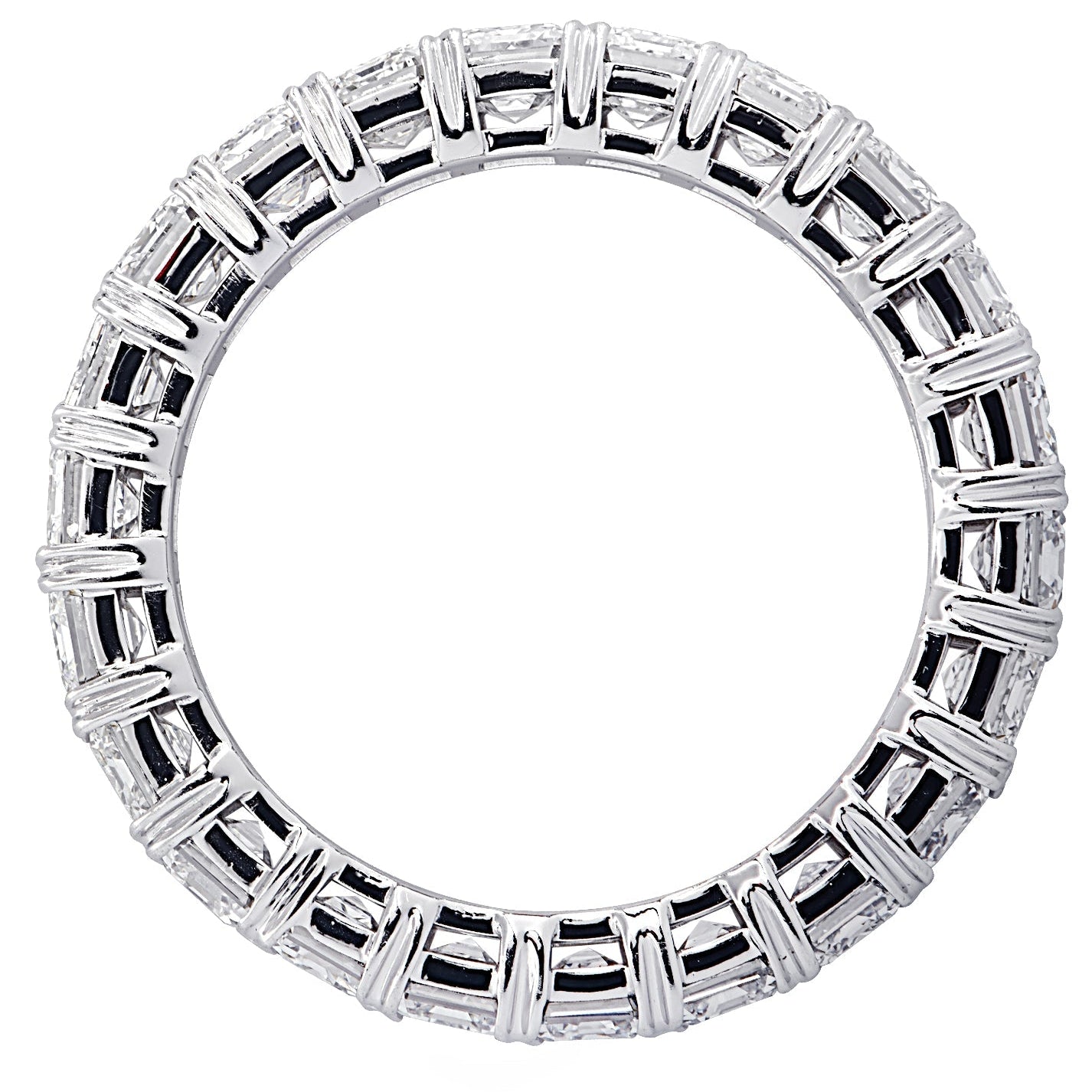
At Harry Winston, settings are engineered to disappear. Platinum is the default for white metal, dense, secure, and color-neutral, while yellow gold makes occasional appearances for contrast. Prongs are deliberately fine, bezels are rarely heavy, and galleries are open.
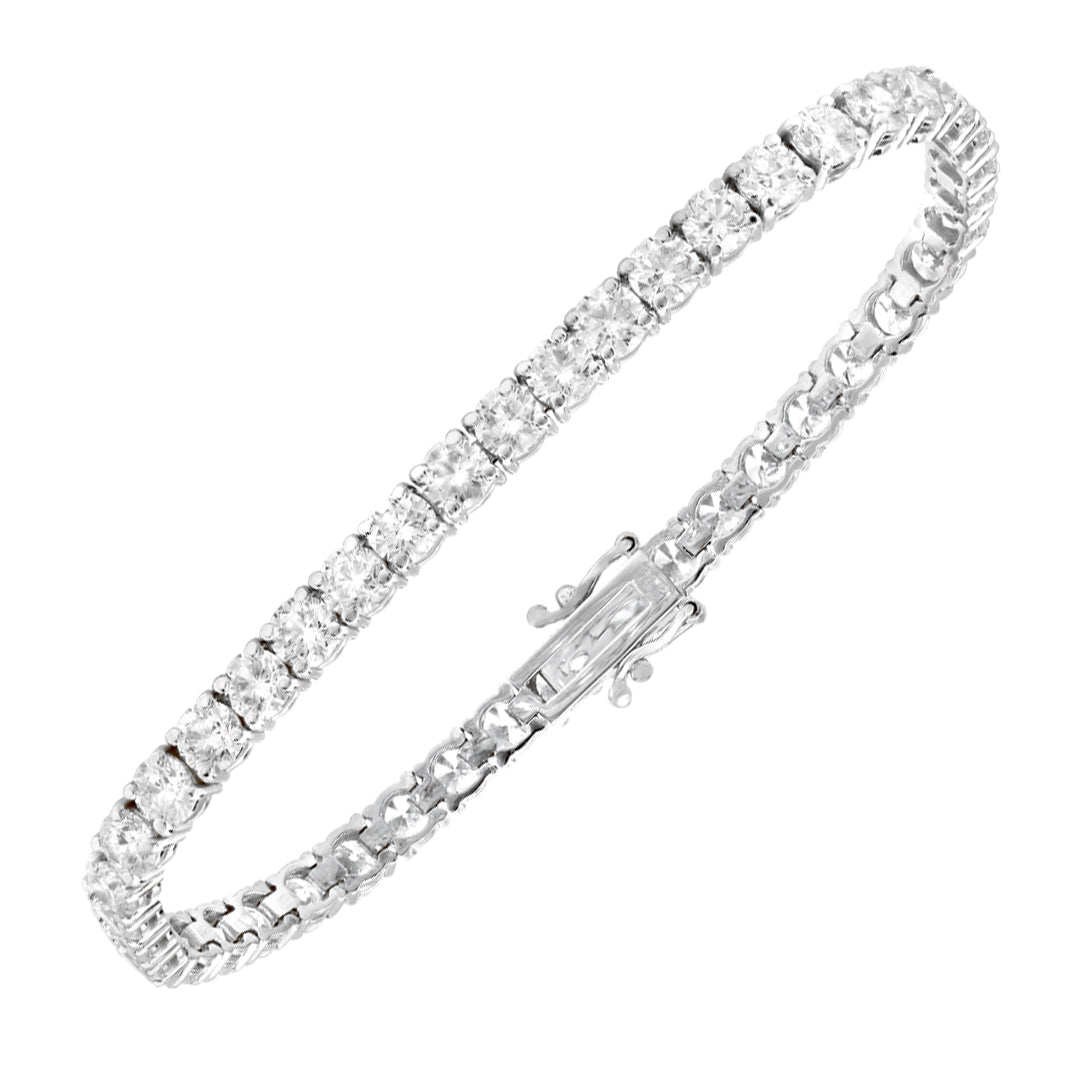
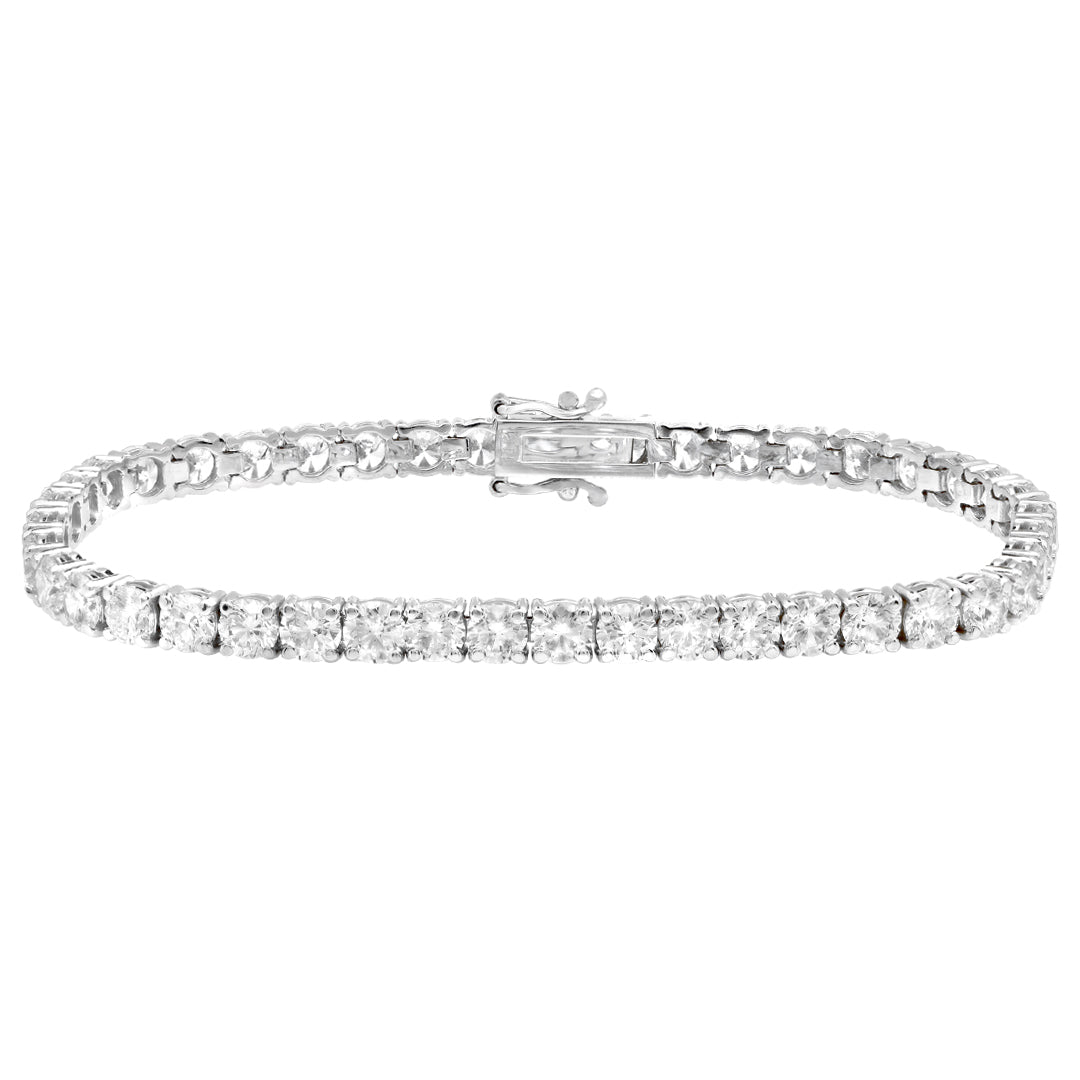
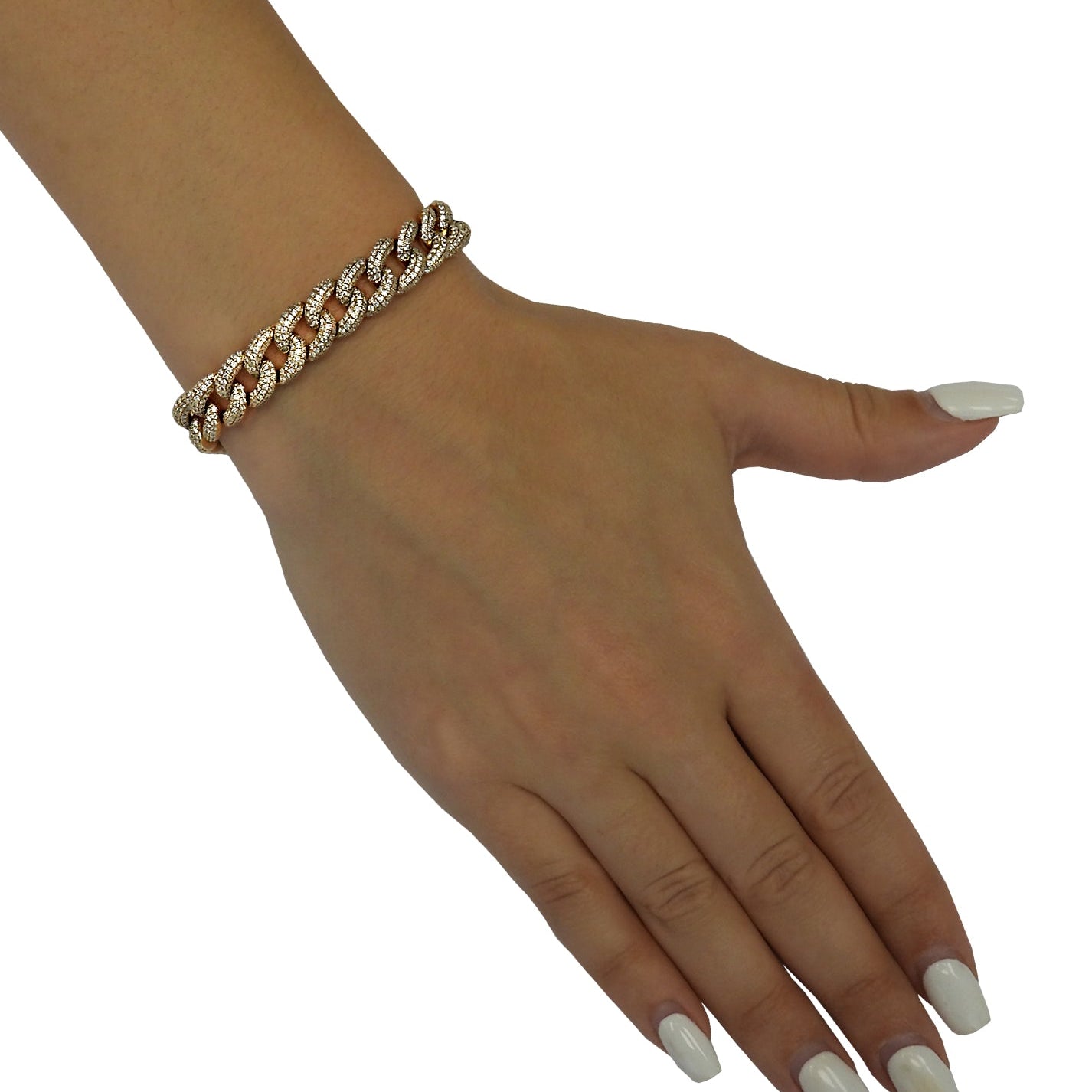
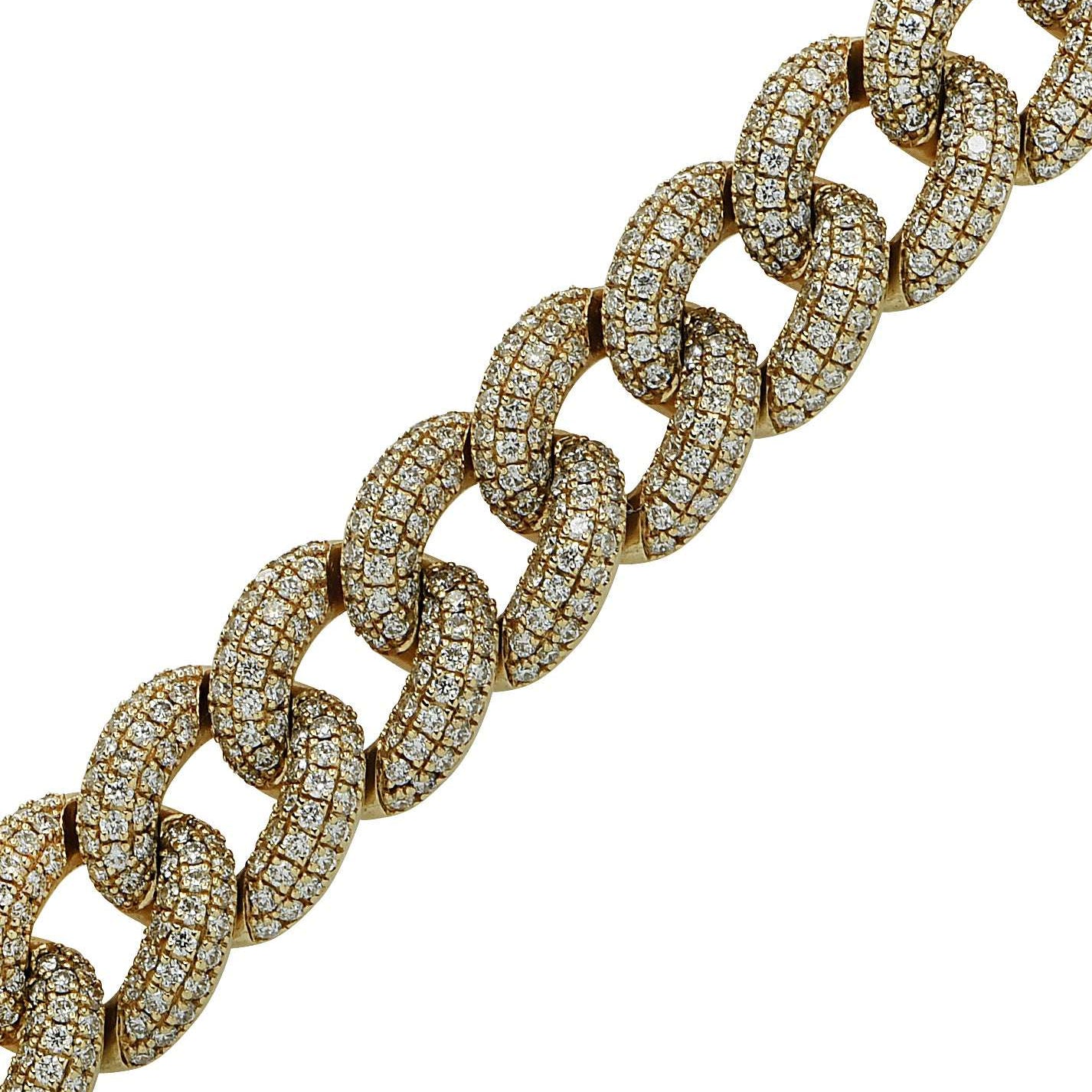
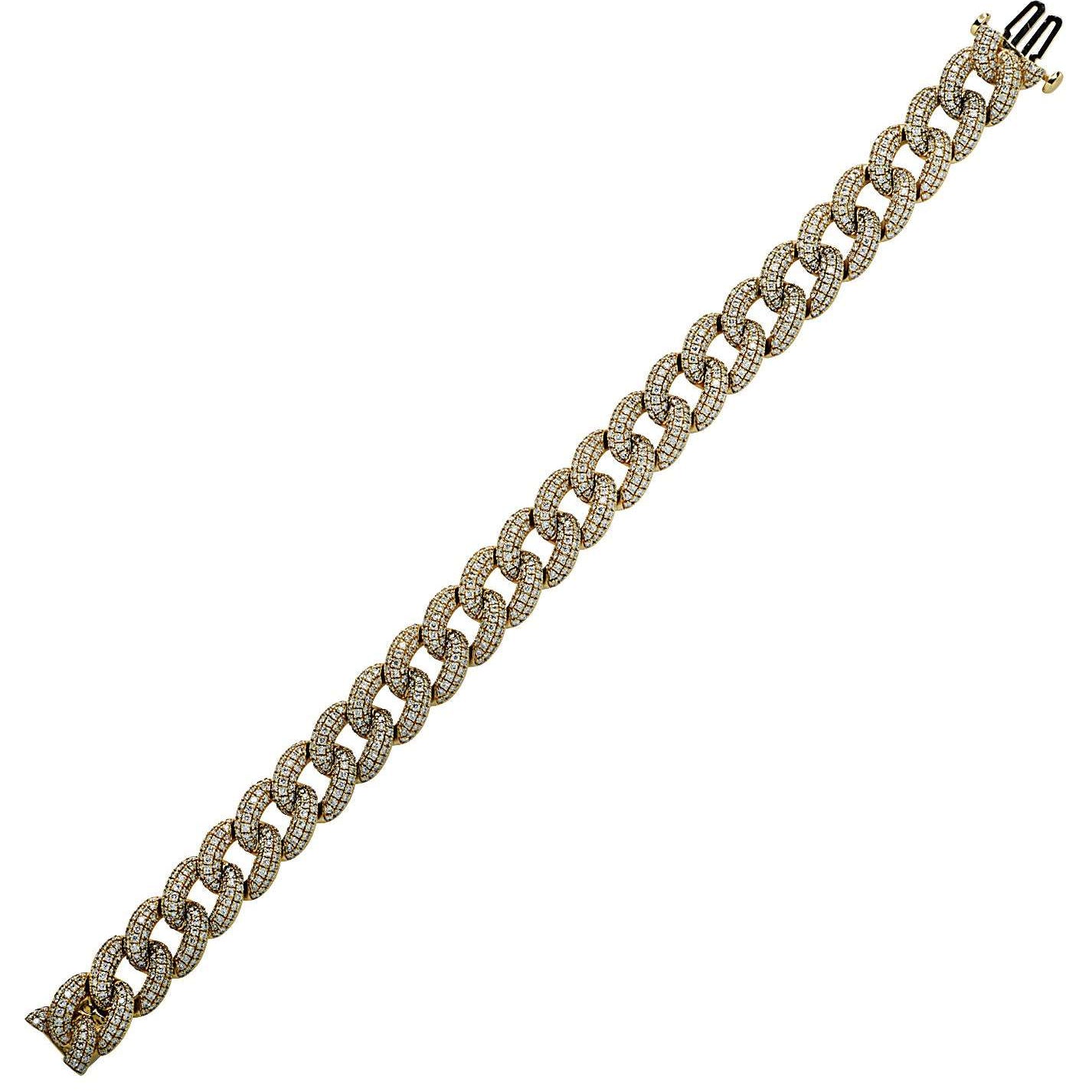
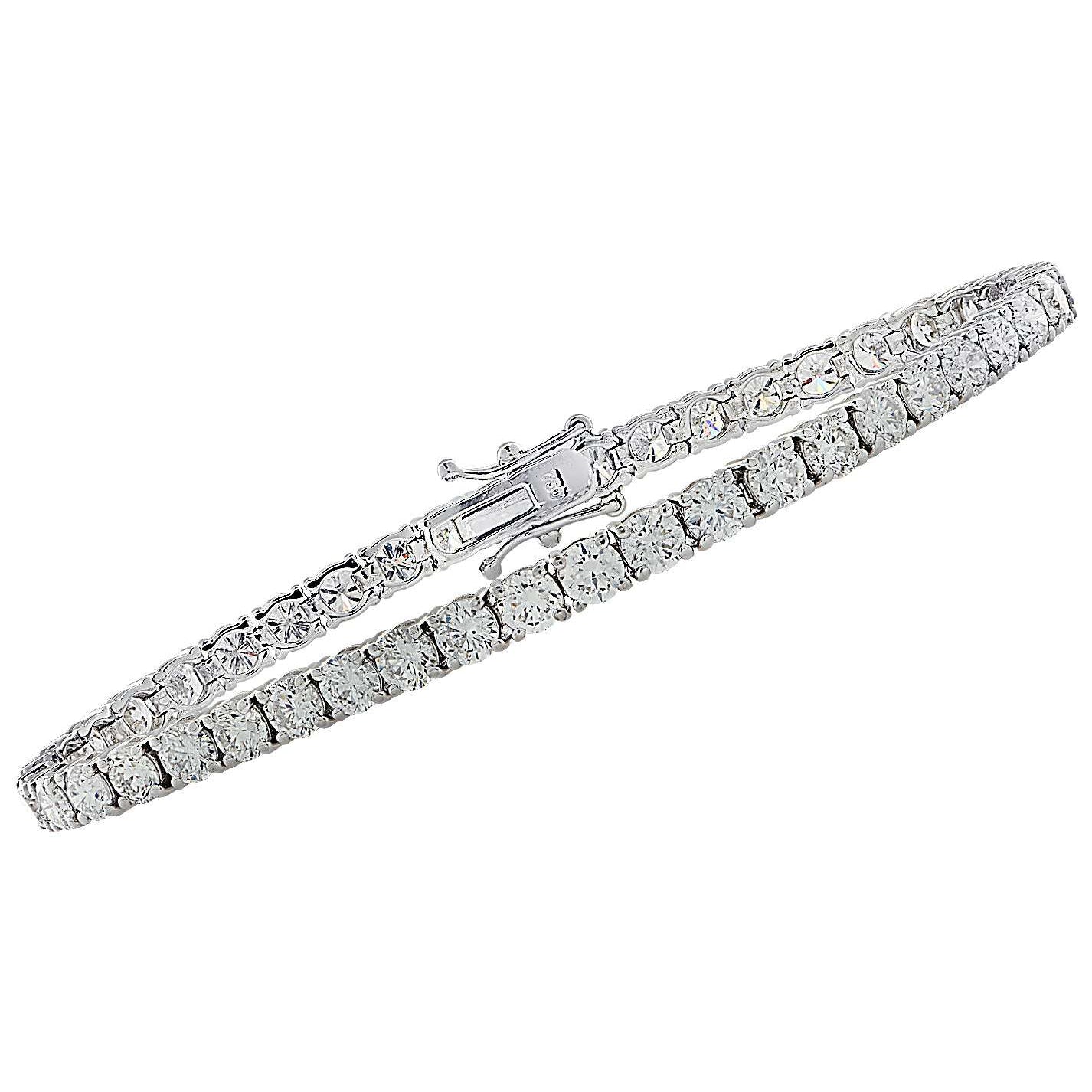
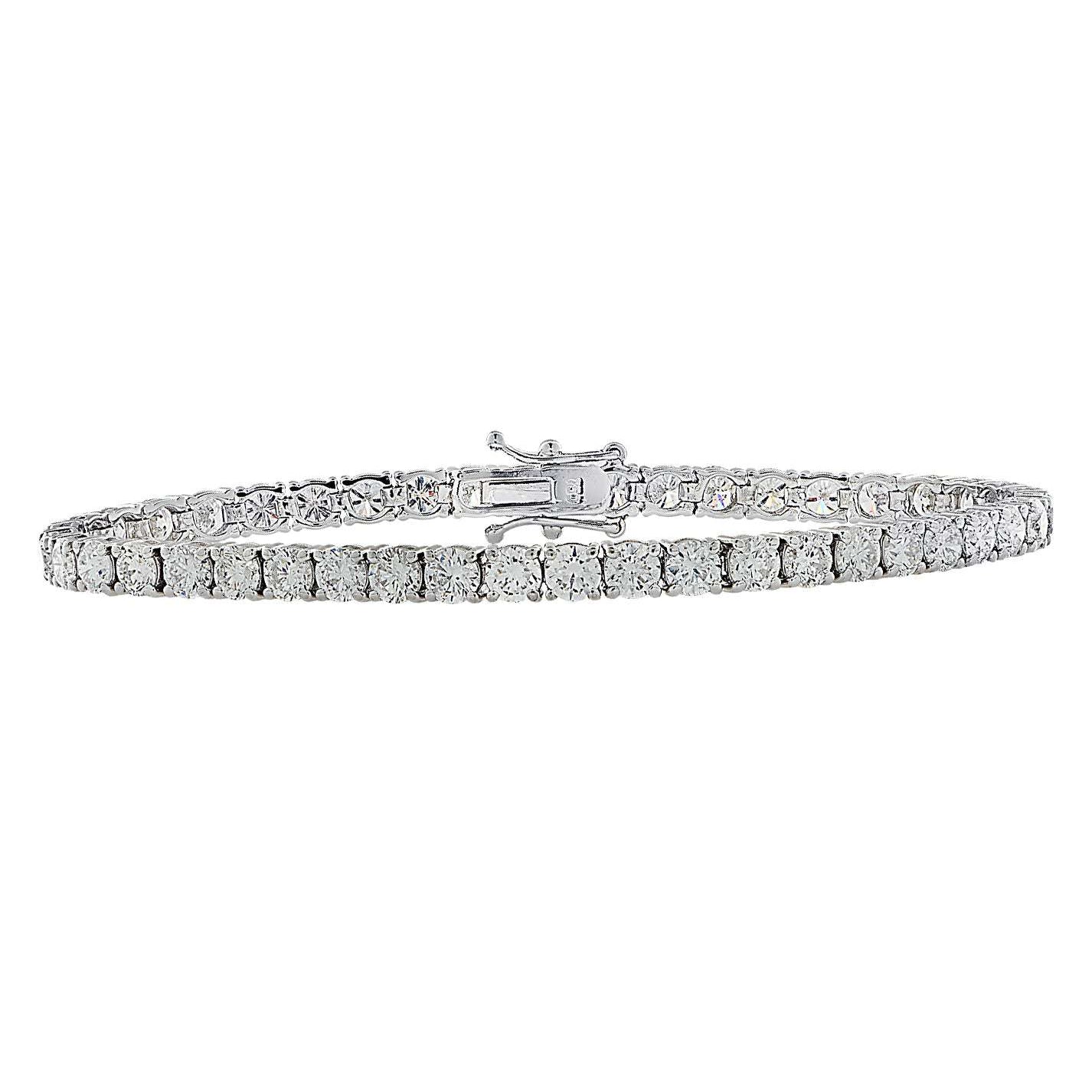
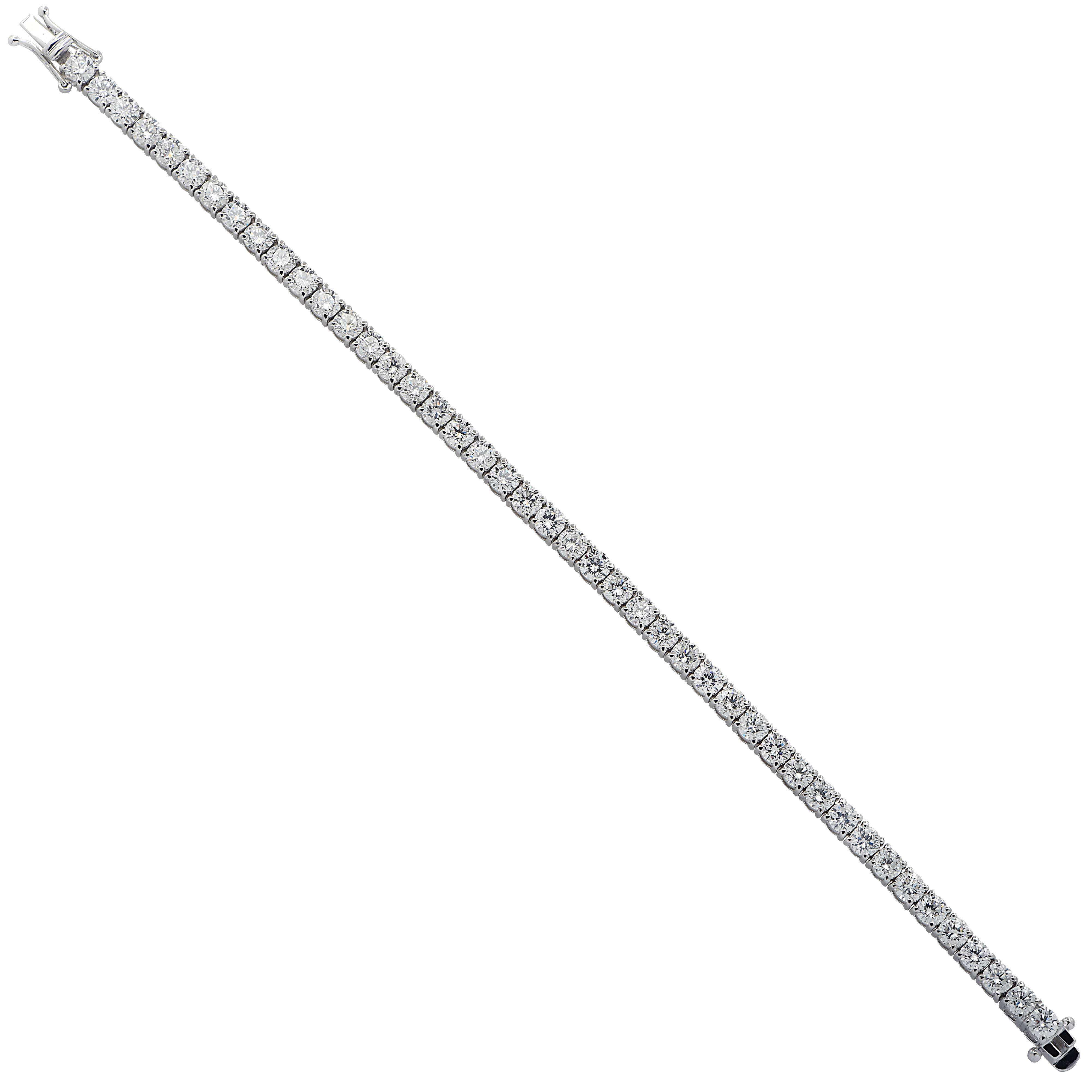
The result is measurable: more light enters the pavilion of each stone, boosting brilliance. It's also tactile. Pick up a Winston bracelet and you'll feel how the links articulate: there's very little stiffness. That suppleness is a quality tell and one reason you'll pay a premium for Harry Winston Jewelry versus a similar carat weight from a non-heritage maker.
Iconic Pieces And Notable Diamonds
Harry Winston's archives read like a roll call of great gems. The house has cut, owned, or sold a long list, but a few milestones help frame value and legacy:
- The Hope Diamond: Donated to the Smithsonian in 1958, transforming a private treasure into a public icon.
- The Jonker: A 726-carat rough acquired in the 1930s: Winston oversaw the cutting into 13 stones.
- The Lesotho: A 601-carat rough purchased in 1967: its cutting produced notable diamonds, including the Lesotho III.
- The Winston Legacy (2013): A 101.73-carat D color, flawless pear-shaped diamond purchased at auction and renamed by the house.
- The Winston Blue (2014): A 13.22-carat fancy vivid blue pear that set a per-carat record for a blue diamond at the time.
- The Winston Pink Legacy (2018): An 18.96-carat fancy vivid pink bought for about $50.4 million, underscoring the brand's modern appetite for best-in-class colored diamonds.
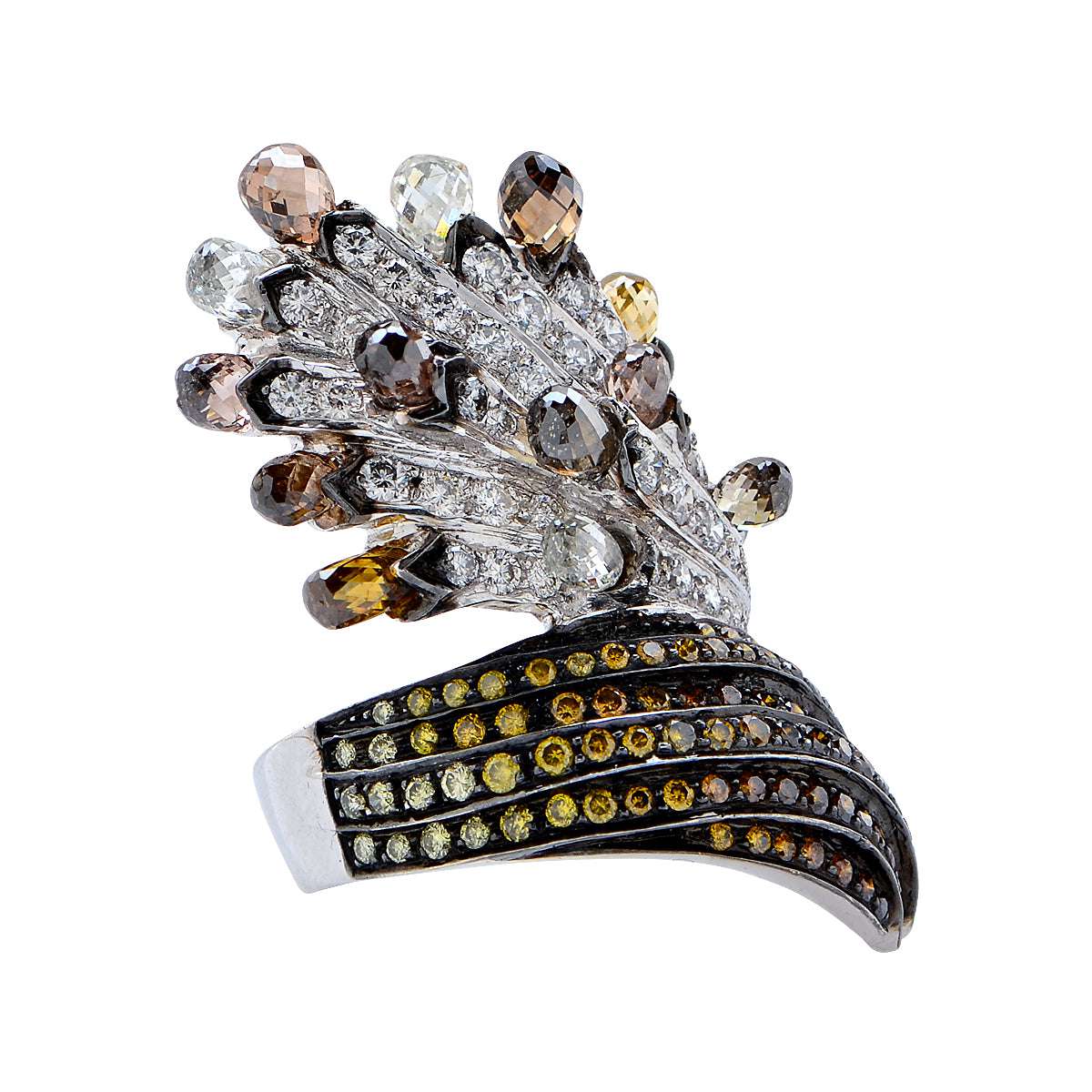
Those headline stones sit alongside enduring design collections, Winston Cluster, Sunflower, Lily Cluster, and contemporary lines like the HW Logo and Winston Gates, that translate the high-jewelry aesthetic into wearable pieces.
Jeweler To The Stars And Red-Carpet Moments
If you've watched an awards show, you've likely seen Harry Winston on the most photographed necklines. The practice of lending diamonds to celebrities, now standard, was pioneered by Harry Winston in the 1940s and 1950s. That tradition continues today, reinforcing the brand's association with once-in-a-year occasions. For you, that visibility matters: it keeps secondary-market demand healthy and underpins long-term brand value.
How To Buy: Boutique, Vintage, And Auction
You have three main pathways into Harry Winston Jewelry, each with trade-offs on price, selection, and certainty.
- Boutique: New pieces from Harry Winston salons (with a flagship on Fifth Avenue in New York and a tight global network) come with full warranties, current collections, and the ability to customize or commission high jewelry. Pricing will be highest, but you gain provenance from day one and access to after-sales service.
- Vintage/Pre-owned: Reputable estate jewelers and specialist platforms offer discontinued designs and better value per carat. Here, vetting is crucial, condition, authenticity, and paperwork can vary widely.
- Auction: Christie's, Sotheby's, and Phillips regularly feature Harry Winston high jewelry and important stones. You can sometimes achieve attractive pricing, but buyer's premiums, short inspection windows, and less flexible returns mean you must prepare thoroughly.
Authenticity Markers And Documentation
When you're evaluating a piece:
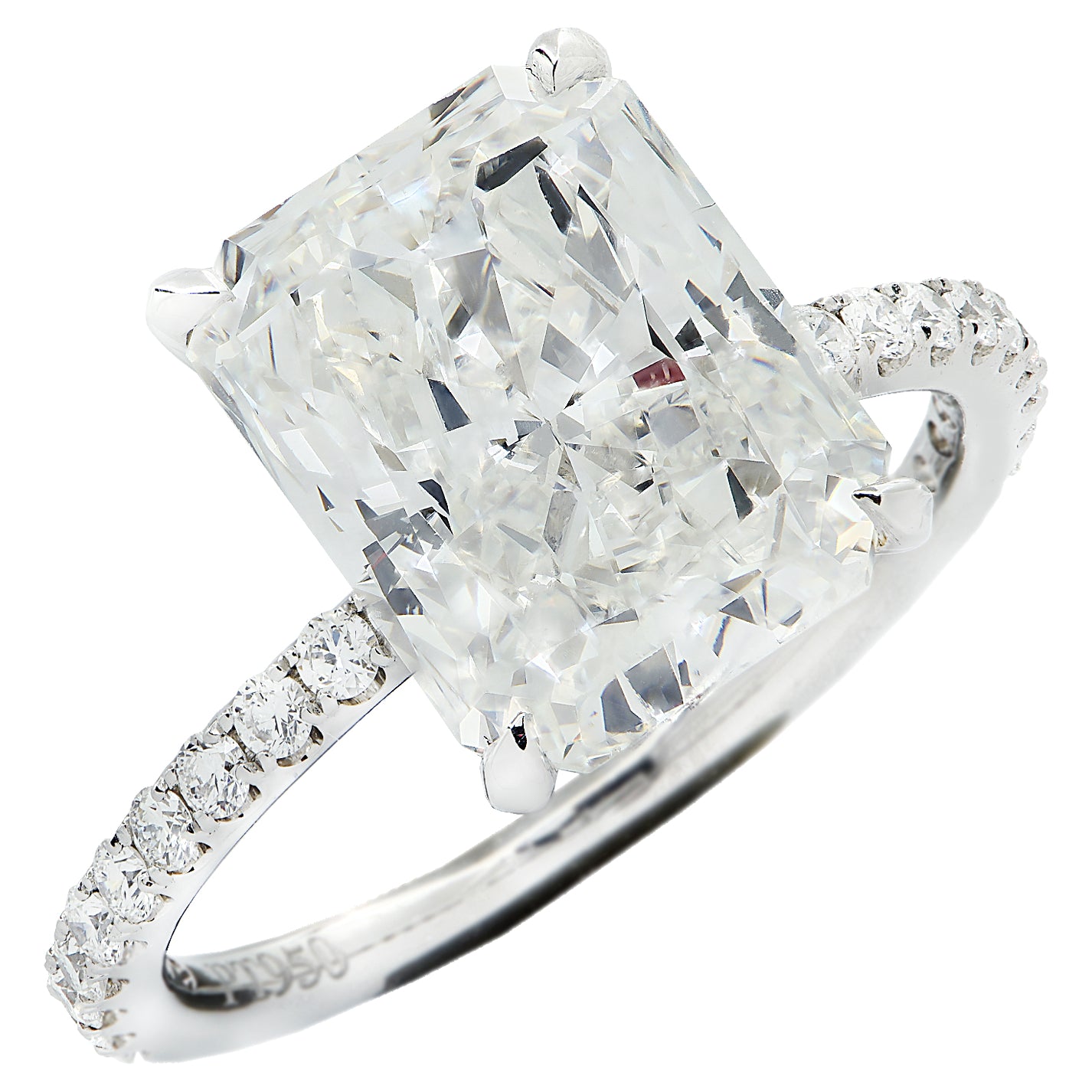
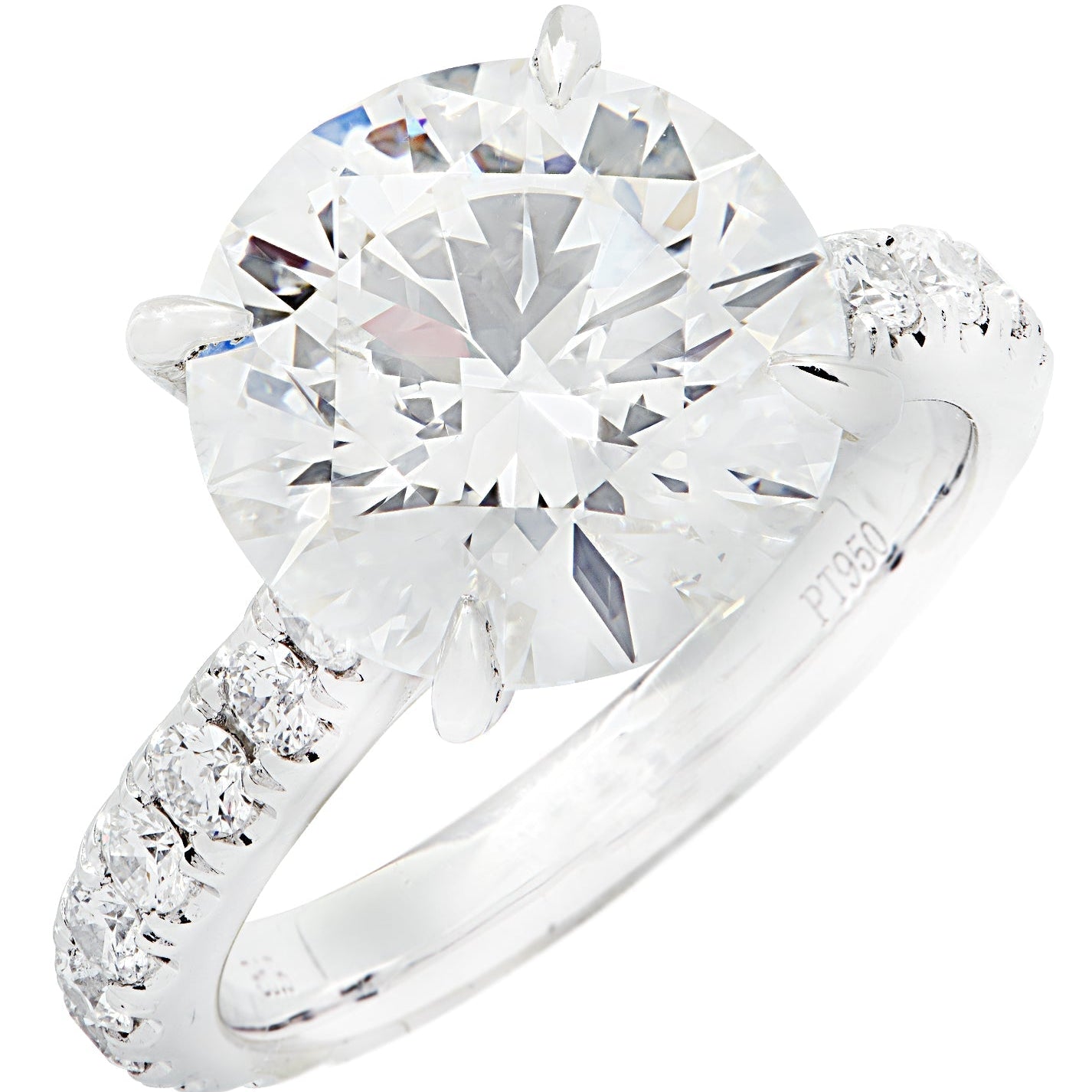
- Hallmarks: Look for clear "HARRY WINSTON" or "HW" signatures, metal fineness (e.g., PT950 for platinum, 750 for 18k), and a unique serial number. On delicate items, marks can be tiny, often on the clasp tongue or inside ring shanks.
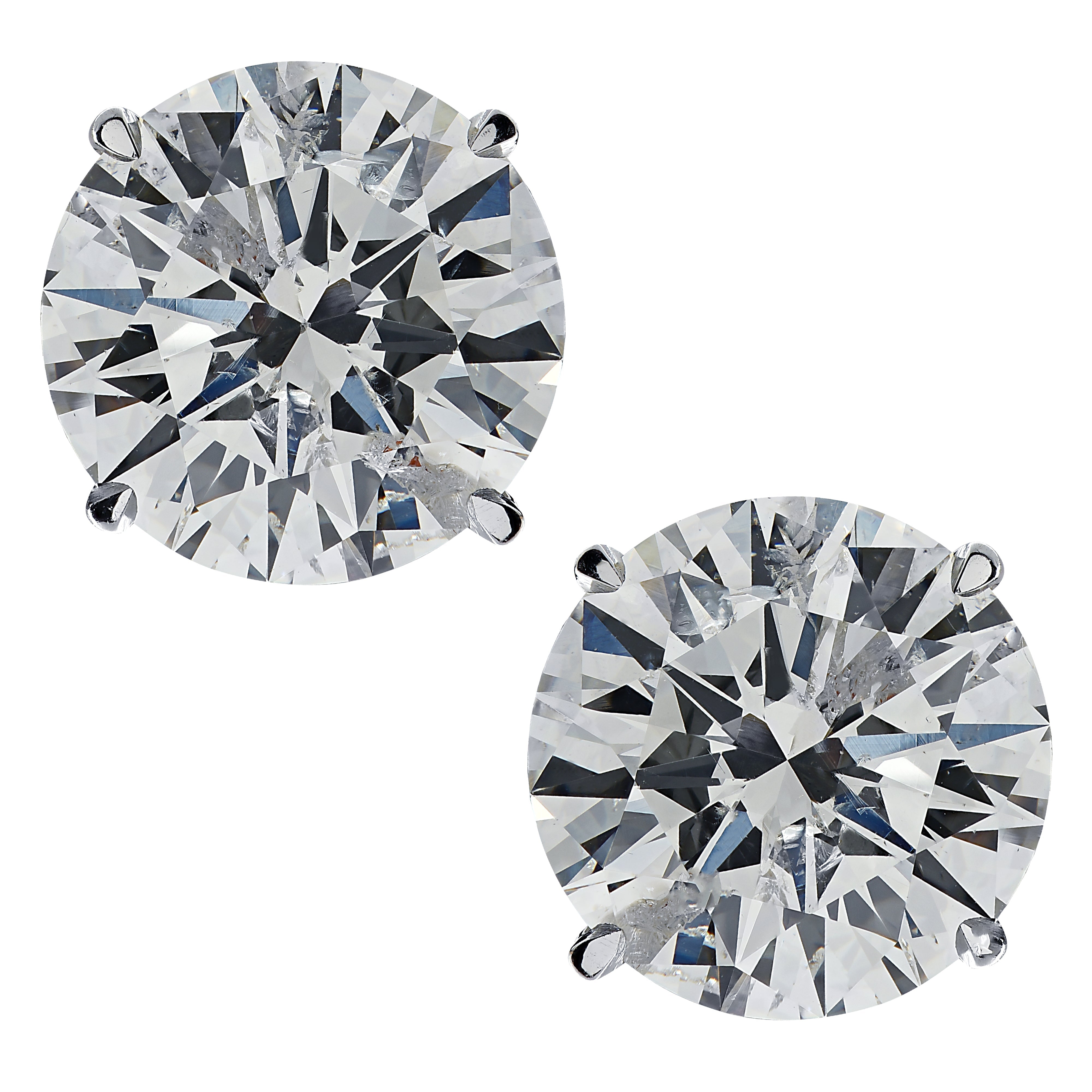
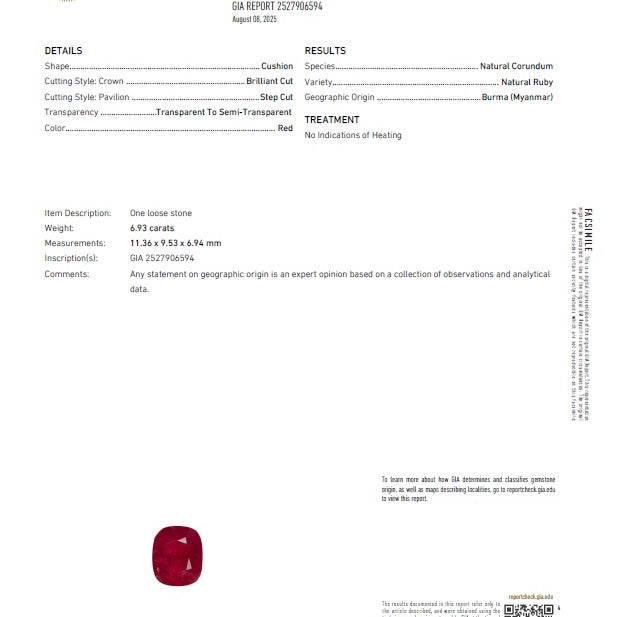
- Stone Reports: Significant center stones should be accompanied by GIA grading reports (especially for diamonds: colored gemstones may have GIA, Gubelin, or SSEF). For vintage Cluster pieces without a single center stone, individual reports may be absent, but weight and quality should be specified on invoices.
- Original Papers/Box: An original certificate, sales receipt, service booklet, and branded packaging add confidence and value. If something feels off, mismatched serials, fuzzy hallmarks, pause and request an independent appraisal.
Condition, Sizing, And Service
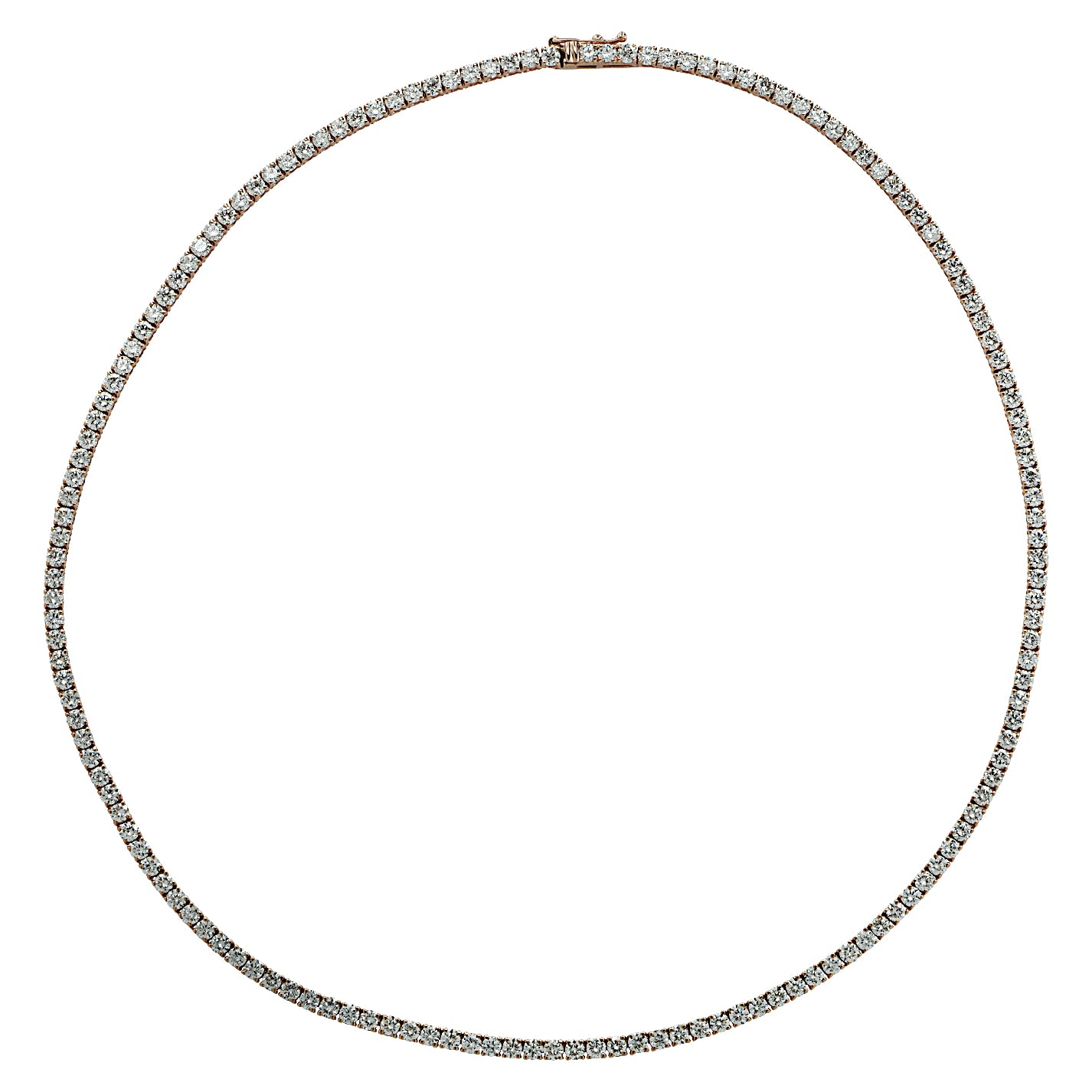
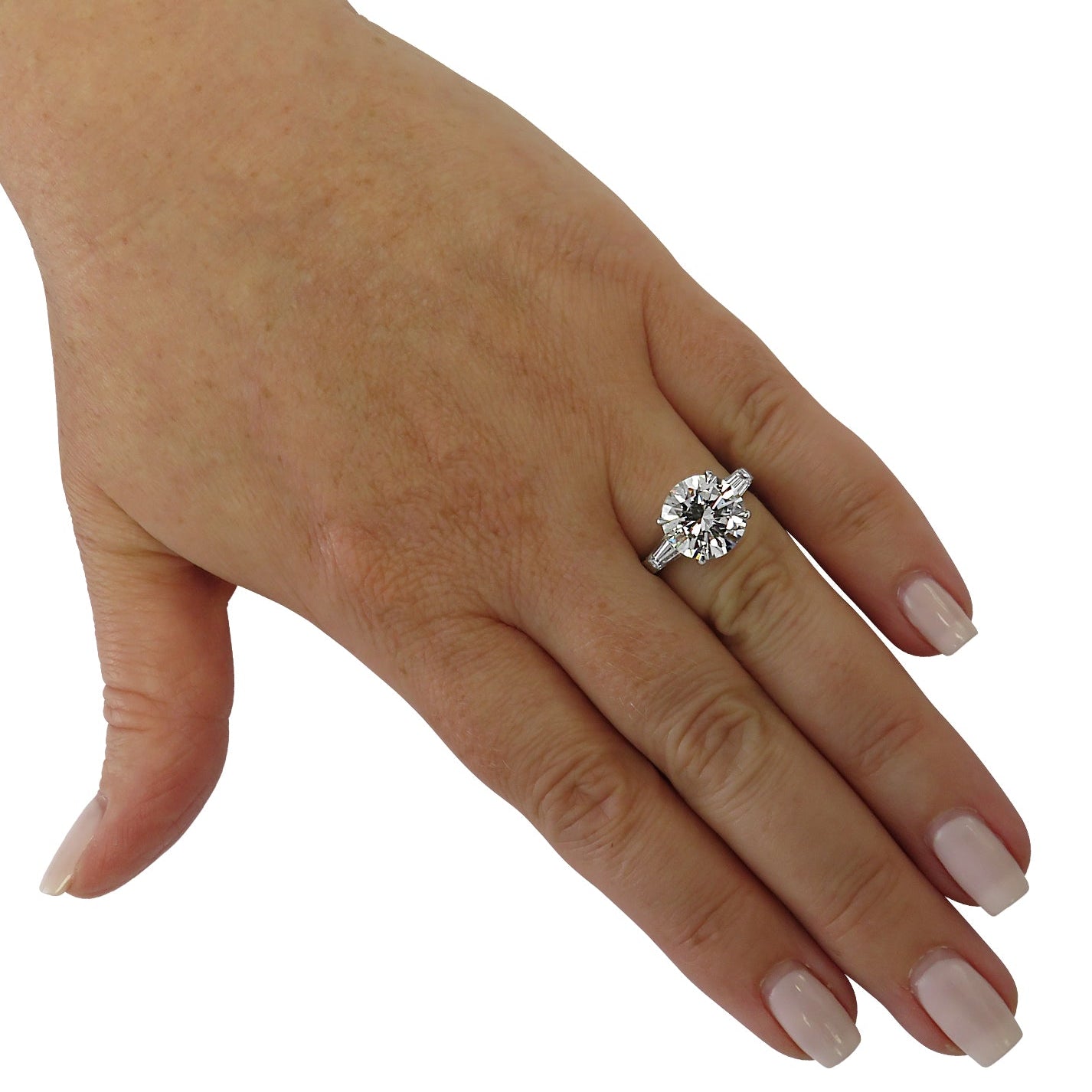
Examine articulation and solder points: Harry Winston's links should move fluidly with even tension. Check prongs under magnification for wear, and make sure diamonds are seated tightly with no rattle. For rings, verify that past resizing didn't distort the shank or disrupt the signature.
Only have adjustments done by Harry Winston or a master bench jeweler familiar with the brand's construction. Over-polishing can soften edges and degrade hallmarks: poor prong work can dim stones by blocking light. If you're buying pre-owned, factor in a professional service, tightening, cleaning, and any needed re-polish, when you're negotiating price.
Pricing, Value, And Auction Records
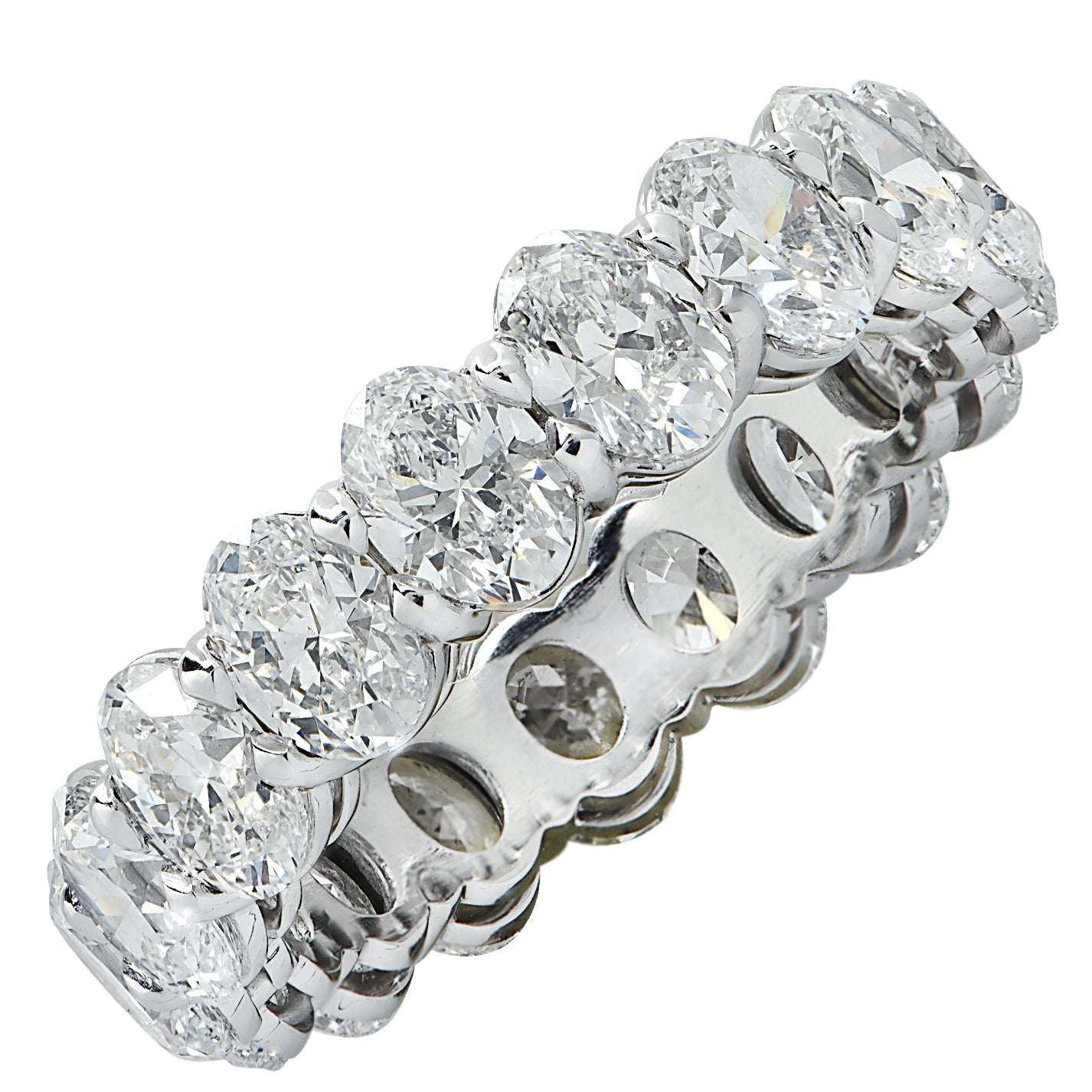
Harry Winston commands a premium for three reasons: stone selection, invisible-but-complex metalwork, and brand equity. For comparable carat weight and grading, you'll often pay more than you would with a non-heritage maker, and a bit more than some peer maisons, especially for Winston Cluster pieces and anything with top-color, top-clarity diamonds.
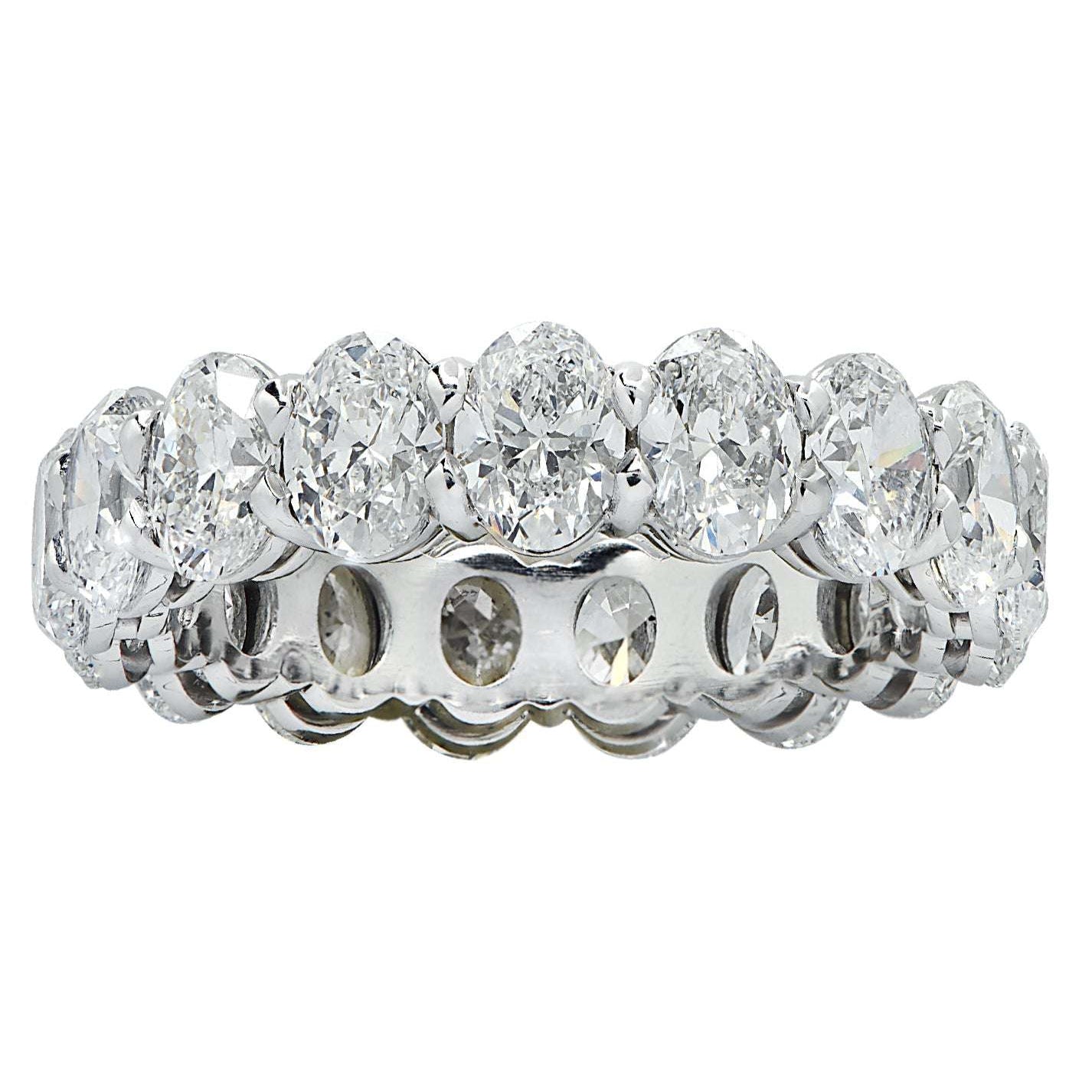
At auction, the house has set headline numbers, think the Winston Legacy (2013) and Winston Pink Legacy (2018), but day-to-day resale value depends on specifics: diamond reports, condition, completeness of papers, and current demand for that design. Iconic clusters and classic line bracelets tend to retain value better than niche, one-season styles.
If you plan to resell later, keep every document, avoid non-factory modifications, and maintain the piece with documented service, it all shows up in the hammer price.
Care, Insurance, And Maintenance
Diamonds are hard, but jewelry is not indestructible. Treat Harry Winston Jewelry as you would a precision instrument:
- Cleaning: At home, use a soft brush and a mild, non-ammoniated soap. Rinse thoroughly and dry with lint-free cloth. Ultrasonic cleaners can be safe for plain diamond pieces, but avoid them if the piece includes pavé with fragile settings, treated stones, or certain colored gems.
- Wear: Put jewelry on last: avoid lotions, perfumes, and hairspray. Remove bracelets and rings for gym sessions and any task with impact risk.
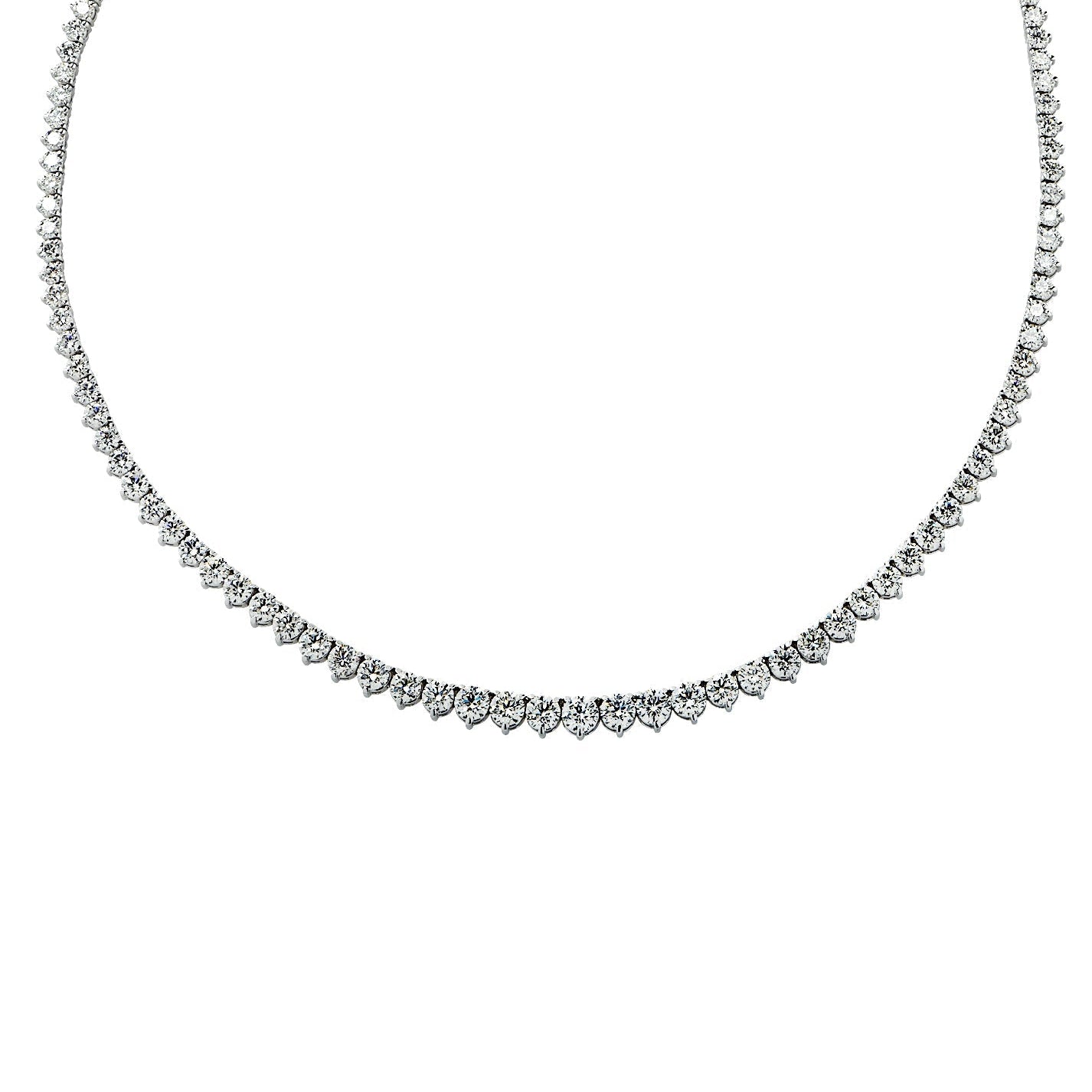
- Inspections: Have prongs and clasps checked annually, or sooner after a snag. Articulated bracelets and line necklaces deserve extra attention.
- Storage: Keep pieces separated in soft pouches or individual compartments: diamonds can scratch other gems and metals.
- Insurance: Insure at replacement value with a policy that covers mysterious disappearance and damage. Update appraisals every few years, especially in volatile markets for colored diamonds.
Professional service by the brand or a high-jewelry specialist is worth the cost. A well-executed retipping or rehinge preserves both safety and value.
Conclusion
If you want diamonds that read as pure light, Harry Winston Jewelry remains a benchmark. The history is unmatched, the craftsmanship is quiet but exacting, and the signature designs stay relevant decade after decade. Buy with documentation, maintain with intention, and you'll own a piece that looks spectacular today, and still feels correct twenty years from now.
Frequently Asked Questions
What makes Harry Winston Jewelry unique compared to other luxury maisons?
Harry Winston Jewelry starts with the diamond and minimizes metal so light pours through the stones. Hallmark features include the three-dimensional Winston Cluster, ultra-fine platinum work, and fluid articulation. The result is measurable brilliance, a supple feel in hand, and designs that remain recognizable across decades.
How can I authenticate a Harry Winston piece before buying?
Check for crisp “HARRY WINSTON” or “HW” hallmarks, metal fineness (PT950 or 750), and a unique serial number. Significant center stones should have a GIA report. Original receipts, certificates, and boxes add confidence. If anything seems inconsistent, seek an independent appraisal before completing the purchase.
Where should I buy Harry Winston Jewelry—boutique, vintage, or auction?
Boutiques offer current collections, warranties, and customization at the highest prices. Vintage/pre-owned provides better value but requires careful vetting of condition and papers. Auctions can yield strong pricing, yet include buyer’s premiums and short inspection windows—prepare with reports, viewings, and clear return expectations.
How should I care for and service Harry Winston Jewelry to preserve value?
Clean gently with a soft brush and mild, non-ammoniated soap, then rinse and dry with a lint-free cloth. Avoid impact, lotions, and sprays; store pieces separately. Have prongs, clasps, and articulated links inspected annually. Insure at replacement value and keep service records to support future resale.
Does Harry Winston use lab-grown diamonds?
Harry Winston is known for natural, top-quality diamonds and does not retail lab-grown stones. Expect GIA grading reports for significant diamonds and reputable lab documentation for colored gems when applicable. If a listing mentions lab-grown, it is unlikely to be an authentic contemporary Harry Winston retail offering.
How long does a custom or high-jewelry commission from Harry Winston take?
Timelines vary by design complexity and stone sourcing. Simple adjustments may take weeks, while bespoke high jewelry can require several months to finalize design, source matched stones, and complete meticulous setting. Begin with a salon consultation to align on budget, timeline, and documentation from the outset.