David Webb Jewelry





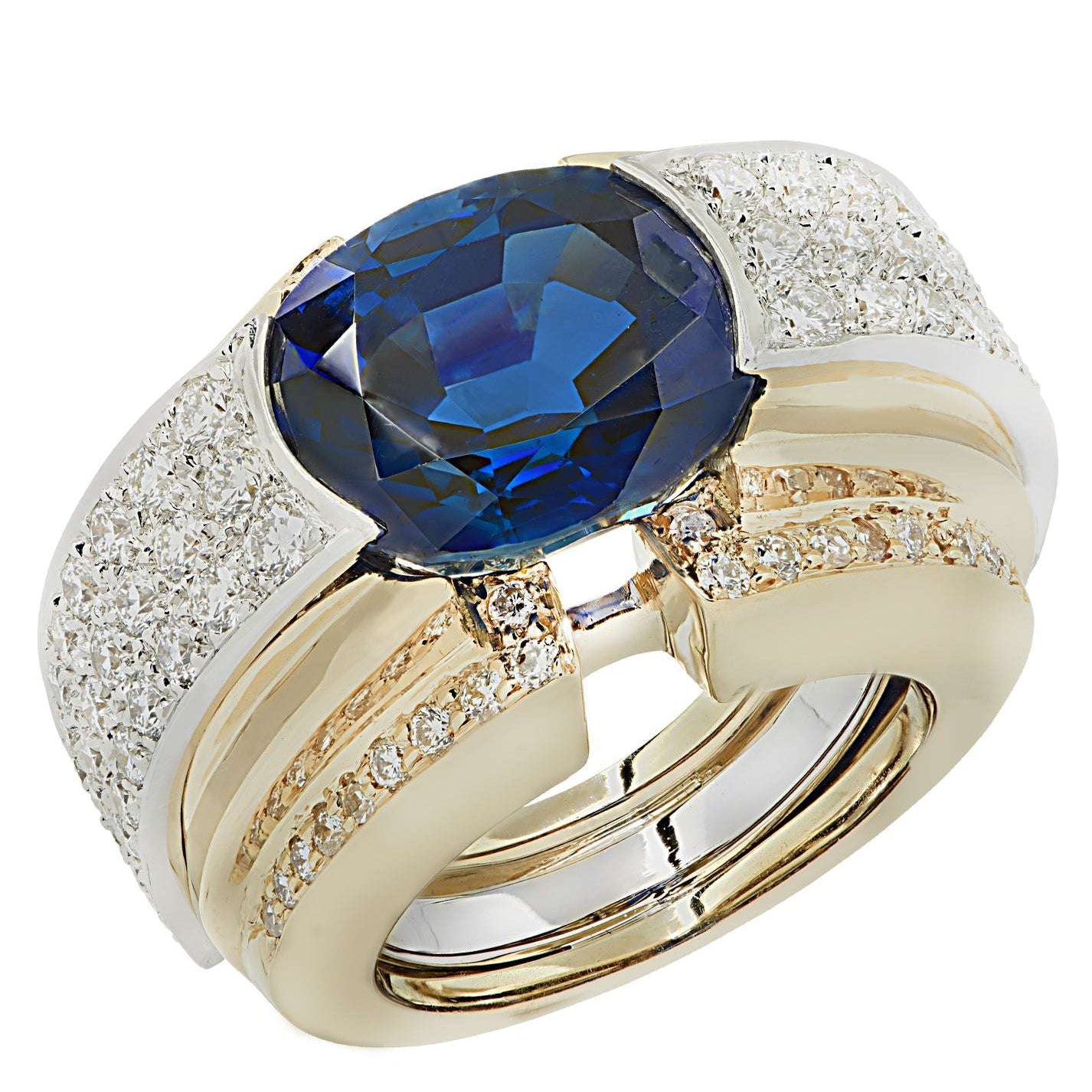
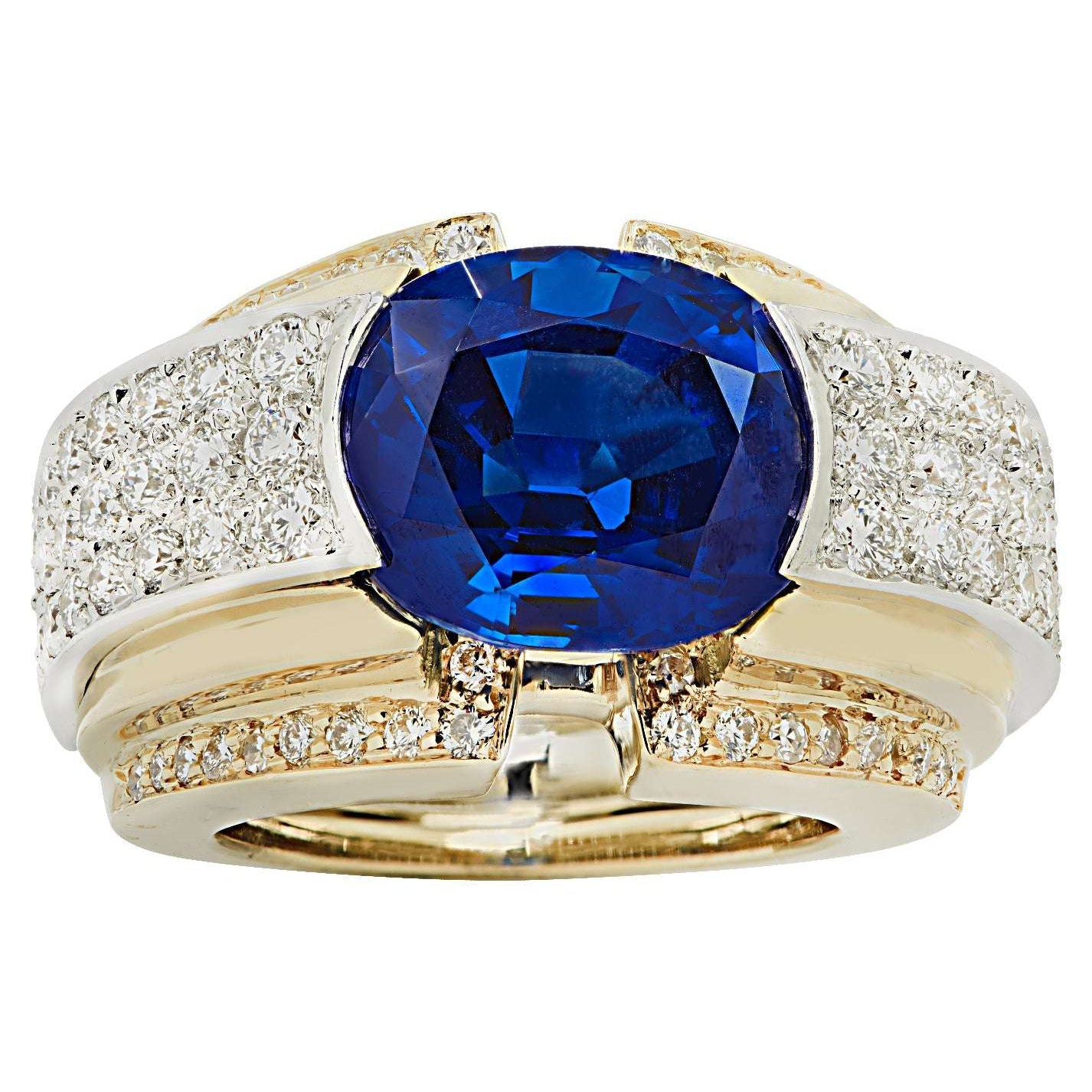
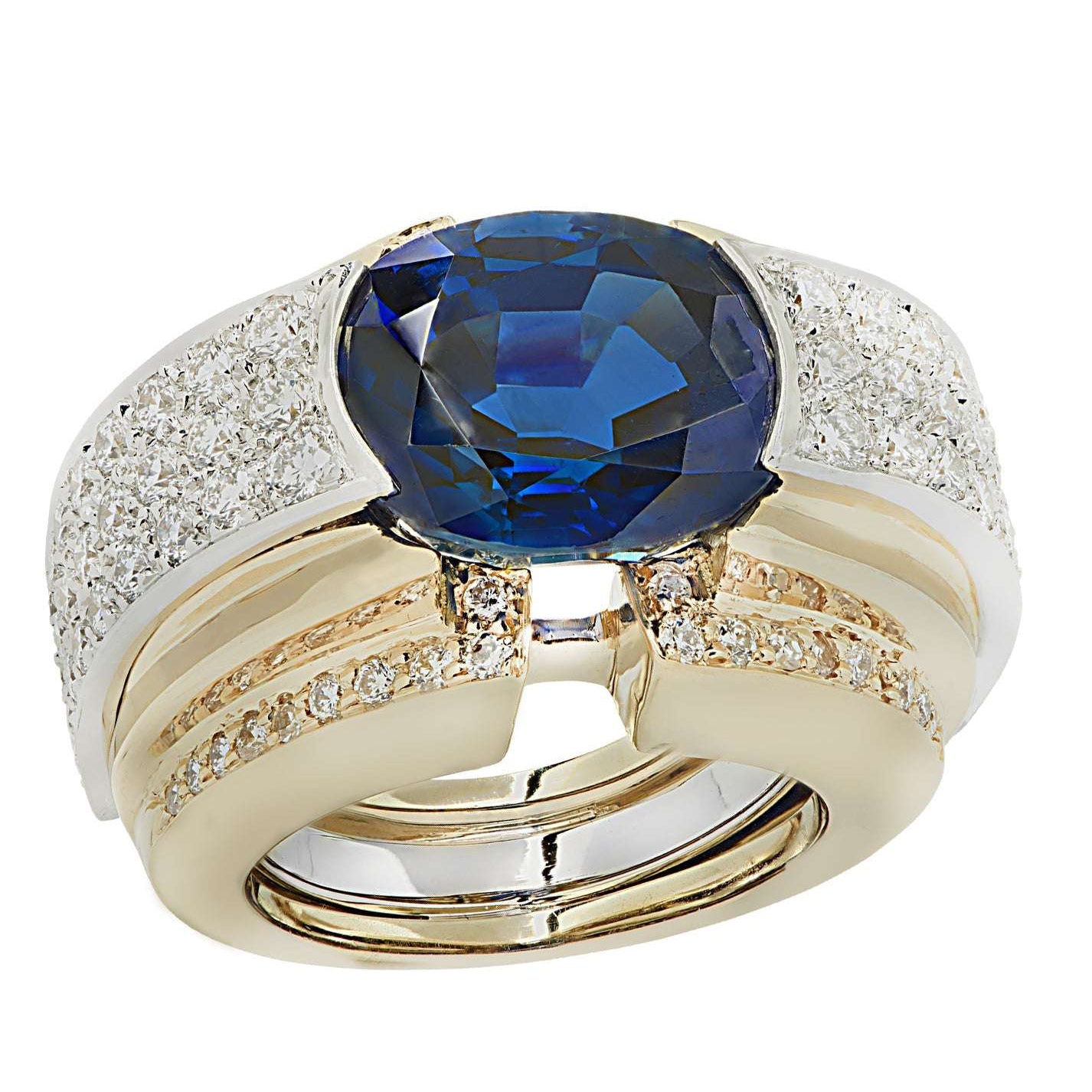
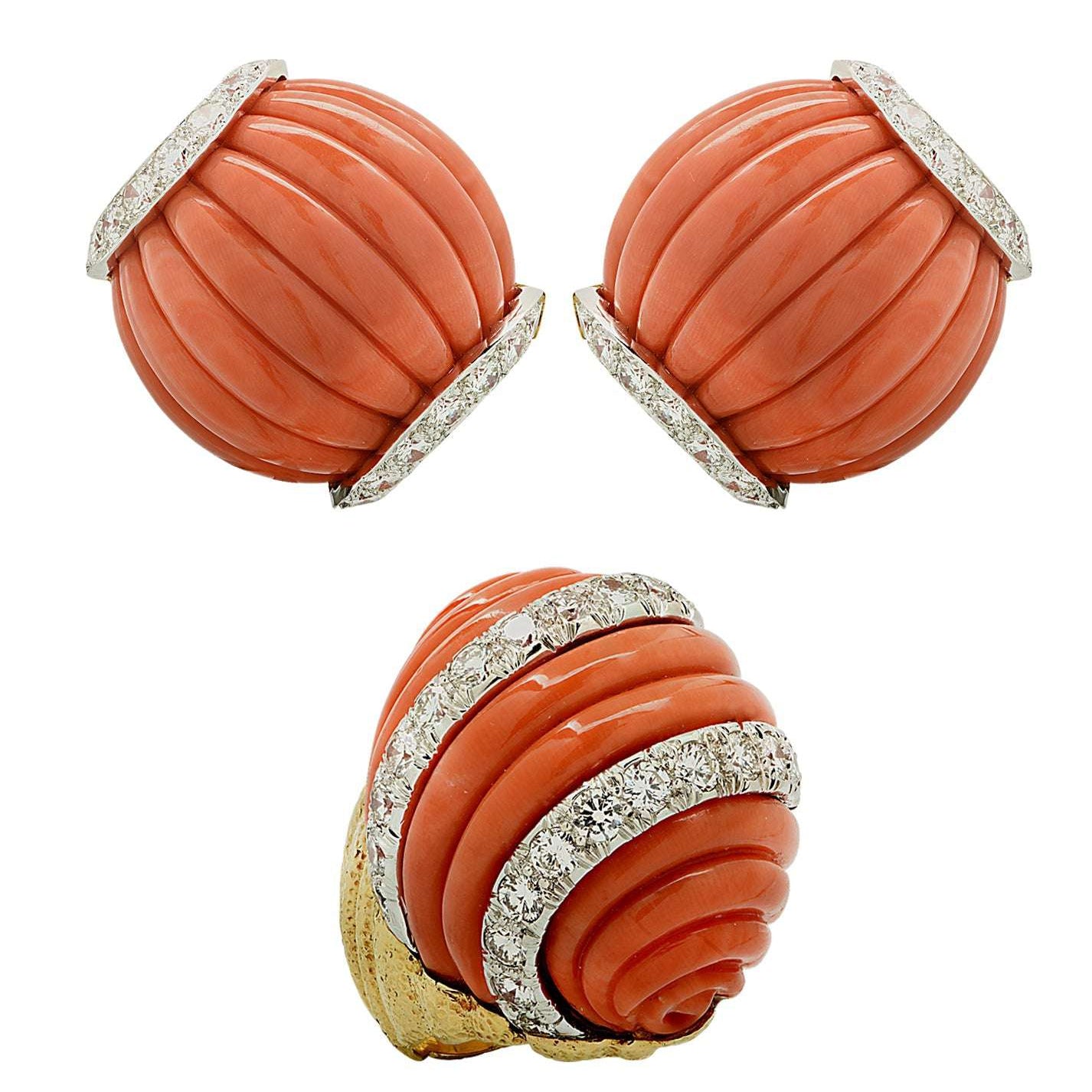
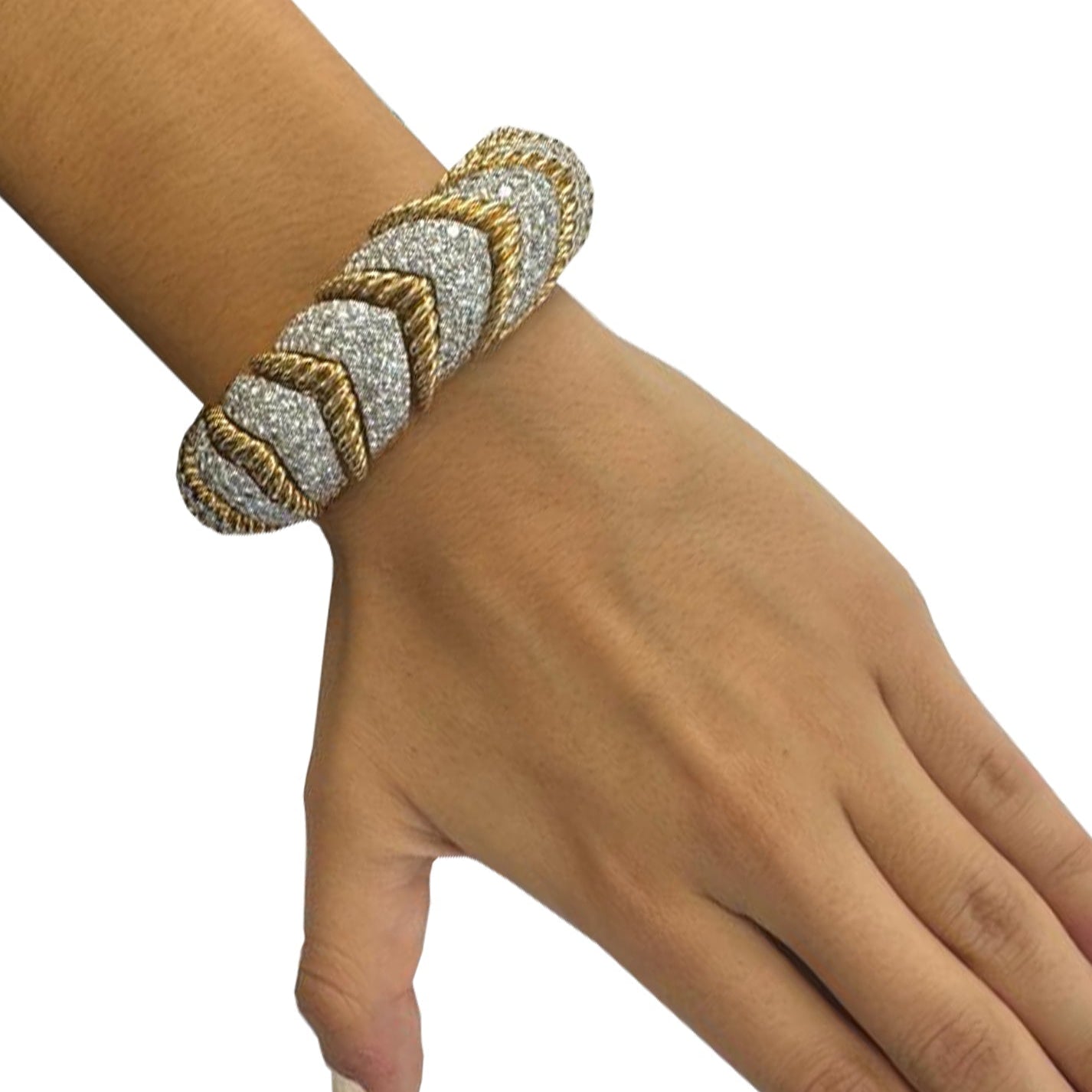
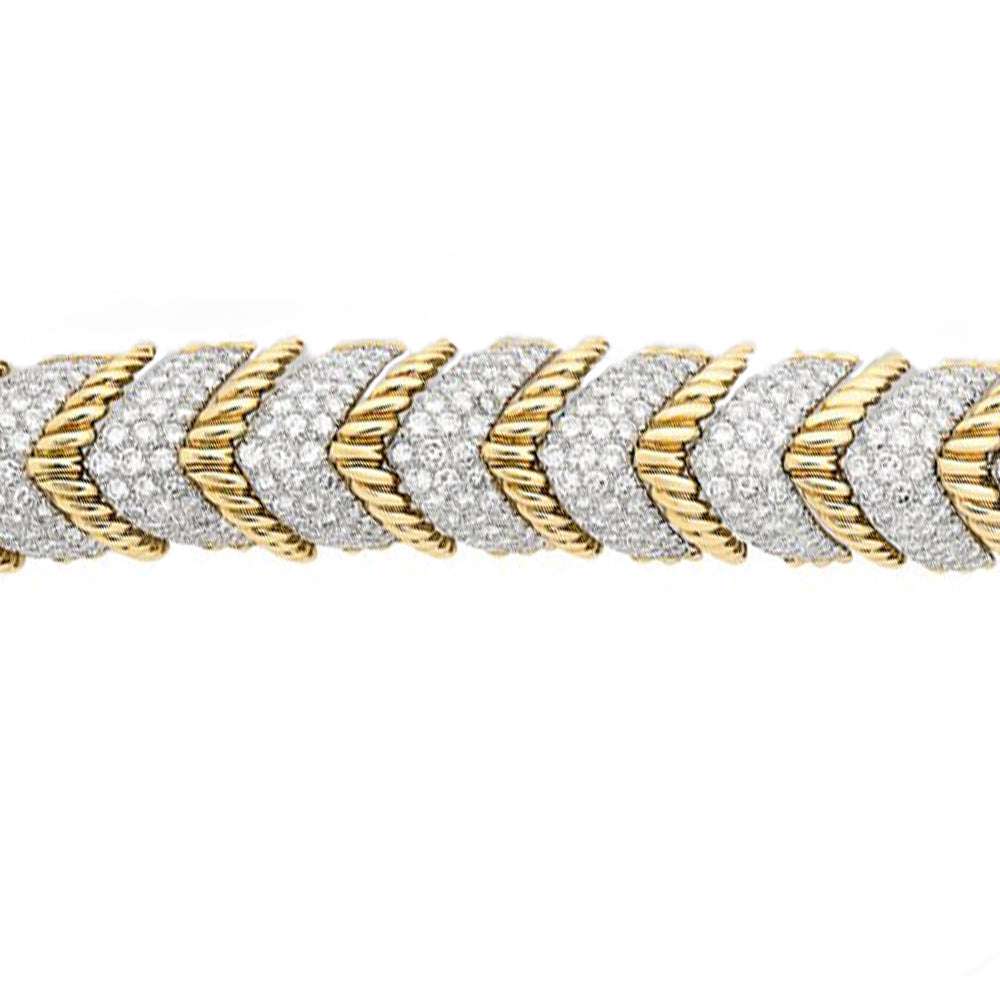
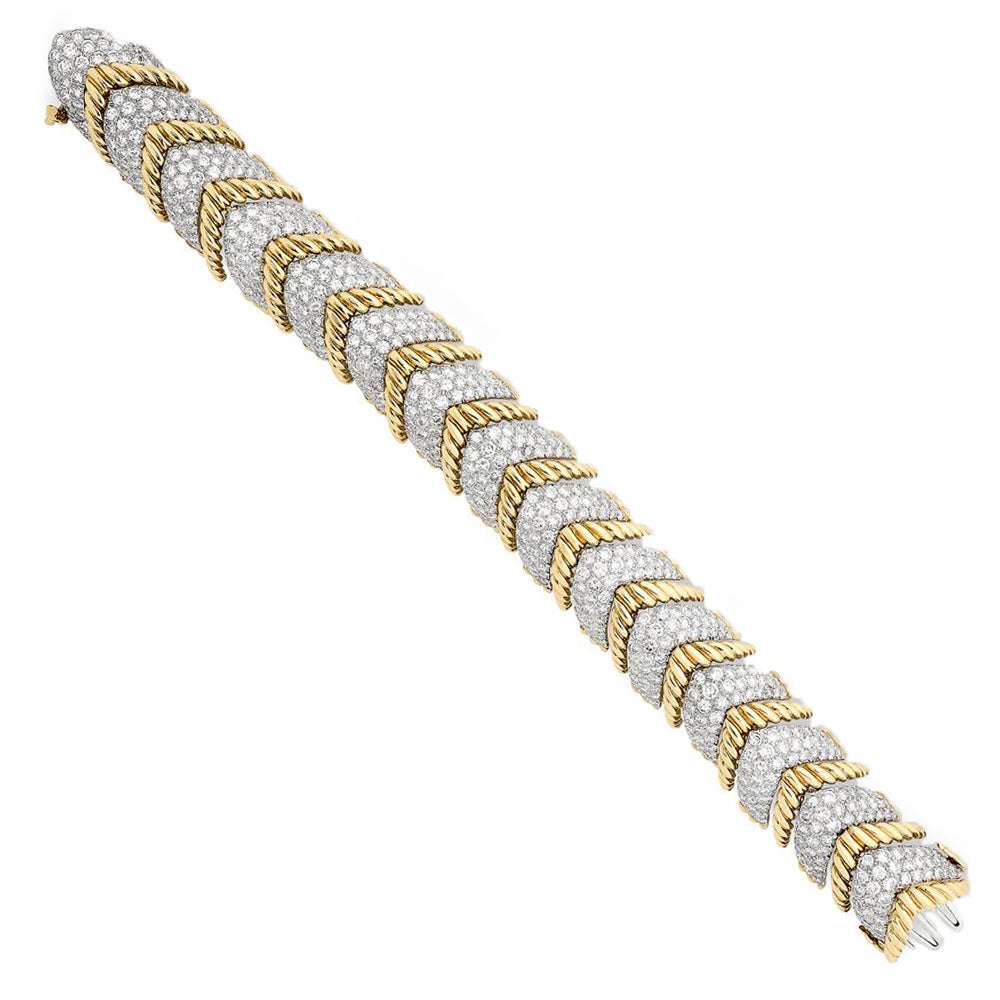
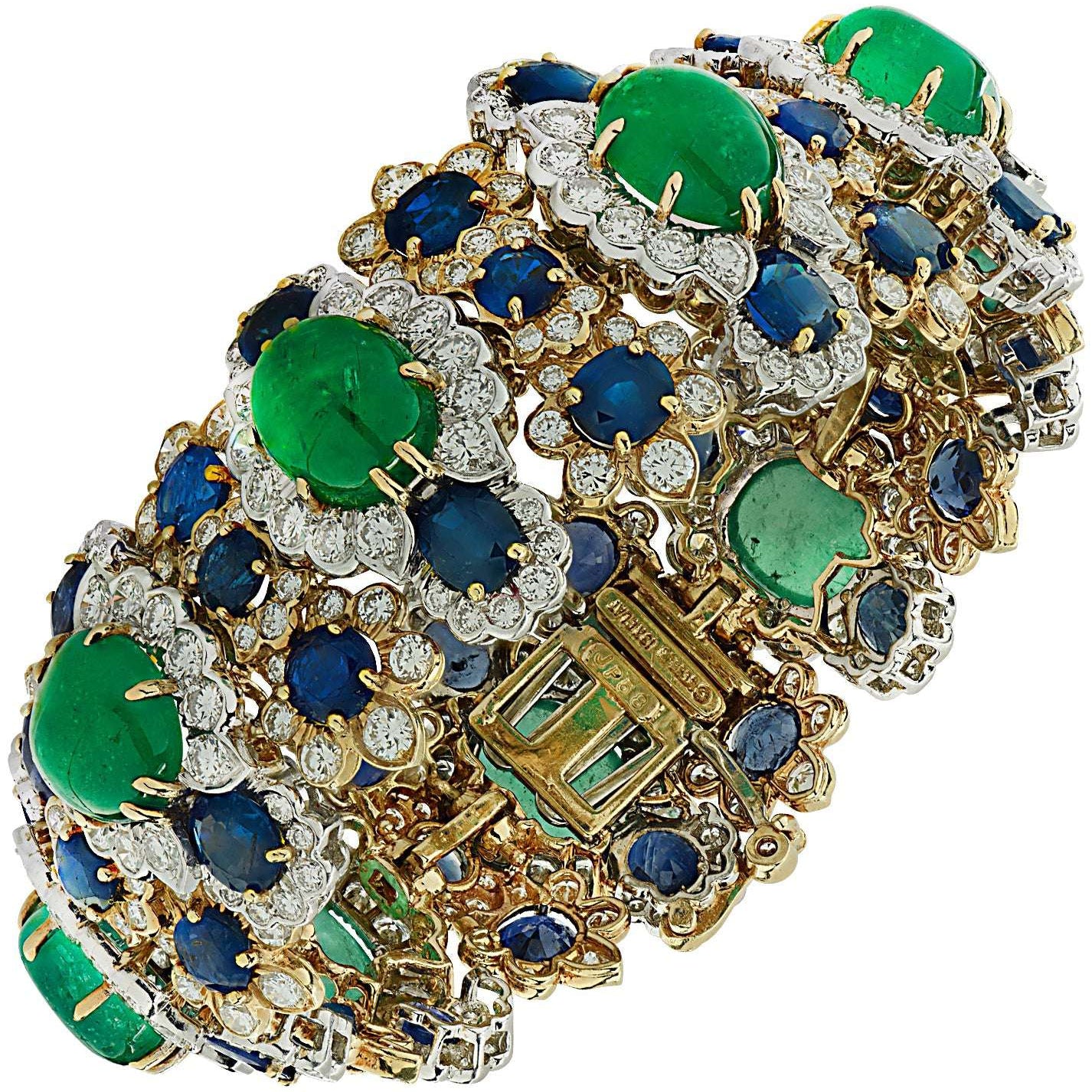
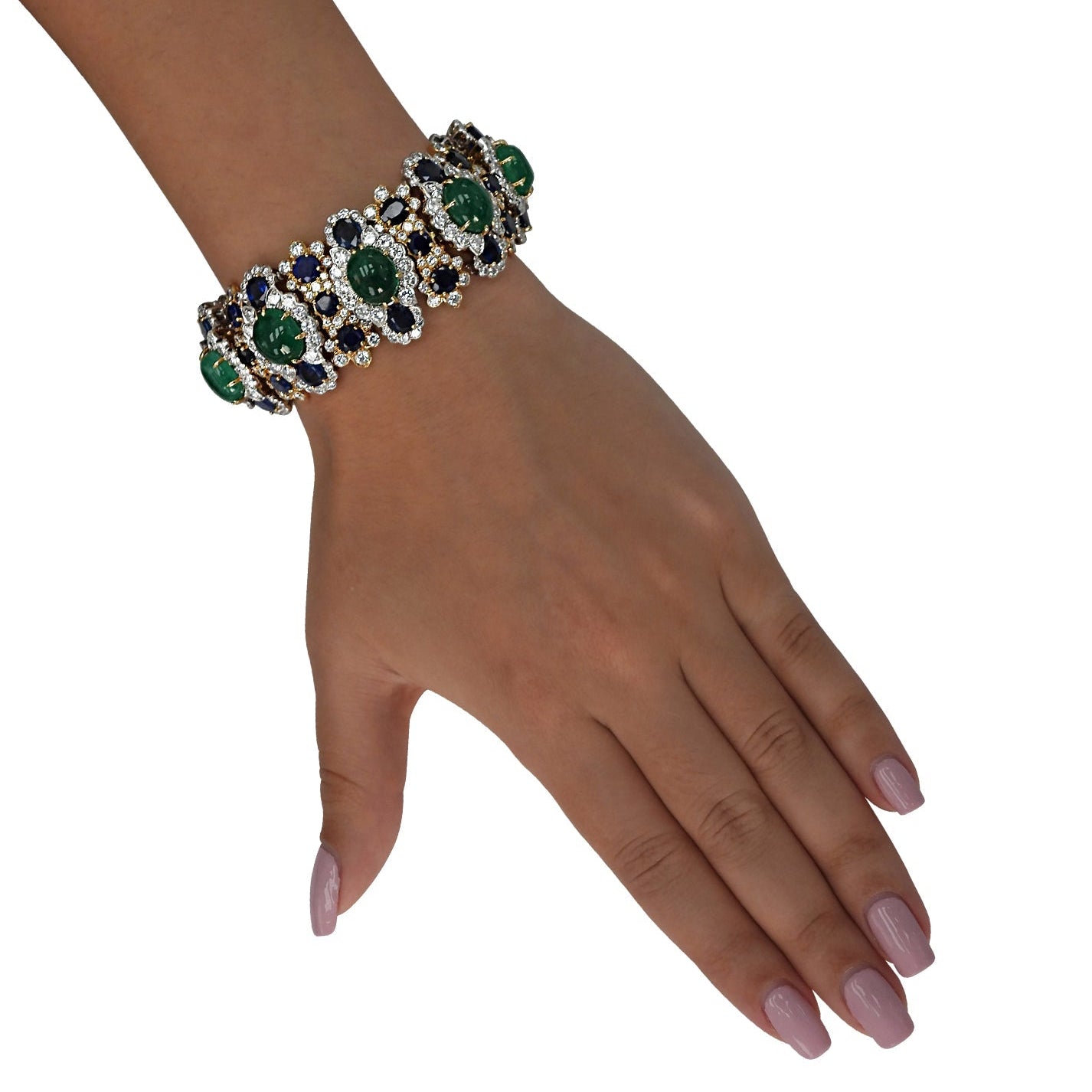
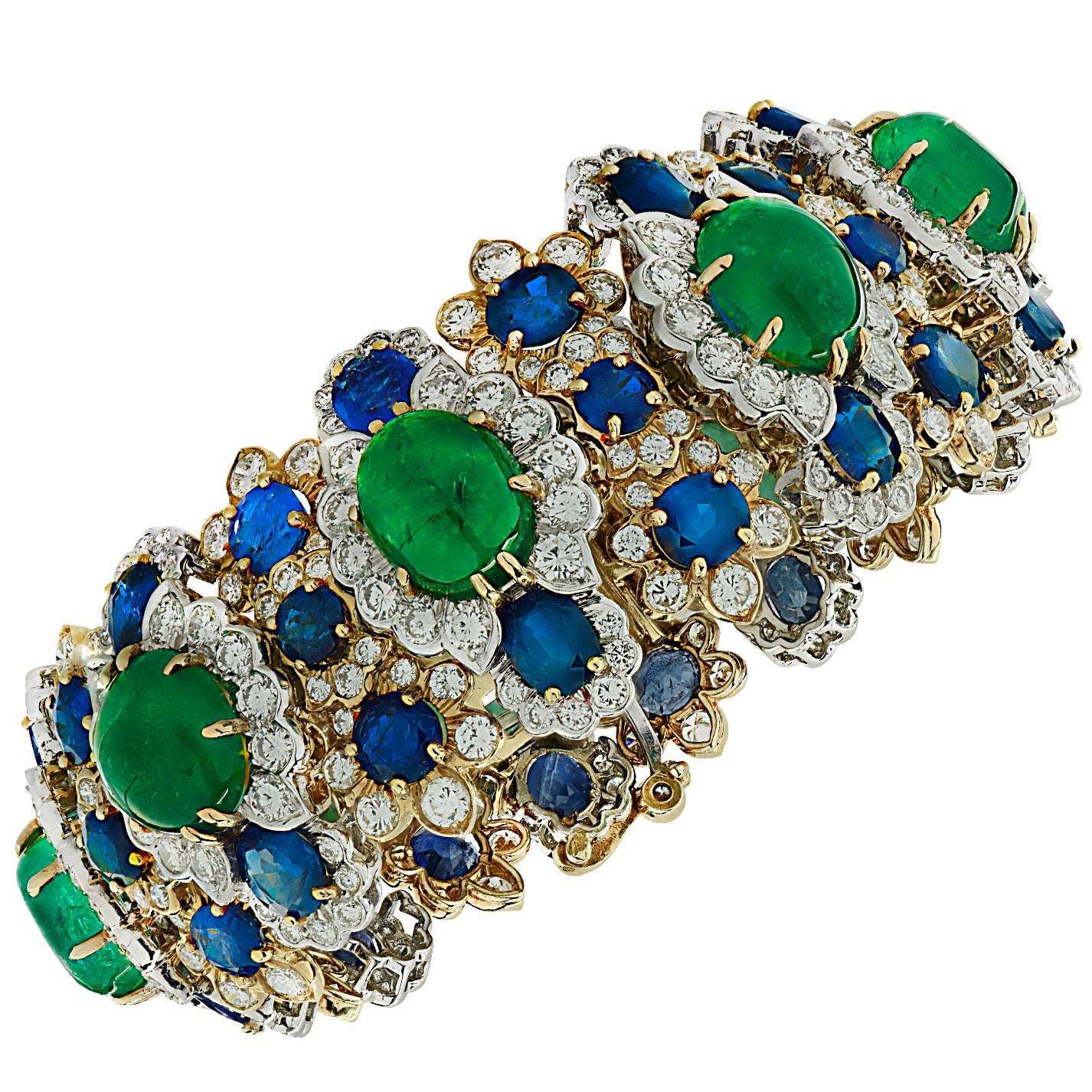
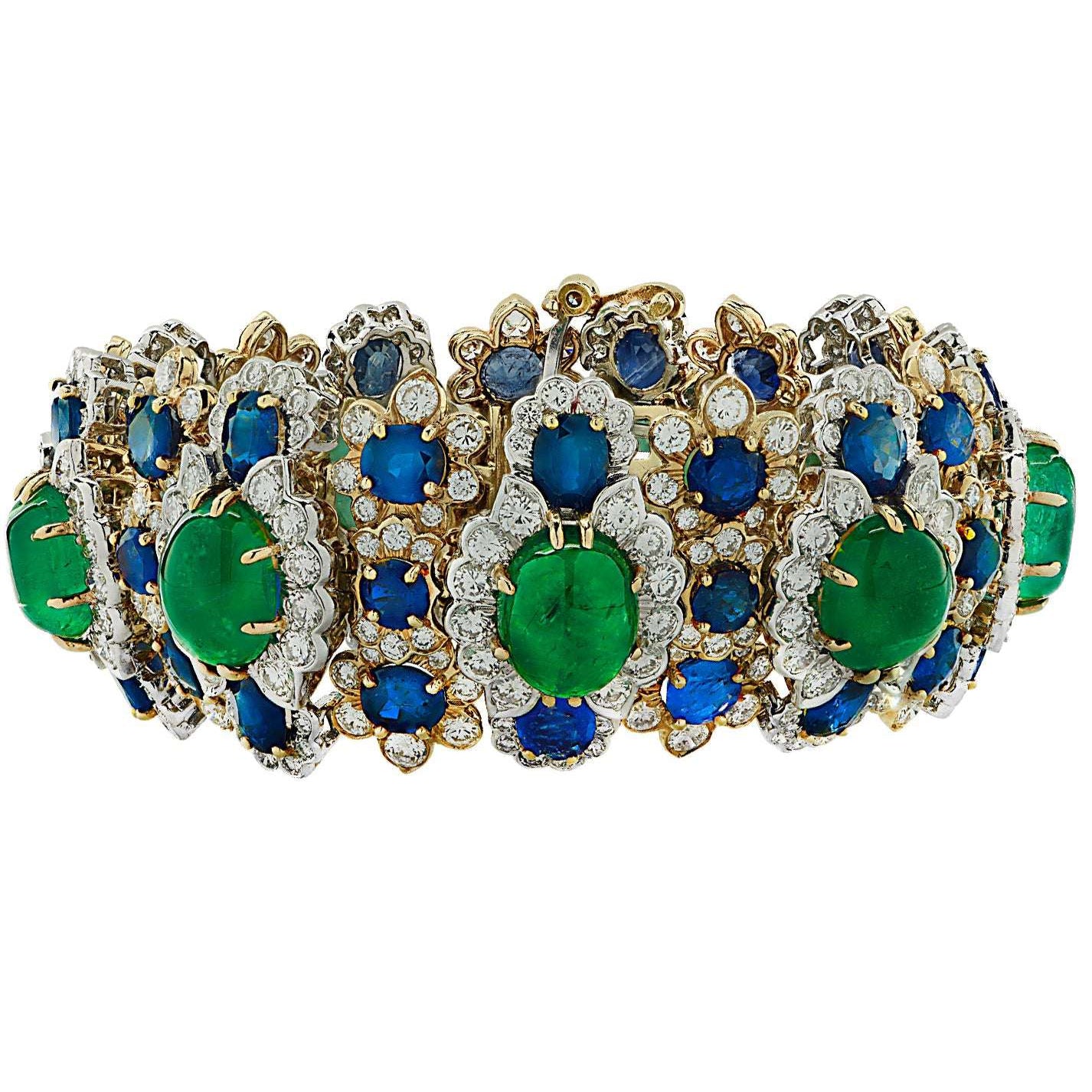
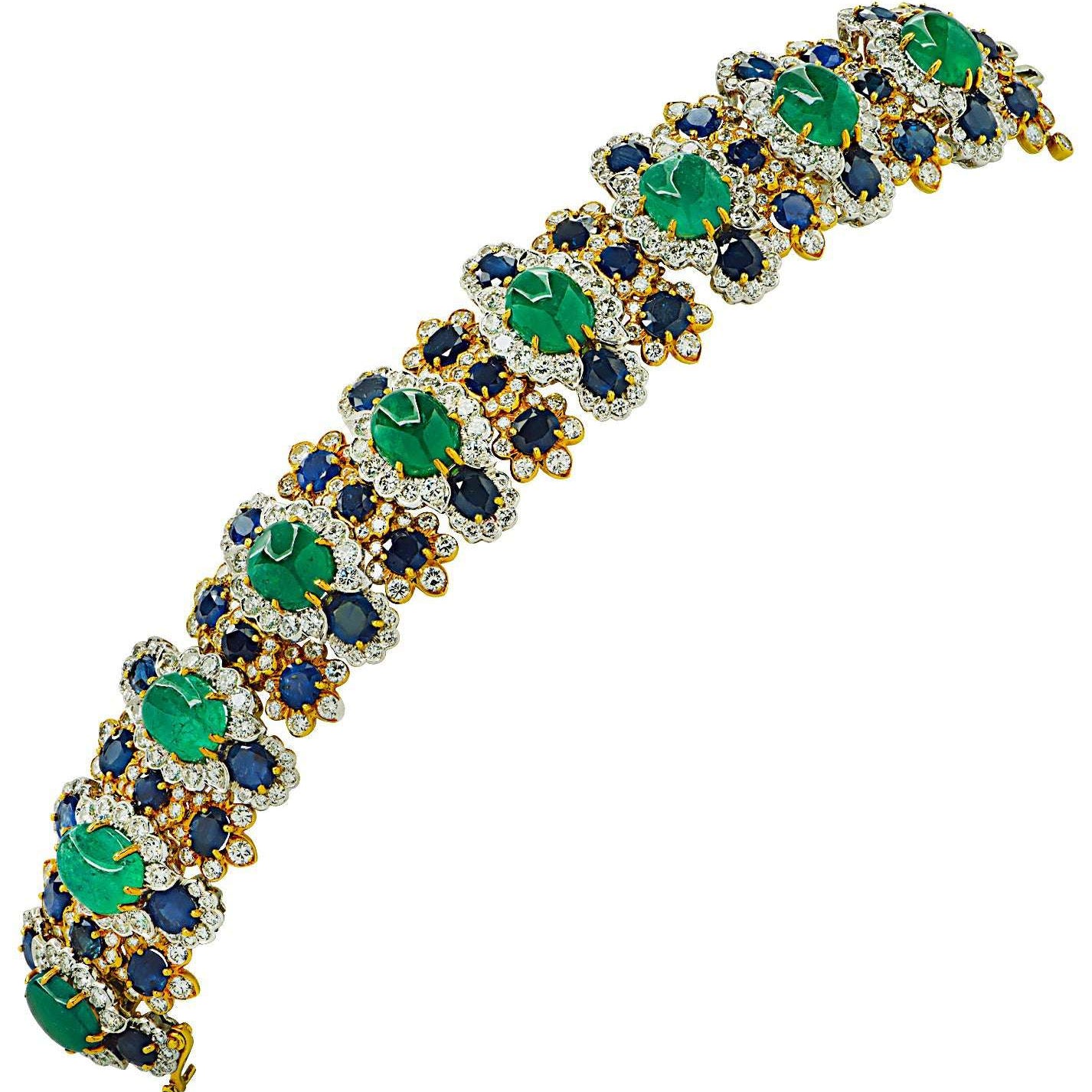
David Webb Jewelry: Bold Heritage, Iconic Design
You don't collect David Webb Jewelry by accident. You choose it because you want pieces that are unapologetically bold, deeply American, and meticulously handmade. From hammered gold cuffs that look chiseled by light itself to sculptural animal bracelets cloaked in enamel, David Webb Jewelry is one of the rare houses where design language, materials, and craftsmanship align perfectly. If you're considering your first piece, or adding to a serious archive, this guide gives you the history, signatures, authentication cues, pricing context, and care practices you need to buy with confidence and wear with authority.
History And Legacy
David Webb founded his namesake house in New York City in 1948, opening a Madison Avenue workshop that still produces the brand's jewels in-house today. He was self-taught and relentlessly hands-on, sketching, carving waxes, and experimenting with weighty gold forms that felt modern yet rooted in antiquity. By the early 1960s, his work had captured the attention of fashion's most exacting tastemakers, Diana Vreeland championed his daring style: clients included Elizabeth Taylor and Jacqueline Kennedy.
Webb's design arc fused ancient references, Grecian, Etruscan, and Indian, with a distinctly 20th‑century sensibility: bold proportions, vibrant enamels, and stones chosen for presence as much as purity. When Webb died in 1975, his team, archive of drawings, and New York workshop carried the torch, maintaining his process-heavy ethos: hand-hammered gold, platinum where it counts, thick enamel applied by specialists, and meticulous undergalleries. That continuity is why David Webb Jewelry feels cohesive across decades and why vintage and contemporary pieces sit comfortably together in a single collection.
Design Signatures And Materials
Certain hallmarks define the house: architectural metalwork, saturated color, and forms that read from across the room yet reward inspection up close. If you can recognize these signatures, you can navigate both vintage and new releases with much more certainty.
Hammered Gold And Textural Metalwork
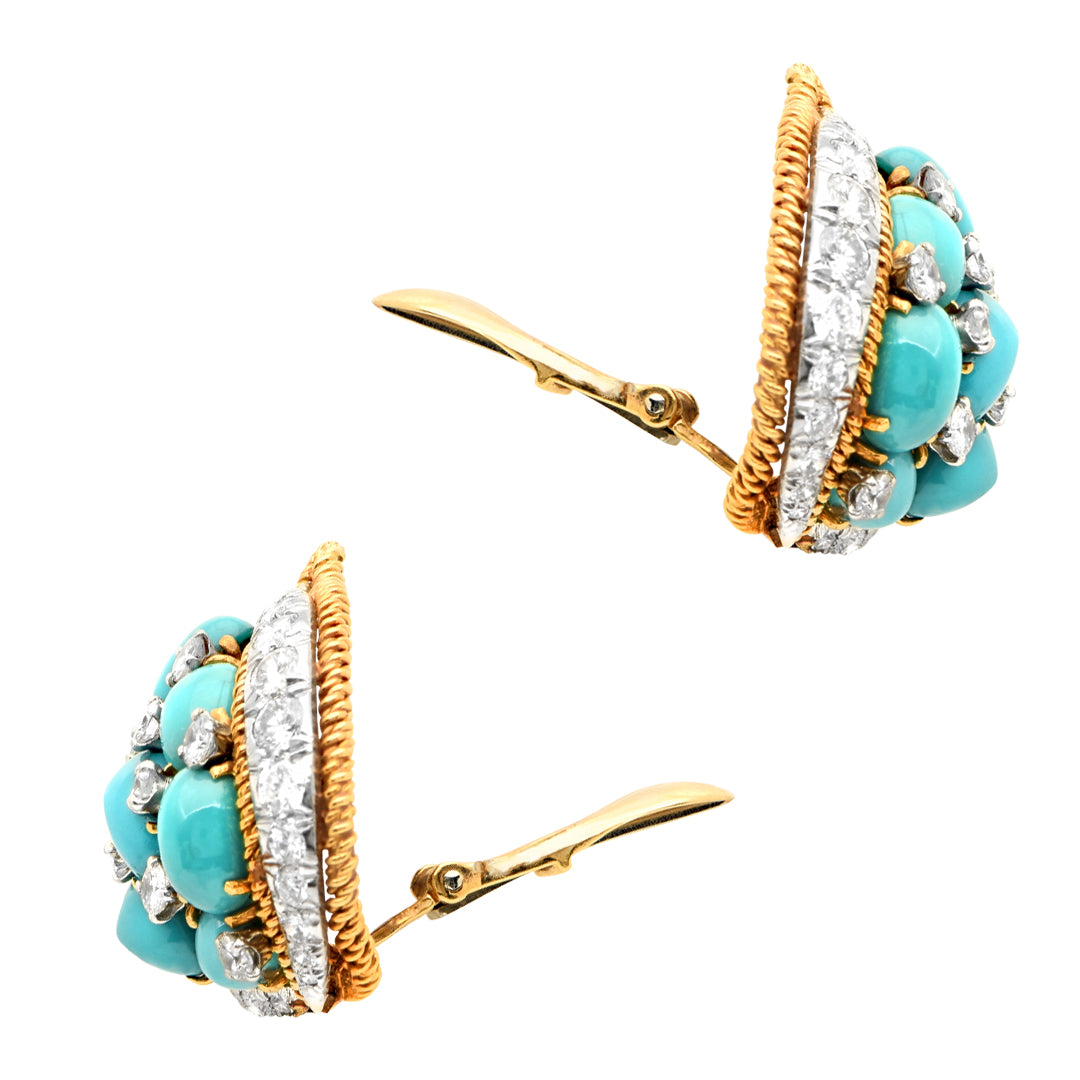
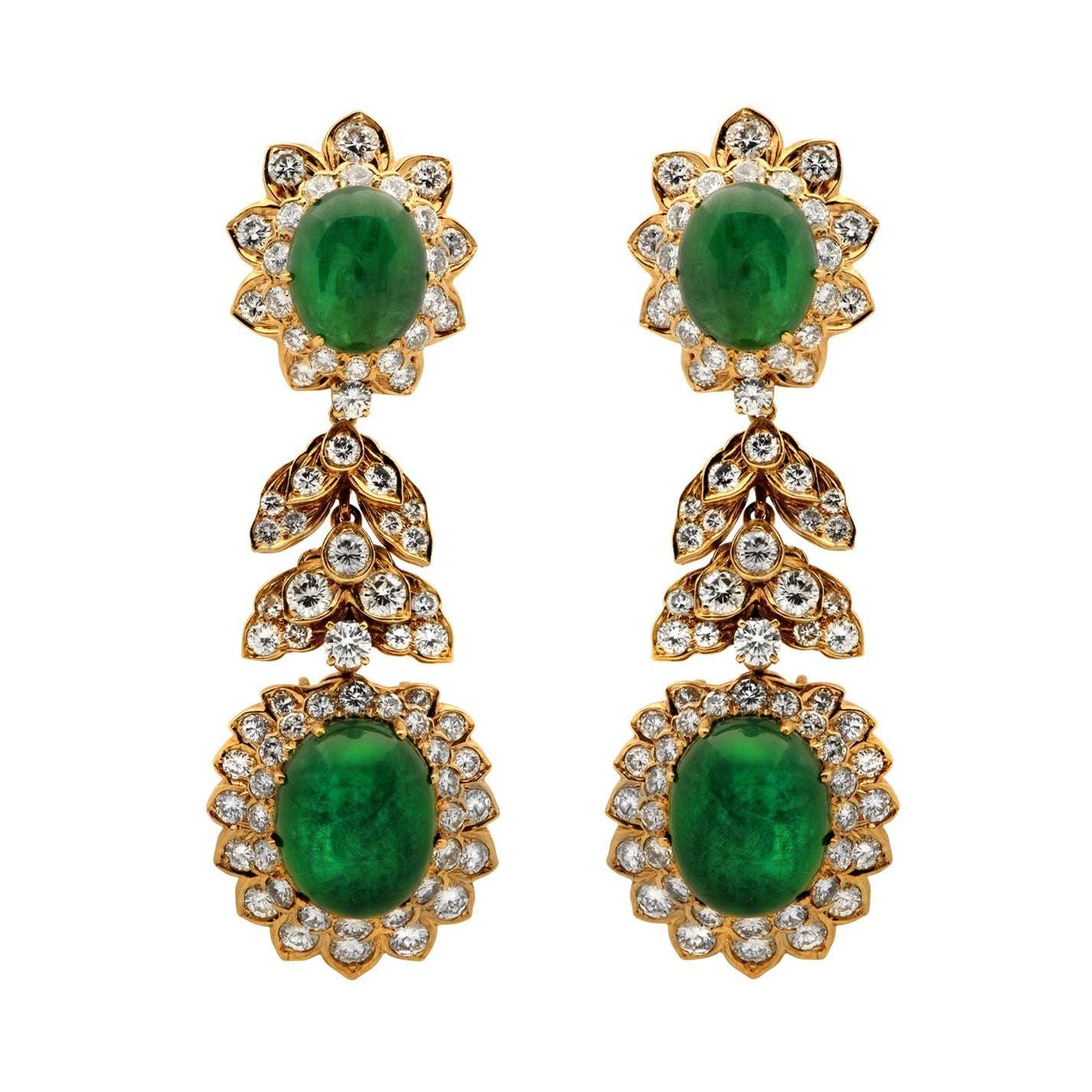
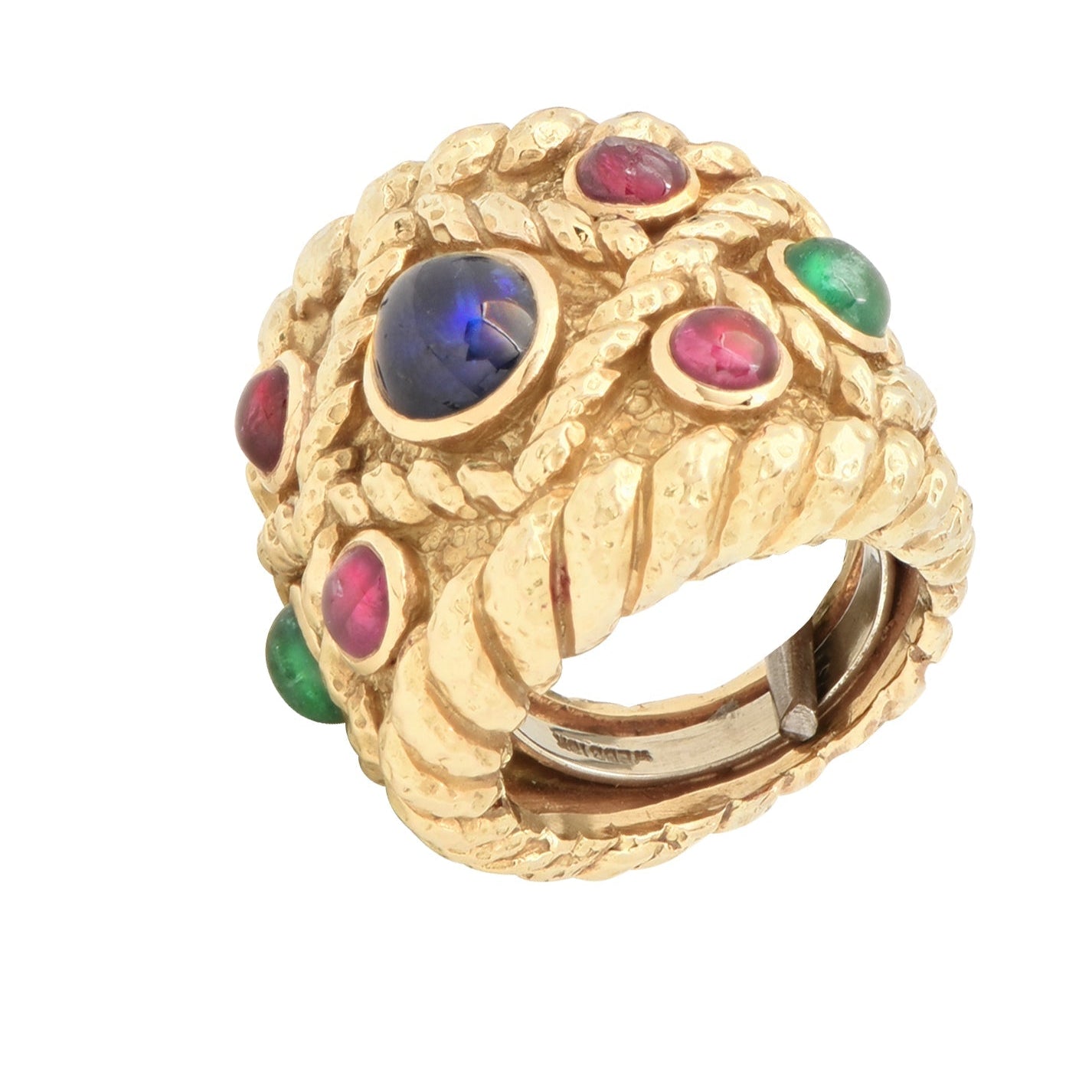
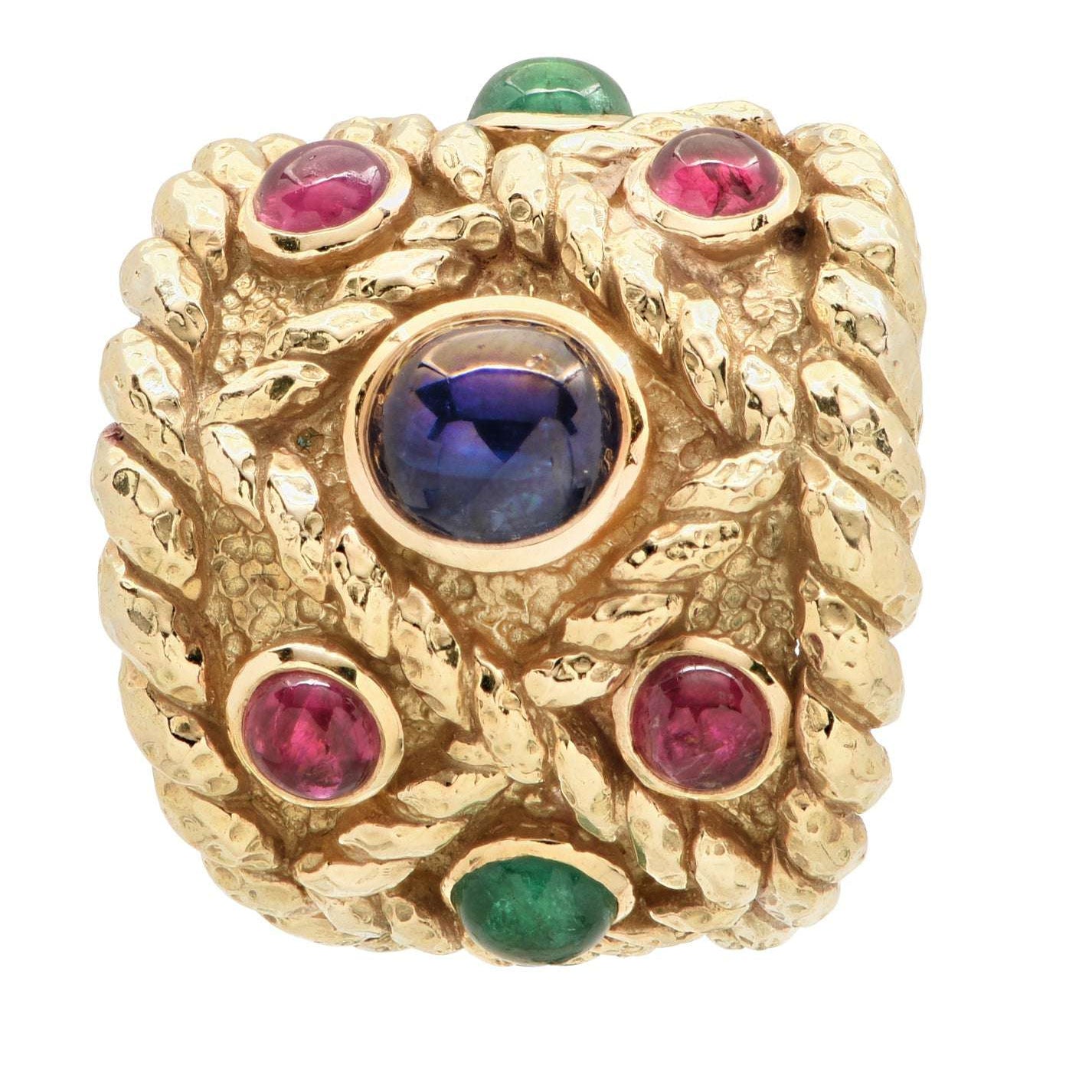
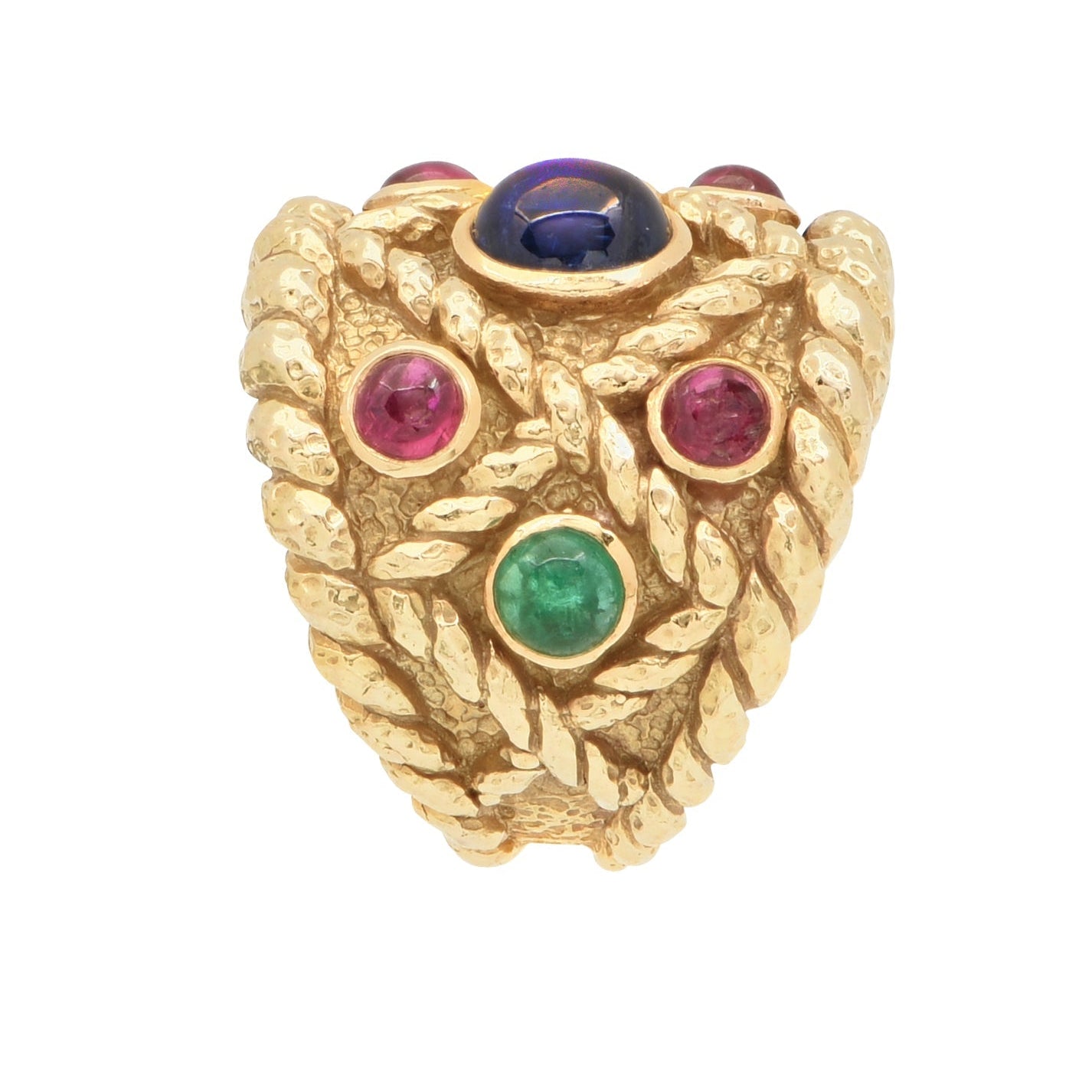
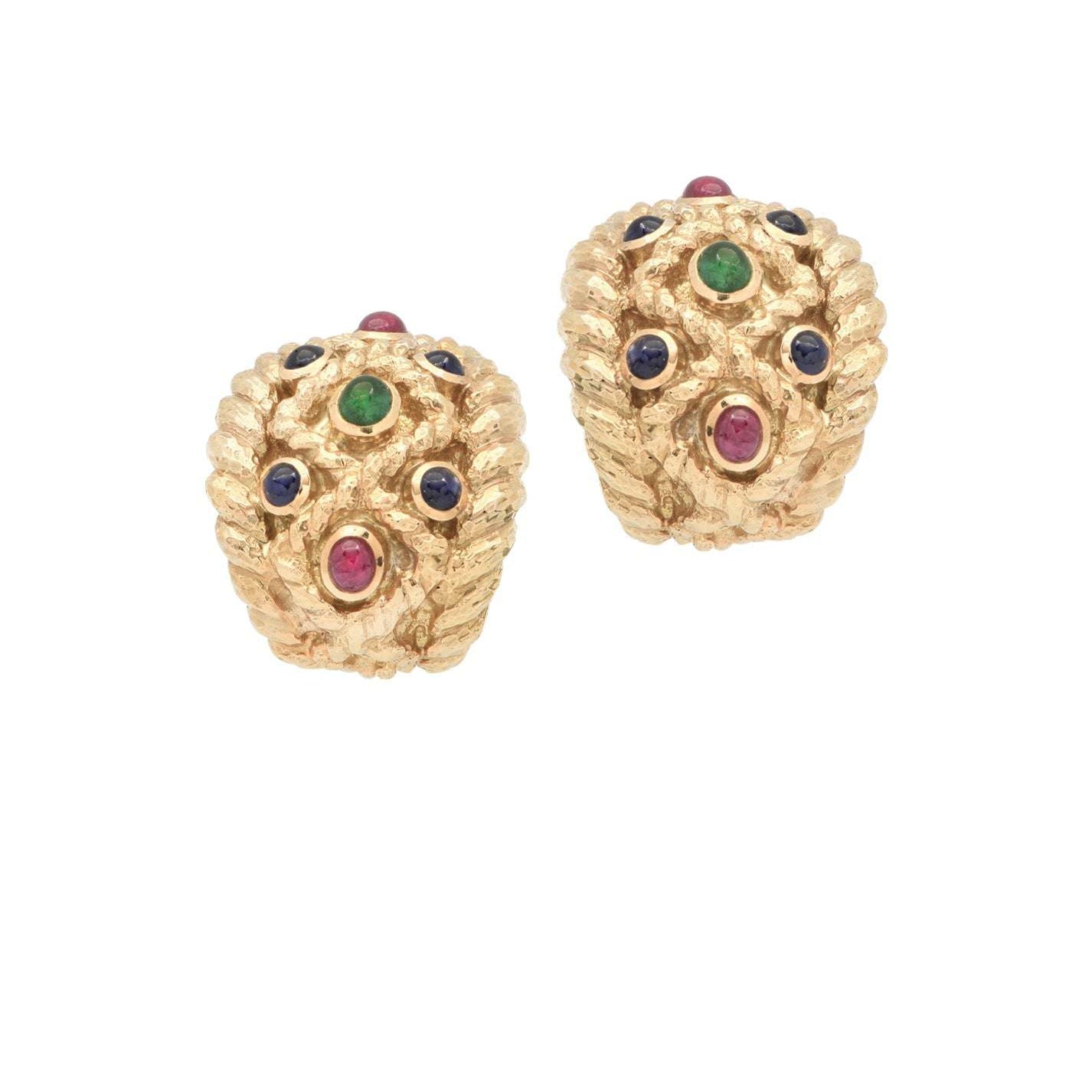
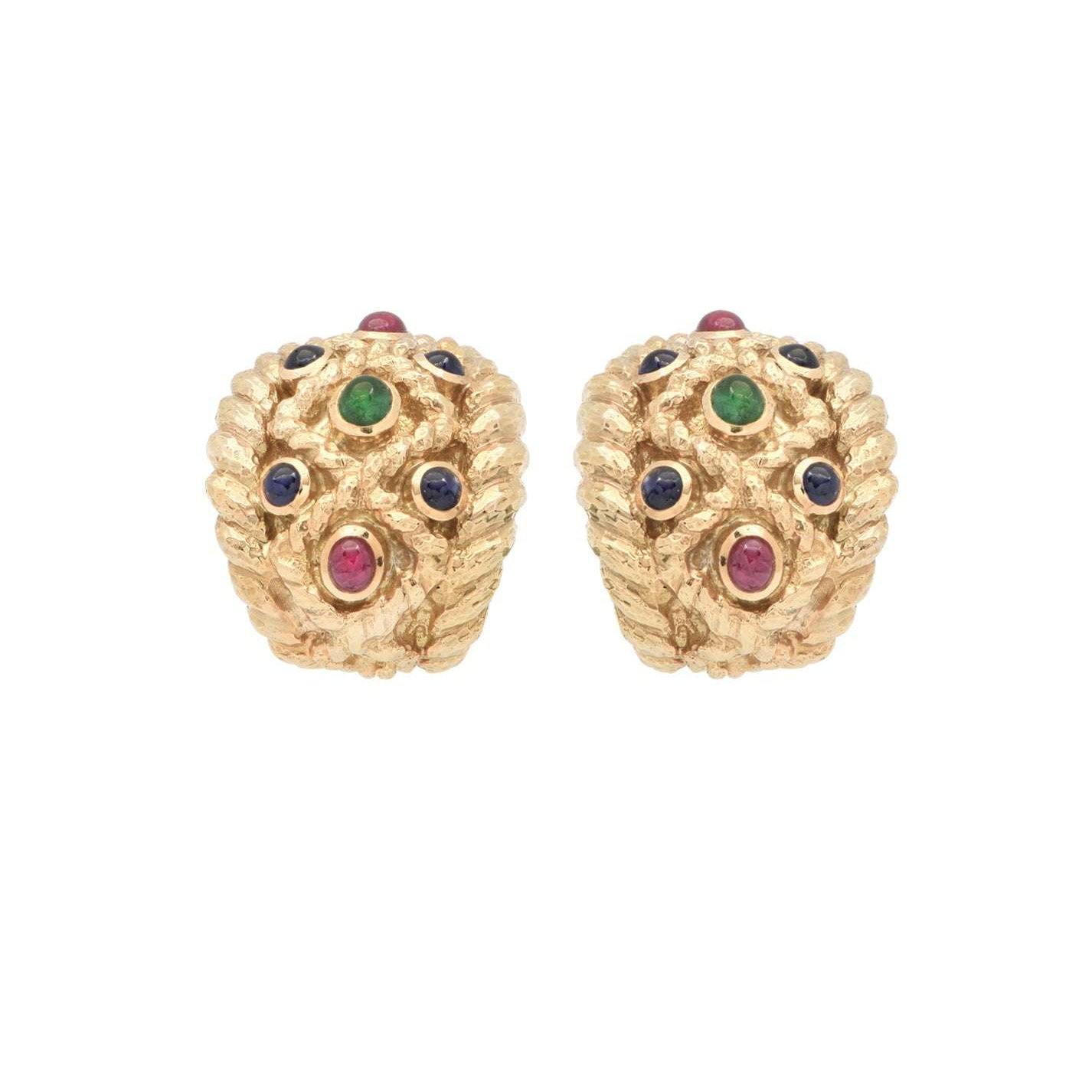
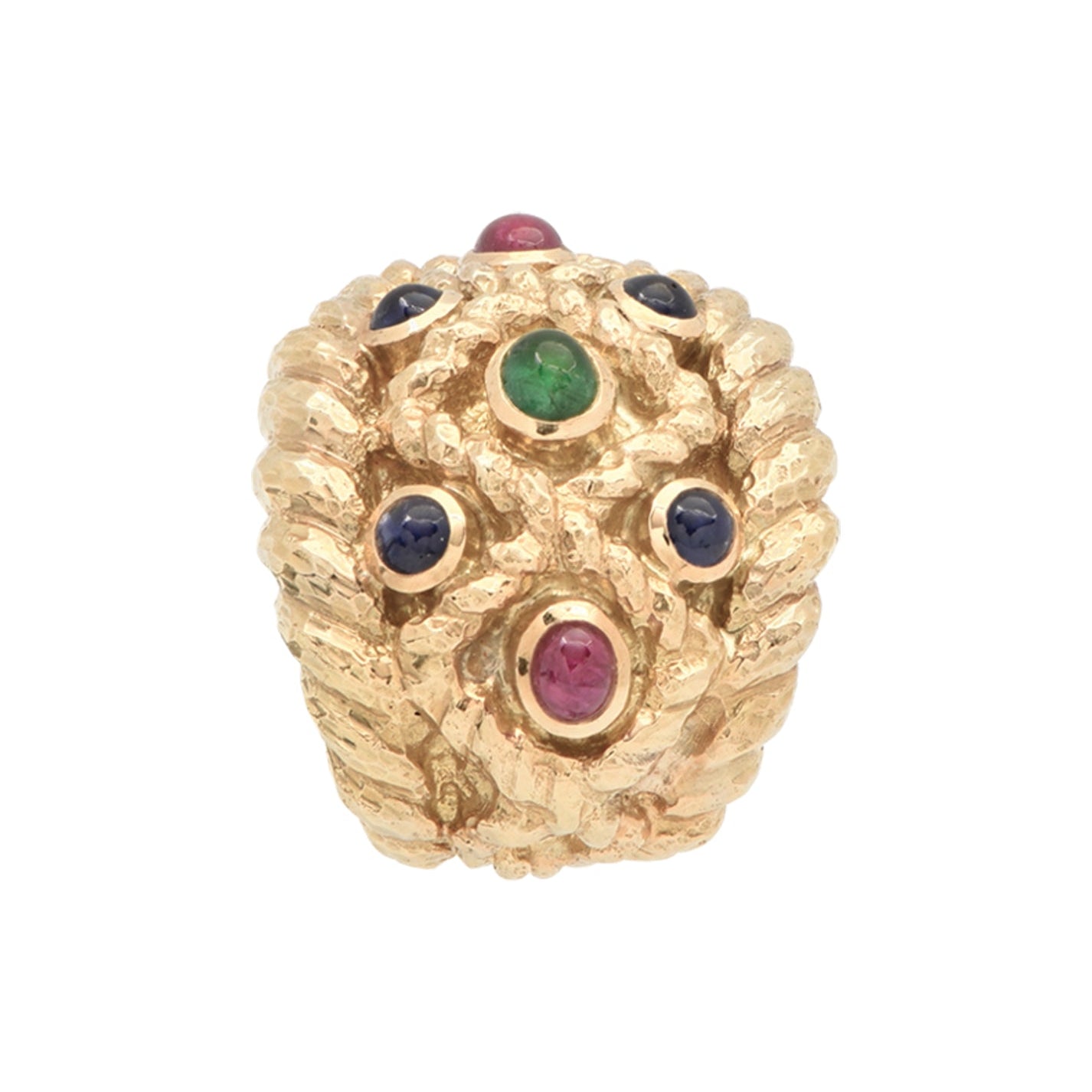
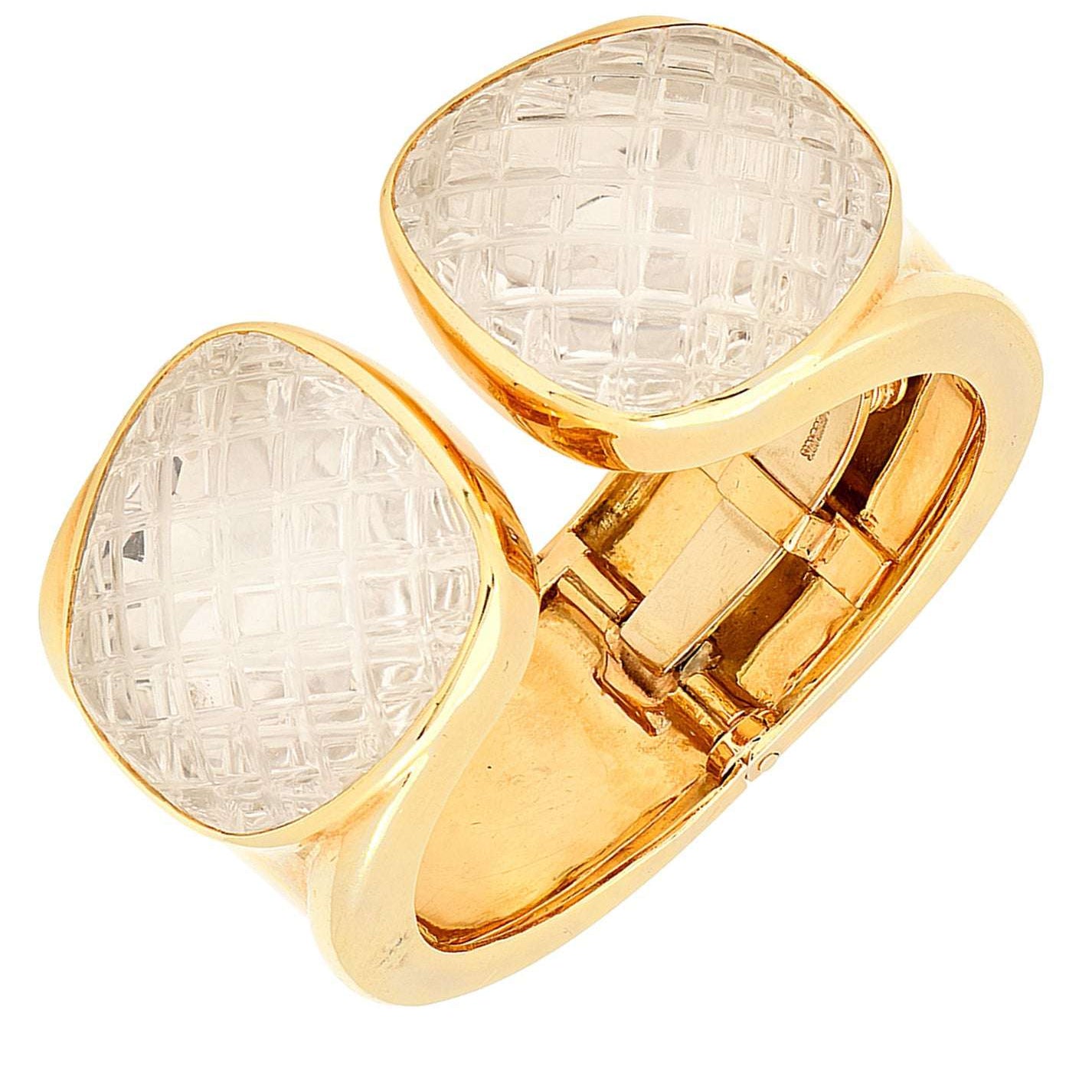
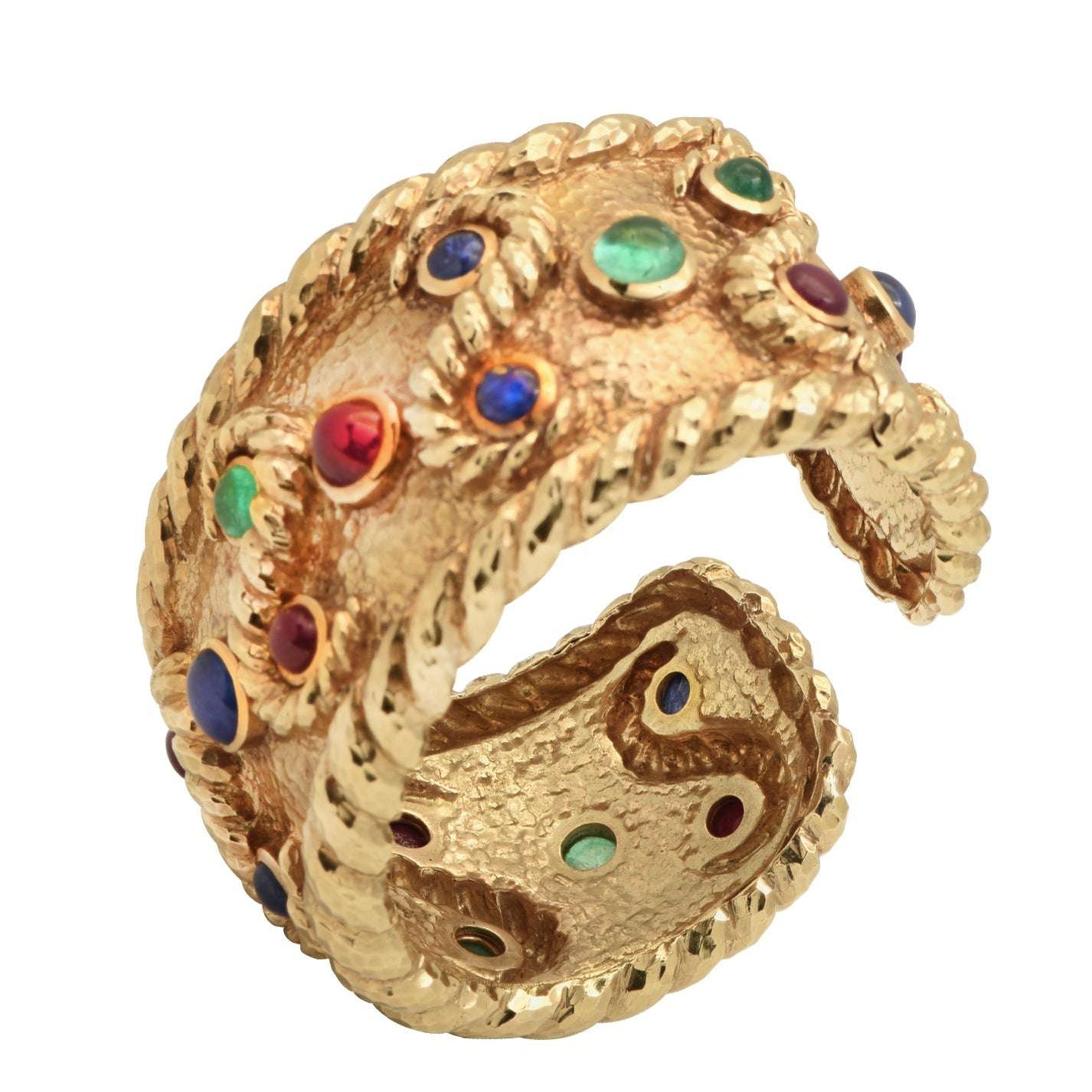
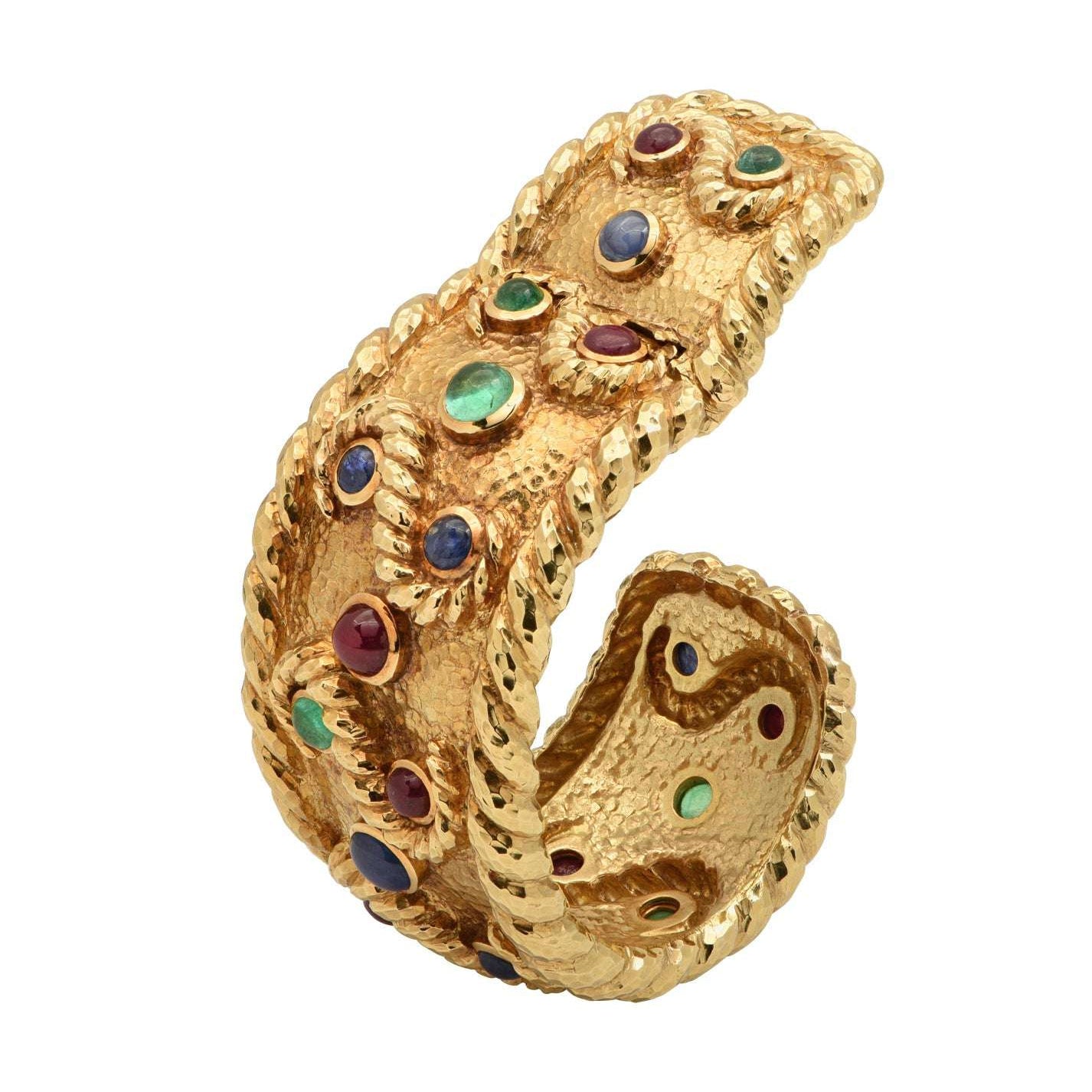
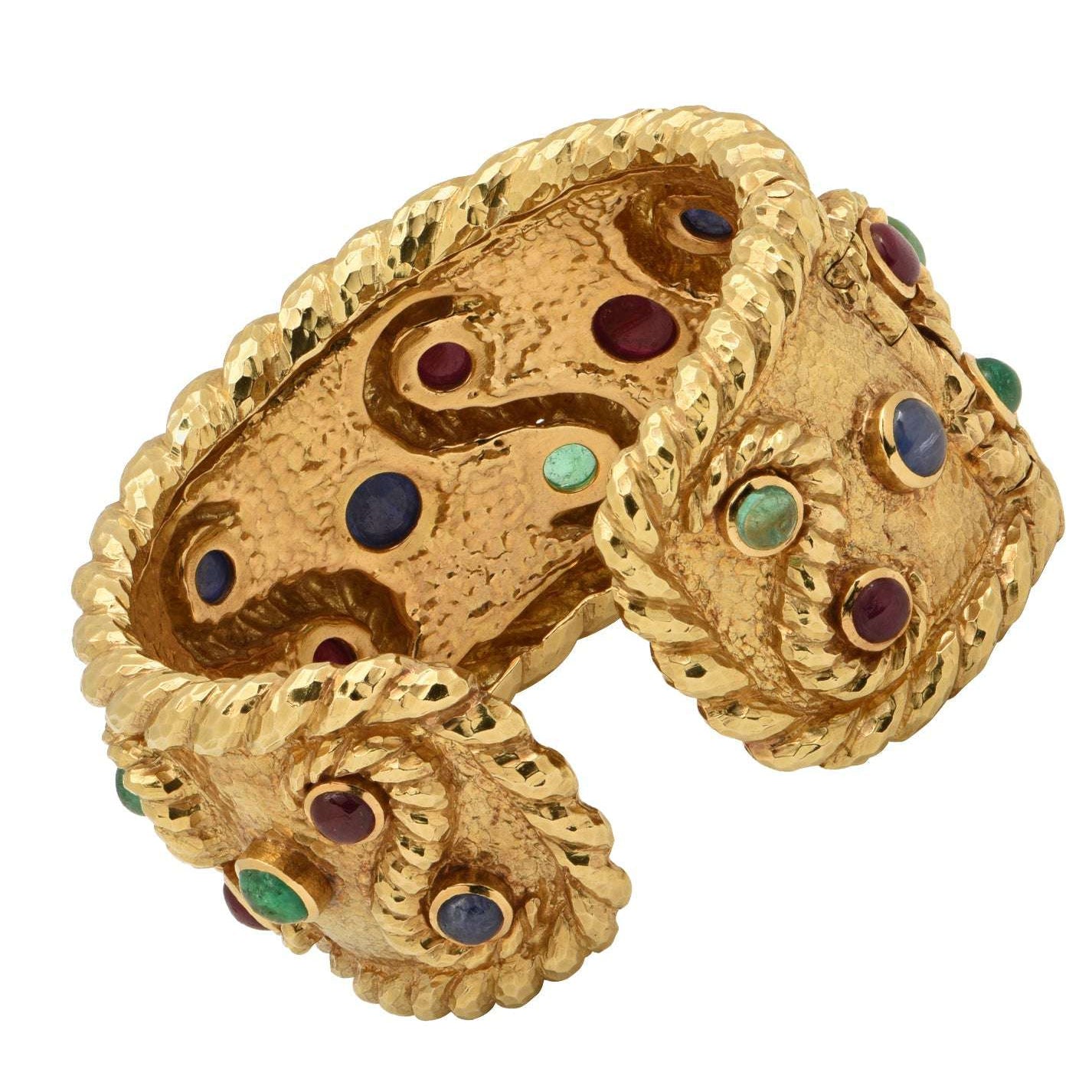
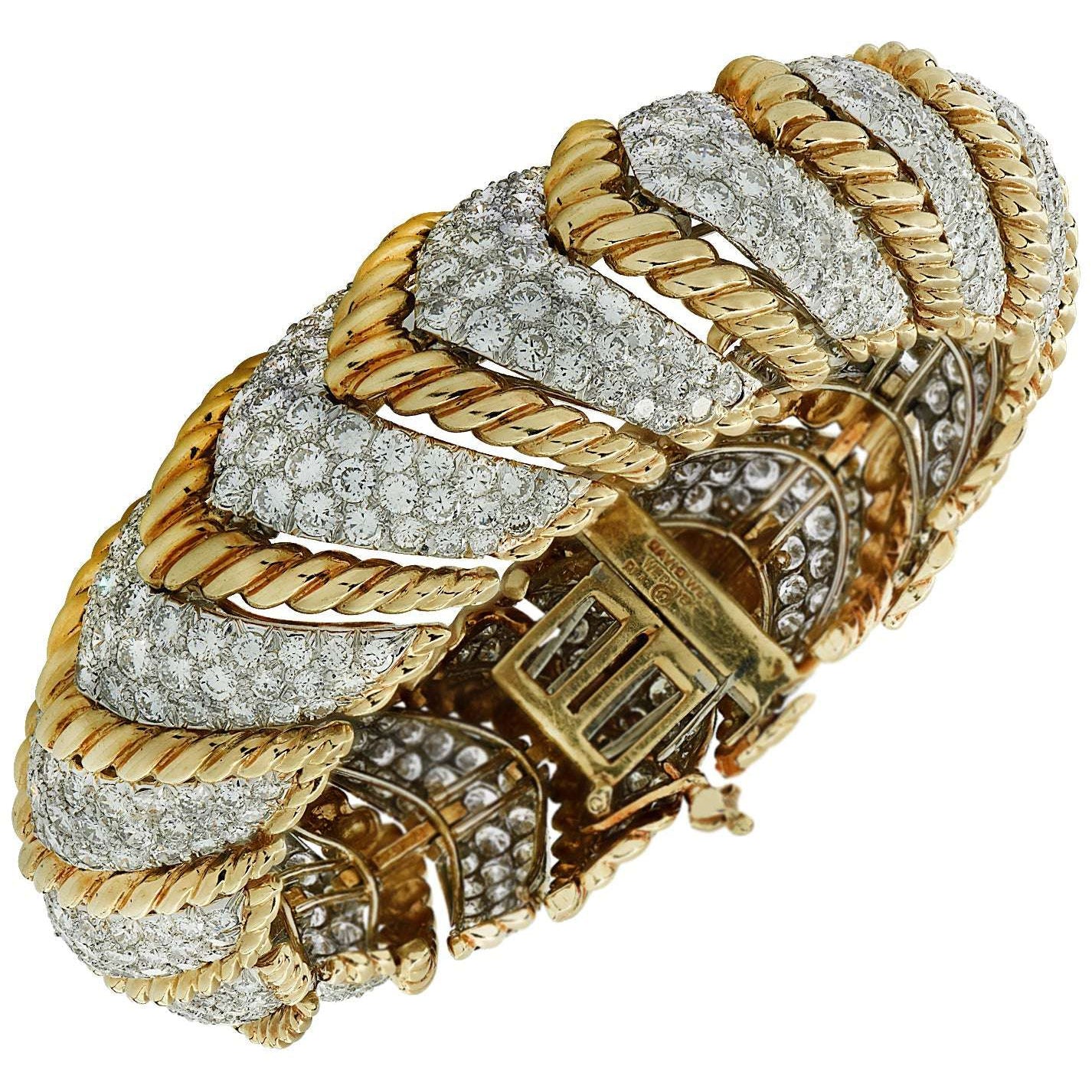
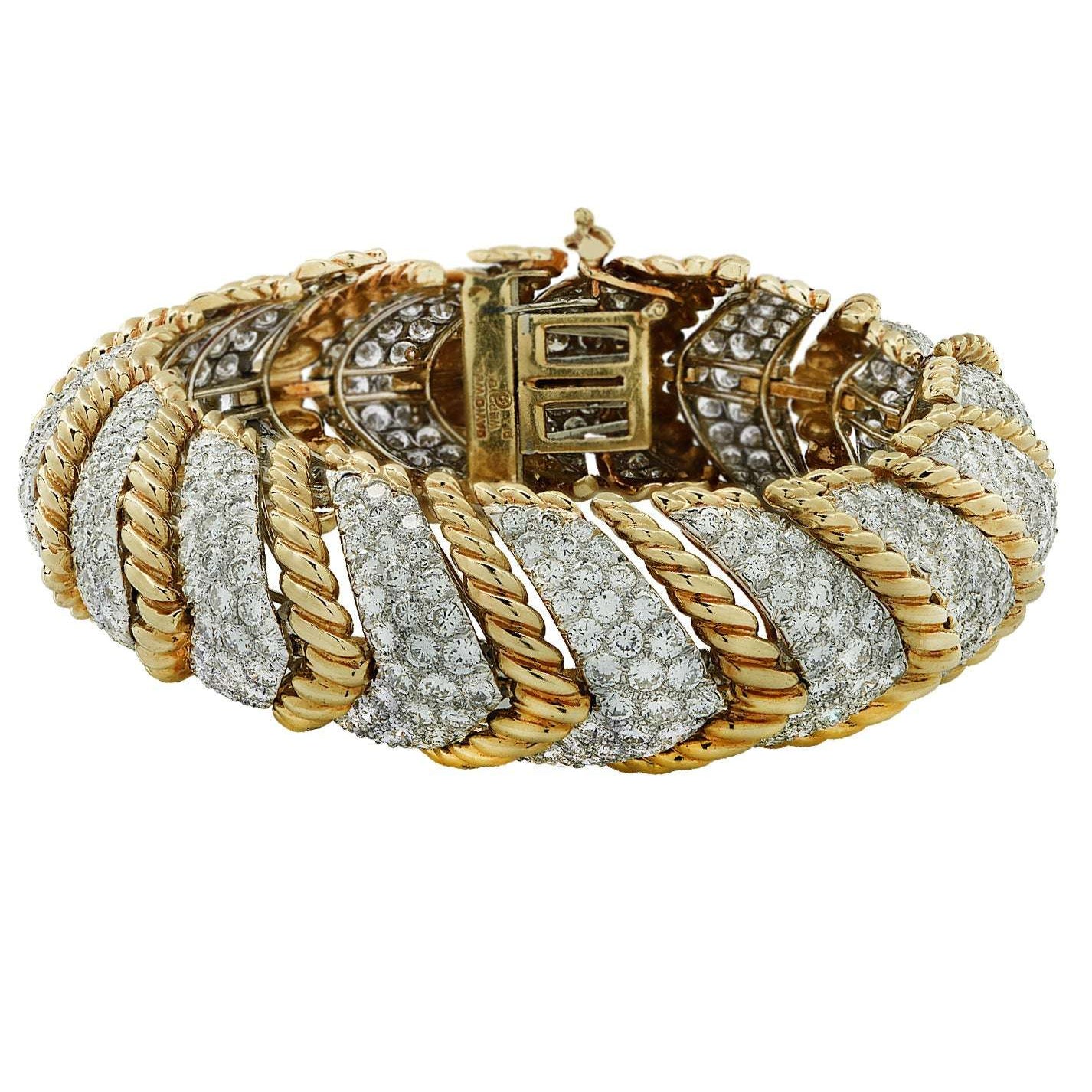
You'll notice the weight first. David Webb jewelry has substance, the kind that steadies a cuff on the wrist or anchors a ring on the hand. Hammered 18K gold is a calling card: not random dimpling but an intentional, rhythmic texture that catches light in a soft, diffused way. You'll also see rope-twist borders, granulation, and sculpted bezels with crisp edges. Flip a piece over and the undergallery, often honeycombed or precisely pierced, tells the rest of the story: symmetry, smooth finishing, and no sharp burrs.
Vibrant Enamel And High-Contrast Color
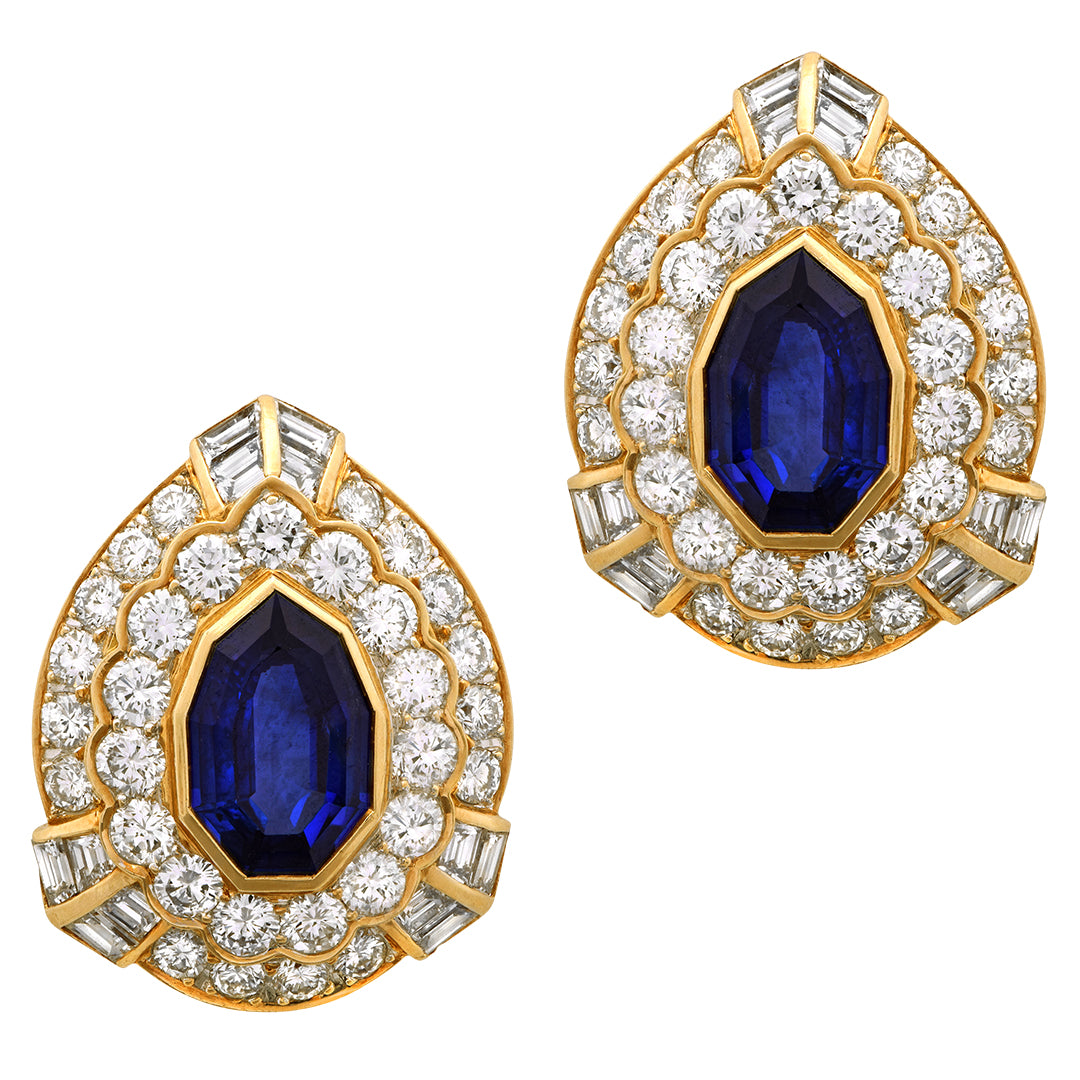
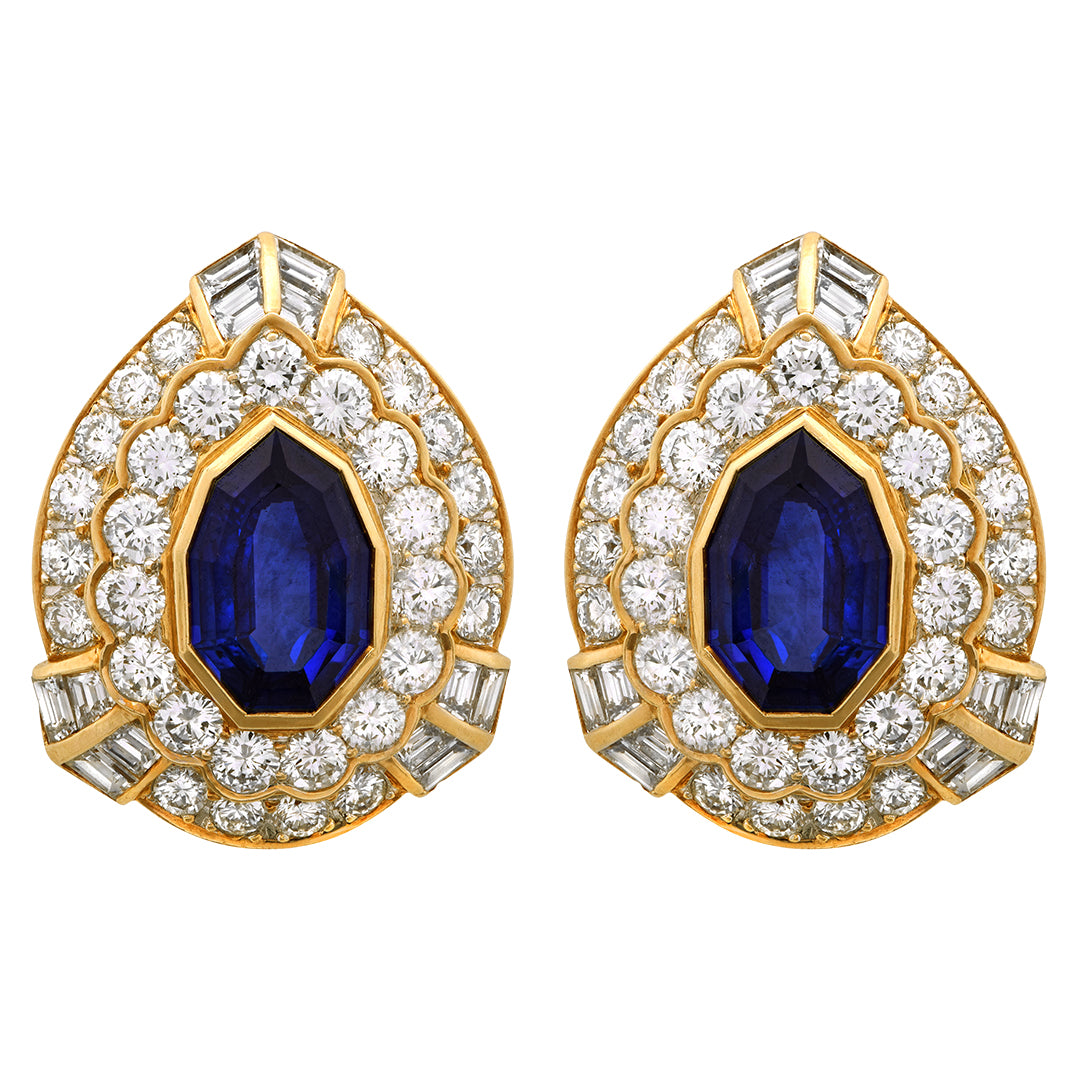
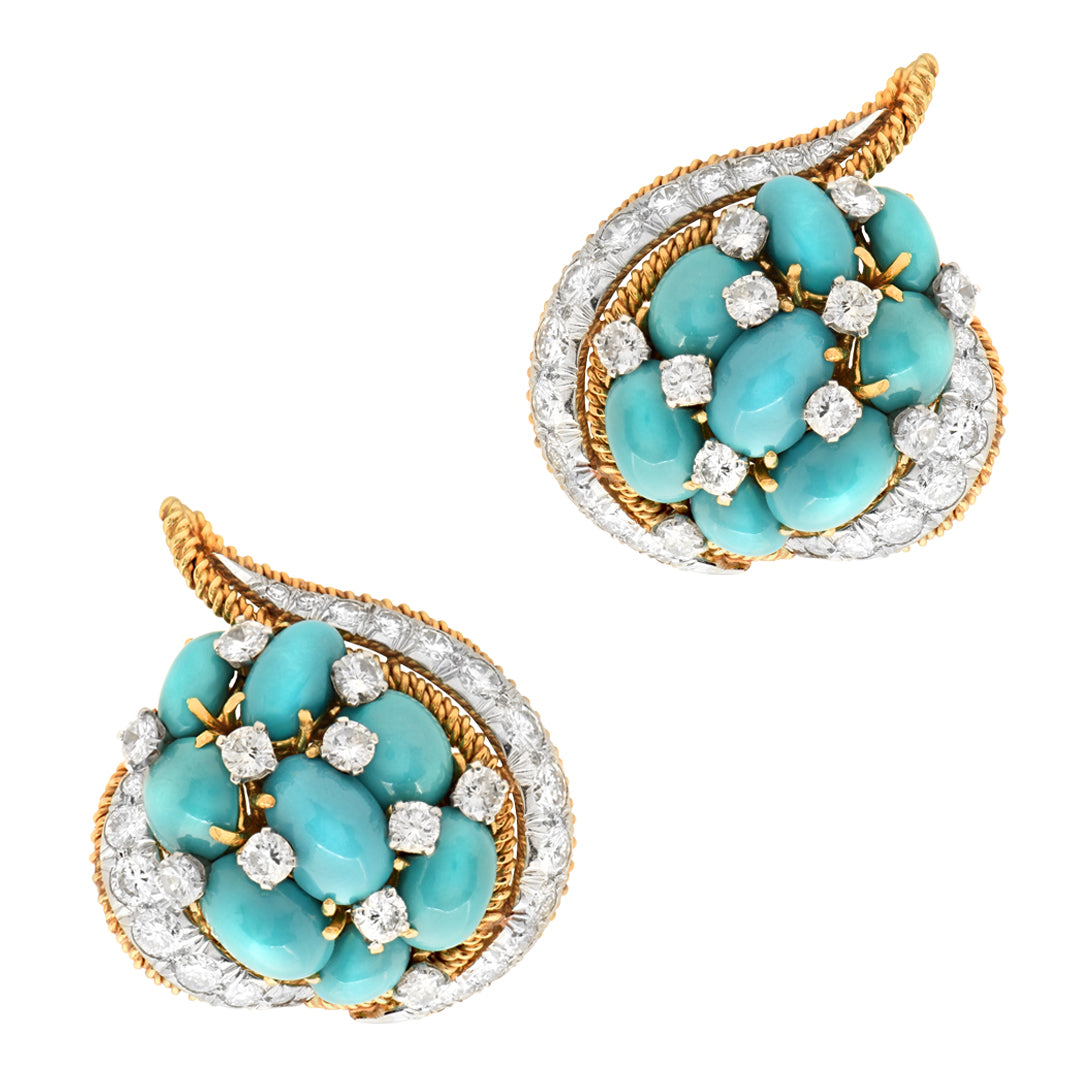
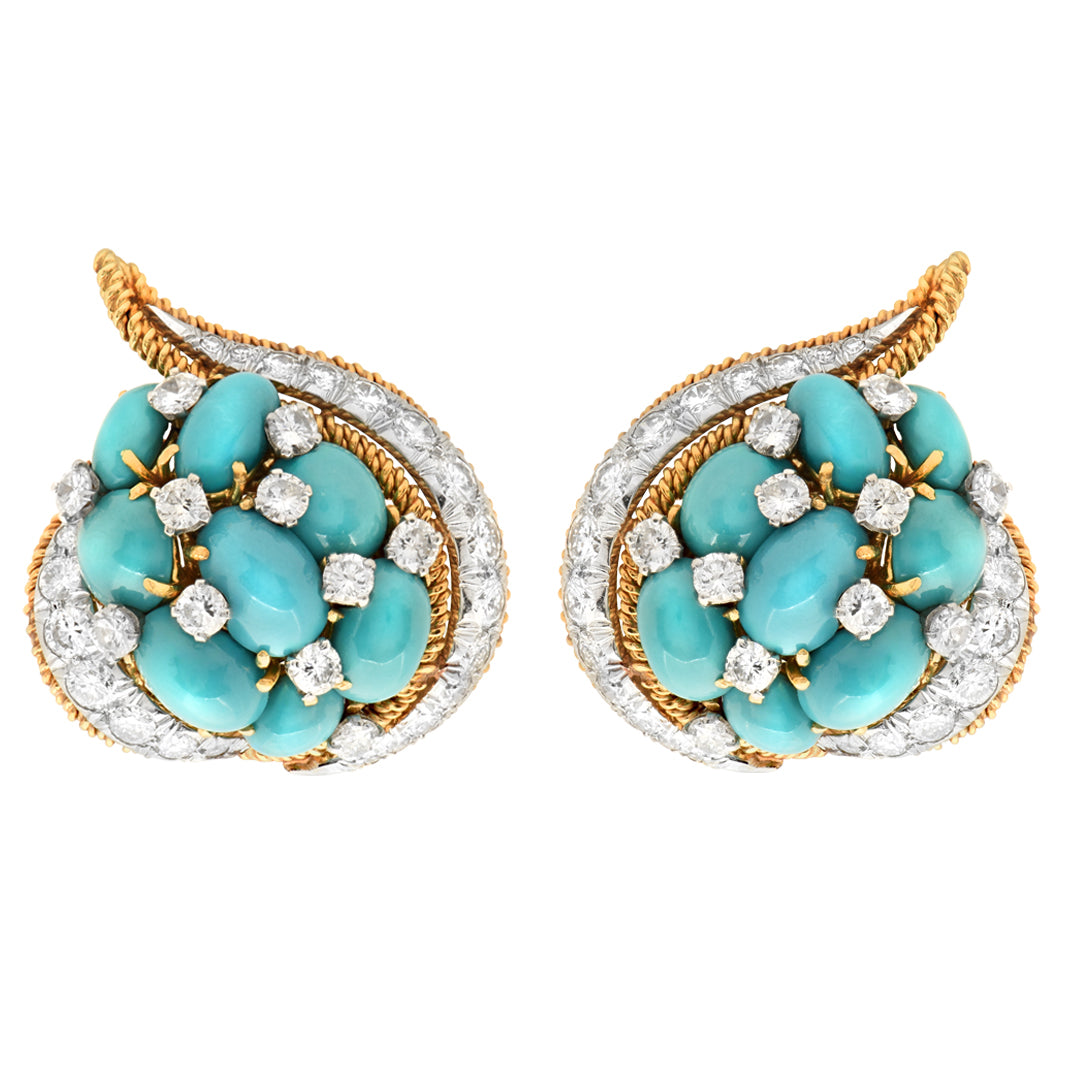
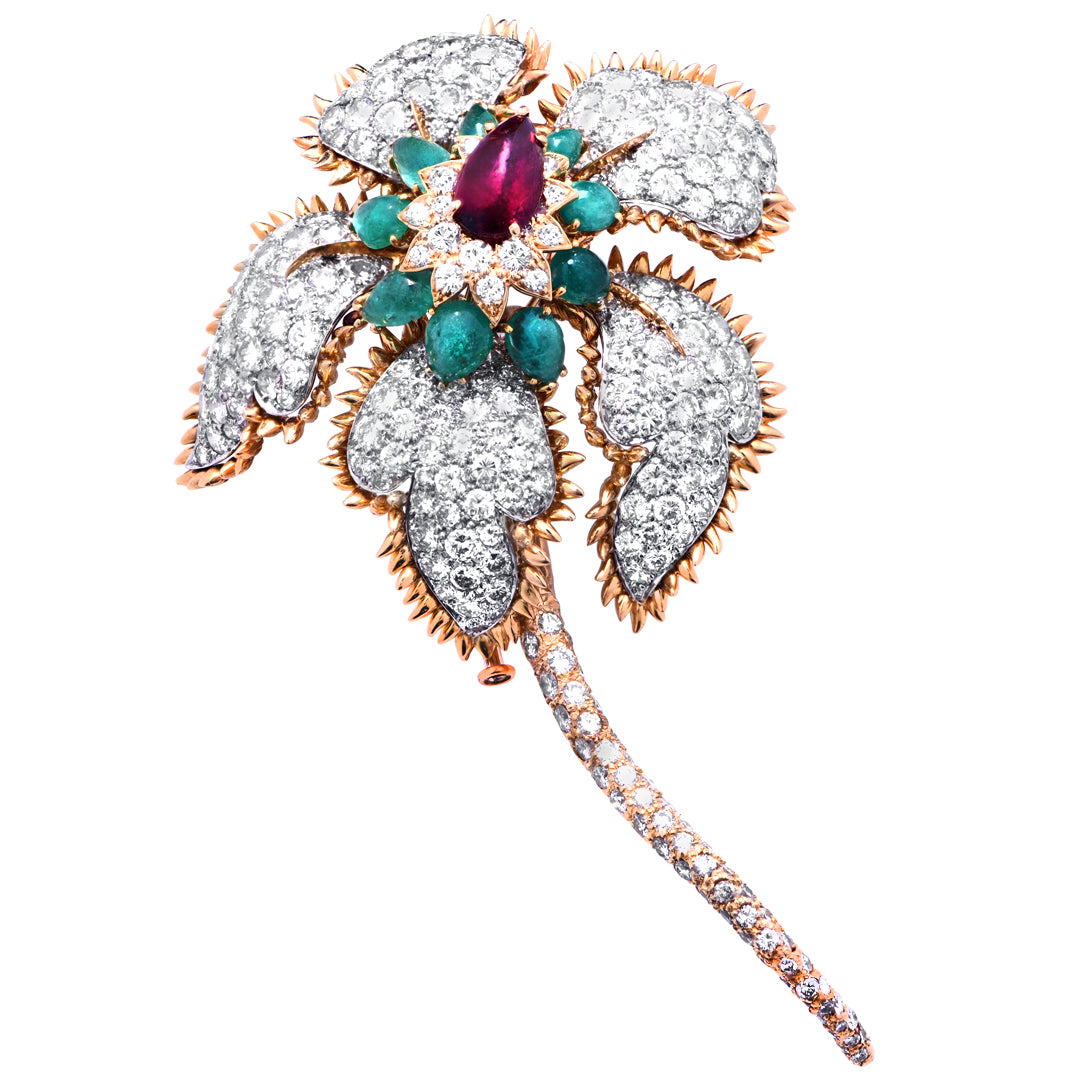
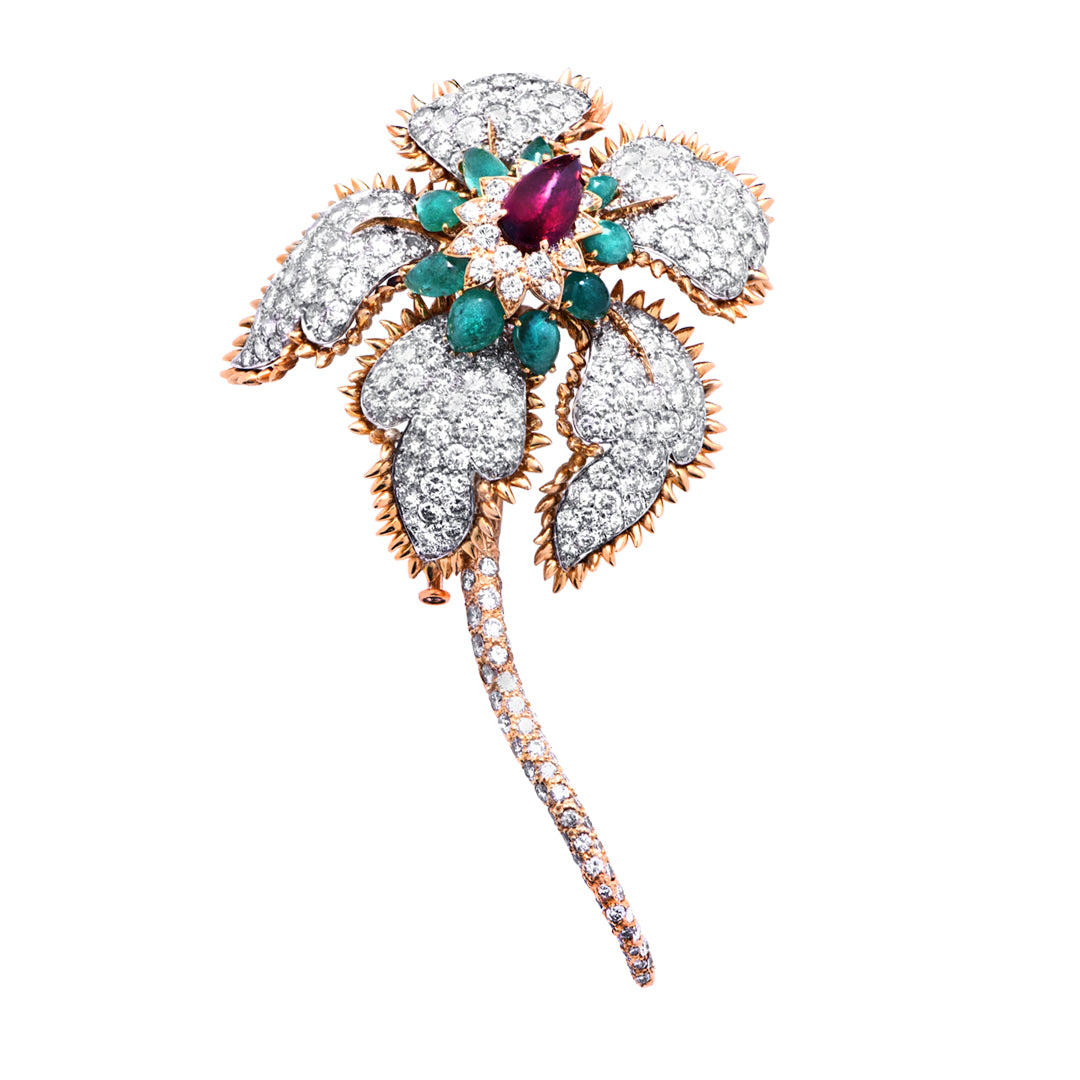
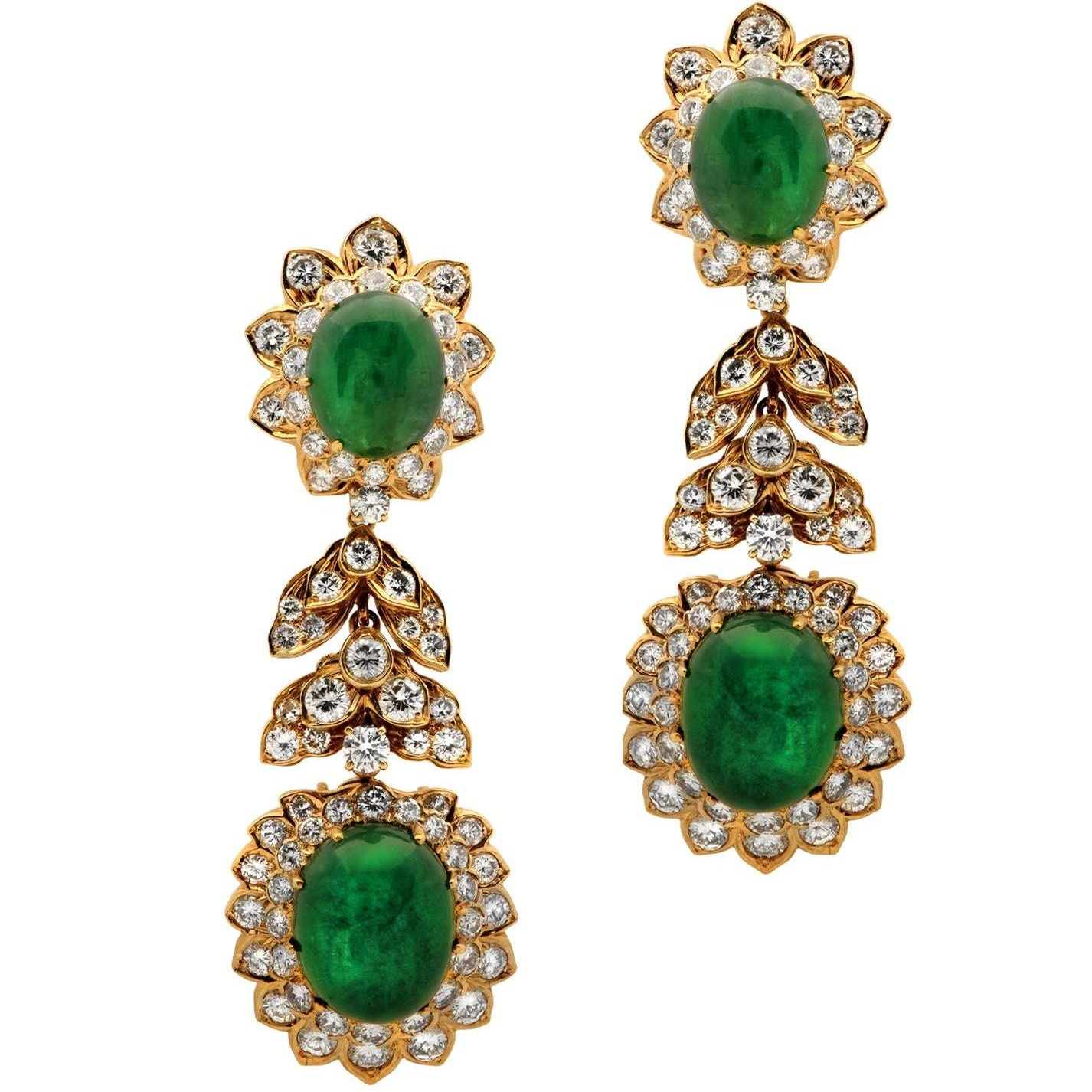
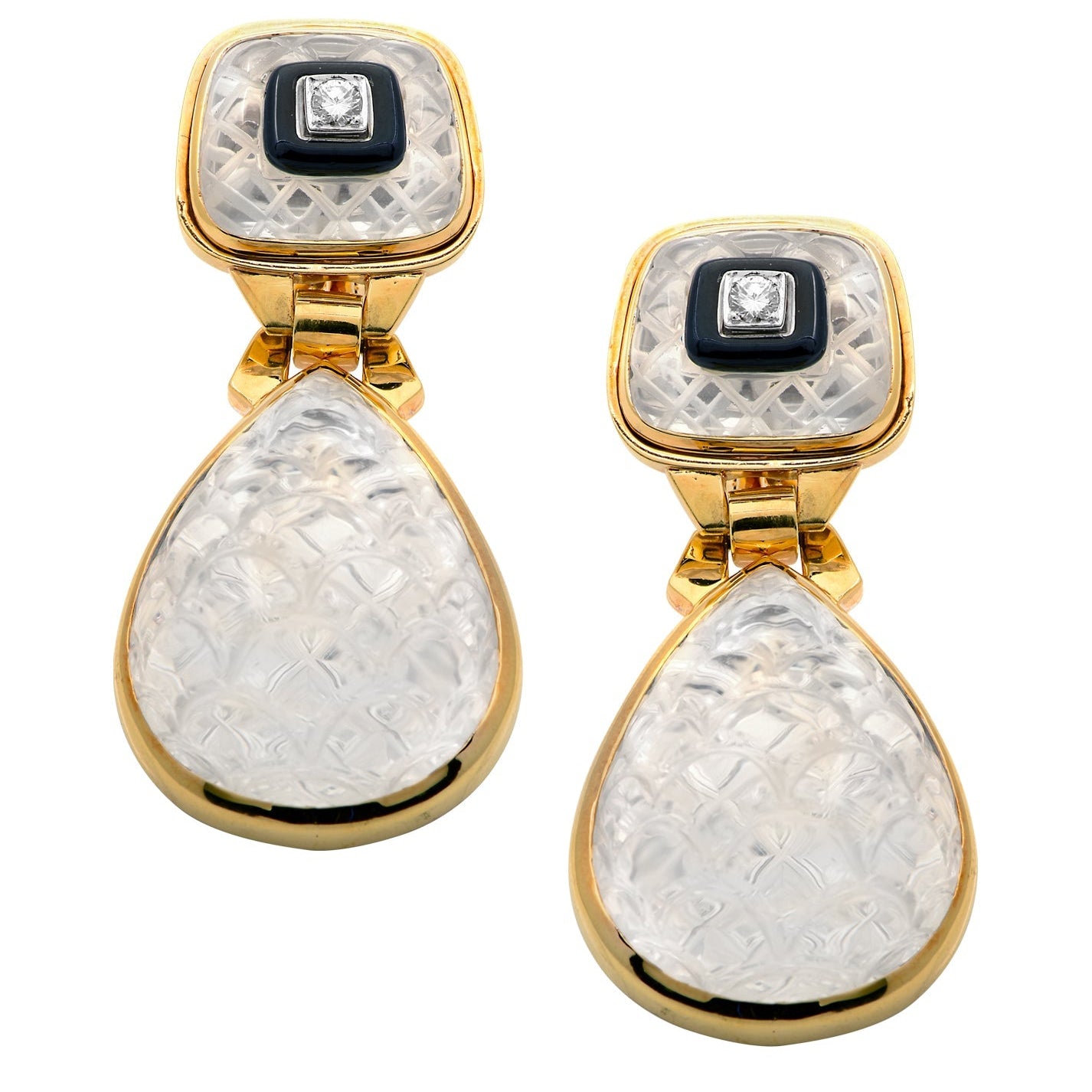
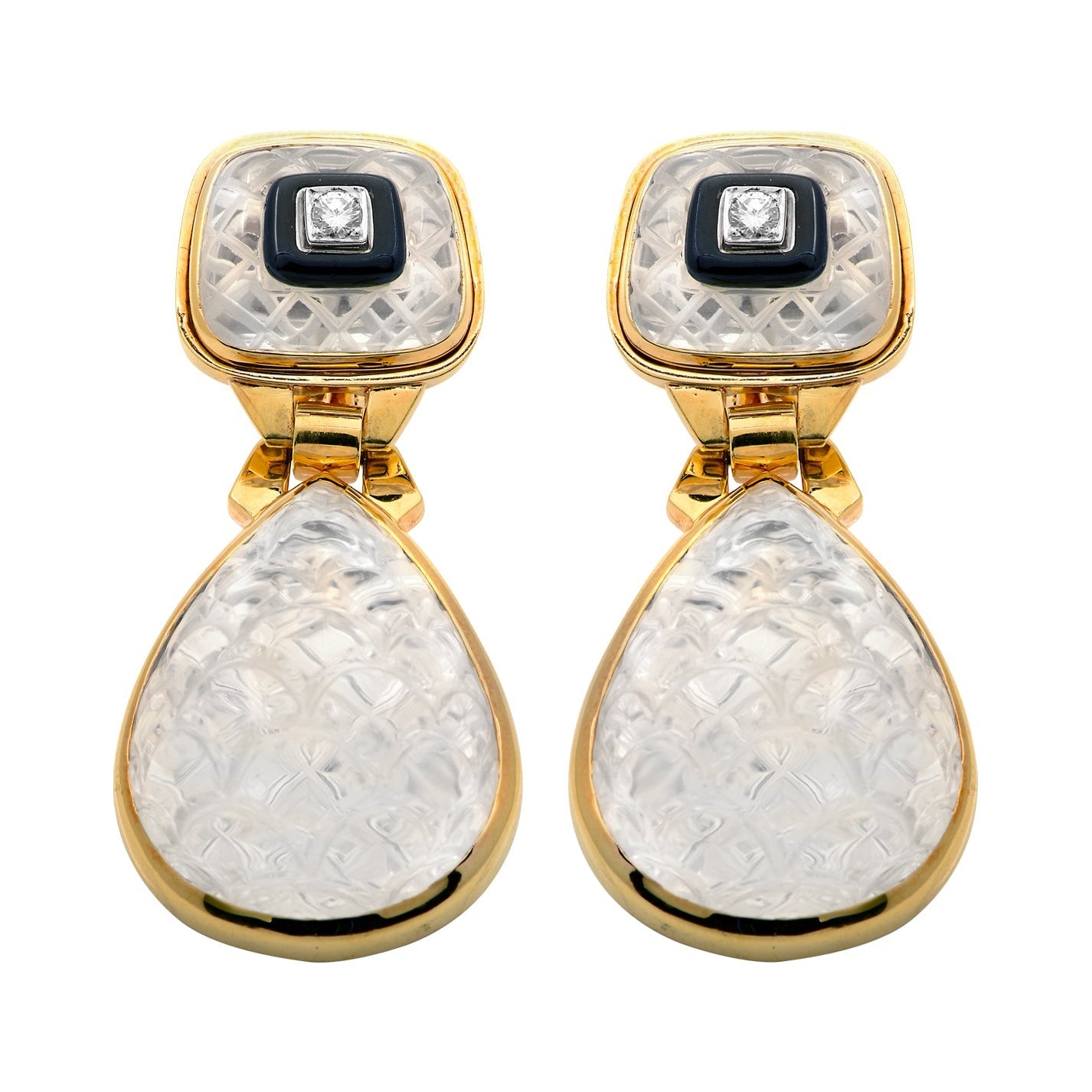
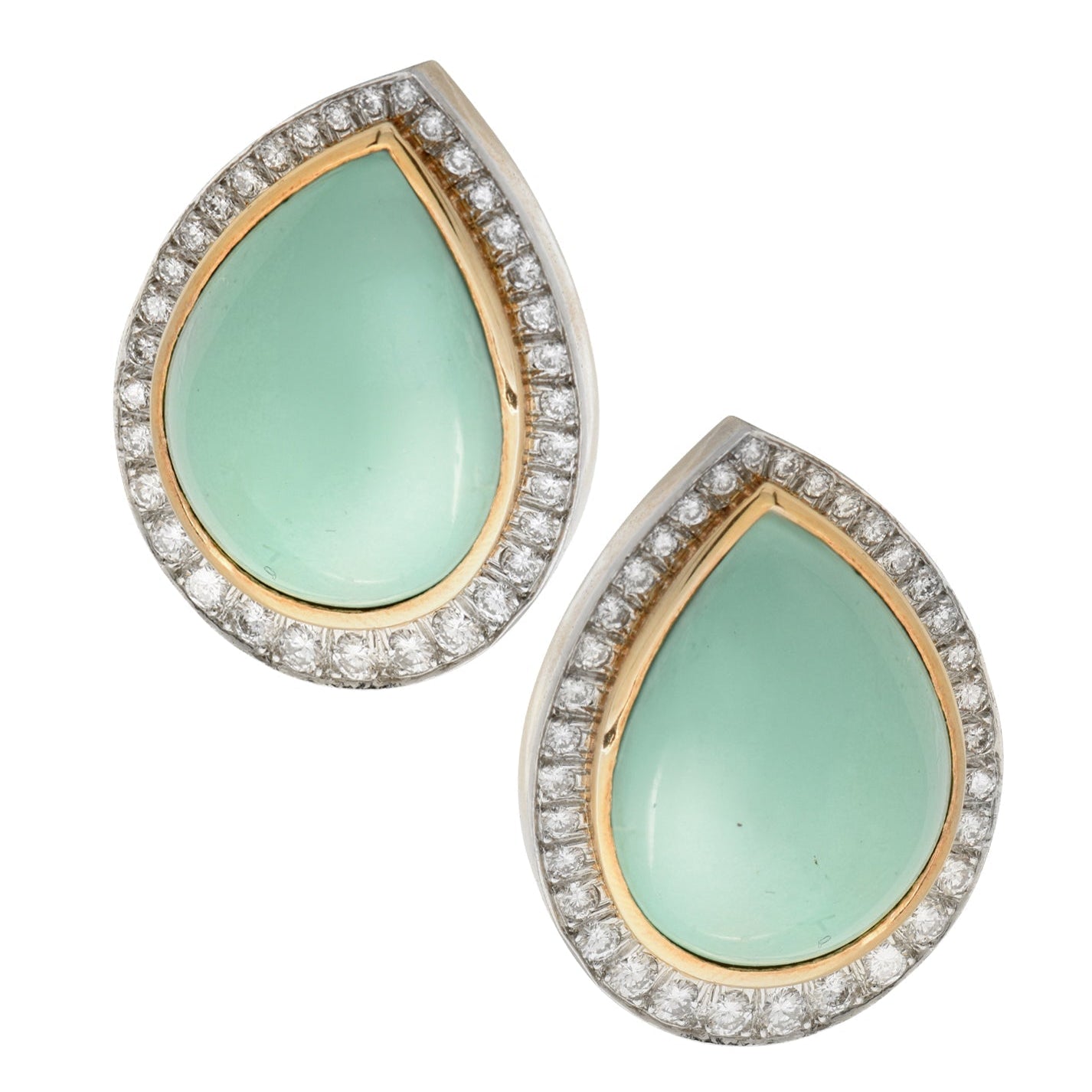
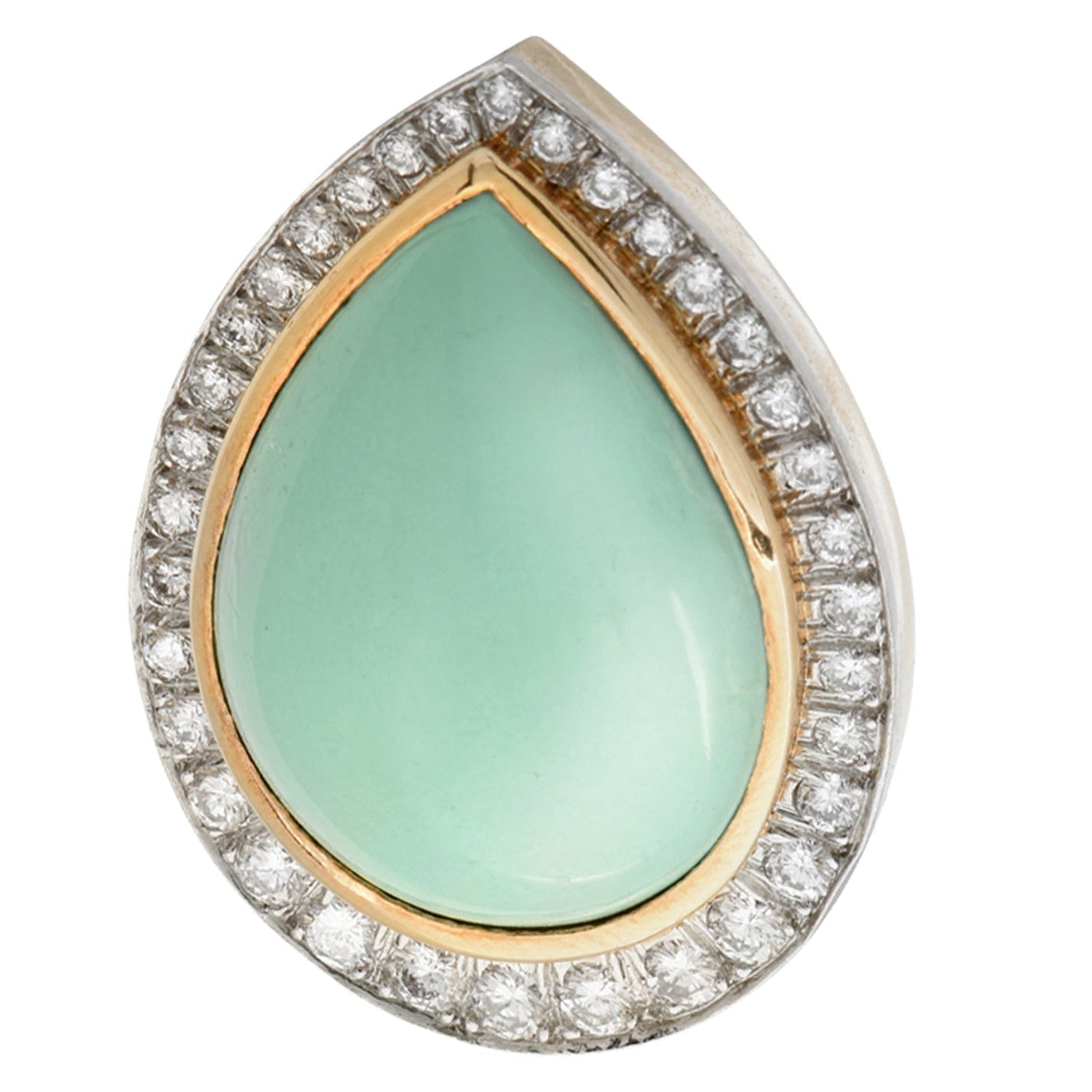
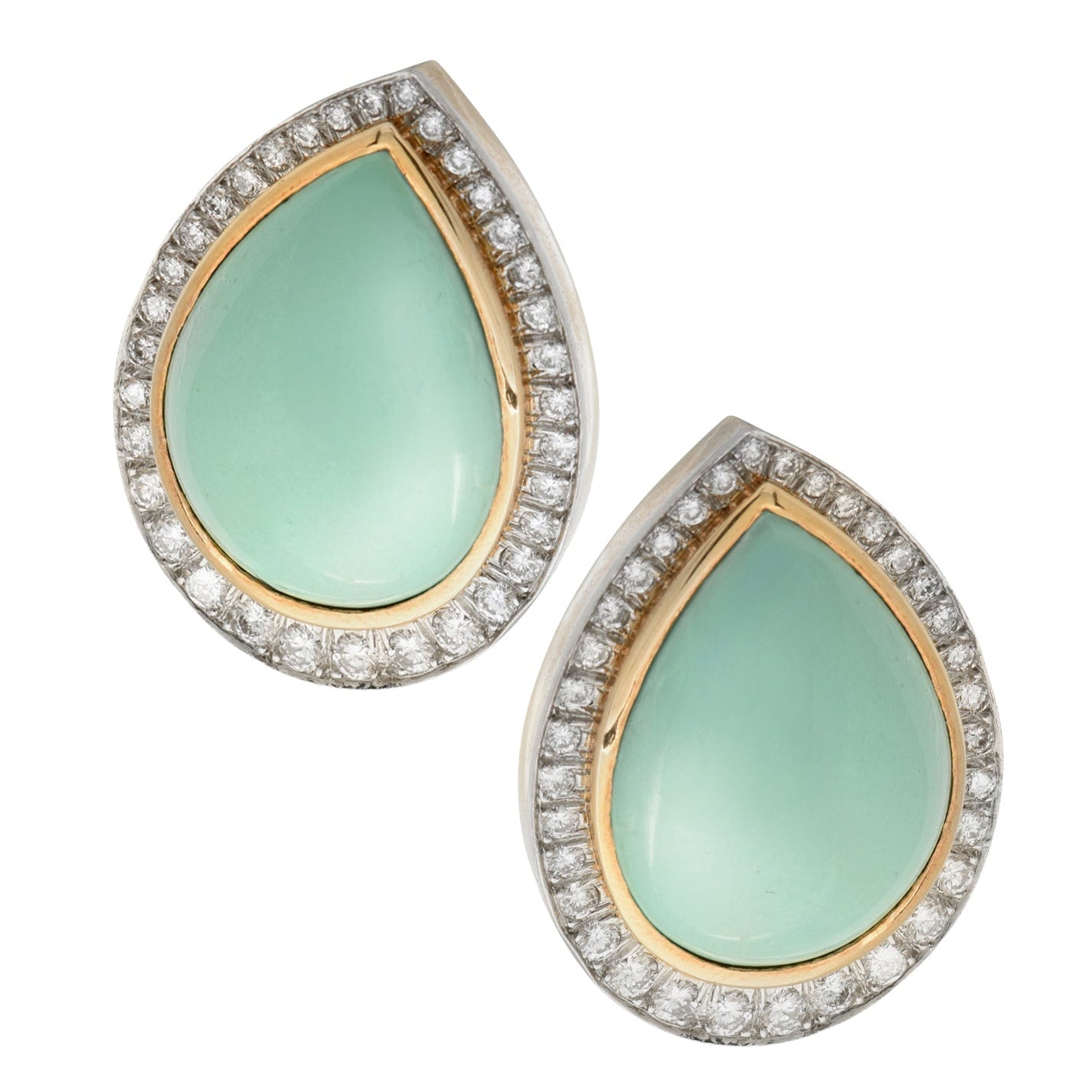
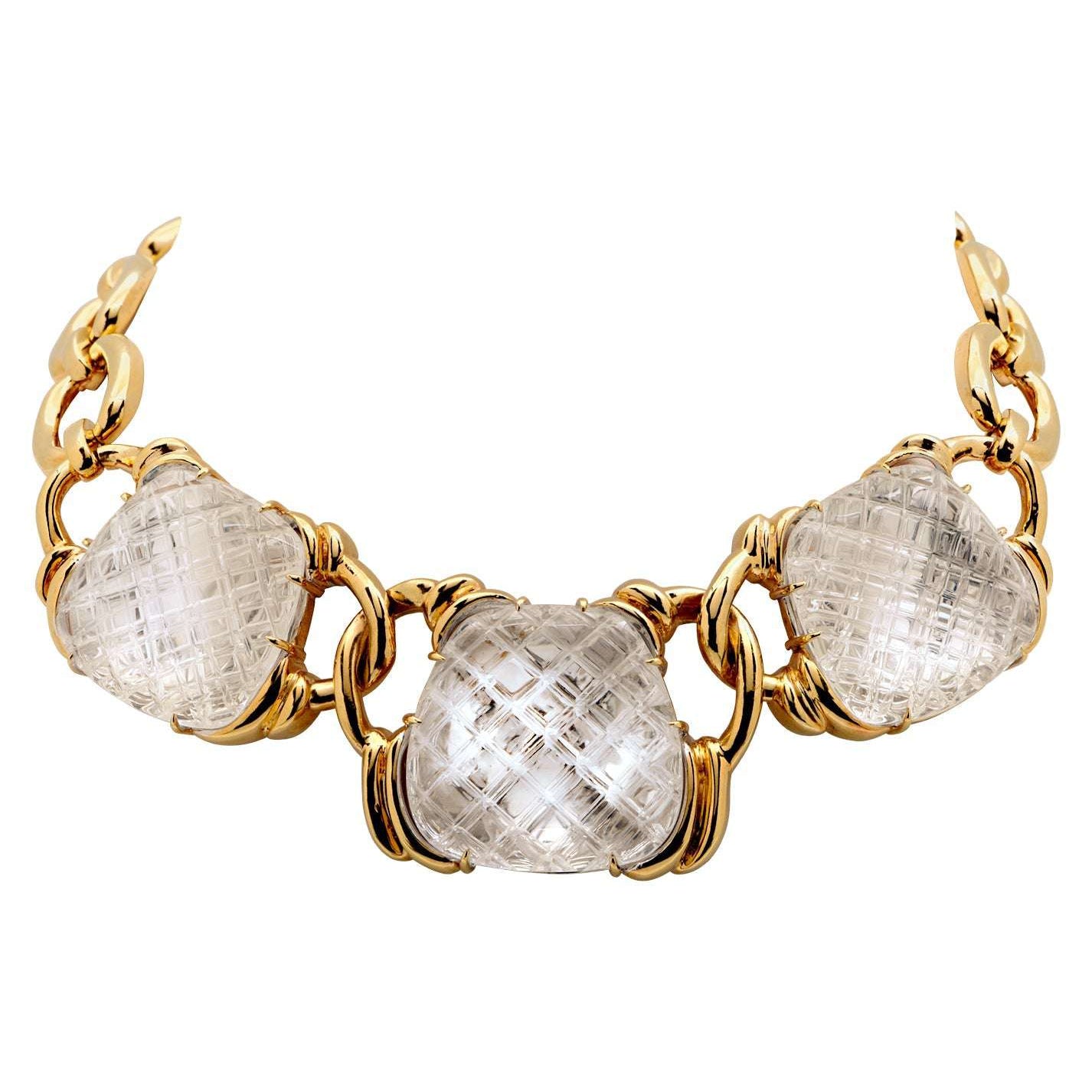
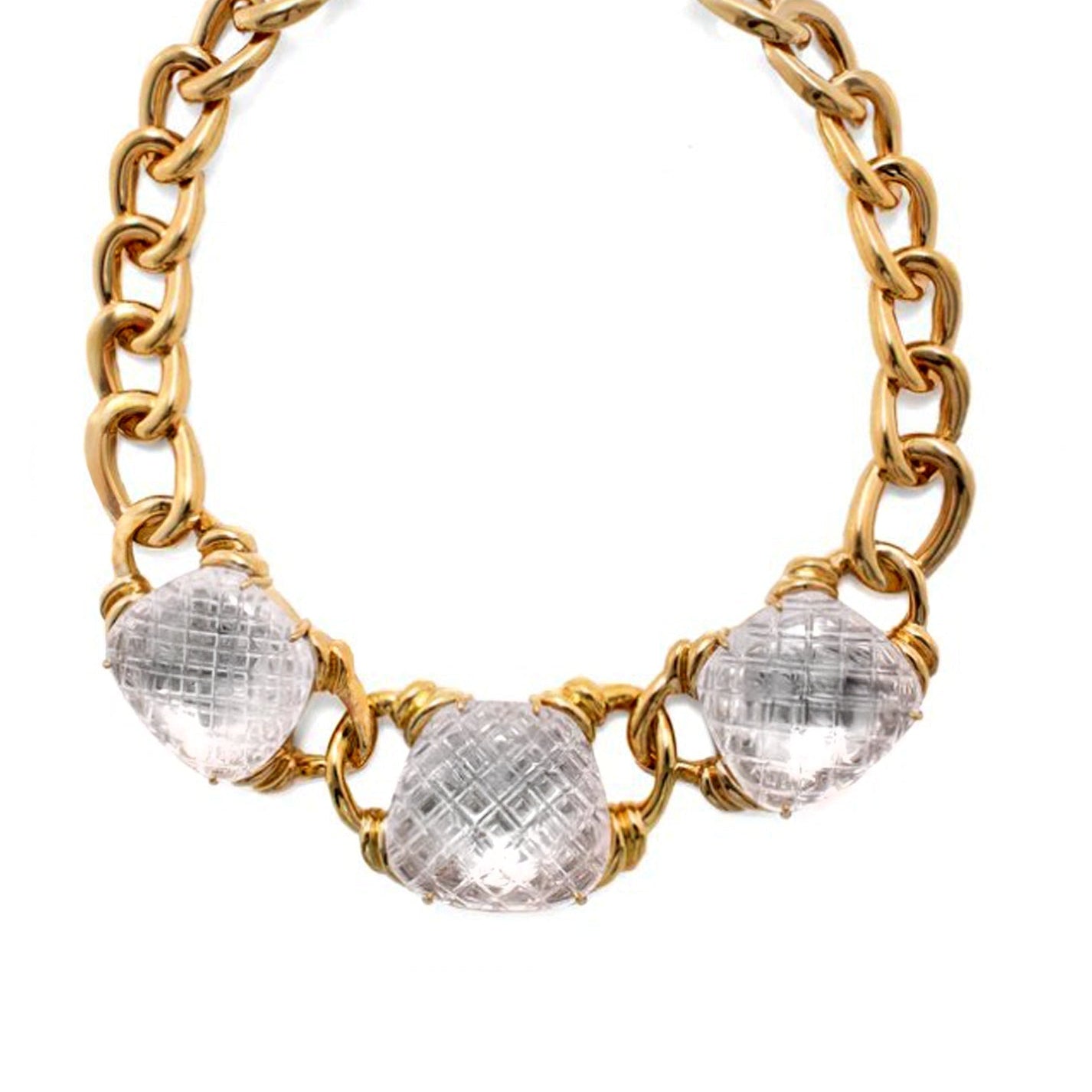
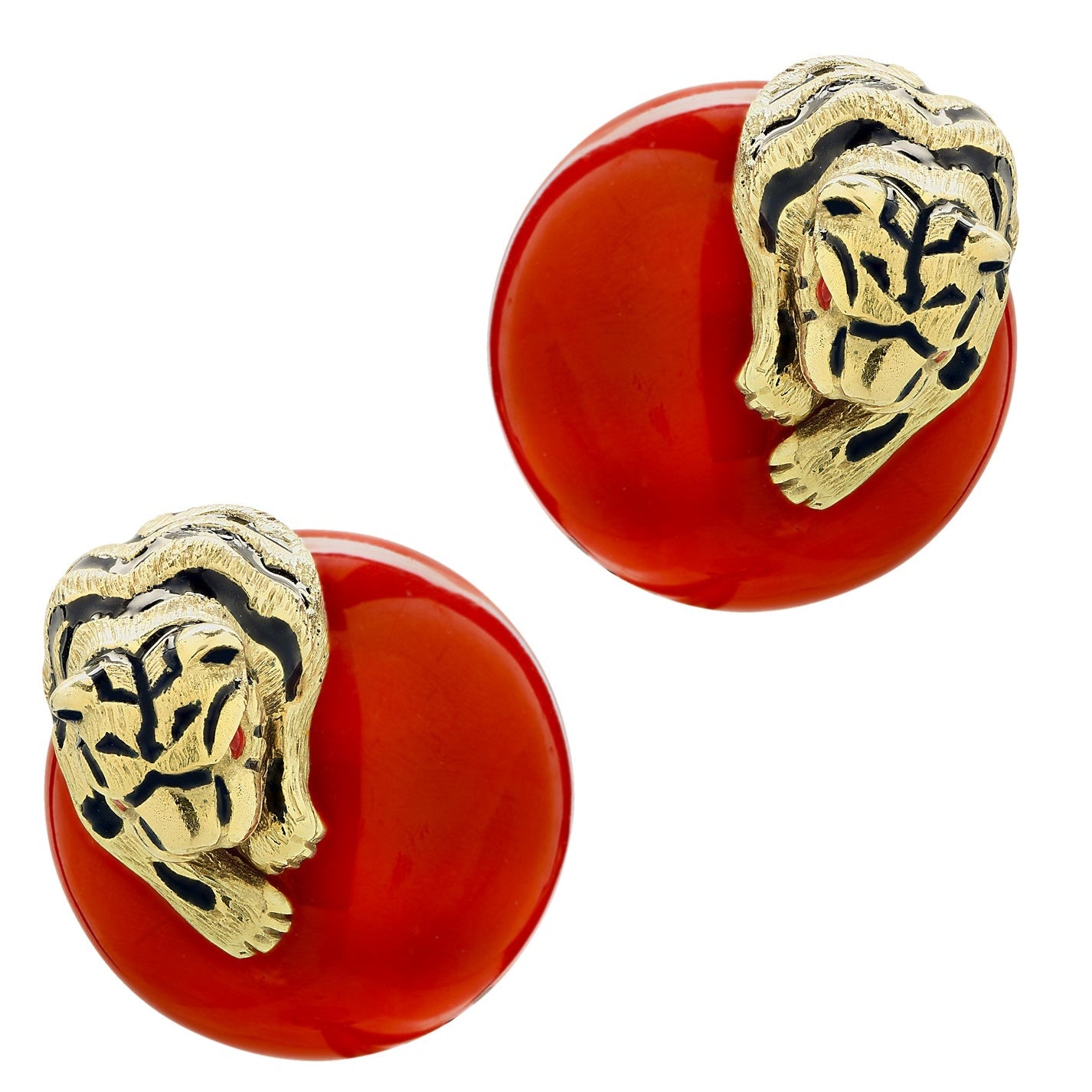
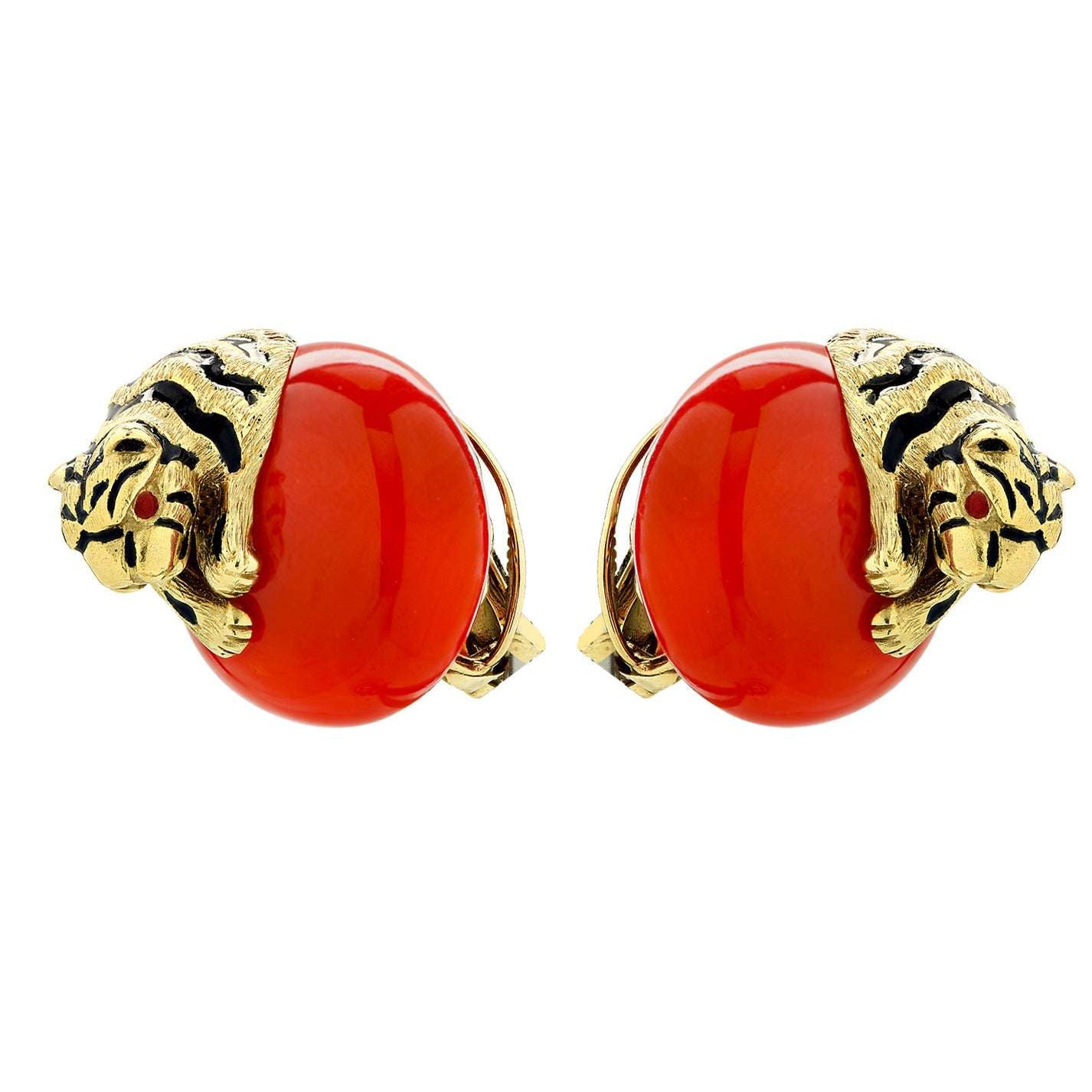
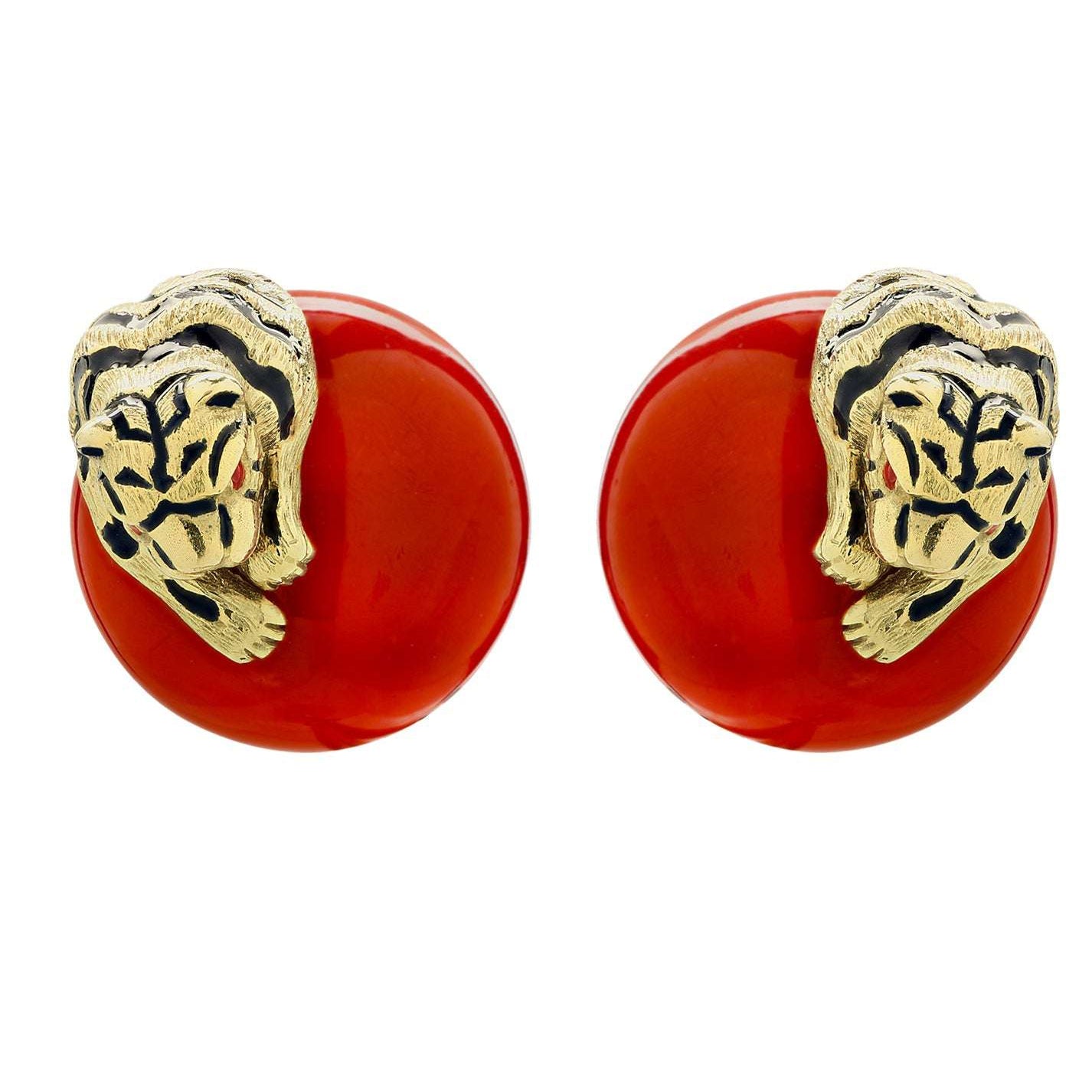
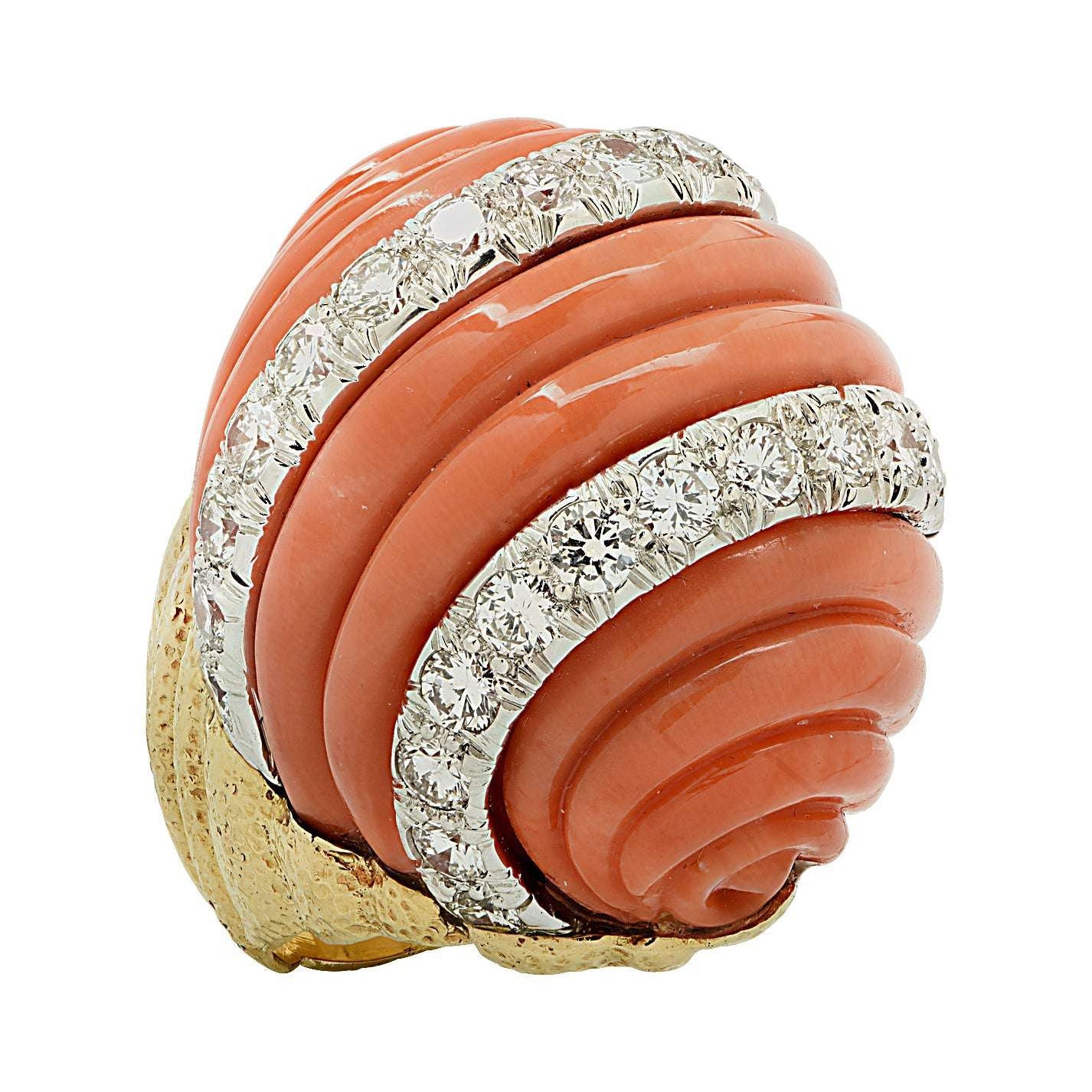
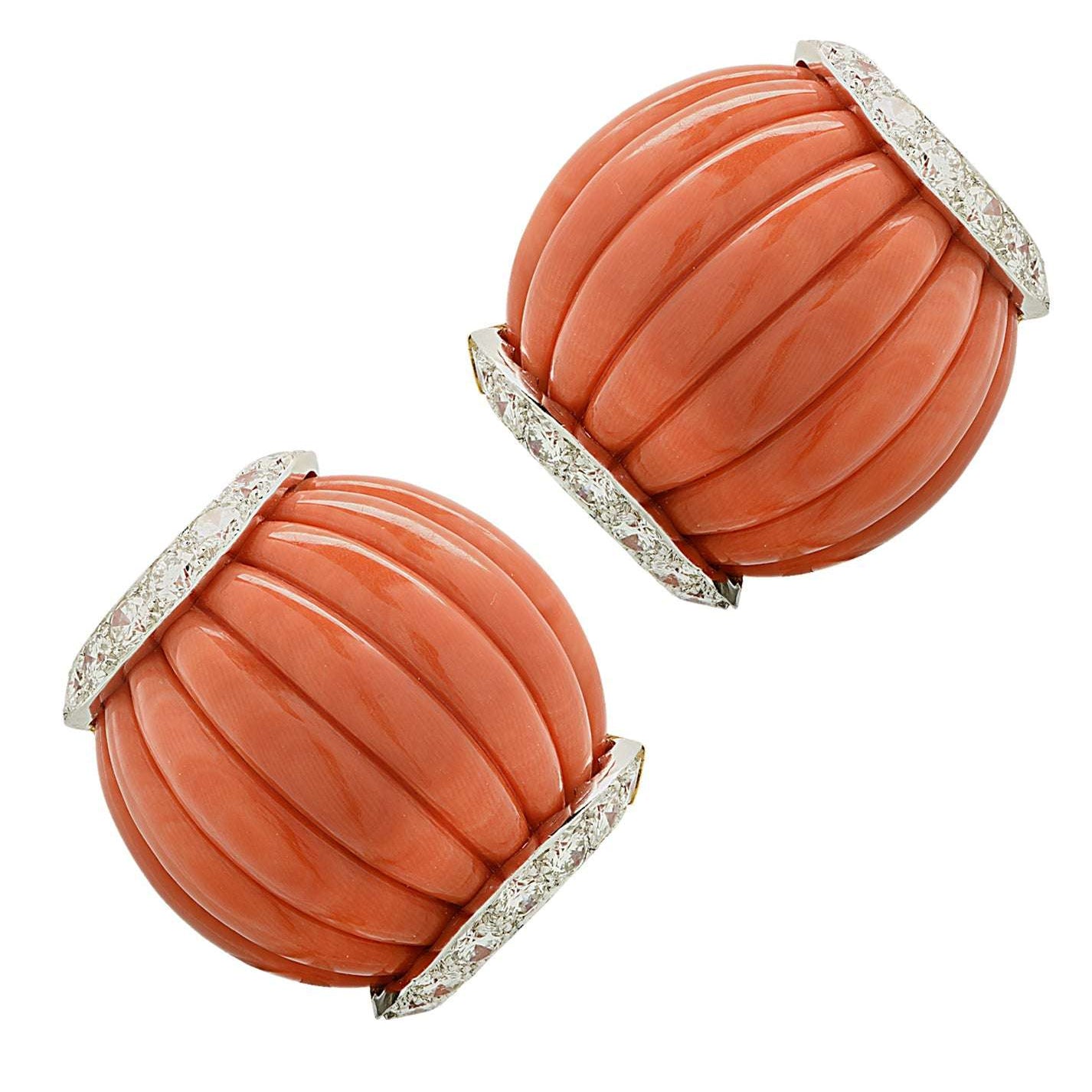
Enamel is where Webb's bravado shows. Expect glossy, saturated hues: jet black, optic white, Klein blue, emerald, coral red. The enamel should be even and thick with smooth transitions across contours, no puddling, ripples, or inconsistent color. High-contrast pairings are common (black-and-white zebra stripes, for example), as are patterned fields that wrap fully around bangles and rings. Color stones, turquoise, coral, lapis, malachite, rock crystal, cabochon rubies and emeralds, are often selected for graphic impact, then accented with diamonds typically set in platinum for strength and brightness.
Animal Motifs, Ancient Influences, And Sculptural Forms
The animal kingdom is synonymous with David Webb: zebras, tigers, frogs, dragons, elephants, and chimera heads that hinge to embrace the wrist. But the narrative is broader, Maltese crosses, heraldic medallions, and architectural plaques reference Byzantine and Renaissance ornament, while carved rock crystal and fluted gold nod to Art Deco geometry. The forms are sculptural and three-dimensional: they're designed to be seen in the round, not just face-on.
Iconic Pieces And Collections
Certain families within David Webb Jewelry have become canonical, both culturally and in the market.
Animal Bracelets And Kingdom Motifs
The house's animal bangles are engineered like miniature mechanisms. Look for spring or hinge closures tucked under a head or tail, carefully aligned enamel striping, and gem-set eyes that animate the creature. Zebras and tigers are perennial: rarer motifs, dragons or double-headed chimera, command premiums. Contemporary "Kingdom" pieces continue the lineage, often mixing carved hardstones with enamel and diamonds.
Maltese Crosses, Heraldic Themes, And Medallions
Webb's Maltese Crosses, rendered as brooches, pendants, and notably as convertible cuffs, are deeply collectible. Expect bold arms articulated by cabochons and diamonds, framed in hammered gold. Heraldic shields, coin-like medallions, and laurel motifs read as modern armor, strong, graphic, and surprisingly versatile. Many brooches convert to pendants or clip onto cuffs, a functional flourish you'll appreciate when styling.
Statement Rings, Cuffs, And High-Color Gem Suites
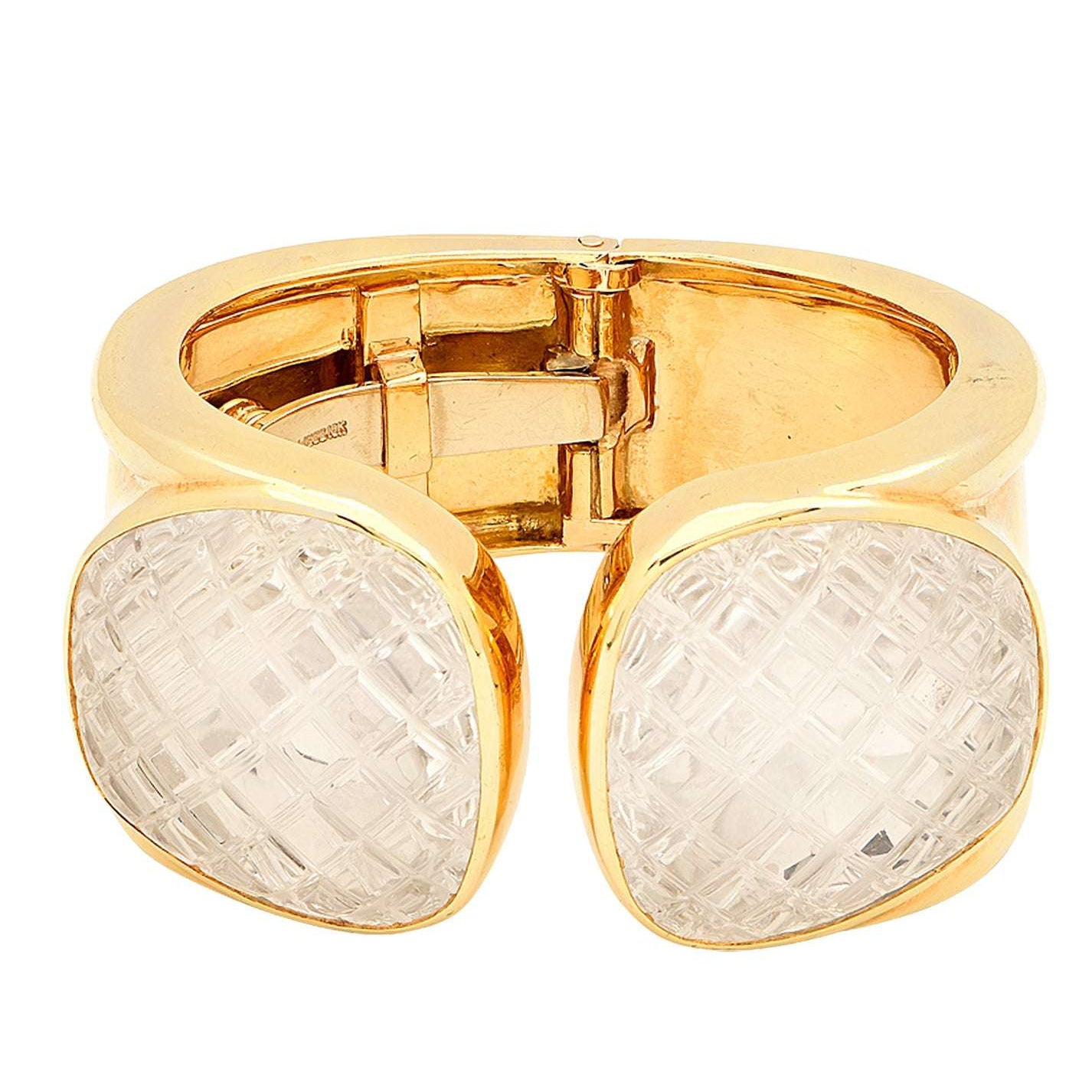
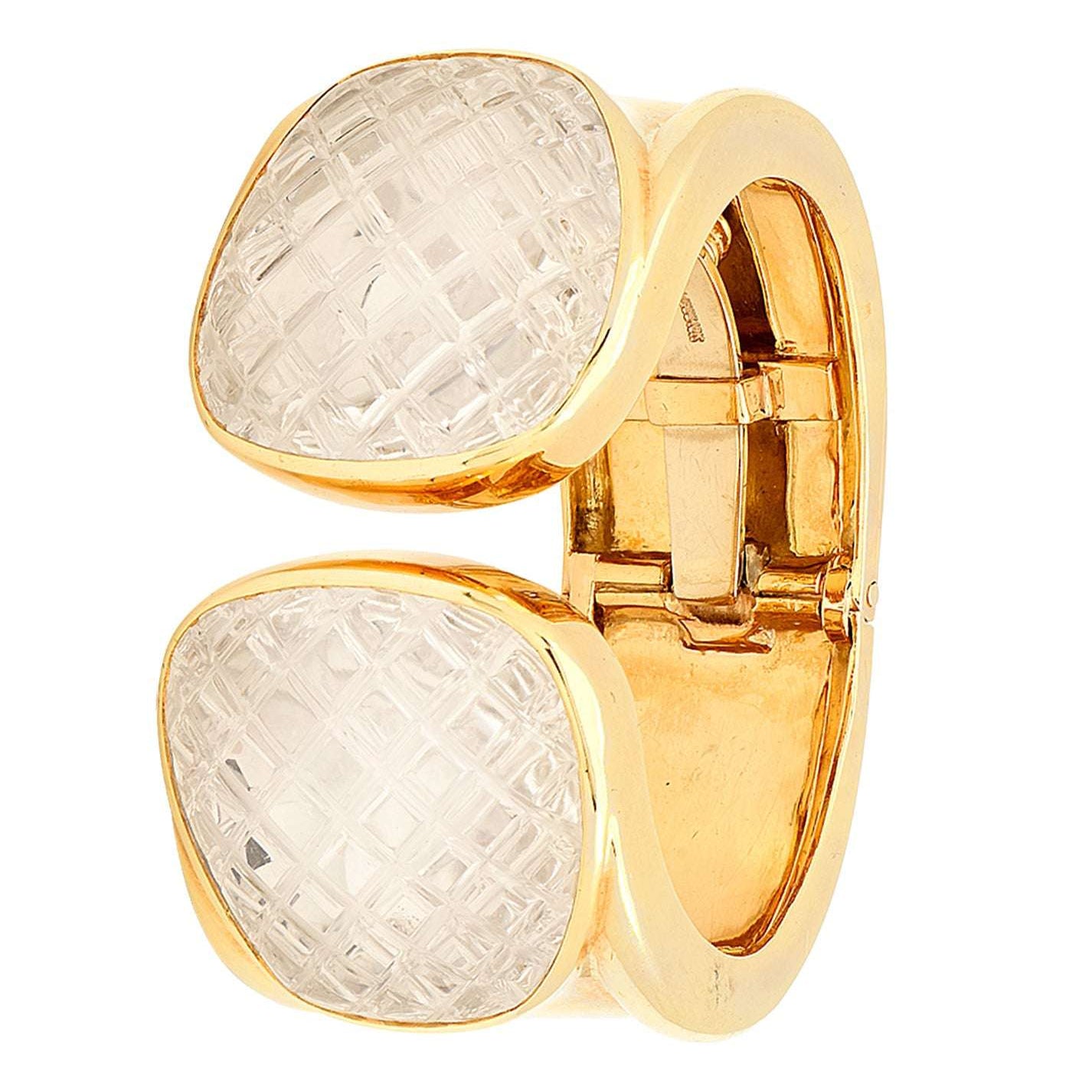
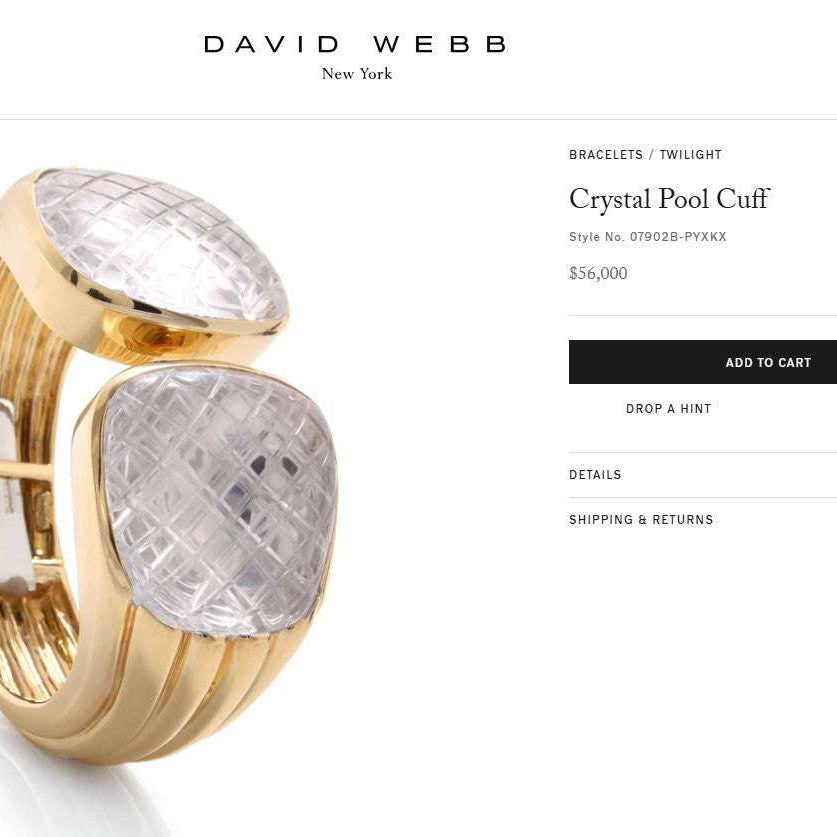
Think cocktail rings with high domes, bombe silhouettes, and gem suites that pair turquoise or coral with diamonds for a punch of color. Classic Webb cuffs are wide, architectural, and sometimes punctuated by rock crystal plaques or carved jade. Suites, necklace, bracelet, earrings, appear at auction periodically: complete vintage sets in excellent condition are scarce and highly pursued.
Identifying And Authenticating David Webb
Authenticating David Webb Jewelry is equal parts art and due diligence. Approach it systematically.
Hallmarks, Stamps, And Era Clues
Most pieces are signed "DAVID WEBB" in block letters, typically on the interior of a shank, clasp, or undergallery. You'll often see metal fineness marks such as "18K" or "PLAT" (or both, Webb frequently used platinum for diamond settings paired with 18K gold bodies). Stamp style and placement can vary by era and piece type: vintage works may feature slightly different typographic spacing than current production. Beware of signatures that look shallow, sloppy, or inconsistent with the quality of the rest of the jewel.
Construction Quality, Enamel Work, And Settings
Scrutinize engineering. Hinges should articulate smoothly with tight tolerances: screws sit flush: interior finishing is clean and consistent. Enamel should be evenly applied with crisp borders and no exposed pitting. Diamonds are typically bright and well-matched, often bead- or bezel-set in platinum: prongs should be robust and neatly finished. Weight matters, a Webb bangle or ring generally feels substantial in hand.
Documentation, Provenance, And Expert Verification
Original David Webb receipts, boxes, or archive references add value, but they're not always available, especially for vintage pieces. For meaningful acquisitions, request a professional evaluation from a specialist jeweler or a trusted auction house. When in doubt, consult the David Webb boutique or workshop for service history and verification guidance: they maintain archives that can sometimes help date or contextualize a piece.
Buying, Pricing, And Collectibility
Whether you buy new from the house or hunt vintage, a clear strategy will protect you and your budget.
New Versus Vintage: Where To Shop And What To Expect
Purchasing new from David Webb or authorized retailers gives you contemporary production, current warranties, and access to customization and servicing. Vintage pieces, sourced through reputable dealers, estate jewelers, and major auction houses, offer discontinued designs and, at times, more favorable pricing for everyday rings and earrings. Iconic motifs (animal bracelets, large Maltese Cross cuffs) can command as much or more on the vintage market depending on condition and rarity.
As a directional guide: classic enamel animal bracelets often range from the mid–five figures to low six figures: large hammered gold cuffs and important brooches can sit anywhere from $25,000 to $150,000+: statement rings typically span roughly $8,000 to $40,000 depending on stones and scale. Exceptional or historically notable examples will exceed these ranges.
Condition, Sizing, And Restoration Considerations
Condition is paramount. Enamel loss, over-polishing, replaced stones, or softened edges affect both price and long-term enjoyment. Gentle, period-correct restoration by specialists is acceptable, re-enameling is possible but should be documented and performed by experts familiar with Webb's techniques. For rings, resizing should respect the integrity of the shank and any enamel patterning: cuffs and rigid bangles offer limited sizing flexibility, so measure precisely before purchase.
Rarity, Market Trends, And Investment Outlook
David Webb Jewelry has remained resilient in the secondary market because supply is limited, design language is distinct, and the workshop continues to champion old-world construction. Animal motifs, significant cuffs, and pieces with strong provenance see competitive bidding. While you shouldn't buy purely for investment, the right examples, fresh-to-market, excellent condition, on-icon designs, have historically held or appreciated. Track auction results, note hammer prices for comparable models, and be patient: the best collections are built slowly.
Care And Styling Tips
You'll preserve beauty, and value, by treating David Webb pieces as the handmade works they are.
Protecting Enamel, Gemstones, And Gold Finishes
Avoid hard knocks and sudden temperature changes: enamel can craze or chip under stress. Keep pieces away from chemicals (chlorine, perfume, hairspray). Put jewelry on last and take it off first. For gemstones like turquoise, coral, and lapis, avoid ultrasonic and steam cleaners: they're porous or heat-sensitive.
Storage, Cleaning, And Professional Servicing
Store individually in soft pouches or lined compartments to prevent abrasion, enamel against enamel is a bad idea. Wipe down with a clean, soft microfiber cloth after wear. For routine cleaning, use lukewarm water with a drop of mild soap and a very soft brush, then pat dry, no soaking. Schedule professional servicing with a jeweler experienced in Webb construction: hinges, clasps, and settings benefit from periodic checks, and any enamel work should be handled by a specialist.
Balancing Proportions And Pairing With Modern Wardrobes
Let scale guide you. If you wear a major animal cuff, keep the rest of your wrist minimal: if the ring is a dome, let it be the exclamation point. David Webb's graphic color and form pair beautifully with tailored monochromes, black suiting, white shirting, or knit columns. For evening, stack hammered gold with one high-color element for clarity. And don't be precious, Webb designed jewelry to be worn. The pieces come alive in motion and light.
Conclusion
If you appreciate jewelry with presence, history, and uncompromising build, David Webb Jewelry belongs in your rotation. Learn the signatures, hammered gold, saturated enamel, sculptural animal and heraldic forms, then buy the best condition you can find from reputable sources. Prioritize fit and integrity, document what you can, and service pieces with specialists. Do that, and your collection won't just turn heads today, it'll carry the house's bold heritage forward, one unmistakable silhouette at a time.
David Webb Jewelry: Frequently Asked Questions
What are the design signatures of David Webb Jewelry?
David Webb Jewelry is defined by hammered 18K gold with rhythmic texture, saturated enamel in bold contrasts, and sculptural animal and heraldic motifs. Expect substantial weight, crisp rope-twist and granulation details, and meticulously finished undergalleries. Diamonds are often set in platinum for strength and brightness, enhancing the graphic, three-dimensional forms.
How do I authenticate a David Webb piece?
Check for a clean “DAVID WEBB” signature and metal fineness marks like 18K and PLAT. Evaluate construction: smooth, tight hinges, substantial weight, even enamel without pits, and neatly finished interiors. Seek documentation or provenance when possible, and confirm with a specialist jeweler, reputable auction house, or the David Webb workshop.
How much does David Webb Jewelry cost today?
As a guide, enamel animal bracelets often range from mid–five figures to low six figures. Large hammered gold cuffs and important brooches can span roughly $25,000–$150,000+. Statement rings typically run about $8,000–$40,000. Rarity, condition, motif (e.g., dragons, chimera), and provenance can push prices higher.
Should I buy new or vintage David Webb Jewelry?
Buying new provides current production, warranties, and access to servicing or customization through David Webb. Vintage offers discontinued designs and sometimes more favorable pricing, though iconic motifs may equal or exceed retail. Shop authorized retailers, established estate dealers, and major auctions, and prioritize condition, fit, and verified authenticity.
How should I insure high-value David Webb Jewelry?
Obtain a detailed appraisal from a specialist familiar with David Webb, plus clear photos and any receipts or archive references. Use a scheduled or agreed-value policy to lock in coverage. Update appraisals as markets move, store pieces securely, and document maintenance or restoration to support future claims or resale.
Can enamel on vintage David Webb bracelets be restored safely?
Yes—by experienced enamel specialists who understand Webb’s techniques. Period-correct re-enameling is possible and should be fully documented. Costs vary with damage and complexity, often from several hundred to a few thousand dollars. Avoid ultrasonic or steam cleaning, and never DIY; improper work harms value and structural integrity.