Tiffany & Co. Jewelry

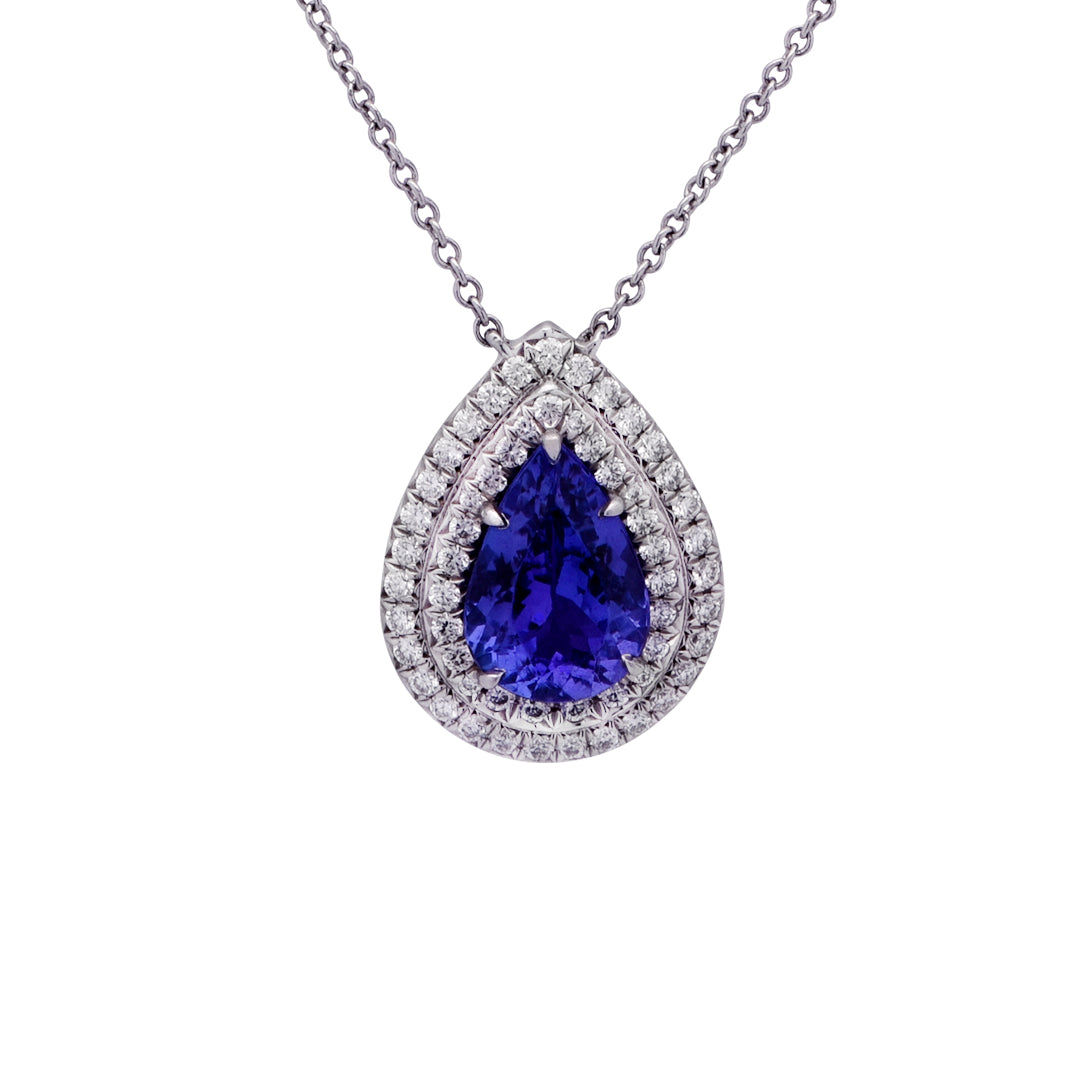
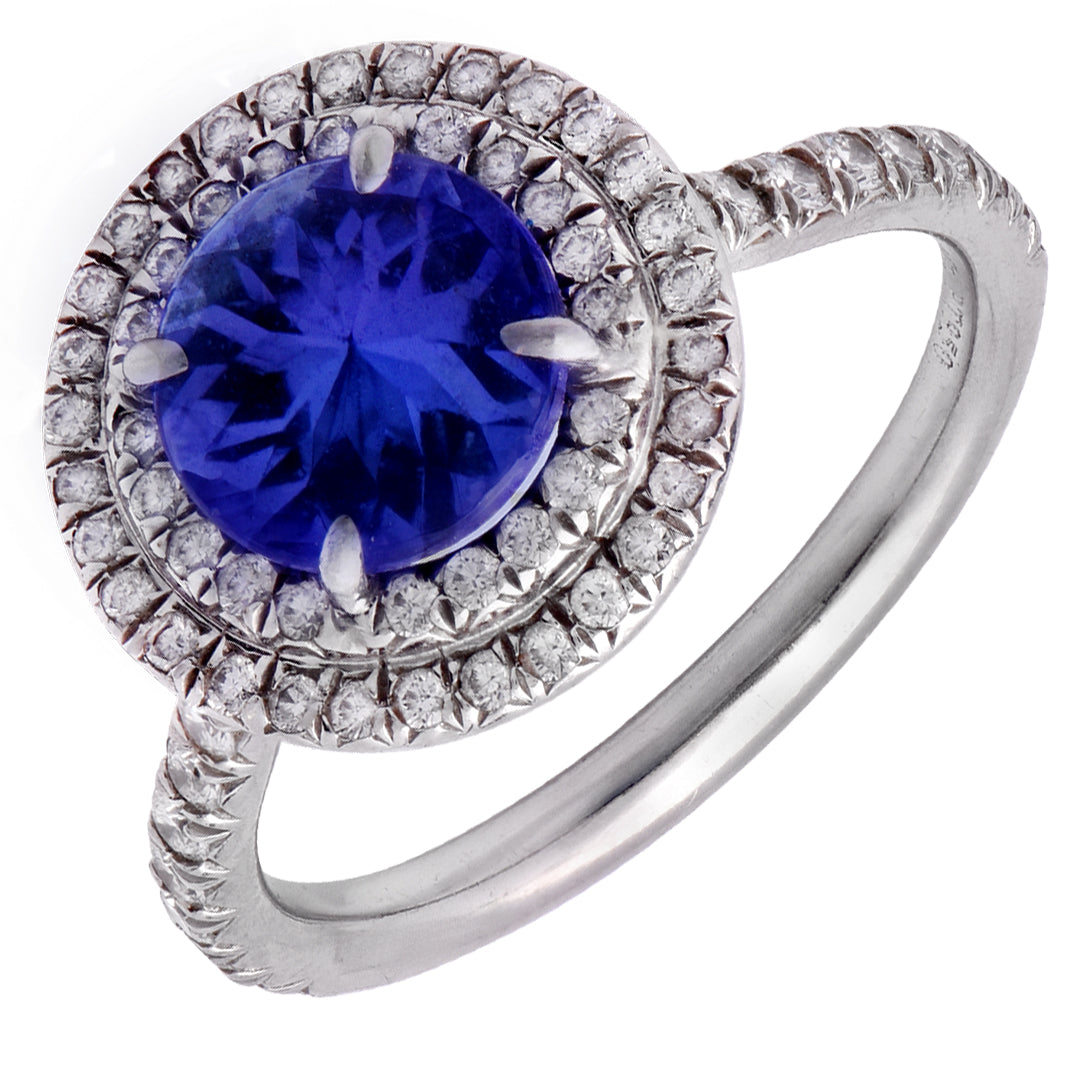
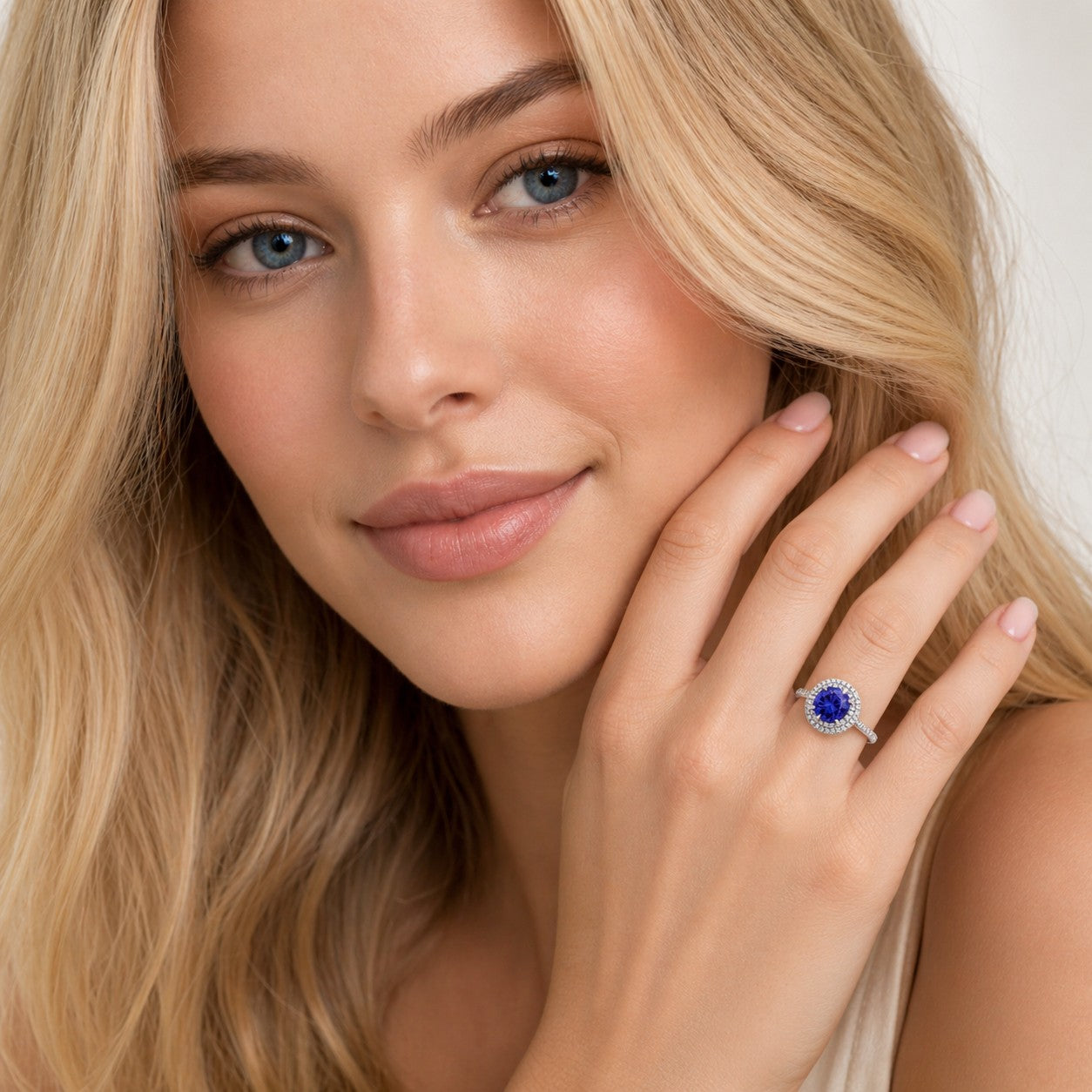
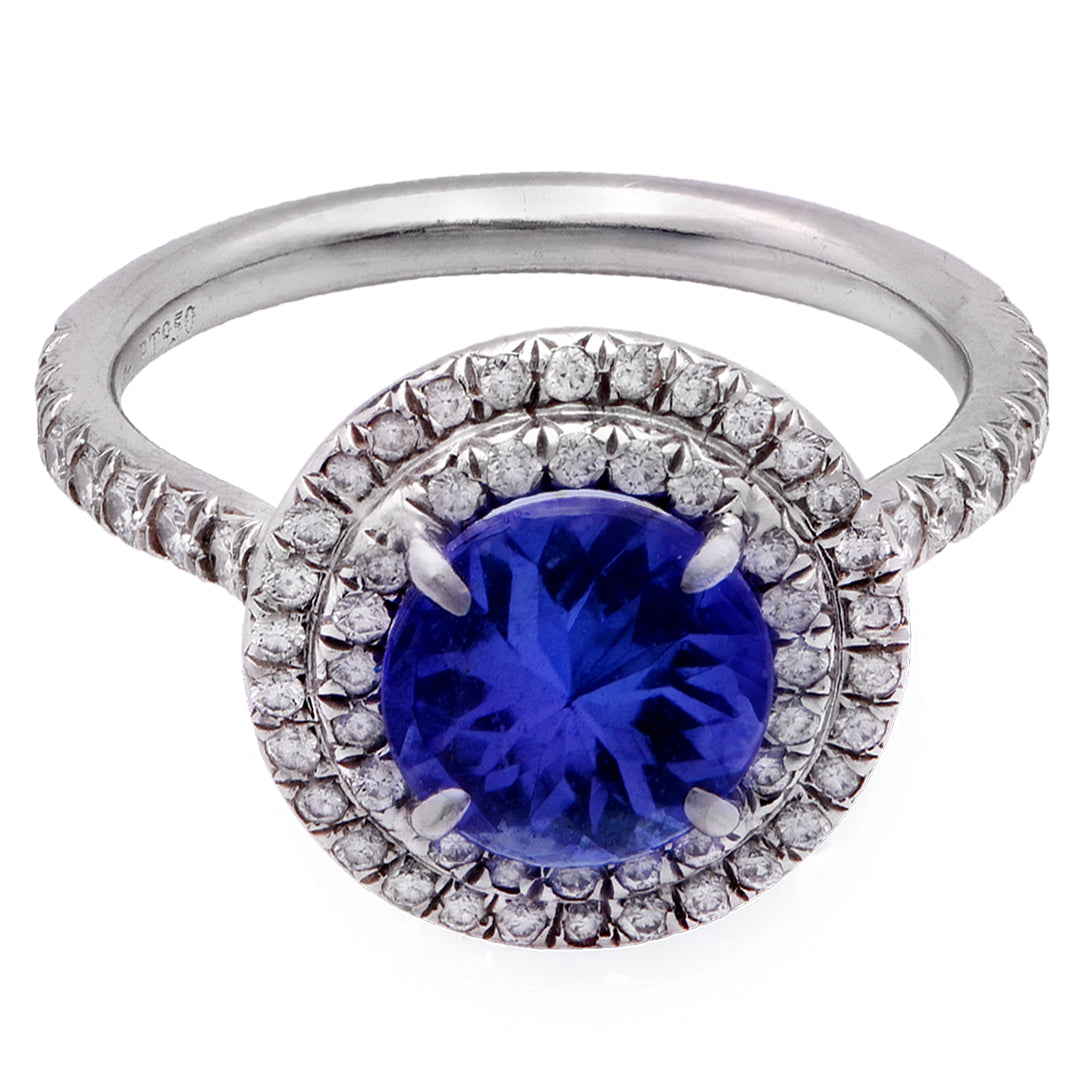
Tiffany & Co. Jewelry: History, Icons, And How To Buy
When you think of American luxury, you think of Tiffany & Co. jewelry. From the robin's-egg Tiffany Blue box to the six-prong engagement ring that reshaped the category, Tiffany has defined taste for nearly two centuries. If you're weighing a purchase, whether a heritage diamond ring, a modern T bracelet, or a pre-owned icon, understanding the brand's history, materials, hallmarks, and buying strategies helps you choose with confidence and keep your investment shining for decades.
Legacy And Heritage
Early Roots And Milestones
Tiffany & Co. began in 1837 when Charles Lewis Tiffany and John B. Young opened a "stationery and fancy goods" store in New York. The brand pivoted quickly to fine jewelry and silver, earning international acclaim at the 1867 Paris World's Fair and setting the American standard for sterling silver at .925 fineness. In 1886, the house introduced the Tiffany Setting, arguably the most influential engagement ring design in history, followed by a lineage of celebrated designers and high jewelry pieces that cemented Tiffany as a cultural touchstone.
Through the 20th century, Tiffany supplied gems and silver to tastemakers and institutions. Its Fifth Avenue flagship, immortalized in culture, became synonymous with the New York luxury experience. Today, the maison pairs heritage with innovation, expanding contemporary lines while preserving meticulous craftsmanship.
The Tiffany Blue And Brand Symbols
Tiffany Blue is more than a color: it's a promise. Often referred to as Tiffany Blue 1837 (a proprietary hue associated with the founding year), it appears on boxes, bags, and branding, and signals quality before the lid opens. Other instantly recognizable symbols include the Return to Tiffany tag (rooted in a 1969 key ring), the iconic six-prong Tiffany Setting silhouette, the T motif, and signatures from design legends. These symbols function as both design language and authenticity cues, helping you distinguish true Tiffany & Co. jewelry from lookalikes.
Iconic Designs And Collections
The Tiffany Setting
Introduced in 1886, the Tiffany Setting lifted the diamond above the band with six refined prongs, maximizing light return and brilliance. It's still the benchmark for solitaire engagement rings. You'll find variations, platinum and 18k gold, pavé bands, different carat sizes, but the essence remains: a timeless, architectural frame that makes the center stone the star.
Elsa Peretti, Paloma Picasso, And Jean Schlumberger
- Elsa Peretti: Known for organic, fluid forms, Peretti's Open Heart, Bone cuff, Bean, and Diamonds by the Yard modernized luxury with a sensuous minimalism. Her sterling silver pieces made design excellence widely accessible.
- Paloma Picasso: Bold, graphic, and joyful. Paloma's Graffiti, Paloma's Melody, and Sugar Stacks lean into color and play, bringing a painterly sensibility to fine jewelry.
- Jean Schlumberger: A master of imagination. Think enameled textures, X motifs, and flamboyant flora and fauna. Schlumberger's pieces, like the iconic Bird on a Rock, are collectible art as much as jewelry.
Modern Lines: T, HardWear, Lock, Knot, Keys, And Return To Tiffany
- Tiffany T: Architectural, sleek, and instantly recognizable. The T motif appears in bracelets, rings, and pendants, clean lines that pair well with both business attire and weekend wear.
- HardWear: Inspired by NYC's energy and industrial edge, featuring gauge links and ball details. It's assertive yet elegant, a power staple.
- Lock: A modern hinge mechanism and oval silhouette that close with satisfying precision. Symbolically about connection: practically, it's a versatile, secure bracelet and ring platform.
- Knot: Interlacing forms that look simple but demand precision. A strong option for gifting thanks to its symbolism of unity.
- Keys: Introduced as a collection in the late 2000s, Tiffany Keys offer delicate to ornate designs in gold and diamonds, classic talismans for milestones.
- Return to Tiffany: A heritage twist from the 1969 key tag, now seen on heart tags, bracelets, and pendants. Casual, youthful, and unmistakably Tiffany.
Materials, Craftsmanship, And Hallmarks
Precious Metals And Gem Standards
Tiffany & Co. jewelry is typically made in platinum (usually Pt950), 18k gold (yellow, white, or rose), and sterling silver (.925). Metals are alloyed for strength, color, and wearability. Diamonds and colored gemstones are selected to stringent internal standards, far beyond generic grading. For diamonds, you'll see transparent grading aligned with the 4Cs: color and clarity ranges vary by piece and collection, but the brand is known for bright, well-cut stones with excellent symmetry and polish.
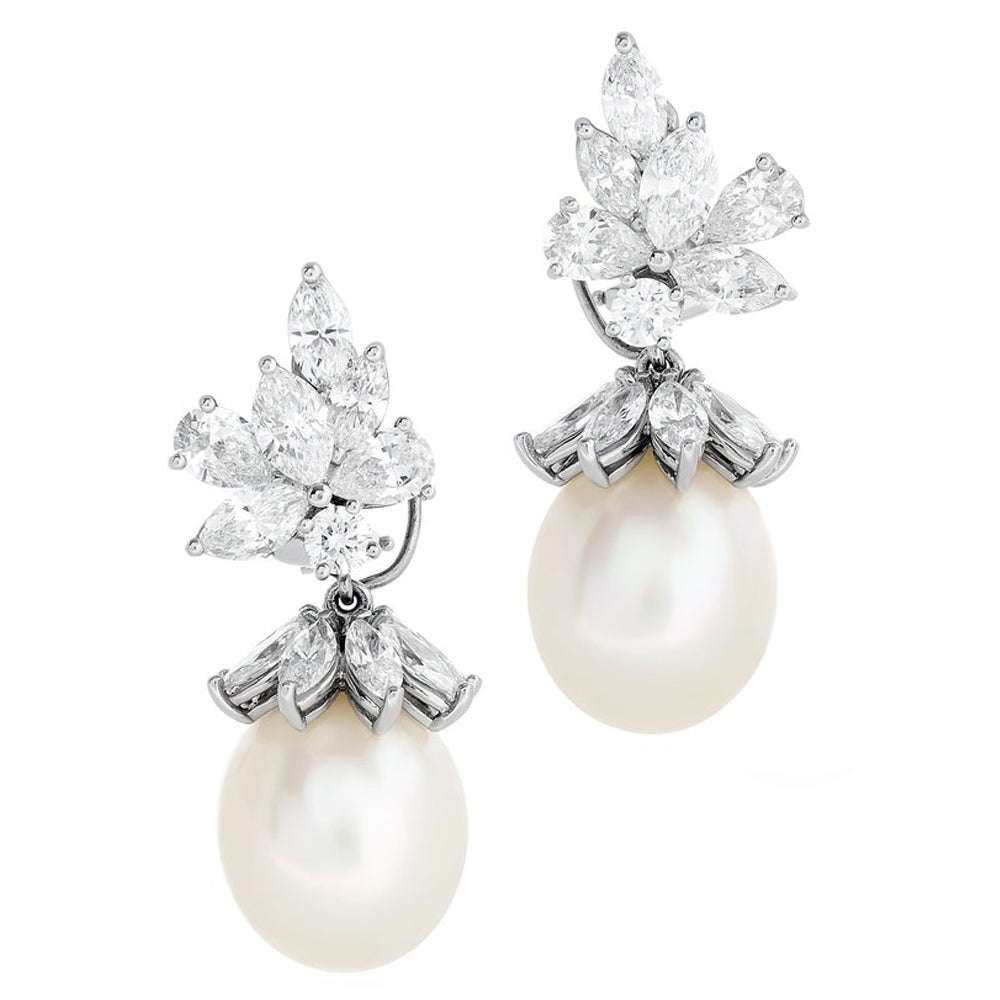
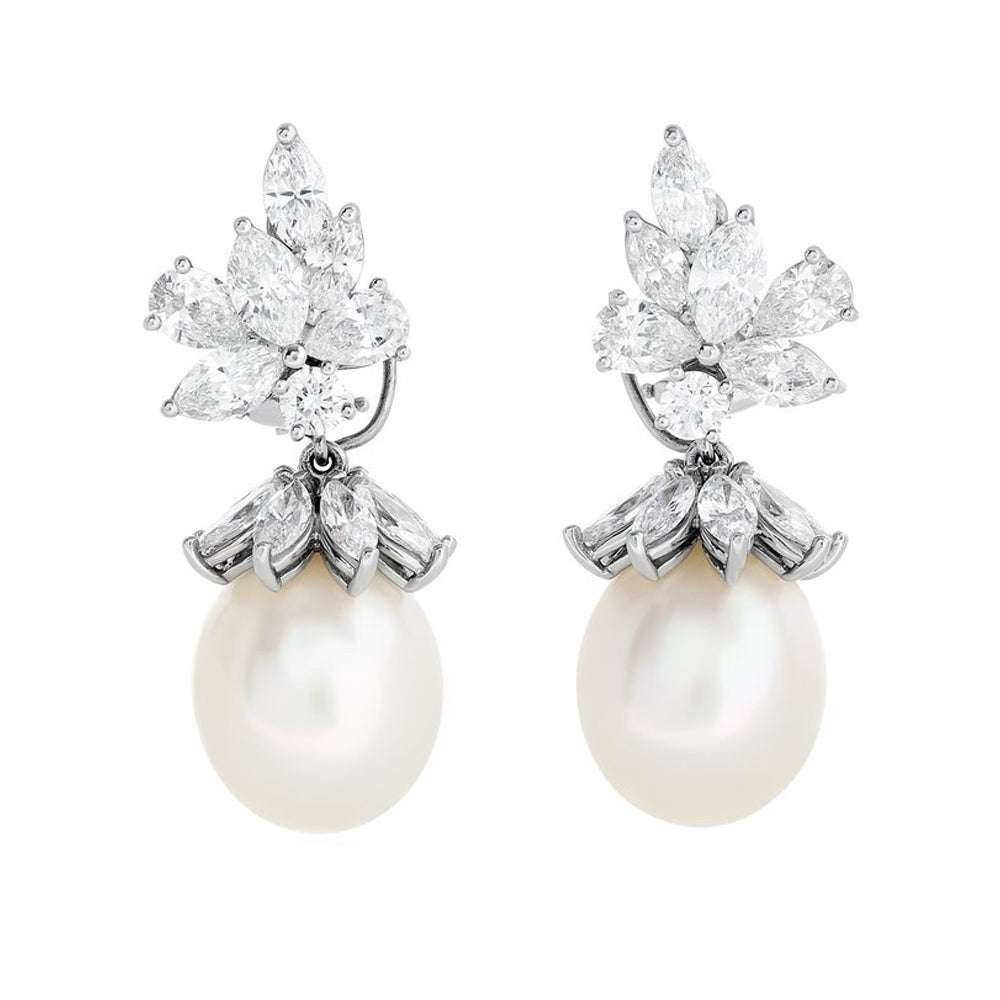
Colored stones, sapphires, rubies, emeralds, and exotic gems, are vetted for hue, saturation, and overall beauty, not just lab stats. Pearls and mixed materials (ceramic, enamel, leather details) appear in select lines, always with craftsmanship at the fore.
Hallmarks And Authenticity Indicators
Legitimate Tiffany pieces carry crisp, evenly struck hallmarks. Typical stamps include "Tiffany & Co." (correct font and spacing), metal quality marks (e.g., 750 for 18k, 925, Pt950), designer signatures (Peretti, Picasso, Schlumberger where applicable), and sometimes country-of-origin or serial numbers. Engravings are precise, clean edges, consistent depth, and correct placement.
Packaging matters but isn't proof on its own: counterfeiters fake boxes. Treat the hallmarking plus overall build, smooth finishing, tight hinges, clean solder points, prong symmetry, as the core authenticity test. When in doubt, ask Tiffany for verification or use a trusted, specialized authenticator.
The Tiffany Diamond And High Jewelry
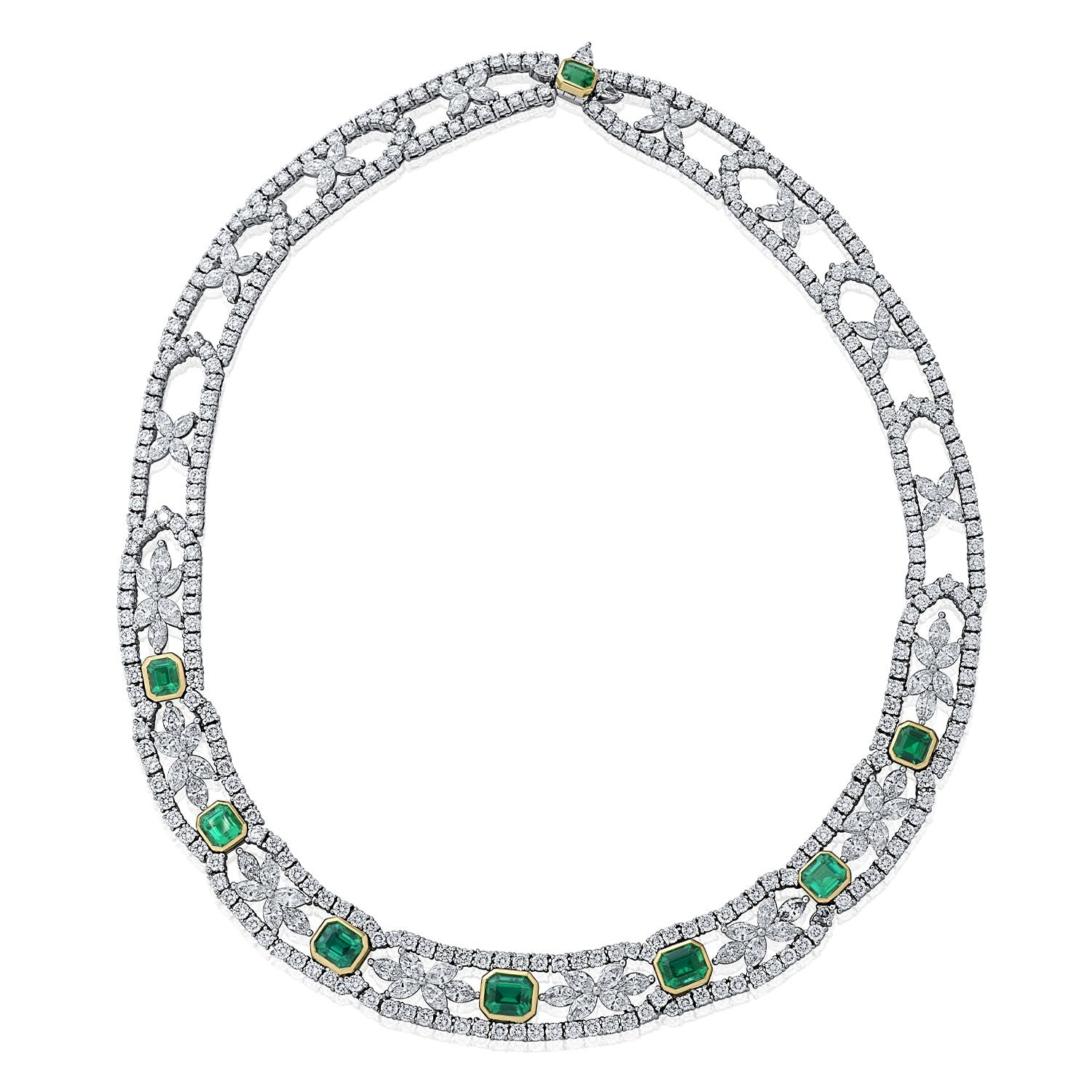
The 128.54-carat Fancy Yellow Tiffany Diamond symbolizes the house's high jewelry prowess. While it's not for sale, it underscores Tiffany's heritage in exceptional stones and master setting. High jewelry collections showcase rare diamonds and colored gems in hand-fabricated mounts, often one-of-a-kind. If you're shopping at this level, expect detailed provenance discussions, bespoke adjustments, and archival documentation.
Ethical Sourcing And Sustainability Practices
Tiffany has been a leader in responsible sourcing. The brand discloses provenance for individually registered diamonds (generally 0.18 ct and above) and has emphasized traceability from mine to workshop. It's a member of the Responsible Jewellery Council, has invested in responsible gold and diamond supply chains, and has expanded use of recycled metals where appropriate. You should expect transparent information about sourcing, craft location, and care standards at the time of purchase.
How To Choose The Right Tiffany Piece
Engagement And Wedding Jewelry
Start with lifestyle and budget. If you're active with your hands, platinum is a smart choice for an engagement ring because it's dense and retains metal even when scuffed. The Tiffany Setting remains the classic, but consider pavé bands, three-stone options, soleste halos, or fancy shapes for personality. Focus on cut quality first: an excellent cut can elevate a stone more than a small bump in color or clarity.
For wedding bands, try on widths from 2 mm to 5 mm (or more) to test comfort and proportion next to your engagement ring. Matching metals is safe: mixing metals can be striking if you balance polish levels and color temperature.
Everyday Essentials Vs. Statement Pieces
If you want a daily uniform, look to Tiffany T bracelets, slim Lock bangles, Diamonds by the Yard necklaces, or Peretti studs, pieces that layer easily and don't demand a special occasion. For statements, HardWear gauge-link necklaces, Schlumberger enamel cuffs, or large Keys pendants deliver presence. Consider cost-per-wear: essentials earn their keep quickly, while statements shine for events, presentations, or when you simply want armor.
Sizing, Styling, And Layering Tips
- Bracelets: Measure your wrist snugly, then add 0.5–1.0 in (1.3–2.5 cm) for comfort depending on fit preference and bracelet style. Oval Lock bangles should sit close but not pinch.
- Rings: Your fingers change size with temperature. Try afternoon fittings and consider a comfort-fit band for wider widths. For stacking, alternate textures, polished, pavé, satin, to avoid a bulky look.
- Necklaces: Build in tiers (e.g., 16", 18", 20–24"). Pair a delicate Diamonds by the Yard with a medium T pendant and a bolder HardWear link for depth.
- Metals: Mixing yellow, white, and rose gold feels modern: just keep one tone dominant so the look feels intentional.
Care, Maintenance, And Resizing
Cleaning And Storage
At home, use a mild jewelry cleaner or warm water with a touch of dish soap and a soft brush. Rinse thoroughly and pat dry with a lint-free cloth. Avoid harsh chemicals (chlorine, bleach), especially on sterling silver and delicate gemstones. Store pieces separately in soft pouches or lined compartments to prevent scratches: keep chains clasped to avoid knots. Silver benefits from regular wear and anti-tarnish storage.
Professional Services, Polishing, And Warranty Considerations
Schedule periodic professional cleanings and prong checks, especially for engagement rings worn daily. Tiffany offers in-boutique cleaning and can polish, re-tip prongs, resize eligible rings, and refurbish clasps or hinges. Polishing removes micro-scratches but also a minute amount of metal: use it judiciously to preserve hallmarks and edges.
Review warranty details at purchase. Manufacturing defects are typically covered: normal wear, loss, and damage are not. Many Tiffany rings are eligible for complimentary resizing within an initial period (often the first year). Keep your receipts and service records, they help with future care and bolster resale value.
Pricing, Value, And The Pre-Owned Market
What Drives Price And Retained Value
Pricing reflects materials (platinum and 18k gold command more than silver), gem quality, craftsmanship, brand equity, and design demand. Iconic pieces, The Tiffany Setting, T bracelets, HardWear links, Schlumberger designs, tend to retain value better thanks to sustained demand and limited design drift. Limited editions and high jewelry can appreciate, but you should view them first as objects of beauty rather than guaranteed investments.
Buying New Vs. Pre-Owned
Buying new gives you the full boutique experience: current collections, verified authenticity, sizing and engraving services, fresh warranty, and immaculate condition. Buying pre-owned can stretch your budget and unlock discontinued pieces or earlier designer eras. The tradeoff: you must vet condition, authenticity, and pricing carefully. Factor in any restoration costs.
Authentication And Resale Tips
- Examine hallmarks: "Tiffany & Co." accuracy, metal fineness marks, designer signatures, and serials where applicable.
- Assess build quality: smooth finishing, precise prongs, aligned motifs, secure clasps and hinges.
- Request documentation: original receipts, certificates (for diamonds), and boxes add confidence and resale value.
- Use reputable channels: Tiffany boutiques for service and verification: trusted jewelers and established resale platforms with return policies and expert authentication.
- Price check: Compare against current retail for like-for-like materials and designs, adjusting for condition and rarity.
If you plan to resell later, keep all packaging, service records, and avoid overly personalized engravings unless they can be polished out.
Conclusion
Choosing Tiffany & Co. jewelry isn't just a purchase, it's an entry into a design lineage that has shaped how the world sees luxury. When you understand the brand's heritage, its benchmark designs, materials and hallmarks, and the realities of pricing and care, you can buy with clarity. Start with the piece that fits your life, an everyday T bracelet, a Schlumberger treasure, or the Tiffany Setting that started it all, and maintain it well. The right Tiffany piece will serve you now, and tell your story decades from today.
Frequently Asked Questions
What is the Tiffany Setting and why is it iconic?
Introduced in 1886, the Tiffany Setting elevates a solitaire diamond on six refined prongs to maximize light and brilliance. Available in platinum or 18k gold with variations like pavé bands and different carat sizes, it remains the benchmark engagement ring for its clean architecture and enduring, timeless profile.
How can I authenticate Tiffany & Co jewelry before buying?
Check crisp, evenly struck hallmarks: “Tiffany & Co.” in correct font and spacing, metal fineness marks (750, 925, Pt950), and designer signatures where applicable. Inspect build quality—symmetrical prongs, smooth finishing, aligned motifs, secure hinges. Packaging helps but isn’t proof. When unsure, seek Tiffany verification or a trusted third-party authenticator.
What metals and gemstones does Tiffany & Co jewelry use, and what hallmarks should I see?
Expect platinum (Pt950), 18k gold (yellow, white, rose), and sterling silver (.925). Diamonds are selected to stringent cut and quality standards; colored gems prioritize beauty of hue and saturation. Hallmarks typically include “Tiffany & Co.”, metal fineness, designer signatures, and sometimes serials—precisely engraved with clean edges and consistent depth.
Is Tiffany & Co jewelry a good investment and what drives its price?
Prices reflect metal type, gemstone quality, craftsmanship, and design demand. Iconic pieces—Tiffany Setting, T bracelets, HardWear links, Schlumberger designs—tend to retain value best. Limited editions and high jewelry can appreciate, but view purchases primarily as enduring design and craftsmanship, with resale value influenced by condition, documentation, and market demand.
Does Tiffany sell lab-grown diamonds or only natural stones?
Tiffany focuses on natural diamonds and emphasizes traceability, disclosing provenance for individually registered stones (generally 0.18 ct and above). Its core collections prioritize responsibly sourced natural gems with strong cut standards. If policies evolve, the brand will detail materials and sourcing at purchase—ask a sales professional for the latest specifics.
Can I shower or swim with Tiffany & Co jewelry, and how should I care for it?
It’s best to remove jewelry before swimming, showering, or using harsh chemicals; chlorine and bleach can damage metals and delicate gems. Clean at home with mild dish soap, warm water, and a soft brush, then dry with a lint-free cloth. Store pieces separately in soft pouches to prevent scratches and tangling.