Sapphire


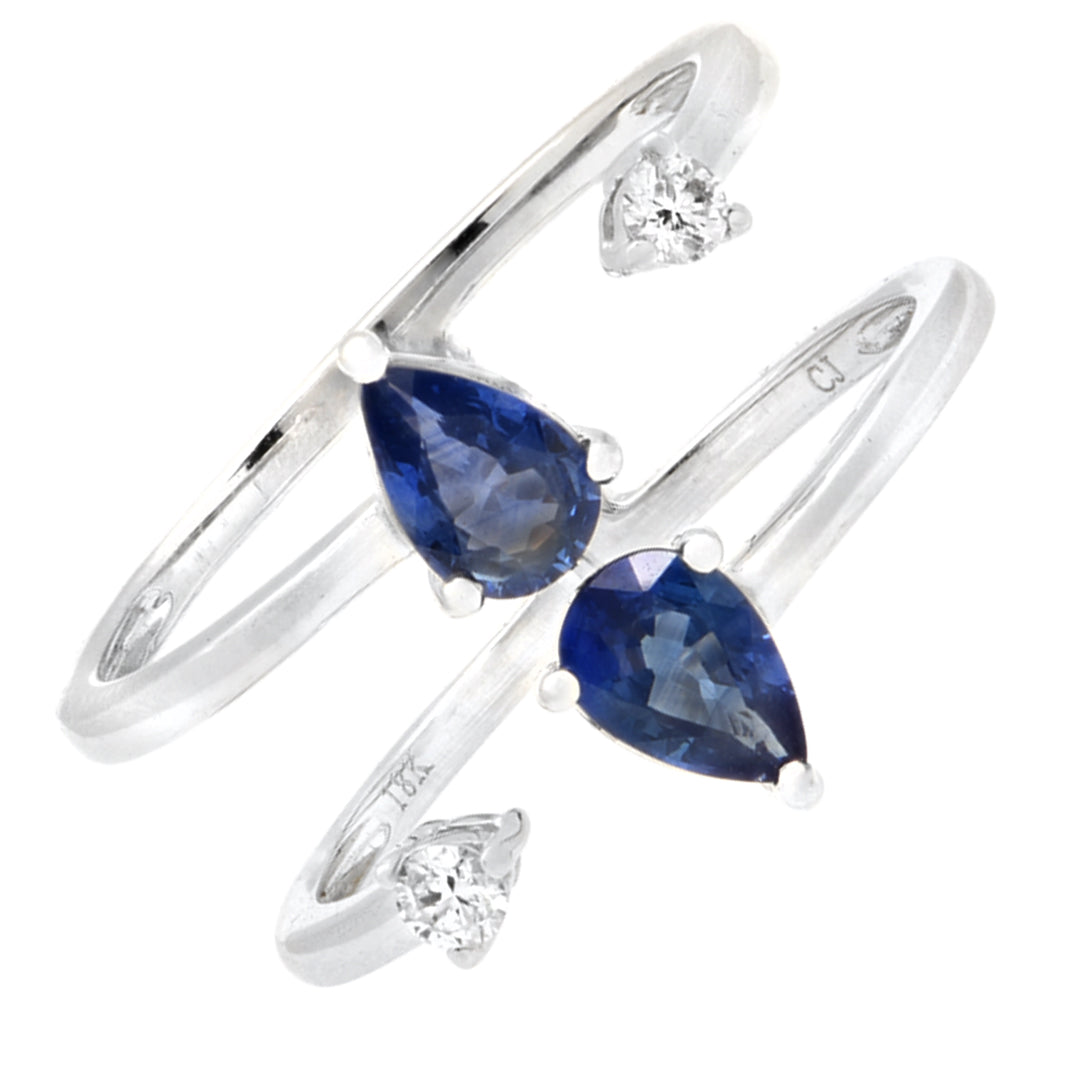
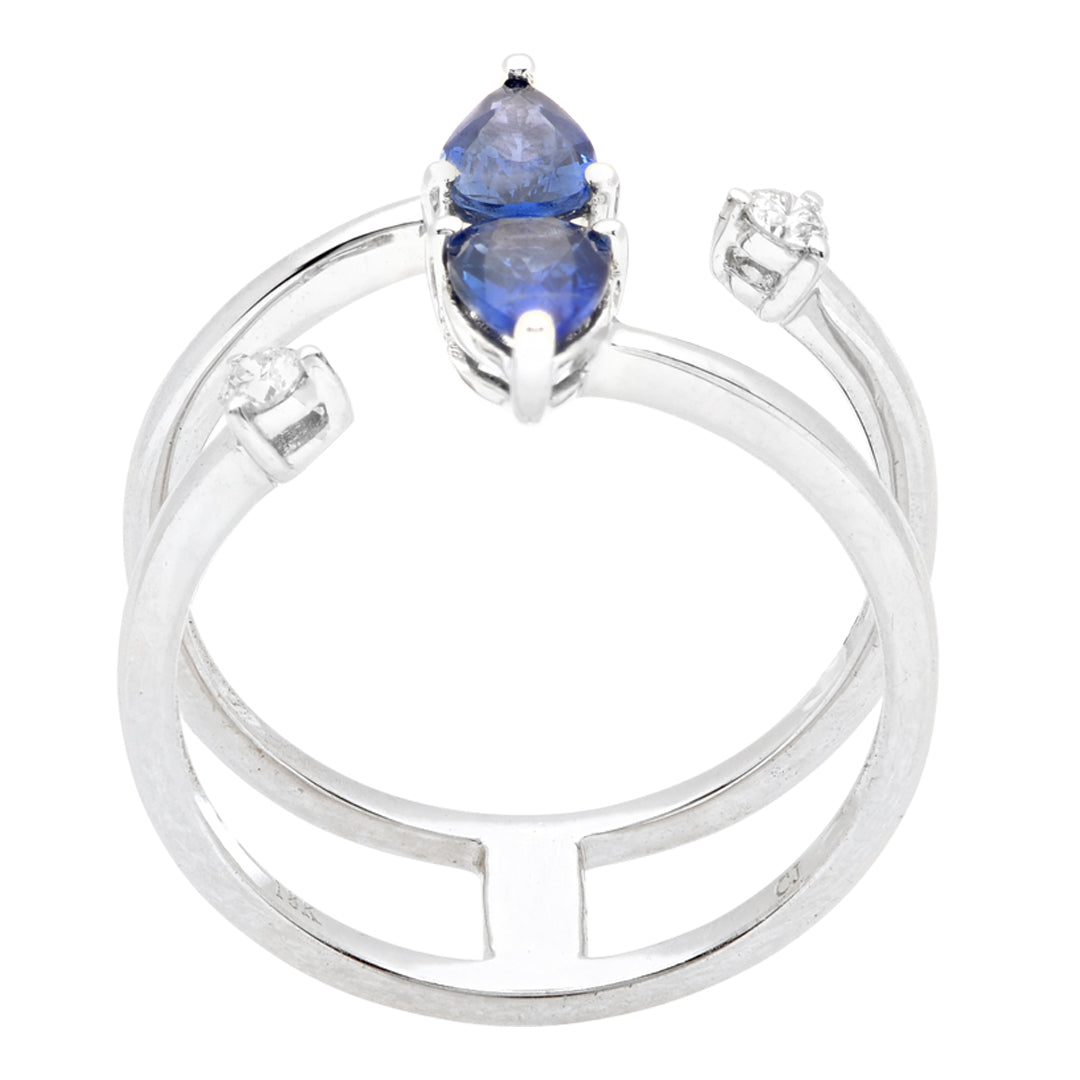
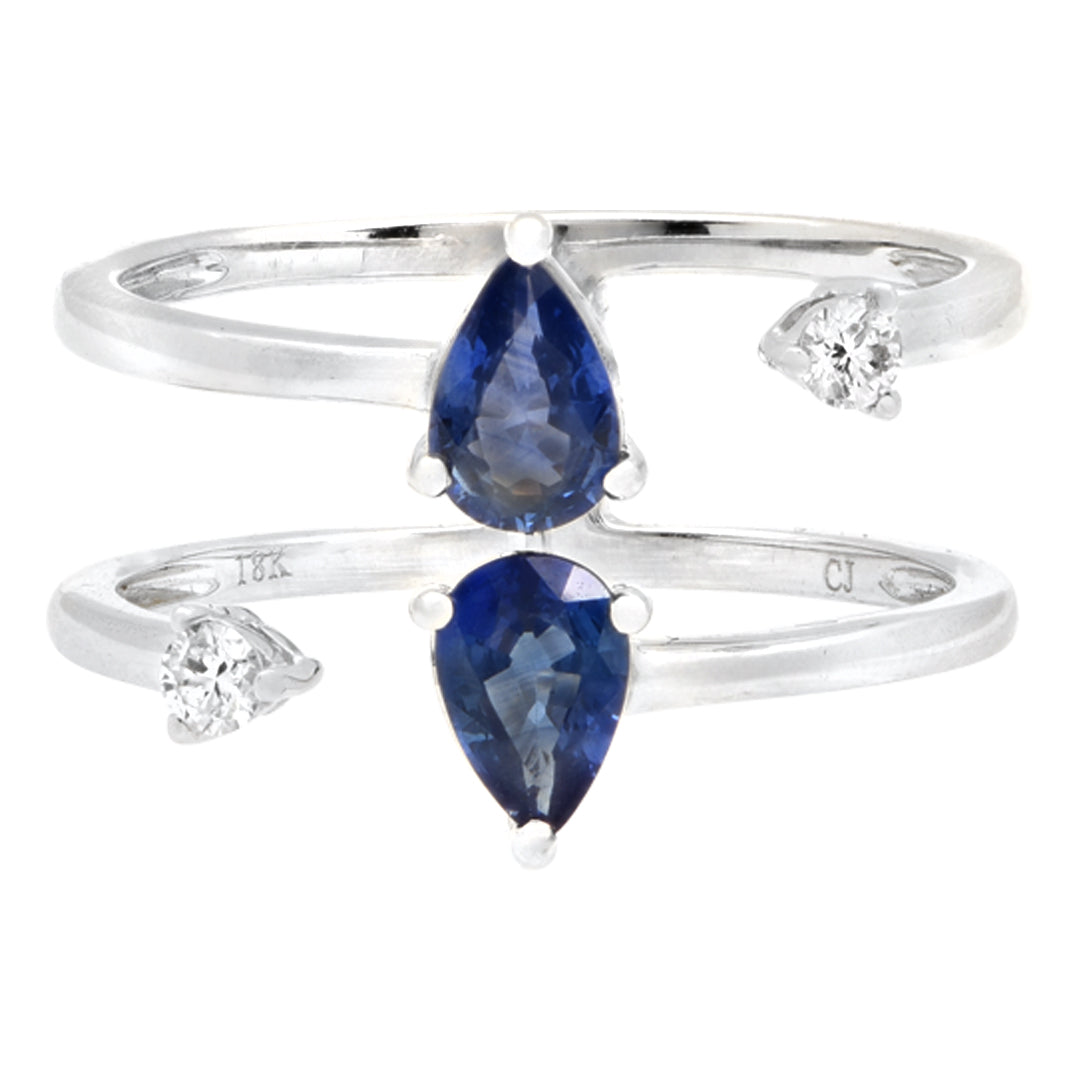
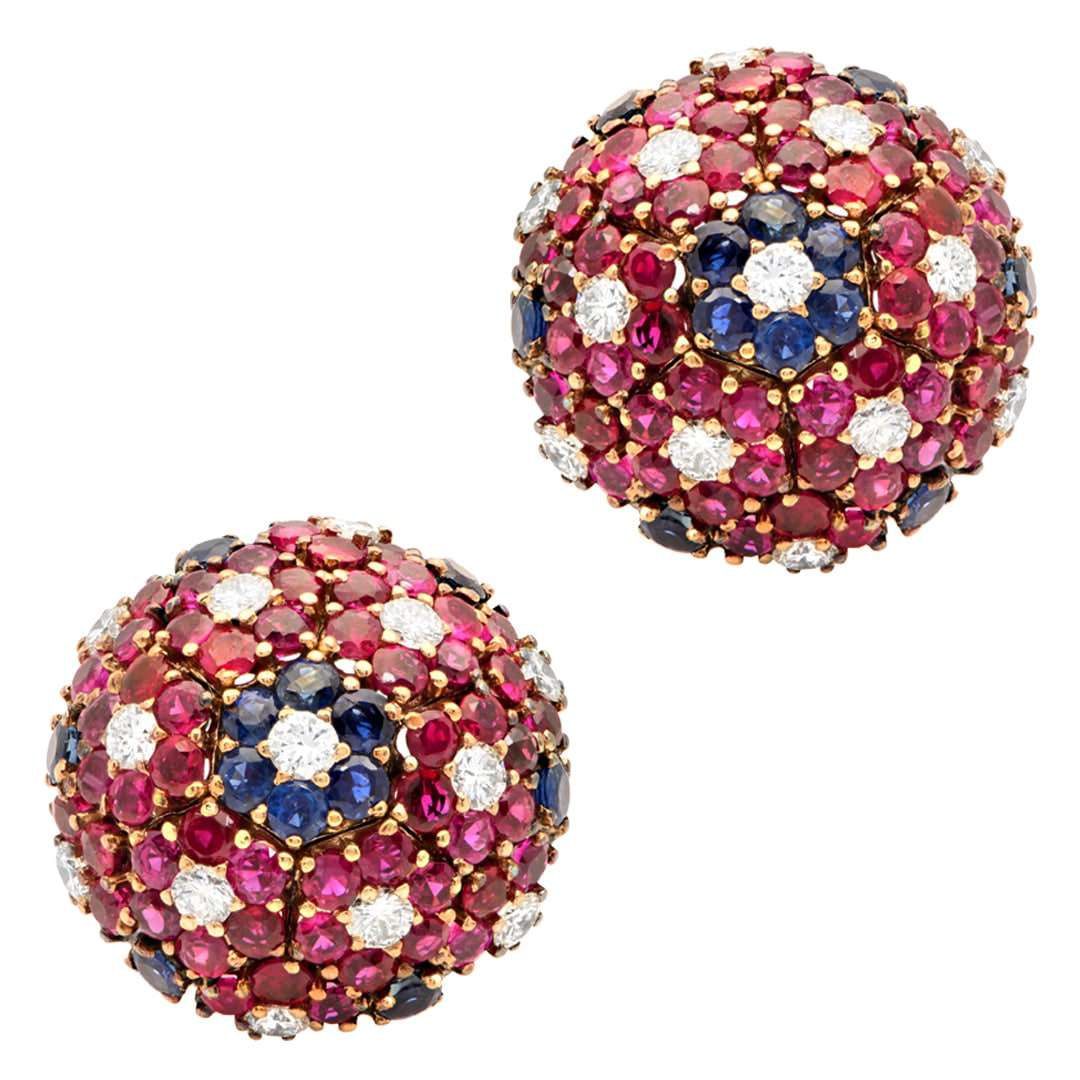
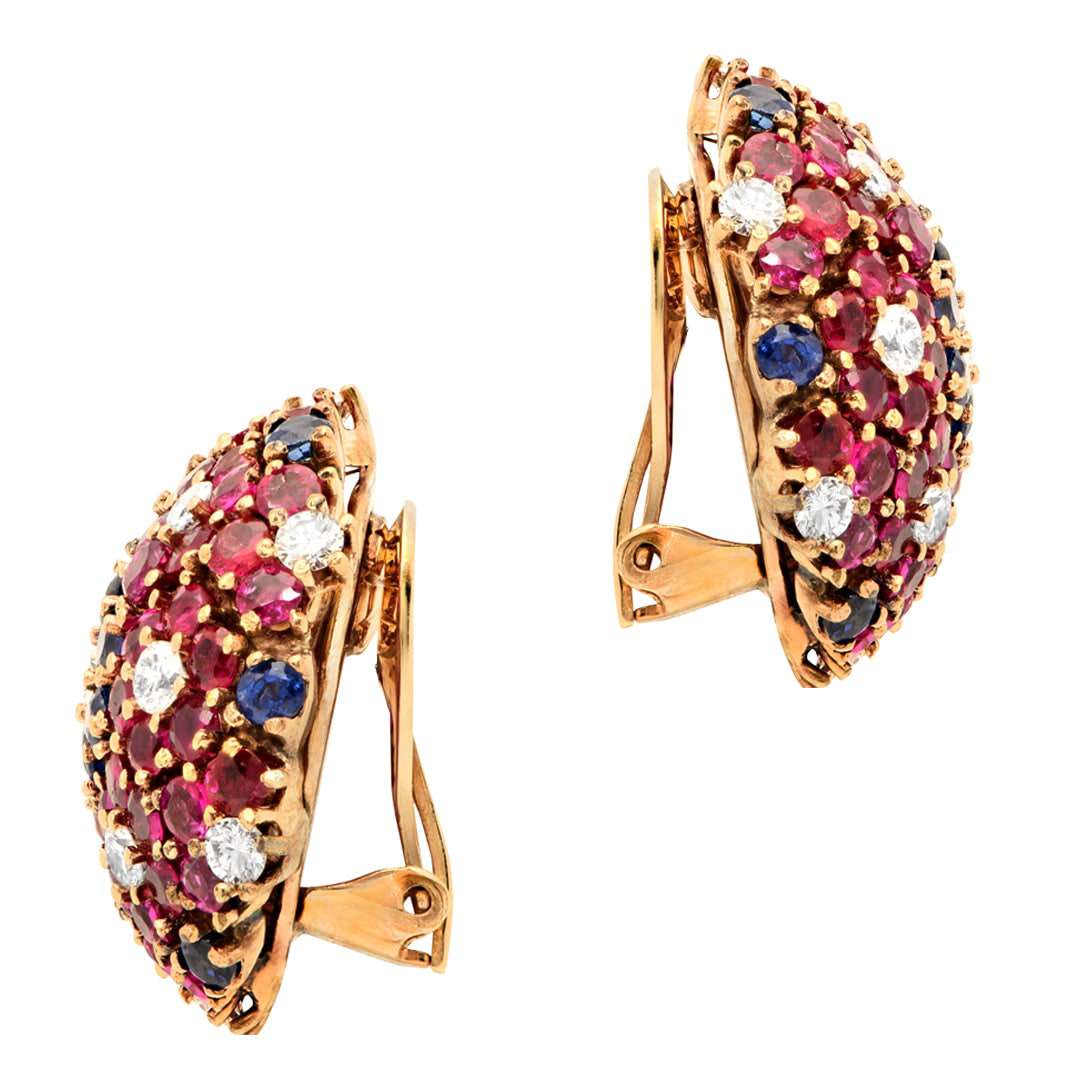
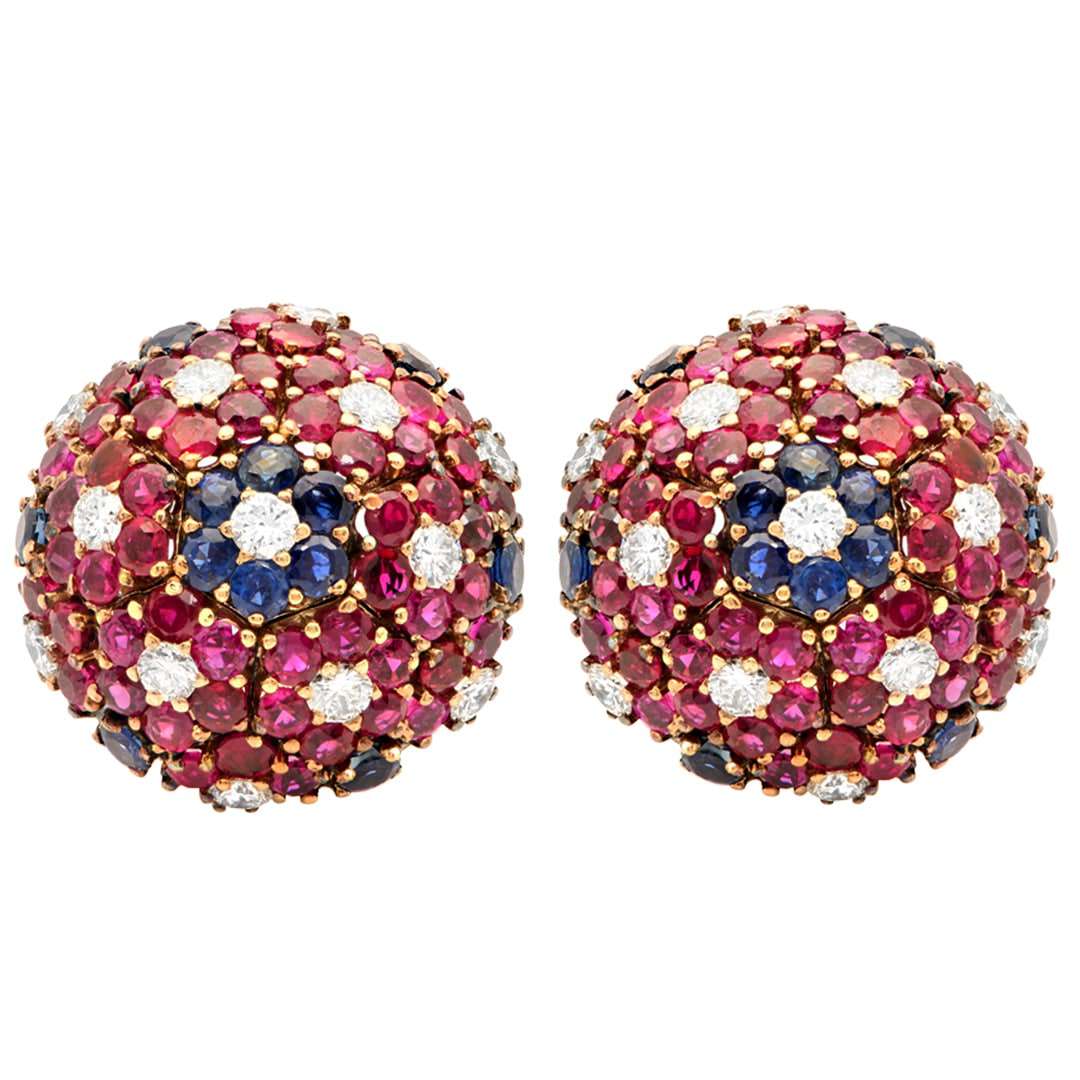
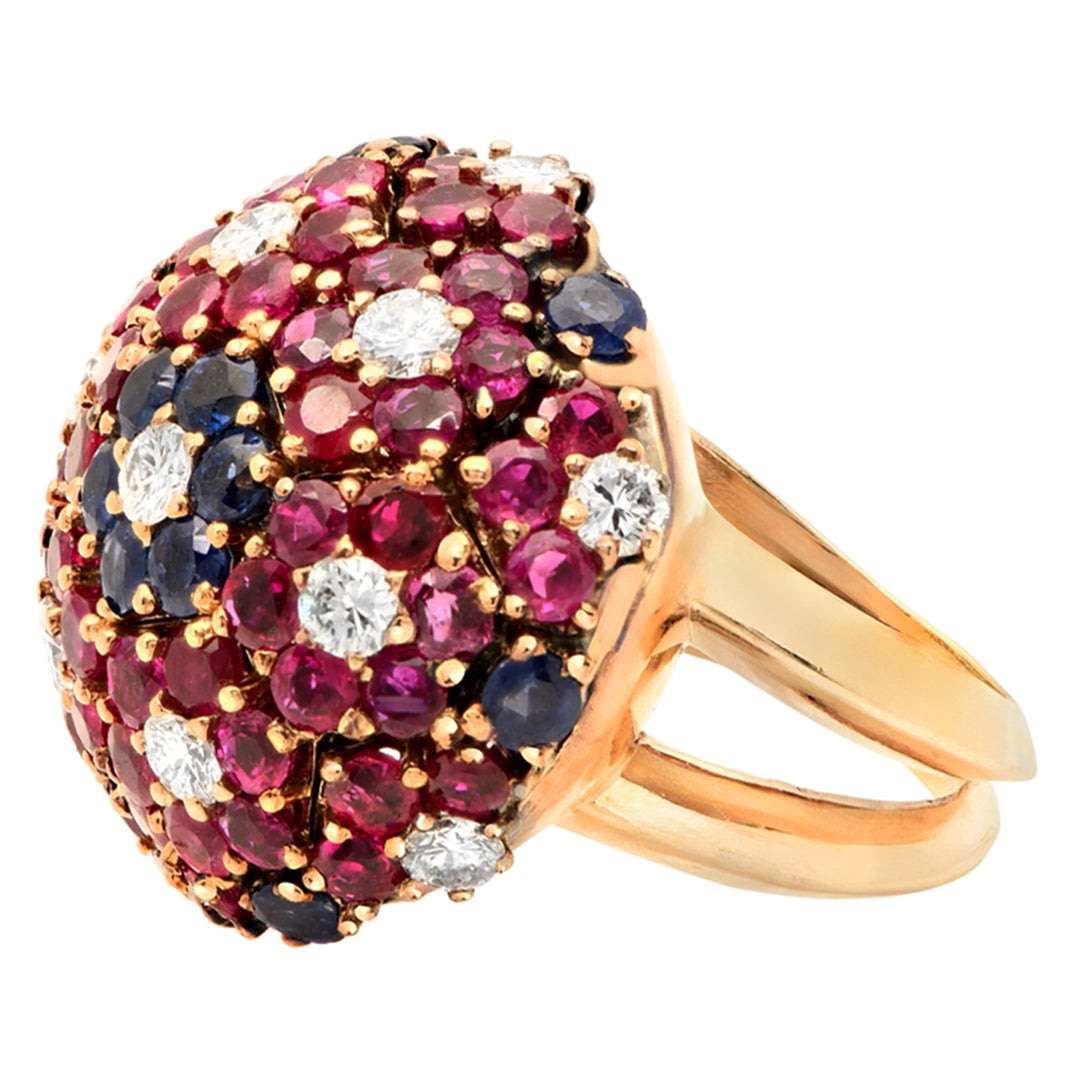
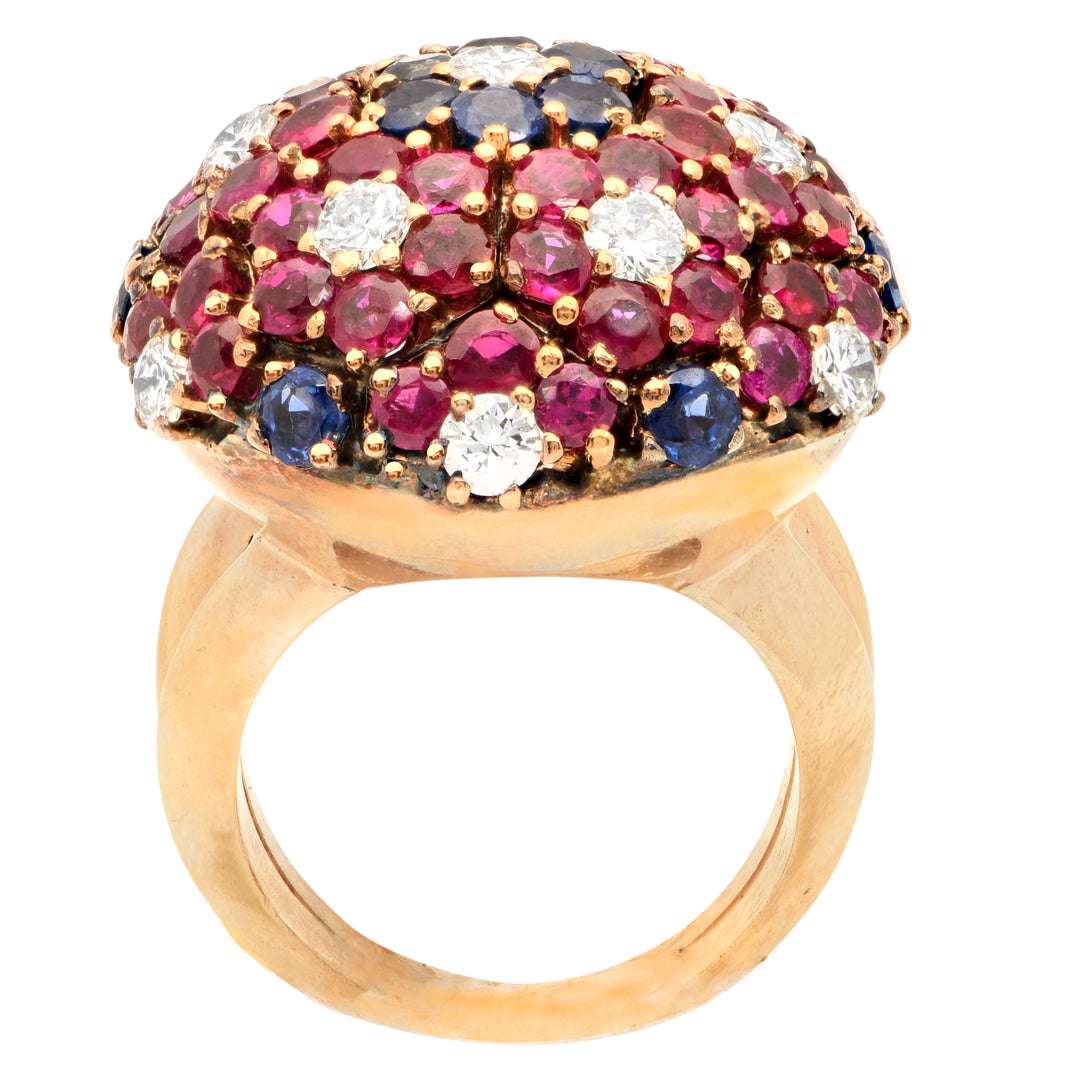
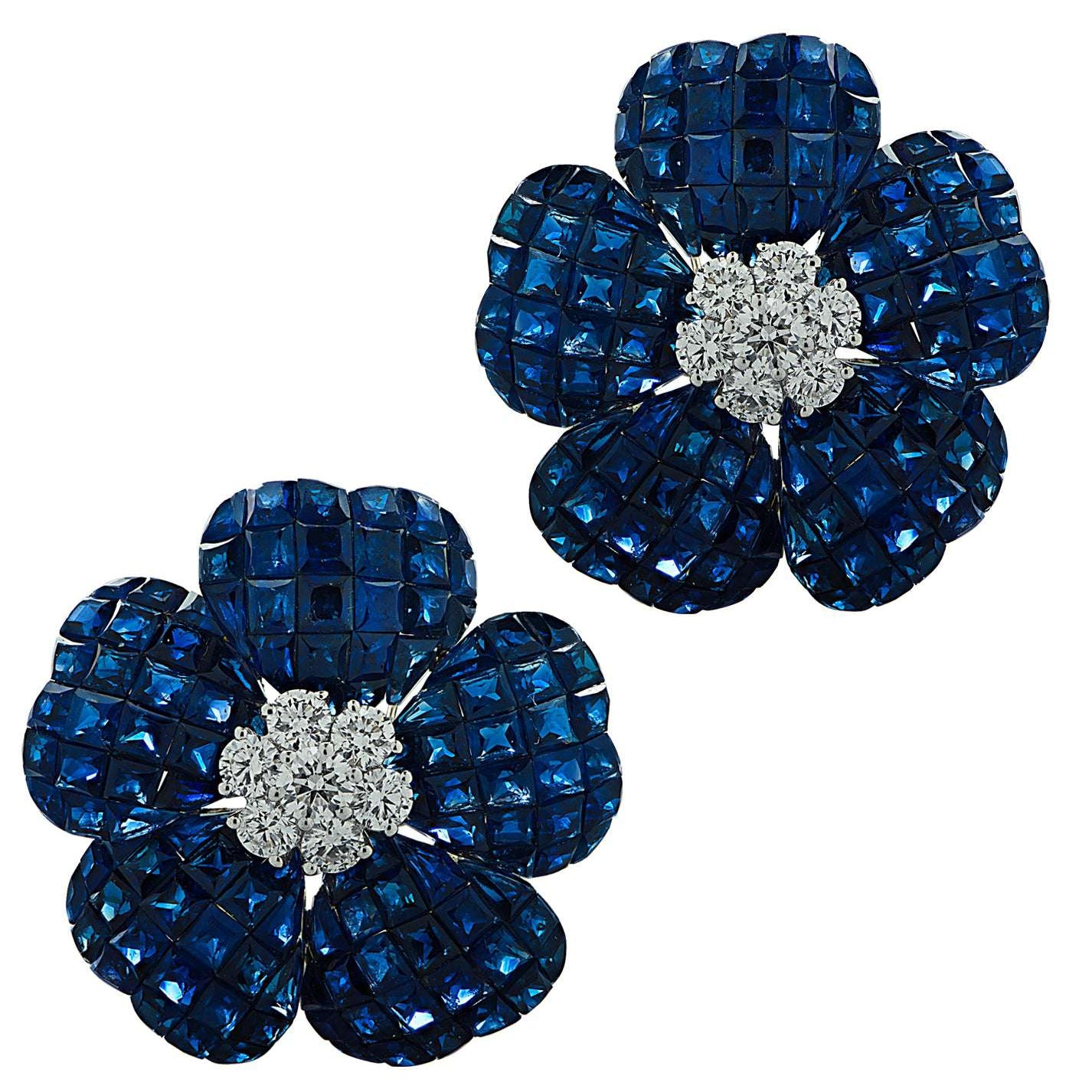
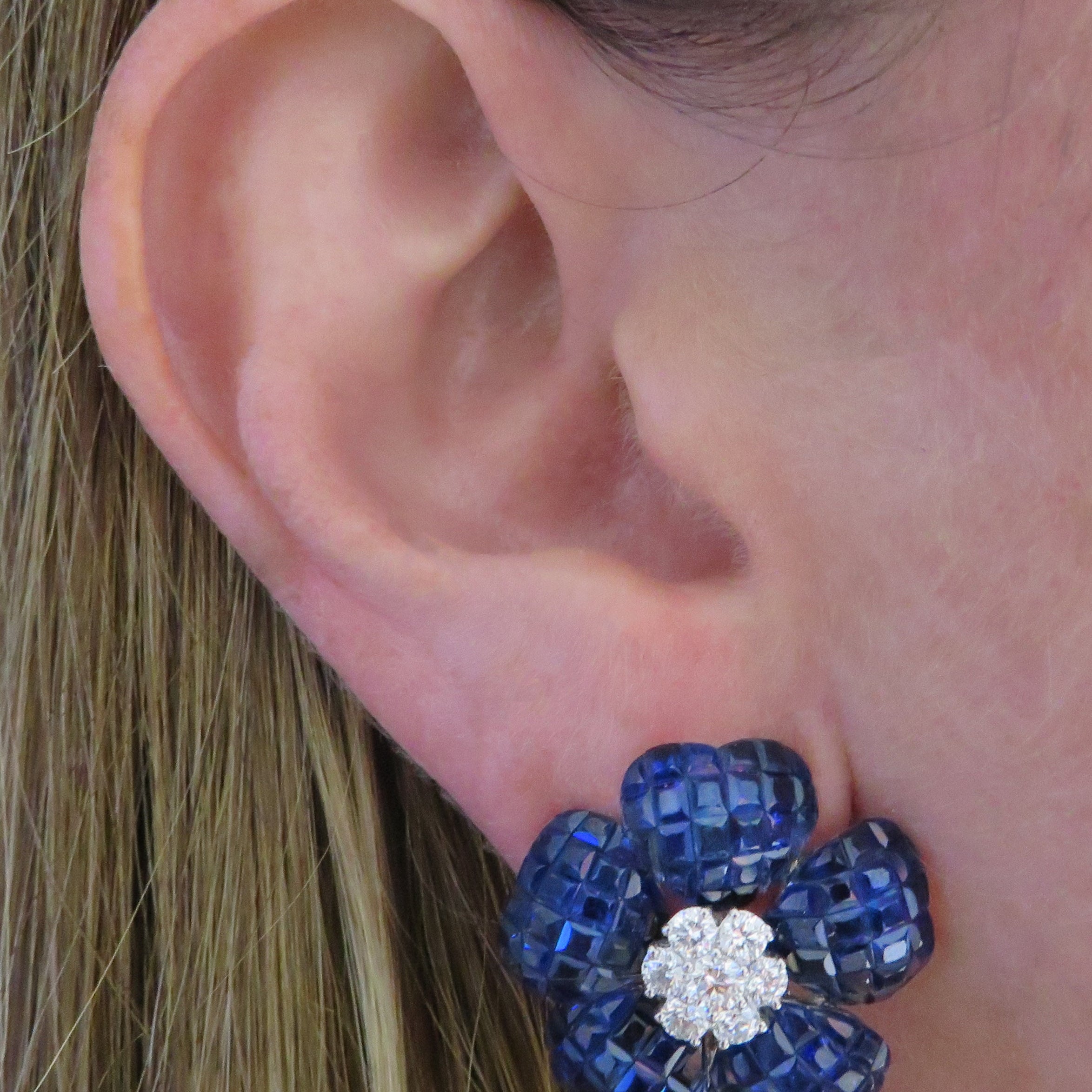
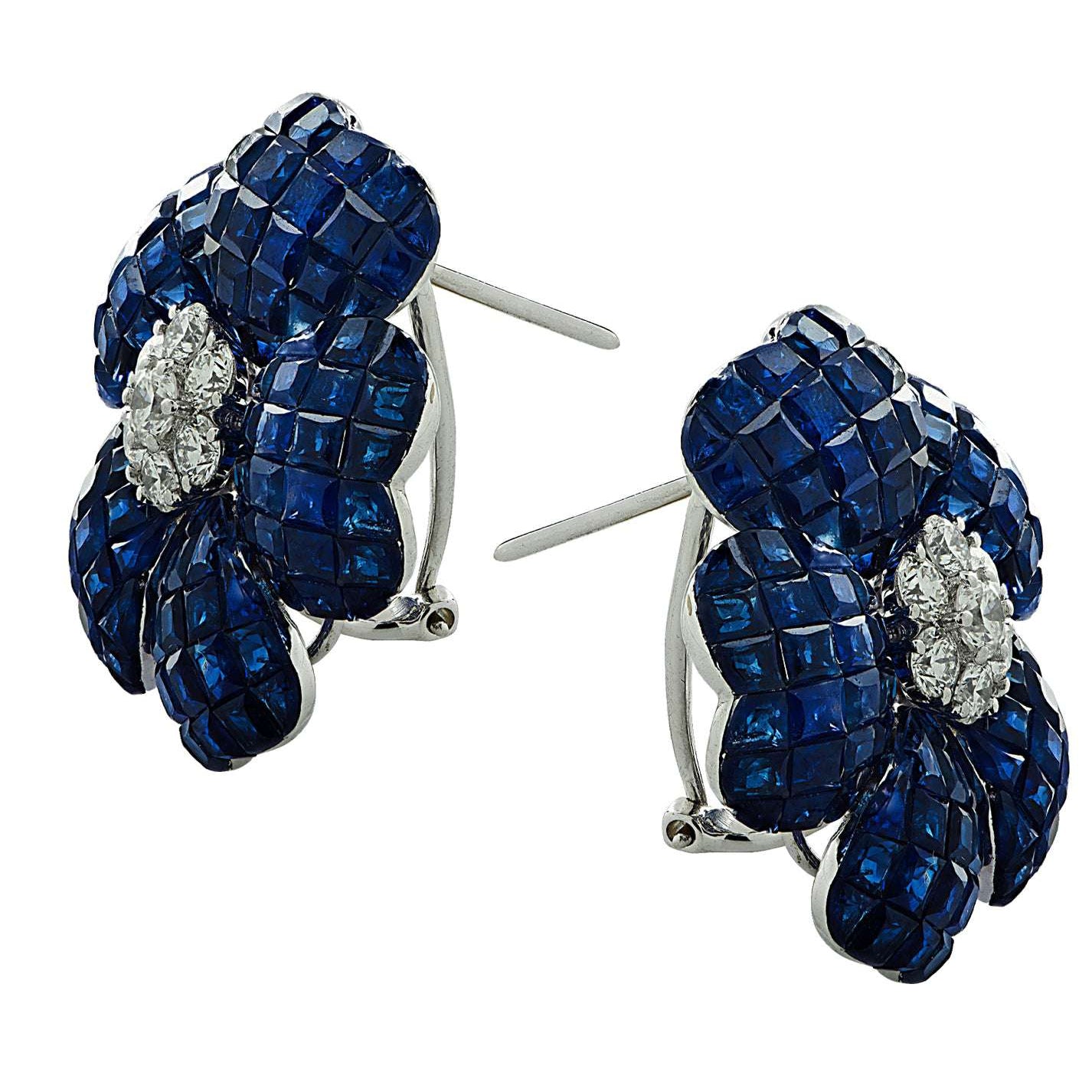
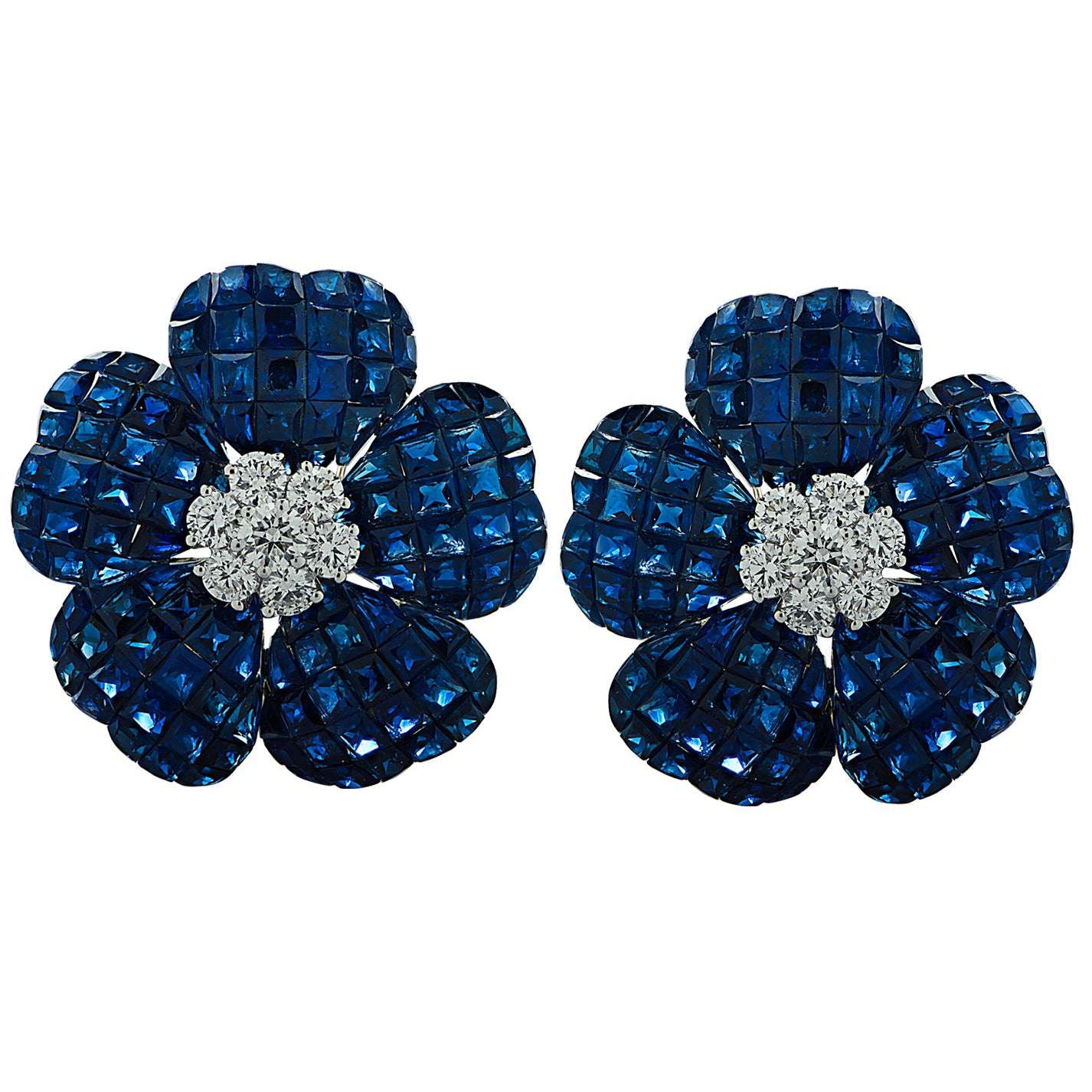
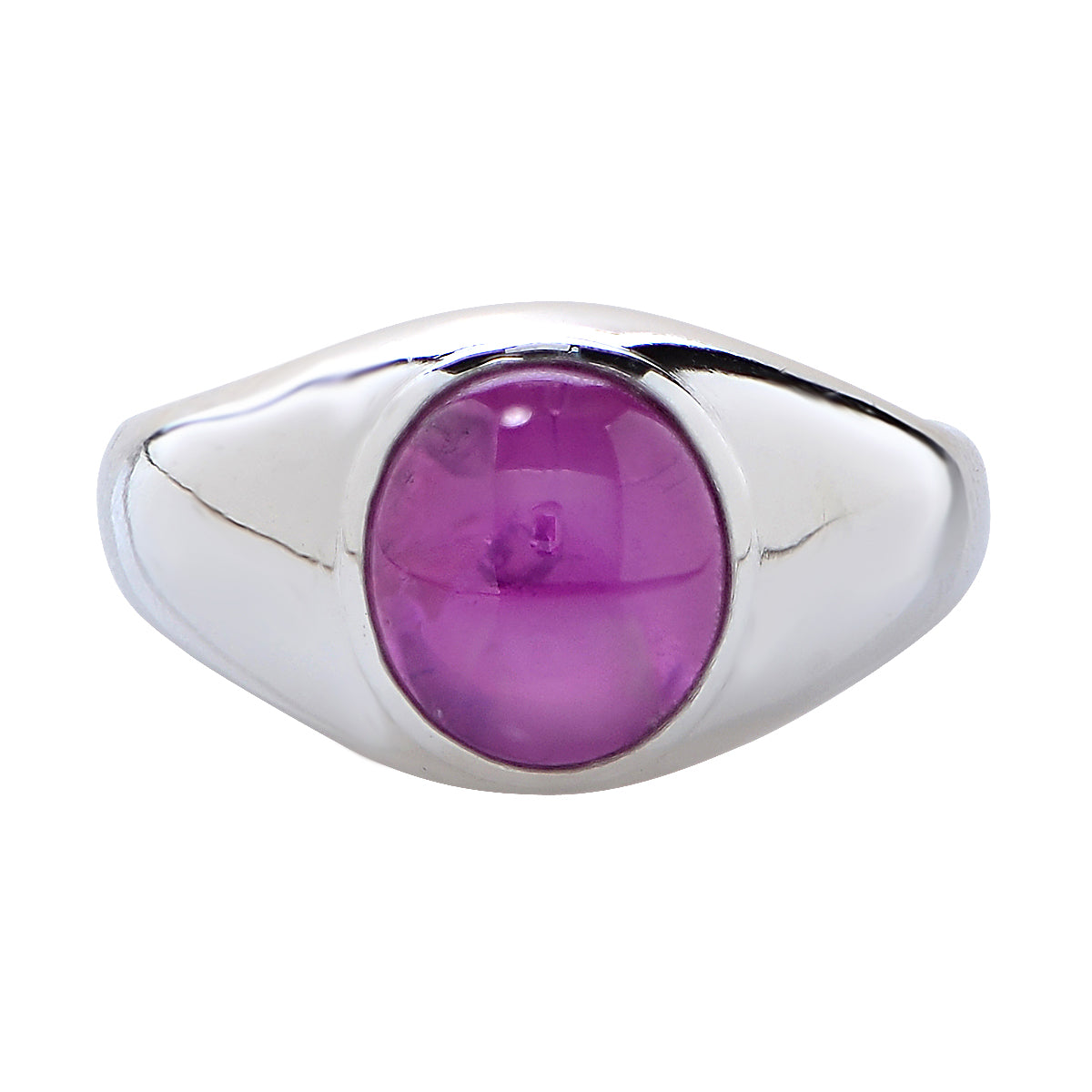
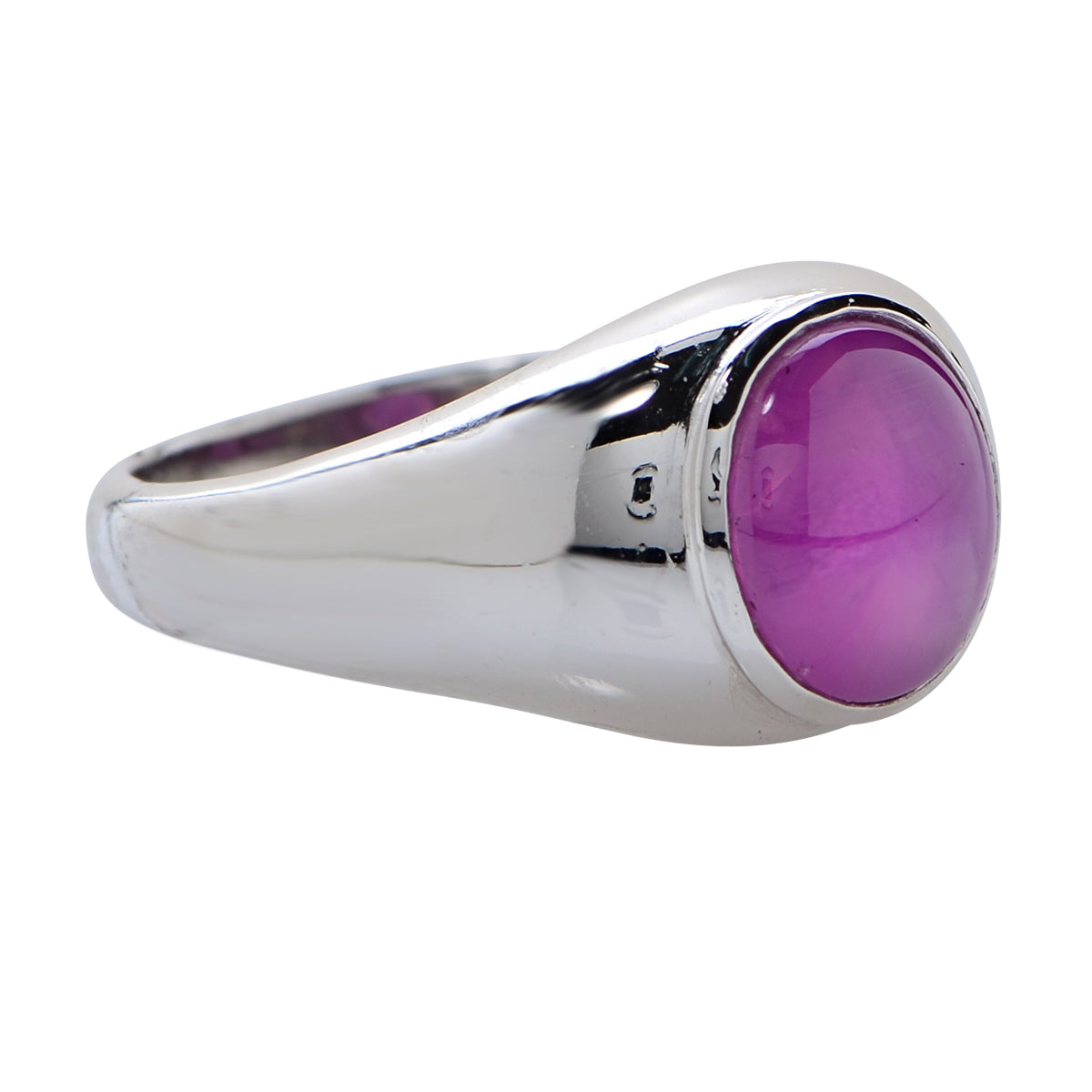
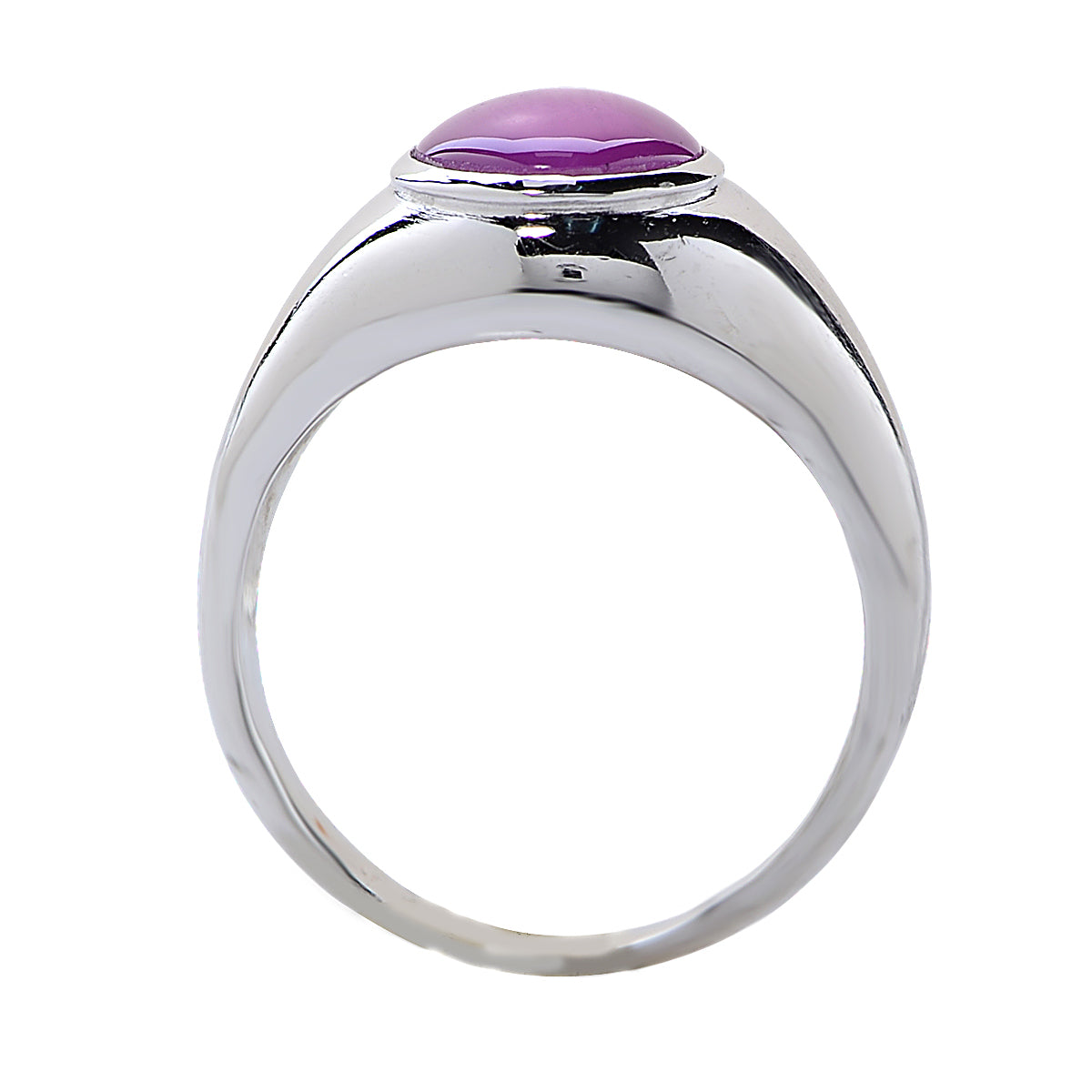
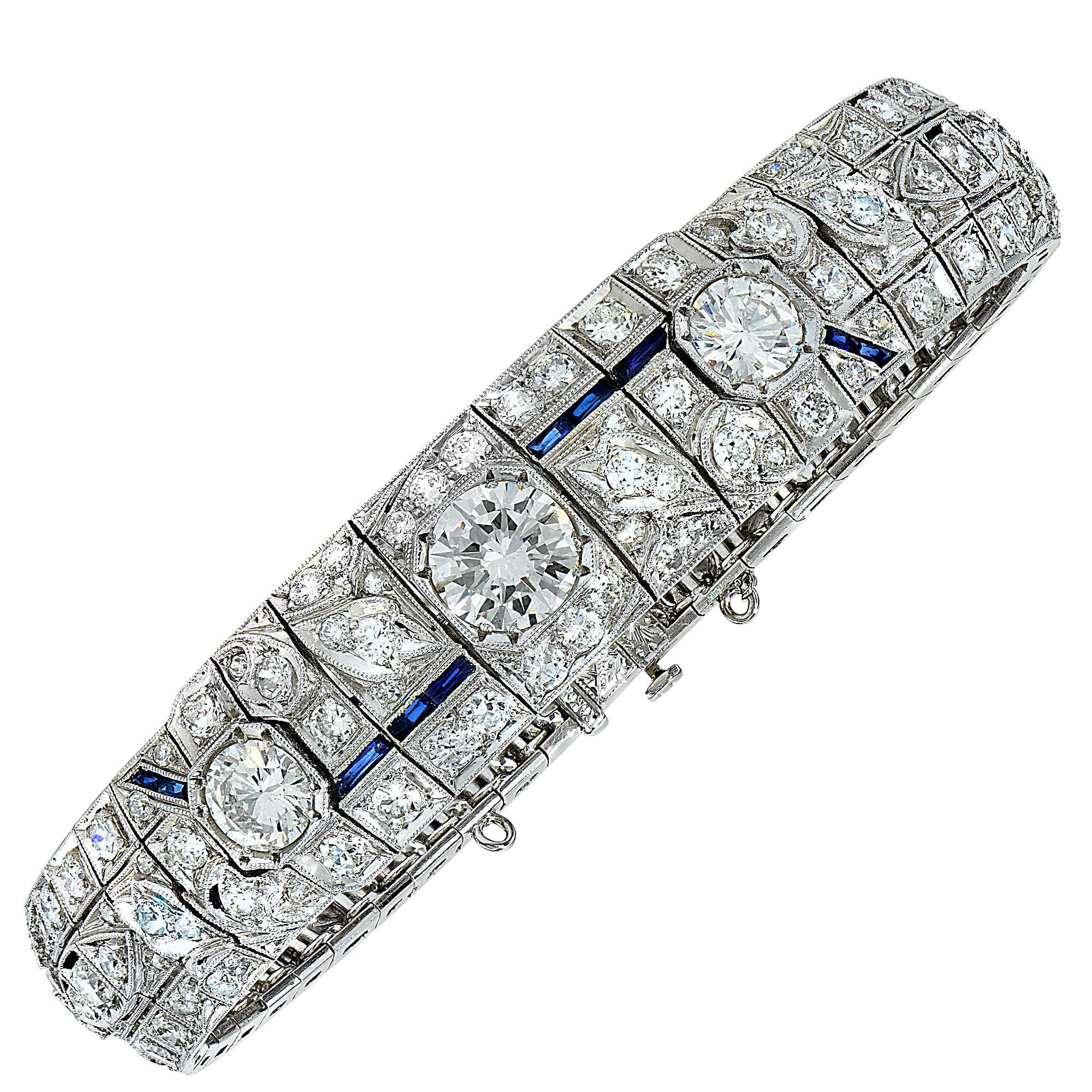
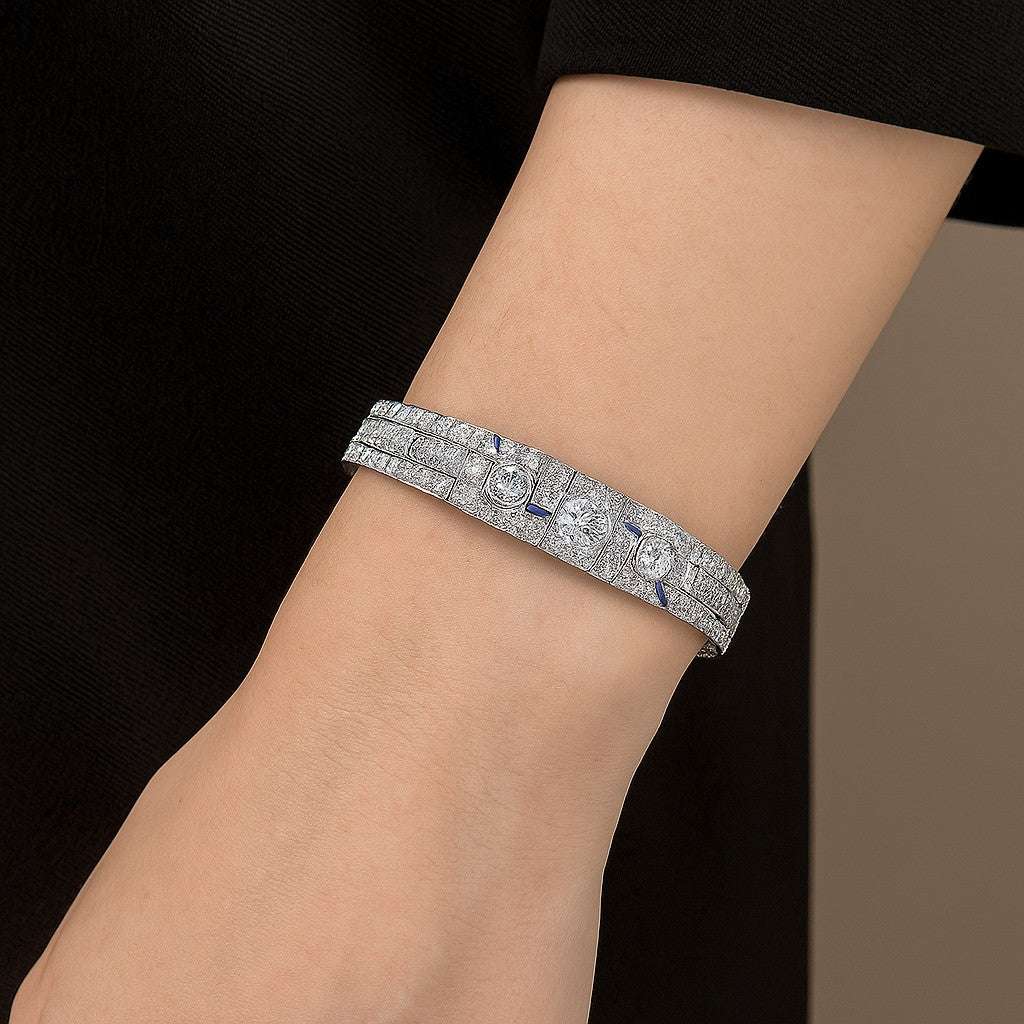
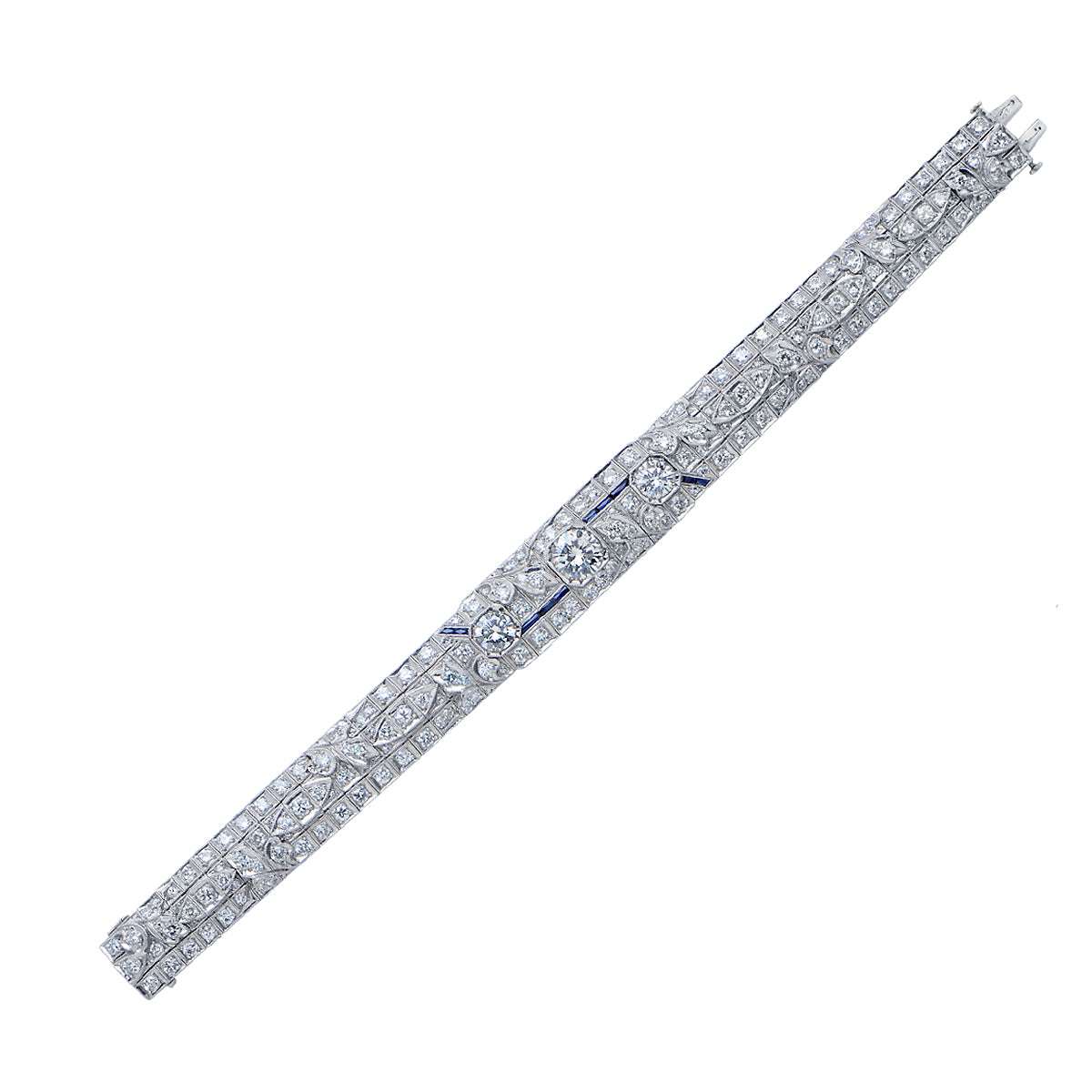
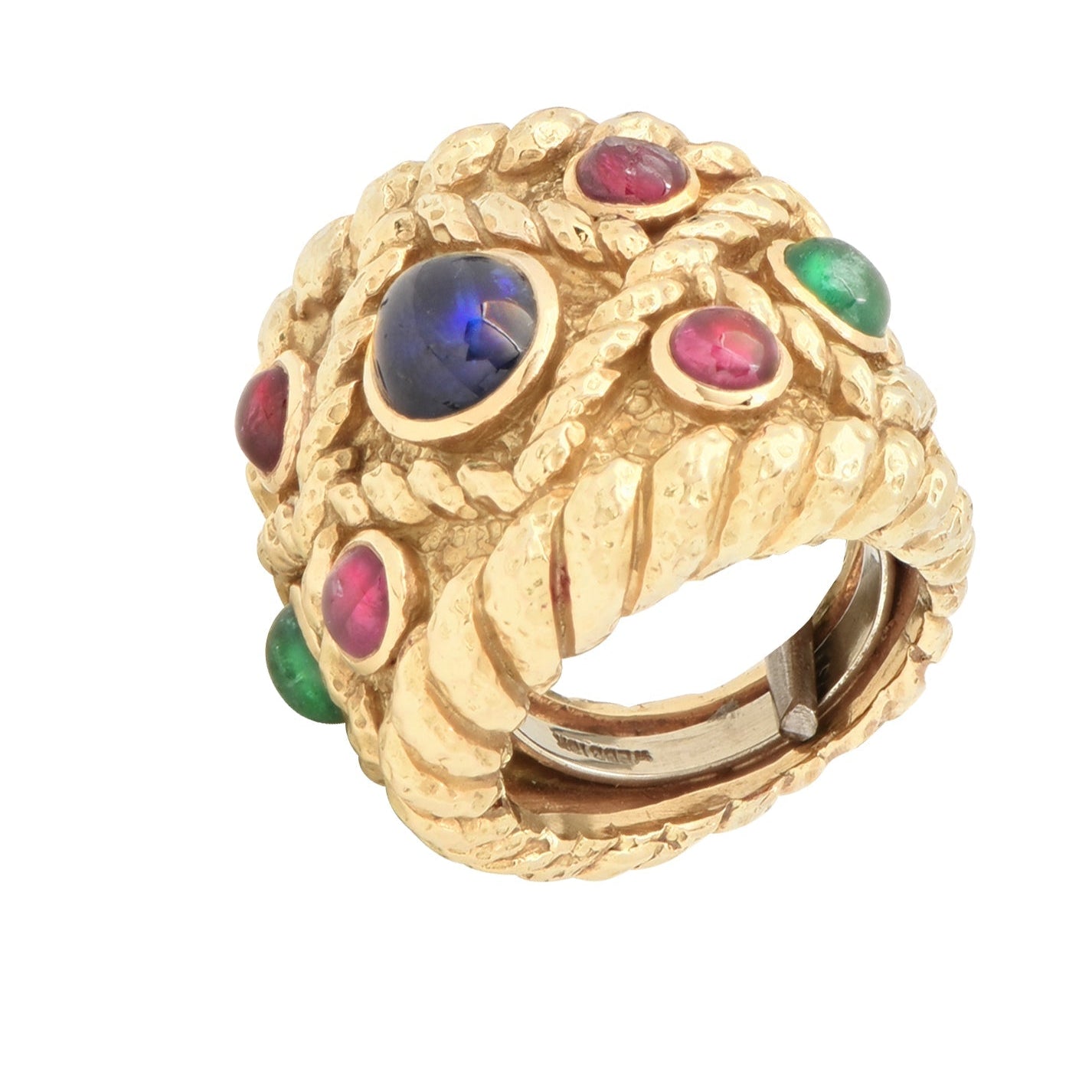
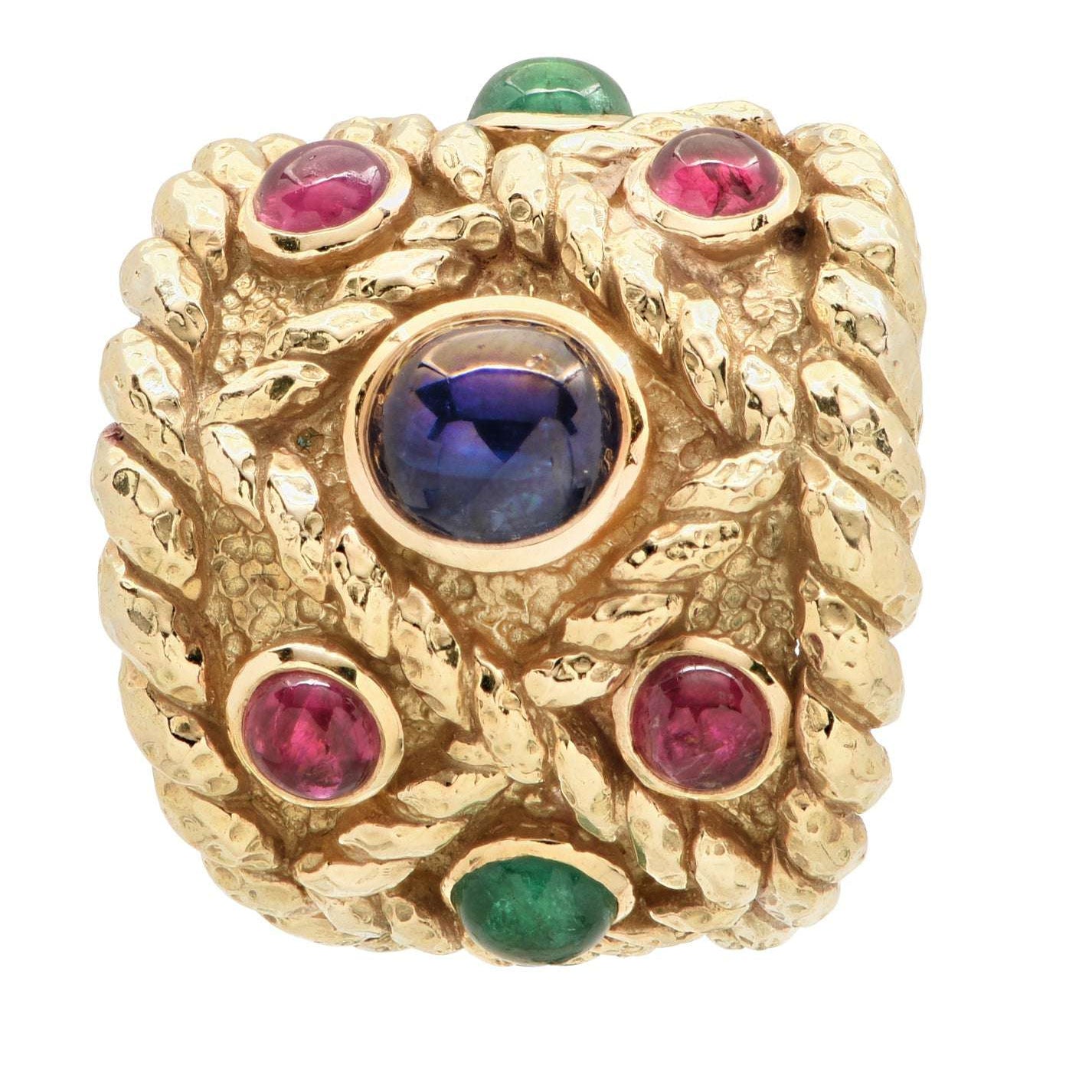
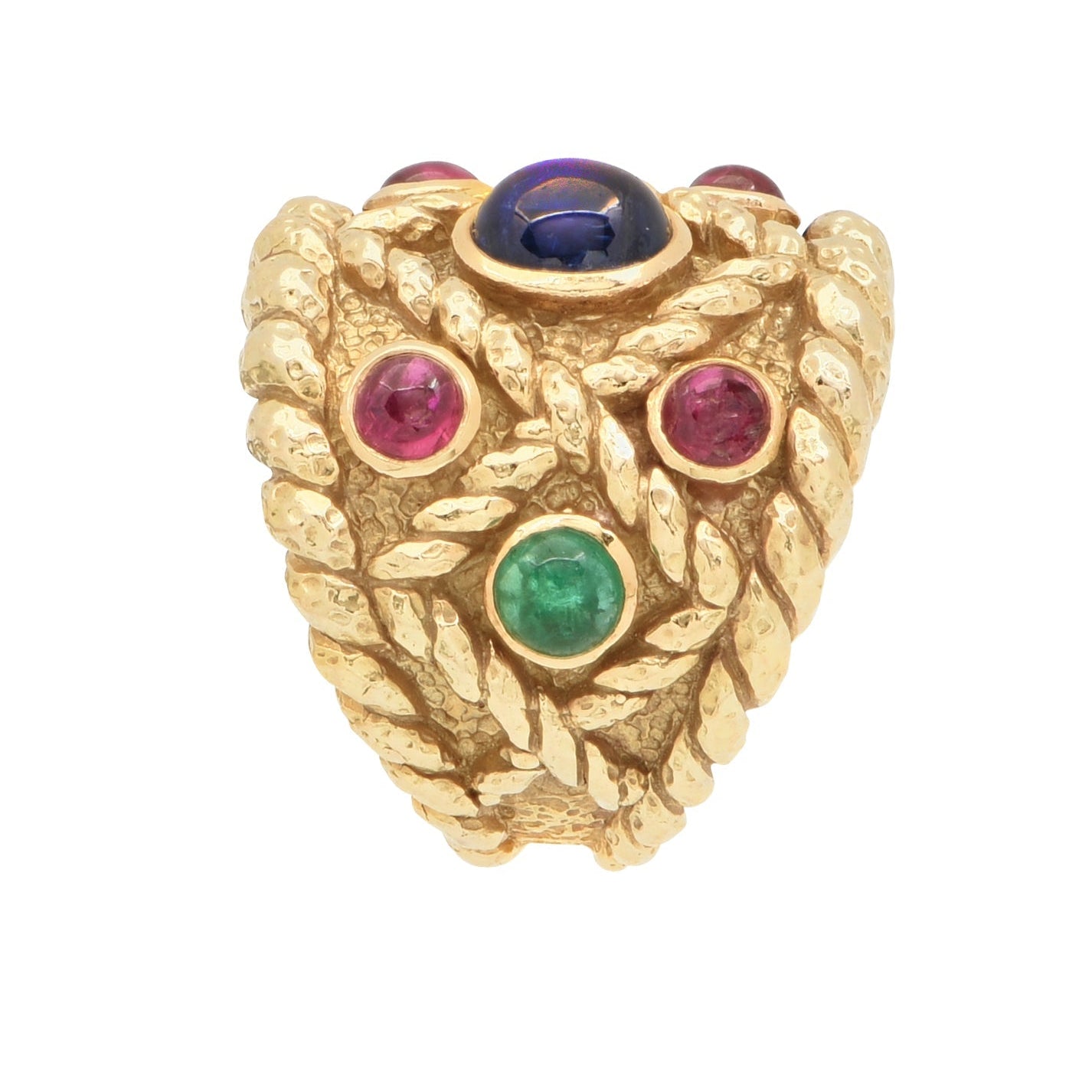
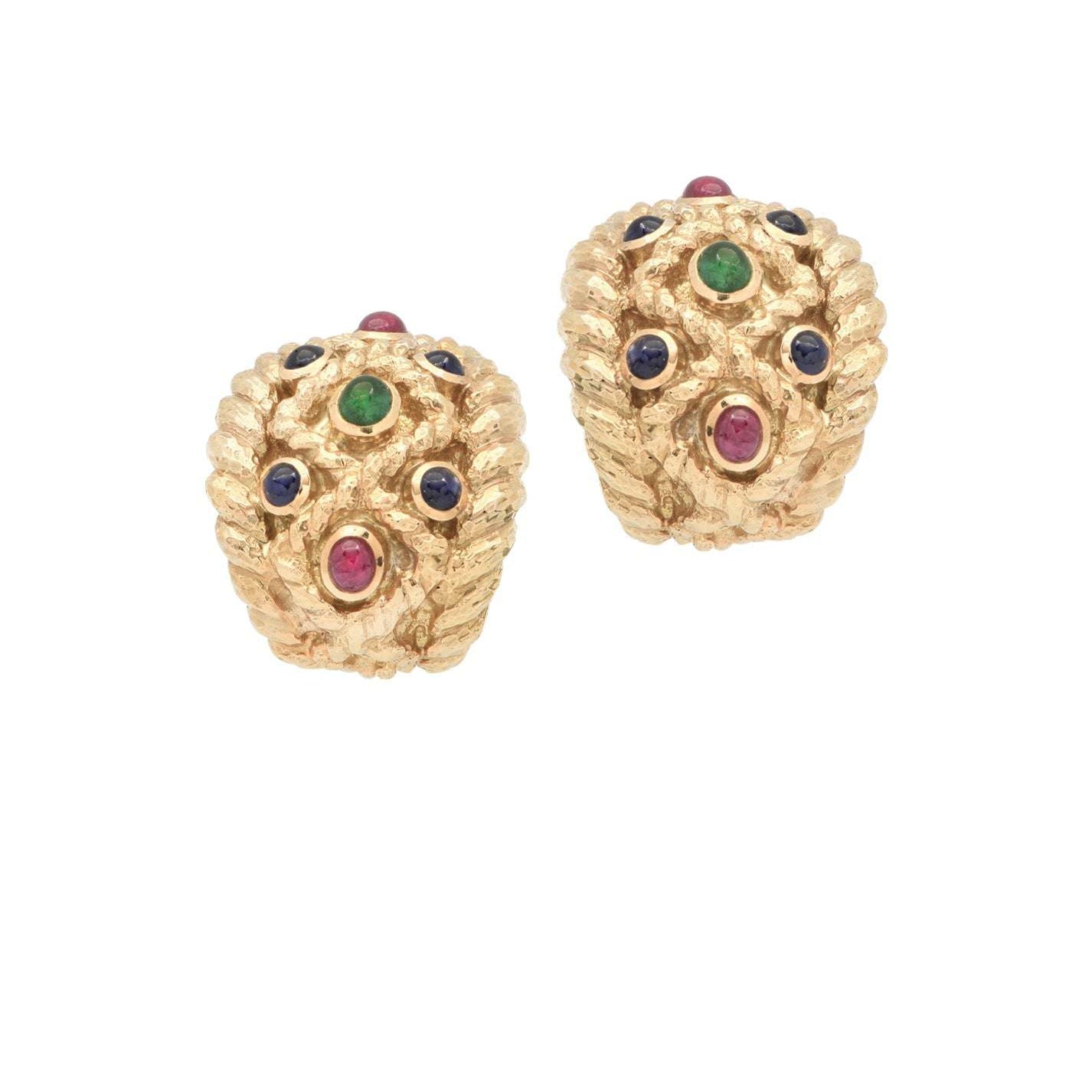
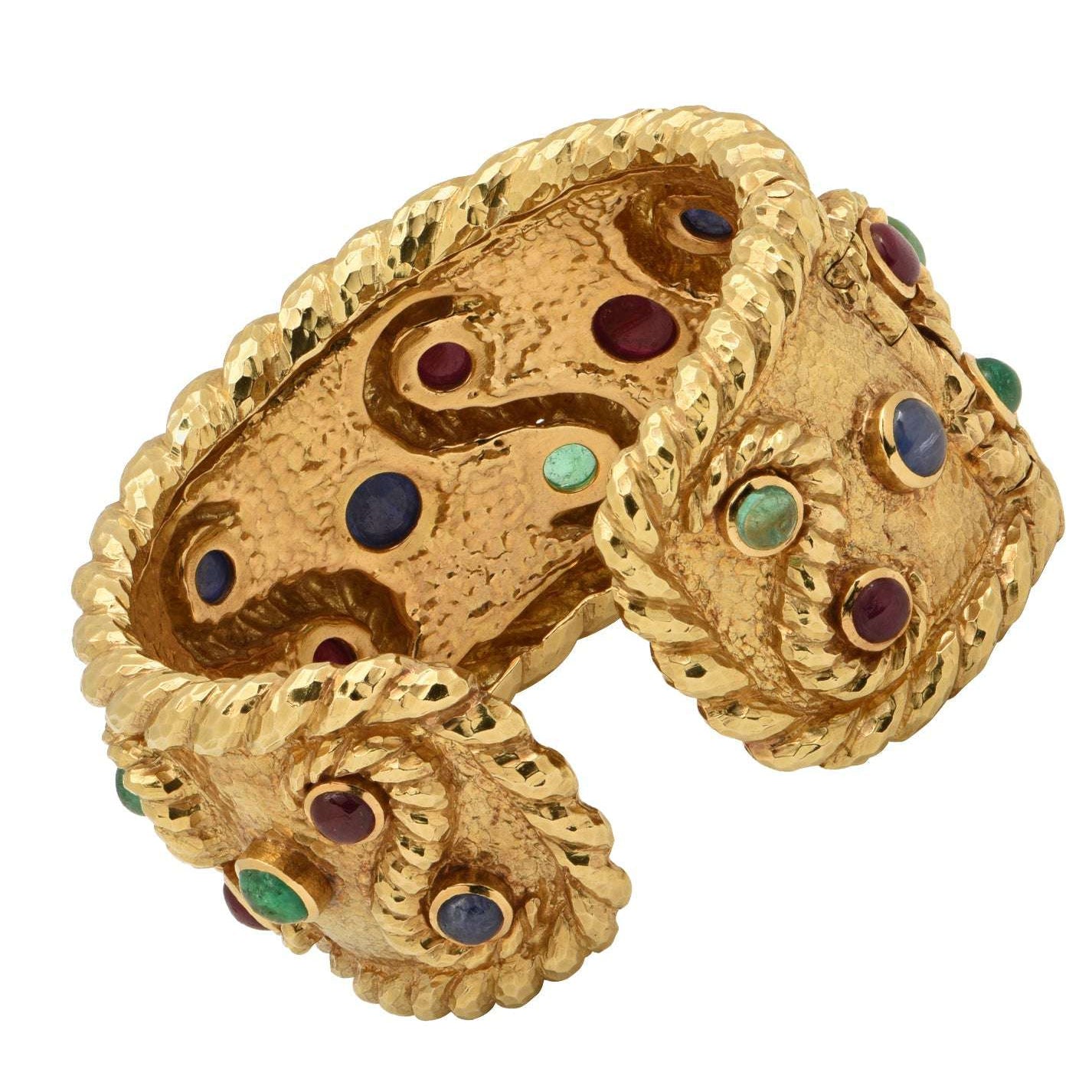
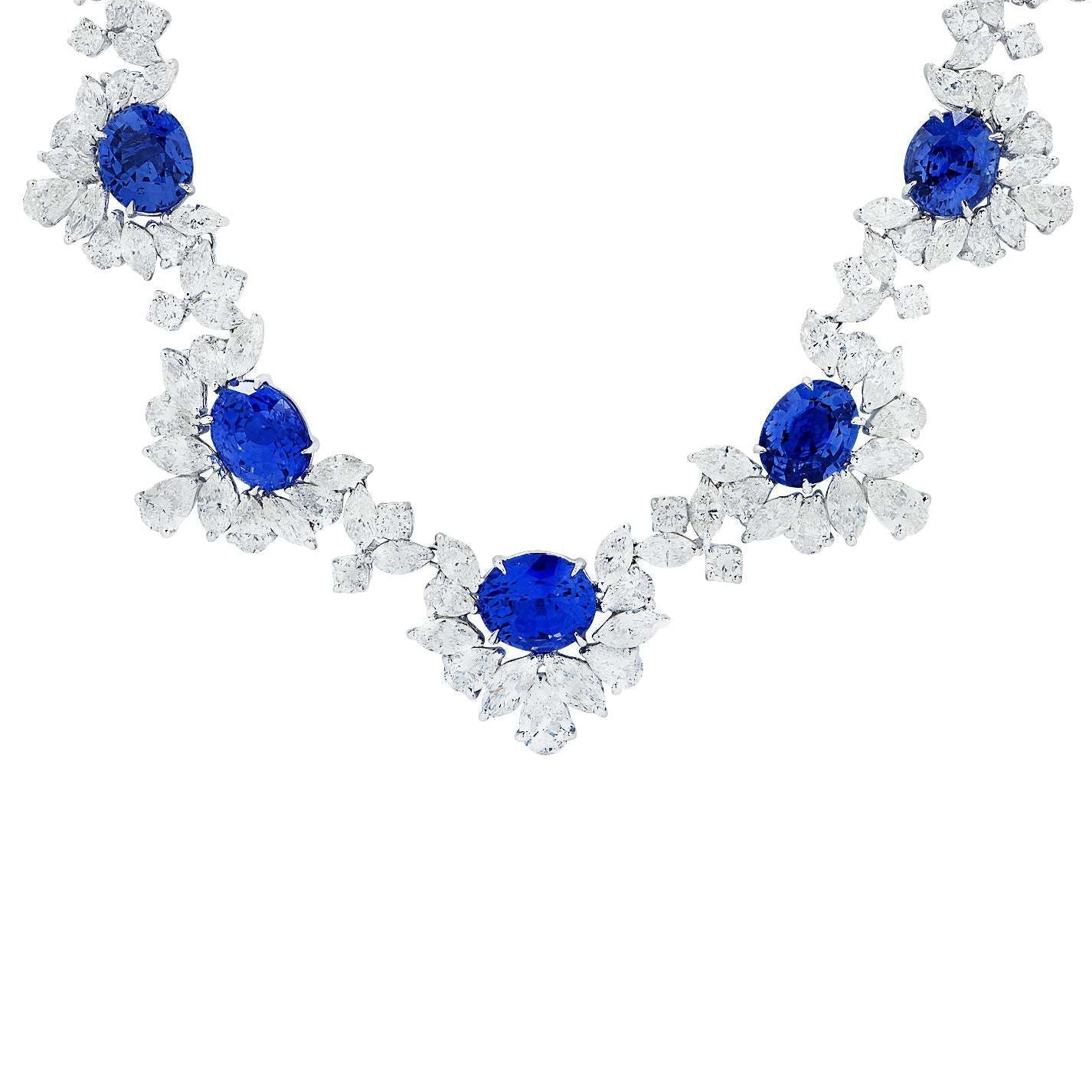
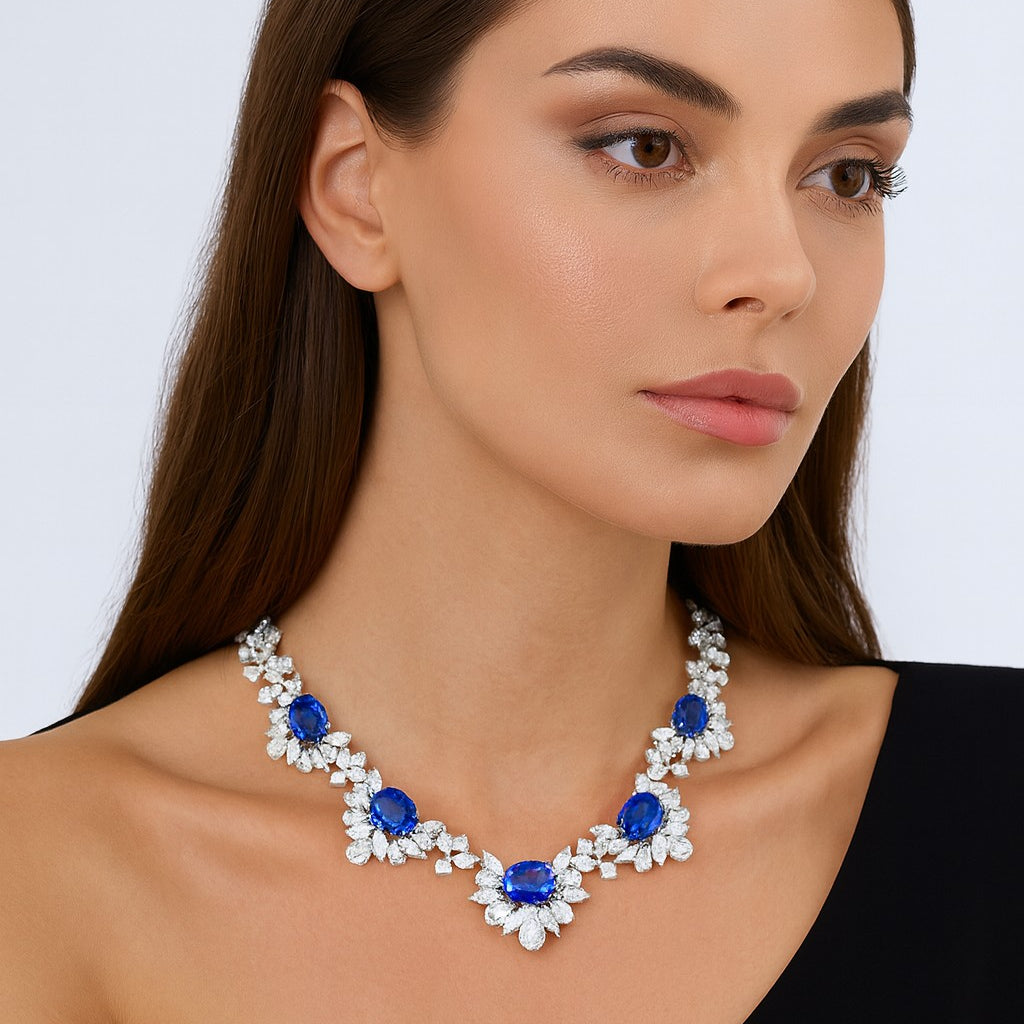
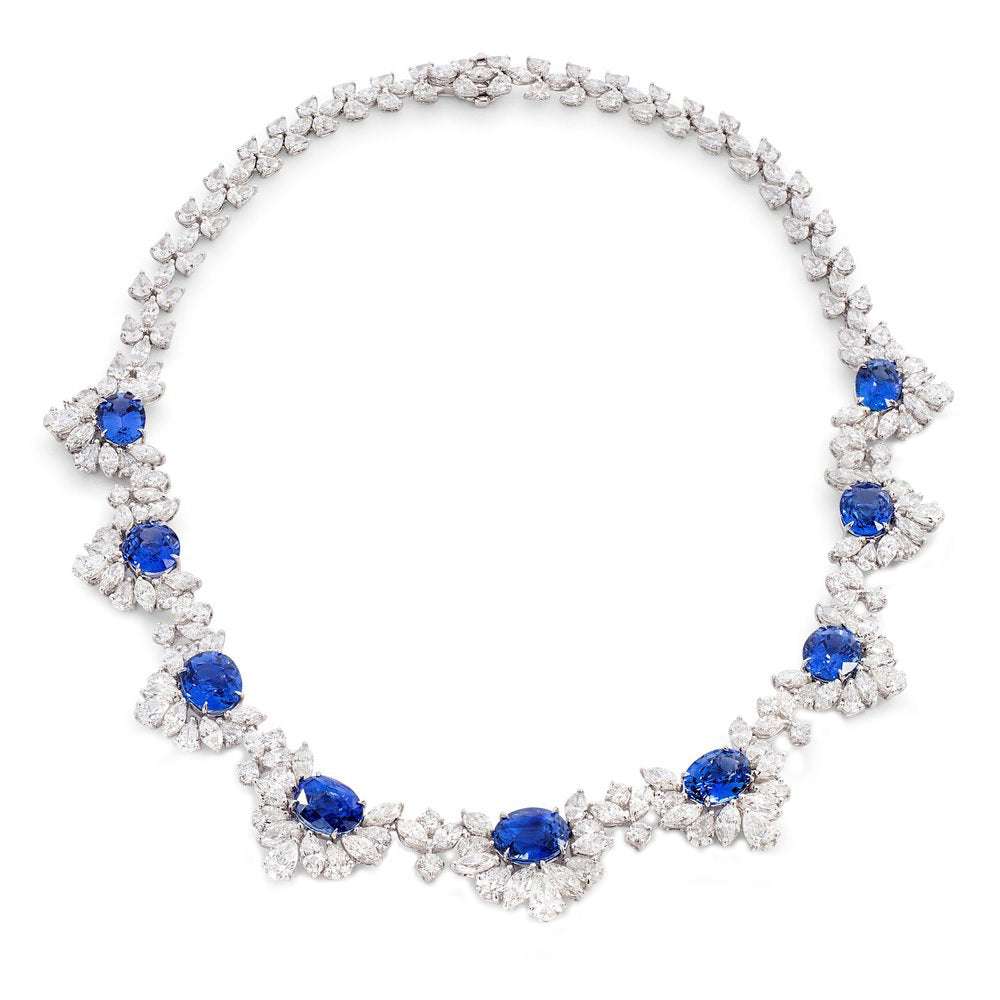
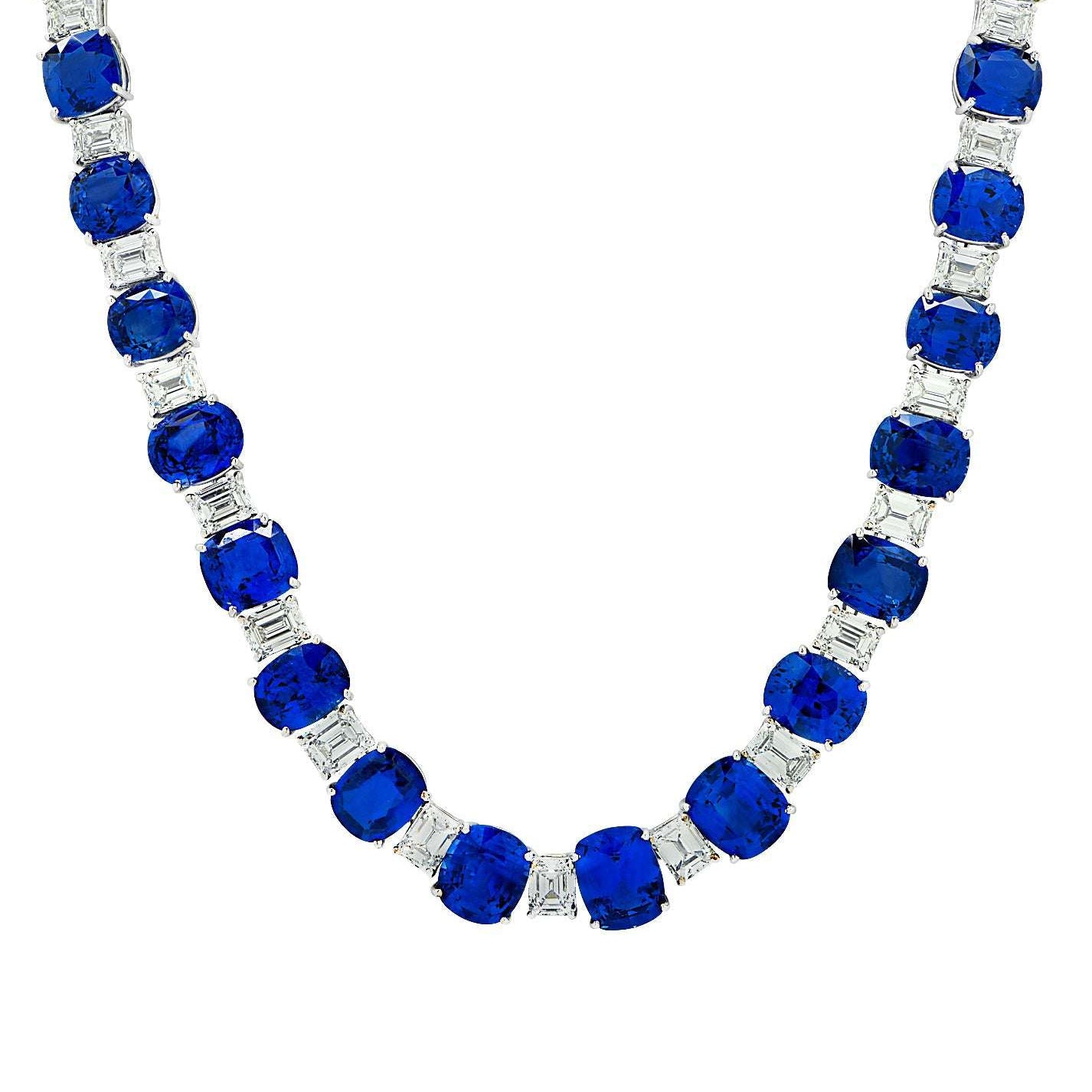
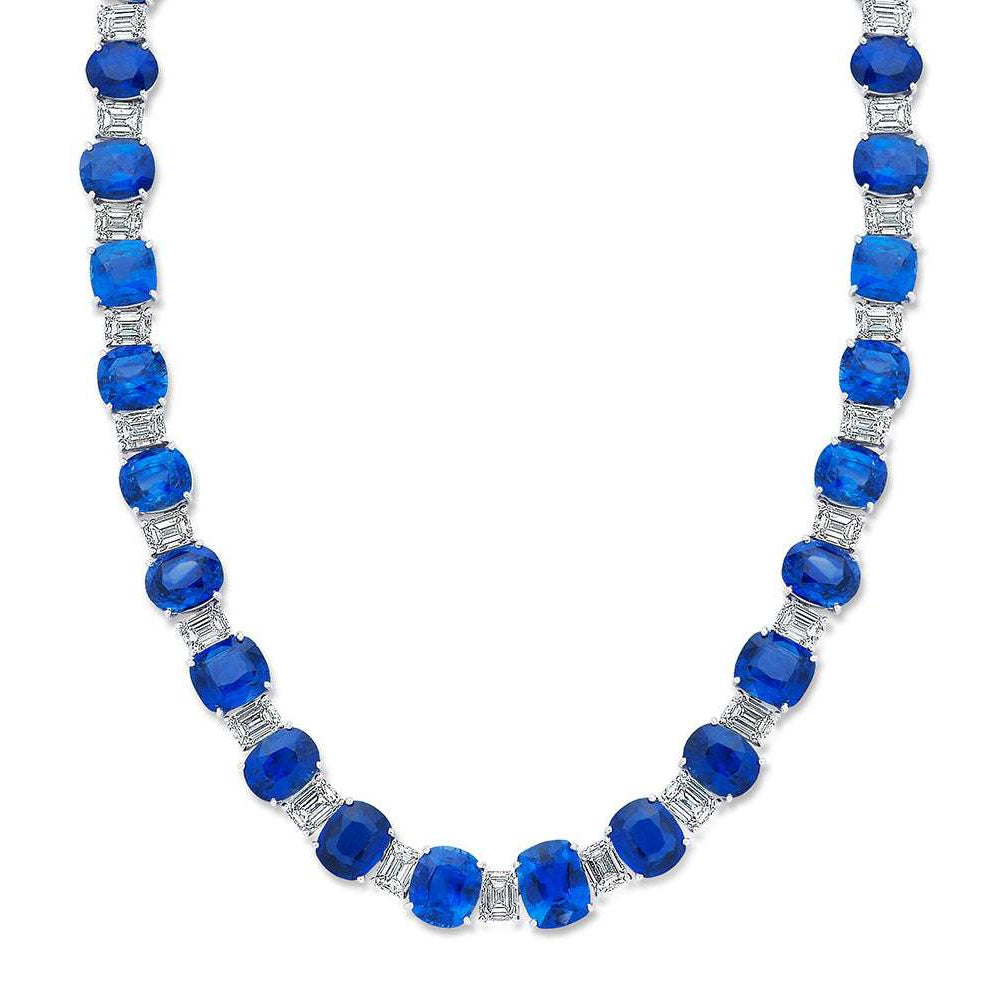
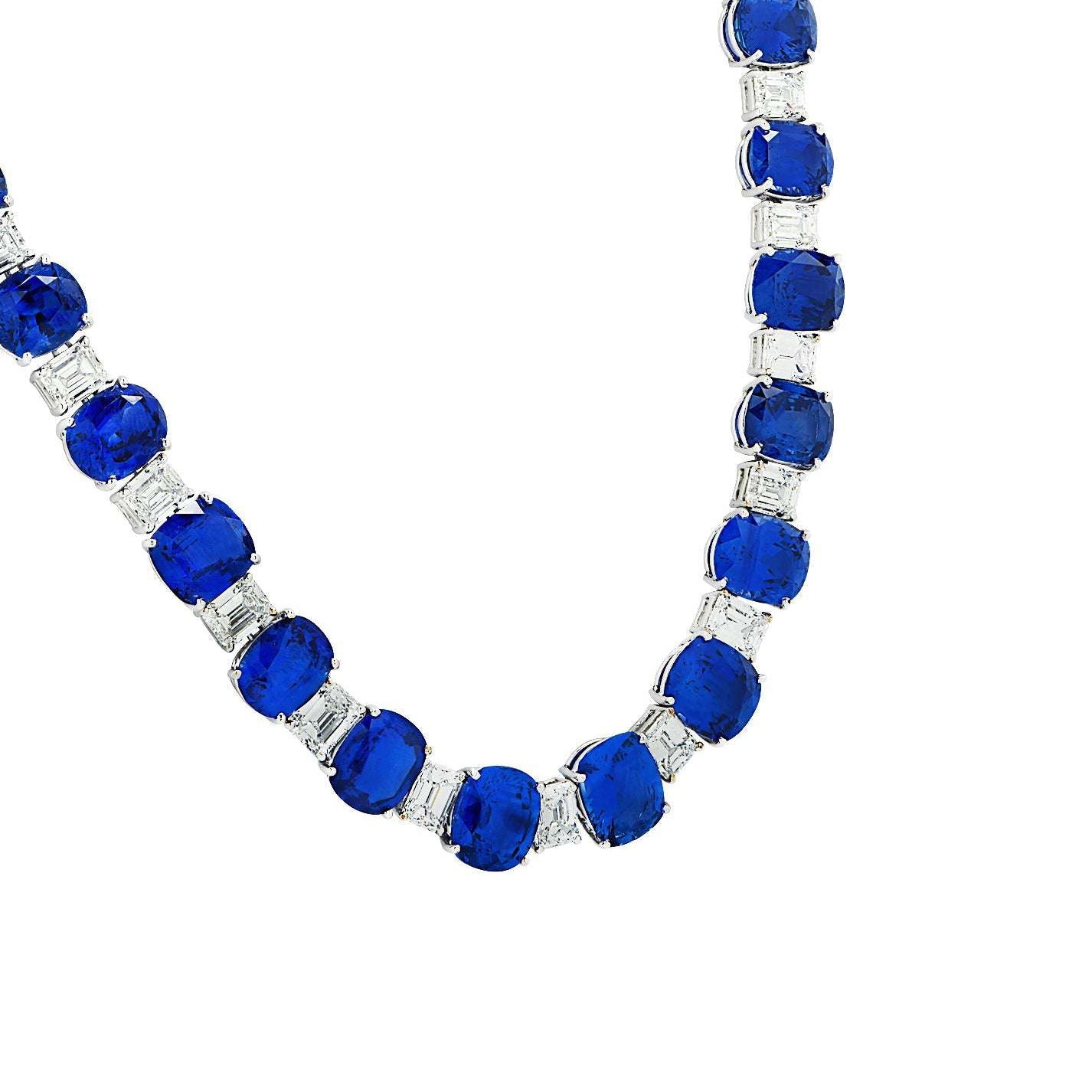
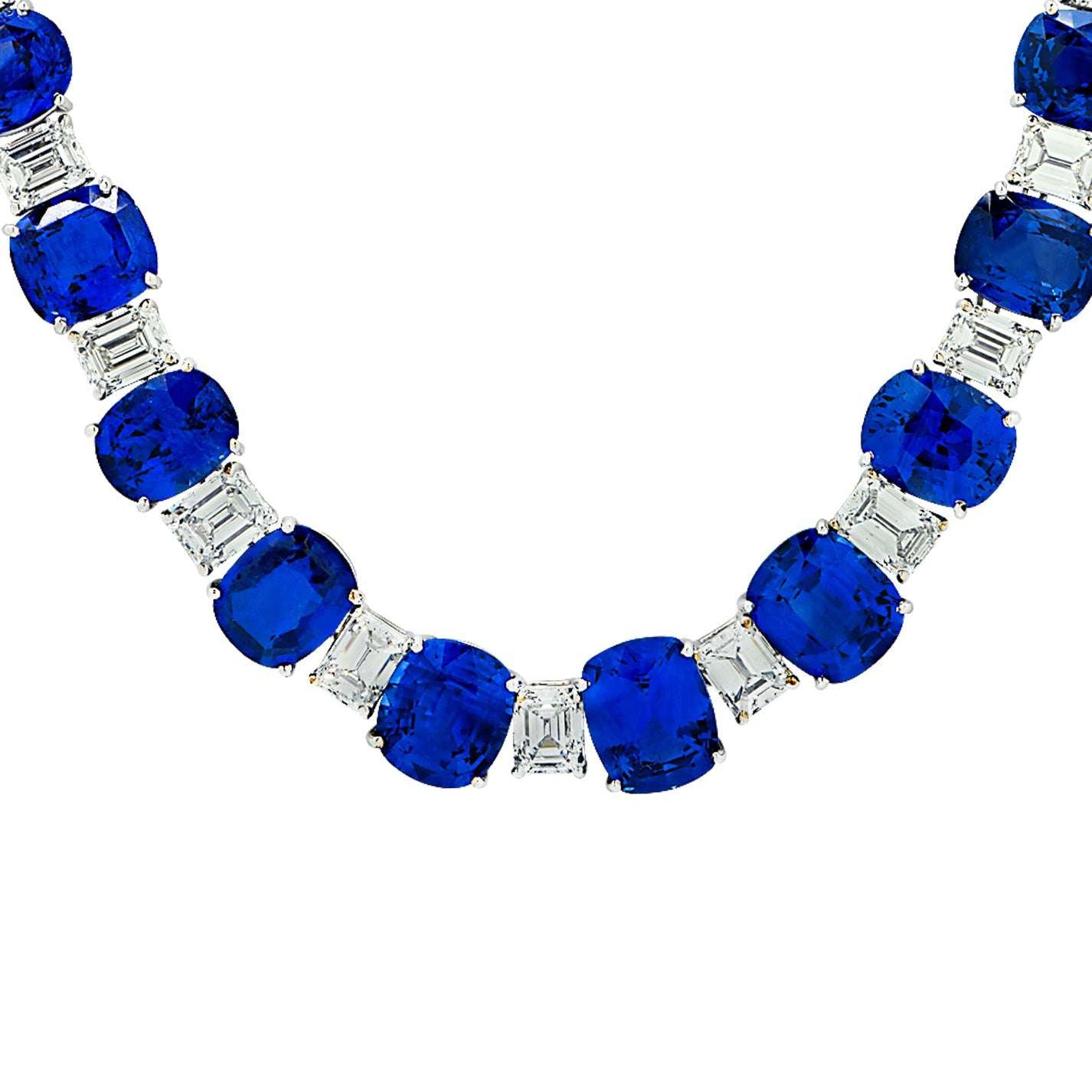
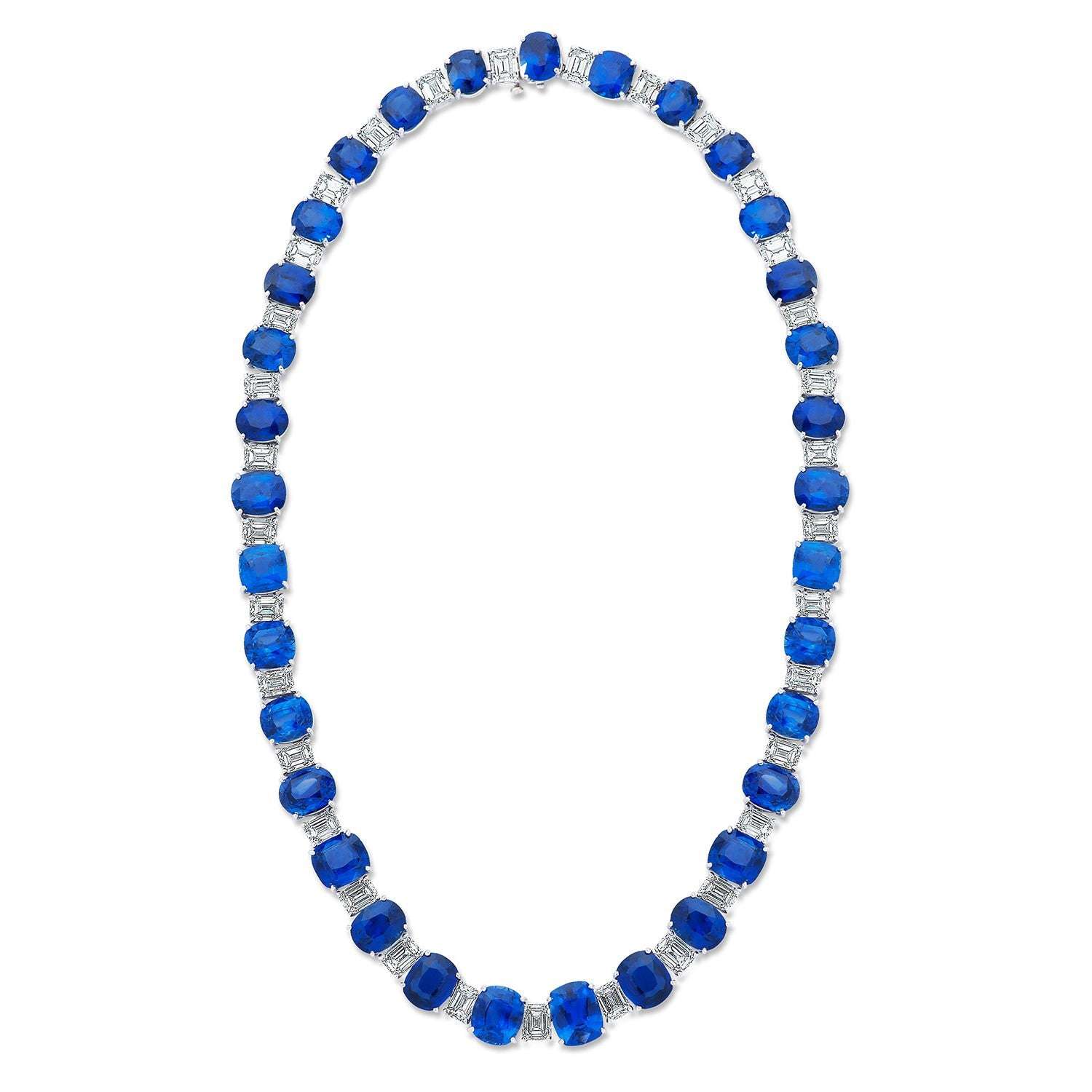
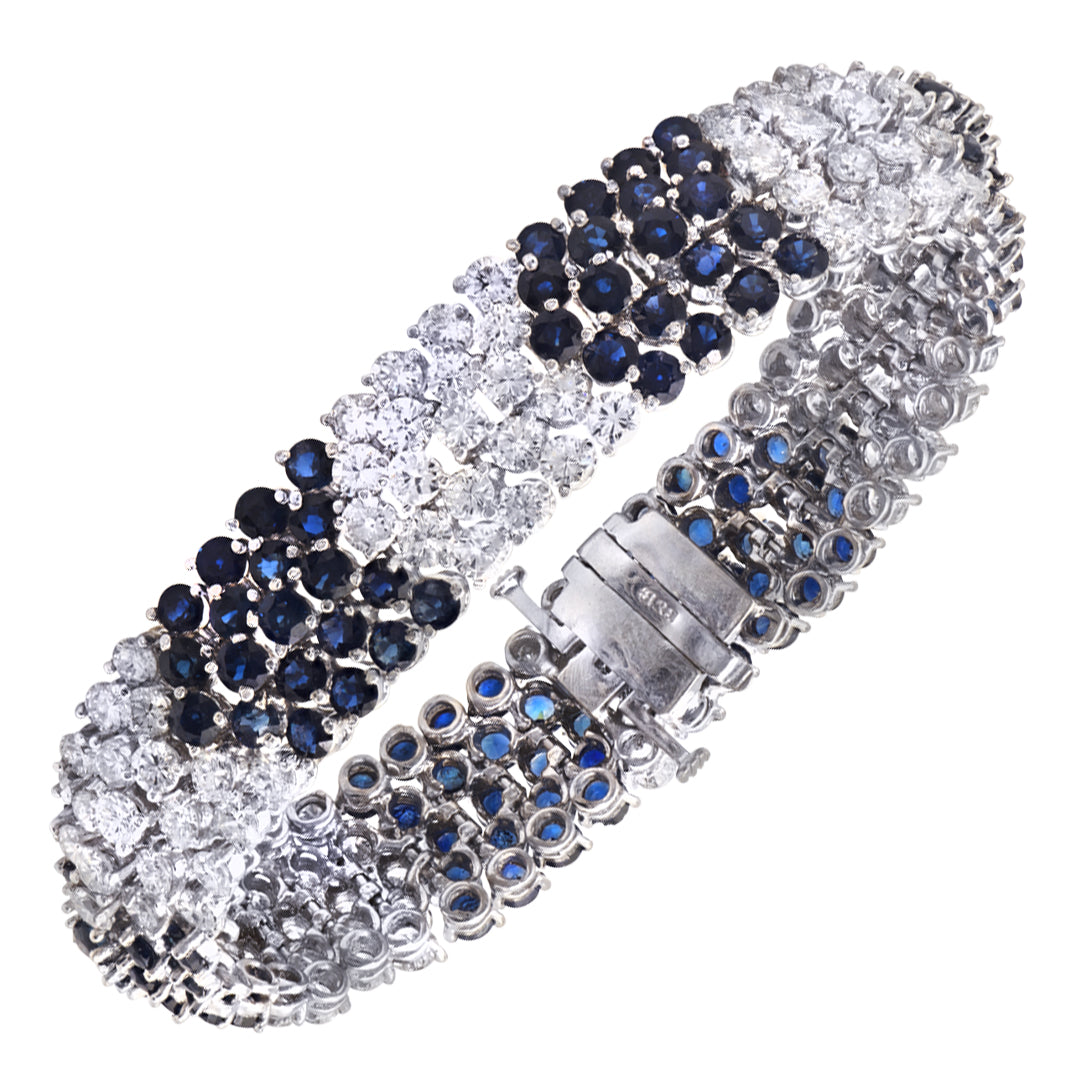
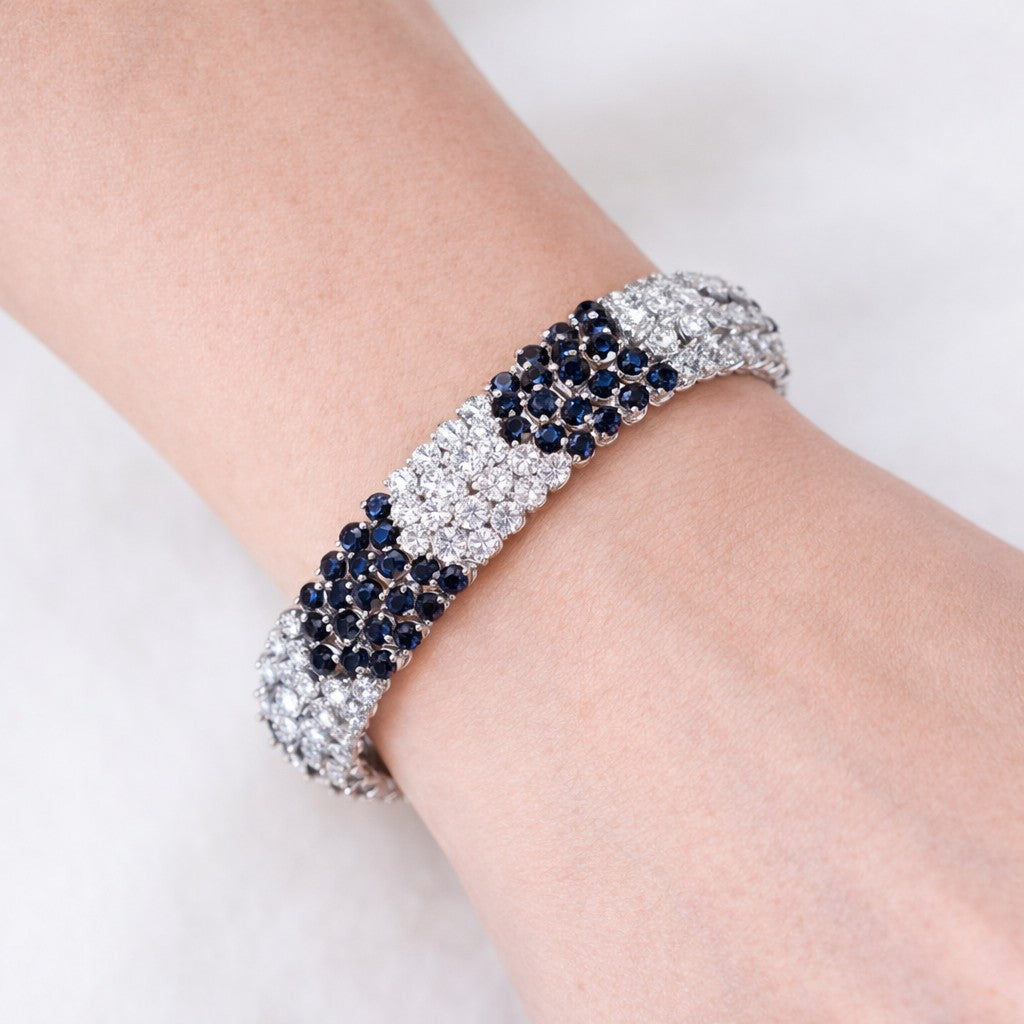
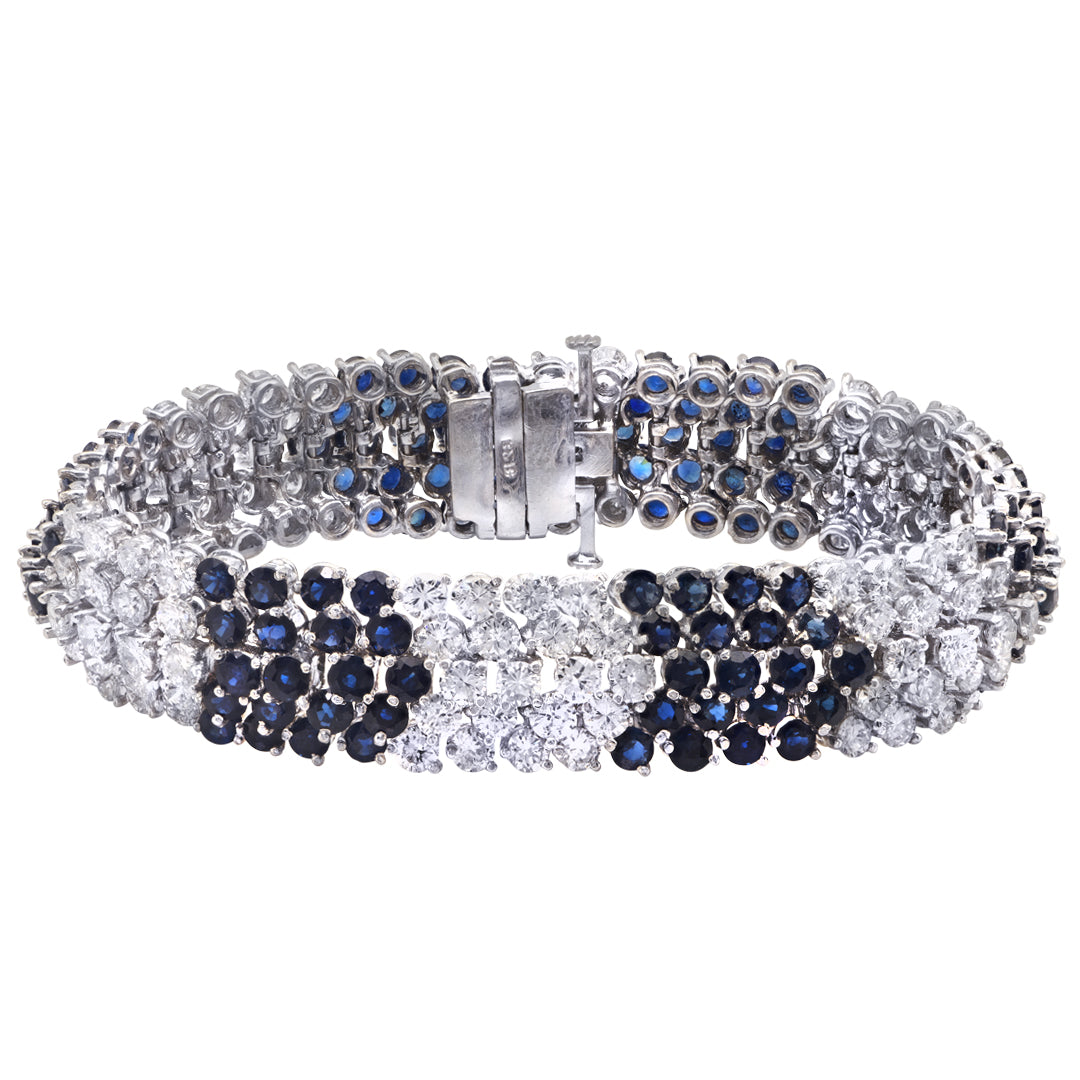
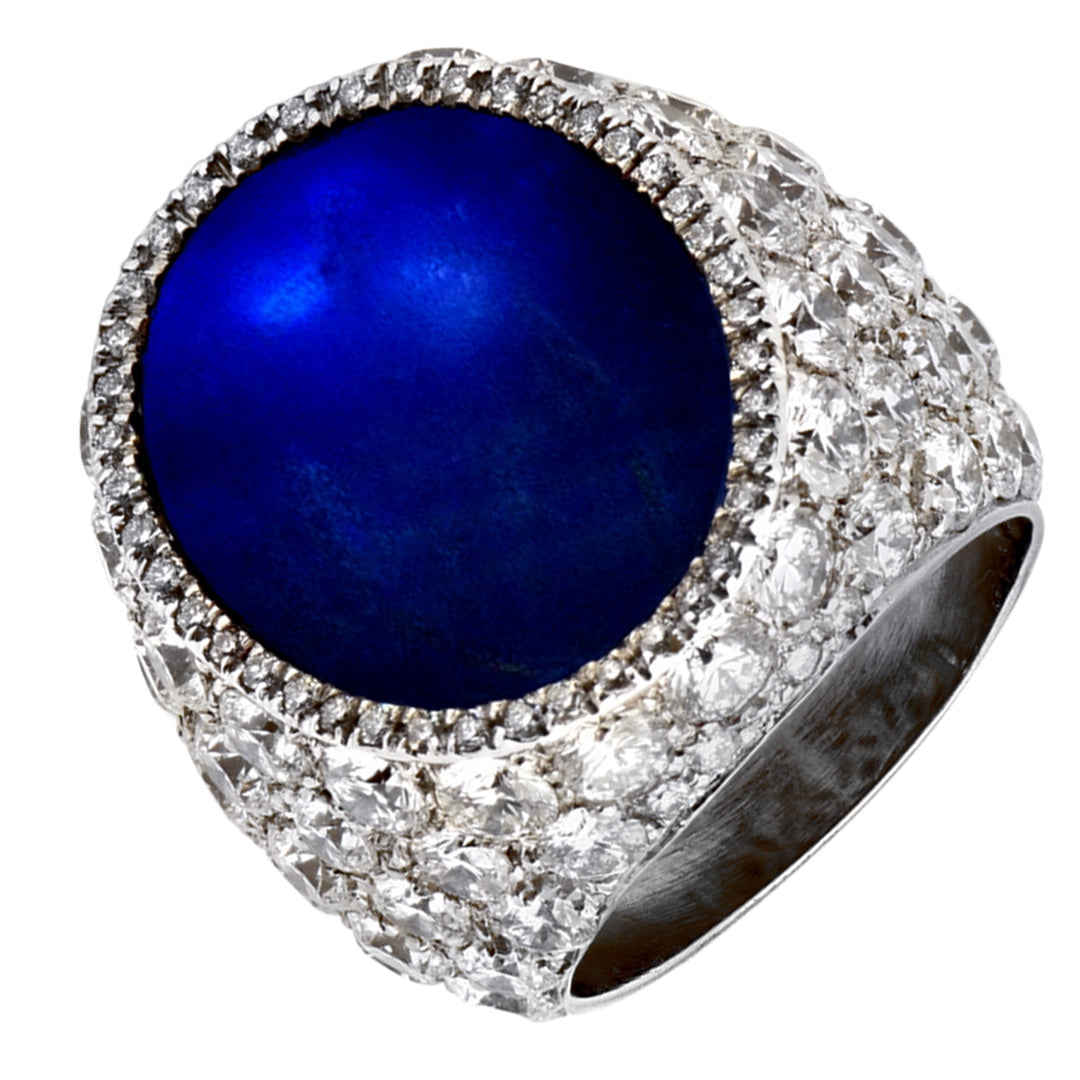
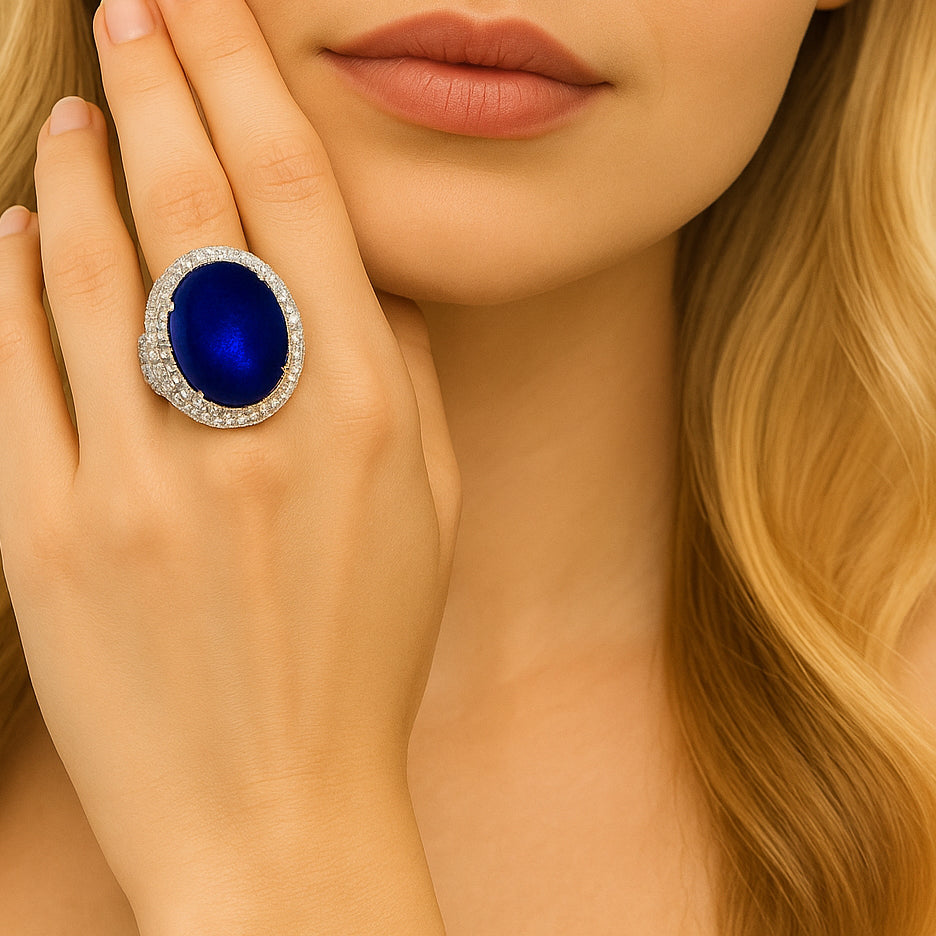
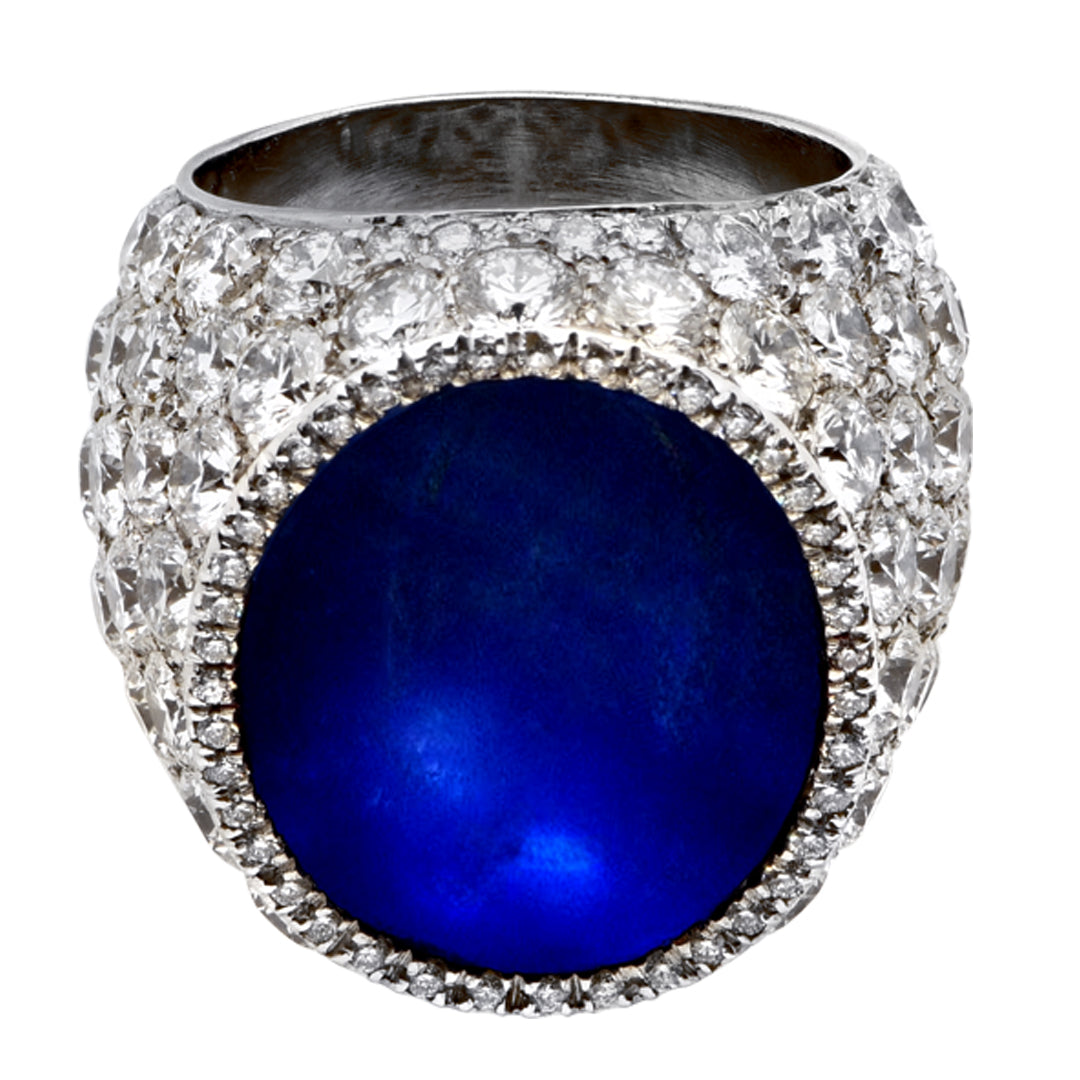
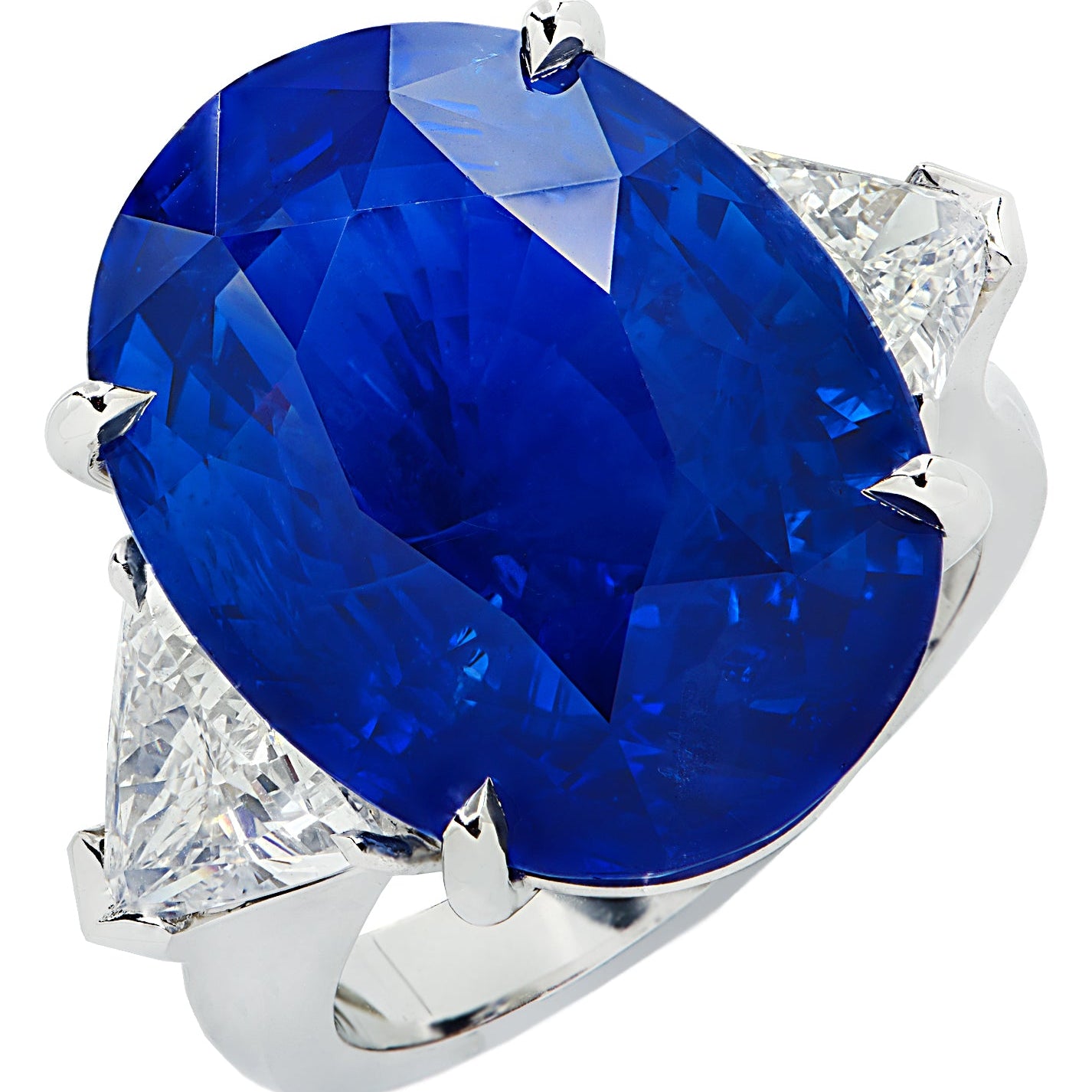
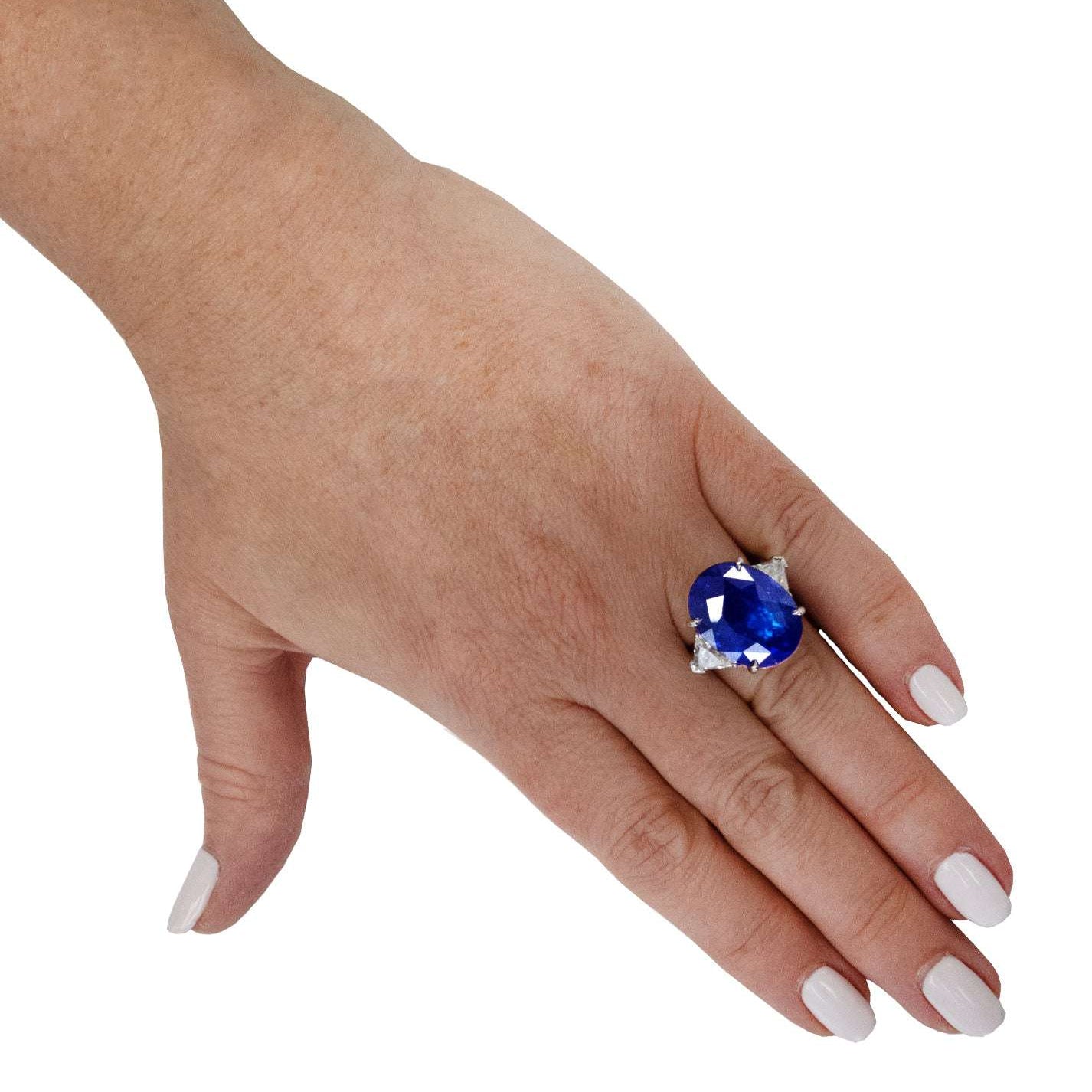
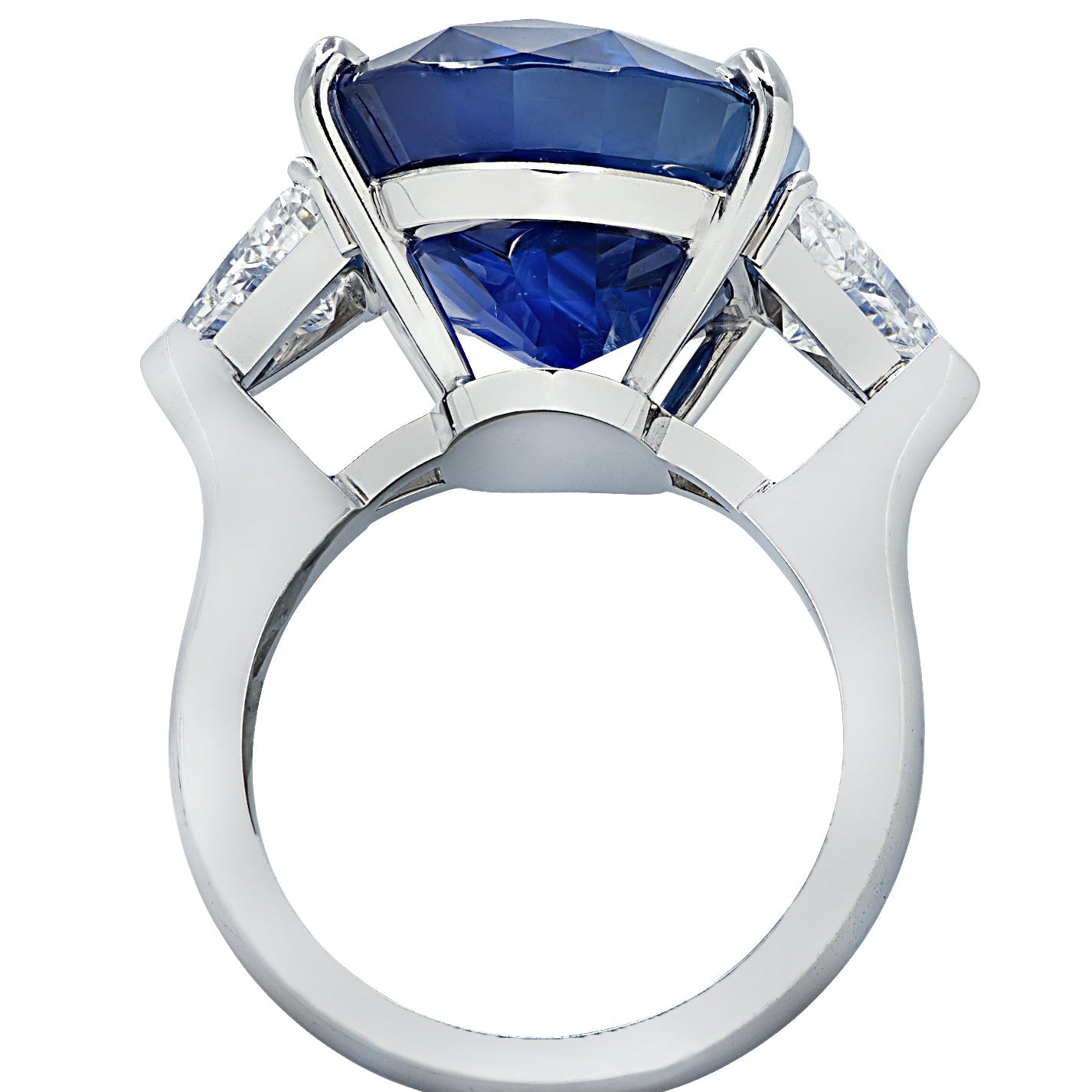
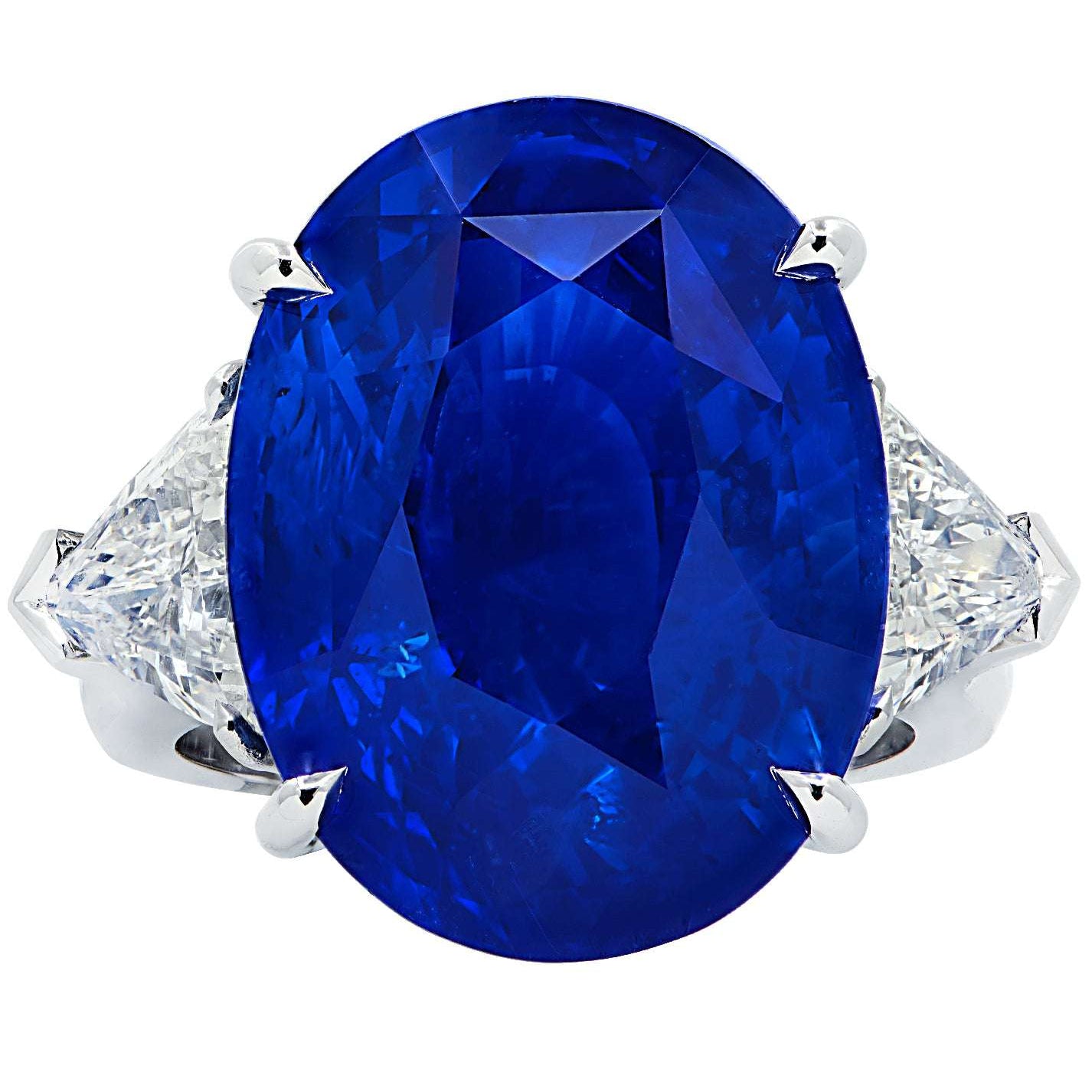
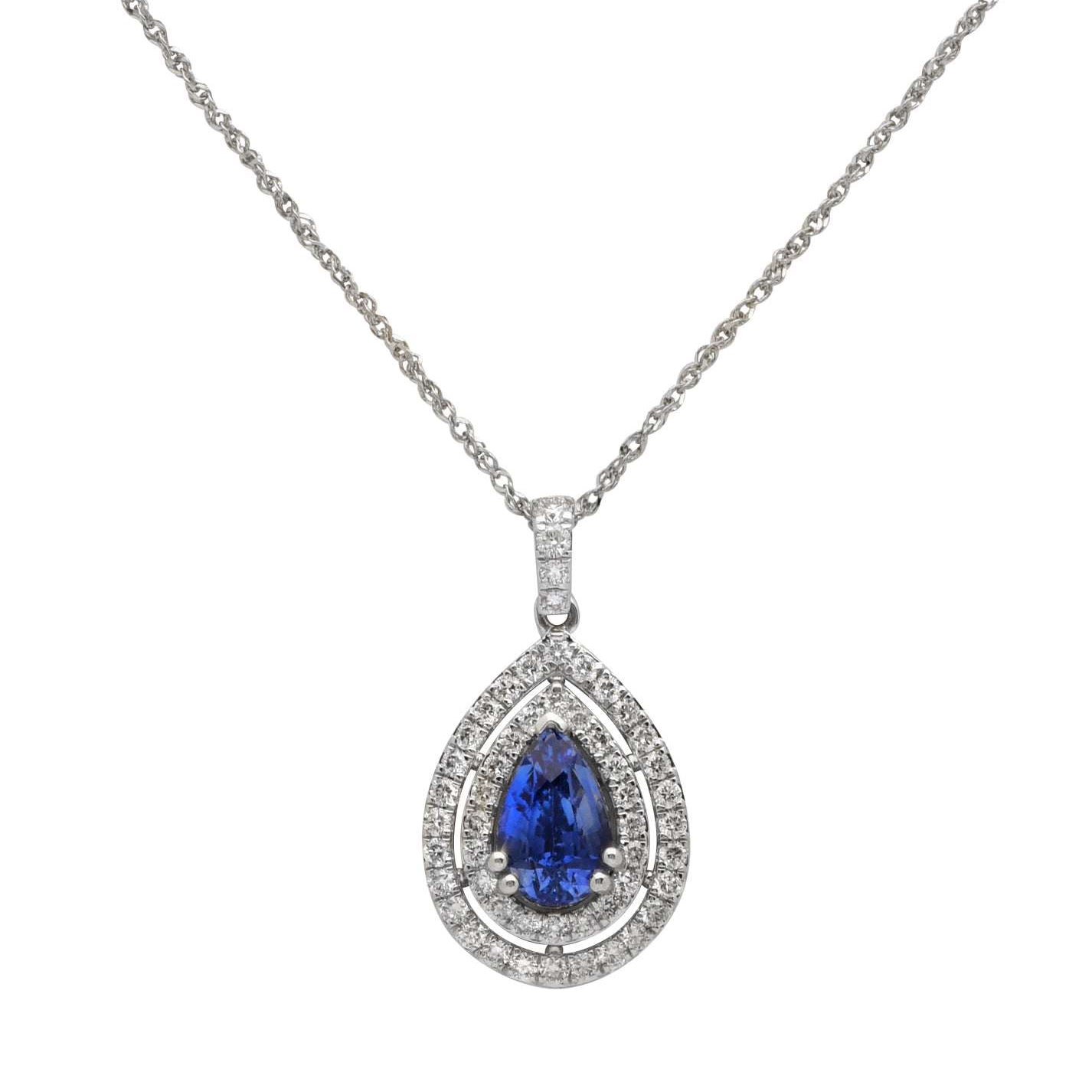
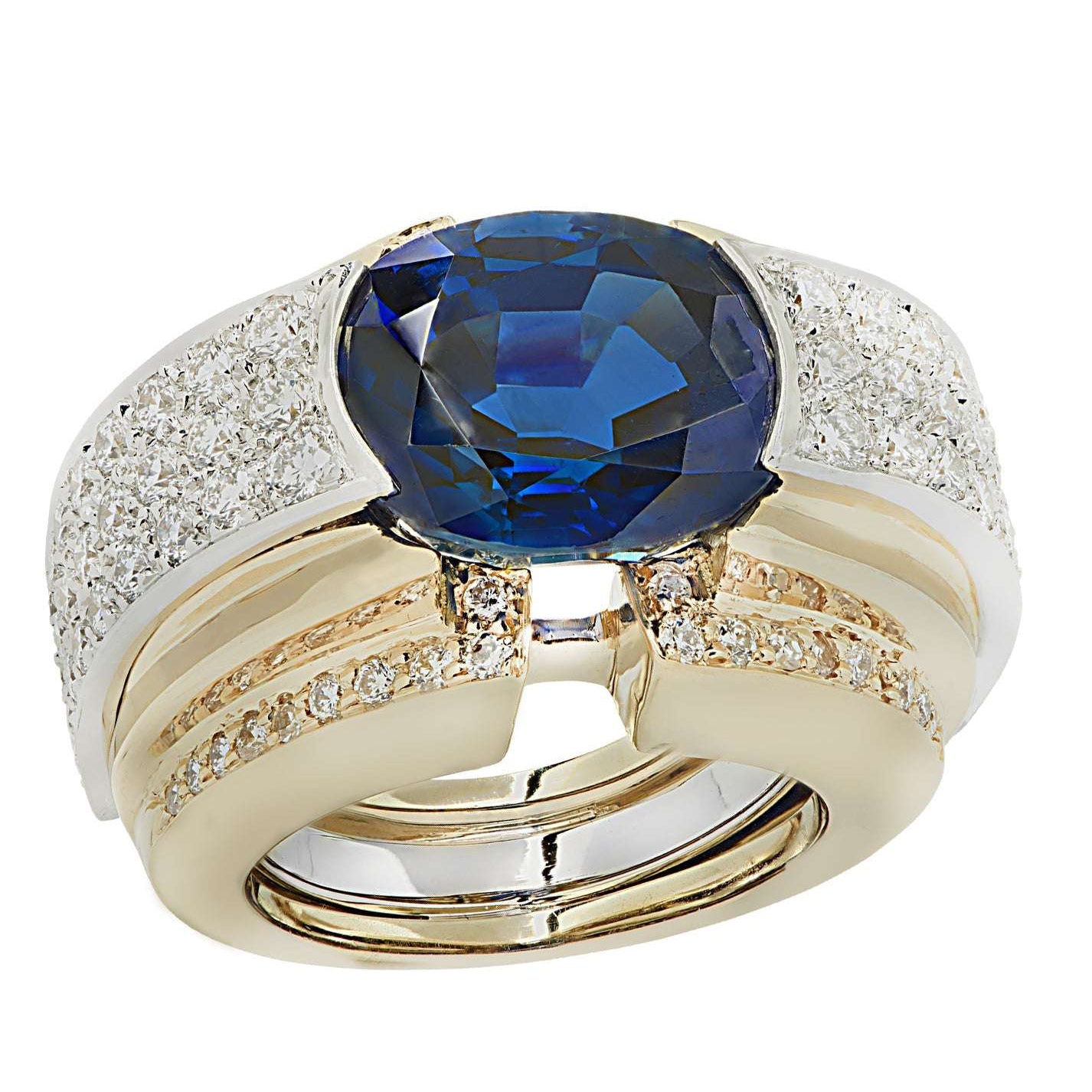
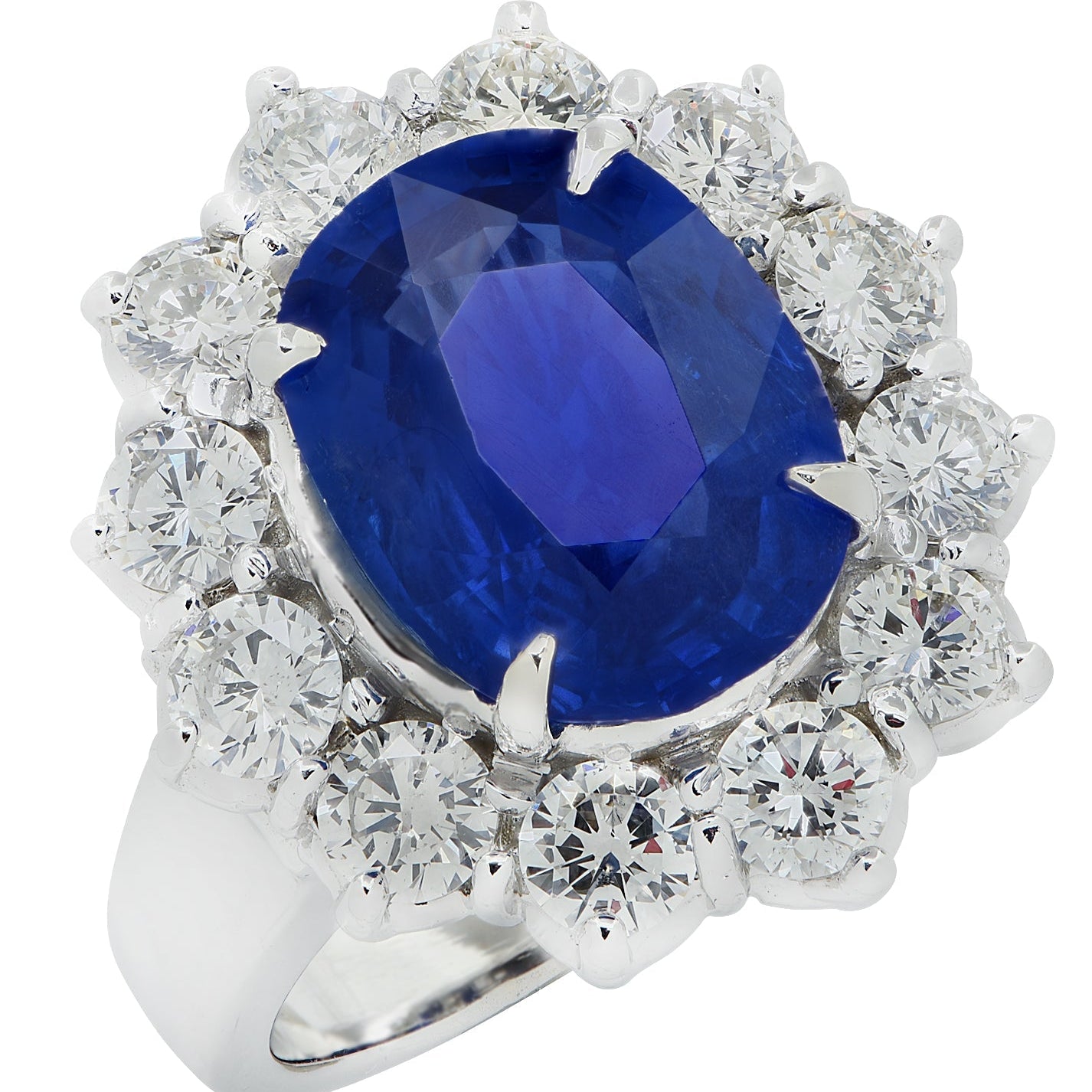
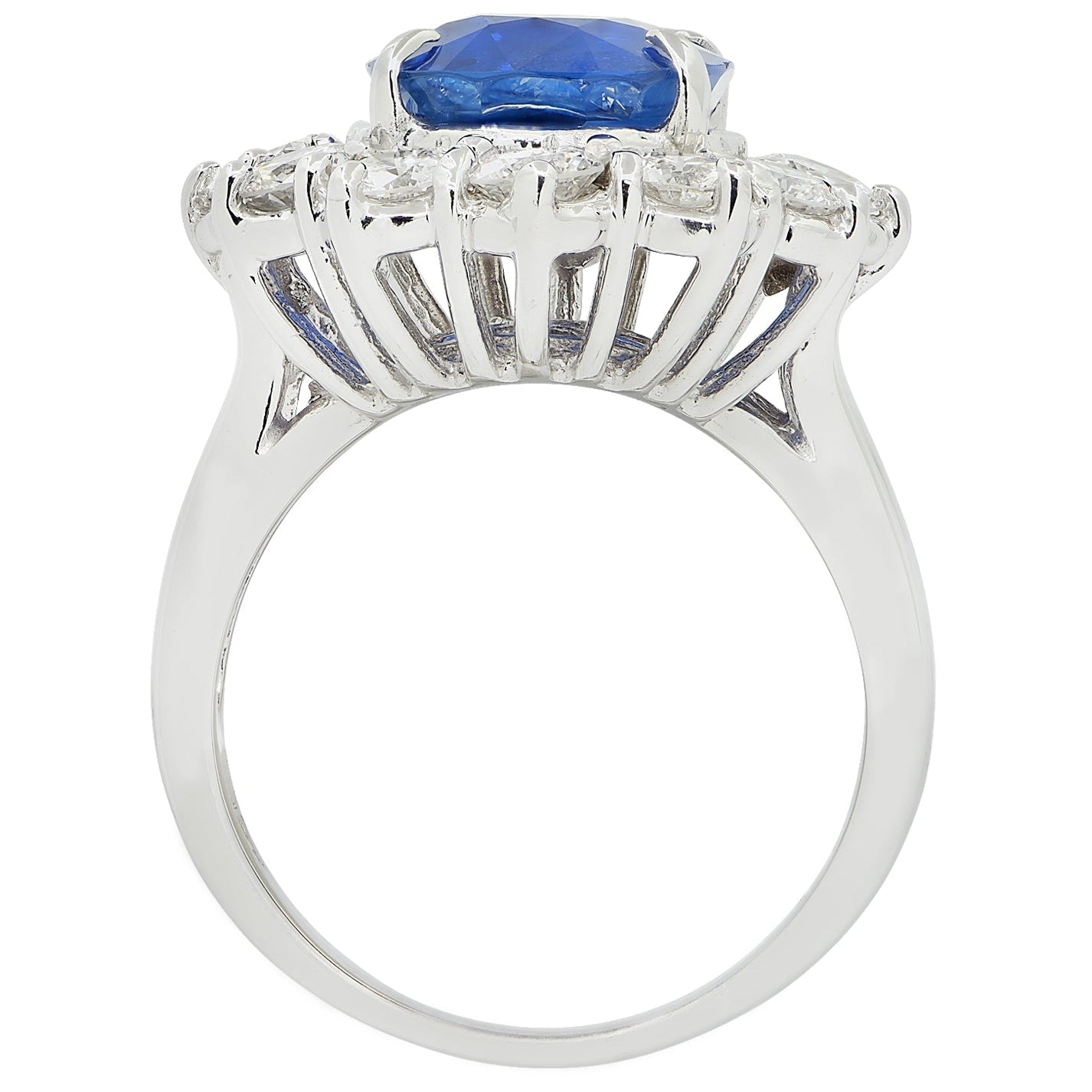
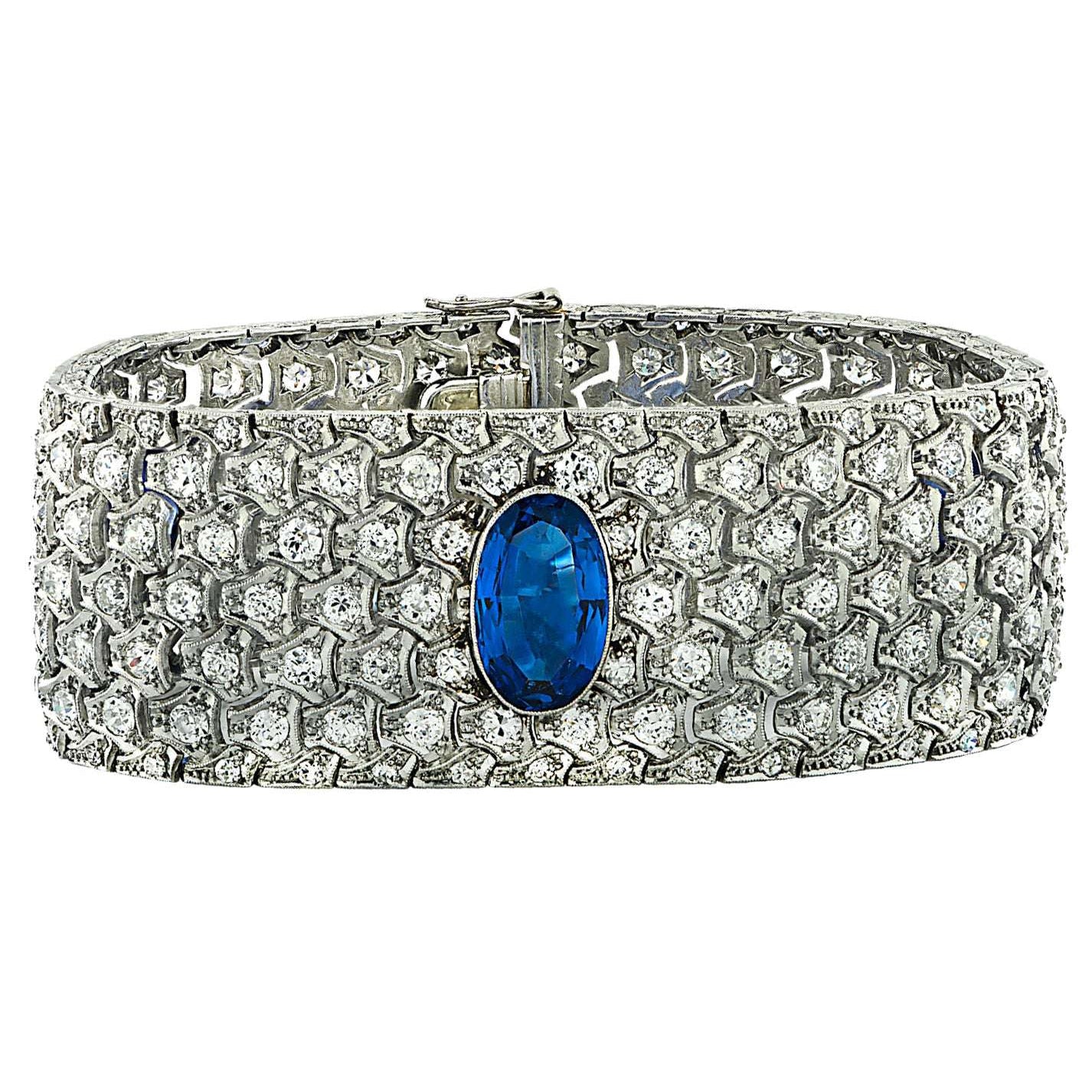
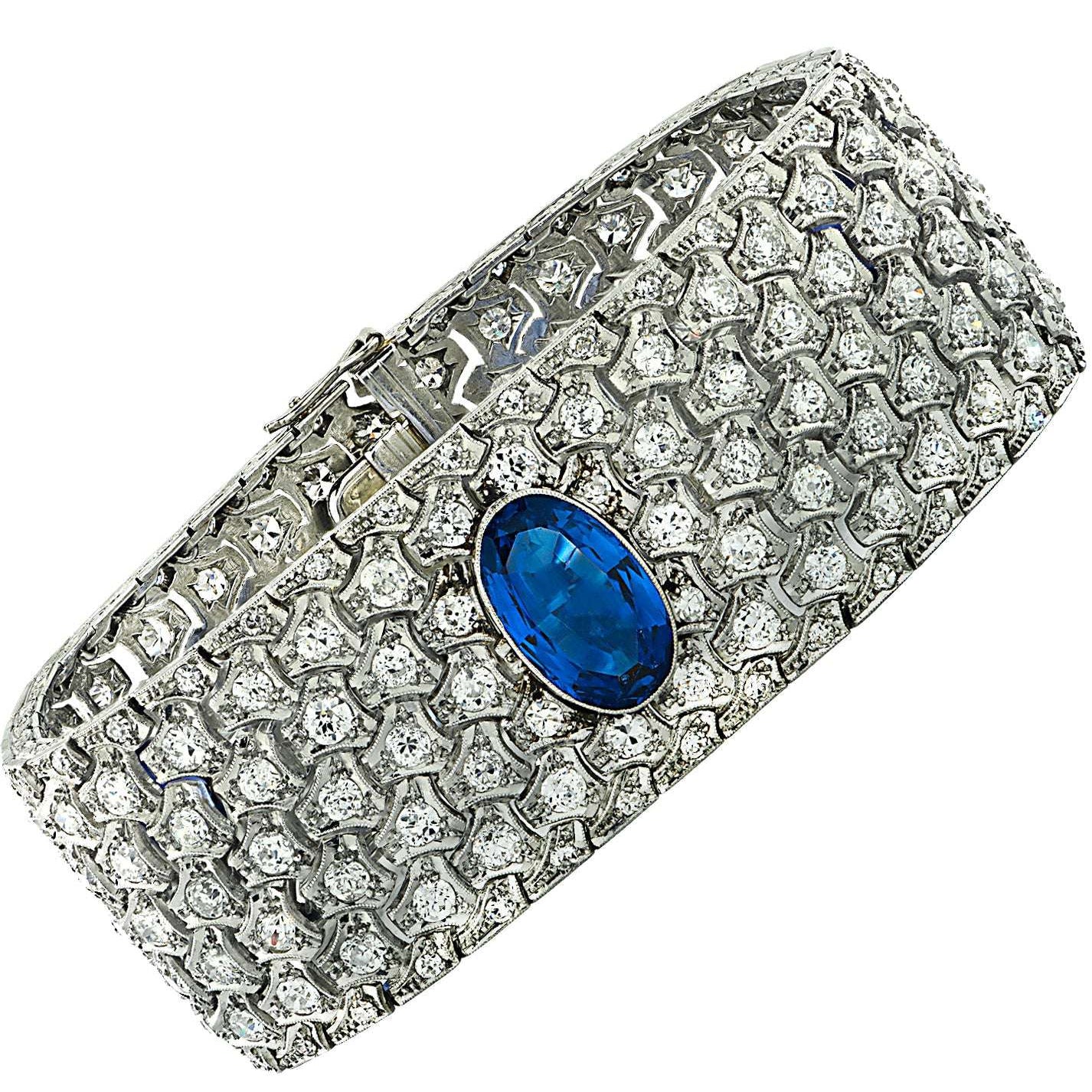

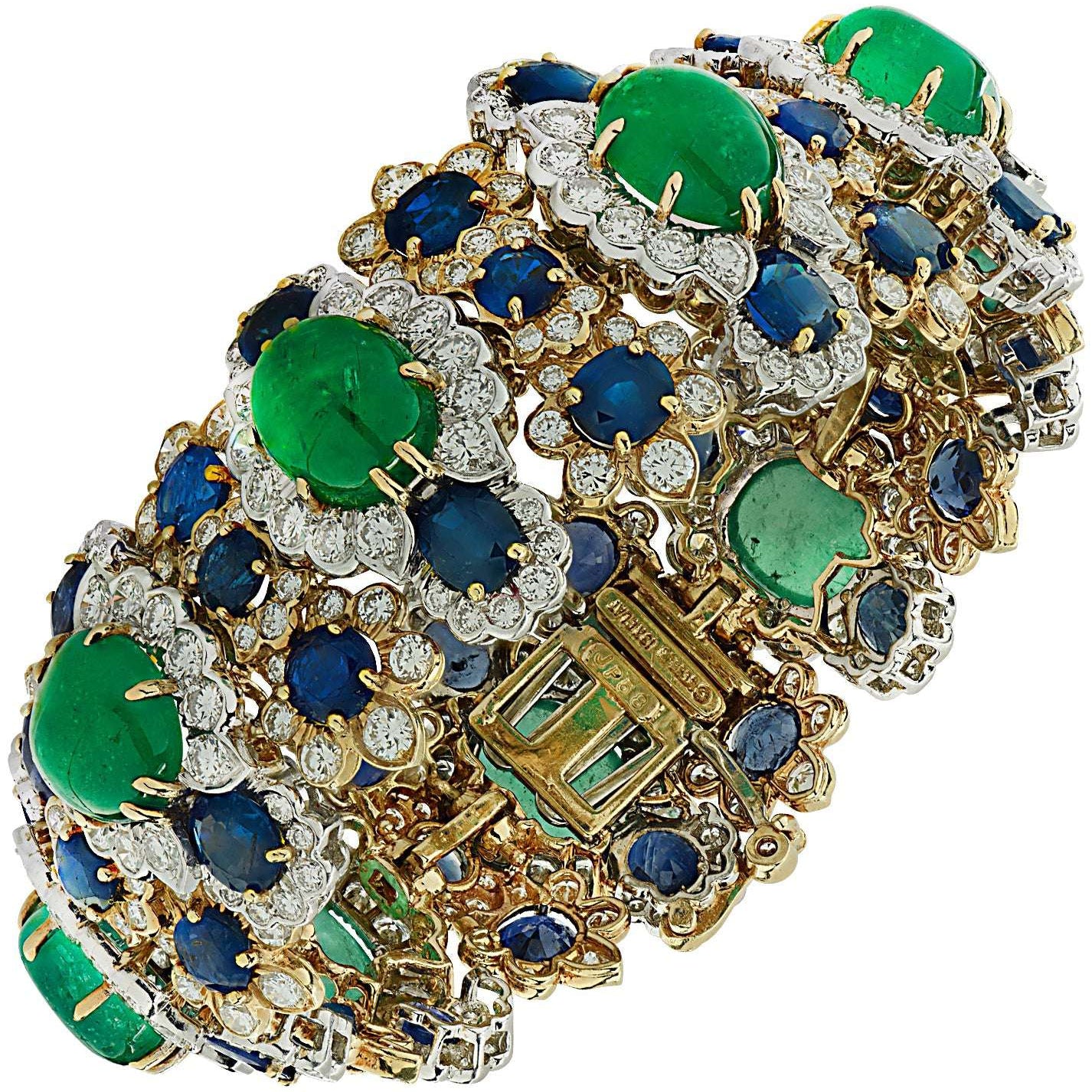
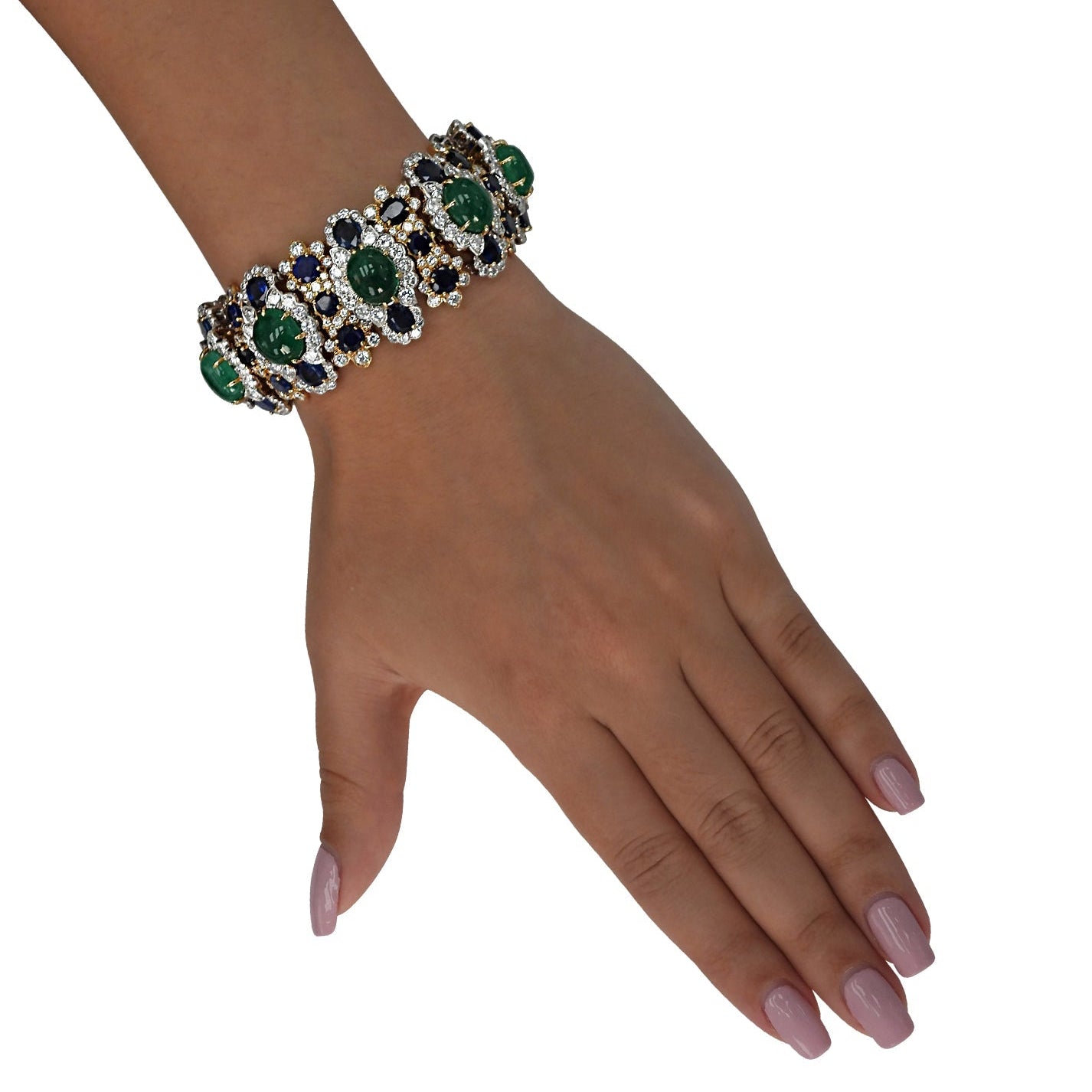
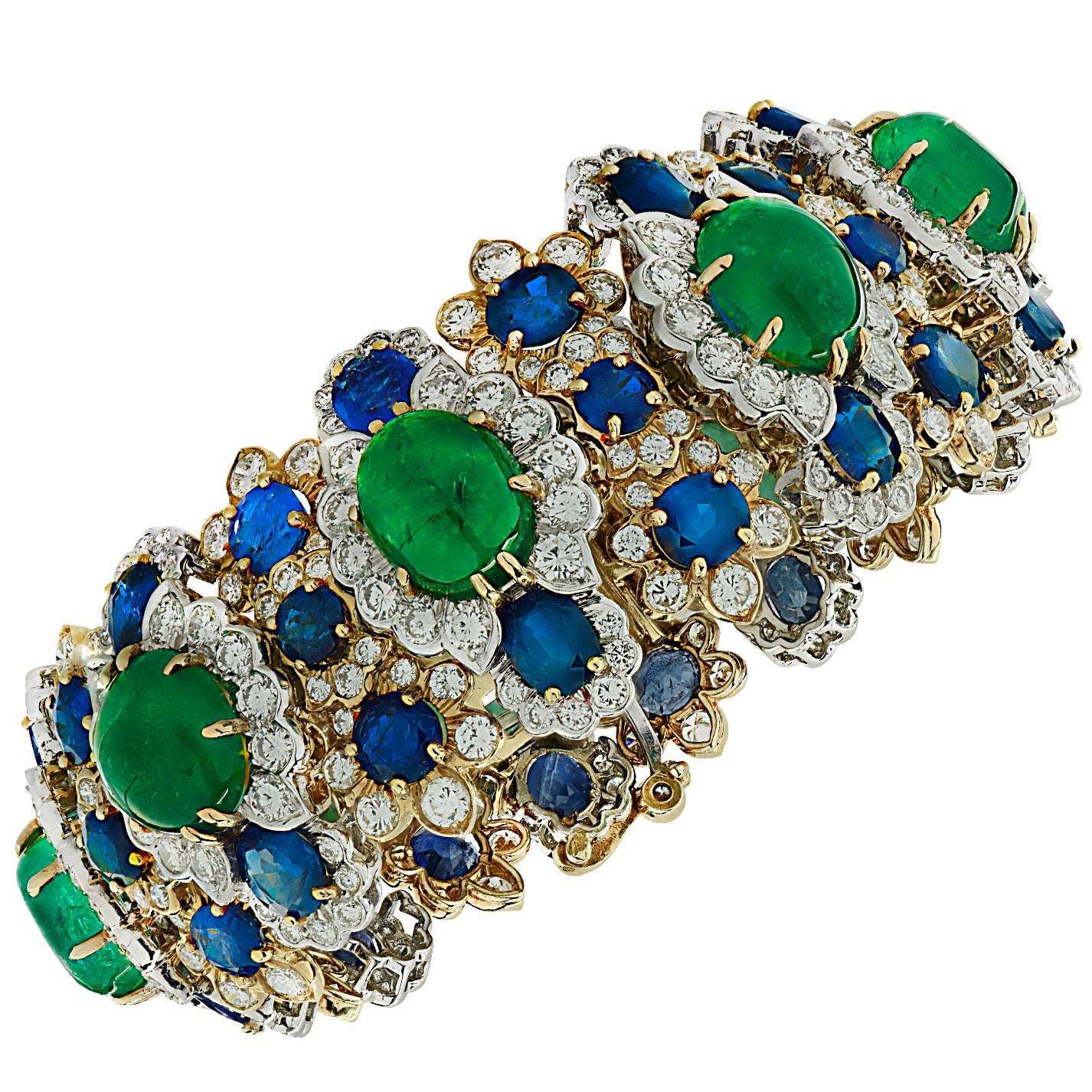
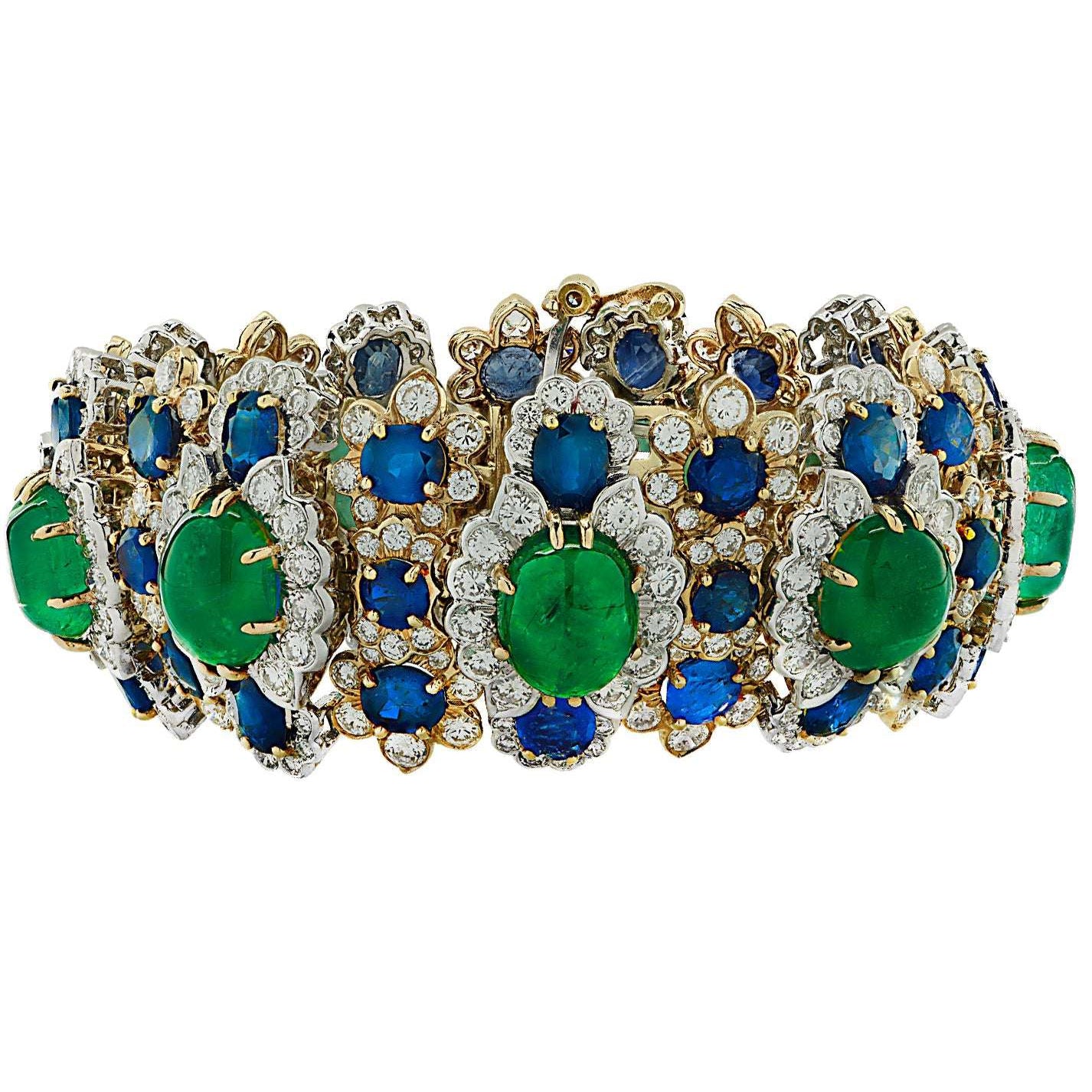
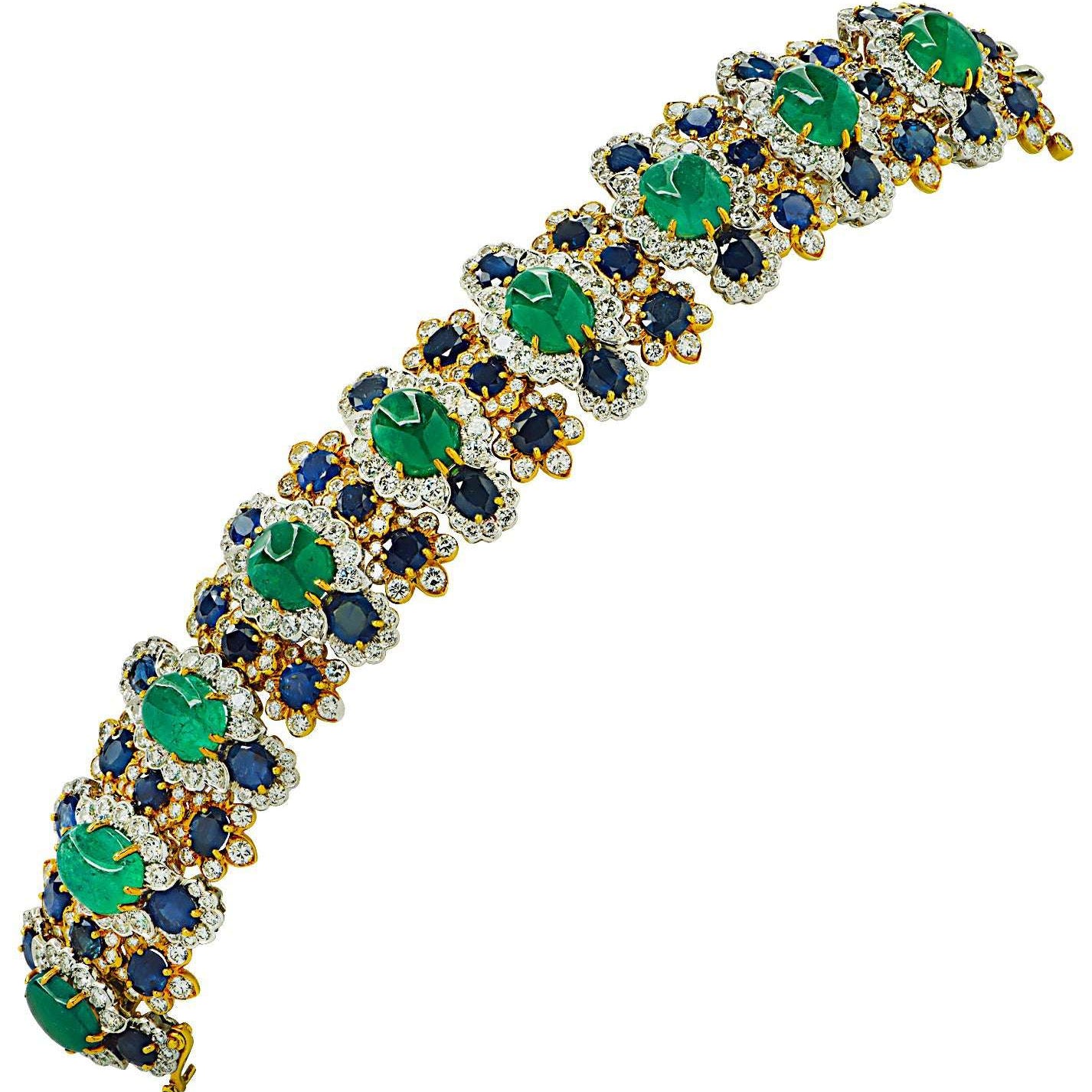
Some gemstones flirt with the light: sapphires commit. Whether you're drawn to that inky midnight blue or a surprising blush of peach, sapphire gemstone jewelry has a way of feeling both timeless and deeply personal. In this guide, you'll learn how to judge quality without a loupe, what treatments and origins mean for value, how to match styles to your life, and the right way to care for a piece you'll wear (and love) for decades.
Why Sapphires Captivate: Color, Symbolism, And History
A Spectrum Beyond Blue: From Royal To Fancy Hues
You know sapphires as blue, but the corundum family paints with more than one brush. Classic blue ranges from soft "cornflower" to bold, inky "royal" tones. Then there are "fancy" colors: pink, violet, teal, green, yellow, white, and the rare, dreamy padparadscha, a delicate blend of pink and orange, like sunset on a calm sea. Each hue tells a different style story. Blues skew formal-and-forever. Teals and greens feel modern, slightly rebellious. Yellows and whites echo sunshine and minimalism. The right color is the one you keep glancing at when you think no one's looking.
Historically, sapphires symbolized protection and wisdom. Medieval clergy wore them to signal heaven: royalty used them as a quiet claim to authority. That lineage shows up in today's designs, from halo engagement rings that nod to Princess Diana's iconic piece, to sleek, bezel-set pendants you can wear through airport security and client presentations alike.
Symbolism, Birthstone Significance, And Milestone Gifts
If you're a September baby, sapphire is your birthstone, lucky you. It's long been tied to loyalty, integrity, and clear thinking (the virtues you hope to carry into a new job or a marriage). It's also a traditional gift for 5th and 45th anniversaries, marking love that's settled into something steady and luminous. Choosing sapphire gemstone jewelry for a milestone can be as literal or as poetic as you like: a padparadscha pendant for a "sunrise" chapter, a deep-blue ring to celebrate a commitment that's only grown richer over time.
Sapphire Quality Basics: Color, Cut, Clarity, And Carat
Color Grades, Saturation, And The Role Of Lighting
With sapphire, color does the heavy lifting on value. You're aiming for a pleasing tone (not too dark, not washed out), strong saturation (think vivid ink rather than pastel watercolor), and an even spread of color across the stone. Trade terms like "royal blue" and "cornflower" are descriptive, not standardized grades, so lean on your own eyes.
Check the stone in different lighting. Daylight can pull out cool, crisp blues, while warm indoor bulbs may nudge it toward violet or gray. Some sapphires show pleochroism, subtly different colors from different angles, so tilt and rotate the gem. If it looks alive in most settings, you've got a winner.
Popular Cuts For Sparkle, Durability, And Budget
Sapphire's Mohs hardness of 9 makes it ideal for daily wear, and the right cut helps your color sing. Ovals and cushions are classics because they balance spread (how large it looks) with light return. Rounds offer bright sparkle but are rarer and can command higher prices. Emerald and Asscher cuts showcase clarity and color zoning, gorgeous if you like a refined, glassy look. Pears and marquises bring length and drama: just make sure tips are protected by prongs or bezels.
Budget tip: slightly deeper stones can look smaller face-up but often cost less per carat. A smart cutter can hide a little depth while keeping a lively center, your wallet won't mind.
Clarity Expectations And Common Inclusions
Sapphires are typically Type II in clarity expectations, meaning some inclusions are common and acceptable. You may see fine rutile "silk," faint color zoning, or tiny fingerprint-like patterns. These are nature's receipts, not necessarily flaws. What matters is eye-cleanliness from a normal viewing distance. Heavy clouds or fractures that reach the surface can dim the gem or affect durability, worth avoiding.
Fun twist: very fine silk can create a velvety texture prized in high-end blues. And if those needles align just right, you get a star sapphire (asterism), magical, but a different aesthetic.
Carat Weight Versus Face-Up Size And Proportions
Not all carats look equal on the hand. Denser gems like sapphire can carry weight in the pavilion (the bottom), so two 2-carat stones may face up differently. Prioritize proportions: a balanced depth (often around 60–70% for many mixed cuts) helps the stone look lively and sizeable. If you care most about presence, compare millimeter measurements, not just carats. If you care about richness of color, a slightly deeper cut can intensify hue, worth the trade-off in size for some buyers.
Treatments And Origins: What Buyers Should Know
Heat, Diffusion, And Fracture Filling, How They Affect Value
Heat treatment is common and stable, used to improve color and clarity. Most sapphires on the market are heated, and that's okay, just make sure it's disclosed. Unheated sapphires with top color are rare and carry premiums.
Diffusion treatment introduces elements like beryllium to alter color near the surface: it can produce striking hues but generally lowers value compared with natural or simply heated stones. Fracture filling or glass filling is far less stable and can compromise durability, best avoided for everyday wear.
Natural Versus Lab-Grown Sapphires
Lab-grown sapphires have the same chemistry and hardness as natural ones, corundum is corundum, but they're created in a controlled environment. You win on price and often on clarity, and they can be a thoughtful choice if sustainability and budget matter. Natural sapphires come with geological romance and rarity: many buyers love that story. Whatever you choose, insist on clear labeling.
Notable Sources, Colors, And Traceability
Certain origins are famous: Kashmir (legendary velvety cornflower blue), Myanmar/Burma (rich royal blues), Sri Lanka/Ceylon (brilliant medium blues and beautiful pastel fancy colors), Madagascar (a modern powerhouse with wide variety), Australia (deep inky blues), and Montana (distinct teal-to-green-blue tones). Origin can influence price, especially for Kashmir and Burma, but color and overall beauty should still lead your decision.
If traceability matters to you, look for sellers who provide mine-to-market details or offer origin reports from reputable labs. Greater transparency is a growing, and welcome, trend in sapphire gemstone jewelry.
Choosing Sapphire Jewelry By Style And Setting
Engagement Rings And Everyday Rings
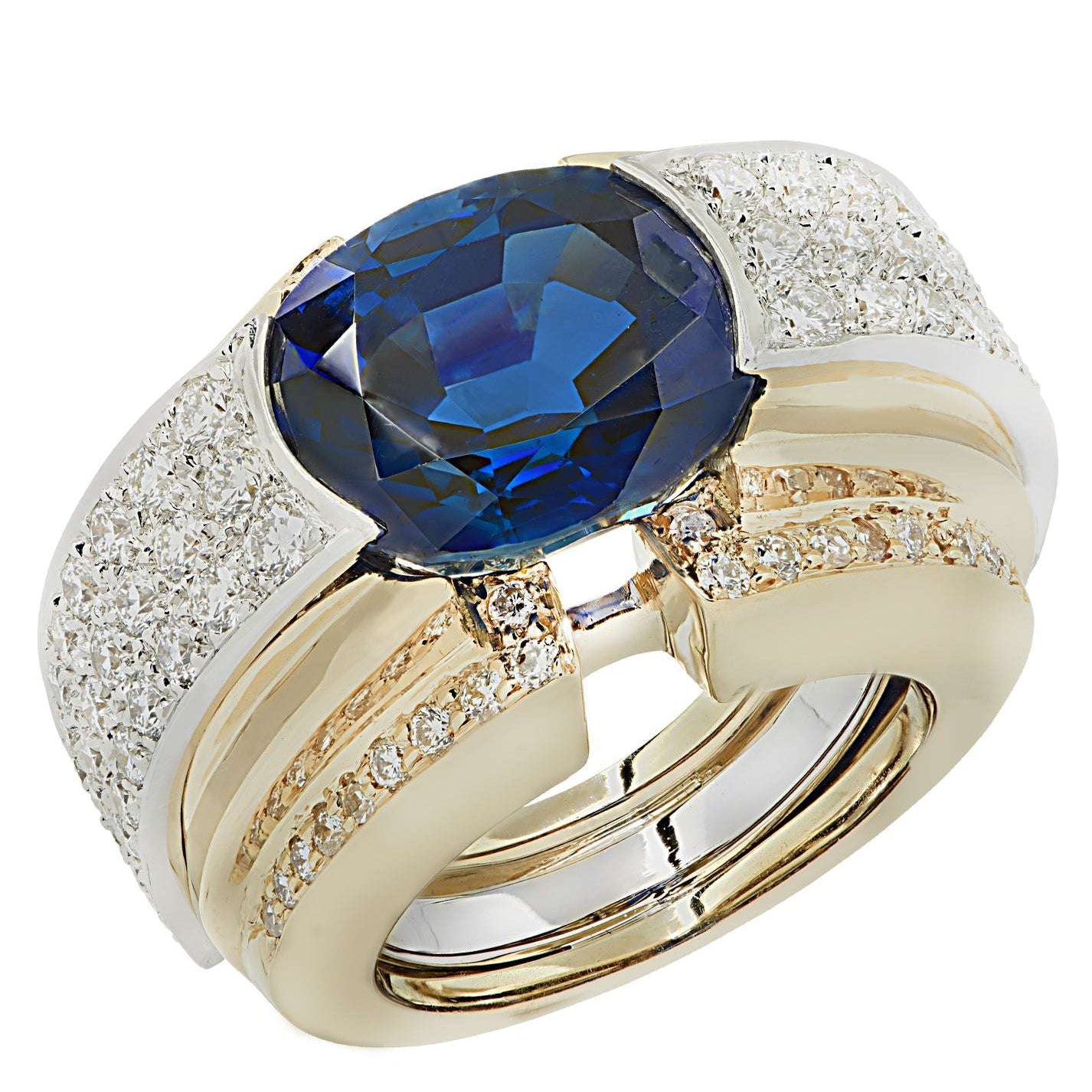
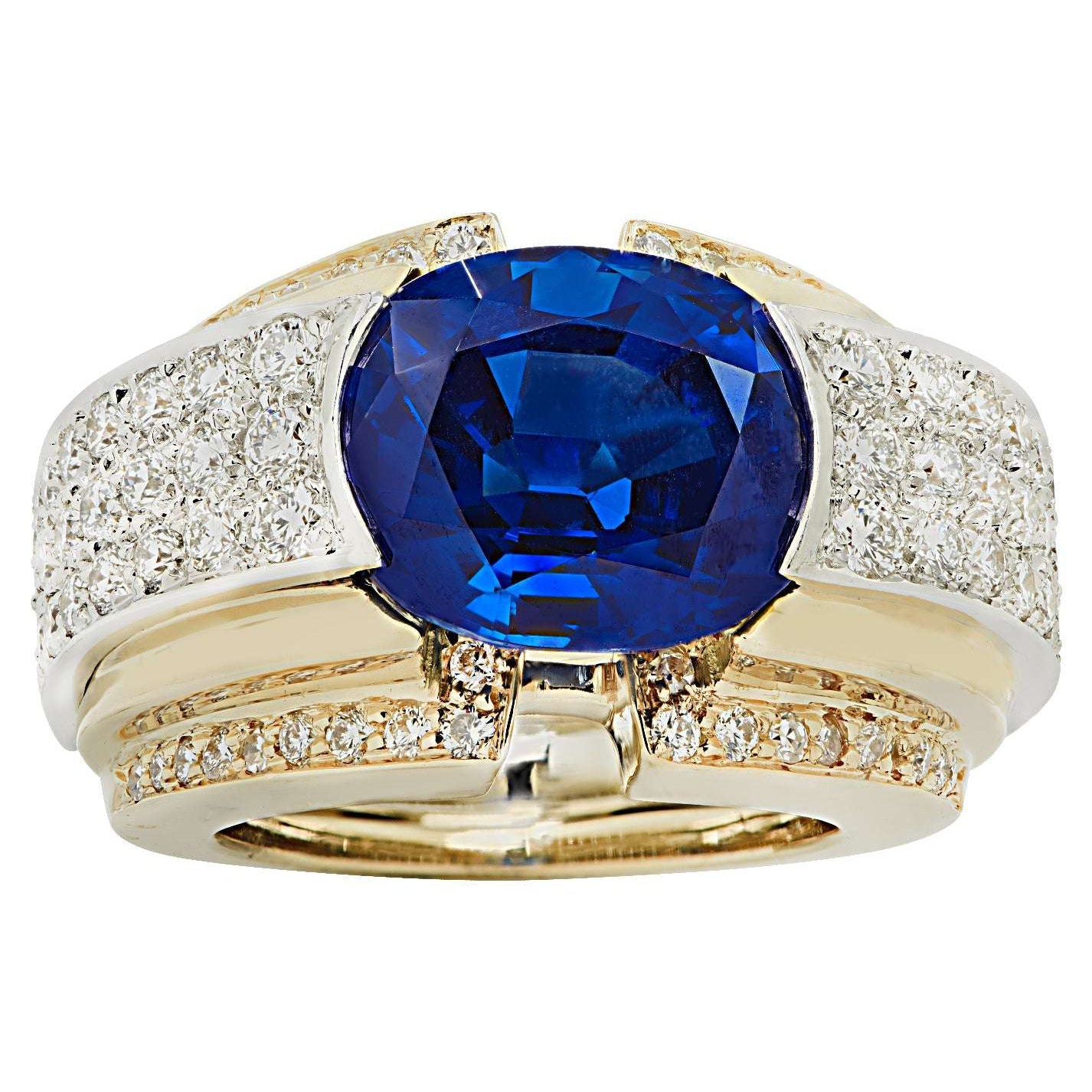
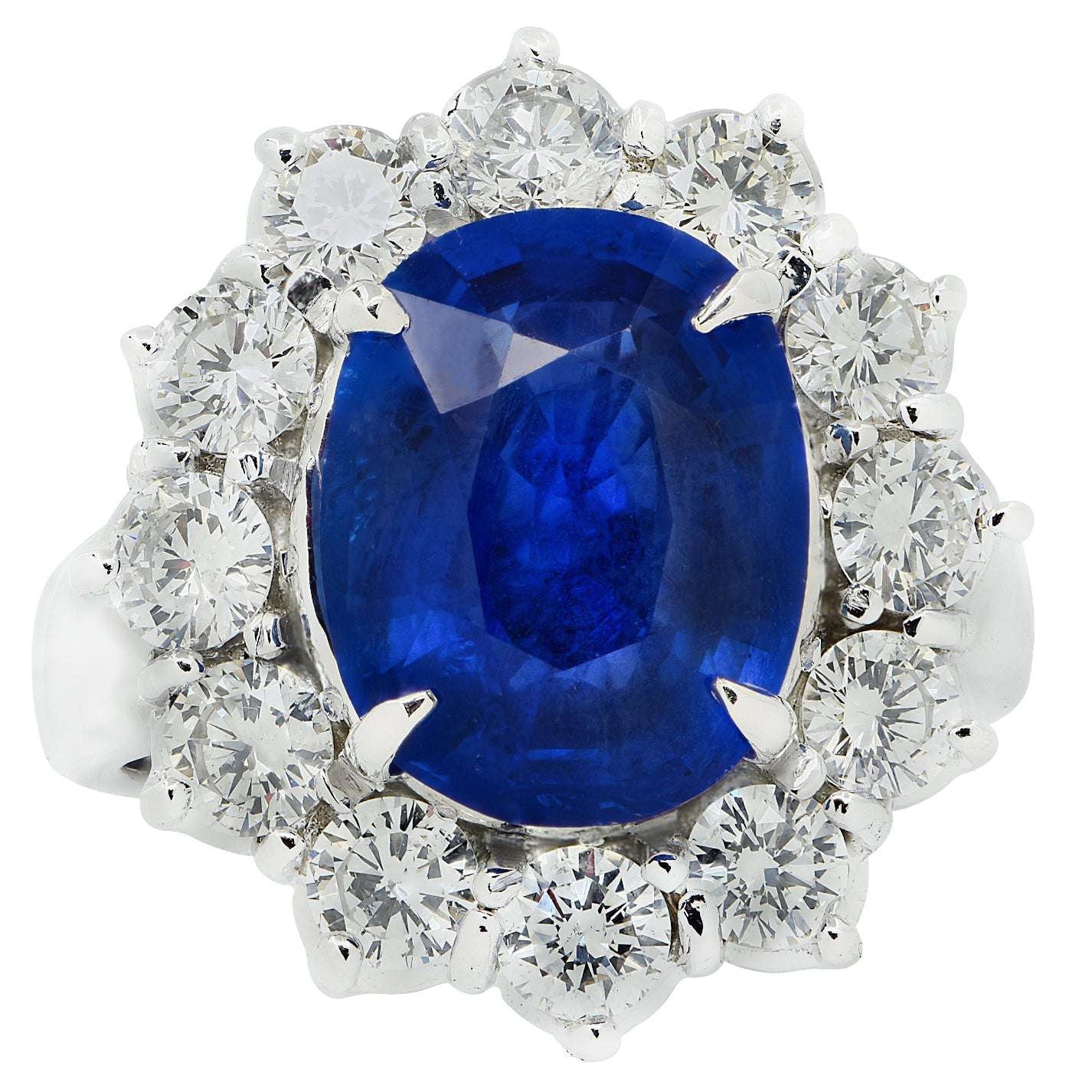
For engagement rings, sapphires are a brilliant practical-romantic pick. Halo settings amplify size and light: three-stone rings tell a past‑present‑future story: and solitaire bezels give you a low-profile, snag-resistant everyday companion. If you're hard on your hands, consider oval or cushion shapes with rounded corners and protective prongs. Blue is classic, but padparadscha or teal sapphires create instantly personal, modern rings.
Earrings, Pendants, And Bracelets
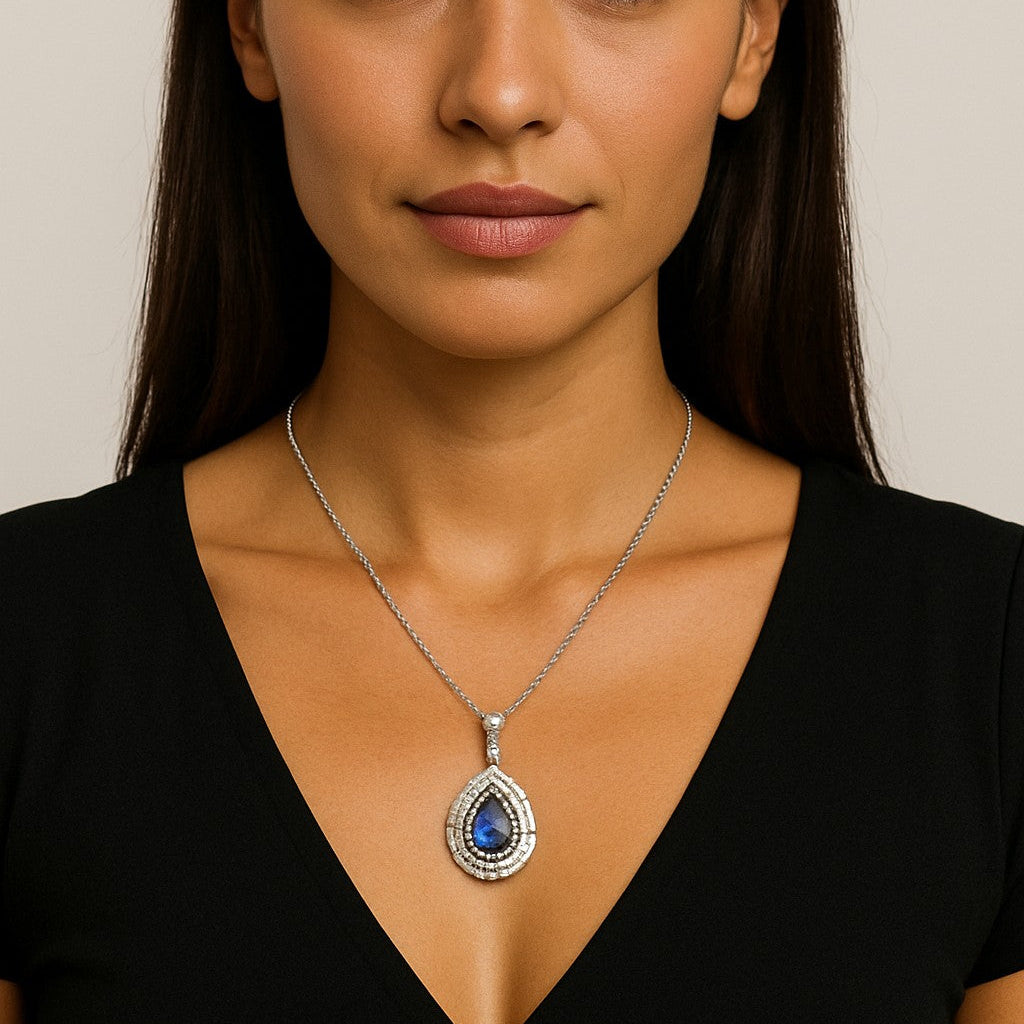
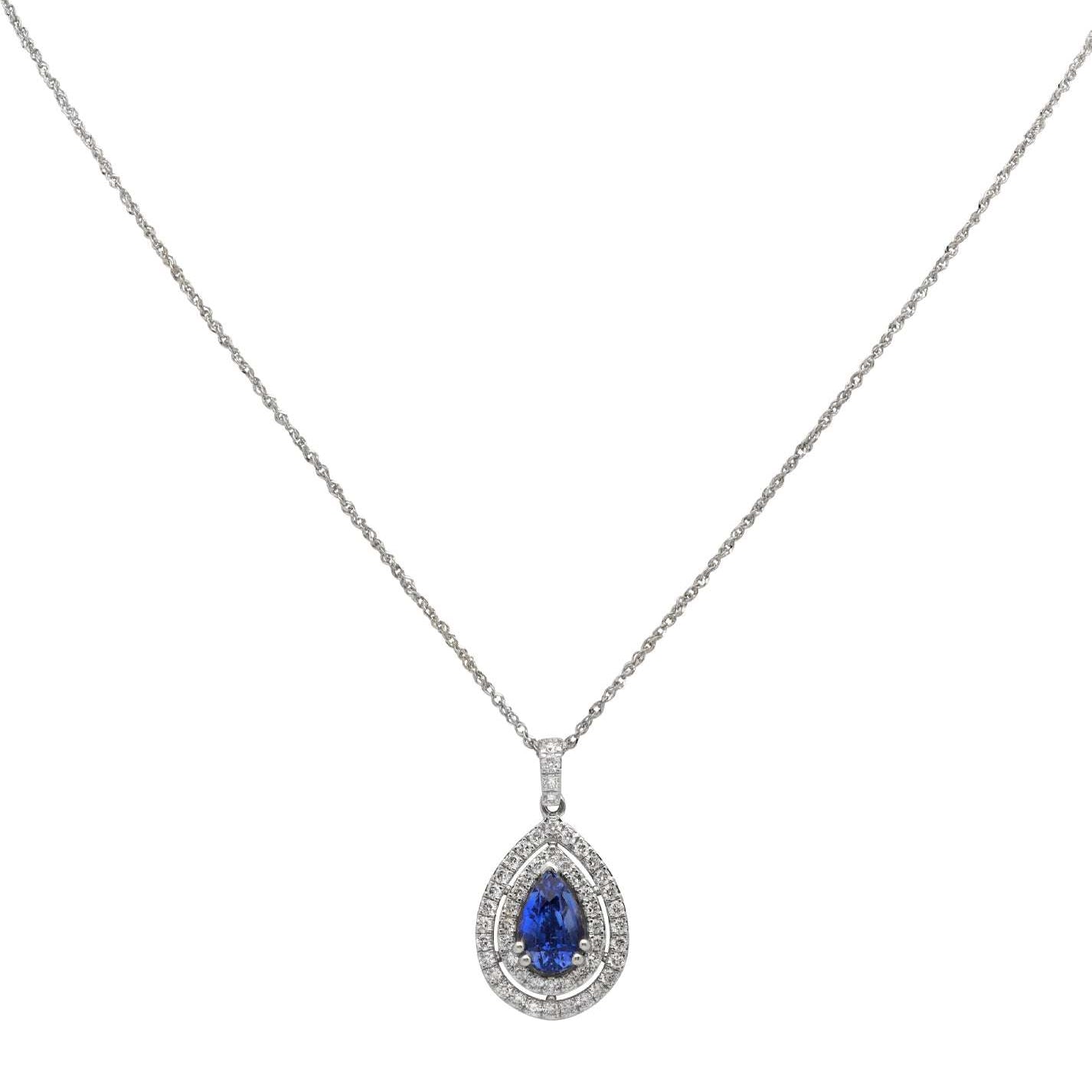
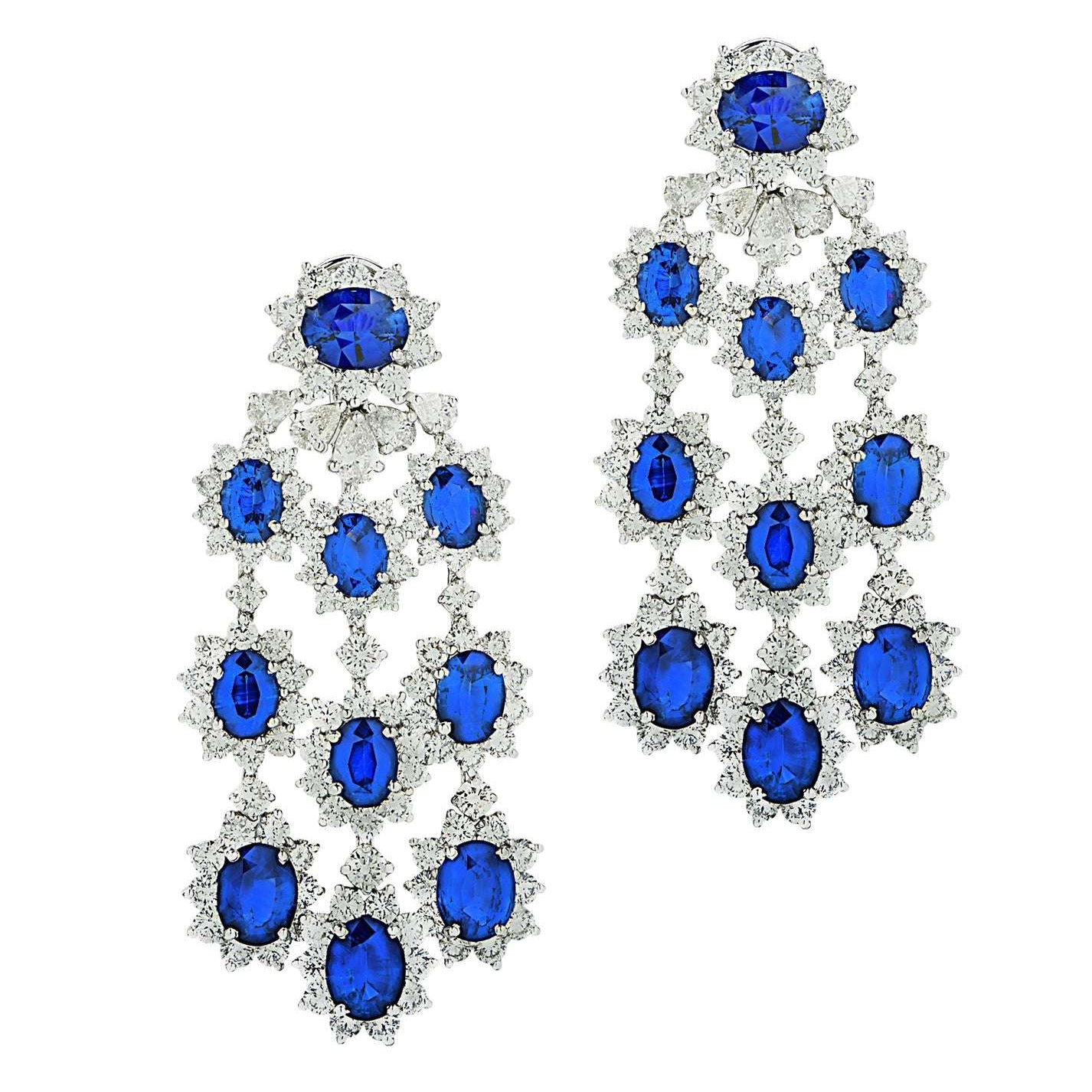
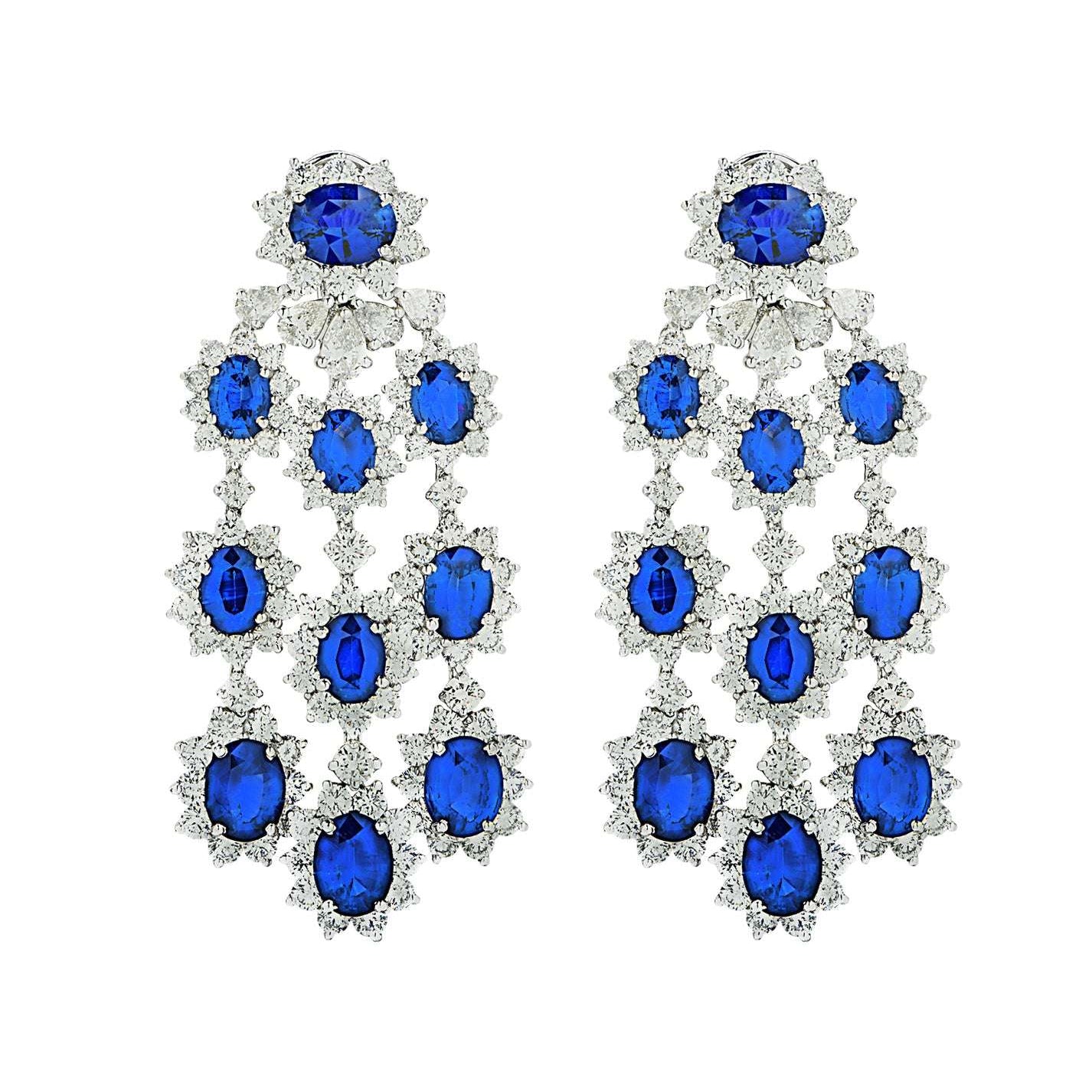
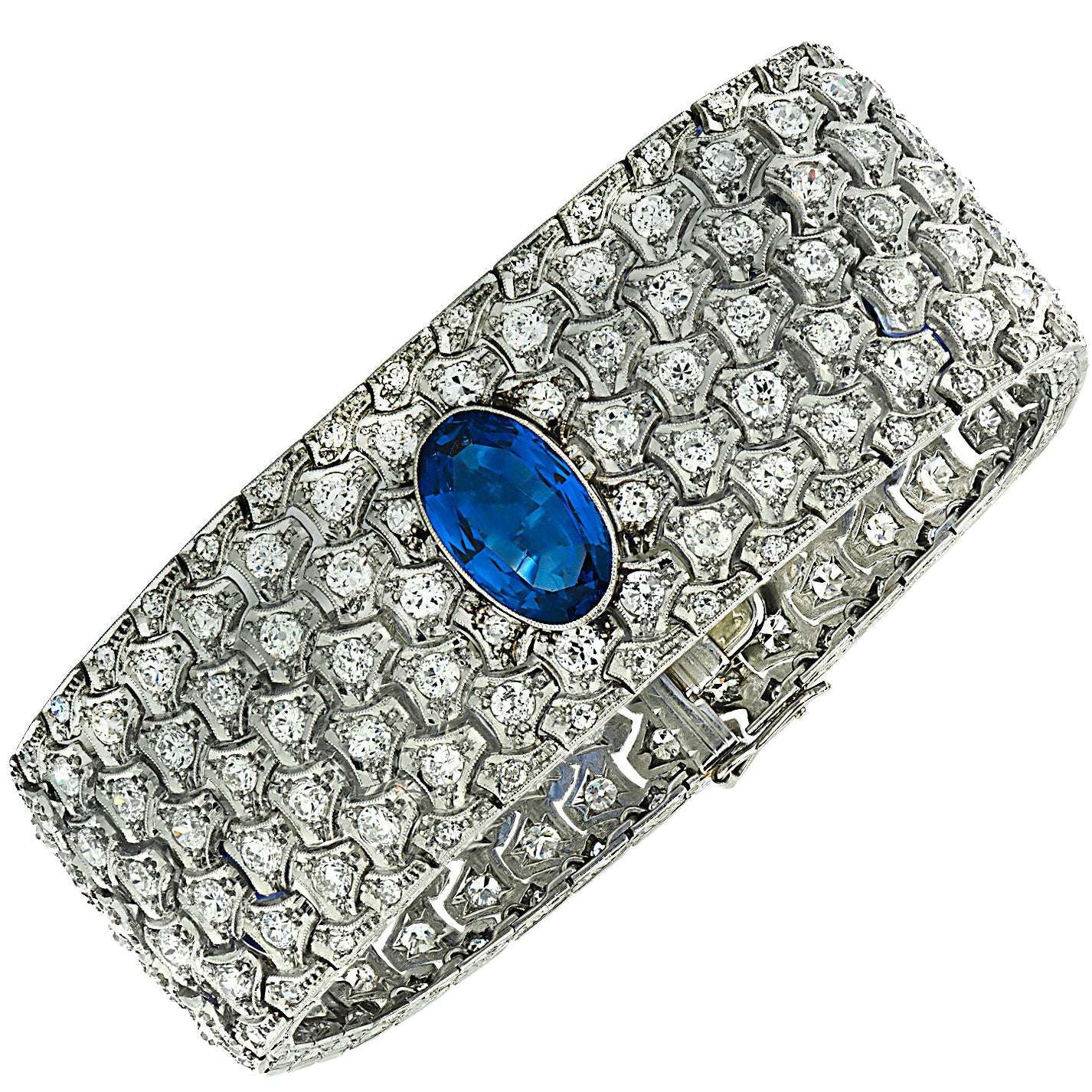
Studs with round or oval sapphires are the little-black-dress of your jewelry box. For pendants, a simple bezel or a diamond-accented drop keeps the gem close to the skin, gorgeous with V-necks and button-downs. Tennis bracelets and line earrings with alternating sapphires and diamonds mix color with sparkle: channel or bezel settings add security if you lead an active life.
Men's And Gender‑Neutral Designs
Think signet rings with a flush-set blue sapphire, brushed-metal bands with a single princess-cut stone, or cufflinks framed in sleek bezels. Gender-neutral chains with small sapphire charms or beaded bracelets (sapphire with hematite or onyx) feel polished without trying too hard. Durability is on your side, sapphire holds up to daily wear in a way few colored gems do.
Best Metal Pairings And Setting Types
- White gold or platinum: sharpens blues and teals: great for cool-toned styles.
- Yellow gold: warms blue, sings with yellow and green sapphires: adds vintage charm.
- Rose gold: dreamy with padparadscha and pinks: adds contrast to steely blues.
Setting-wise, prongs maximize light and size, while bezels protect edges and deliver a modern, smooth profile. Halos boost presence: pavé adds texture. If your sapphire is deeper, a cathedral or airy gallery can balance the ring's silhouette on the finger.
Practical Buying Tips: Budget, Certification, And Ethics
Budgeting And Price Drivers
Set your budget by prioritizing what makes your heart jump. Color drives price most, followed by size, treatment, and origin. You can save by choosing:
- Slightly lighter or slightly darker (but still lively) blues
- Heated stones instead of unheated
- Ovals or cushions over rounds
- Non-premium origins like Madagascar or Australia
Remember, price per carat climbs steeply as you cross size thresholds (2 ct, 3 ct, 5 ct). If presence matters more than the number, focus on face-up dimensions.
Certificates, Grading Reports, And Trustworthy Sellers
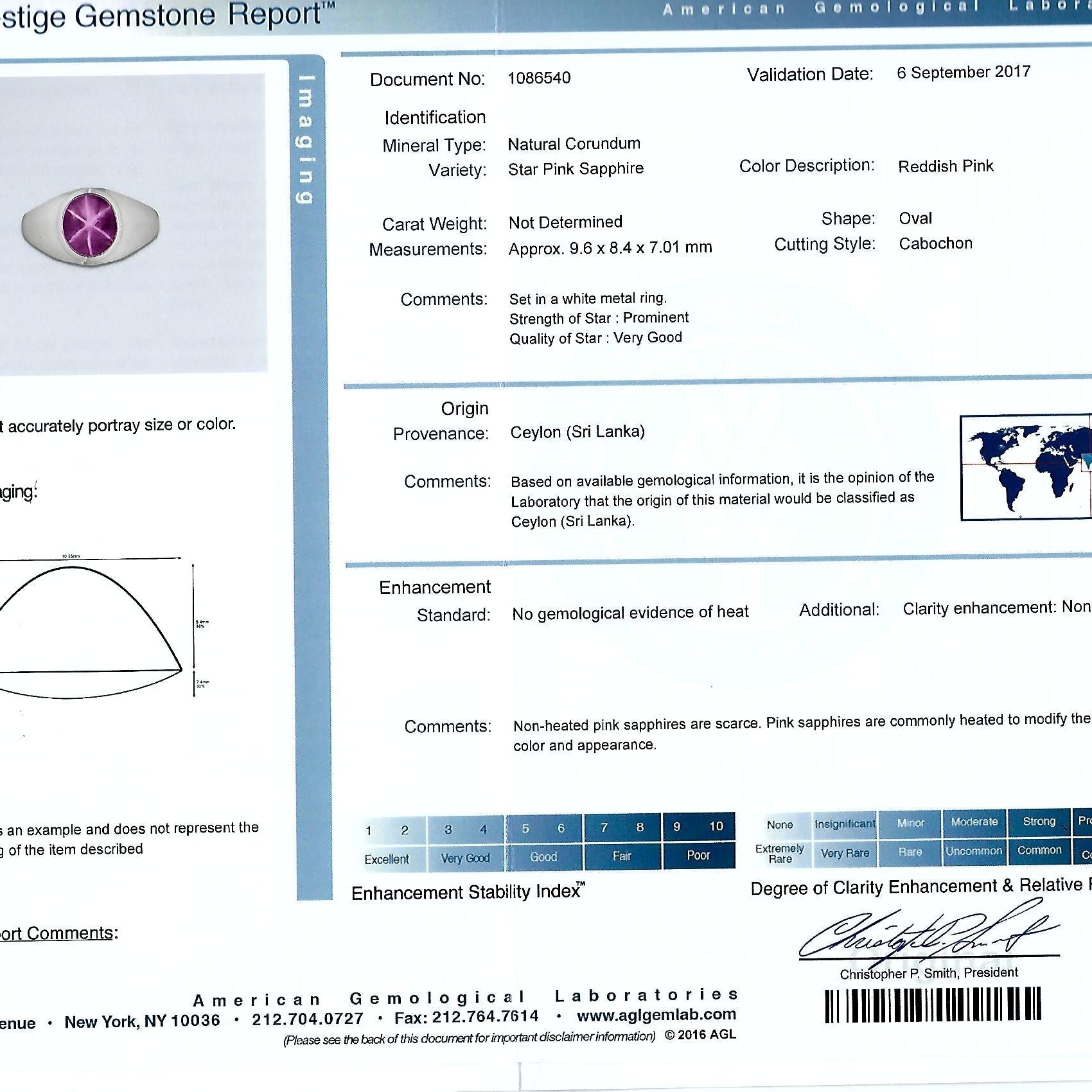
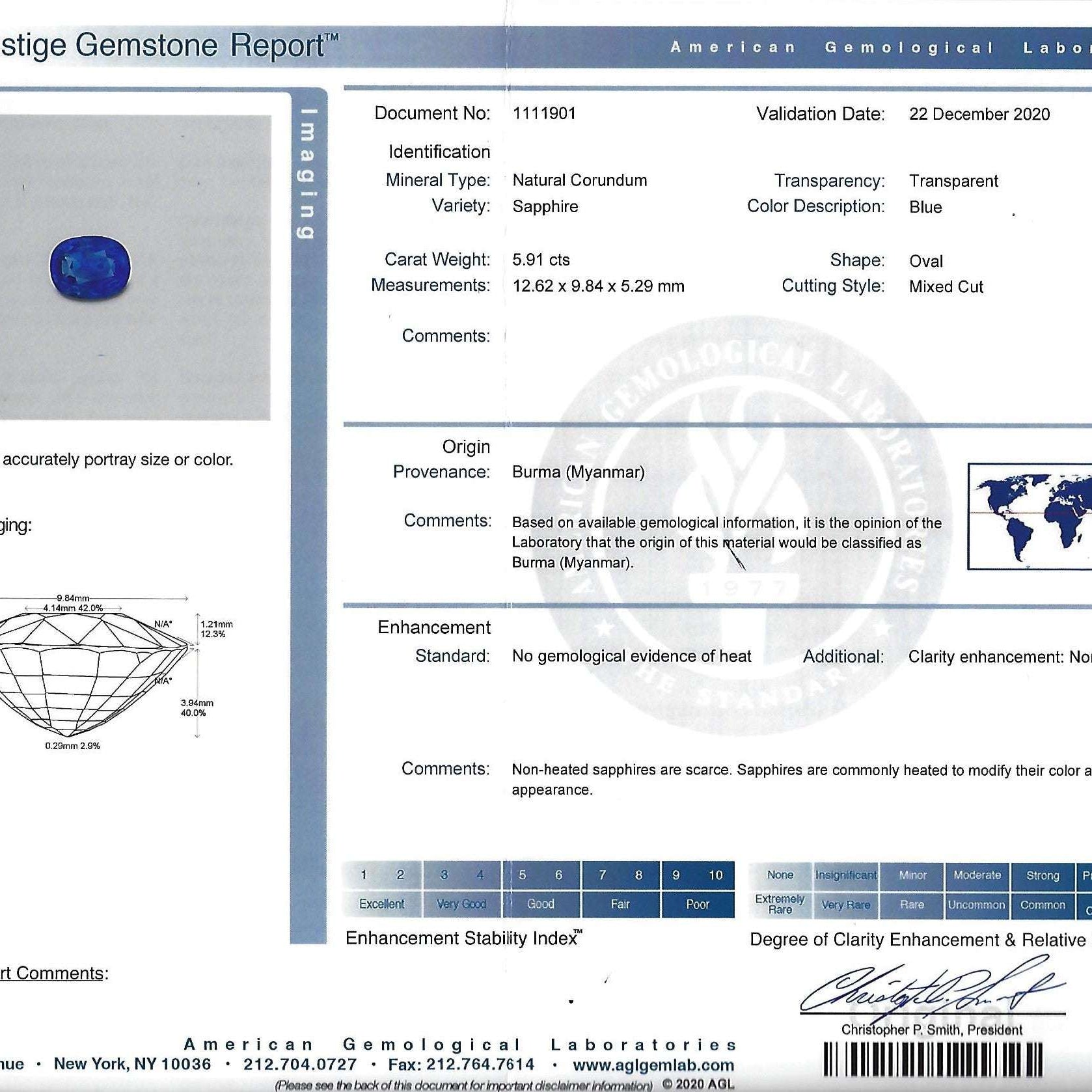
Unlike diamonds, sapphires don't have a universal grading scale. What you want is a reputable lab report that confirms natural vs. lab-grown, lists treatments, and (when relevant) provides an opinion on origin. Well-known labs include GIA, AGL, Gübelin, and SSEF. Buy from sellers who disclose treatments clearly, provide high-resolution photos/videos in multiple lights, offer return windows, and stand behind resizing or maintenance.
Ethical And Sustainable Considerations
Sapphires are often mined by small-scale communities. If ethics matter to you (they probably do), look for:
- Transparent sourcing and origin info
- Participation in fair-trade or community-benefit programs
- Recycled or Fairmined gold for settings
- Lab-grown options to lower environmental footprint
Asking questions changes the market. Responsible sellers are happy to answer them.
Care, Cleaning, And Long‑Term Maintenance
Daily Wear, Storage, And Protection
Sapphire is tough, but not invincible. Remove rings for weightlifting, rock climbing, and heavy yard work. Store pieces separately in soft pouches or compartments to avoid scratching softer gems. Check prongs annually (or sooner if you're clumsy, same) to prevent surprise escapes.
Safe Cleaning Methods And What To Avoid
Your safe default: warm water, mild dish soap, and a soft brush. Rinse well and pat dry. Most heated or untreated sapphires handle ultrasonic or steam cleaning, but avoid those methods if the stone has fractures, cavity fillings, or you're unsure about treatments. Keep sapphires away from harsh chemicals (bleach, acetone) and rapid temperature swings.
Resizing, Repolishing, And Recutting
Rings can be resized by an experienced bench jeweler, but always remove the stone if heat could risk treatments or inclusions. Minor scratches can be polished out: for windowing or bulky proportions, a skilled recut can transform performance, just expect some carat loss. If your sapphire carries a lab report, update it after major work to keep documentation tidy.
Conclusion
Sapphire gemstone jewelry sits at a rare intersection: durable enough for every day, storied enough for heirlooms, expressive enough to feel like you. Trust your eyes in different lights, ask direct questions about treatment and origin, and choose a style that fits your life right now. The right sapphire won't just match your wardrobe, it'll meet you where you're going.
Frequently Asked Questions
What determines the quality and value of sapphire gemstone jewelry?
Color carries the most weight—aim for vivid, evenly distributed hues that aren’t too dark or washed out. Cut influences brightness and face-up size, while typical Type II clarity allows minor inclusions. Treatments (heat is common and stable) and origin can impact price. Always judge in multiple lighting conditions.
How do I choose the best sapphire color and cut for everyday wear?
Pick the hue you keep returning to—classic royal or cornflower blues feel timeless, while teal, green, and padparadscha read modern. Ovals and cushions balance size and sparkle; rounds dazzle but cost more. Protect points on pears/marquises with prongs or bezels. Sapphire’s Mohs 9 hardness suits daily wear.
Are lab-grown sapphires a good option for sapphire gemstone jewelry?
Yes. Lab-grown sapphires have the same chemistry and hardness as natural corundum, usually with higher clarity and a friendlier price. They’re a strong pick for budget- and sustainability-minded buyers. Natural stones offer rarity and origin stories. Choose clearly labeled pieces and request lab reports for transparency.
How should I clean and care for sapphire jewelry at home?
Use warm water, mild dish soap, and a soft brush; rinse and pat dry. Most untreated or heat‑treated sapphires tolerate ultrasonic or steam cleaning, but avoid if fractures or fillings are present. Remove rings for heavy work, store pieces separately, and have prongs checked annually to prevent loss.
How can I tell if a sapphire is real versus synthetic or glass?
Request a reputable lab report (GIA, AGL, Gübelin, SSEF). Avoid at‑home scratch tests. Under magnification, glass may show round gas bubbles; sapphires typically have natural inclusions or fine “silk.” A professional gemologist can verify natural vs. lab‑grown and detect treatments with proper instruments.
Is sapphire a good choice for an engagement ring compared to diamond?
Absolutely. Sapphire’s hardness (9 Mohs) makes it durable for daily wear, and its color range adds personality. It can be more cost‑effective at comparable sizes. Choose protective settings (bezels or well‑placed prongs) and prioritize lively color and good proportions. Ask for treatment disclosure and a lab report.