Oscar Heyman Jewelry
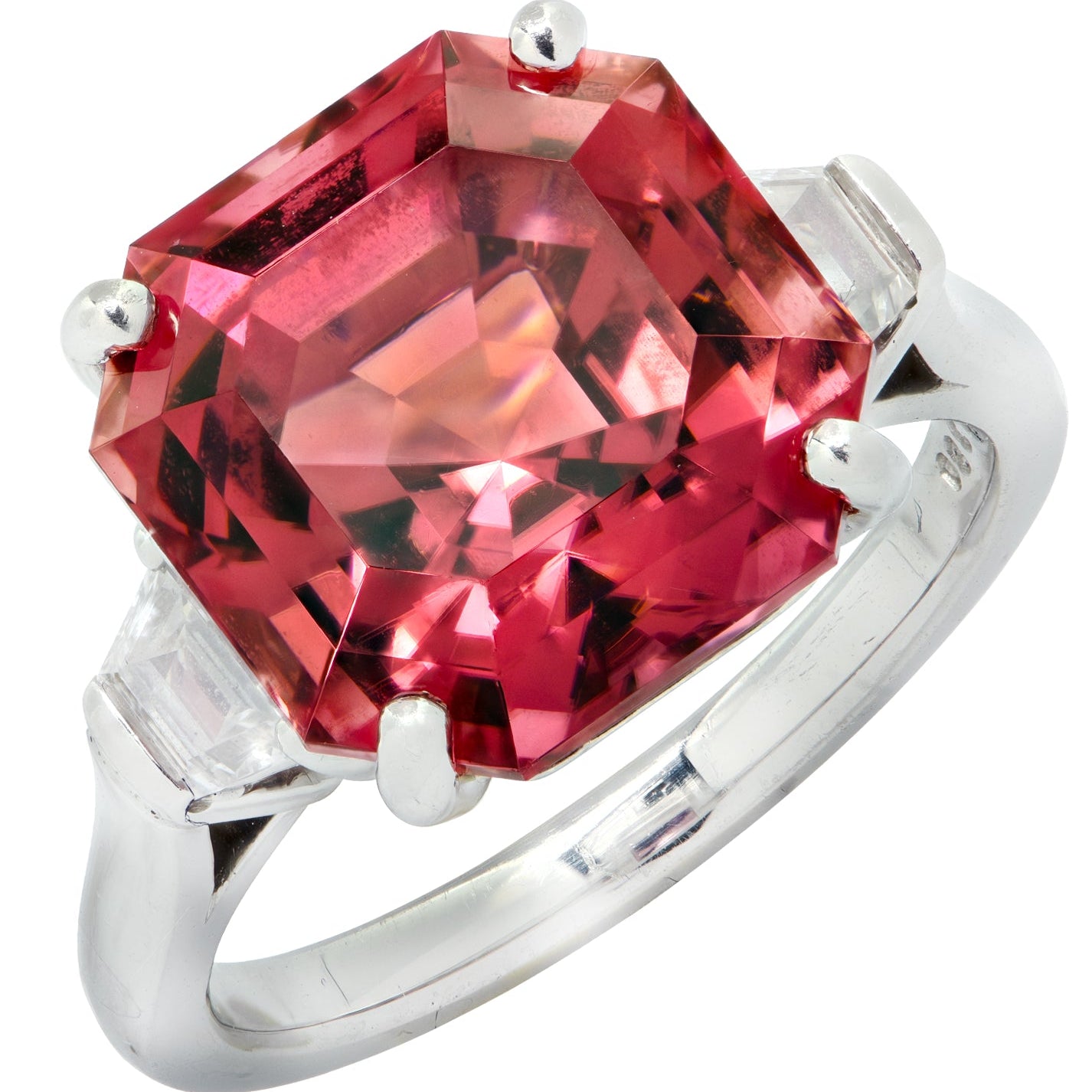
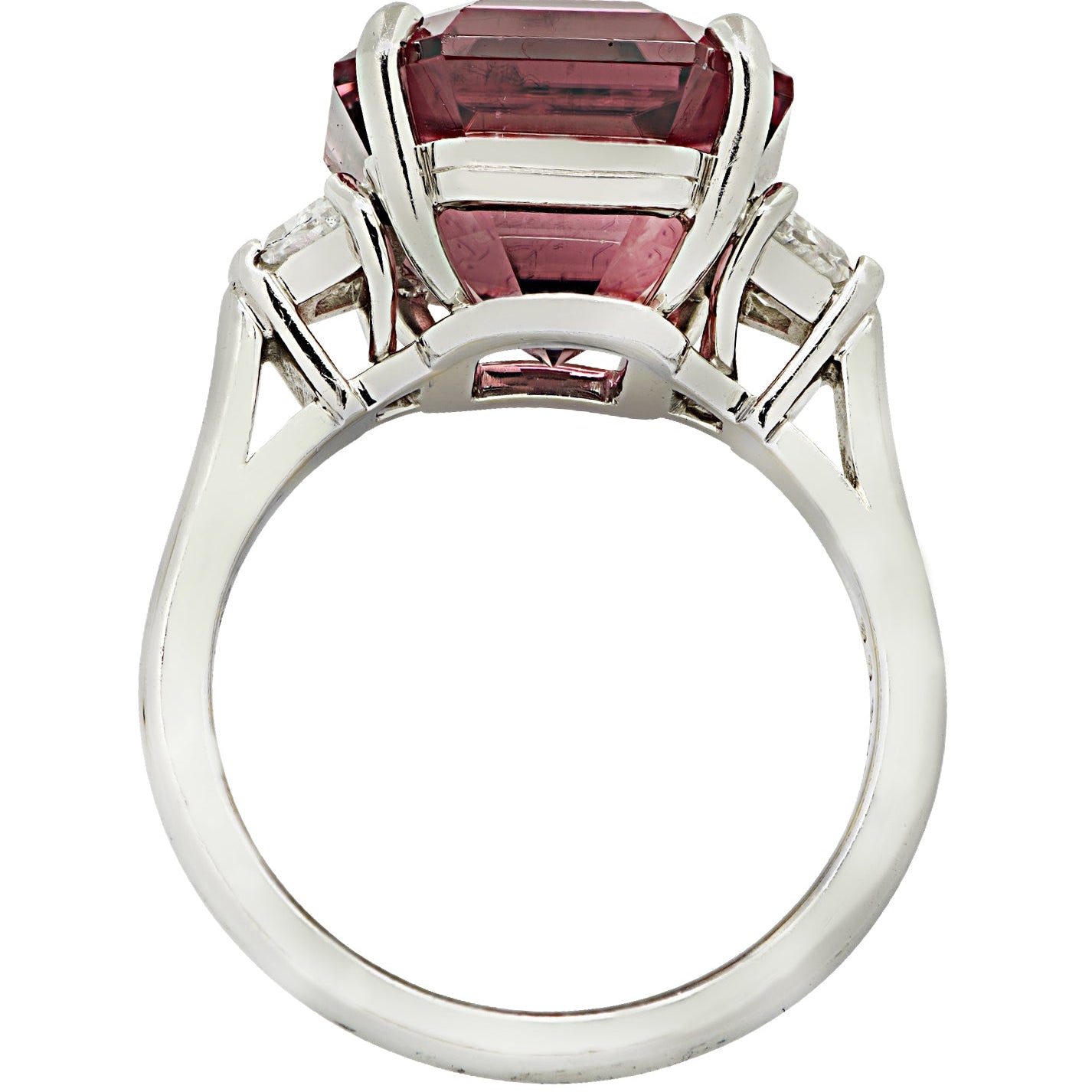
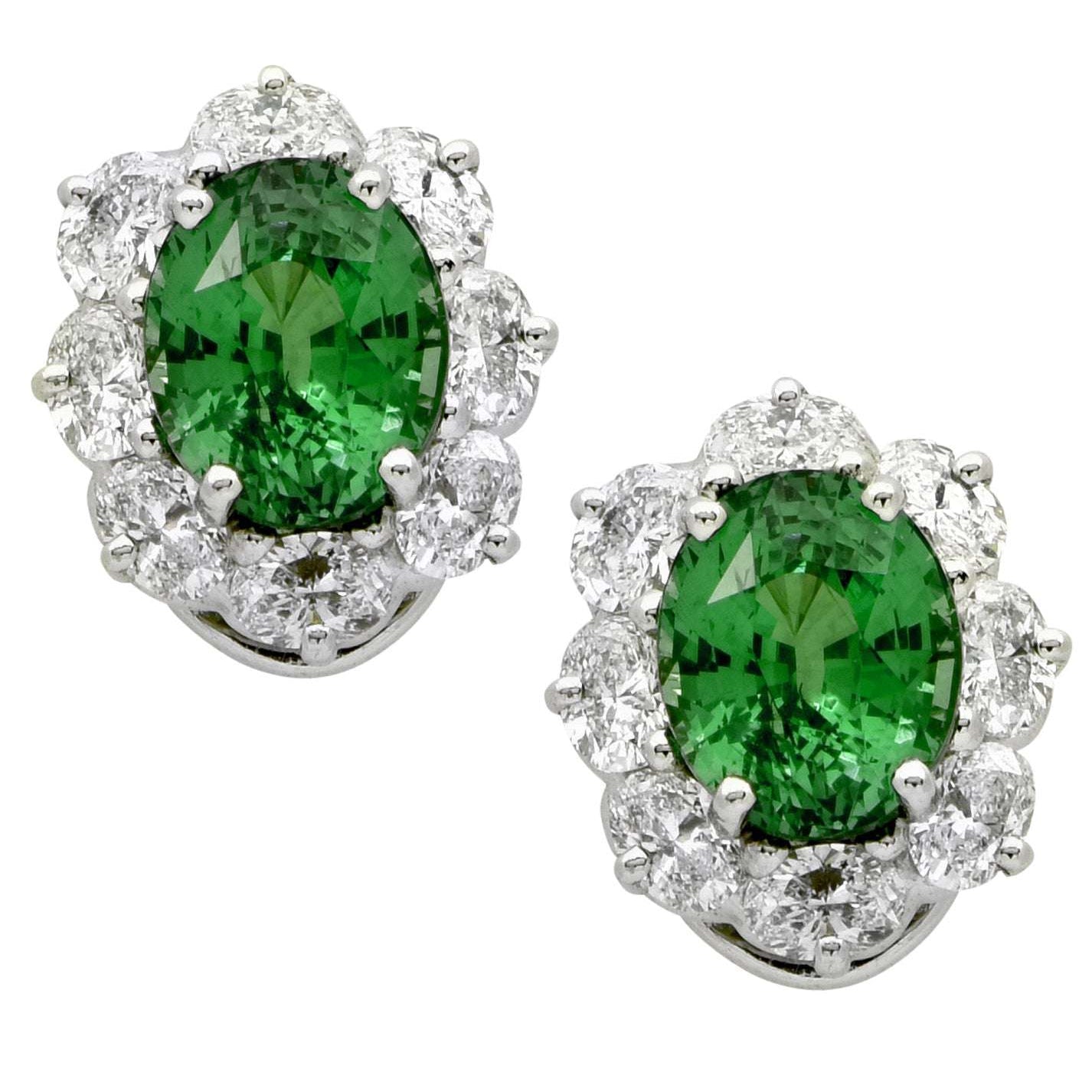
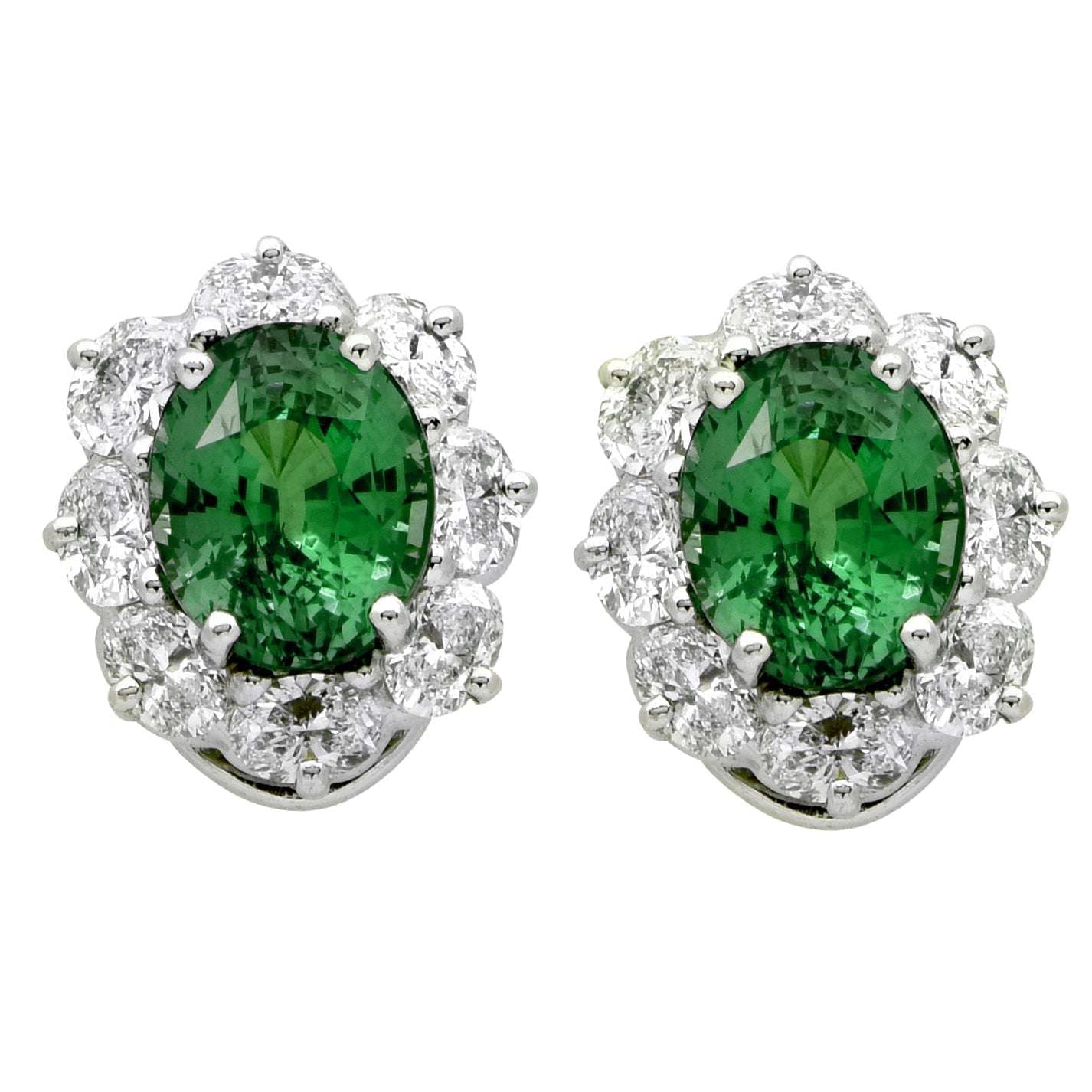
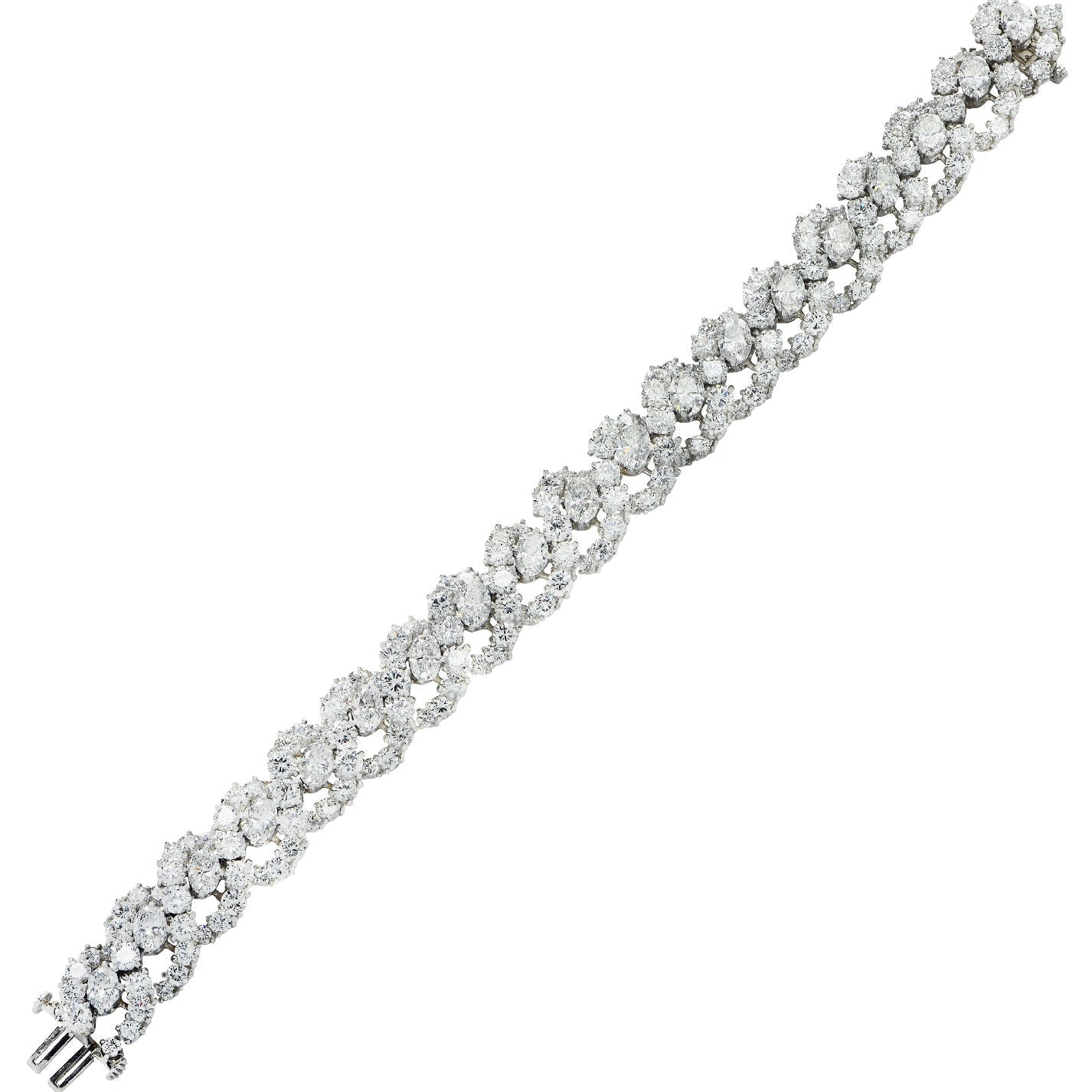
Oscar Heyman: The Jewelers’ Jeweler—History, Craft, and Collecting Guide
If you care about craftsmanship more than logos, Oscar Heyman belongs on your radar. For over a century, the "Jewelers' Jeweler" has quietly supplied exceptional gems and impeccably made pieces to America's most prestigious houses, often without taking a bow. You'll notice the difference in the metalwork, the cutting, the way color sings. This guide gives you the story, the telltale traits, and the practical know‑how to identify, buy, and care for Oscar Heyman jewelry with confidence.
From Minsk to Manhattan: The Origins and Family Legacy
You trace Oscar Heyman back to a family of classically trained artisans who left Eastern Europe at the turn of the 20th century. Brothers Oscar, Nathan, and Harry Heyman learned fine techniques early, experience that's often linked to elite workshop training in the Old World, before emigrating to New York. In 1912, they founded Oscar Heyman & Brothers in Manhattan, building a workshop model that prized in‑house control: from sourcing to lapidary to fabrication.
While European maisons dominated press and prestige, Oscar Heyman became the behind‑the‑scenes force powering American high jewelry. The firm manufactured for top retailers and heritage houses, names like Tiffany & Co., Cartier, and Van Cleef & Arpels among them, while also producing jewels under its own name. That dual identity is why you'll encounter both signed Oscar Heyman pieces and unsigned works that were sold under a retailer's brand.
The family legacy isn't marketing gloss. Successive generations kept the bench traditions intact in New York, maintaining archives that document serial numbers, job records, and stone details. Today, that archive can help you authenticate and date a piece, one of the most valuable resources you can access as a collector.
Hallmarks of Craftsmanship: What Sets Oscar Heyman Apart
Gem Sourcing and Cutting
You'll see a color‑first philosophy. Historically, Oscar Heyman sourced fine rubies from Burma (now Myanmar), sapphires from Sri Lanka and Kashmir (when available), emeralds from Colombia, and top‑grade alexandrites, cat's‑eye chrysoberyl, and star sapphires, gems that require judgment to buy and mastery to cut. Stones are matched into suites with tightly calibrated baguettes, tapers, and French cuts that curve and corner precisely. The lapidary work shows up in seamless halos, invisibly tight channels, and vivid, evenly balanced color layouts.
Platinum Mastery and Hand Fabrication
Oscar Heyman is synonymous with platinum. You feel this in the heft and see it in under‑galleries that are clean, symmetric, and never overbuilt. Settings are hand‑fabricated rather than cast when the design demands it, with crisp knife‑edge prongs, millegrain that's fine and consistent, and channels that hug baguettes without gaps. Even the unseen parts, the bridge beneath a center stone, the rails in a ballerina ring, are finished. Platinum and 18K gold are often used together, the white metal carrying diamonds and the yellow or pink gold warming colored stones.
Design Aesthetics: Color-Forward, Timeless Forms
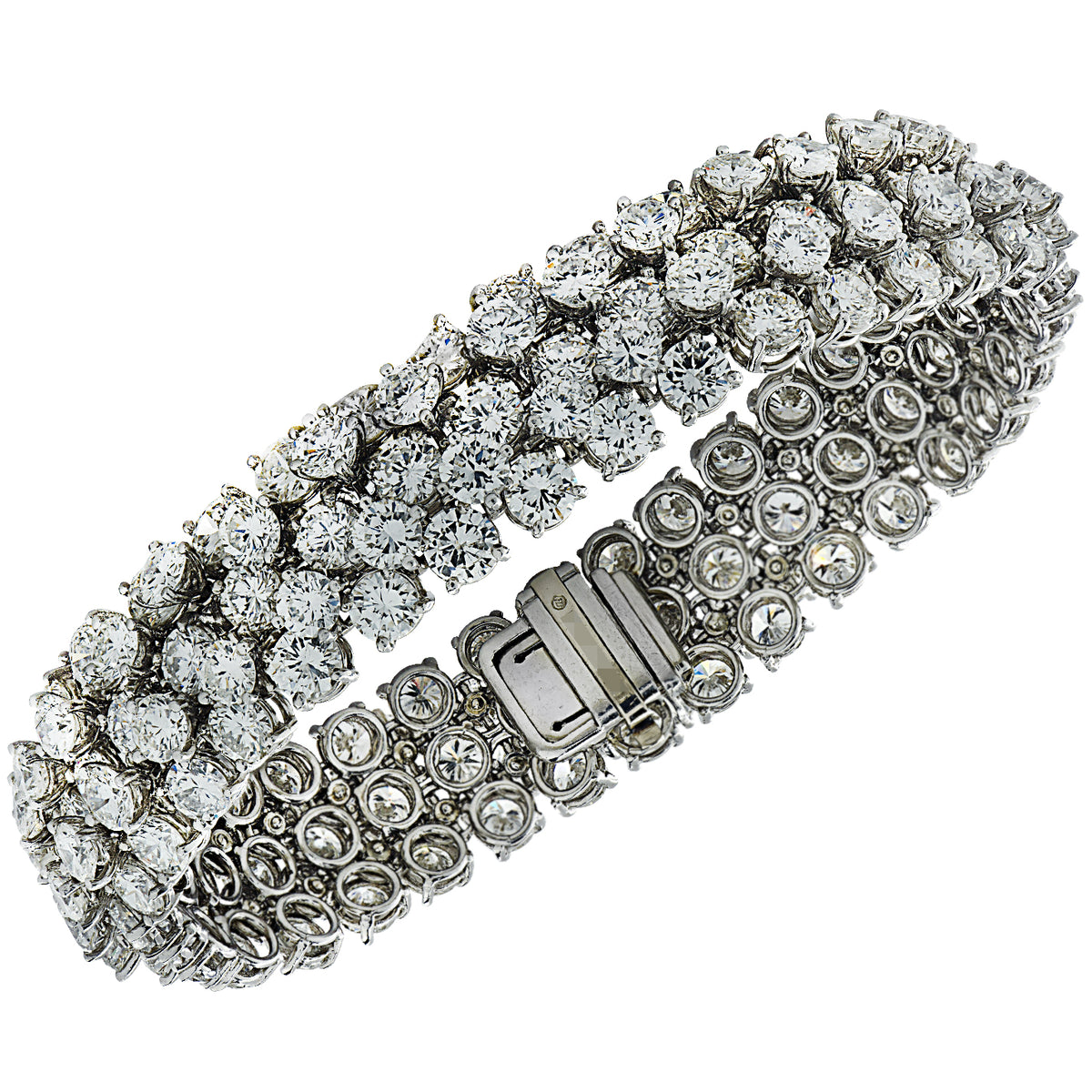
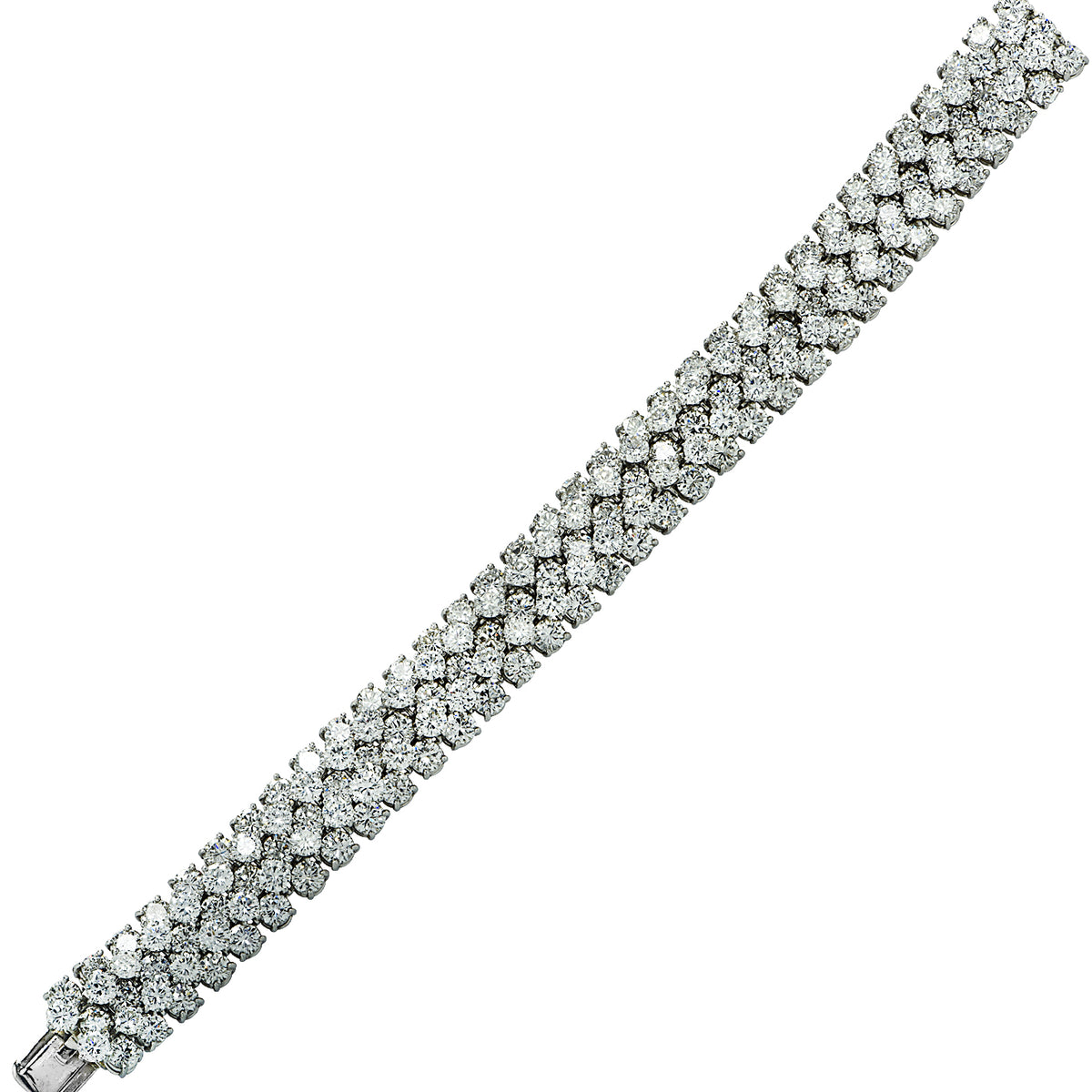
Instead of chasing novelty, Oscar Heyman refines archetypes: line bracelets with precise calibrés: floral brooches that feel alive: ballerina rings whose diamond "tutus" radiate with mathematical regularity: starbursts and ribbon scrolls with joyful movement. Color is orchestrated, think cornflower sapphires against icy diamonds, or a garden of mixed gems where every hue has a purpose. The effect is timeless rather than trendy, which is why pieces from the 1930s to the 1980s still look current on the wrist today.
Signatures, Stamps, and Serial Numbers
You'll often find a maker's mark such as OH, OHB, or "Oscar Heyman" (variations exist by era), accompanied by a unique serial or job number and metal marks like PLAT, 18K, or 750. Numbers are typically sharp and neatly placed, inside ring shanks, on brooch frames, bracelet clasps, or beneath pendant bales. The firm's surviving archive can sometimes match these numbers to original worksheets, confirming date, materials, and even the original retailer.
Iconic Designs and Notable Commissions
Floral Motifs, Ballerina Rings, and Line Bracelets
If you collect by motif, you'll meet three pillars again and again:
- Floral brooches: lifelike petals set with sapphires, rubies, diamonds, and enamel accents, with veins and stamens rendered in platinum and gold.
- Ballerina rings: a central colored stone or diamond ringed by perfectly graded tapered baguettes that flare like a tutu. The symmetry is exact: the sparkle is kinetic.
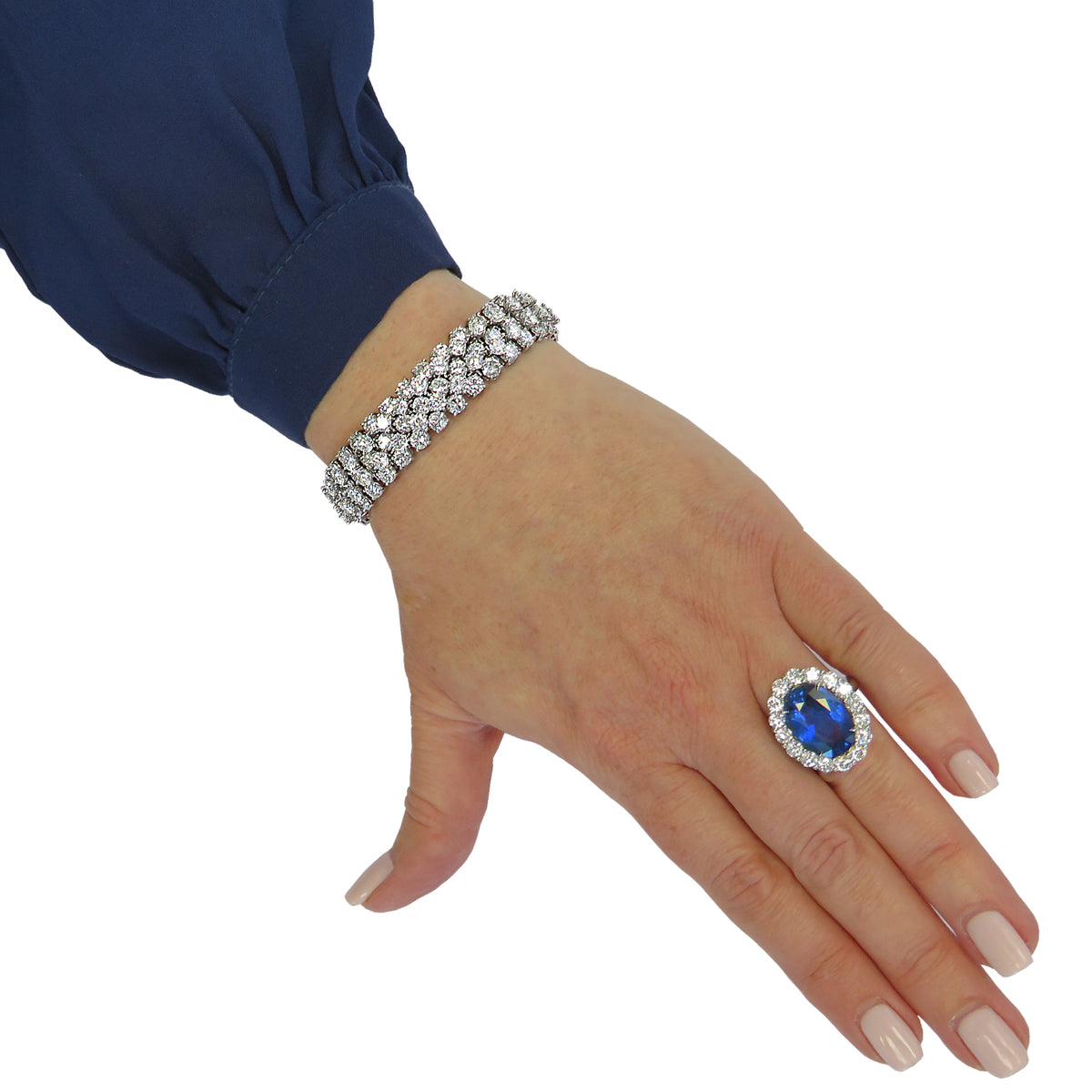
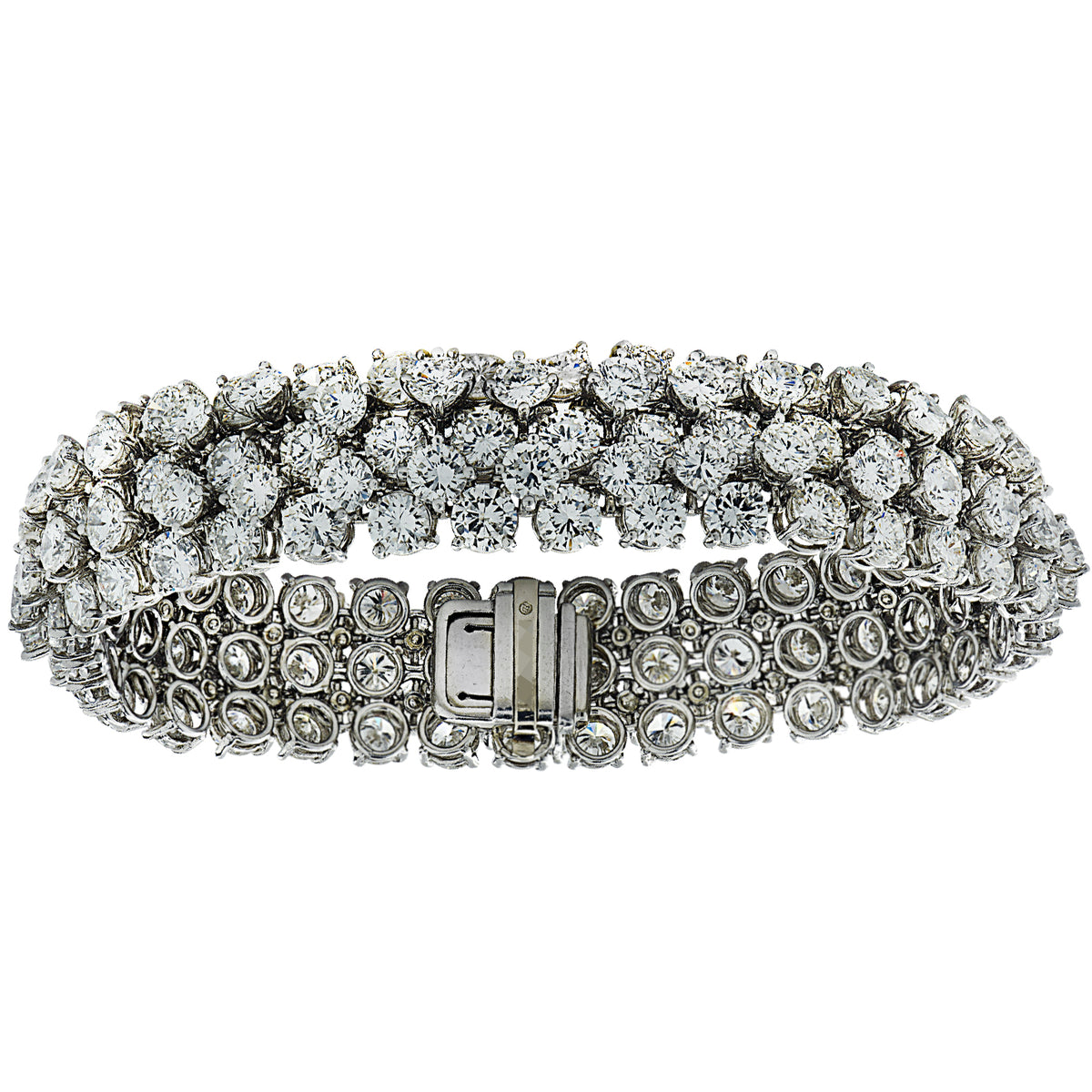
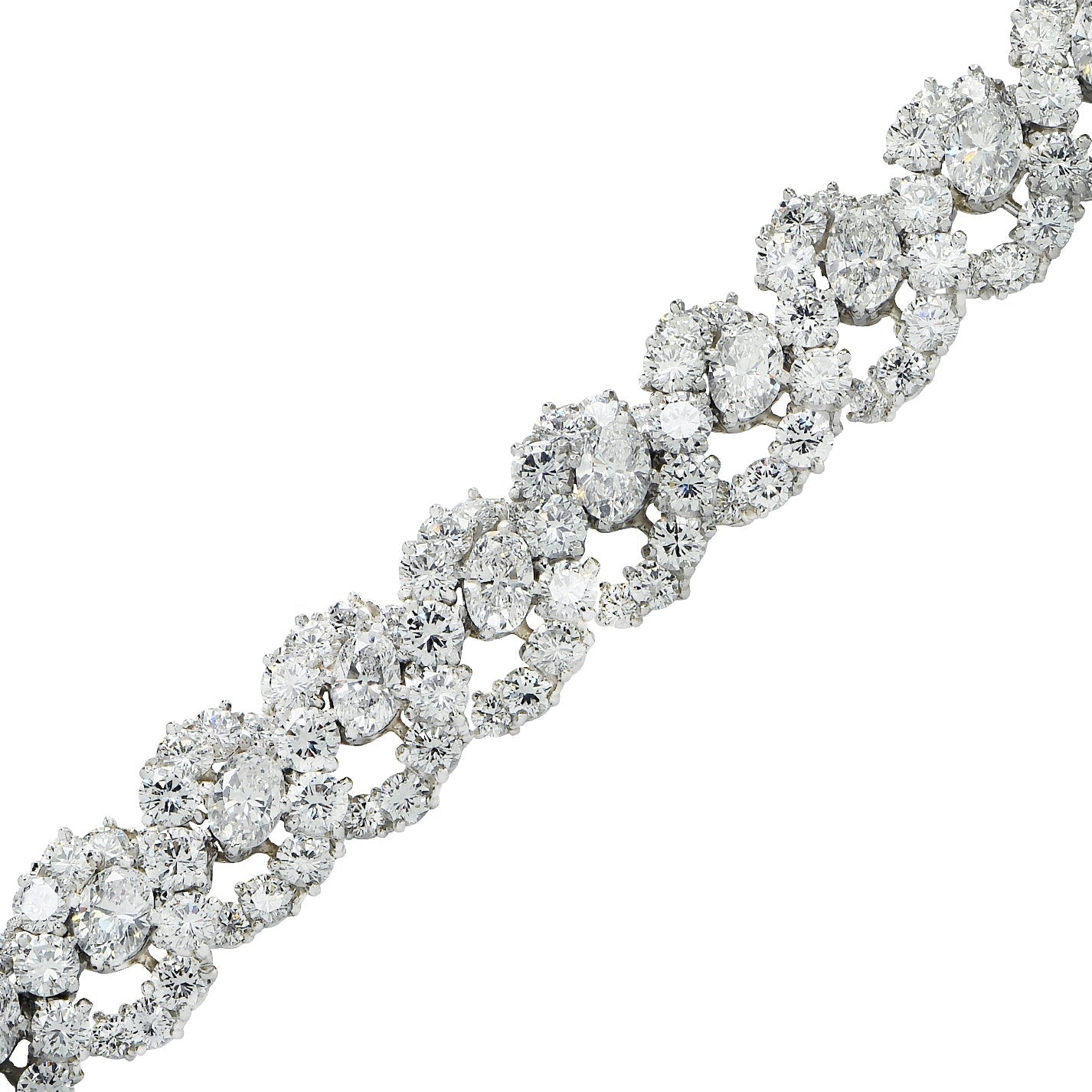
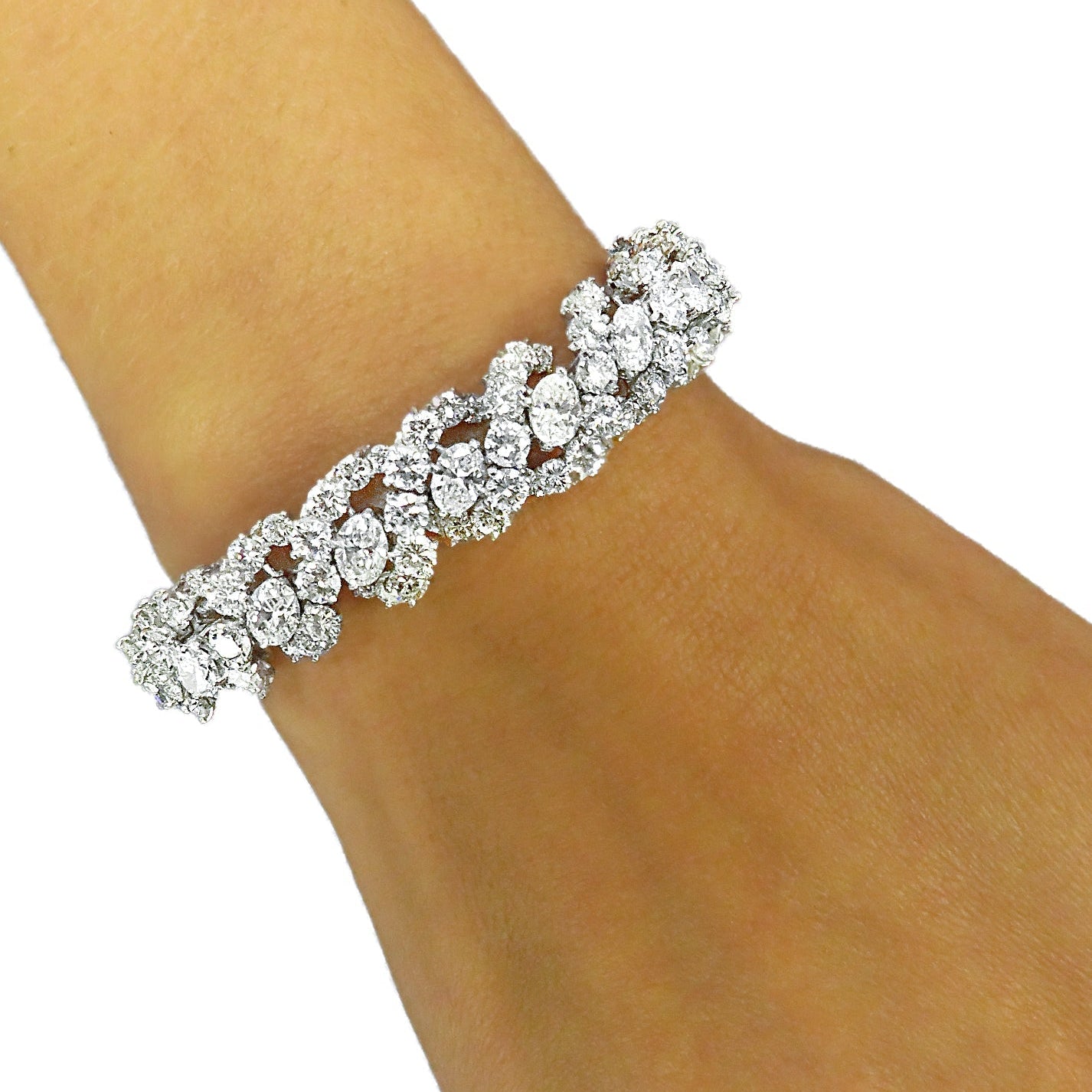
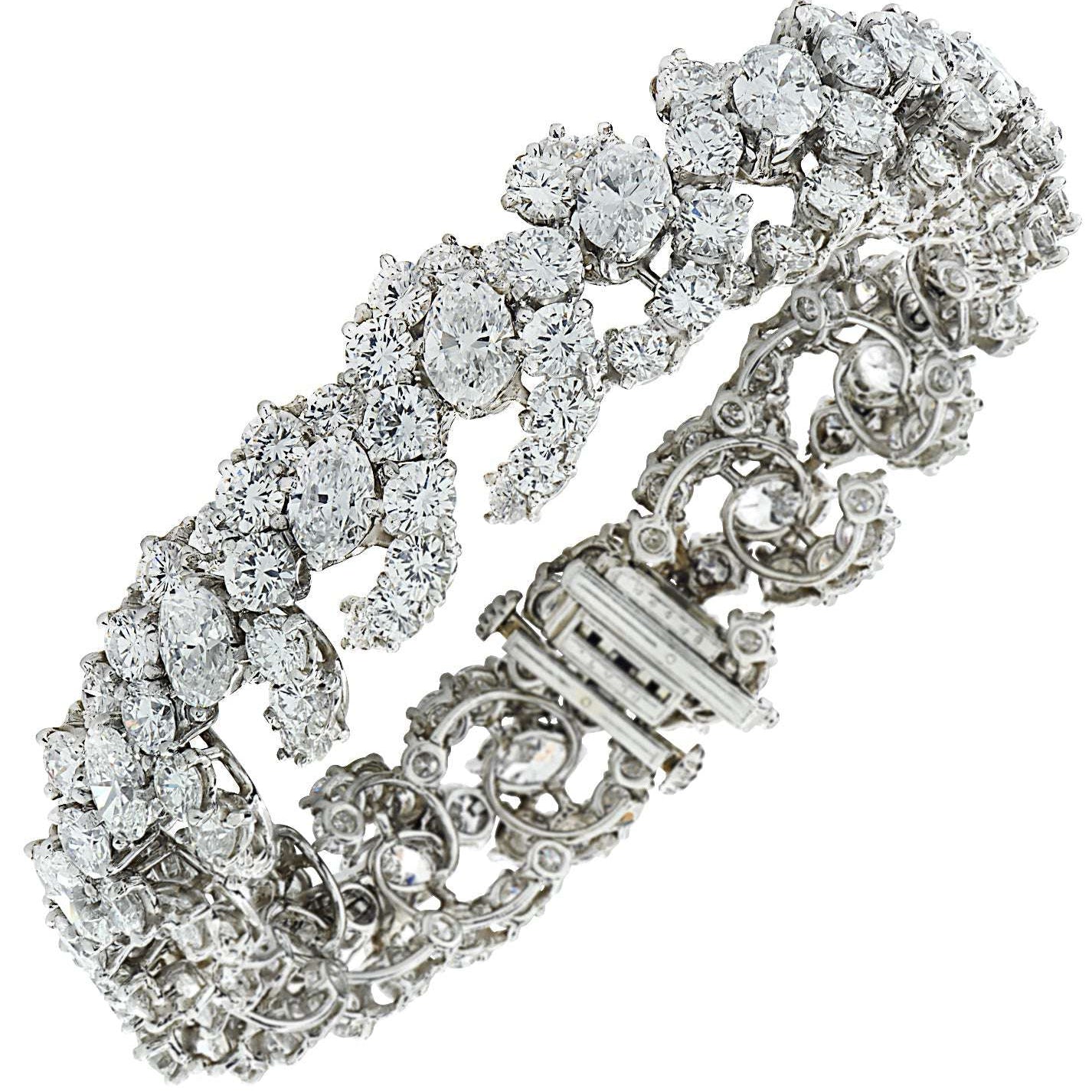
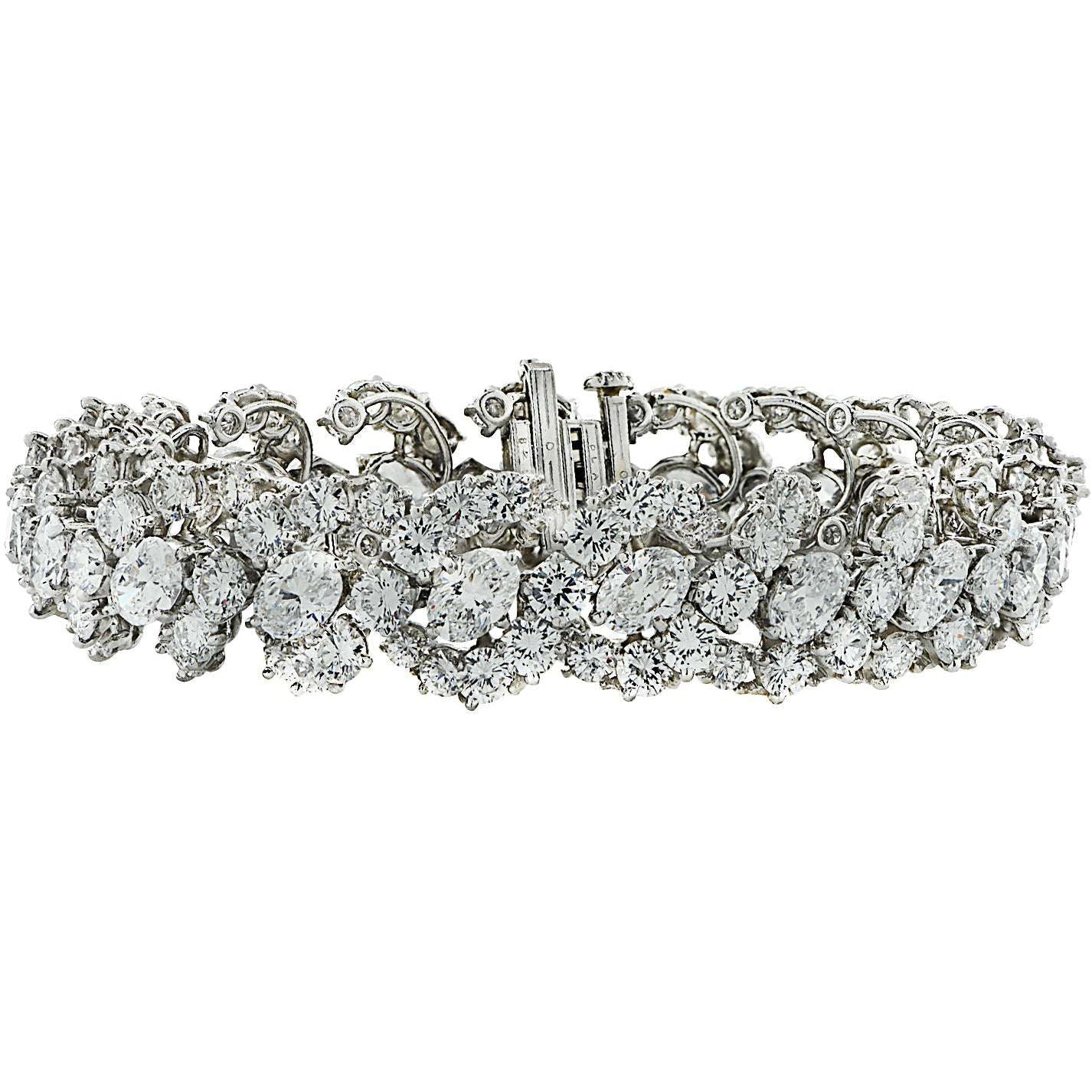
- Line bracelets: the quintessential daily‑wearable luxury, executed with tightly matched stones and immaculate articulation so it drapes without twisting.
You'll also see starbursts, foliate sprays, bow knots, and calibré‑set Deco motifs, each built to a standard that rewards close inspection.
Famous Clients and Collaborations
As the "Jewelers' Jeweler," Oscar Heyman supplied pieces to flagship retailers and maisons who put their names on the box. That includes collaborations and manufacturing for Tiffany & Co., Cartier, Van Cleef & Arpels, and storied American houses like Marcus & Co. and J.E. Caldwell. In practice, that means a jewel you saw in a mid‑century Tiffany ad may well have been made at the Heyman benches. Private clients, socialites, stage and screen, commissioned statements from the workshop as well, often centered on important colored stones.
Museum-Worthy and Record-Setting Pieces
You can study the firm's output in museum contexts. The exhibition "Oscar Heyman: The Jewelers' Jeweler" (MFA Boston, with subsequent venues) showcased archival drawings, tools, and finished pieces, underlining the workshop's impact on American high jewelry. At auction, signed Oscar Heyman jewels and documented workshop pieces for major houses have achieved strong prices, especially for high‑quality colored stones, ballerina rings with rare centers (like alexandrite), and Art Deco calibré masterpieces.
How to Identify Authentic Oscar Heyman
Maker's Marks and Numbering Conventions
Start with the inside story. Look for an Oscar Heyman maker's mark, commonly OH or OHB, and a serial or job number stamped with clarity. You'll usually find metal fineness marks: PLAT, 900 PLAT, 950PT, 18K, or 750. Numbers tend to be consistent in font and cleanly struck. When in doubt, ask the firm (or a knowledgeable dealer) to check the serial against the archive: a positive match is powerful provenance.
Construction Details, Settings, and Stone Quality
Even without a signature, construction tells on Oscar Heyman. Expect:
- Hand‑fabricated basket or gallery work with crisp geometry.
- Ballerina rings whose tapered baguettes are perfectly graded in size and angle, with no "dead" gaps.
- Calibré and channel settings that are tight, even, and smooth to the touch.
- Prongs that are fine yet strong, with even beadwork and delicate millegrain when used.
- Stones that are well matched, color, clarity, and cut harmonize rather than compete.
Flip the jewel over. The underside should be tidy, with symmetrical piercing and excellent polish. Hinges and clasps feel exact: bracelets articulate fluidly and close with a confident click.
Period Clues: Art Deco to Contemporary
Era clues help you narrow dates:
- Art Deco (1920s–1930s): geometric, calibré‑cut sapphires/rubies, onyx accents, platinum dominance, crisp millegrain.
- 1940s Retro: bolder volumes, ribbons, sprays, and mixed platinum‑gold construction.
- Mid‑century (1950s–1960s): ballerina rings, floral brooches, starbursts, and vivid color juxtapositions.
- Late 20th century to present: faithful continuations of classic forms with modern gem sourcing and occasionally larger scale.
Match the design language to the stamping style and you'll often land within a decade.
Collecting and Value: What Drives Price
Gem Quality, Carat Weight, and Rarity
With Oscar Heyman, stones lead value. Fine Burma rubies, Colombian emeralds, Kashmir or Sri Lankan sapphires, and rare phenomena gems (alexandrite, cat's‑eye, star stones) move the needle. Carat weight matters, but not at the expense of cutting and color. Suites of beautifully matched baguettes or calibrés add real value because they're expensive to create today.
Era, Condition, and Provenance
Deco and mid‑century pieces command strong demand, but pristine condition is non‑negotiable. Over‑polished edges, replaced stones, or clumsy shank enlargements can diminish price. Provenance helps: a signed Oscar Heyman piece, a serial number tied to the archives, an original retailer's box, or a period advertisement all support premium outcomes. Remember that some unsigned jewels made by Oscar Heyman for retailers can be traced via serial numbers or workshop characteristics, those wins are particularly satisfying as a collector.
Market Trends and Investment Considerations
You've seen sustained appetite for high‑quality colored stones and wearable classics. Line bracelets, ballerina rings with important centers, and floral brooches that convert to pendants keep performing. Signed pieces from top houses that were manufactured by Oscar Heyman often bring a double halo of desirability. For investment, prioritize condition, documentation, and true rarity over sheer size. Liquidity tends to be stronger for iconic forms and top‑tier gems accompanied by respected lab reports (GIA for diamonds: AGL, GRS, or SSEF for colored stones).
Buying, Caring, and Wearing: Practical Tips for Today’s Collector
Where to Buy Safely and What Documentation to Seek
Buy from specialists who routinely handle Oscar Heyman. That includes reputable auction houses, established estate dealers, and the firm itself. Ask for:
- Clear images of hallmarks and serial numbers.
- Lab reports for significant stones (GIA for diamonds: AGL/SSEF/GRS for colored gems).
- Any paperwork from Oscar Heyman's archives tying the serial to original job records.
- Condition reports detailing prior repairs or alterations.
If a piece is unsigned but attributed, press for evidence: serial checks, workshop characteristics, period ads, or provenance trail.
Sizing, Maintenance, and Resizing Considerations
You can size many rings, but proceed carefully. Ballerina rings and channel‑set bands are complex, resizing can disturb baguette tension or symmetry. Use a bench with high‑jewelry experience, ideally one familiar with Oscar Heyman construction. For bracelets, add/remove links rather than forcing the clasp. Keep prongs crisp: check settings annually if you wear the piece regularly.
Cleaning, Storage, and Professional Service
- Cleaning: Gentle warm water, mild soap, soft brush. Avoid ultrasonic/steam on emeralds or heavily included stones: err on the side of caution with antique settings.
- Storage: Separate compartments to prevent scratching: secure brooch pins and bracelet clasps to avoid strain.
- Service: Schedule professional inspections every 12–18 months. On vintage pieces, ask conservator‑level jewelers to preserve original finishes and hallmarks. If you plan to wear a brooch as a pendant, have a discreet, reversible converter made, no gluing, no irreversible alterations.
Conclusion
Collecting Oscar Heyman is about connoisseurship. You're choosing proportion over spectacle, engineering over gimmicks, and color that's orchestrated rather than loud. Learn the signatures, the OH/OHB marks, the serials, the immaculate platinum work, and use the archive when you can. Then buy what you'll actually wear: a ballerina ring that dances in daylight, a line bracelet that sits like silk, a floral brooch that turns heads without shouting. Great craftsmanship holds its value, but more importantly, it holds your attention every time you look down at your hand.
Frequently Asked Questions
What is Oscar Heyman and why is it called the “Jewelers’ Jeweler”?
Oscar Heyman is a century-old New York workshop renowned for connoisseur-level craftsmanship, gemstone expertise, and platinum mastery. The firm quietly manufactured for top houses like Tiffany & Co., Cartier, and Van Cleef & Arpels, earning the “Jewelers’ Jeweler” nickname for supplying exceptional, often unsigned, high jewelry to prestigious retailers.
How can I identify an authentic Oscar Heyman piece?
Look for maker’s marks (OH, OHB, or “Oscar Heyman”), cleanly struck serial/job numbers, and metal fineness stamps (PLAT, 18K, 750). Expect hand-fabricated platinum under-galleries, tight calibré and channel settings, and perfectly graded baguettes. When possible, ask the firm or a specialist to match the serial to archive records.
What designs are most associated with Oscar Heyman?
Signature Oscar Heyman aesthetics include color-forward line bracelets, lifelike floral brooches, and ballerina rings with precisely graded tapered baguettes radiating like a tutu. You’ll also see starbursts, foliate sprays, ribbon scrolls, and Art Deco calibré motifs, all engineered for balance, fluid articulation, and timeless wearability rather than trends.
What factors influence the value of Oscar Heyman jewelry?
Gem quality and rarity lead value: fine Burma rubies, Colombian emeralds, and top sapphires or phenomena gems (alexandrite, cat’s-eye, star stones). Condition, era (Deco and mid‑century are strong), and provenance matter. Signed pieces, archive-verified serials, original retailer ties, and respected lab reports (GIA, AGL/SSEF/GRS) support premiums.
How does Oscar Heyman compare to Cartier or Van Cleef & Arpels?
Cartier and Van Cleef & Arpels are global maisons with iconic branding and boutiques. Oscar Heyman is a workshop-driven house emphasizing bench craftsmanship, gemstone cutting, and fabrication—often behind the scenes for those brands. Collectors seeking connoisseurship, platinum engineering, and color-centric design often favor Oscar Heyman’s under-the-radar excellence.
What is the typical price range for Oscar Heyman jewelry?
Prices vary widely by gem quality, scale, and provenance. At auction and reputable dealers, smaller signed pieces can start in the low five figures, while important ballerina rings, line bracelets with top stones, or rare phenomena gems frequently command mid– to high–five figures, with exceptional works reaching six figures.