Hammerman Brothers Jewelry

Hammerman Brothers Jewelry: Heritage, Design, And Collecting Guide
If you're drawn to bold gold, impeccable gem setting, and a tangible sense of New York lineage, Hammerman Brothers Jewelry belongs on your radar. Founded in the mid-20th century and still family-run, the house blends Old World bench mastery with American modernism. This guide gives you the heritage context, design cues, value drivers, and care tips you need to buy, and wear, Hammerman with confidence.
A Legacy Forged In Craftsmanship
Family Origins And New York Beginnings
Hammerman Brothers began in New York City in 1946, founded by three brothers who learned jewelry the traditional way, at the bench, with torches, files, and time. From the start, the company embedded itself in Manhattan's Diamond District, producing in-house rather than outsourcing. That decision matters to you today: it's why many vintage Hammerman pieces feel satisfyingly substantial and show meticulous hand-finishing.
As postwar America embraced glamour, the brothers catered to clients who wanted volume, texture, and precious materials that could stand up to life. The result was a signature look, sculptural gold with confident proportions, that still reads unmistakably Hammerman decades later.
Old World Techniques And Modern Innovation
You'll see classic European techniques, hand-carved wax models, chased and fluted gold, hand-cut seats for stones, combined with American engineering pragmatism. Hinges are robust. Omega backs on earrings snap securely. Clasping on bracelets and necklaces is overbuilt in the best way.
Over time, Hammerman adopted modern advances (laser welding for delicate repairs, improved alloys for richer color and durability) without sacrificing bench craftsmanship. That hybrid approach keeps older pieces serviceable and newer pieces comfortable and wearable.
Milestones And Awards Through The Decades
Key milestones you should know:
- 1940s–1950s: Establishment in New York: growth through private commissions and retail partnerships.
- 1960s–1970s: Expansion of bold gold collections and gem-focused designs: frequent editorial coverage in fashion and trade publications.
- 1980s–2000s: High-carat diamond suites and colored stone statements gain prominence: the house becomes a go-to for substantial yet refined evening pieces.
- 2010s–present: Continued family direction with custom work and limited collections produced in New York.
Across these decades, Hammerman's craftsmanship has been recognized in industry circles and exhibitions. Rather than chasing trends, the firm has steadily refined a distinct aesthetic, one you can identify from across a room.
Design DNA: What Makes Hammerman Distinct
Signature Textures, Ribbed Forms, And Sculptural Volume
If you remember one thing, make it this: Hammerman loves form. You'll encounter:
- Ribbed and fluted gold, often in bombé profiles.
- Draped, tubed, or coiled motifs that add depth without fussiness.
- Satin, brushed, and high-polish contrasts within a single piece to catch light from multiple angles.
- Substantial, three-dimensional silhouettes, bracelets and earrings that occupy space but remain balanced on the body.
The best examples feel architectural yet wearable, with curves that follow the wrist, the ear, or the collarbone.
Gemstone Mastery: Diamonds, Emeralds, Rubies, Sapphires, And Beyond
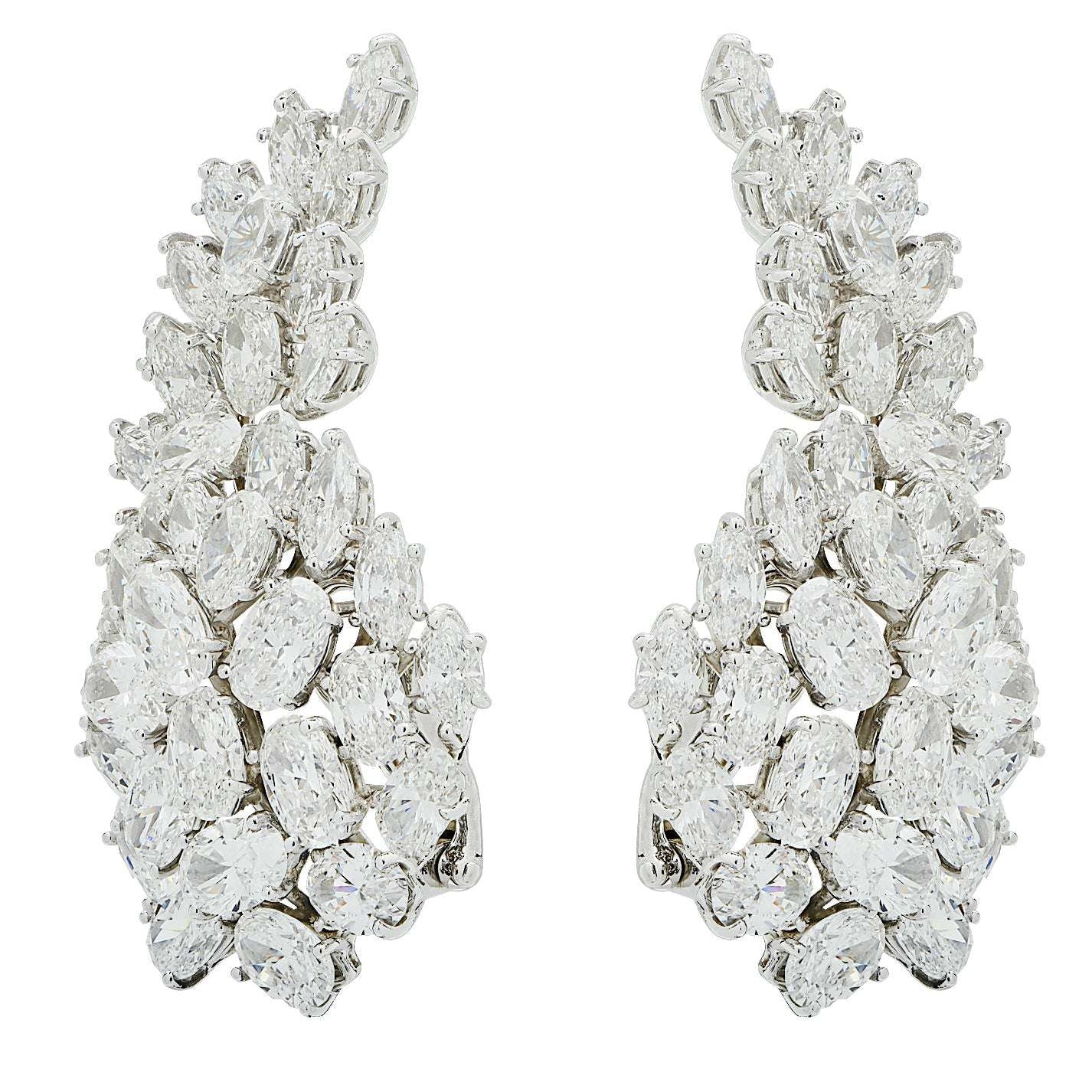
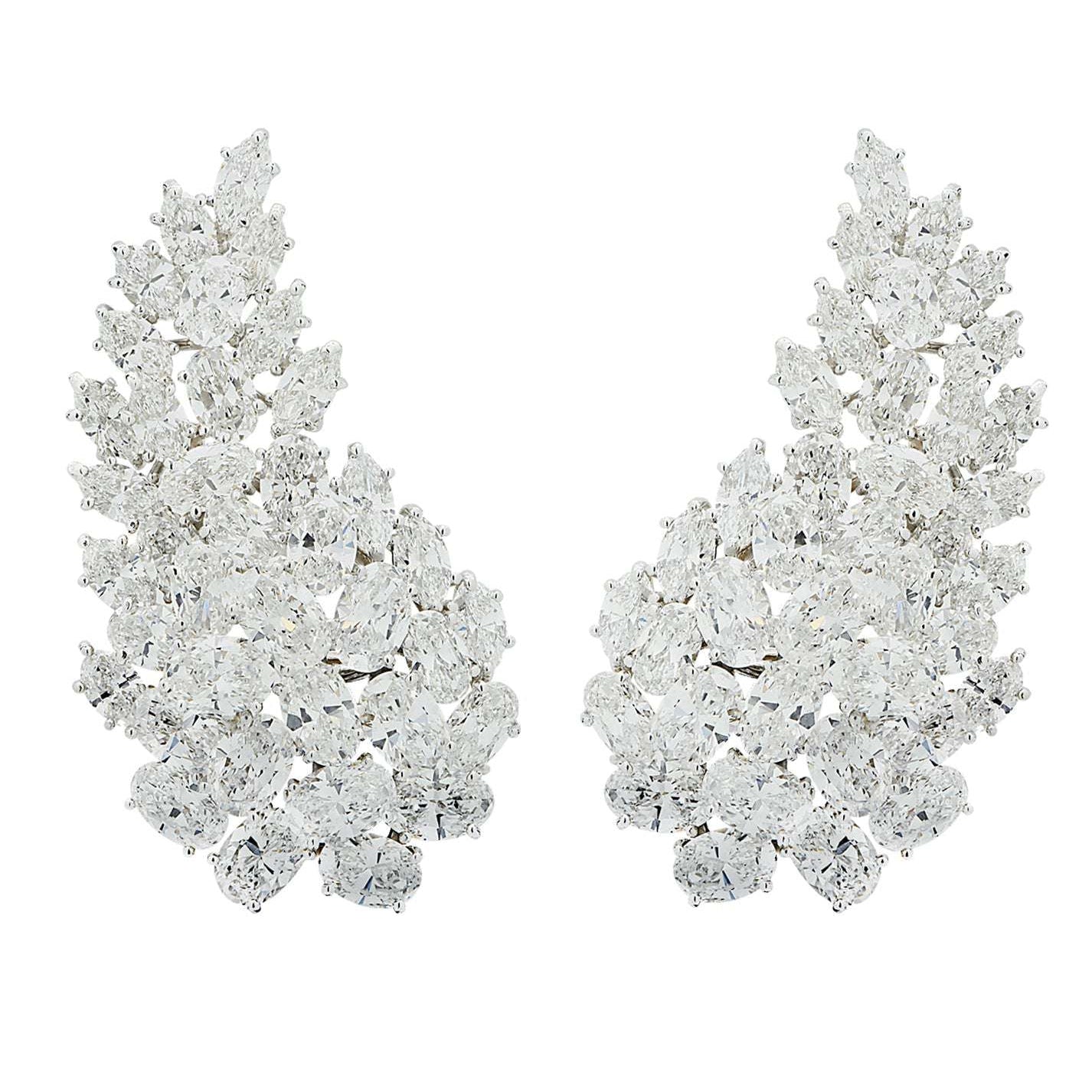
You'll see fine white diamonds in graduated baguettes or pavé, often used to outline sculpted gold. When color appears, it's confident: rich Colombian-leaning emerald hues, Burmese-leaning ruby reds, and deep, velvety sapphires, alongside coral, onyx, turquoise, and occasional aquamarine or citrine.
Setting is tight and clean. Expect well-matched stones, smart use of calibré cuts, and prongs that are present but discreet. The goal is always harmony, gem and metal working together, never fighting for attention.
Hallmarks, Signatures, And Construction Details To Know
Authentic Hammerman Brothers Jewelry typically carries:
- A maker's mark such as "HAMMERMAN," "HAMMERMAN BROS," or an "HB" stamp.
- Purity marks: 18K or 750 are common: 14K appears on some mid-century pieces.
- Serial or inventory numbers on larger works.
Construction tells its own story. Look for:
- Heavy, well-articulated links and hinges.
- Omega backs or French clips on earrings: double-safety clasps on bracelets and necklaces.
- Clean interiors, no rough solder, consistent finishing even where you don't typically look.
Era-By-Era Highlights And Iconic Pieces
1950s–1960s: Mid-Century Glamour And Cocktail Statements
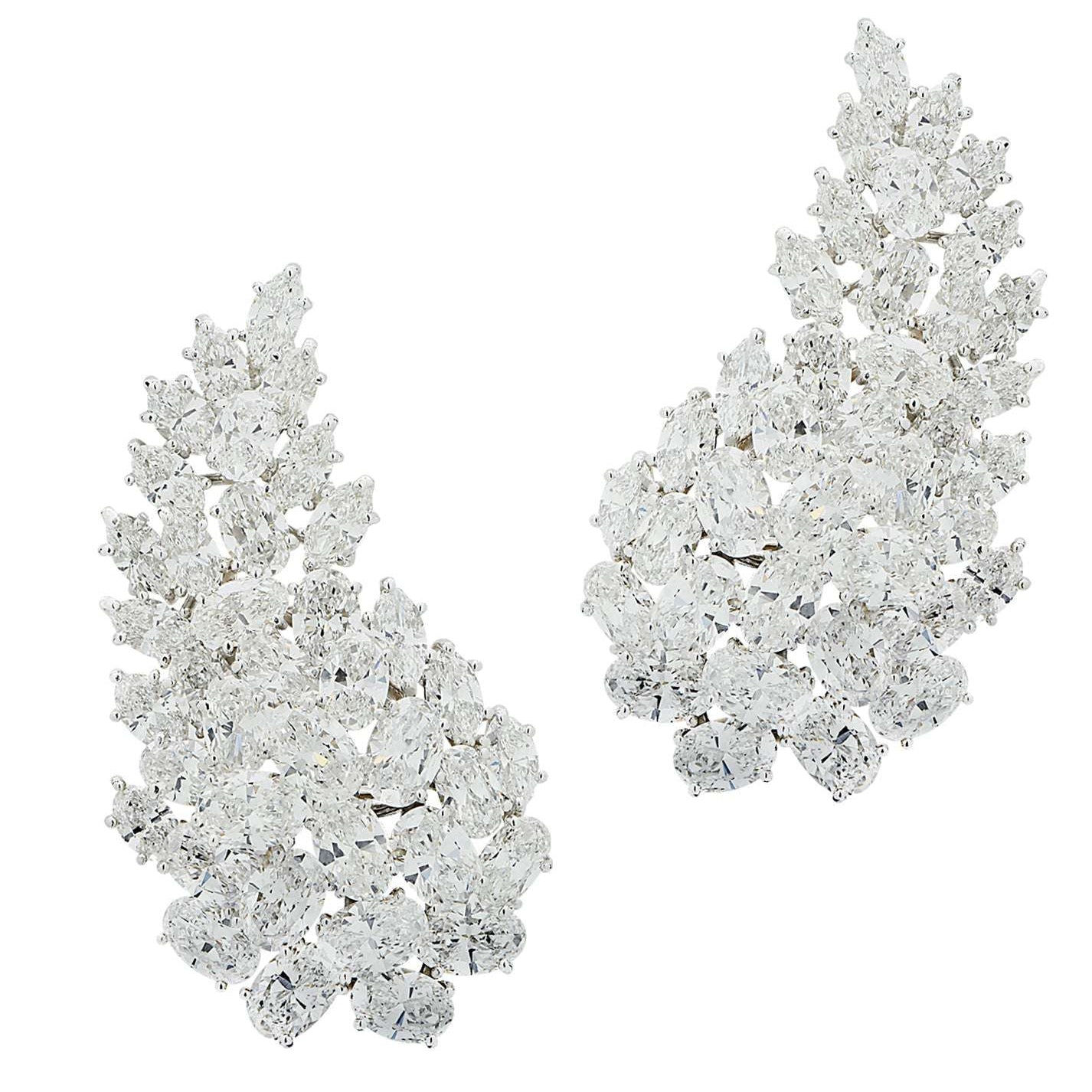
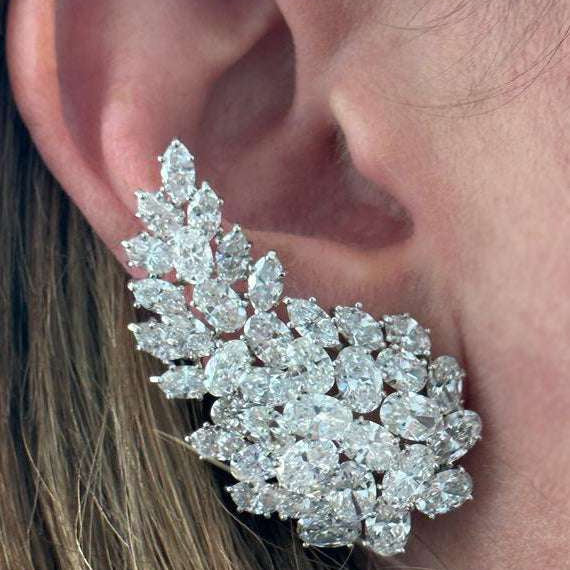
You'll find bombé cocktail rings with ribbed shoulders, diamond sprays, and starburst motifs. Earrings often take a domed or foliate form, pavé-set with diamonds or accented by sapphire or ruby. Yellow gold dominates, sometimes paired with platinum for diamond-intensive designs. These pieces suit you if you want timeless evening sparkle with mid-century swagger.
1970s: Bold Gold, Animal Brooches, And Modernist Lines
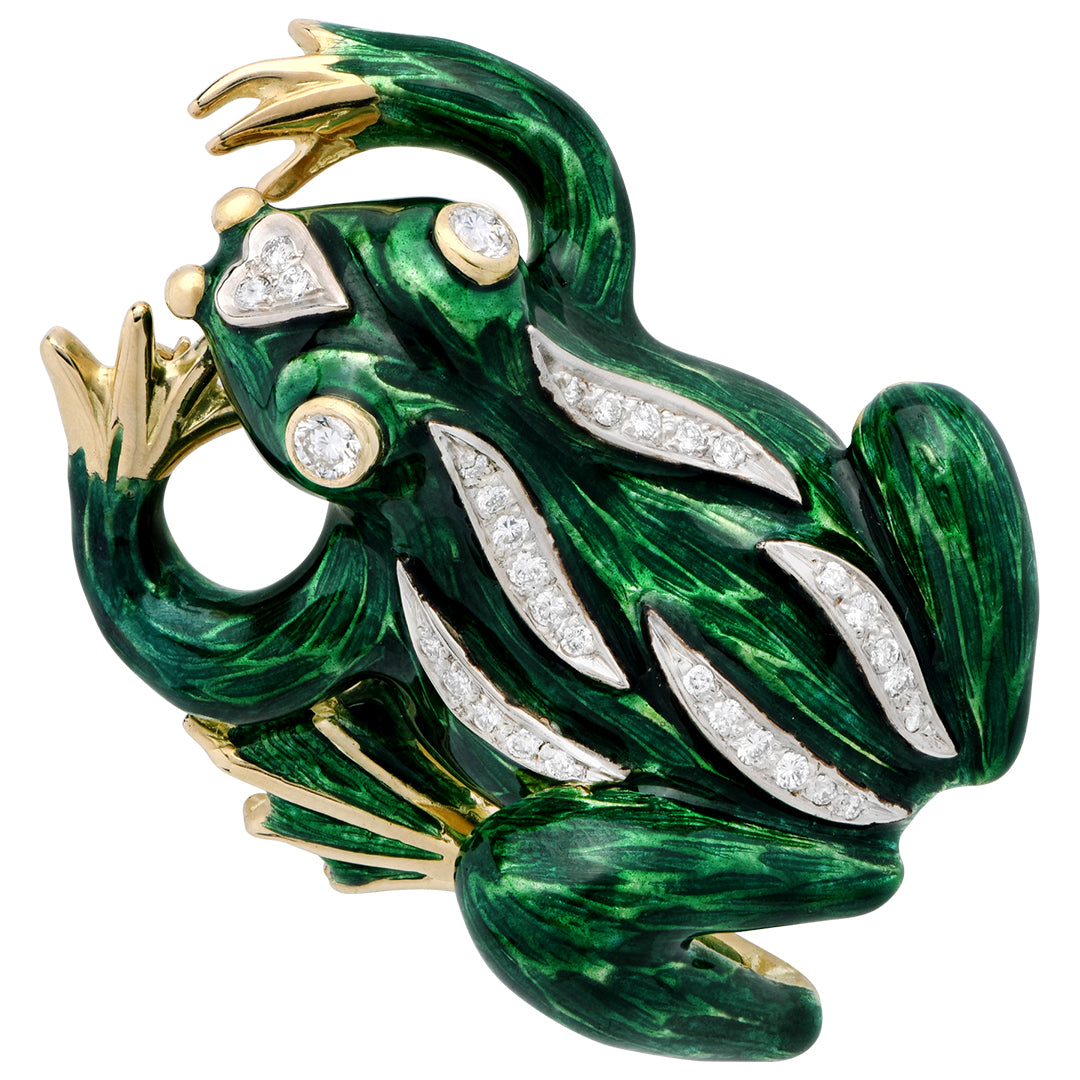
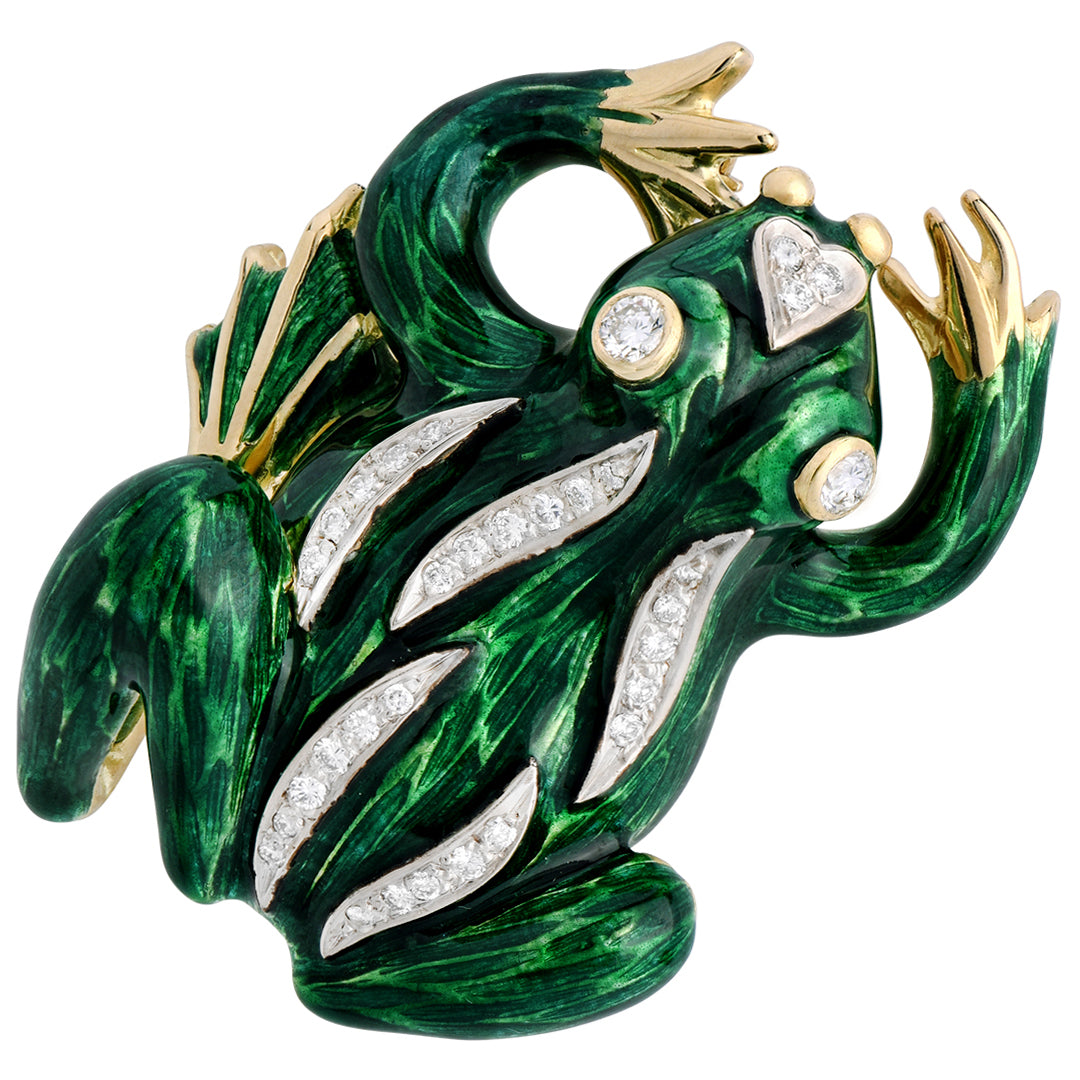
The '70s are a sweet spot for Hammerman collectors. Think sculptural cuffs, rolling tubed necklaces, and clever animal brooches, big cats, birds, sea creatures, rendered in textured gold with gem eyes. Modernist geometry appears too: openwork grids, interlocking forms, and strong negative space. These pieces feel current today, especially worn solo with a crisp shirt or sleek knit.
1980s–2000s: High-Carat Diamonds, Color Play, And Art Deco Revivals
As silhouettes grew in the '80s, Hammerman responded with diamond suites, dramatic collar necklaces, and substantial ear clips. Colored stones, emerald and sapphire in particular, took center stage in clean, stepped settings nodding to Art Deco. By the 1990s and early 2000s, you see refined updates: slimmer profiles, invisible or channel setting, and bracelets that flex smoothly while holding serious carat weight.
Collecting And Authenticating Hammerman Brothers
Provenance, Paperwork, And Maker's Marks
When you're evaluating a piece, start with documentation. Original receipts, presentation boxes, and certificates from reputable sources strengthen value. Cross-check signatures and metal marks against known Hammerman conventions. If signatures look irregular, weigh them against construction quality, Hammerman finishing is consistently high.
Evaluating Condition, Originality, And Alterations
Assess:
- Prongs and bezels: Are they original and even? Overly thick re-tips can signal heavy wear.
- Clasps and hinges: Do they close crisply? Replaced mechanisms can be fine, but note them.
- Stone integrity: Look for abrasions on emeralds and sapphires: ensure diamonds are tight.
- Evidence of resizing: Check for seams in rings and out-of-round bangles.
Originality matters. Altered lengths, swapped gemstones, or removed ear clips can reduce collectability. If in doubt, ask a bench jeweler to inspect under magnification.
Working With Reputable Dealers And Appraisers
Choose dealers who specialize in mid-century to contemporary fine jewelry and who stand behind authenticity. For higher-value acquisitions, commission an independent appraisal from a credentialed gemologist (e.g., GIA Graduate Gemologist). Insist on disclosures about restorations, replaced stones, and estimated production era.
Buying Guide: Value Drivers And Market Insights
Rarity, Materials, And Workmanship As Pricing Factors
Value starts with materials: 18K gold weight and quality of diamonds or colored stones. Hammerman workmanship, precise setting, engineered hinges, crisp finishing, adds a premium. Rarer motifs (certain animals, complex link constructions, limited-production suites) push prices higher.
Expect a pricing hierarchy:
- Statement bracelets, necklaces, and suites command the most.
- Iconic ear clips and cocktail rings follow.
- Brooches fluctuate based on motif and scale.
How Era, Design Complexity, And Scale Influence Value
Era affects desirability. Many collectors favor 1970s bold gold for its current relevance, while diamond-forward 1980s pieces appeal to eveningwear collectors. Complexity, multi-part engineering, graduating links, invisible or calibré setting, adds value. Scale matters too: larger forms with balanced weight routinely outperform smaller counterparts, provided they remain wearable.
Market note: Well-preserved examples with original finishes and unpolished signatures tend to outperform over-buffed pieces. Don't chase shine at the expense of detail.
Where To Find Pieces: Estate, Auction, And Contemporary Sources
You can source Hammerman in three main channels:
- Estate dealers and vintage specialists: Curated inventory with restoration transparency.
- Auction houses: Good for rarer or large-scale pieces: factor in buyer's premium and due diligence.
- Contemporary direct: The house continues to produce in New York: custom work and new designs are available if you prefer modern fabrication with historical DNA.
Care, Wear, And Styling
Cleaning, Storage, And Long-Term Maintenance
- Clean gold and diamonds with warm water, mild dish soap, and a soft brush. Rinse thoroughly and pat dry.
- Avoid ultrasonic cleaners for emeralds and certain treated or included stones.
- Store pieces individually in soft pouches or compartments to prevent abrasion: keep original boxes when possible for provenance.
- Schedule professional checkups every 12–18 months to test clasps, tighten stones, and refresh finish lightly, avoid aggressive polishing that blurs edges and hallmarks.
Resizing, Repairs, And Preserving Integrity
Use experienced bench jewelers who regularly handle high-end vintage. Ask for laser welding on delicate areas and conservation-minded approaches that preserve original components. For ear clips, consider adding discreet posts (if you need them) without removing the clip, reversible modifications keep options open and value intact.
Styling Tips For Everyday Elegance And Occasion Wear
- Everyday: Pair a 1970s ribbed gold cuff with a crisp white shirt: add small diamond ear clips for balance.
- Desk-to-dinner: A sculptural link necklace over a knit elevates instantly, skip competing patterns.
- Evening: Let a diamond-and-emerald collar lead: keep other jewelry minimal so proportions feel intentional.
Hammerman excels at scale. If you're new to the look, start with one statement piece and build around it with quieter textures.
Conclusion
When you choose Hammerman Brothers Jewelry, you're buying more than carat weight, you're investing in New York bench tradition, thoughtful engineering, and an aesthetic that's endured for nearly eight decades. Learn the hallmarks, handle the pieces, and favor integrity over quick shine. Do that, and you'll build a collection that wears beautifully now and stands up to scrutiny for generations.
Frequently Asked Questions
What is Hammerman Brothers Jewelry known for?
Hammerman Brothers Jewelry is known for sculptural 18K gold, ribbed and fluted textures, and impeccably engineered construction. Expect robust hinges, secure omega backs, and tight, clean stone setting. The house blends Old World bench techniques with American modernism, creating bold yet wearable bracelets, ear clips, cocktail rings, and collar necklaces.
How can I authenticate Hammerman Brothers pieces?
Look for maker’s marks such as “HAMMERMAN,” “HAMMERMAN BROS,” or an “HB” stamp, plus purity marks like 18K/750 (and 14K on some mid-century items). Examine construction: heavy, well-articulated links, crisp finishing—even inside—and secure clasps. Larger works may bear serial numbers. Irregular signatures should be weighed against consistent, high-quality workmanship.
What drives the value of Hammerman Brothers Jewelry?
Value reflects precious materials (18K gold weight, diamond and colored stone quality), workmanship (precise setting, engineered hinges), rarity of motifs, and scale. Statement bracelets, necklaces, and suites command top prices, followed by iconic ear clips and cocktail rings. Well-preserved pieces with original finishes and unpolished signatures typically outperform over-buffed examples.
How should I care for emerald- or diamond-set Hammerman jewelry?
Clean gold and diamonds with warm water, mild dish soap, and a soft brush; rinse and pat dry. Avoid ultrasonic cleaners for emeralds and included or treated stones. Store pieces separately in soft pouches, keep original boxes for provenance, and schedule professional checkups every 12–18 months to test clasps, tighten stones, and refresh finishes lightly.
How does Hammerman Brothers compare to David Webb or Van Cleef & Arpels?
Hammerman leans into sculptural ribbed gold and precise engineering, often at competitive prices versus top-tier maisons. David Webb is bolder and enamel-rich with graphic animal motifs. Van Cleef & Arpels emphasizes French refinement and proprietary techniques (e.g., Mystery Set), typically commanding higher price premiums for brand heritage and rarity.