Marina B Jewelry

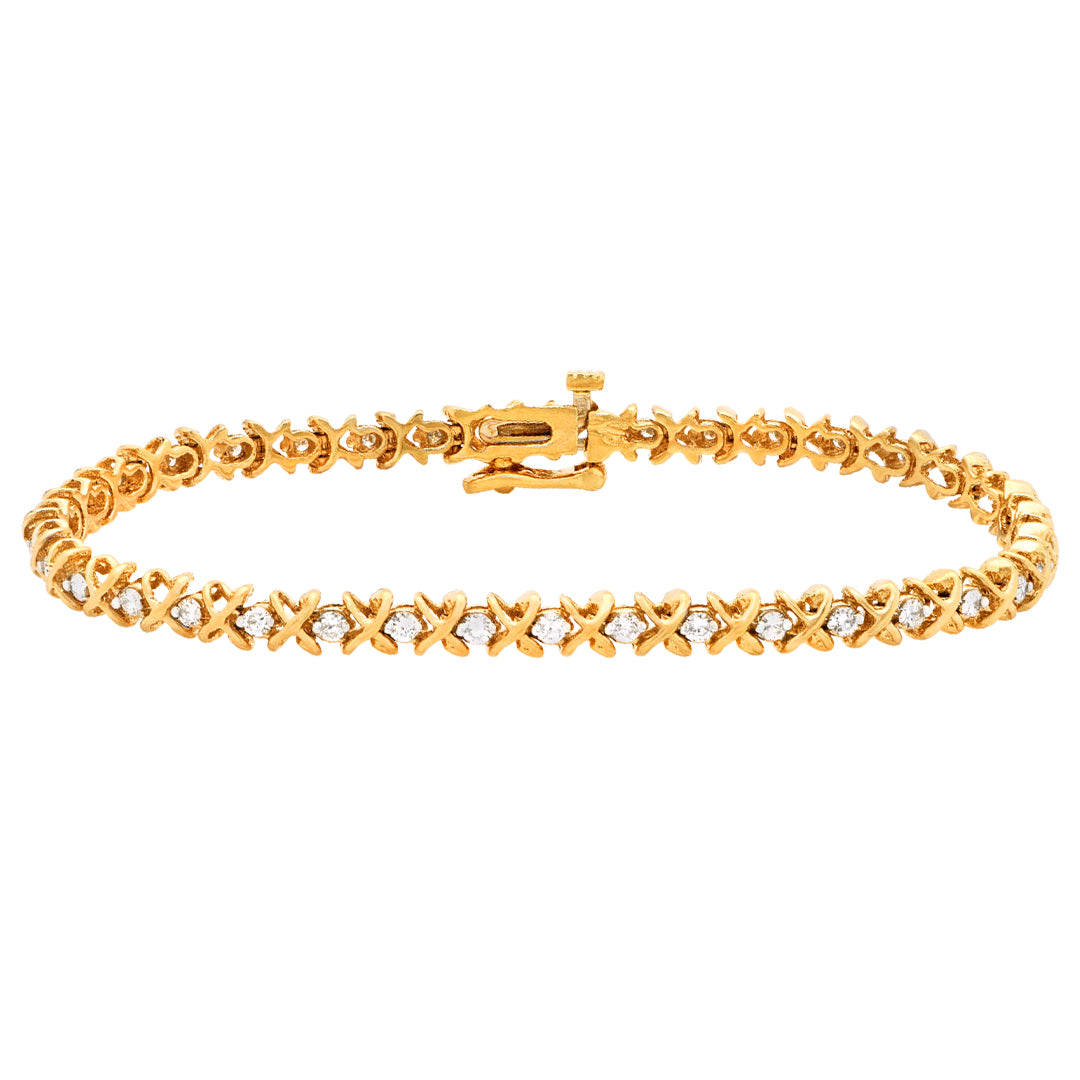
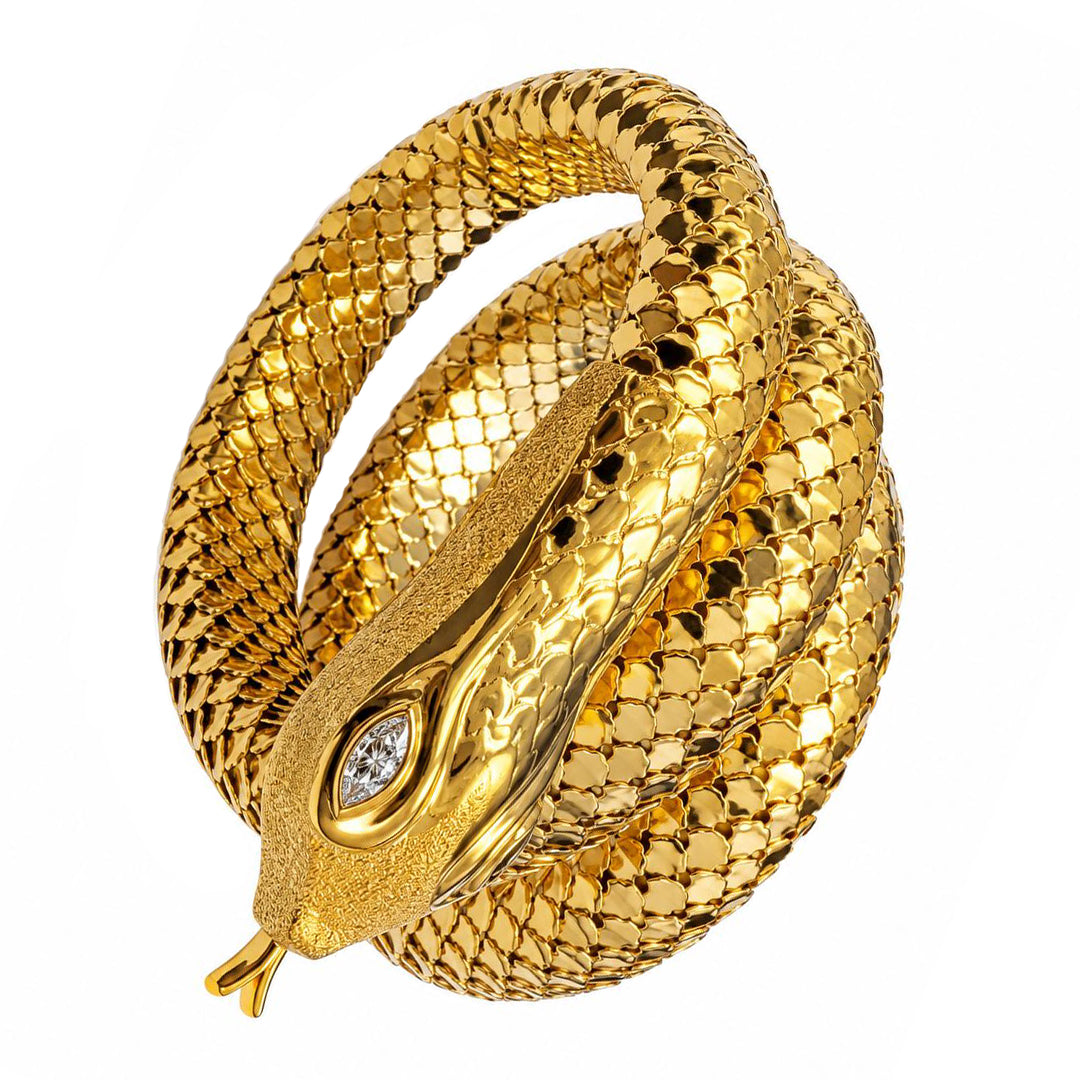

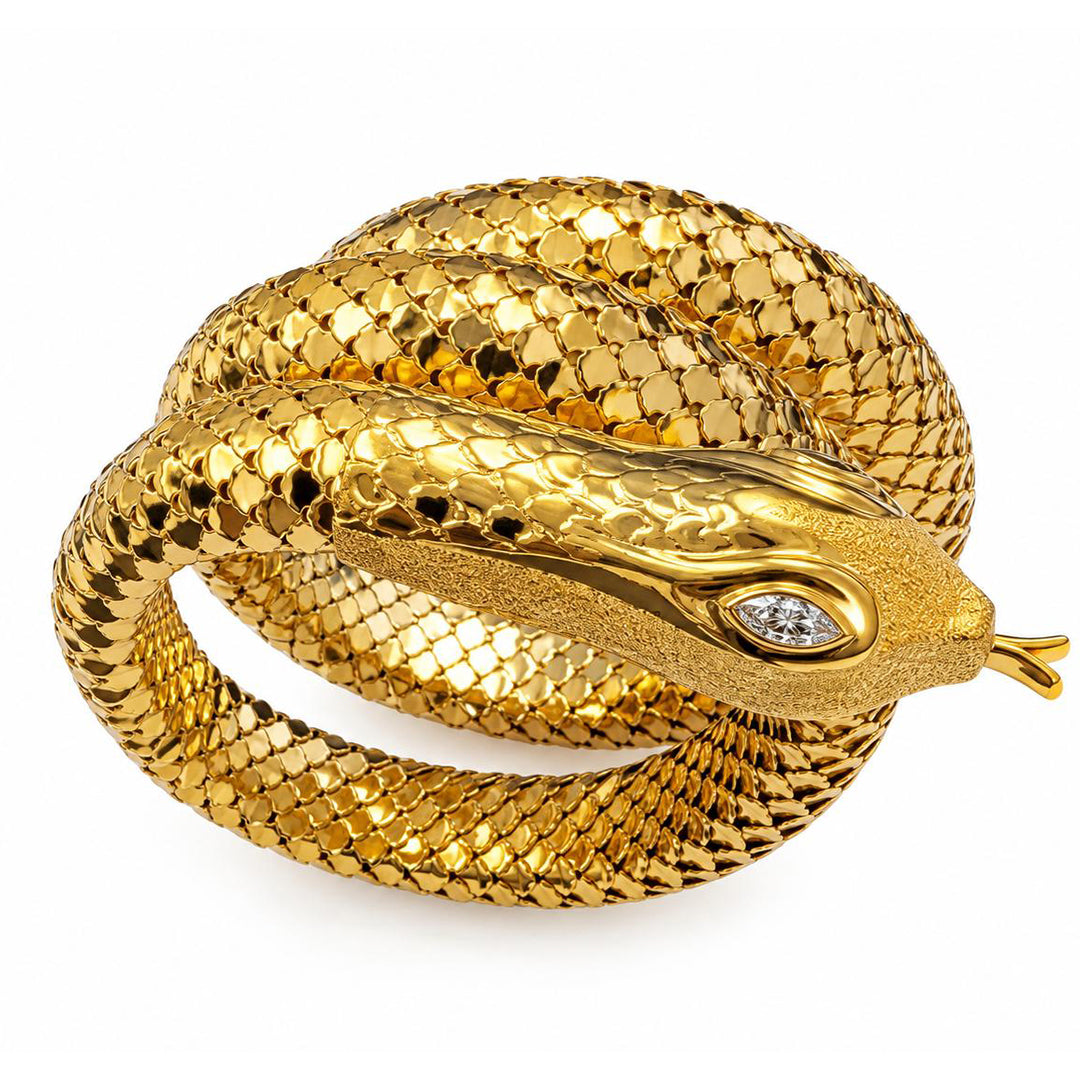
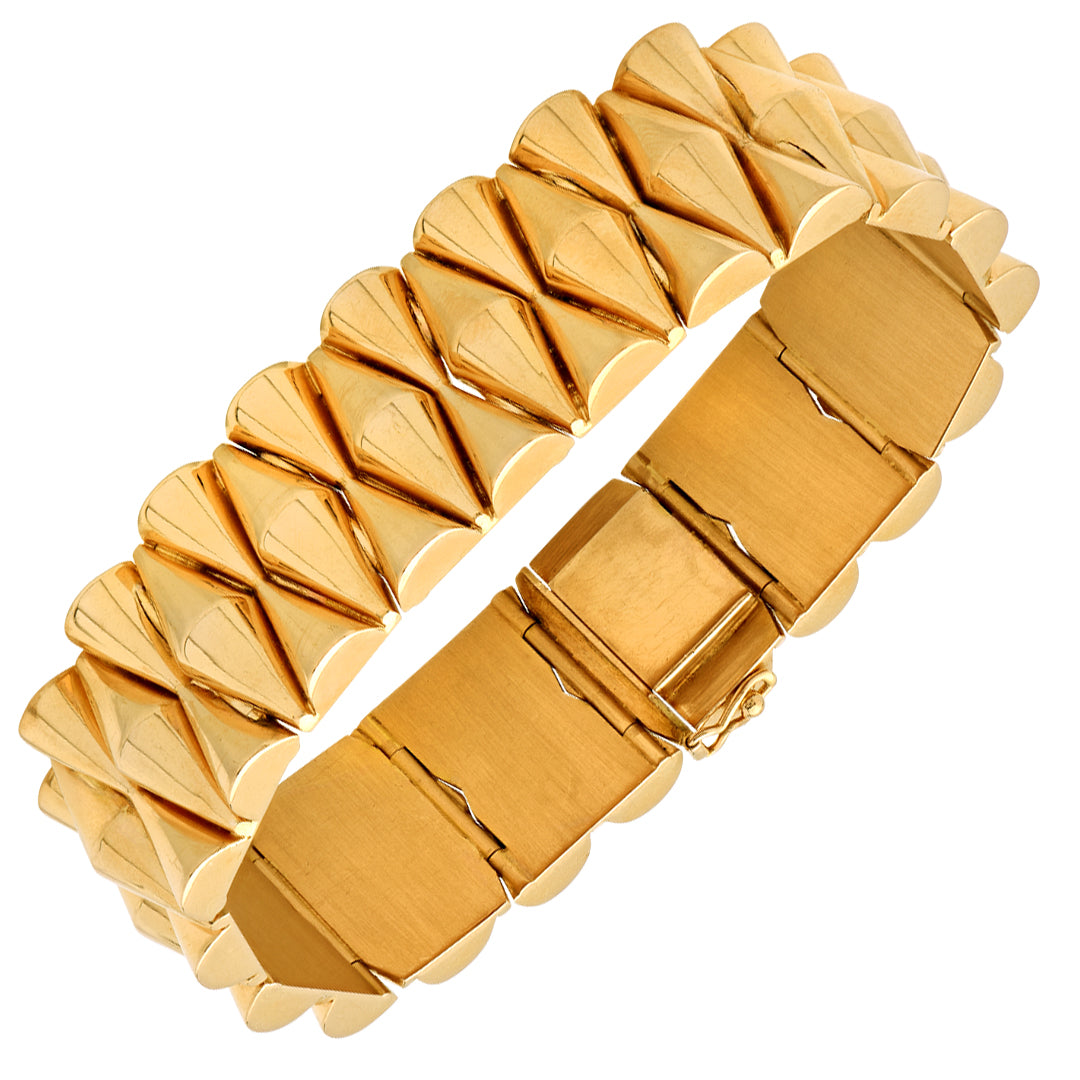

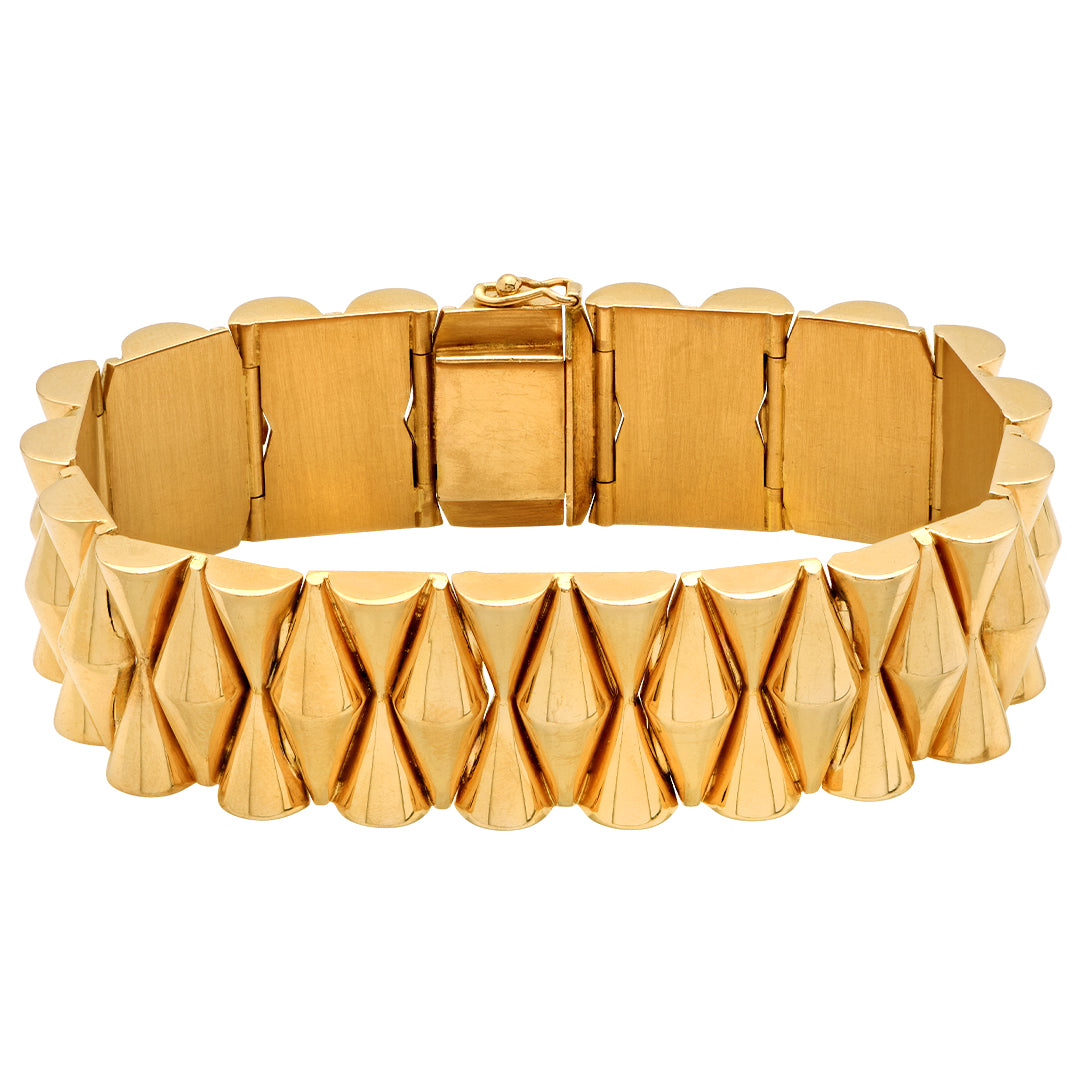
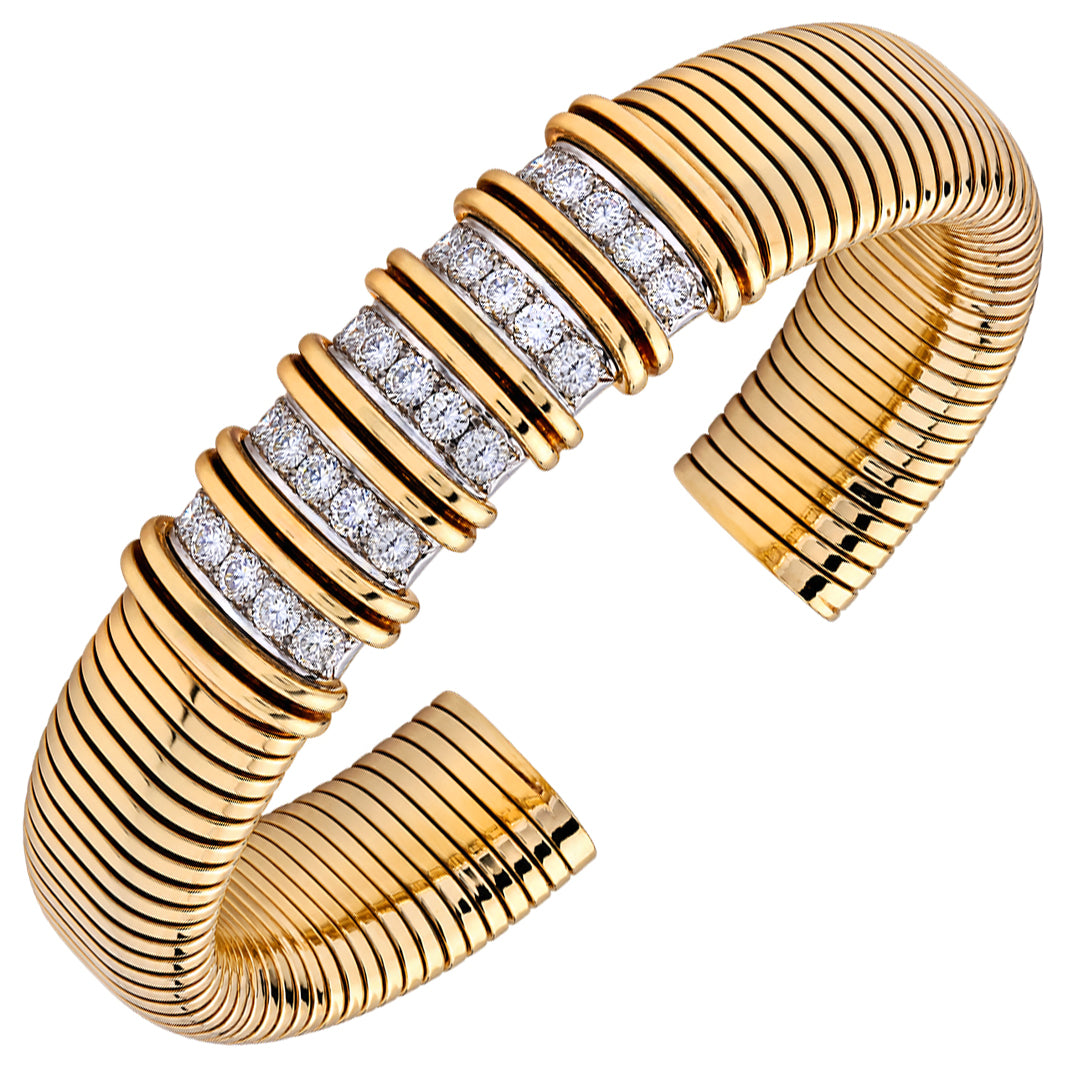

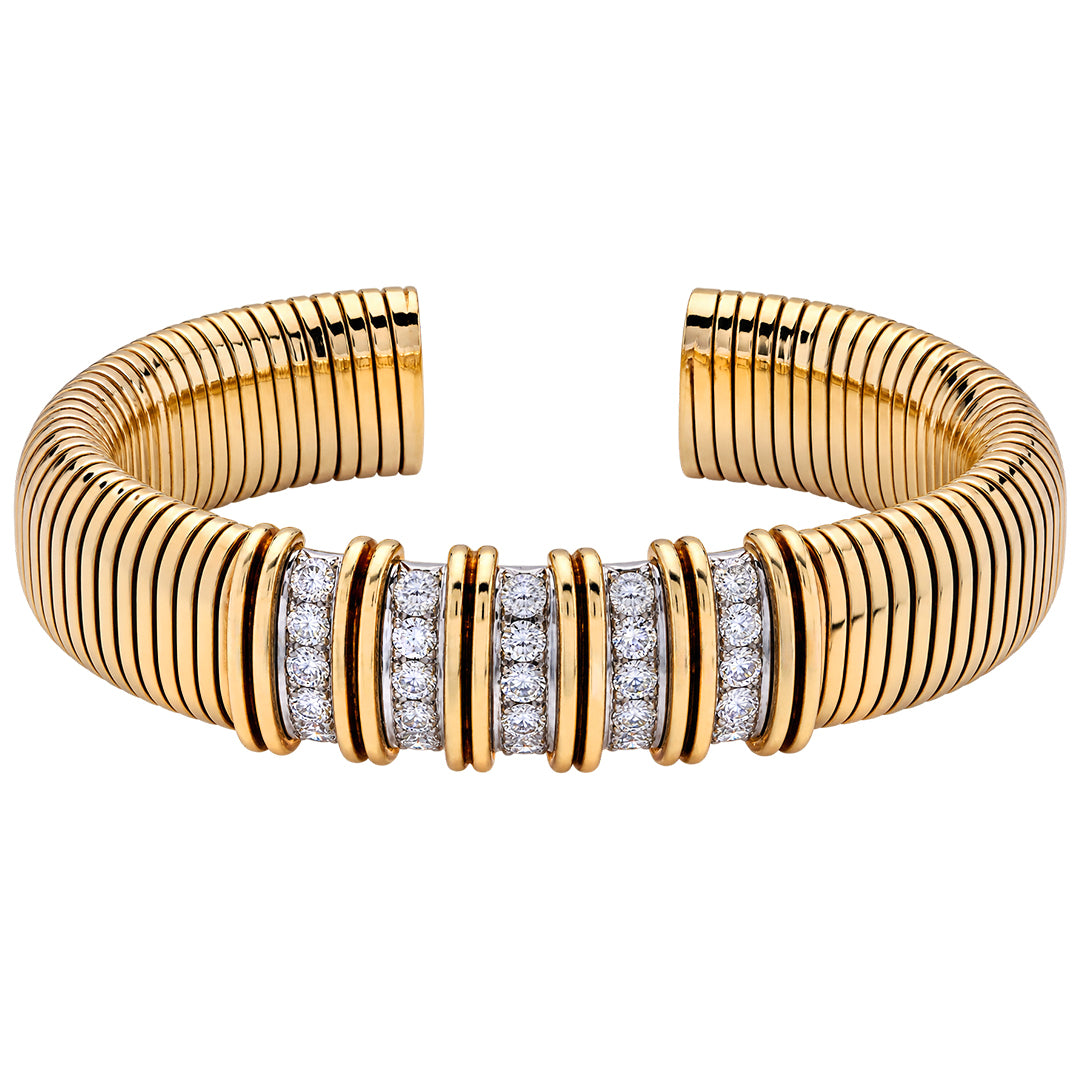
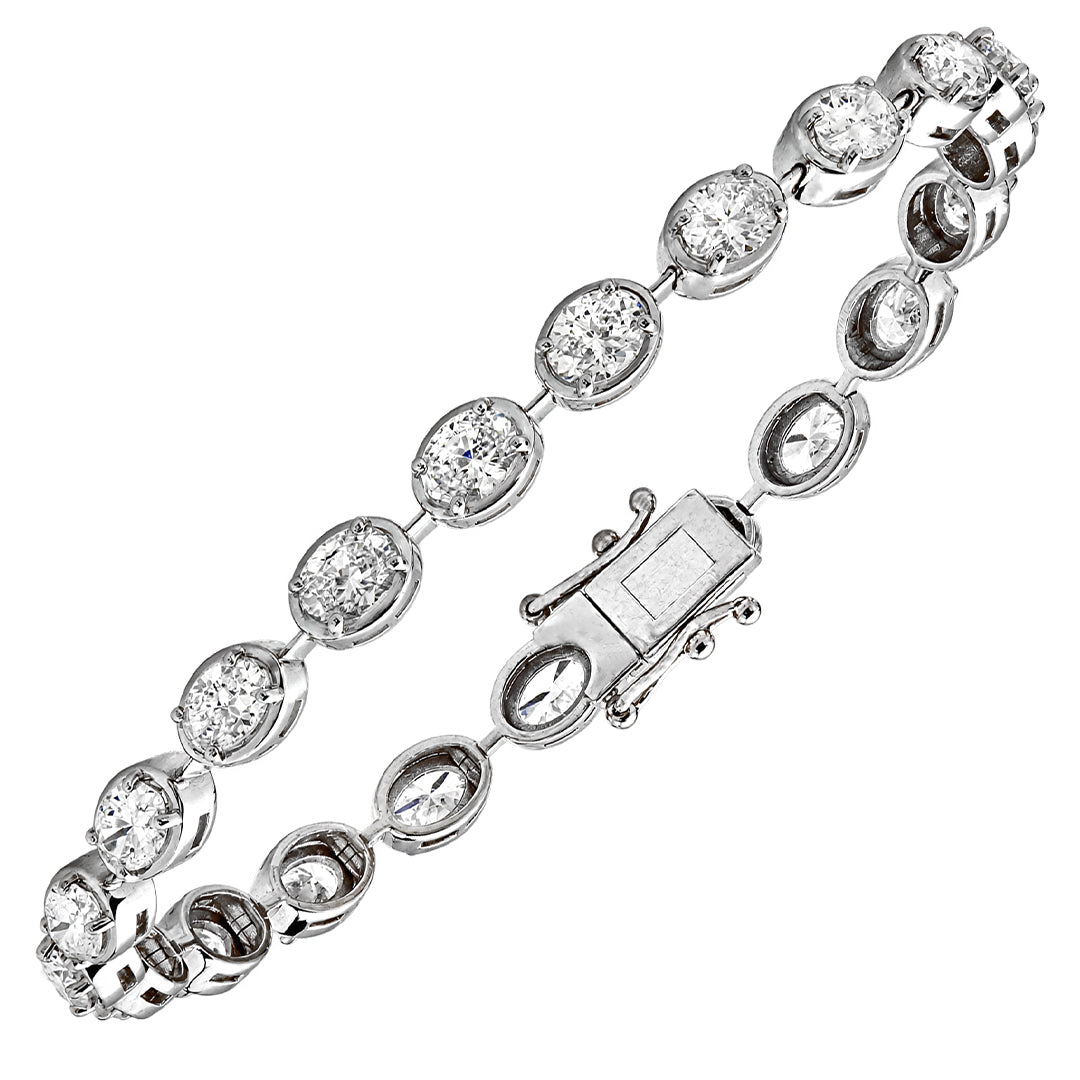










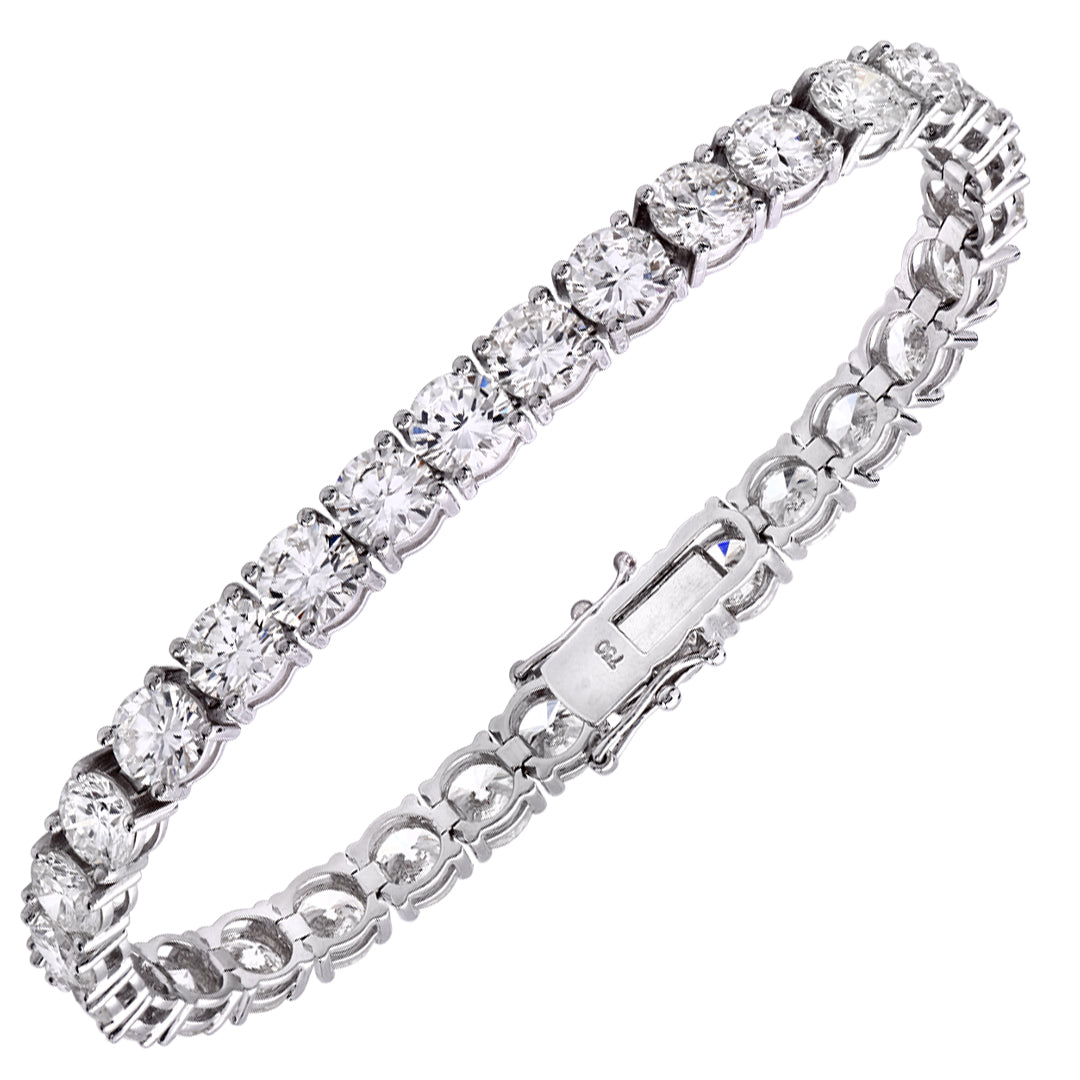

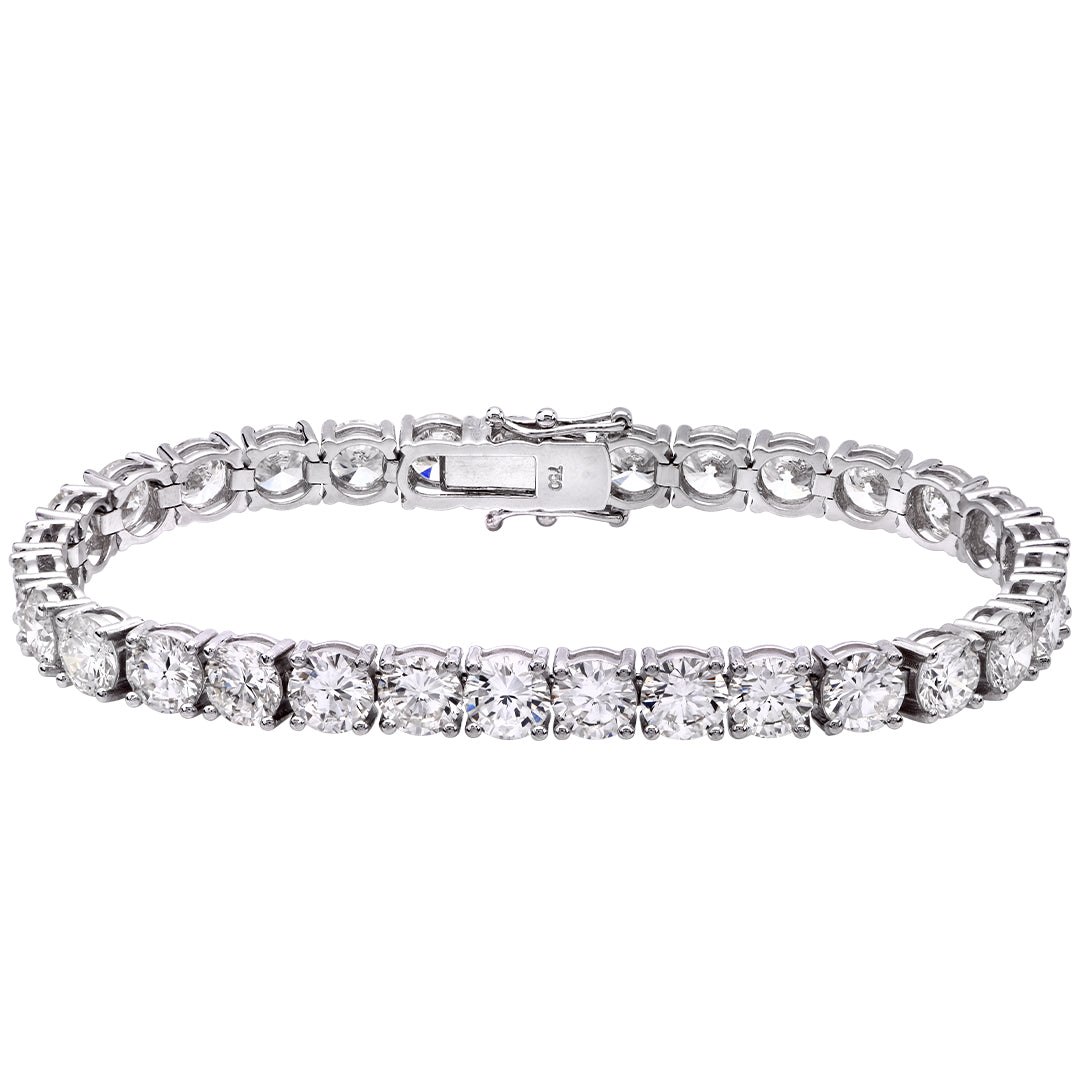
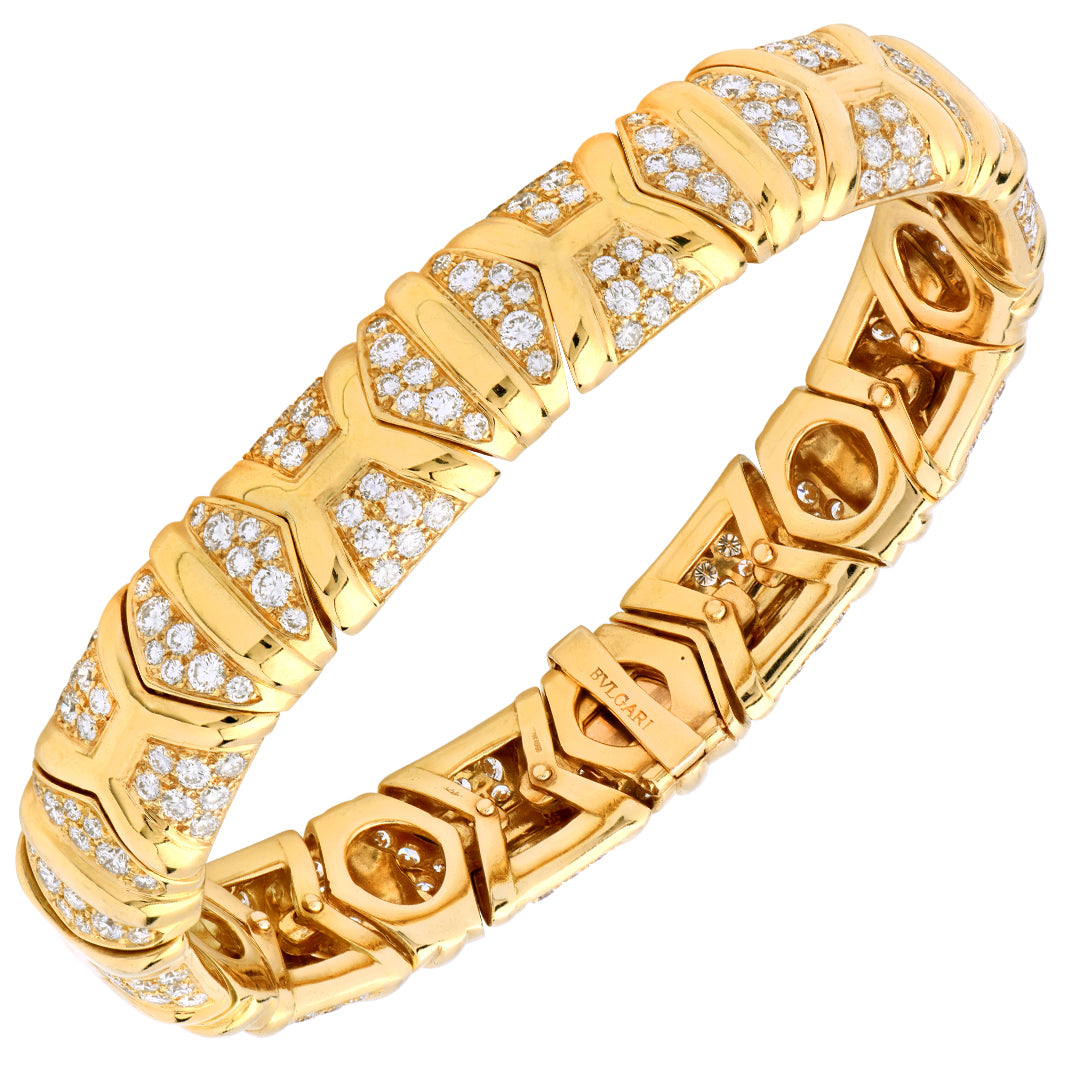

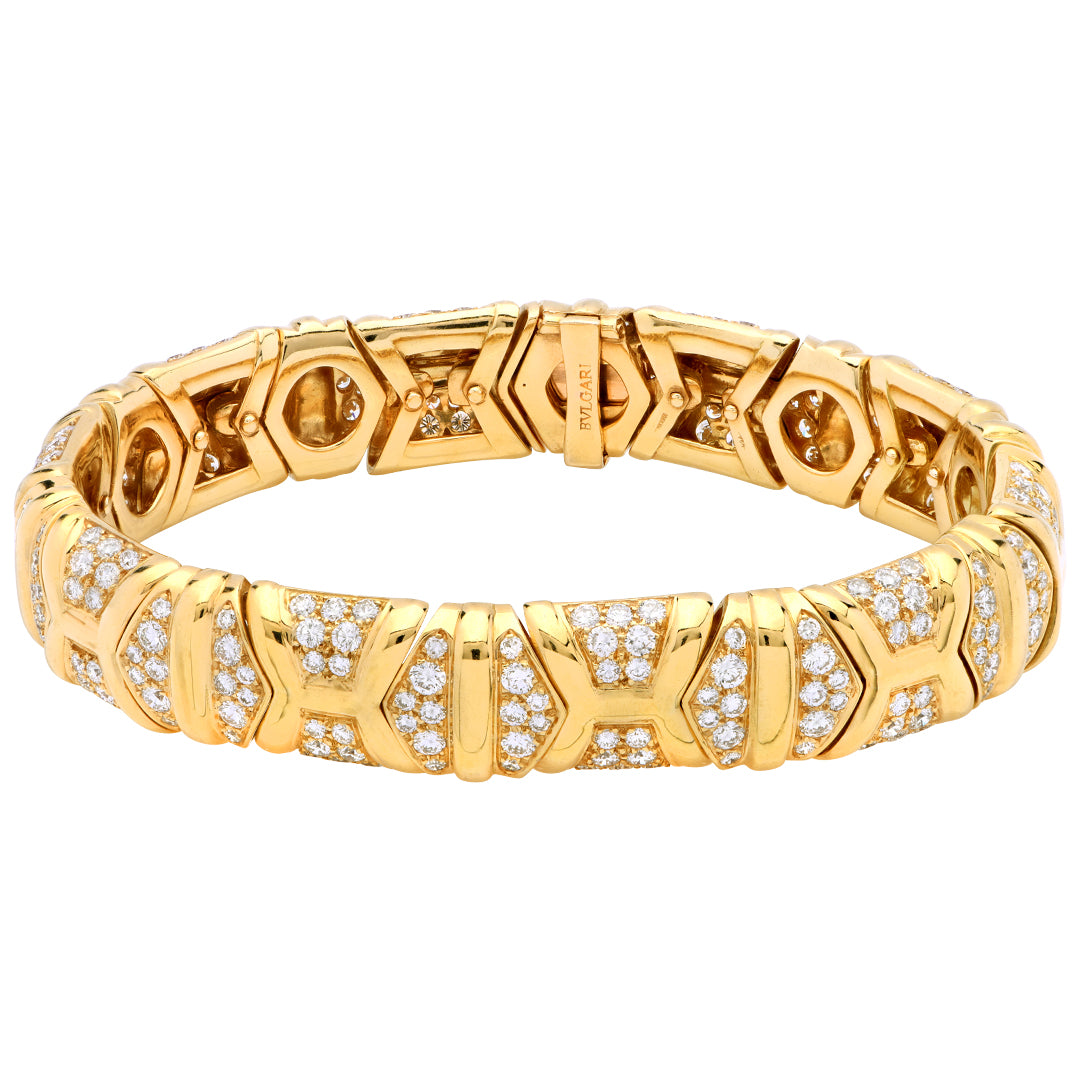


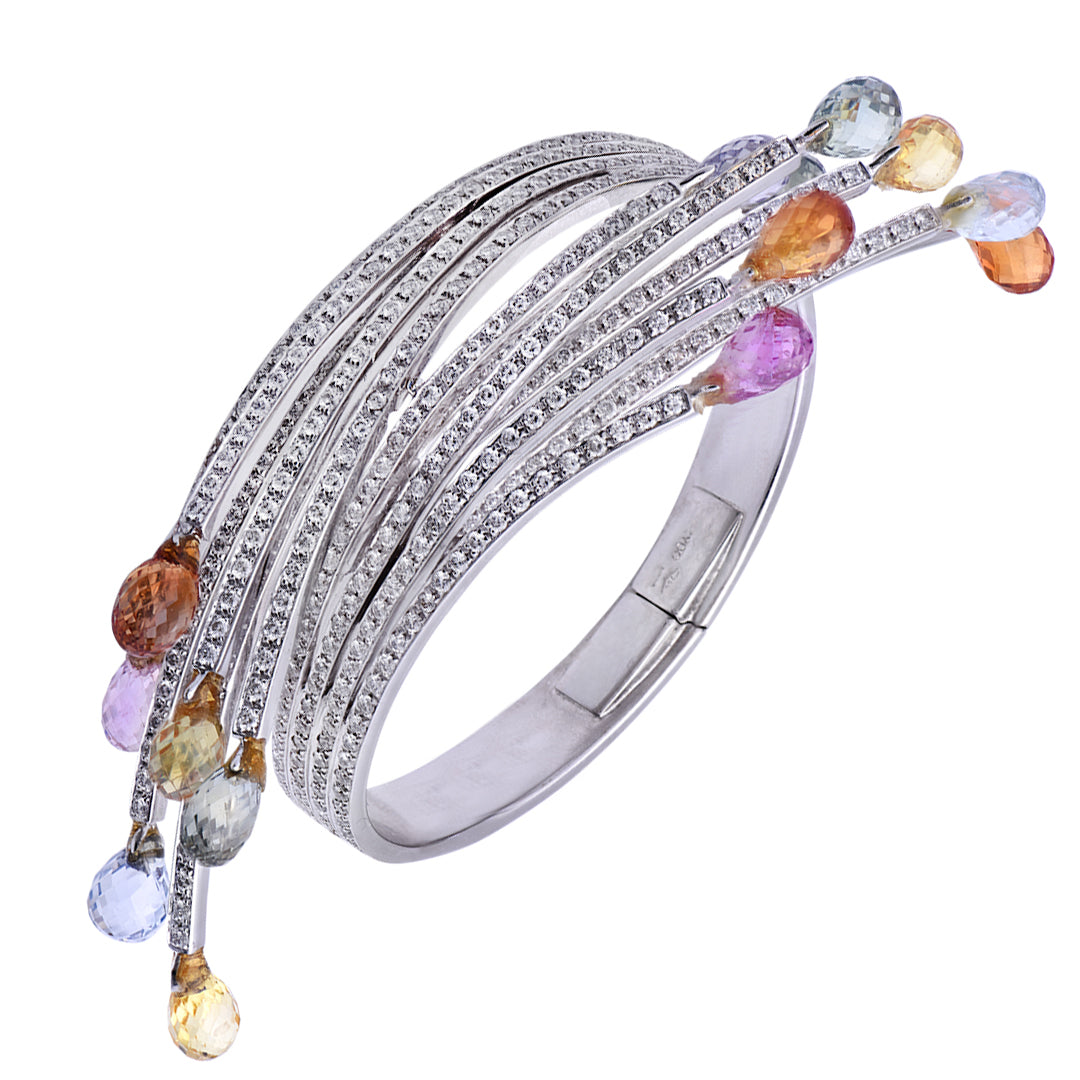

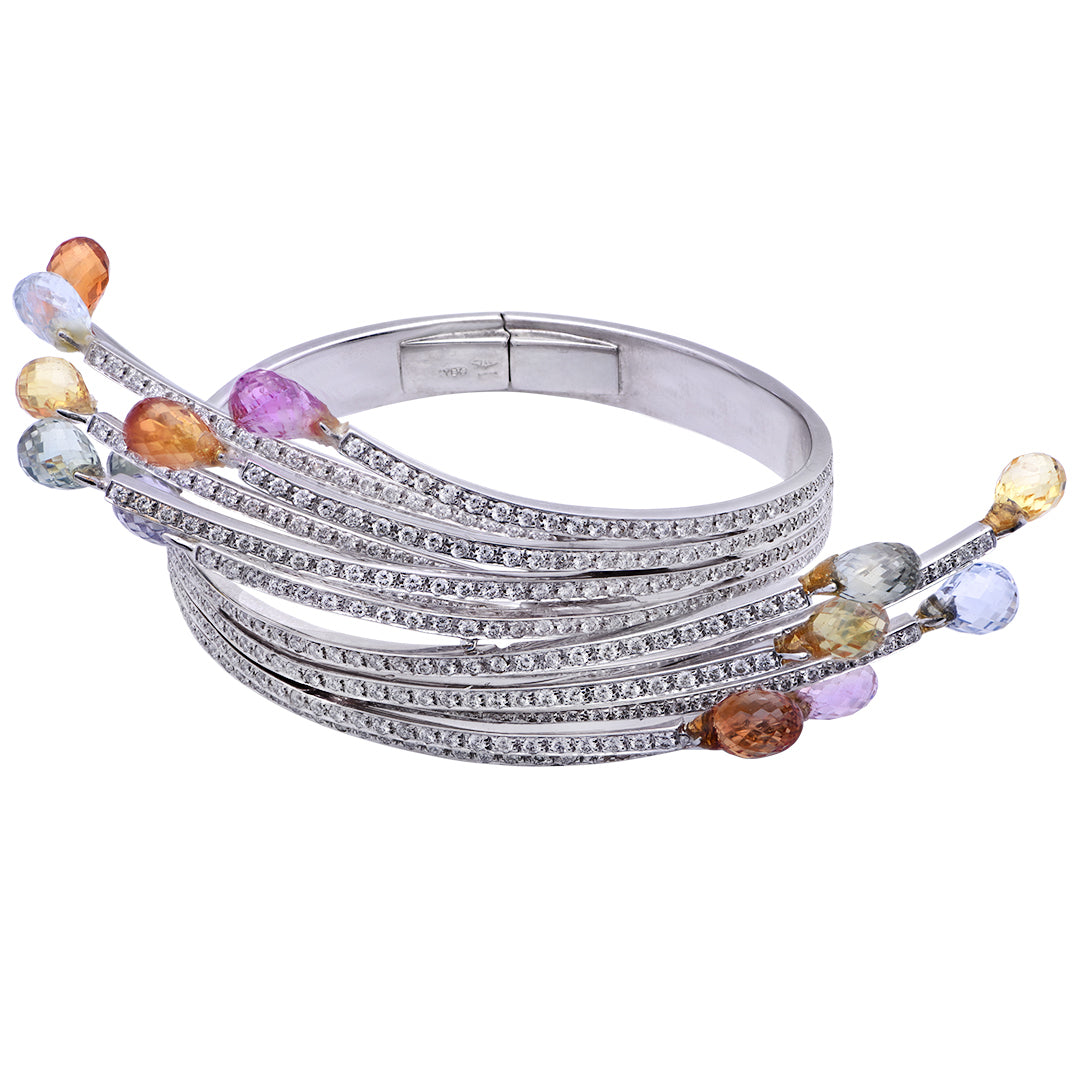


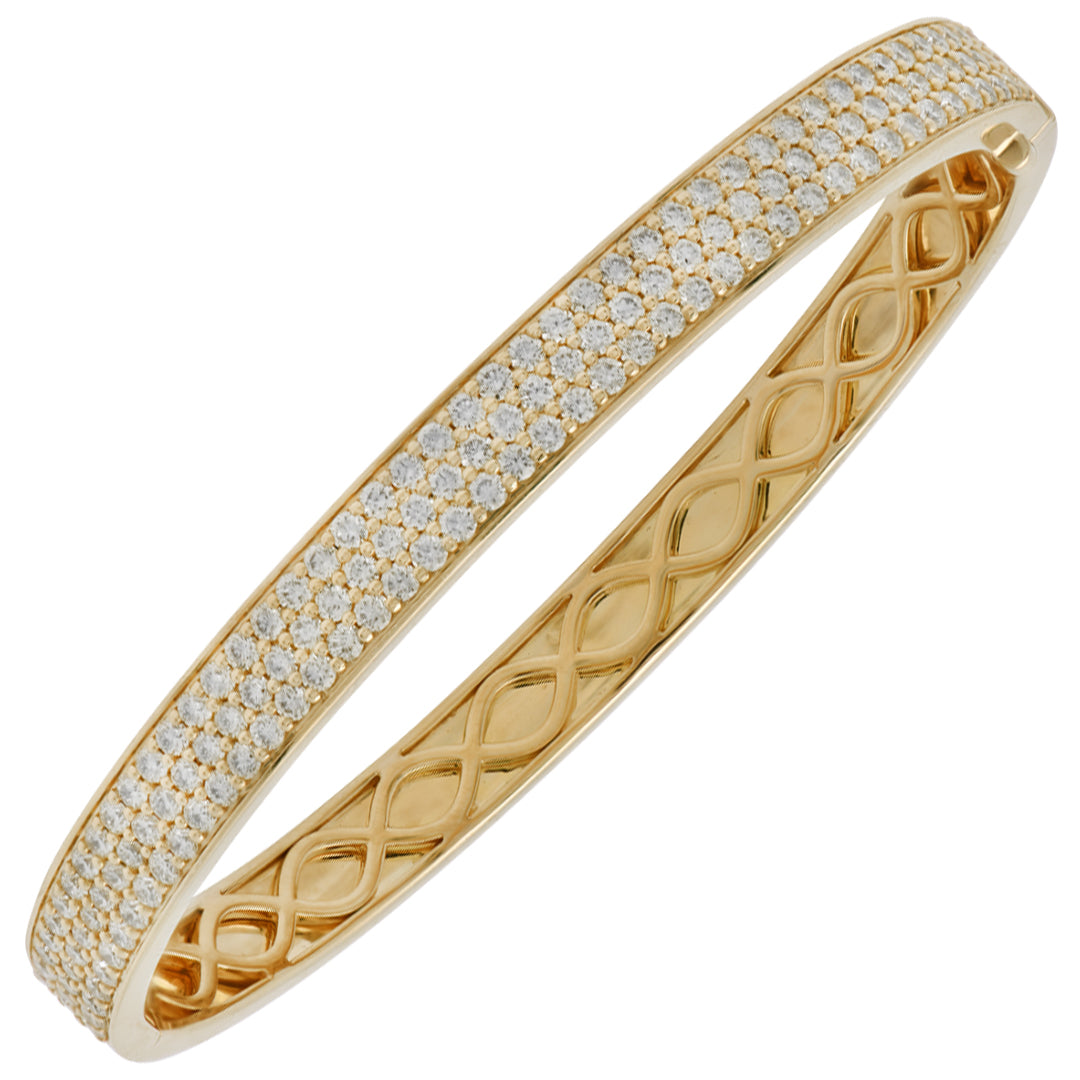

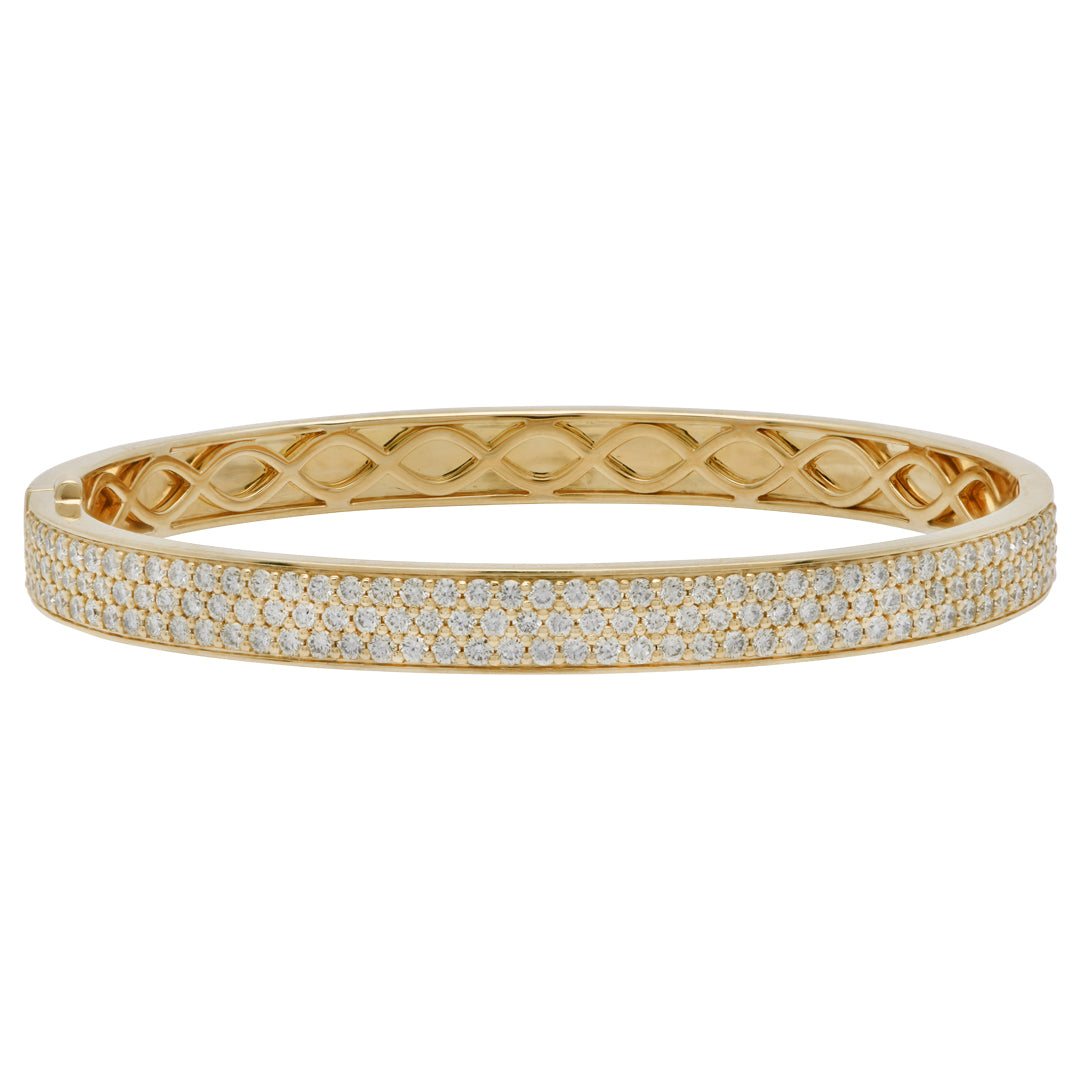
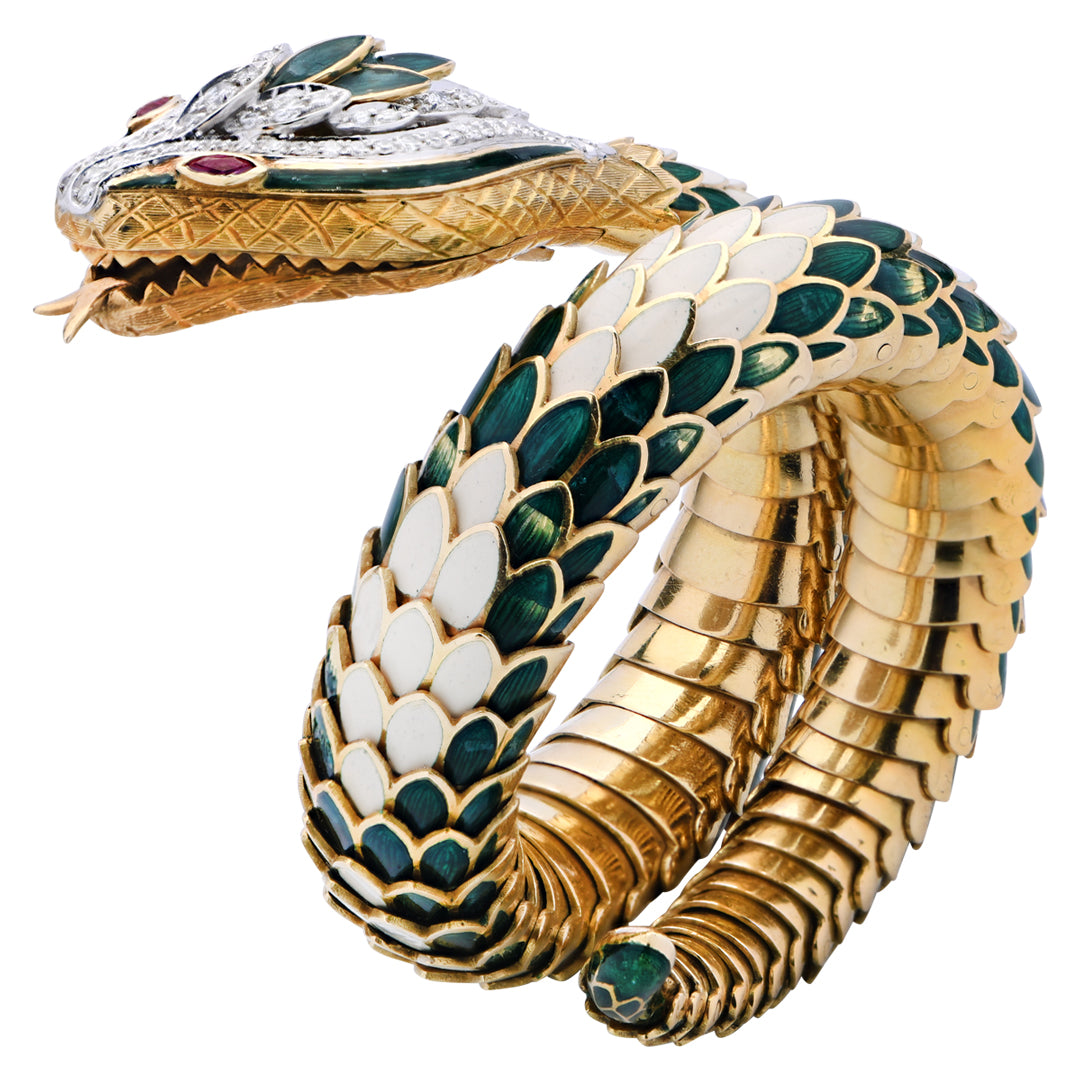
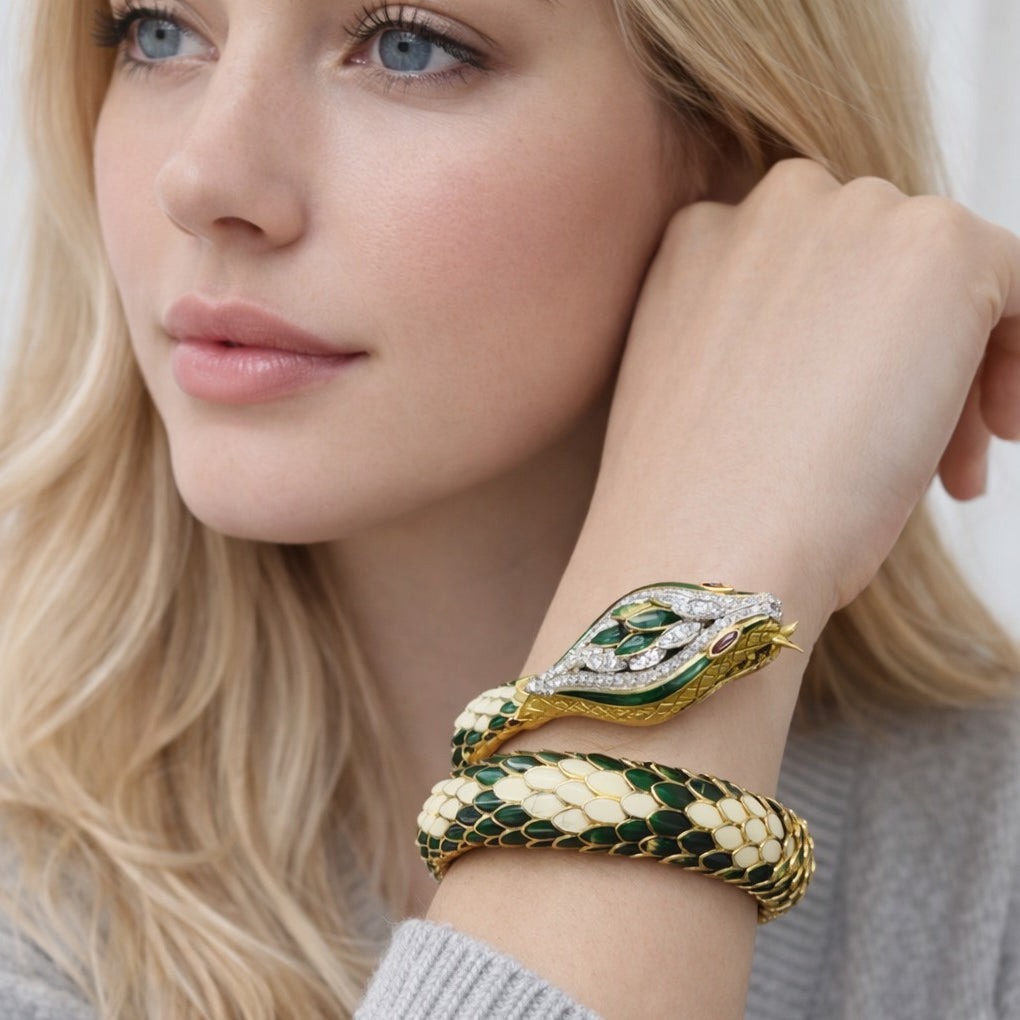
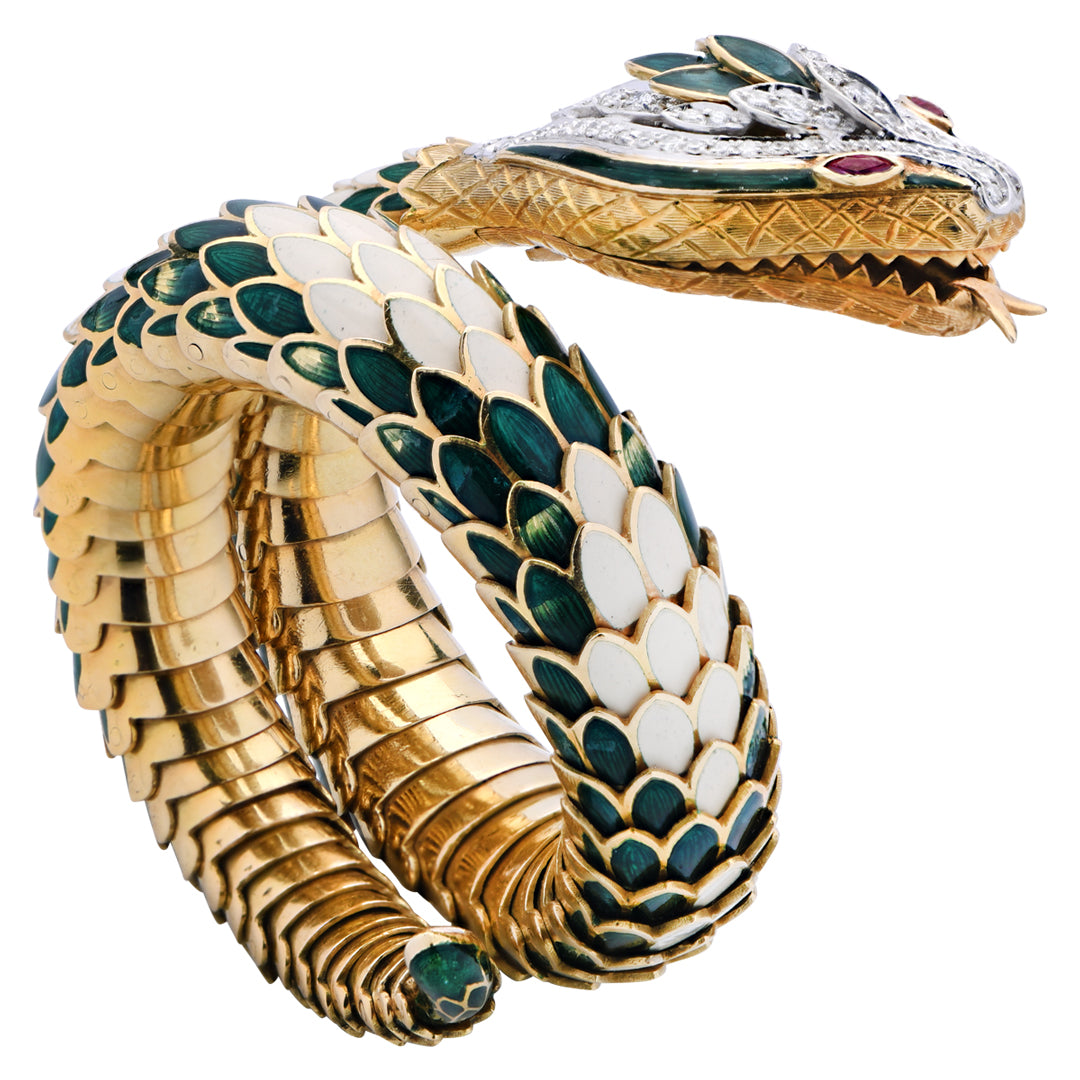
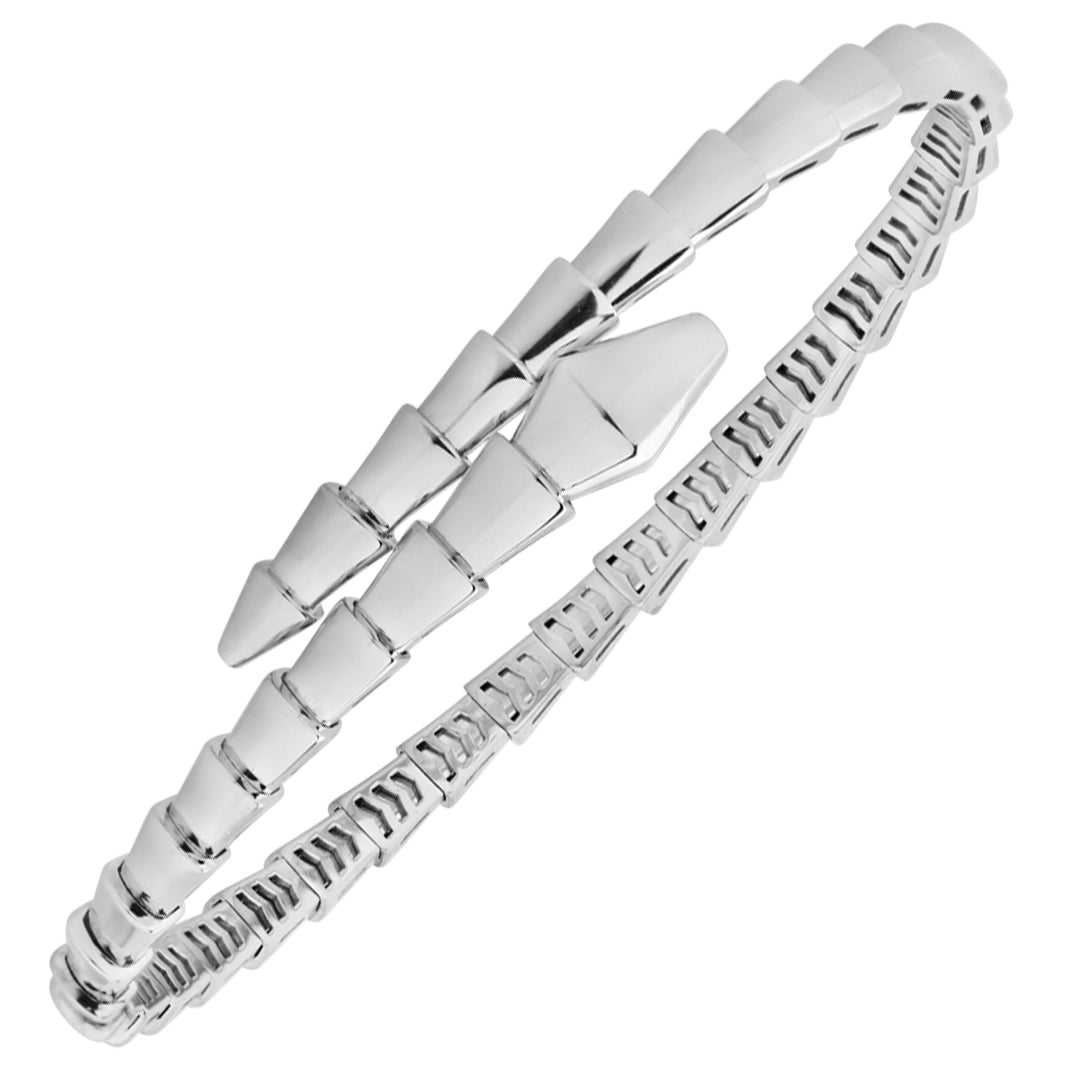
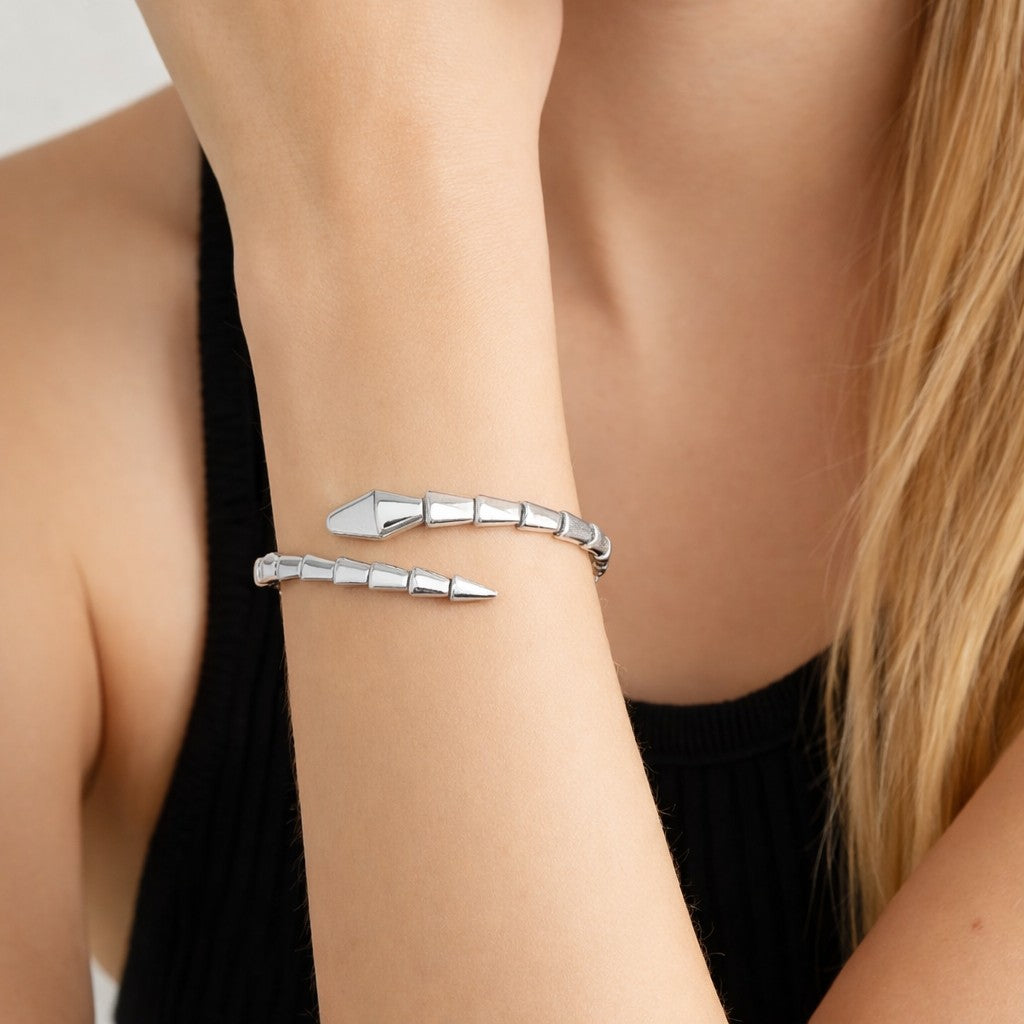
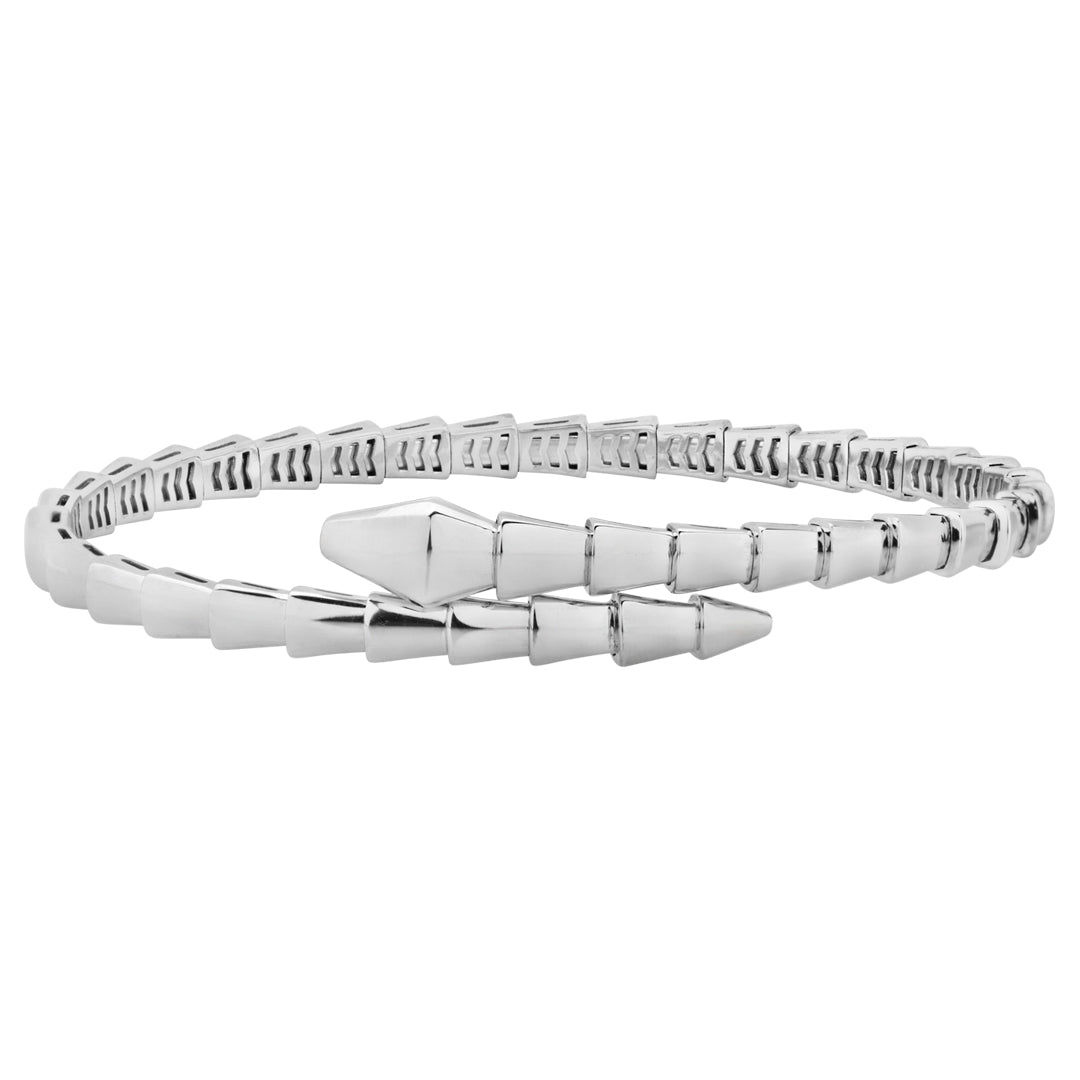
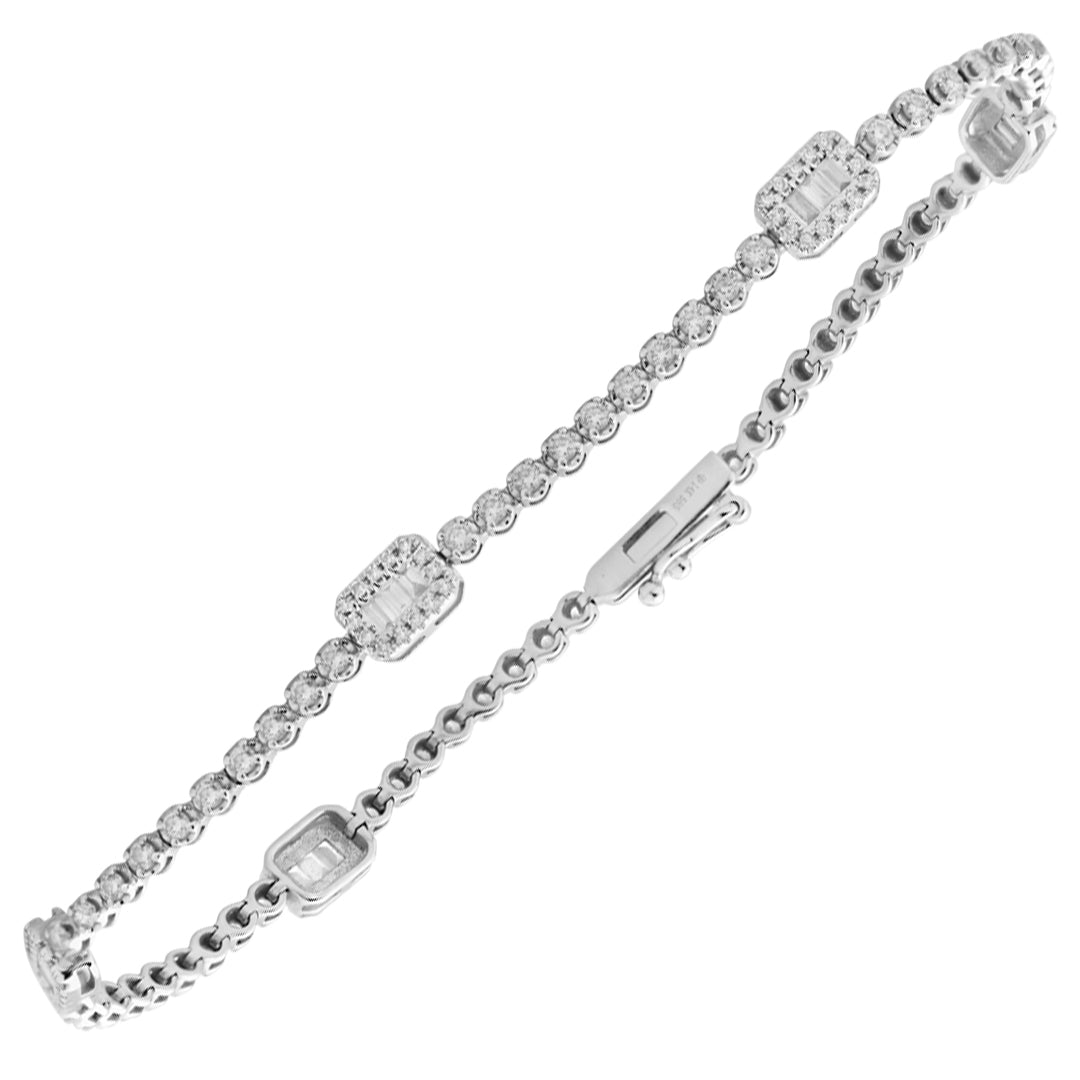
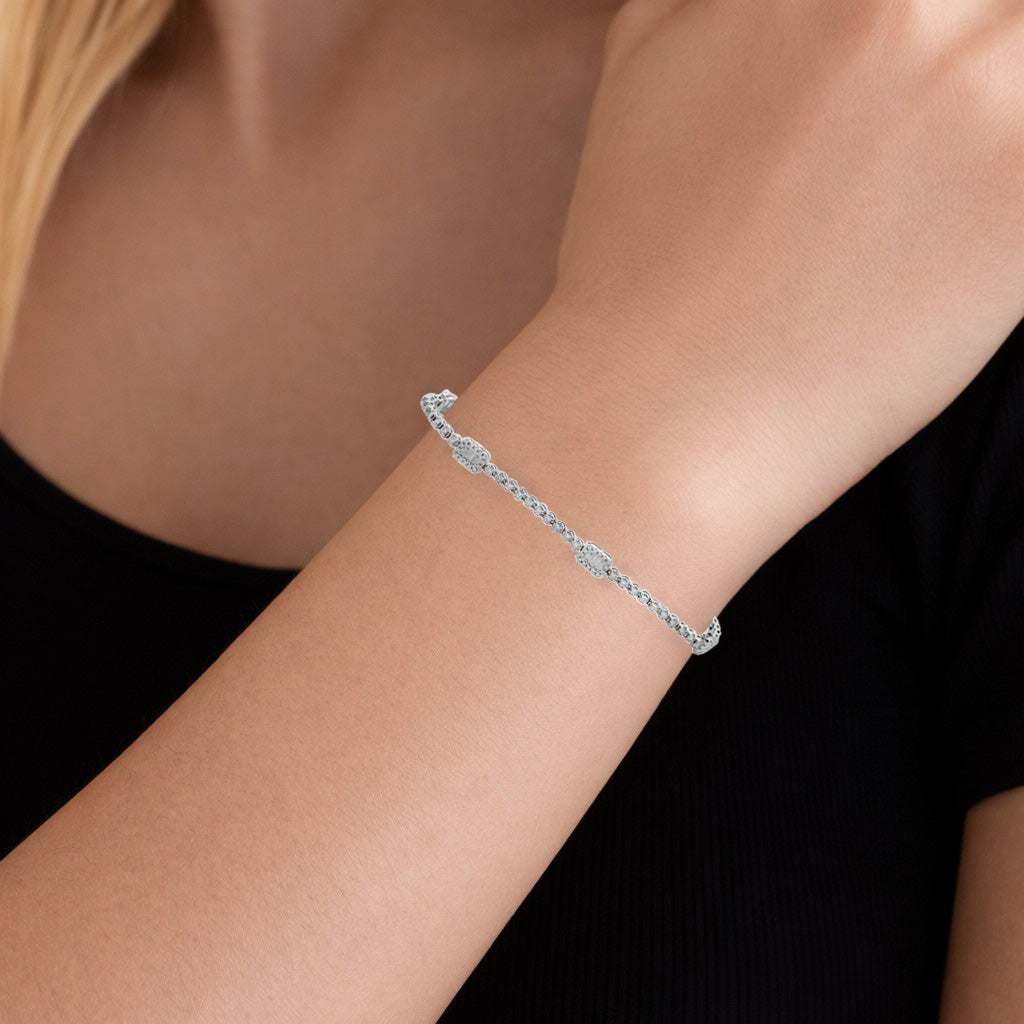
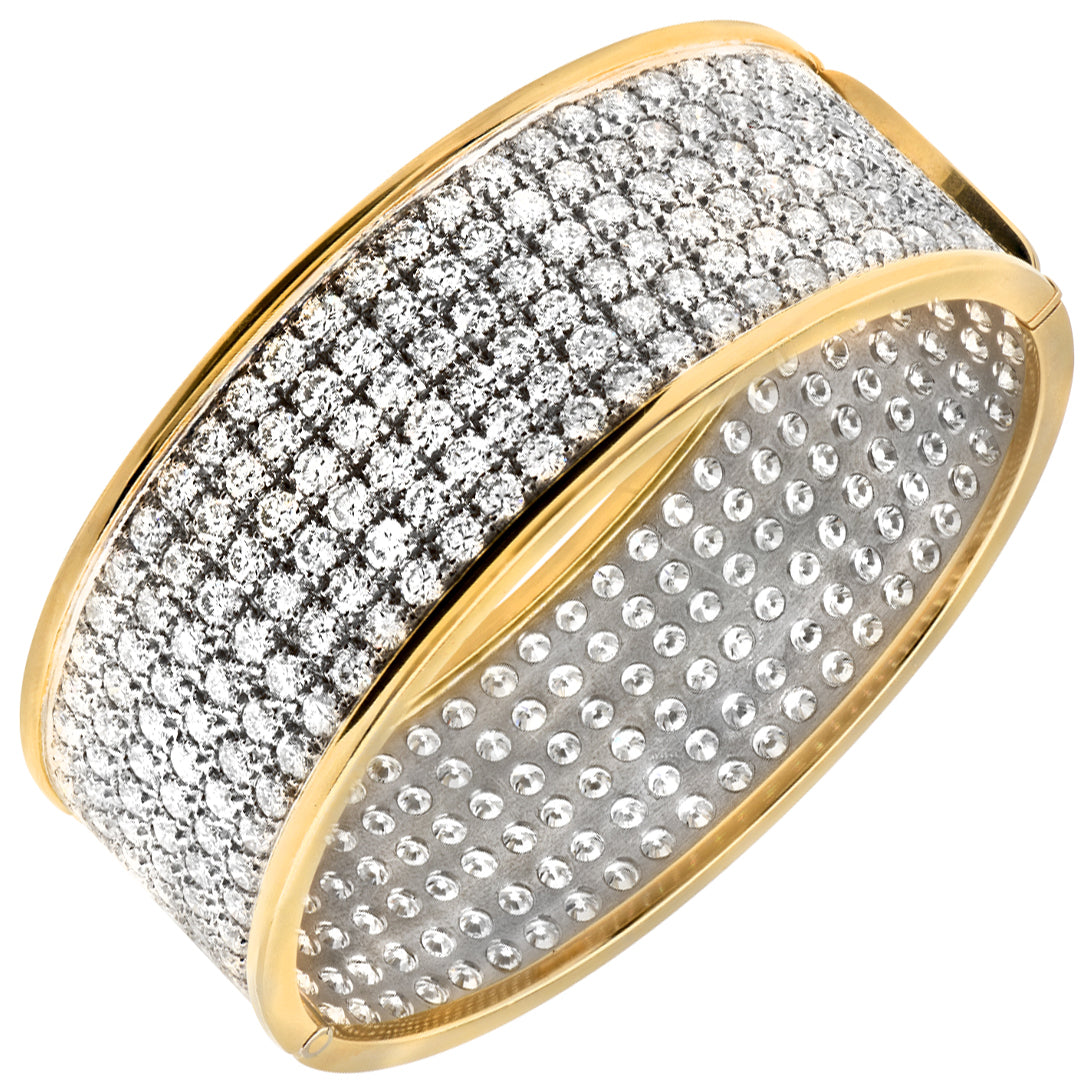
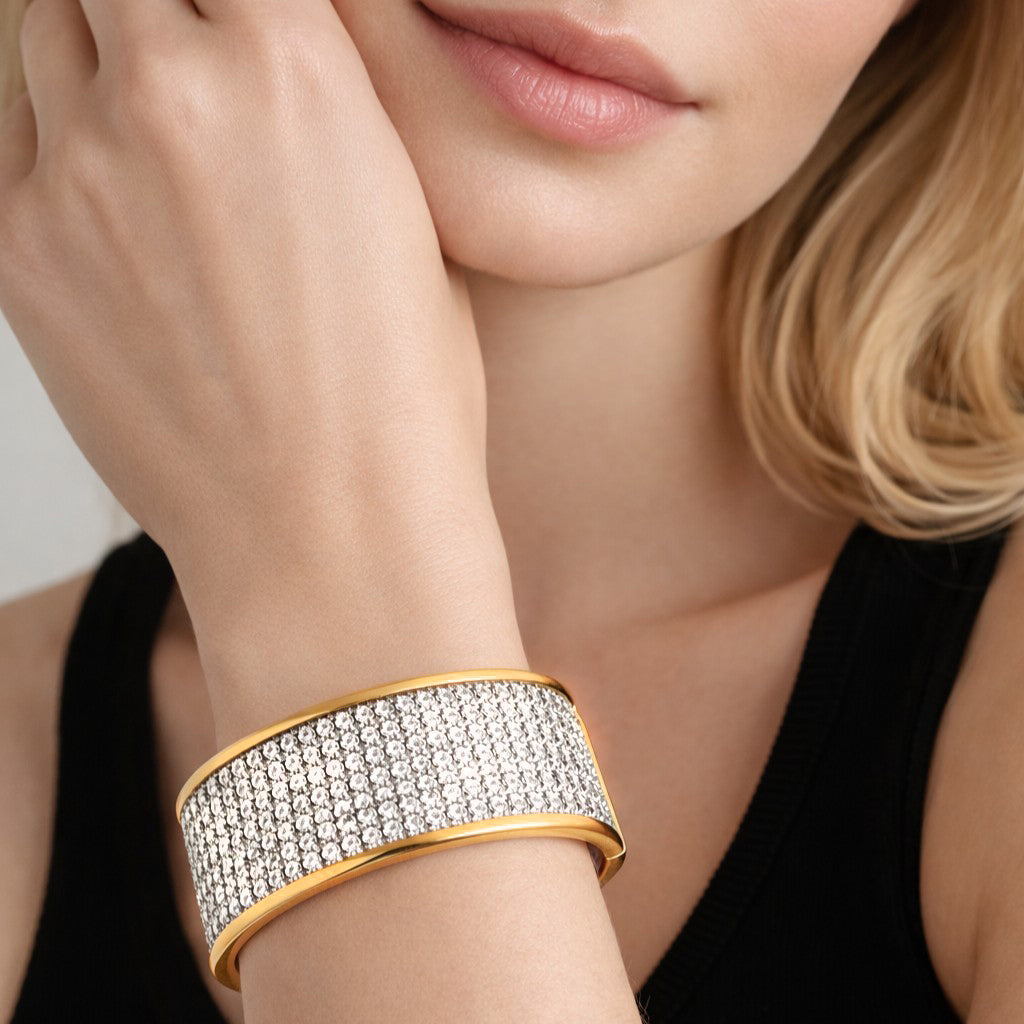
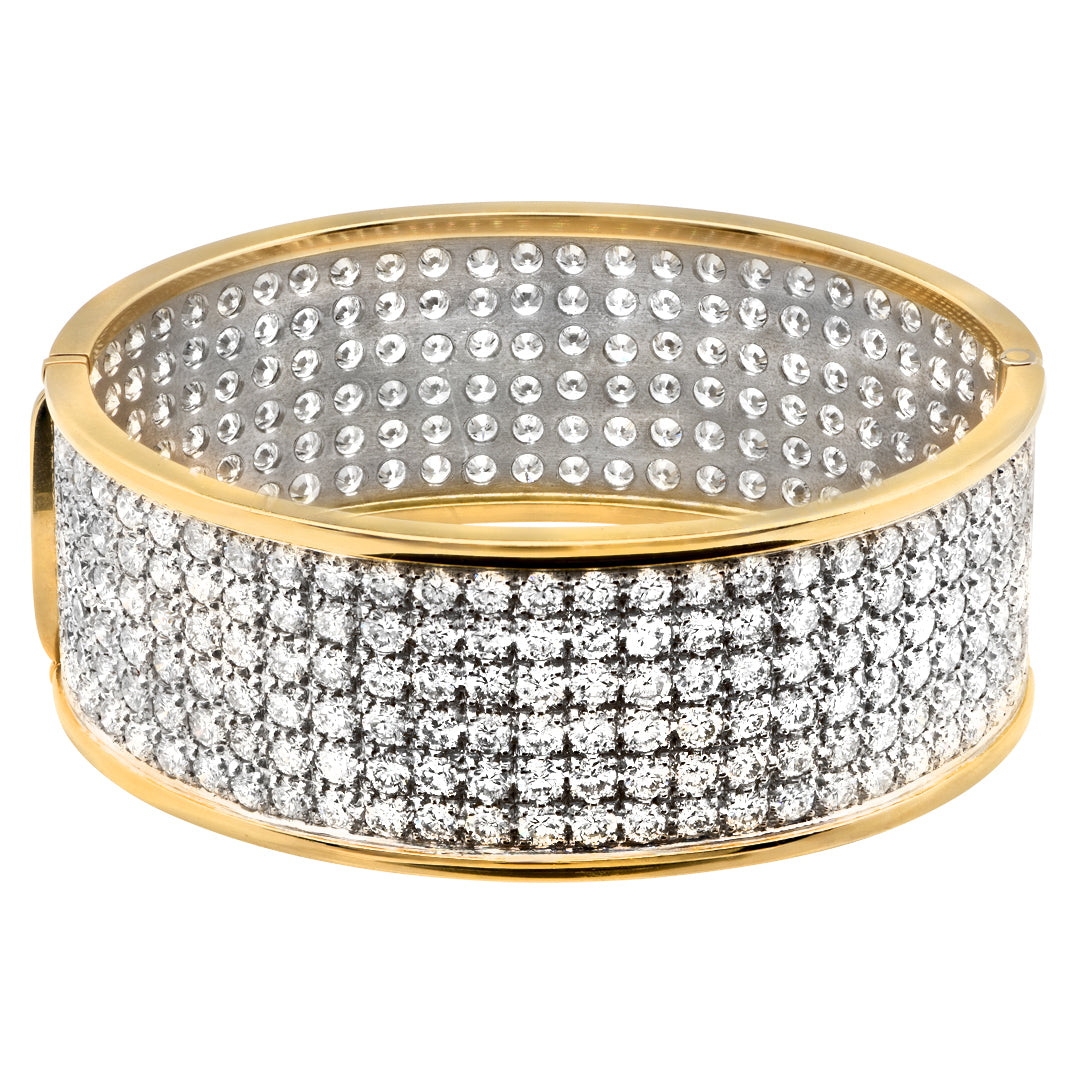
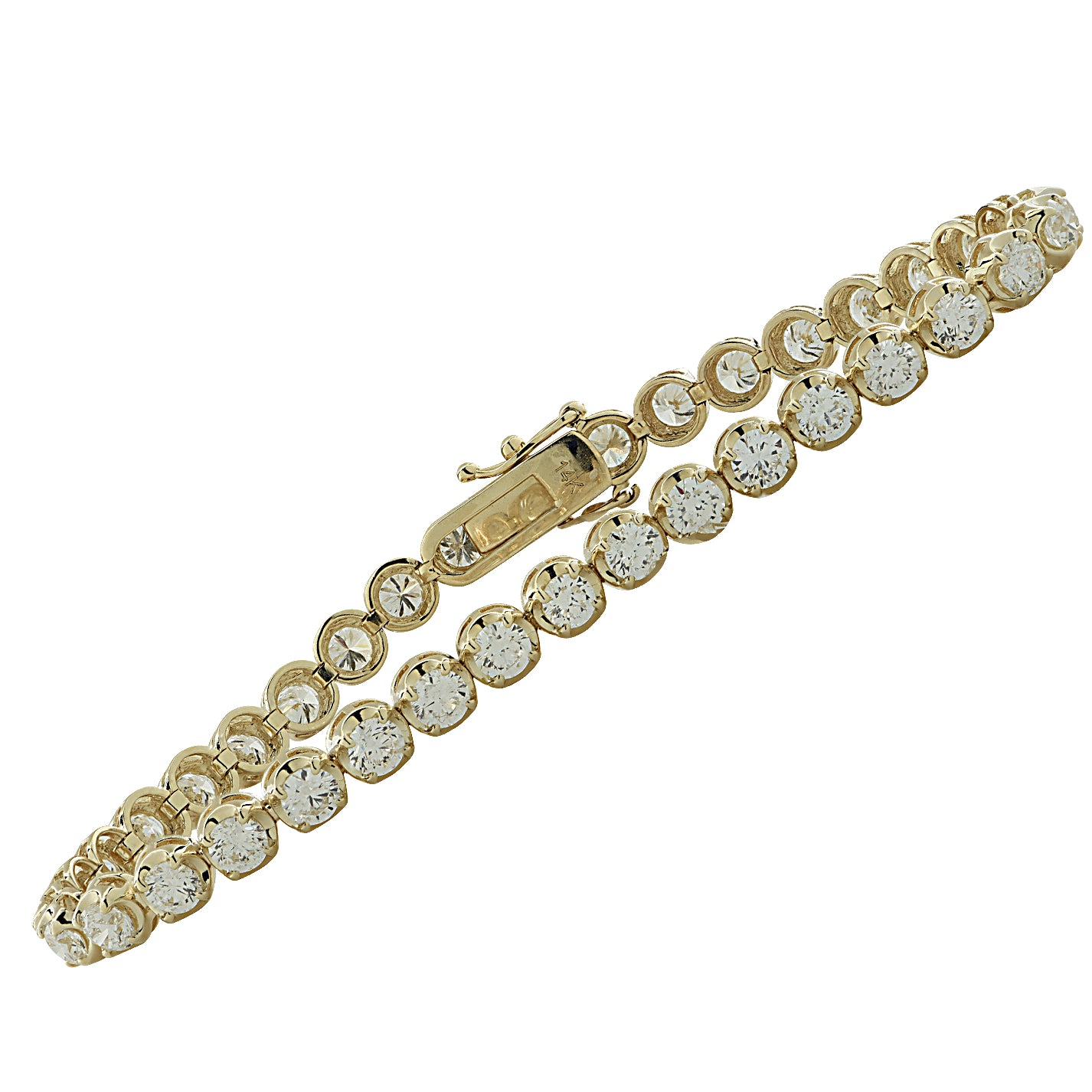
Marina B Jewelry: History, Design Codes, And Collecting Guide
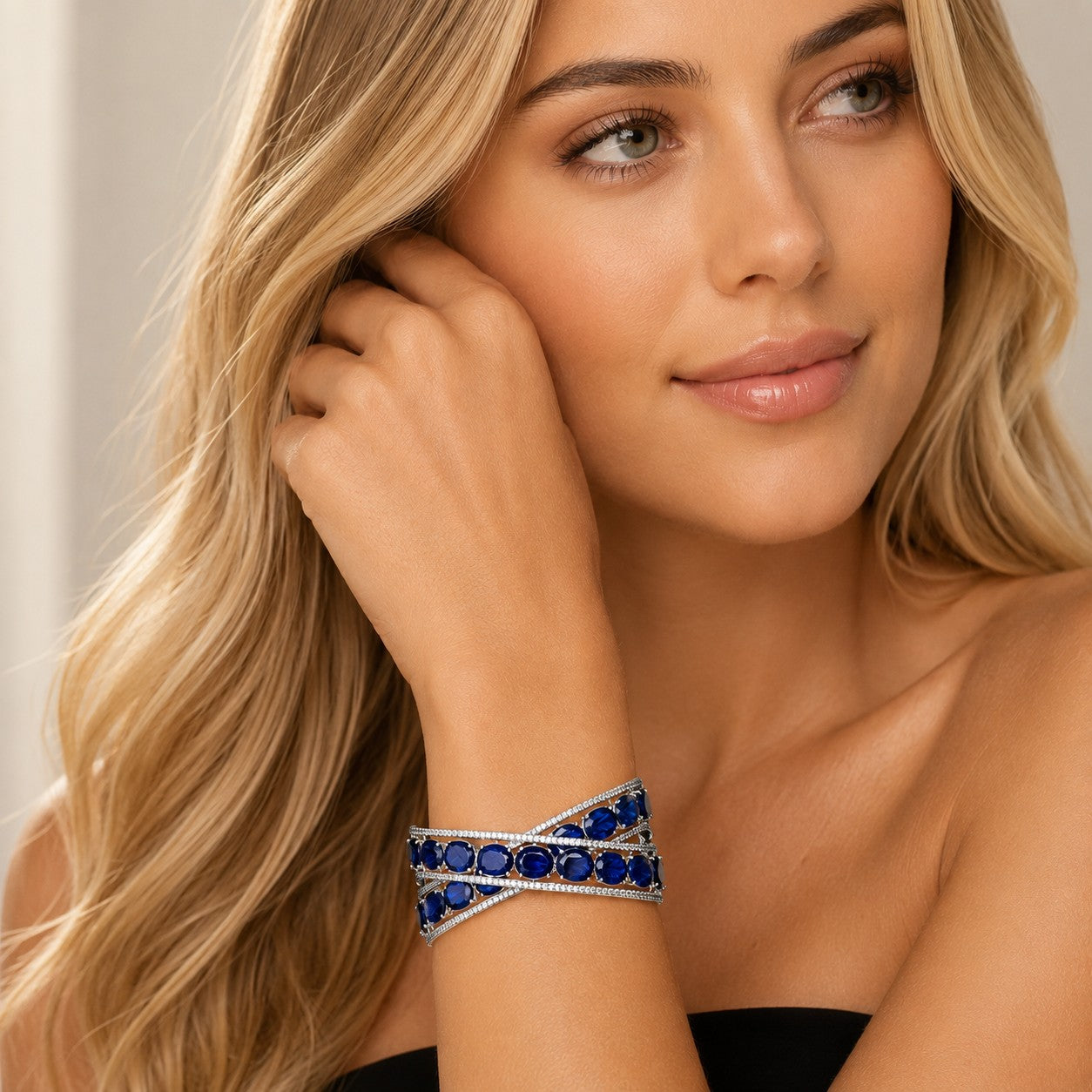
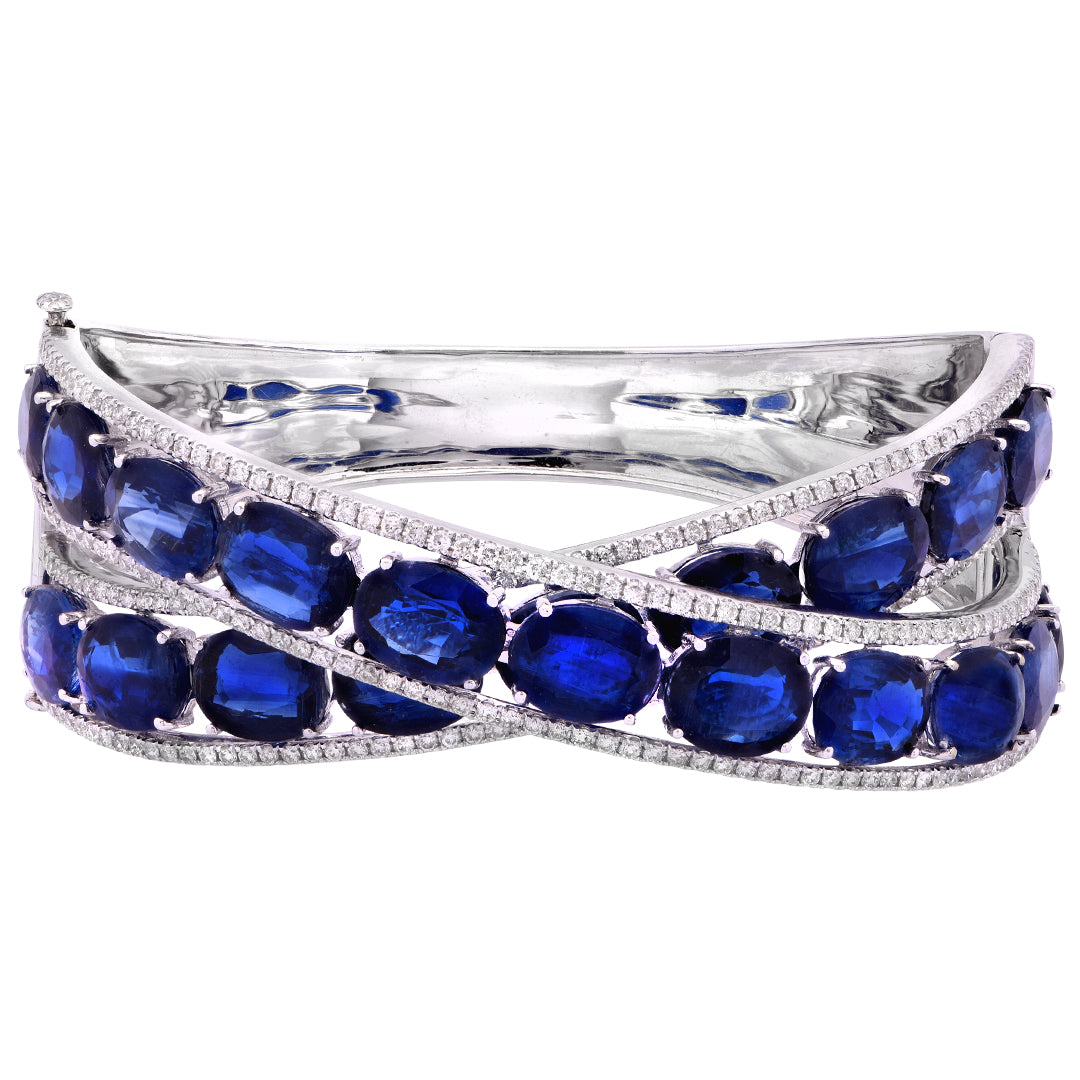
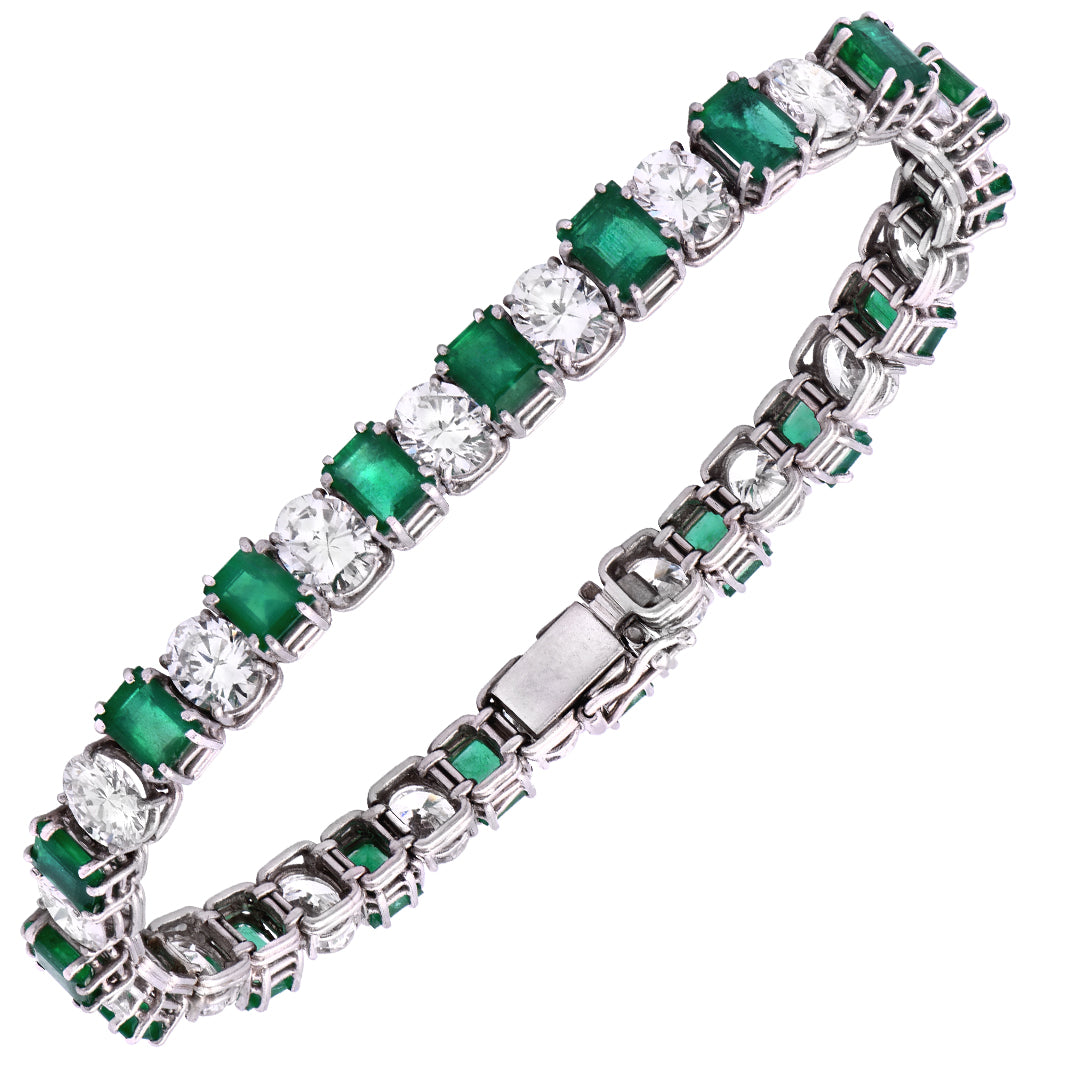
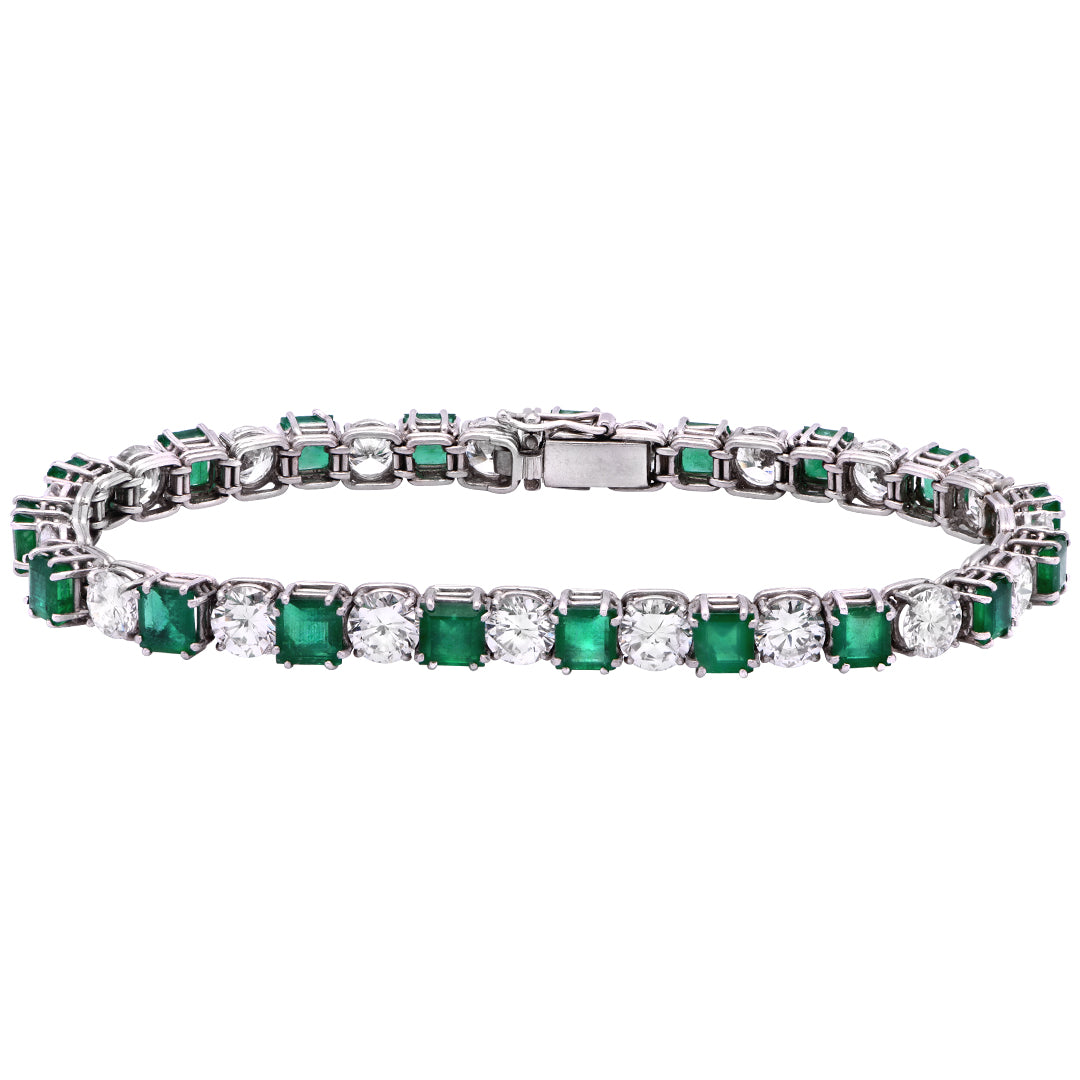
You don't mistake Marina B Jewelry for anything else. It's bold without being brash, engineered for comfort, and saturated with color in a way that feels both glamorous and precise. If you're drawn to sculptural pieces that stand up to daily wear, and hold their value, understanding the house's history, design codes, and collecting nuances will help you buy with confidence.
The Legacy Of Marina B: From Bulgari Heritage To A Signature Vision
Marina Bulgari, granddaughter of Sotirio Bulgari, grew up inside one of Italy's most storied jewelry dynasties. When she launched her own label, Marina B, in the late 1970s, you got the sensuous curves and color bravado you'd expect from Roman heritage, but with a new discipline: pieces conceived as wearable architecture.
Her vision prioritized balance and ergonomics as much as sparkle. Earrings sat upright without drooping. Collars hugged the neck and moved with you. Rings felt substantial yet surprisingly comfortable. That blend of drama and discipline struck a chord with collectors in the 1980s and 1990s and still defines Marina B Jewelry today, even as the brand has evolved under new creative leadership in recent years.
For you as a collector, that lineage matters. It places the brand within the canon of late-20th‑century Italian design while giving you a distinct vocabulary, one that isn't simply Bulgari redux. Marina B stands on its own.
Design DNA: Bold Geometry, Color, And Wearable Architecture
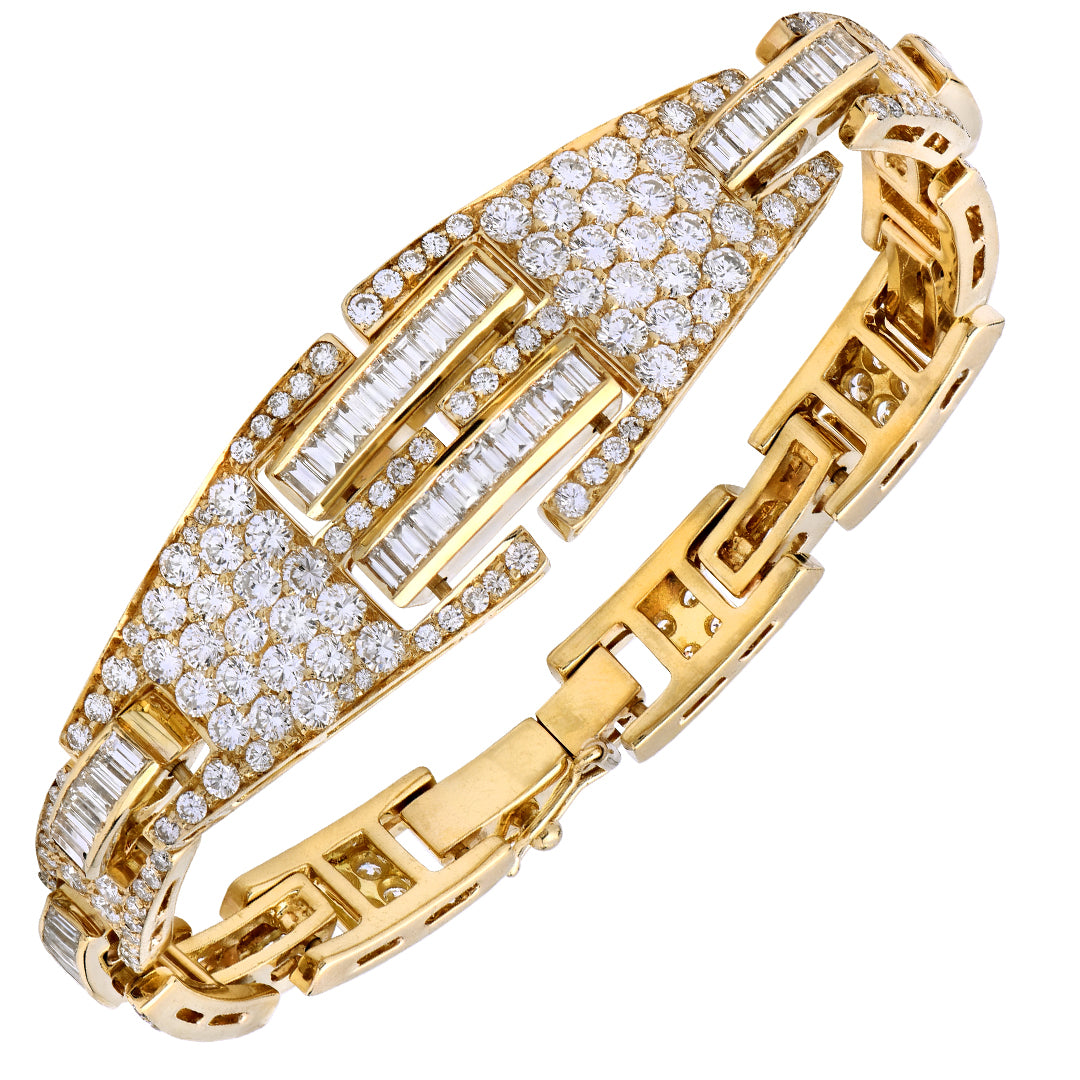
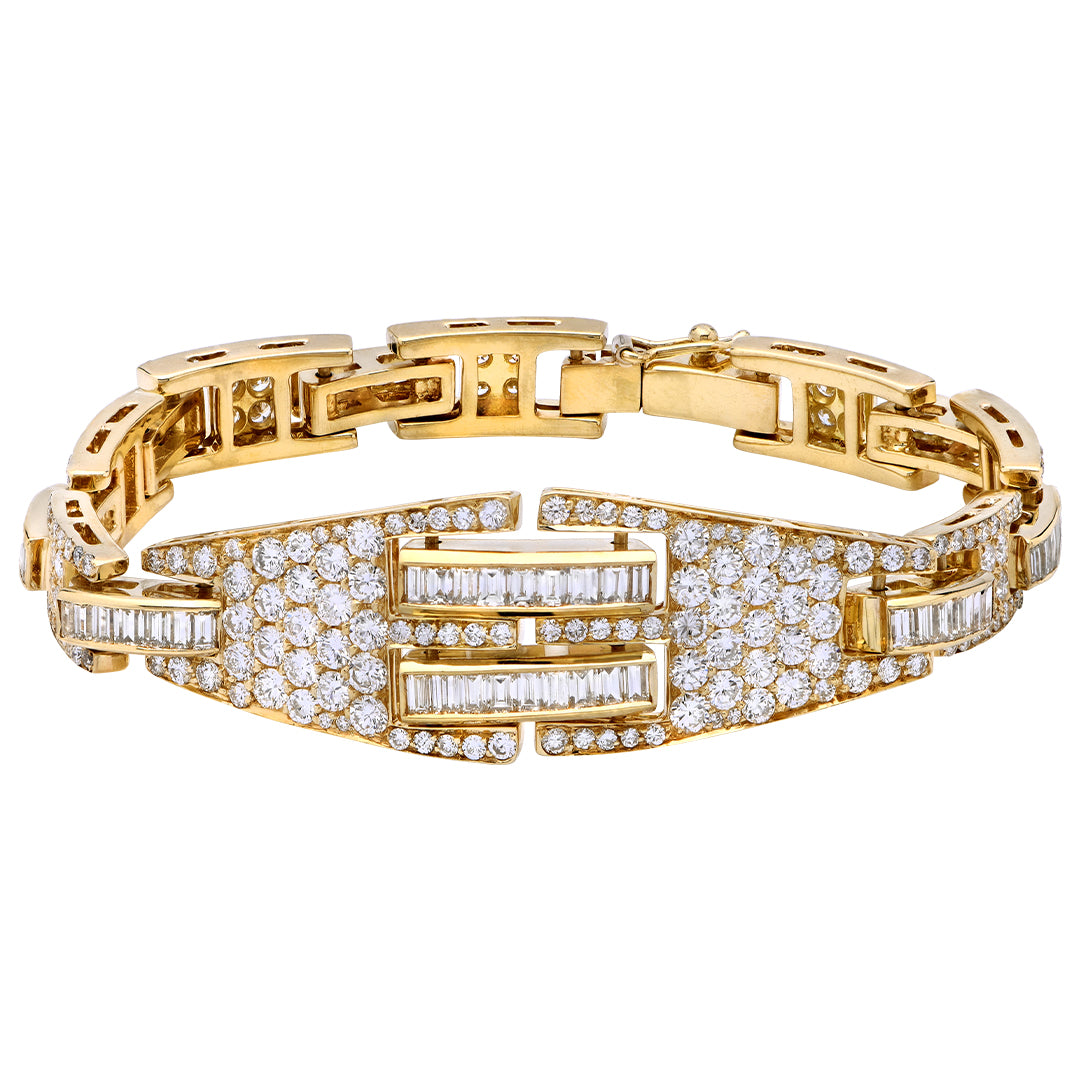
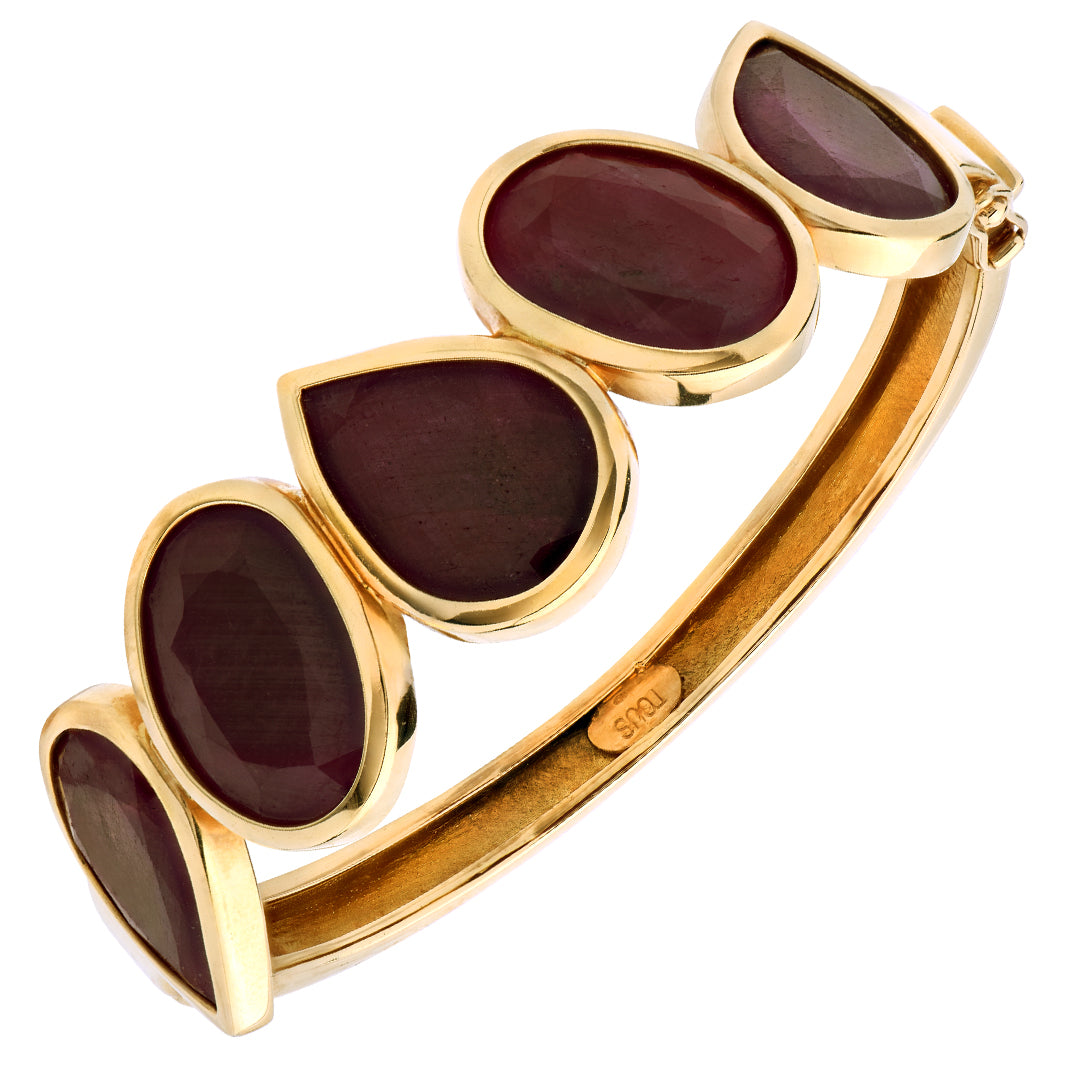
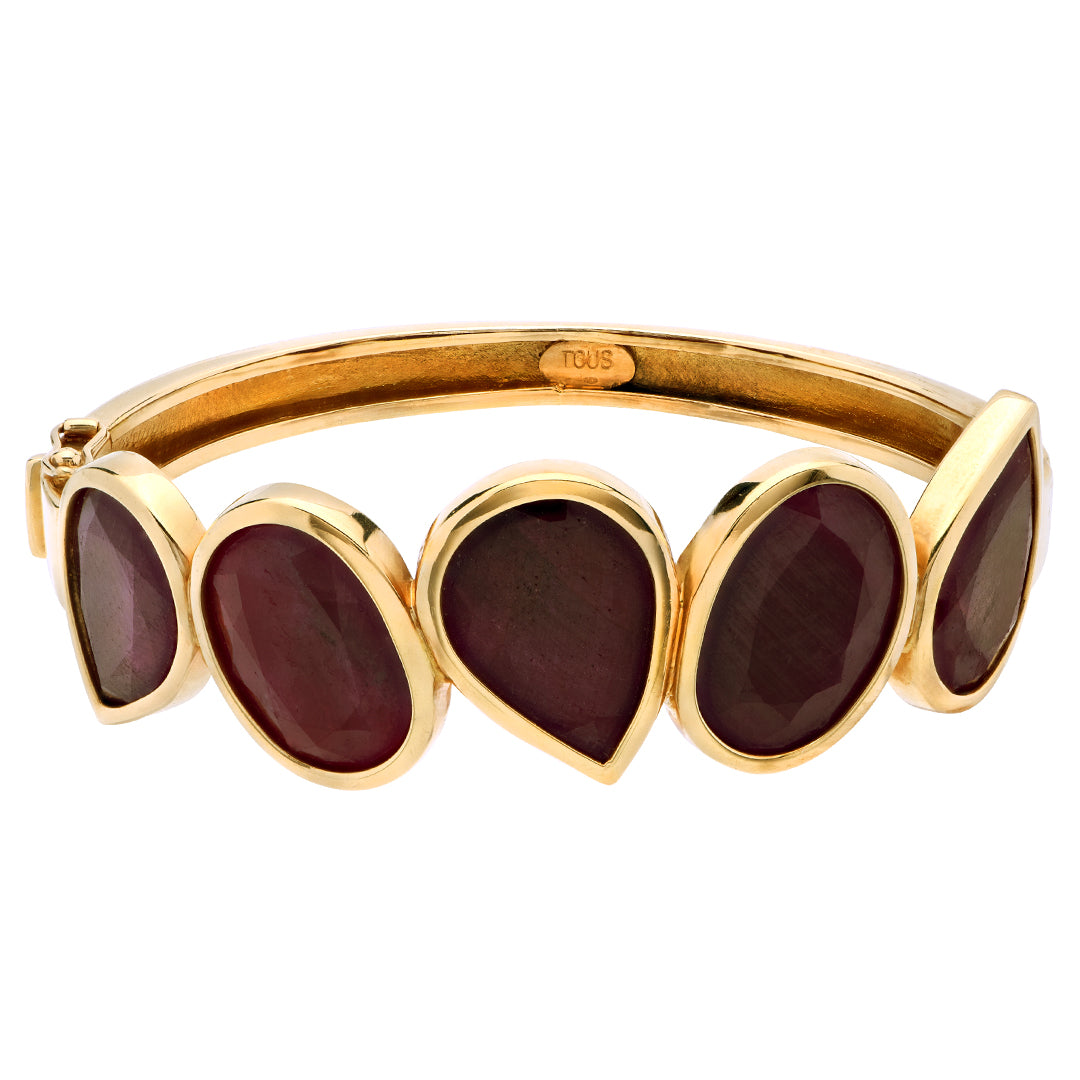
You spot Marina B by its geometry first, then the color, then the way it sits on the body. The house favors clean, volumetric forms, domes, arcs, tapering links, often punctuated by high‑saturation stones and graphic inlays. The result is statement jewelry you can actually live in.
Iconic Motifs And Collections
- Sculpted domes and bombé silhouettes: Rings and earrings often feature rounded profiles that read powerful yet fluid.
- Graphic inlays and contour lines: Onyx or hardstone inlays outline curves, frame pavé, or trace a motif's silhouette for a crisp, architectural edge.
- Convertible and modular ideas: Many vintage earrings convert from daytime clips to evening drops: necklaces can reconfigure into bracelets or shorter collars. You get real mileage from one investment.
- Heritage reissues: Contemporary Marina B periodically revisits house favorites, streamlining weight, refreshing stone mixes, while keeping the original geometry intact.
Gemstones And Materials
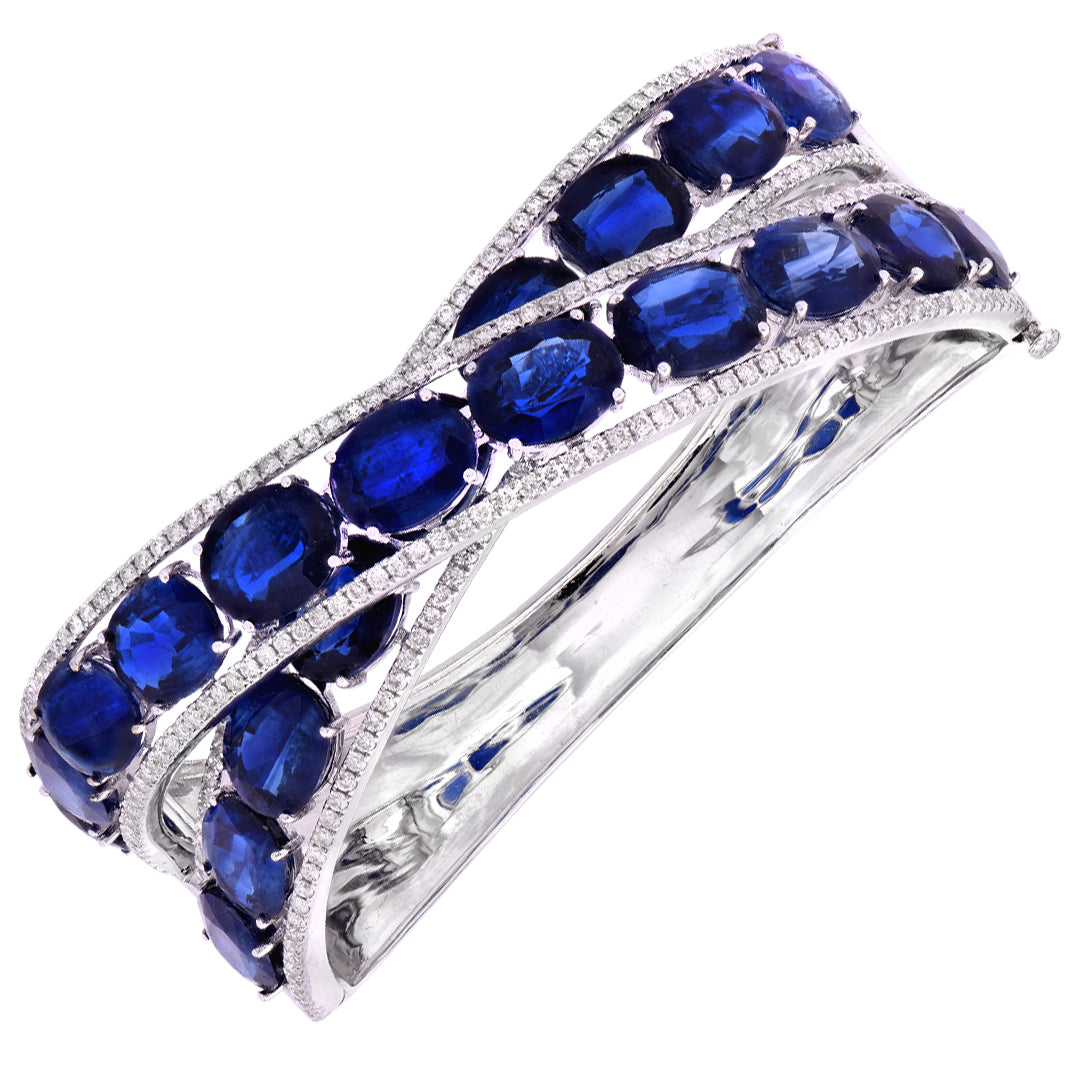
- Color-forward approach: Expect saturated rubies, sapphires, and emeralds alongside amethyst, citrine, topaz, tourmaline, and garnet. Cabochons and sugarloaf cuts are common for their volume and glow.
- Hardstones for contrast: Onyx, rock crystal, mother-of-pearl, and sometimes hematite or other hardstones appear as inlays or carved elements to sharpen lines and deepen contrast.
- Metals: Most vintage pieces are 18k yellow gold (often with generous weight). Contemporary collections broaden into white or rose gold, and occasionally lighter builds, without losing presence.
Craftsmanship And Engineering
Marina B's secret weapon is fit. Omega backs and broad, curved clips distribute weight so earrings sit upright. Hinged links articulate smoothly, and collars arc to the neck's contour rather than fighting it. Settings are engineered to protect edges of inlaid stones, and bezels are frequently thick enough to withstand decades of wear. If you like jewelry that feels as good as it looks, this is where Marina B earns your loyalty.
How To Identify Authentic Marina B Pieces
Authenticating Marina B Jewelry is a mix of signature reading, construction quality, and period cues. Approach it systematically and you'll minimize risk.
Hallmarks And Signatures
- Brand signature: Look for a crisp, even "Marina B" signature, typically on the interior of rings, the reverse of earrings, or near necklace clasps. Lettering should be cleanly struck or engraved, not sloppy or uneven.
- Metal fineness: Expect "750" for 18k gold. You may also see country or maker's marks consistent with Italian or Swiss production depending on the era.
- Serial numbers: Many pieces carry serial or model numbers. Matching numbers on earrings (both sides) and paperwork, when available, add confidence.
- Construction tells: Smooth interior finishing, precise pavé set evenly without gaps, and hinges that move decisively without wobble are hallmarks of the house.
Period Clues: 1970s–1990s Versus Contemporary
- 1970s–1990s: Bolder weight, generous gold thickness, saturated cabochons, and pronounced inlays. Clips and omega backs are standard: posts may be later additions. Modular/convertible designs are common.
- Contemporary: Proportions can be slightly lighter, with more white or rose gold and occasional new material mixes. Engineering is still robust, but pieces may prioritize comfort for everyday wear even at larger scales.
When in doubt, compare the signature placement and typeface to verified examples, and weigh the piece in hand: authenticity often reveals itself in the heft and finishing.
Styling Marina B: From Statement Rings To Everyday Bangles
Marina B Jewelry rewards boldness, but it also plays well with a minimalist wardrobe. Anchor your look with one sculptural piece, then layer selectively.
Rings
- Make one ring the focal point. A domed cocktail ring with a sugarloaf gem can stand alone with a crisp shirt and tailored trousers.
- Balance volume: If your ring is high-profile, keep bracelets slim: if the ring is lower, a cuff can join without visual noise.
- Day-to-night: Color-rich rings read surprisingly well in daylight. Let them do the work, skip busy prints.
Earrings
- Clips that sit correctly are everything. Marina B's omega backs often make larger earrings practical for hours.
- If you wear glasses or have a strong brow line, choose elongated drops to stretch the silhouette: for short hair or pixie cuts, bombé studs can be striking.
- Convertibles: For vintage pairs with detachable drops, use the studs for daytime meetings and add the drops for evening without changing your base.
Bracelets And Cuffs
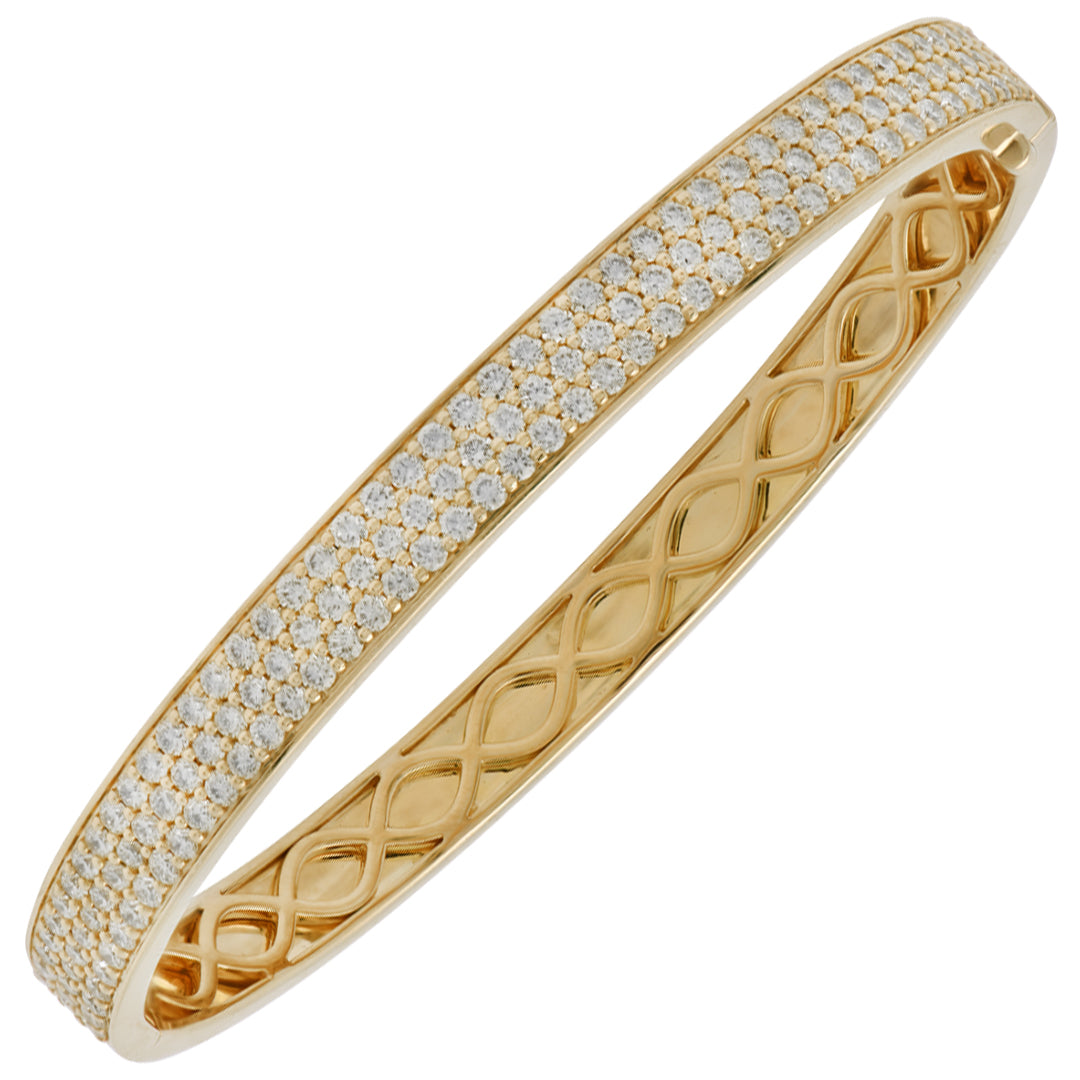
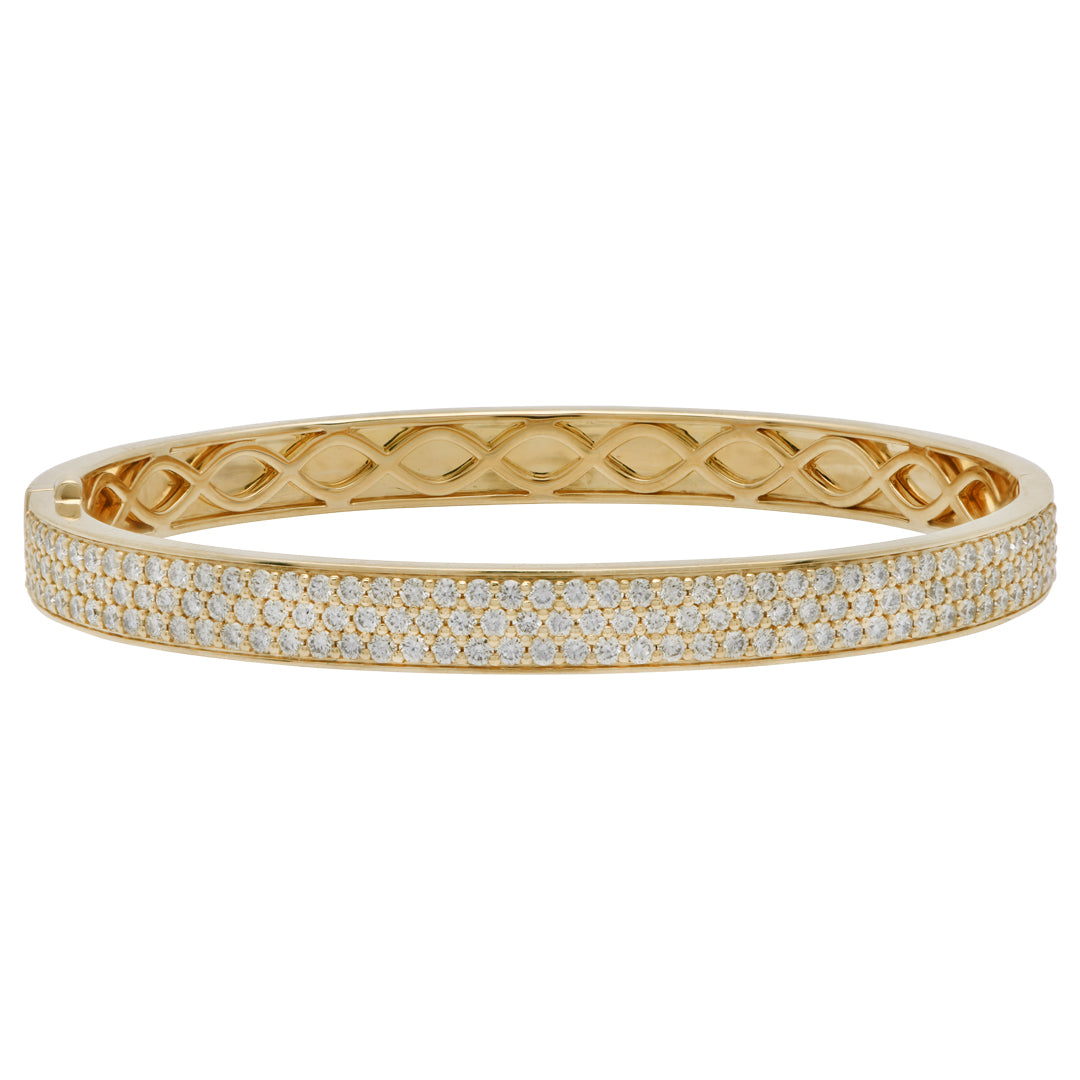
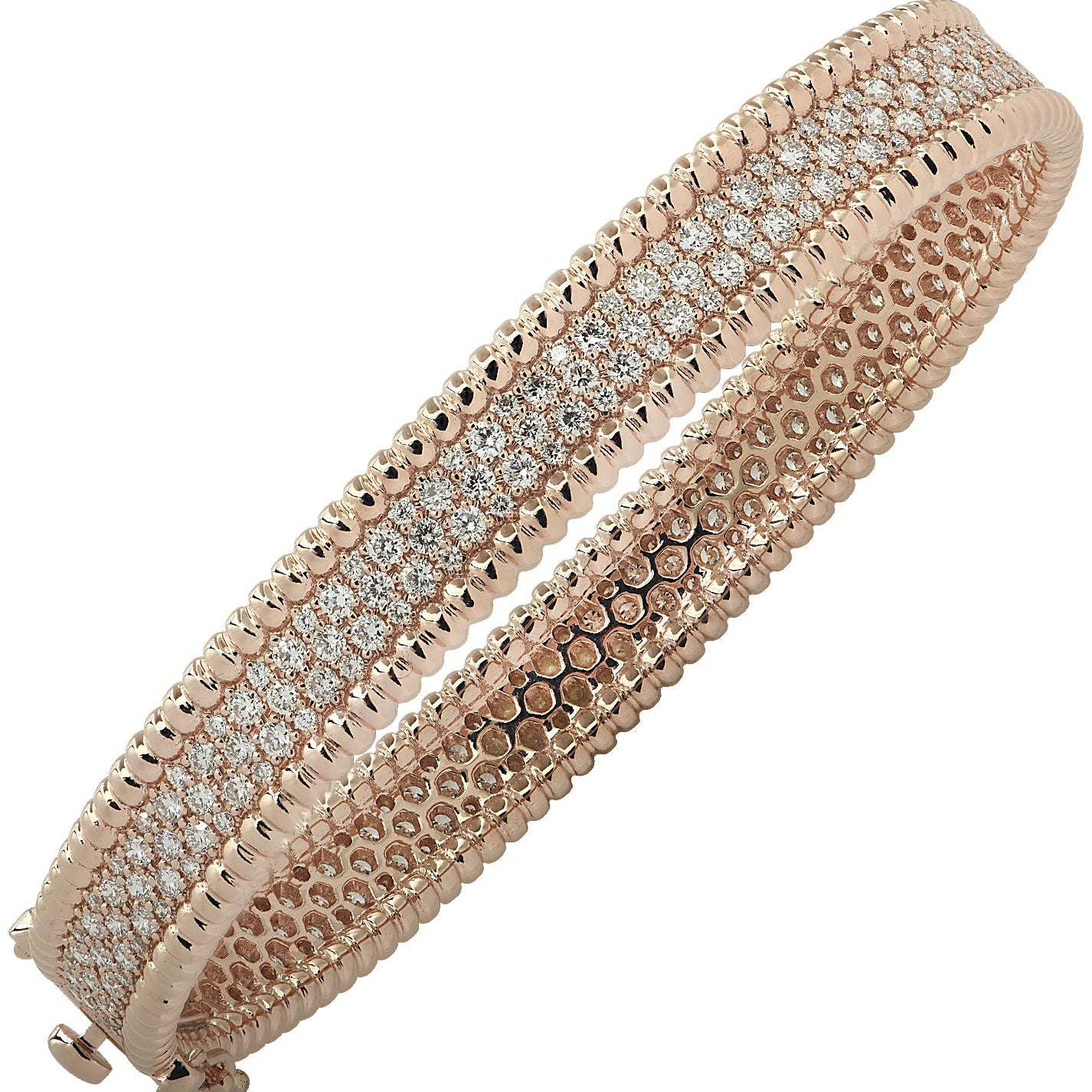
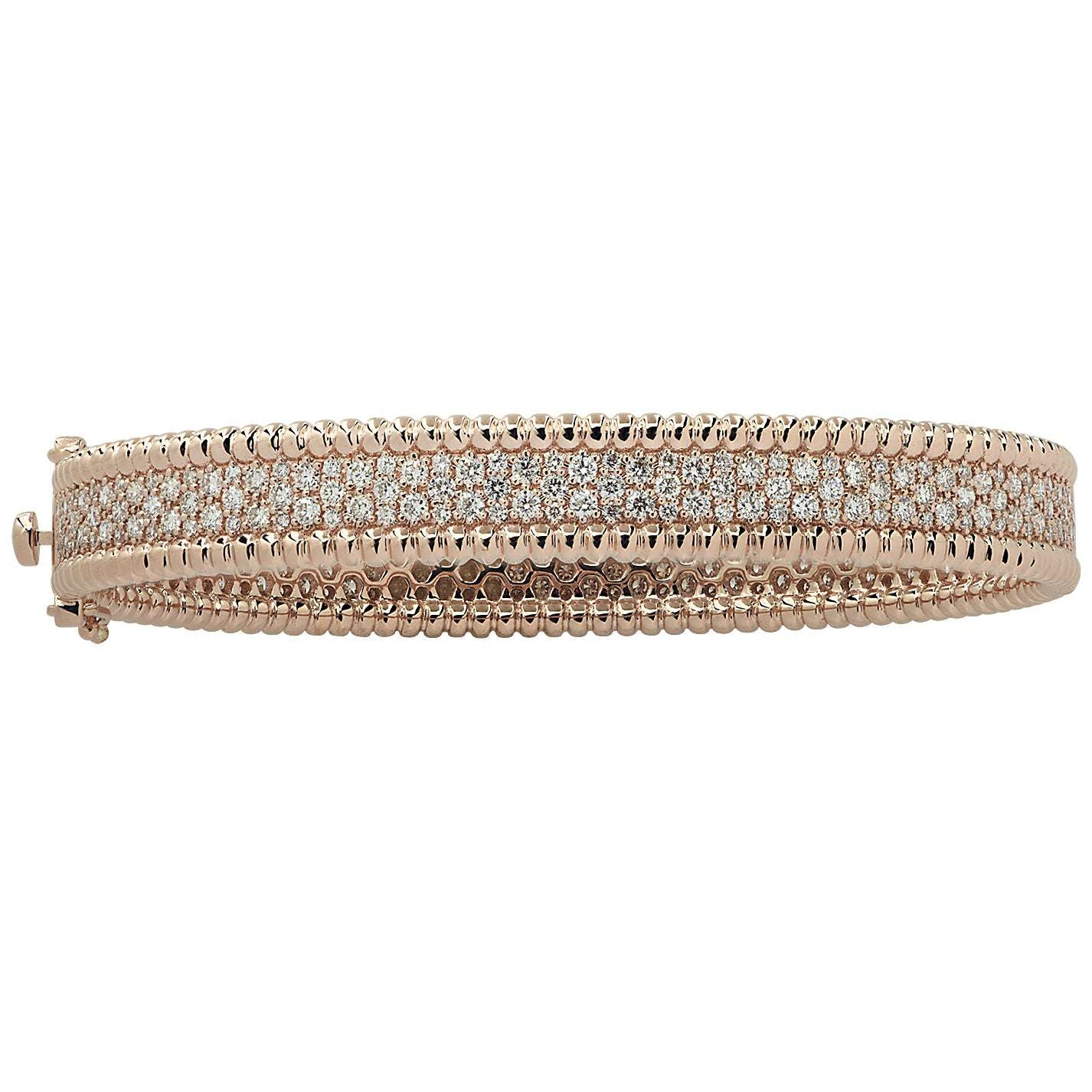
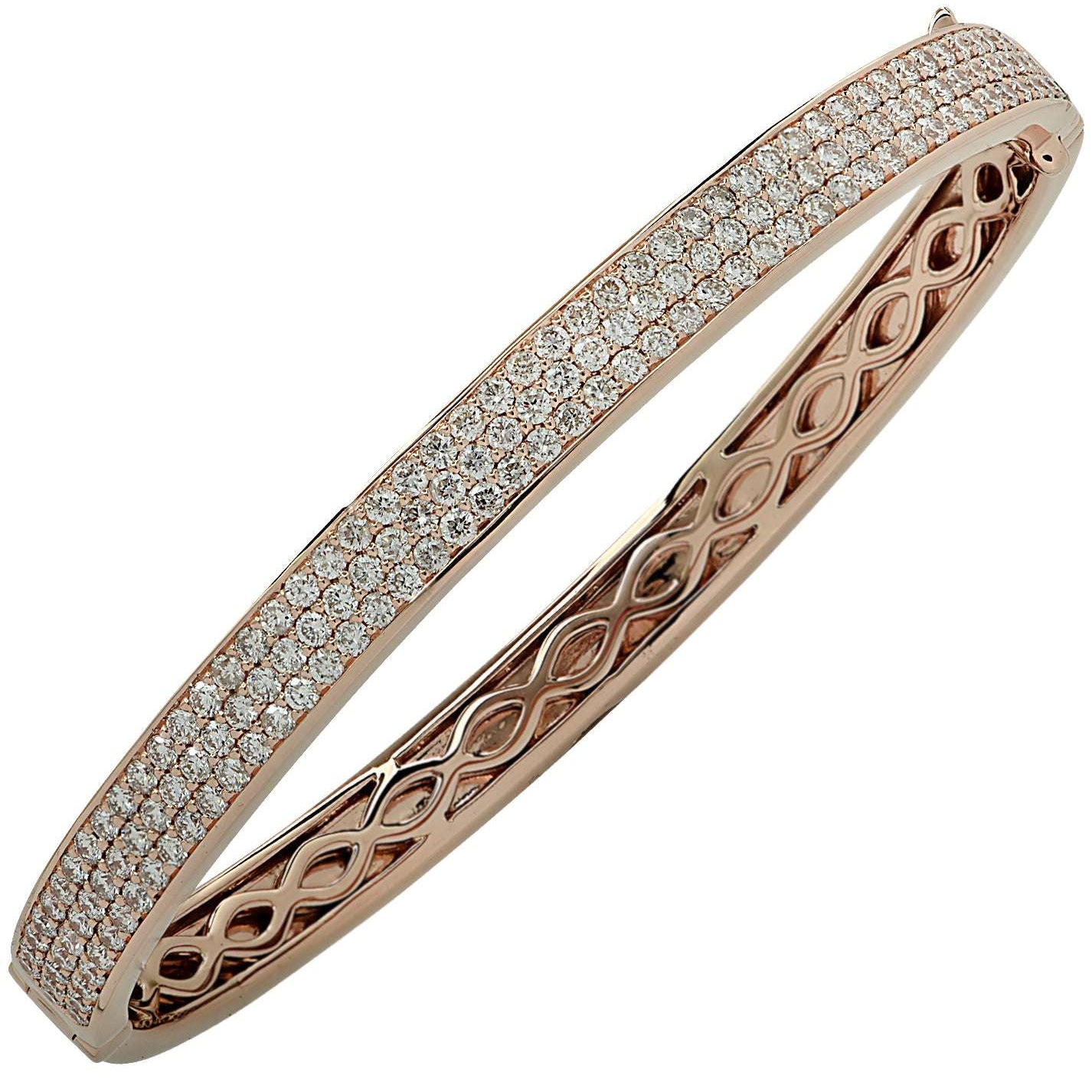
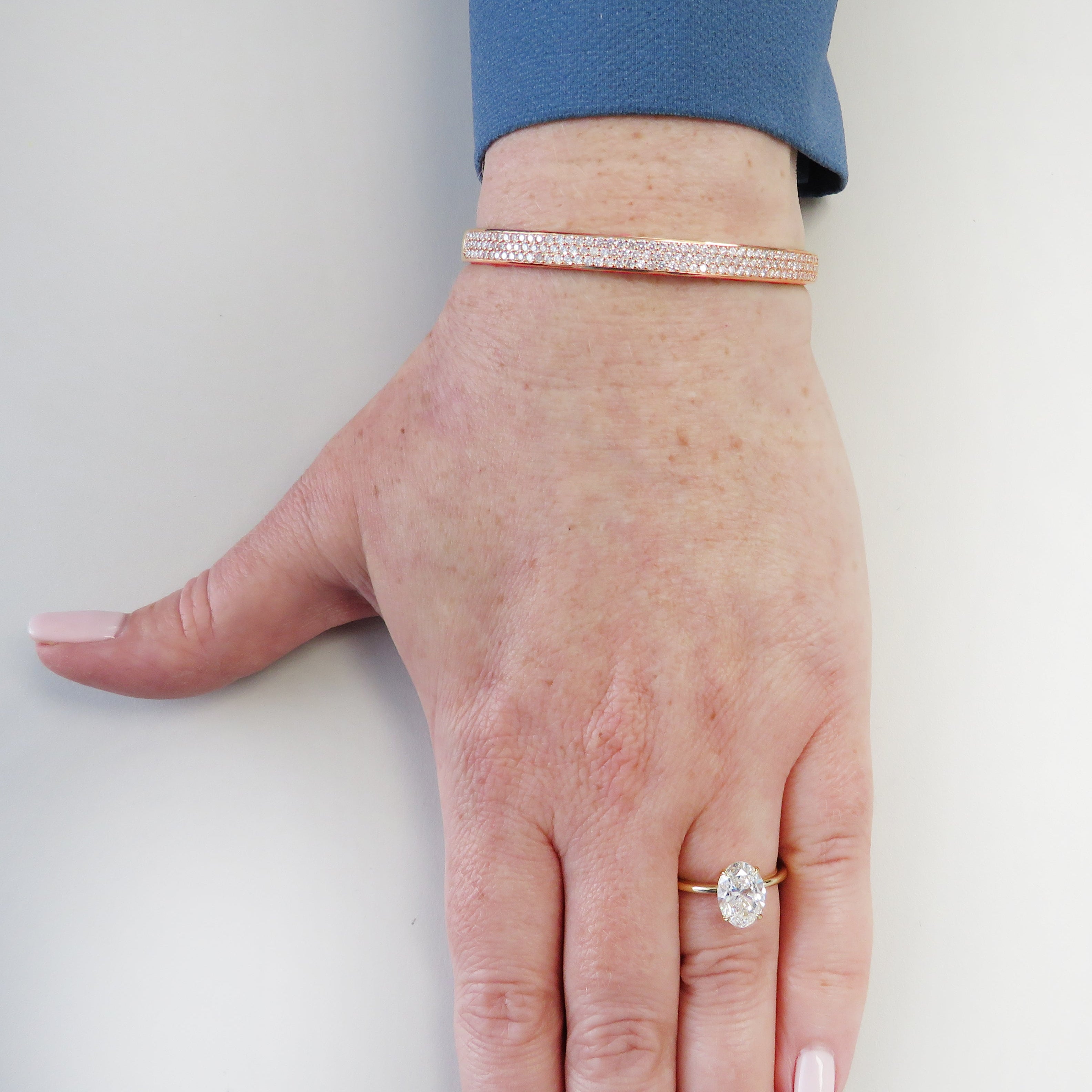
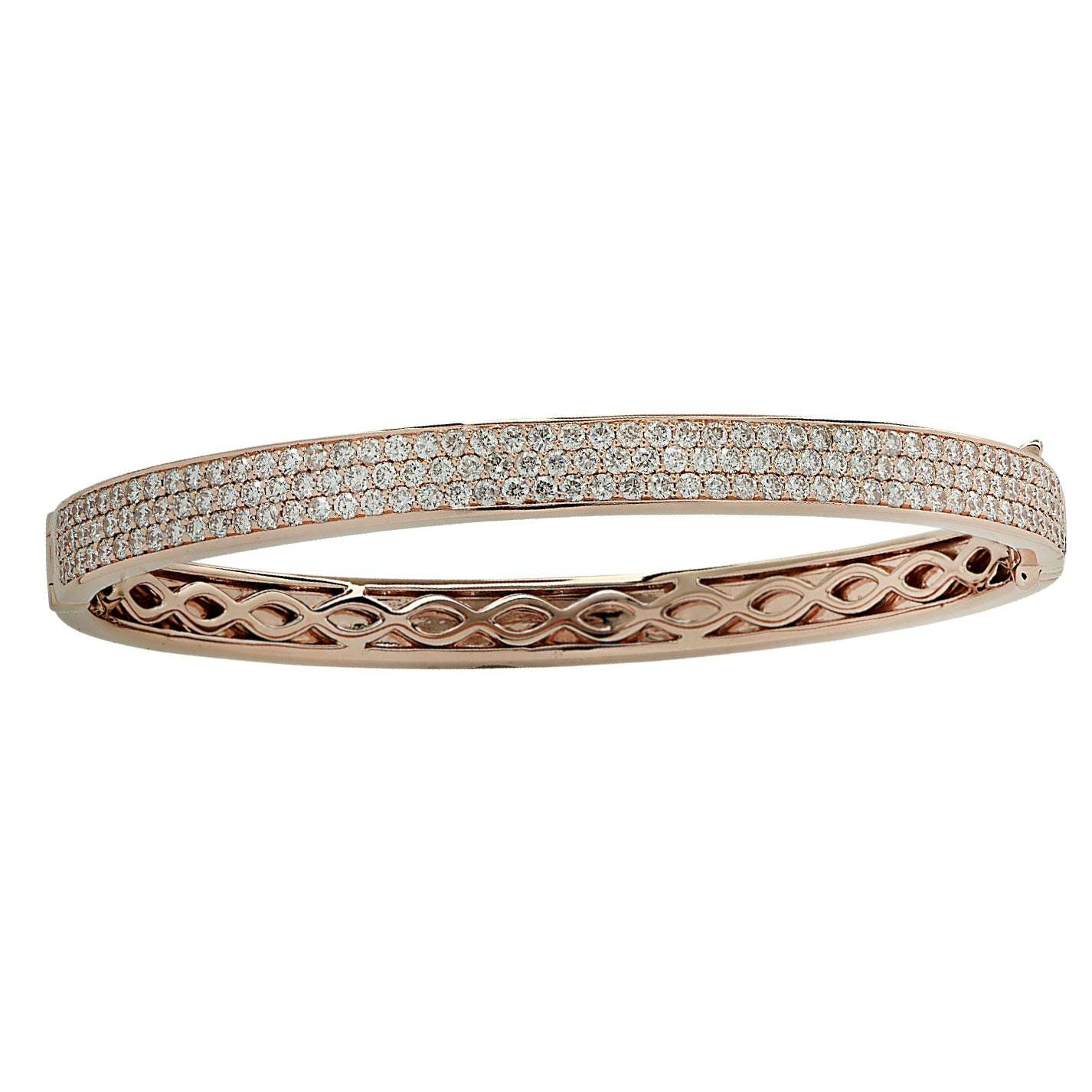
- Everyday bangles: Plain or inlaid bangles stack well, but keep textures compatible, pair glossy inlays with polished gold rather than heavy pavé.
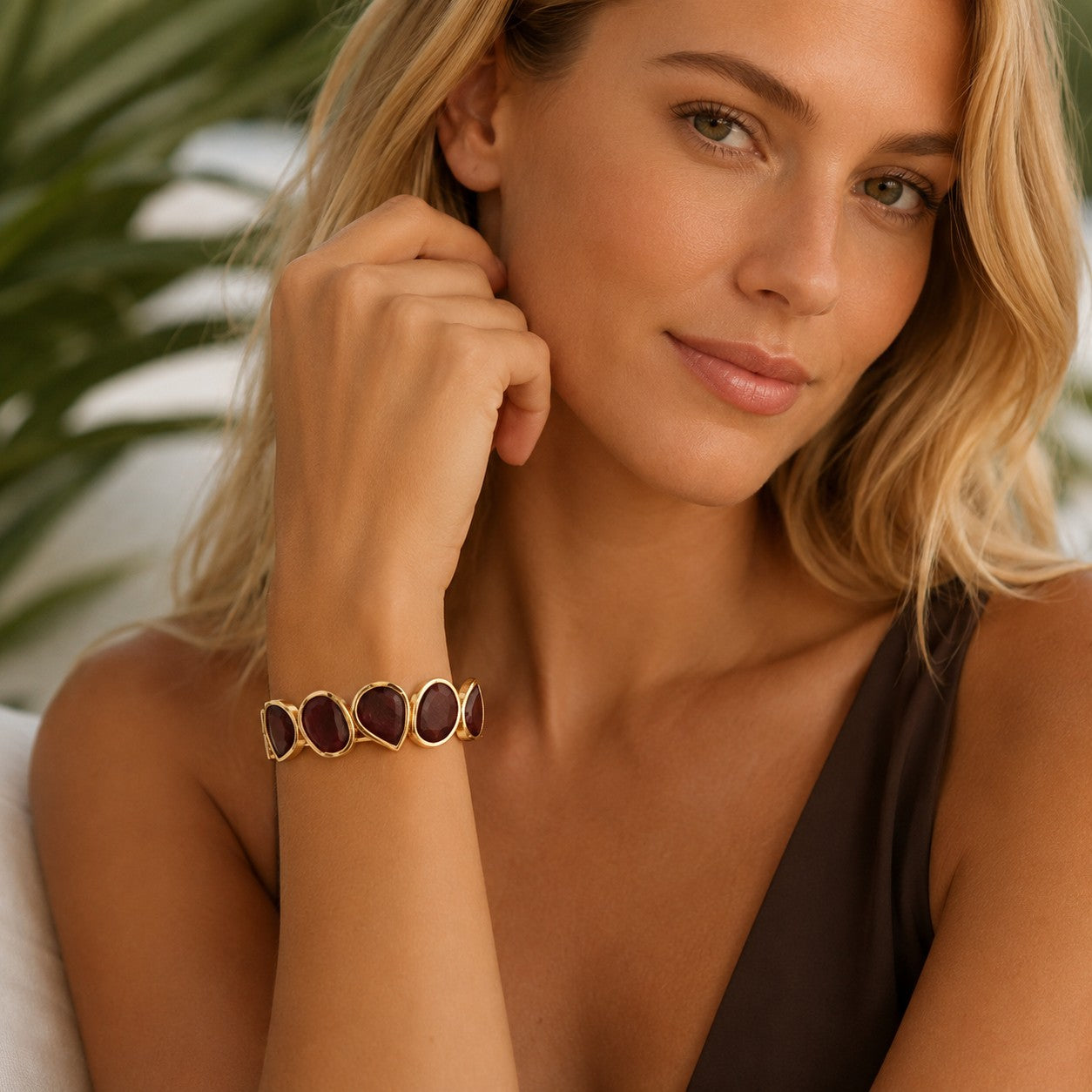
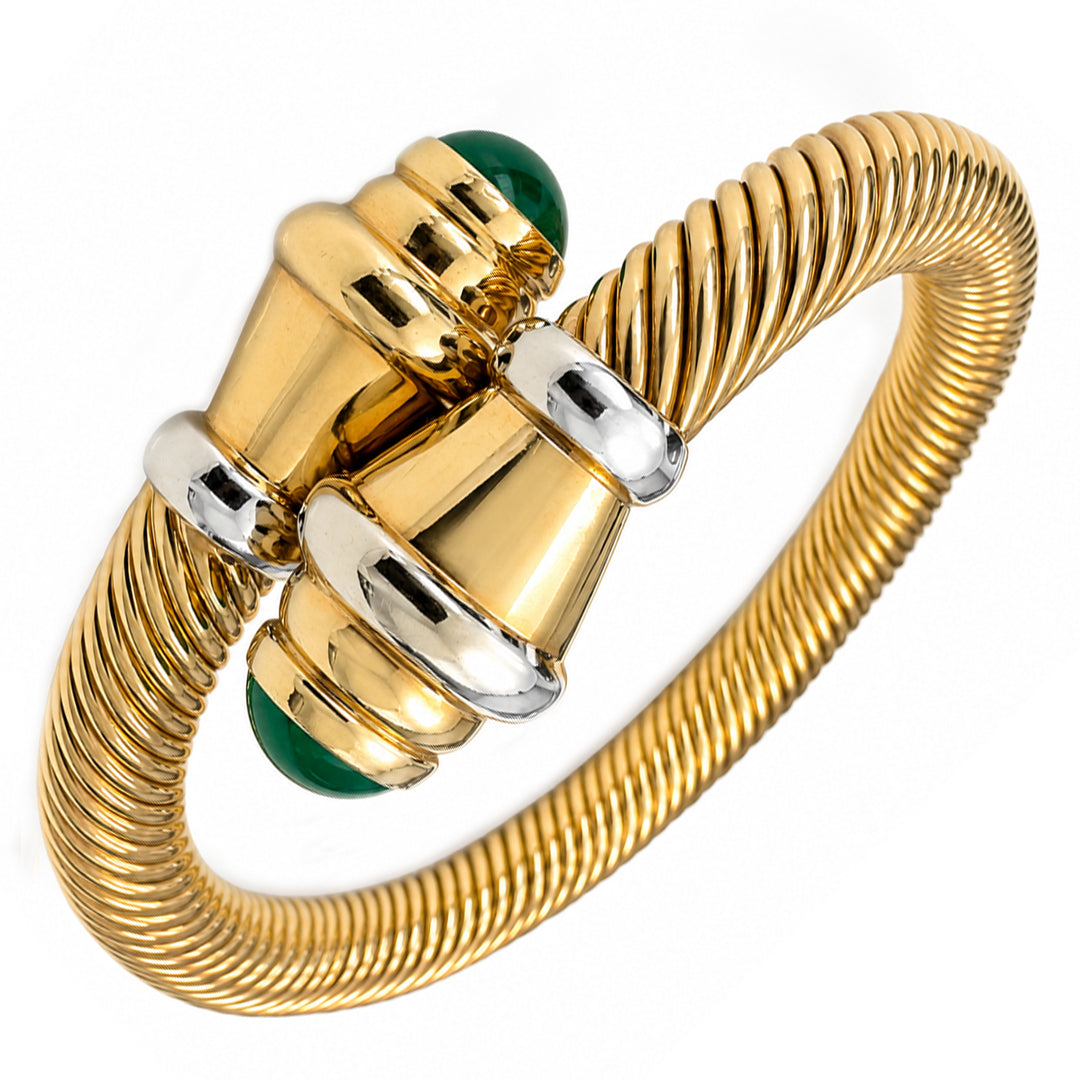
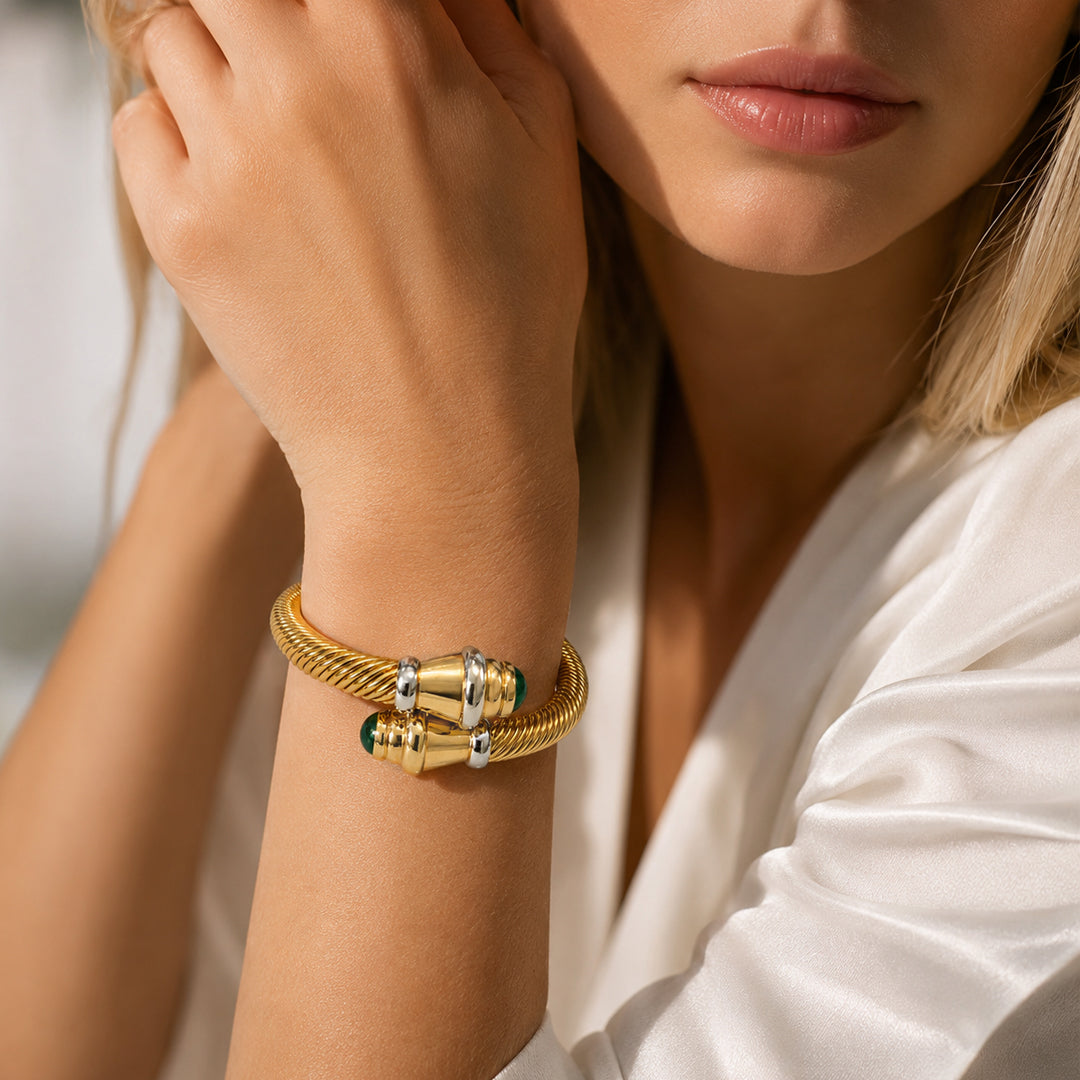
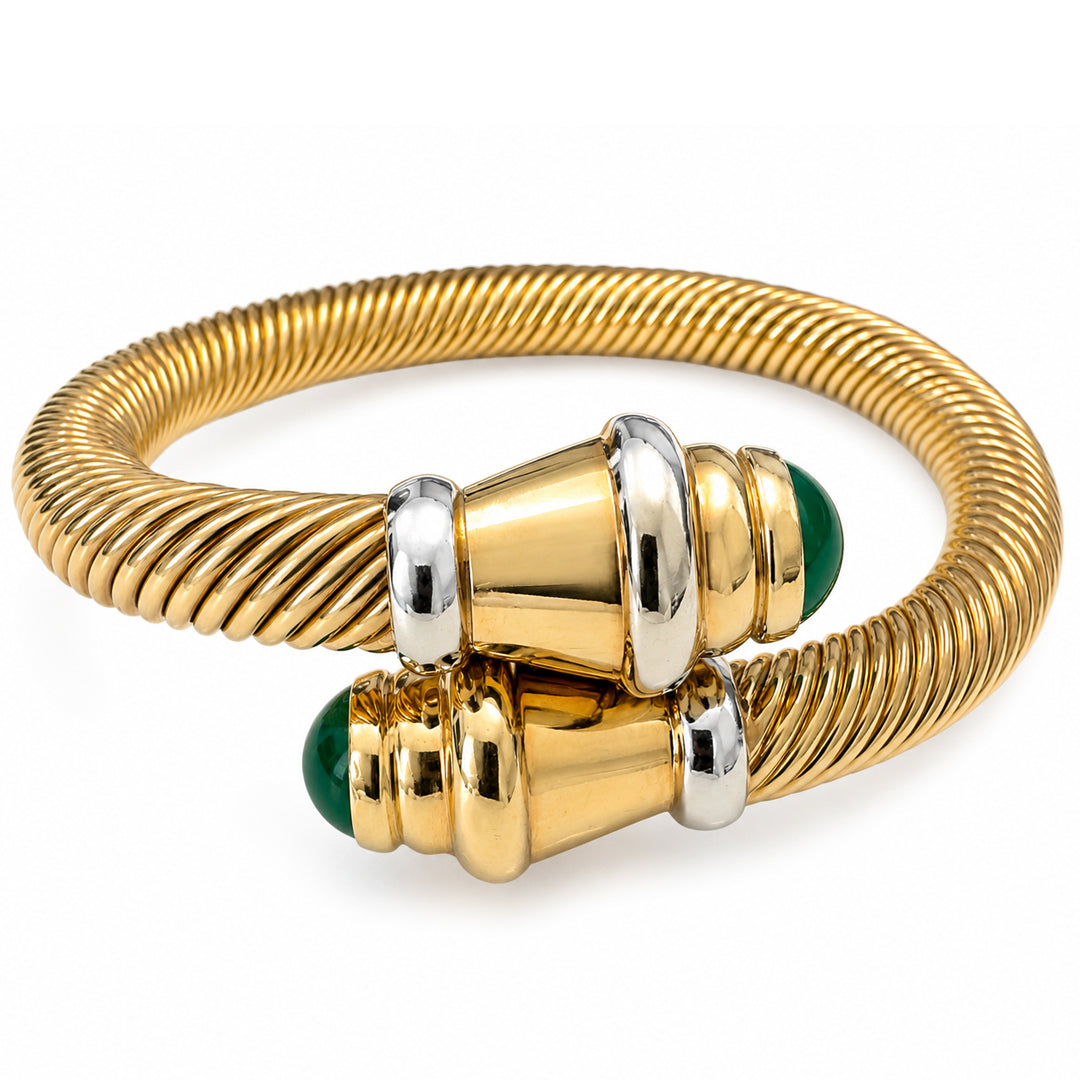
- Cuffs: A single architectural cuff plus a watch is a power move. Ensure the cuff's inner curve fits your wrist: it should hug, not bite.
- Mix eras with restraint: A vintage yellow gold bangle alongside a contemporary rose gold bracelet can work if the geometry rhymes.
Necklaces And Collars
- Collars should trace your clavicle. If a piece tips forward, it's the wrong size or needs adjustment.
- For plunging necklines, a graduated link or articulated collar reads modern and deliberate: with crew necks, consider a shorter, denser piece that sits just at the collarbone.
- Convertible sets: Some necklaces break down into bracelets, use the bracelet alone for daytime, then reassemble for evening impact.
Buying Vintage And Contemporary Marina B
Whether you're eyeing a 1980s statement ring or a newly issued collar, go in with a clear framework: budget, condition, sizing, and seller credibility.
Market Overview And Price Factors
- Pricing spans widely. Petite gold bangles or simple studs can start in the low four figures, while major gemstone collars or rare archival pieces command five to six figures at auction.
- What drives value: scale and weight of gold, quality and size of gemstones, originality (no replaced components), presence of boxes/papers, and rarity of the specific design.
- Period premiums: Iconic 1980s–1990s styles in excellent condition tend to have steady demand. Limited reissues or signed one-offs also draw interest.
Condition, Sizing, And Fit
- Metal wear: Look for softened edges, dents, or over-polishing that blurs hallmarks. Crisp edges and intact geometry are good signs.
- Stones and inlays: Check for chips at edges of cabochons and hairline cracks in onyx or rock crystal inlays. Avoid pieces with poorly color‑matched replacement stones.
- Mechanisms: Clasps should click decisively: hinges and expansion links should move smoothly without play. On earrings, test spring tension and omega back alignment.
- Fit: Collars and cuffs come in specific arcs and diameters: measure your wrist and neck carefully. For rings, consider knuckle size versus base, many bombé rings feel more comfortable a half size up.
Where To Shop And What To Ask
- Reputable sources: Established estate jewelers, specialist dealers in Italian design, auction houses with strong jewelry departments, and the brand's own boutiques for contemporary pieces.
- Ask for: Clear macro photos of hallmarks and signatures, exact measurements and weight, recent service history, and any documentation (original receipt, box, certificates).
- Return and service policies: Confirm inspection periods and whether the seller offers in-house servicing by bench jewelers familiar with inlay work and complex mechanisms.
Care, Maintenance, And Resizing Considerations
You protect Marina B Jewelry the way you'd protect any engineered object: with thoughtful cleaning, cautious storage, and specialist service.
- Cleaning: Use a soft brush, mild soap, and lukewarm water. Avoid ultrasonic cleaners for pieces with pavé, inlays, or glued elements: vibrations can loosen settings or fracture hardstones. Pat dry, don't blast with hot air.
- Storage: Isolate each piece in a soft pouch or its original box. Hardstones and diamonds can abrade gold or softer gems if they rub in a shared compartment.
- Wear and tear: Put jewelry on last, after fragrance or hairspray. Wipe pieces with a microfiber cloth at day's end to remove skin oils that dull polish.
- Servicing: For re-tipping prongs, tightening pavé, or refurbishing hinges, use a workshop experienced with inlays and architectural settings. Generic polishing can round edges and erase crisp lines.
- Resizing: Bombé rings and inlaid shanks are challenging to resize without disrupting profiles or cracking inlays. When possible, size via interior sizing beads or an insert rather than cutting the shank. Hinged collars and cuffs may be adjustable within a narrow window by a specialist, but major size changes risk throwing off balance and comfort.
Plan for periodic professional checkups, once every 12–18 months if you wear the piece frequently.
Conclusion
If you value jewelry that marries sculpture with precision, Marina B Jewelry delivers. You're buying more than color and shine, you're buying engineering that respects the body and a design language with roots in Italian modernism. Prioritize authenticity, condition, and fit: learn the house signatures: and work with trusted sellers and skilled bench jewelers. Do that, and your Marina B pieces won't just turn heads today, they'll still feel utterly right on you decades from now.
Marina B Jewelry: Frequently Asked Questions
What defines the design DNA of Marina B Jewelry?
Marina B Jewelry blends bold geometry with wearable architecture. Expect sculpted domes, arcs, and tapering links highlighted by saturated gemstones and graphic hardstone inlays. Pieces are engineered for balance and comfort—omega backs, articulated hinges, and protective bezels—delivering statement scale that sits correctly and feels substantial without being cumbersome.
How can I authenticate Marina B Jewelry before buying?
Check for a crisp “Marina B” signature, 750 gold fineness marks, and serial numbers (matching on earring pairs). Examine construction: smooth interiors, even pavé, decisive hinges, and correct omega backs. Compare typeface and signature placement to verified examples and assess weight—authentic pieces typically feel dense and well-finished.
How are Marina B prices structured, and what drives value?
Entry pieces like petite bangles or studs can start in the low four figures, while important gemstone collars or rare archival designs reach five to six figures. Value hinges on gold weight and scale, gemstone quality, originality, documentation, and rarity. Iconic 1980s–1990s styles in excellent condition command steady demand.
Is Marina B Jewelry a good investment long-term?
Generally, yes—heritage, distinctive design language, and limited supply support resale interest. Best performers are iconic, larger-scale pieces in original condition with boxes/papers. Market cycles vary, so buy the strongest example you can, verify authenticity, and maintain condition; professional servicing and careful storage help preserve long-term value.
How does Marina B Jewelry compare to Bulgari in style and fit?
Both share Roman boldness and color, but Marina B emphasizes disciplined geometry and ergonomics—think bombé volumes, graphic inlays, and engineered comfort that keeps earrings upright and collars contouring the body. Bulgari often reads more exuberant and decorative, whereas Marina B skews architectural and streamlined with modular, convertible functionality.