Solitaire Earrings
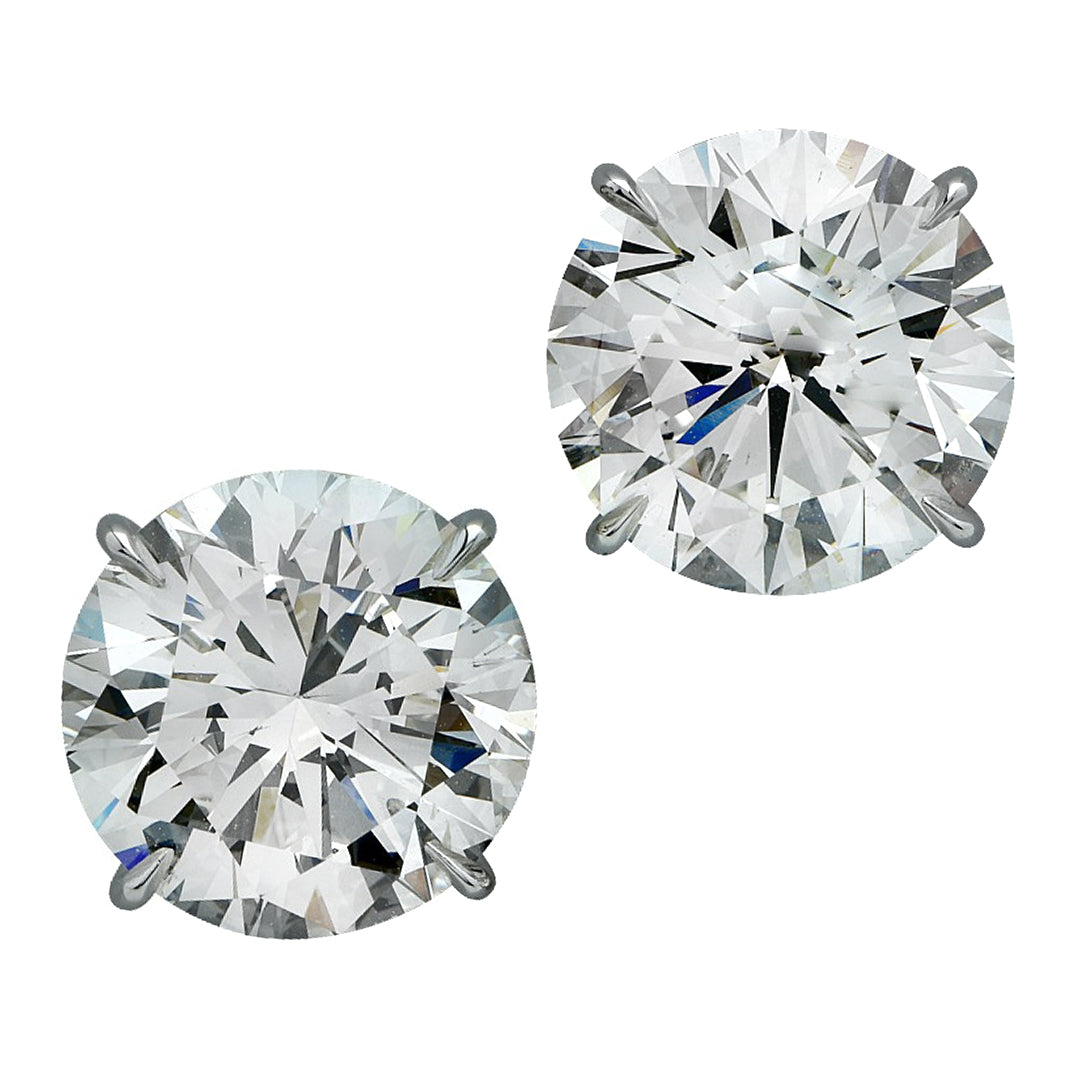

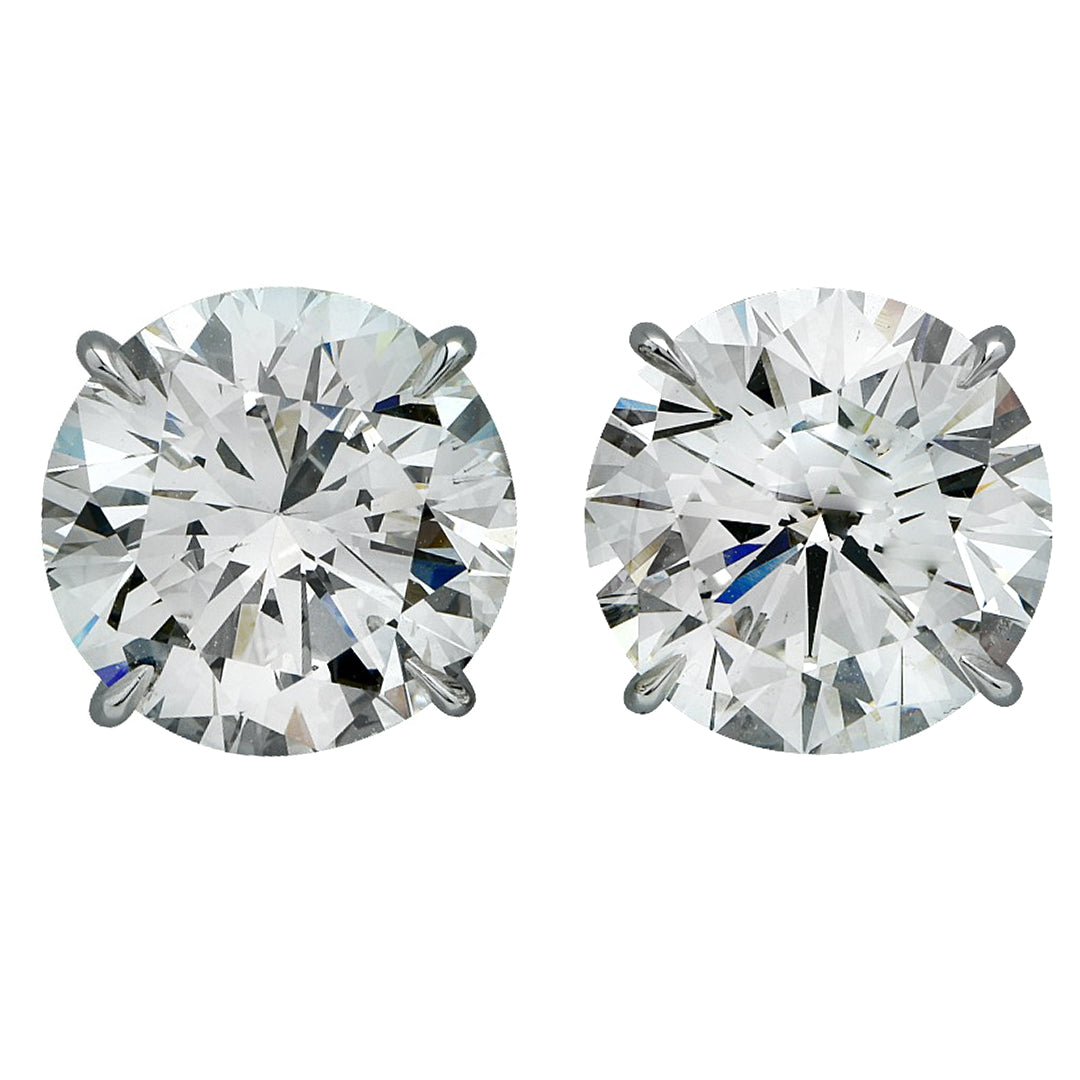
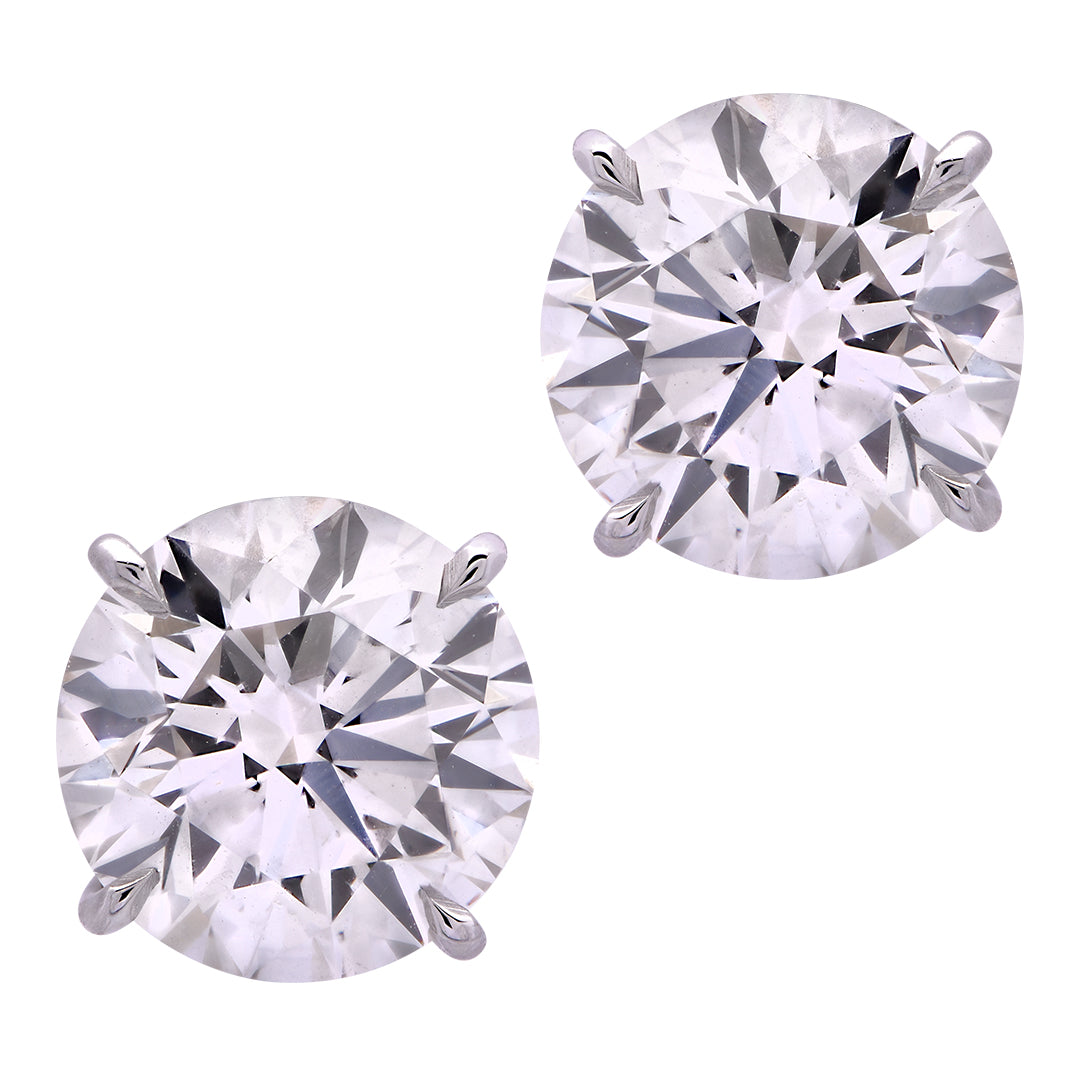

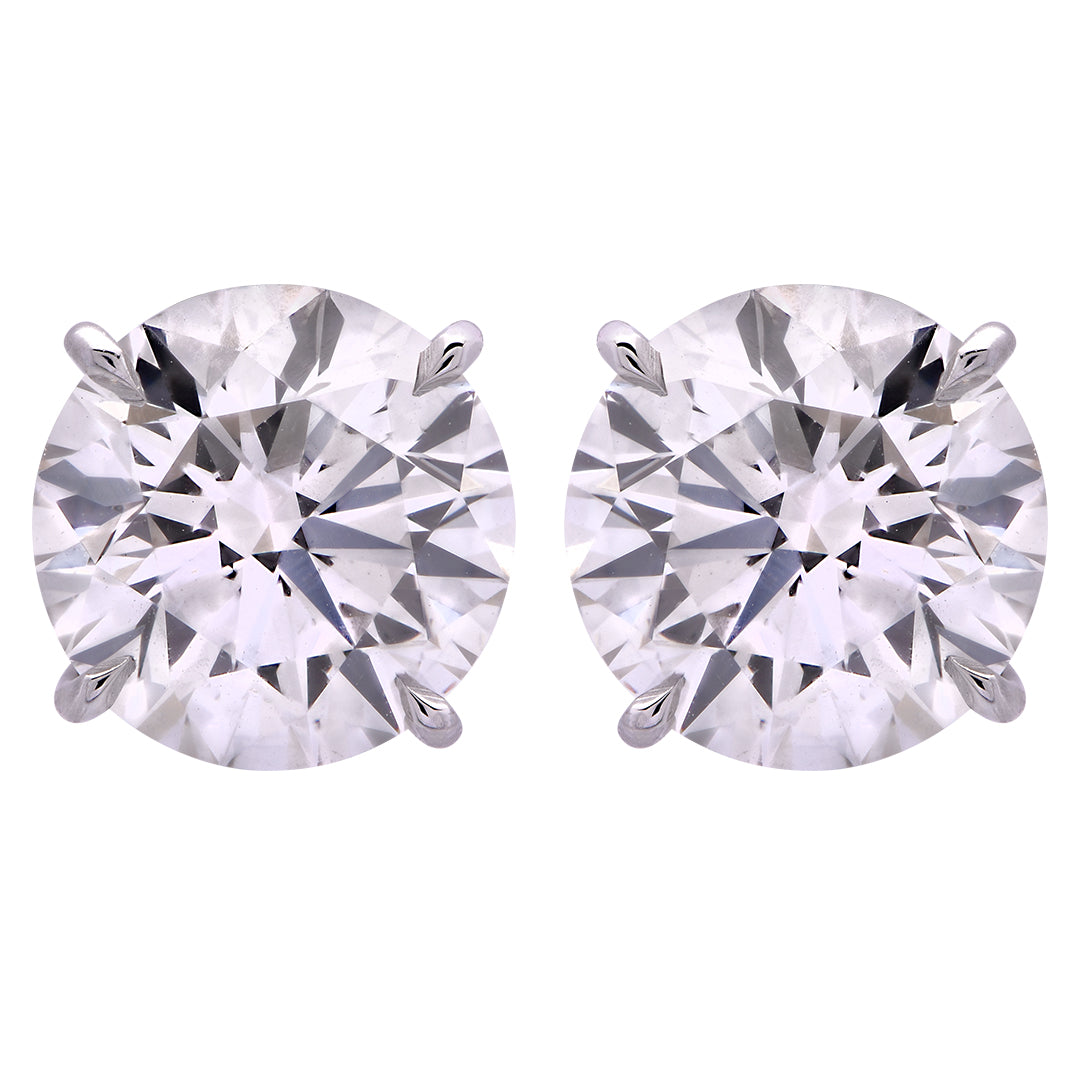

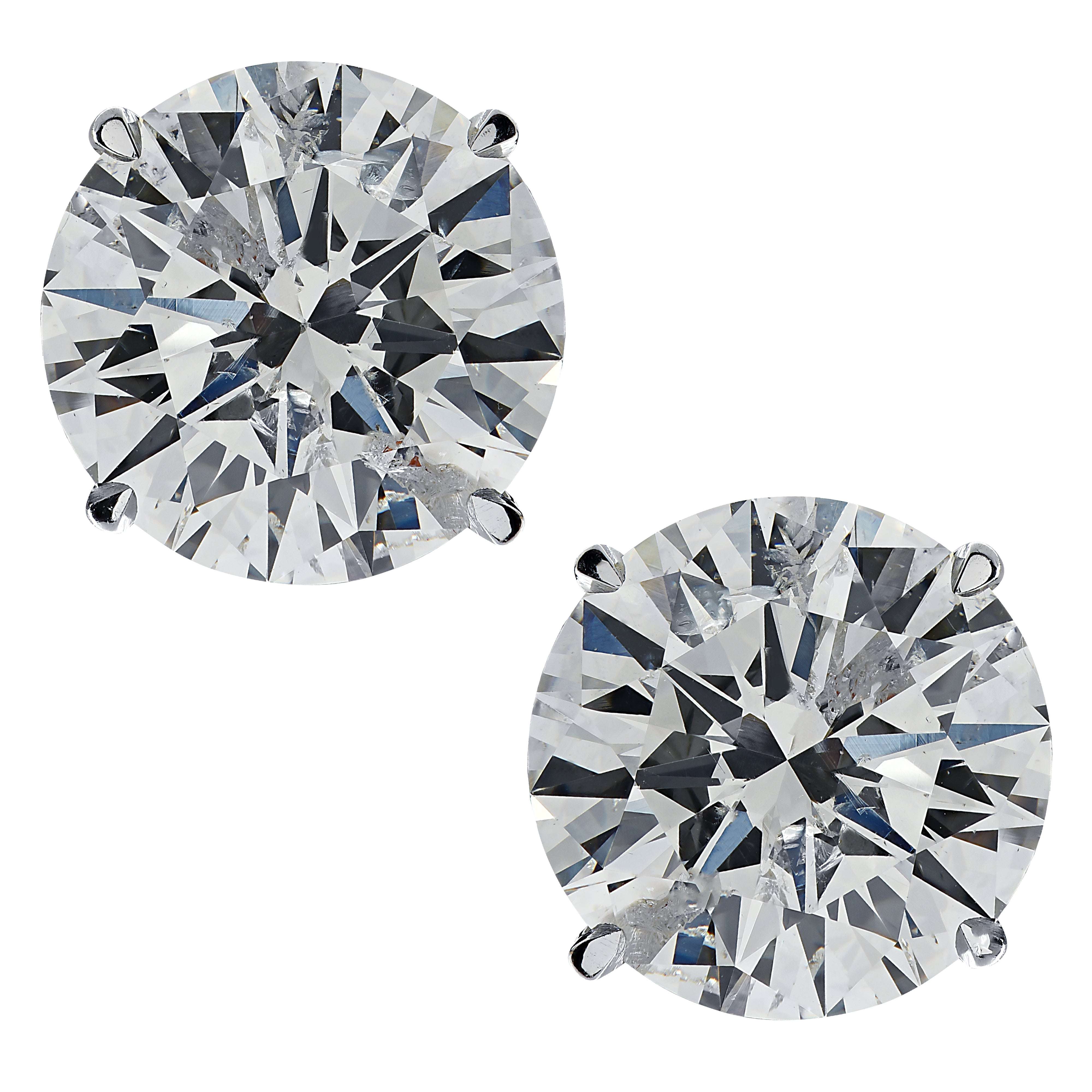
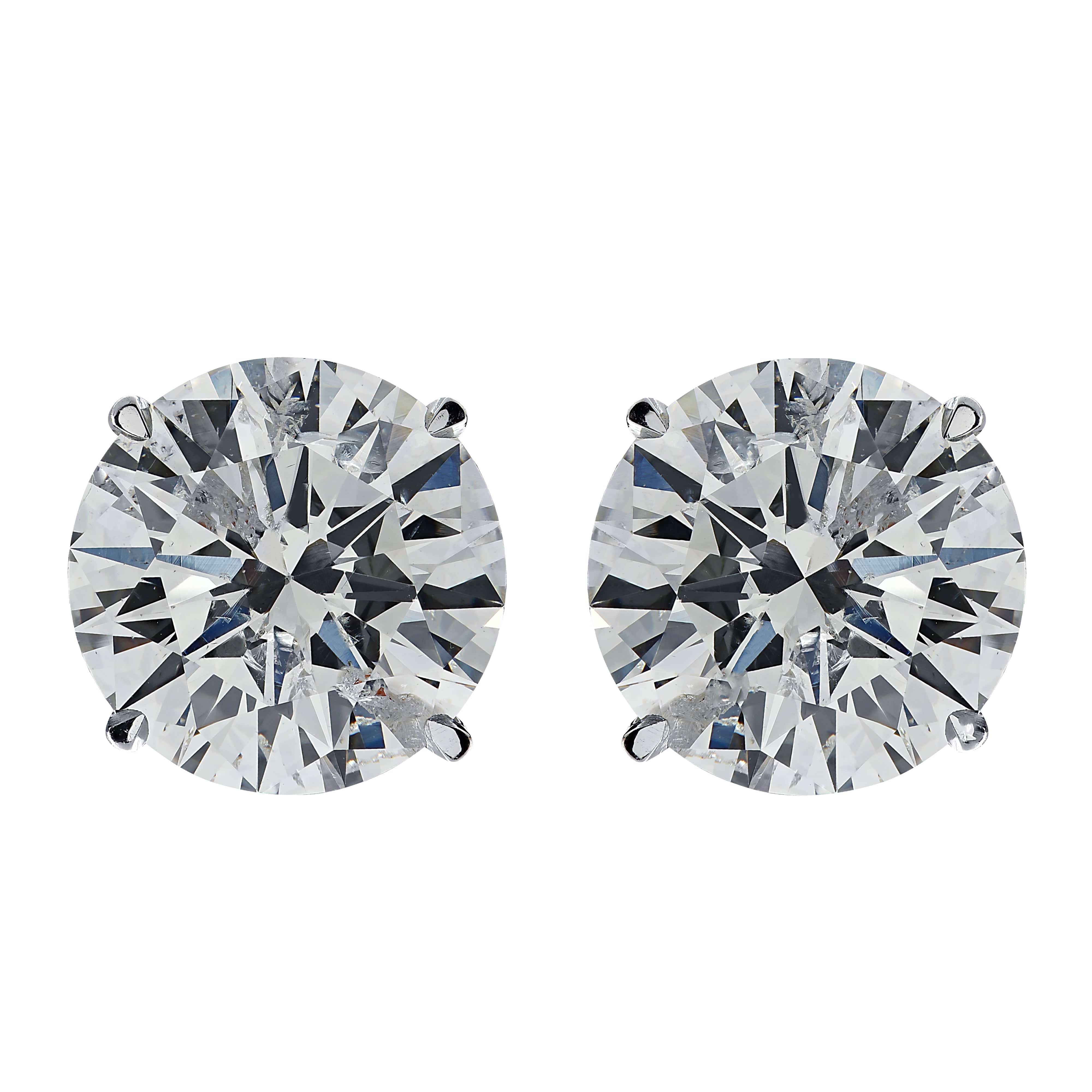
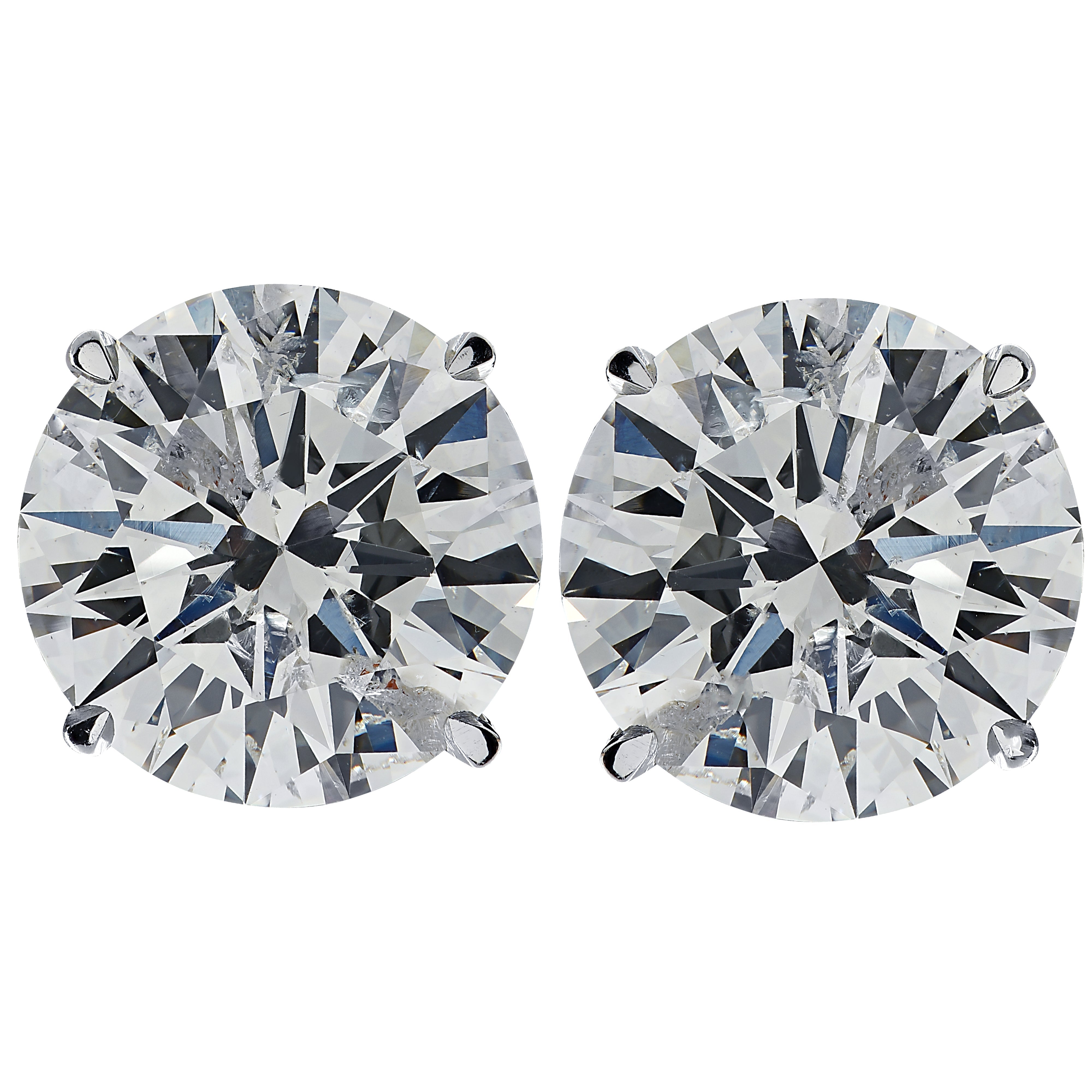
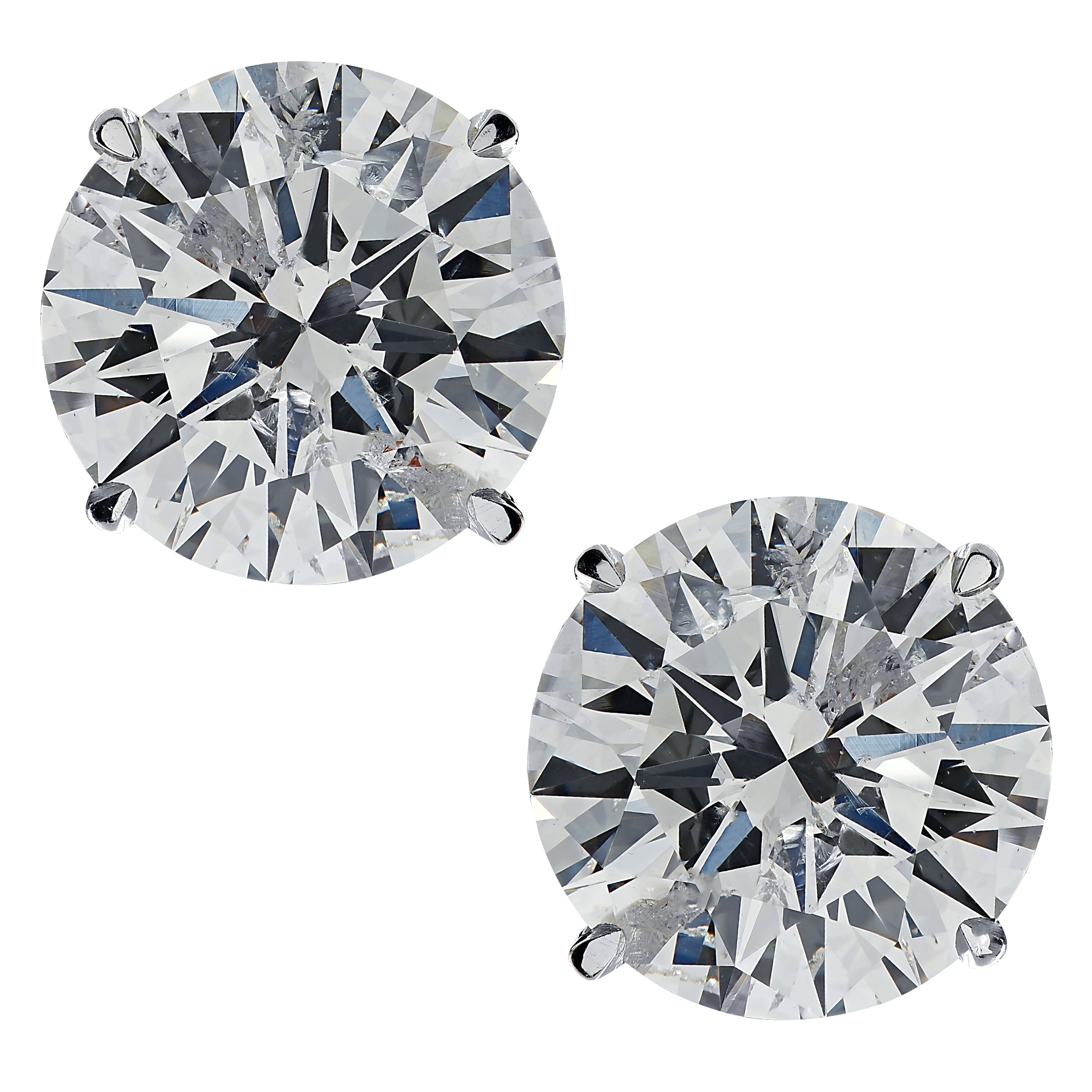
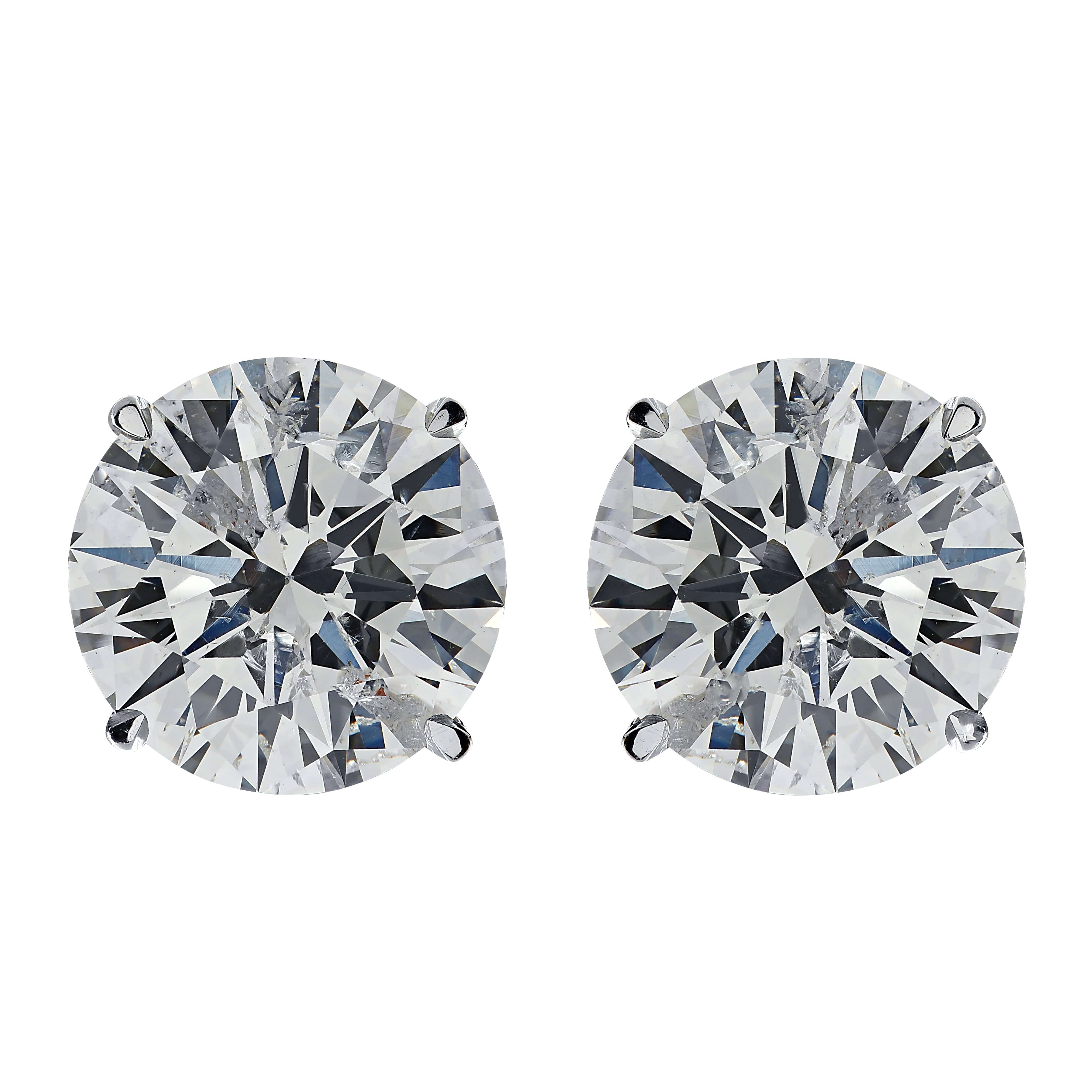
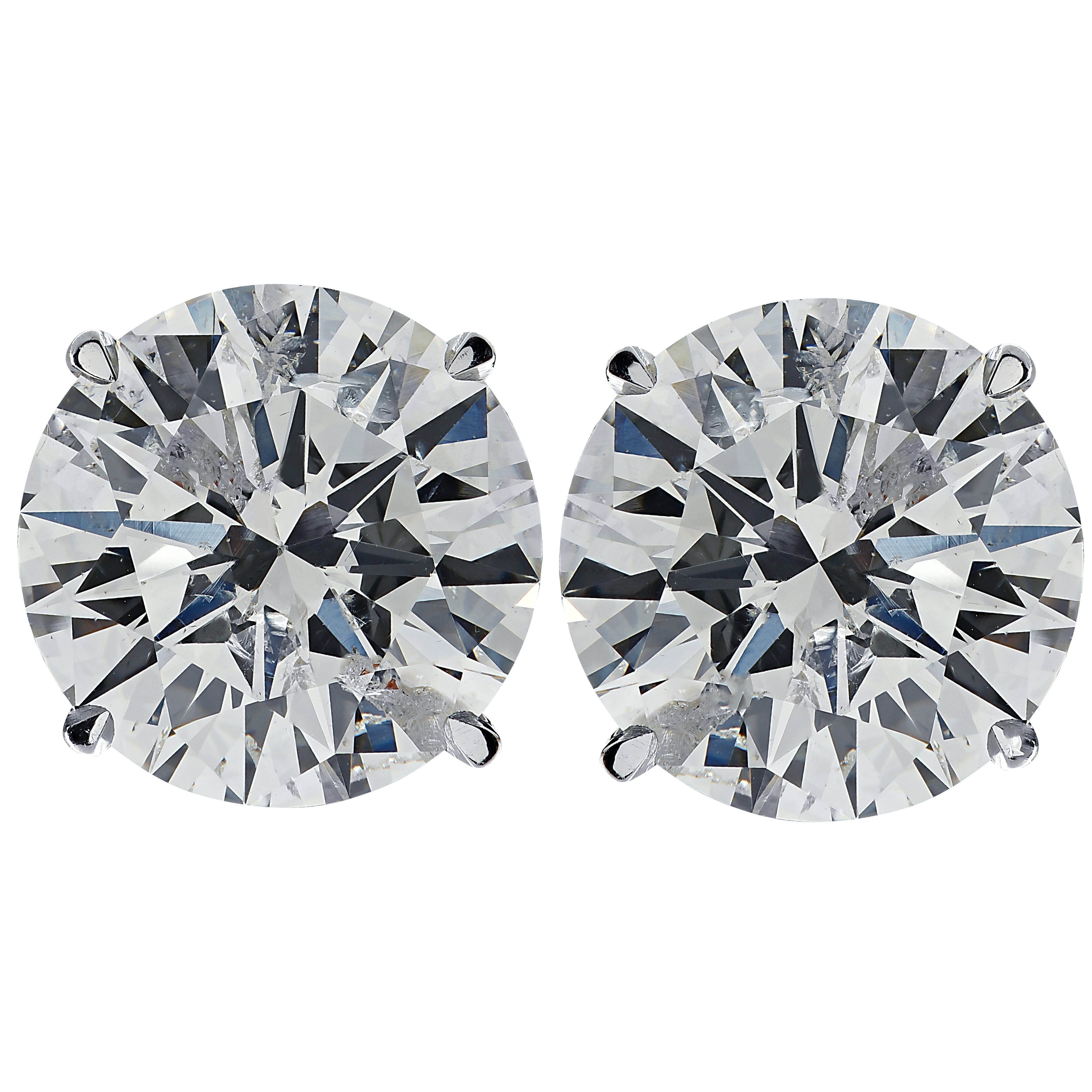
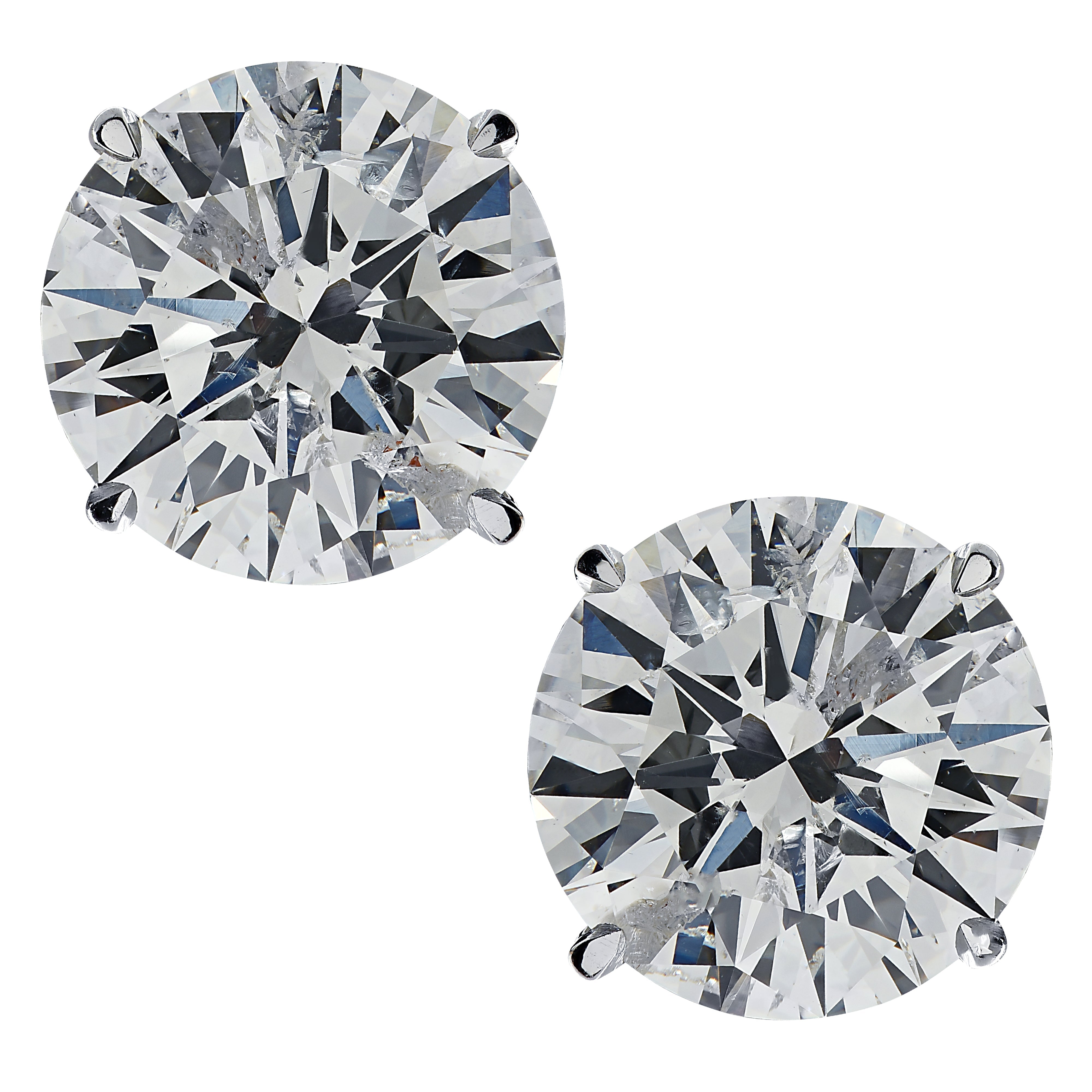
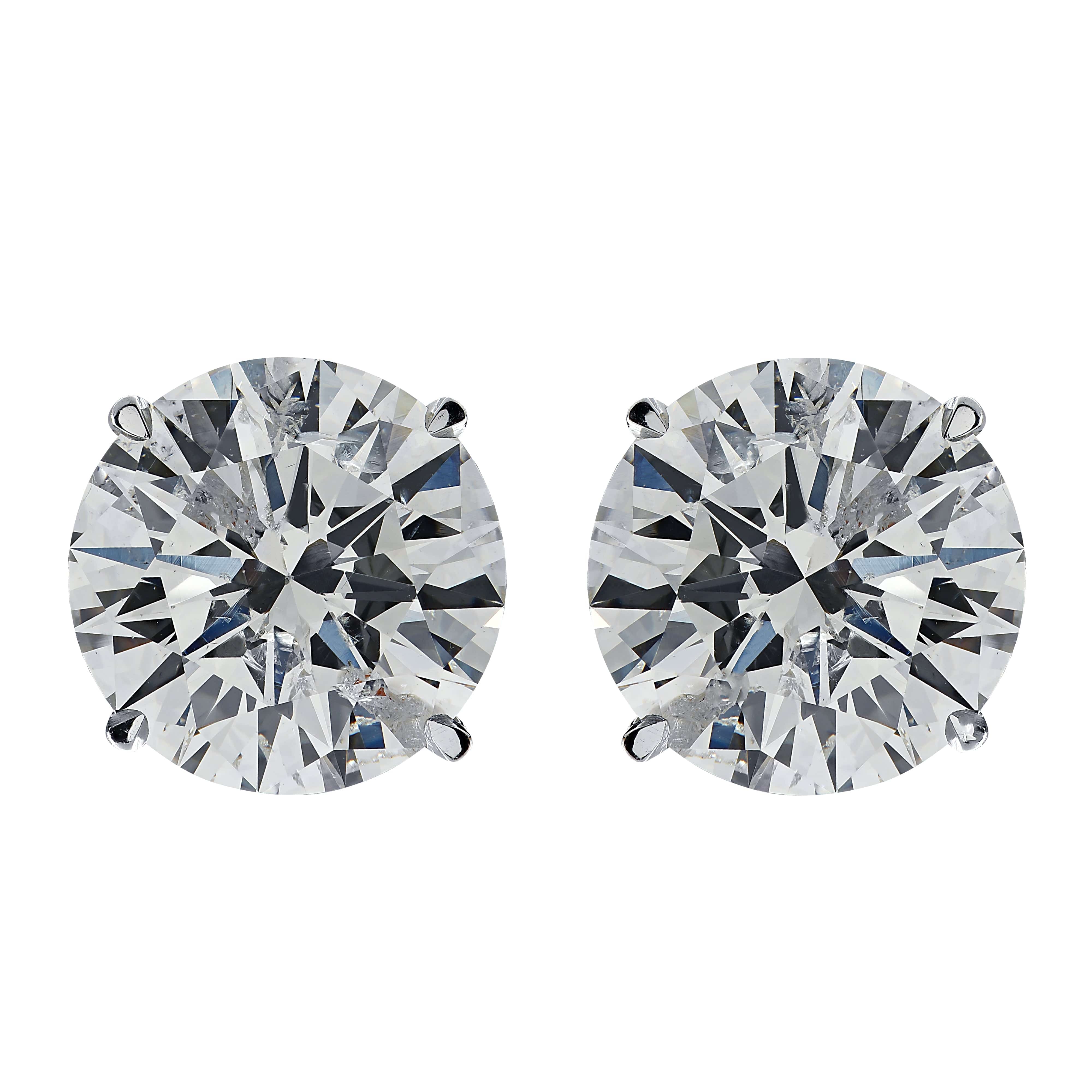
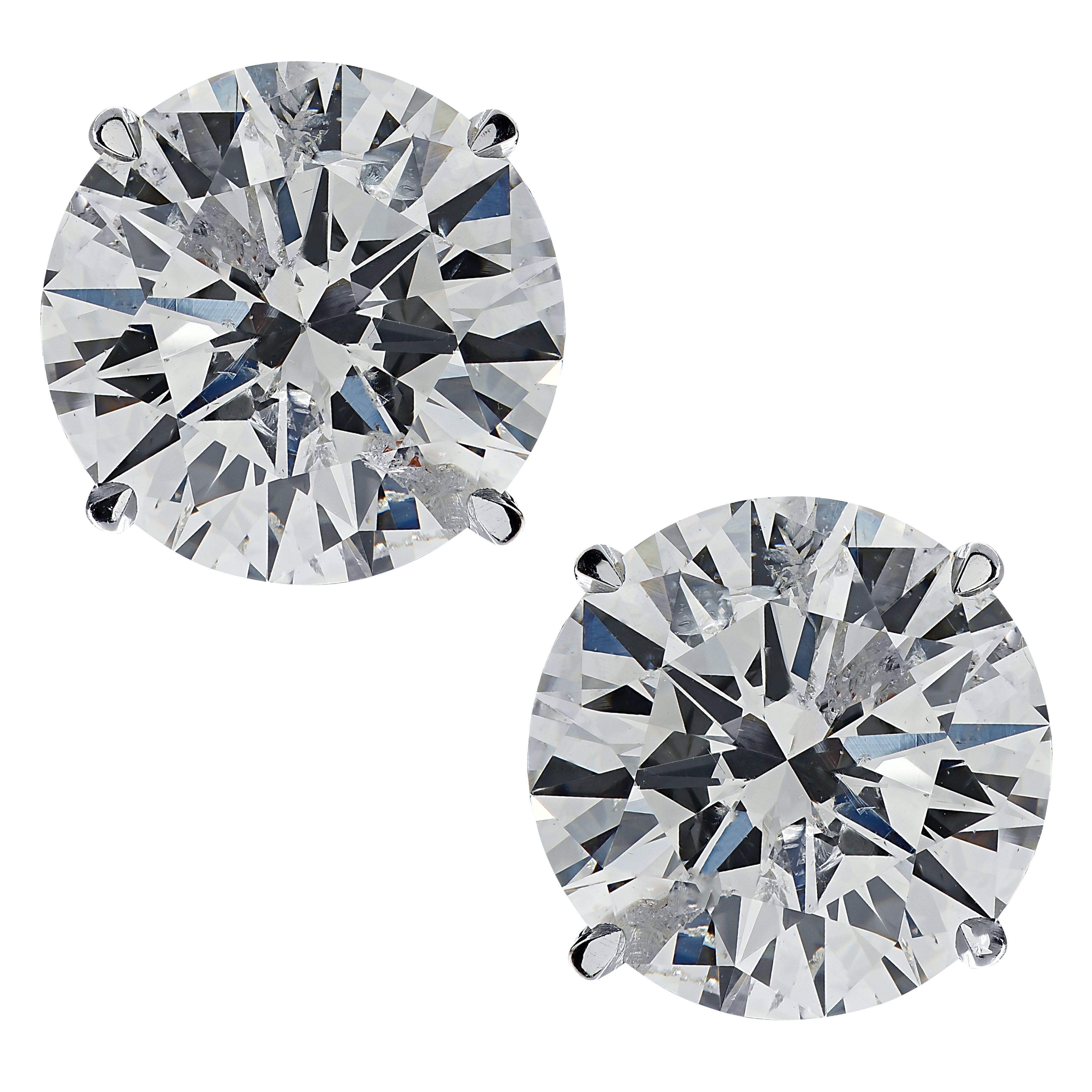
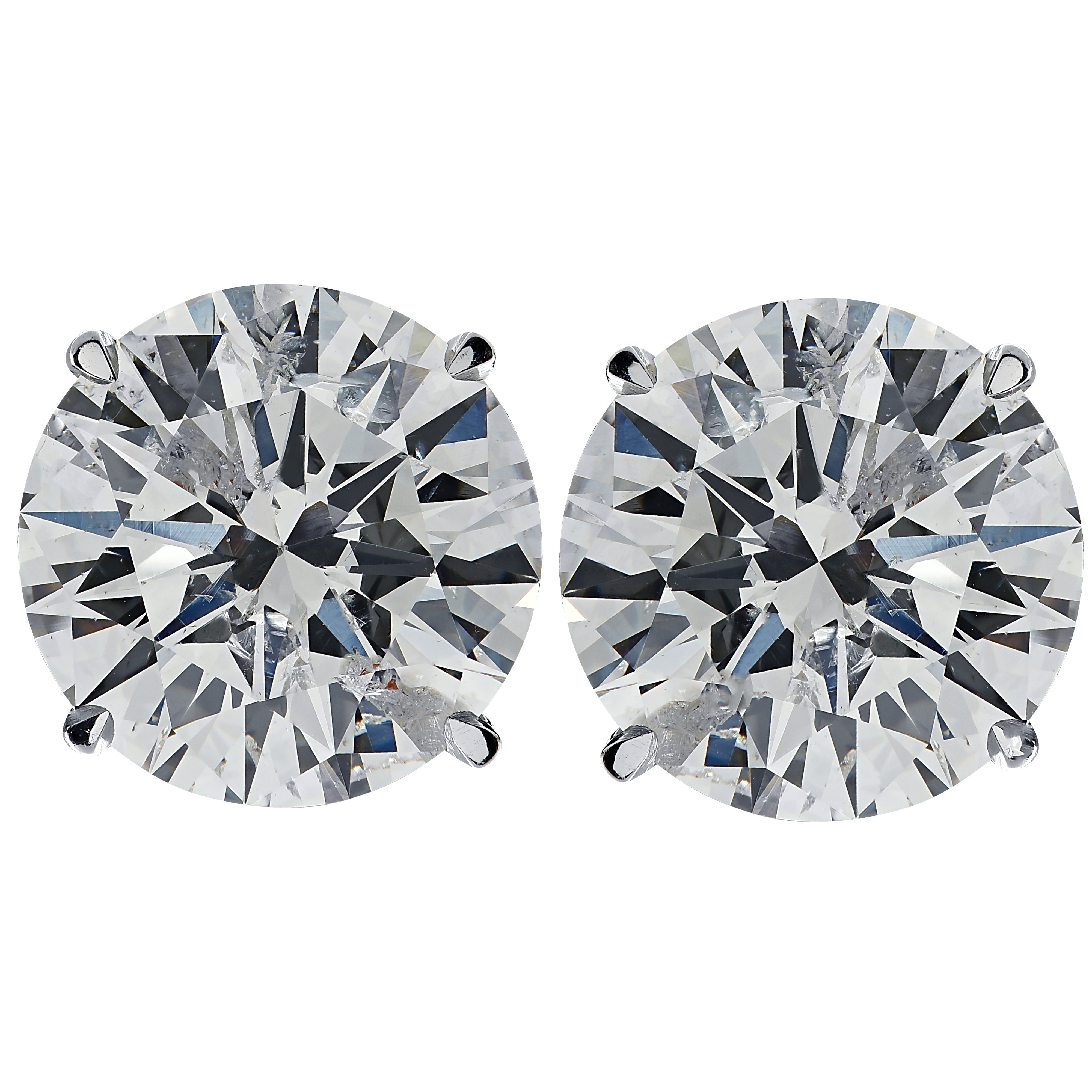
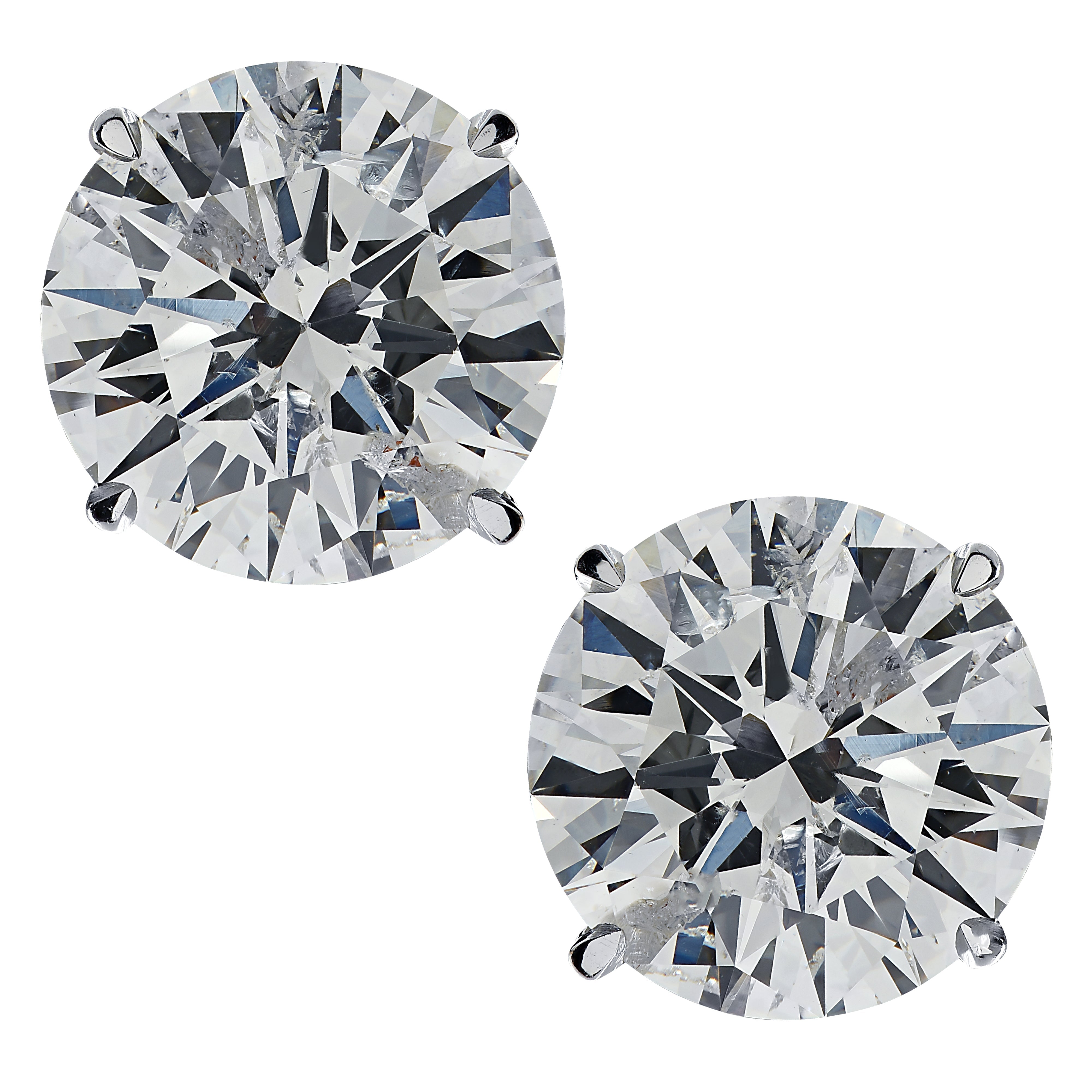
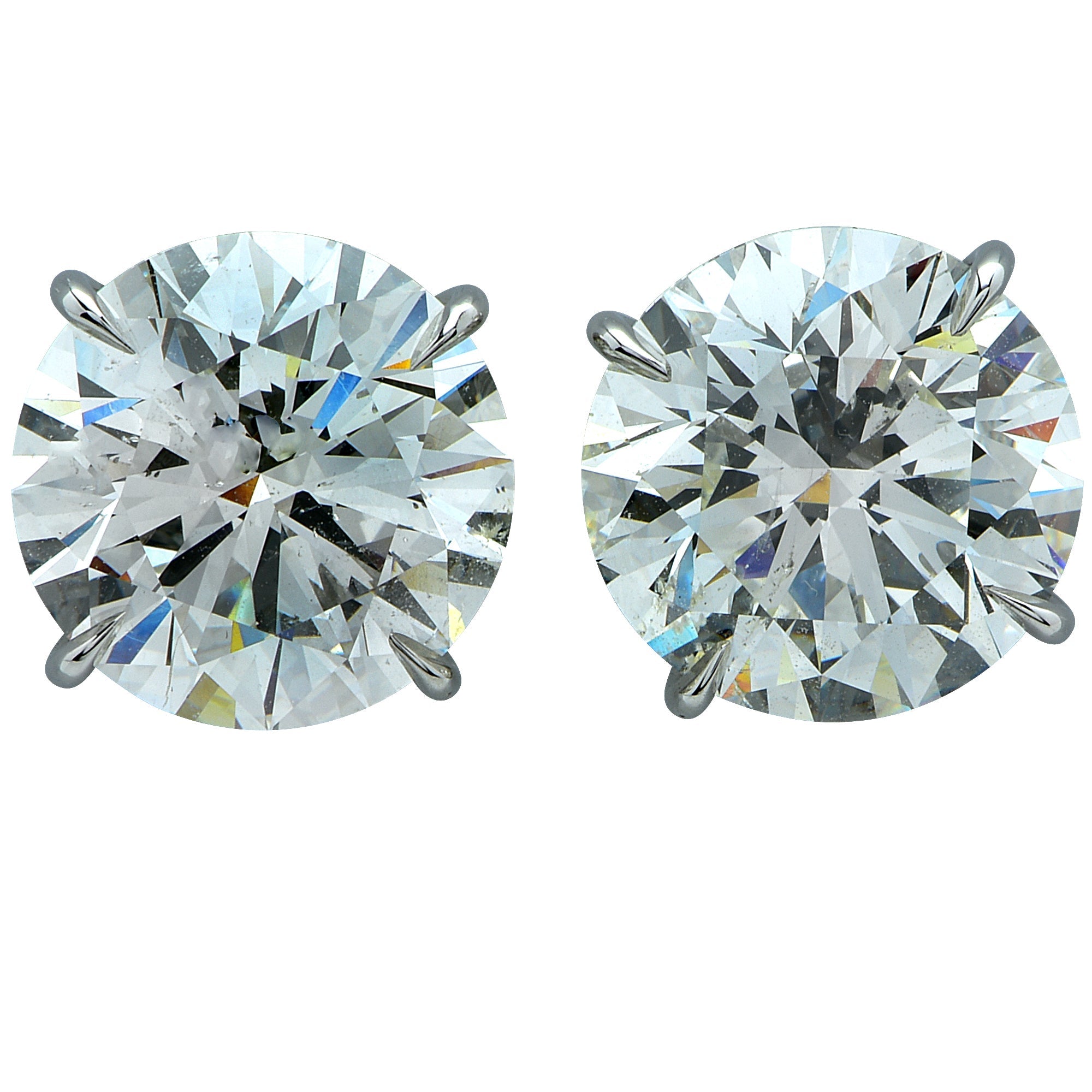
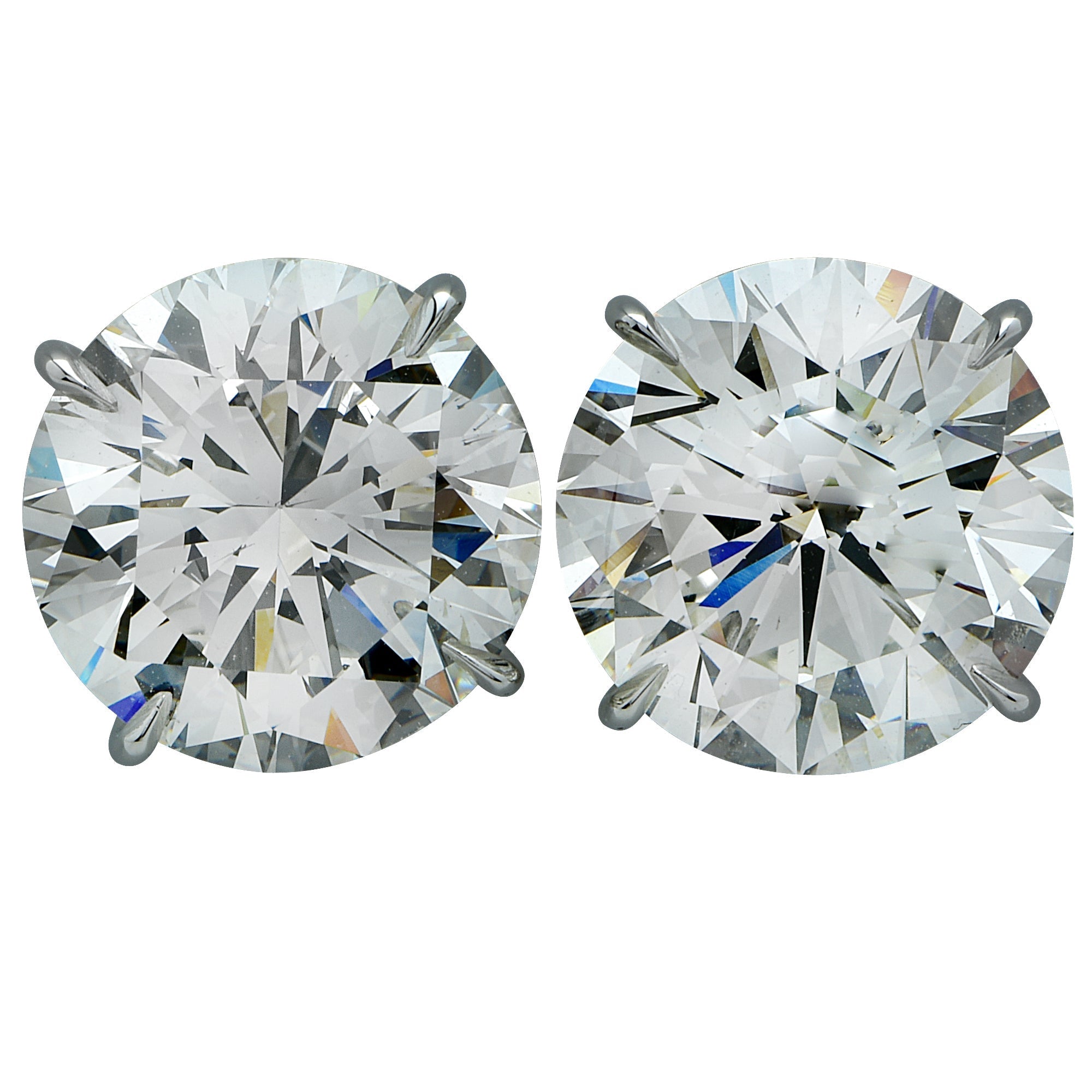
Solitaire Earrings: The Timeless Jewelry Staple That Elevates Any Look In 2026
Some jewelry trends flare up and fade fast. Solitaire earrings aren't one of them. They've stayed relevant because they do something few accessories can: they add polish without trying too hard. A single stone, a clean setting, and suddenly a T-shirt looks intentional or a formal outfit feels finished. In 2026, that kind of versatility matters even more. We want pieces we'll actually wear, not just admire in a box. So if we're thinking about buying our first pair, or upgrading to a better one, it helps to know what makes solitaire earrings so enduring, flattering, and worth the investment.
Key Takeaways
-
Solitaire earrings feature a single focal stone, offering timeless elegance and versatility suitable for both casual and formal wear.
-
Classic solitaire studs are ideal for everyday use due to their secure fit and low maintenance, while solitaire drops add movement and dressiness for special occasions.
-
Choosing solitaire earrings that complement your face shape and metal preferences enhances their flattering effect and coordinates well with your existing jewelry.
-
High-quality settings like prongs or bezels ensure stone security and comfort, making it essential to check earring backs and post placement before purchasing.
-
Solitaire earrings are easy to style and care for, pairing seamlessly with workwear or evening outfits, and require simple cleaning and storage to maintain their brilliance.
-
Regular inspection and professional maintenance of solitaire earrings help prevent damage and extend their lasting beauty.
What Solitaire Earrings Are And Why They Never Go Out Of Style
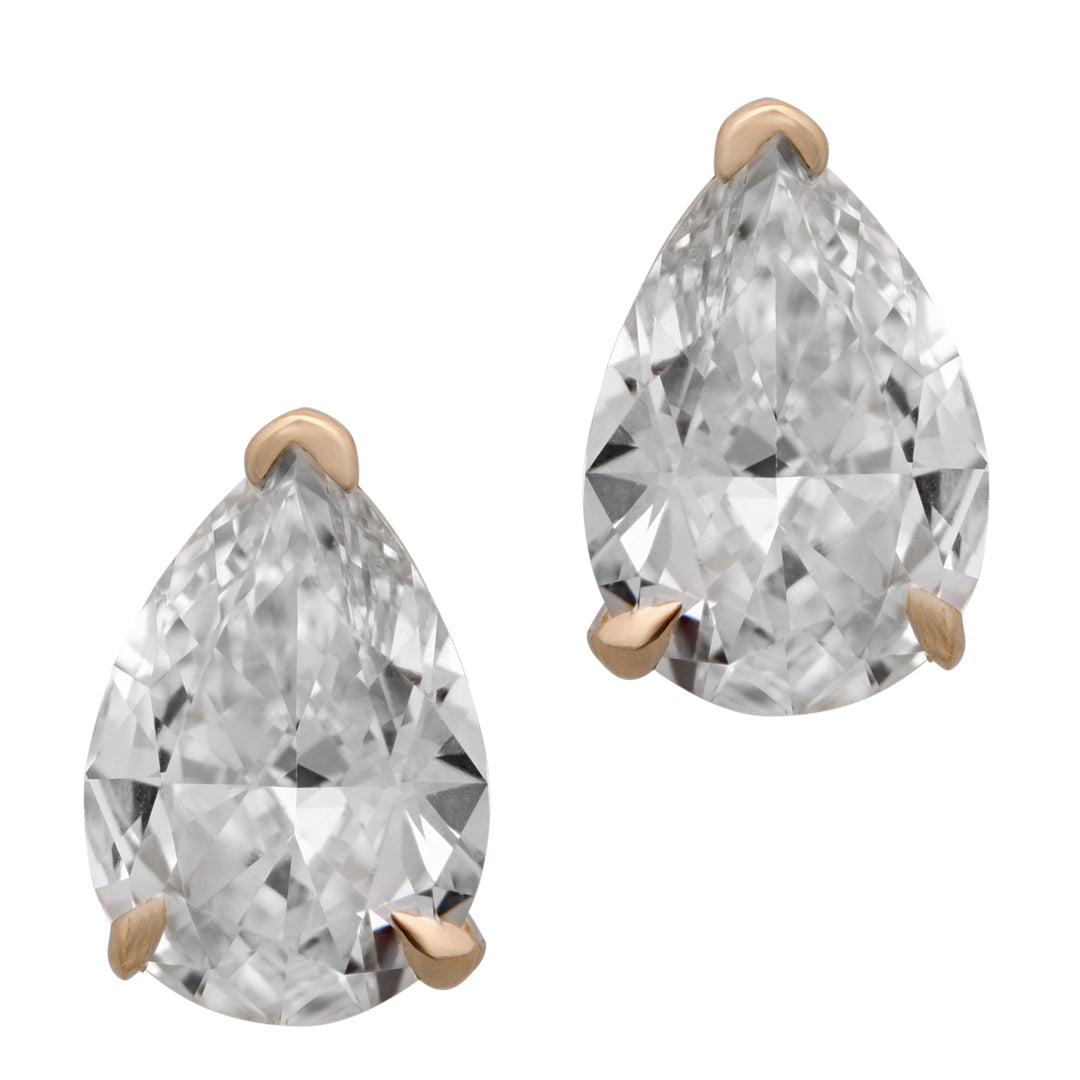
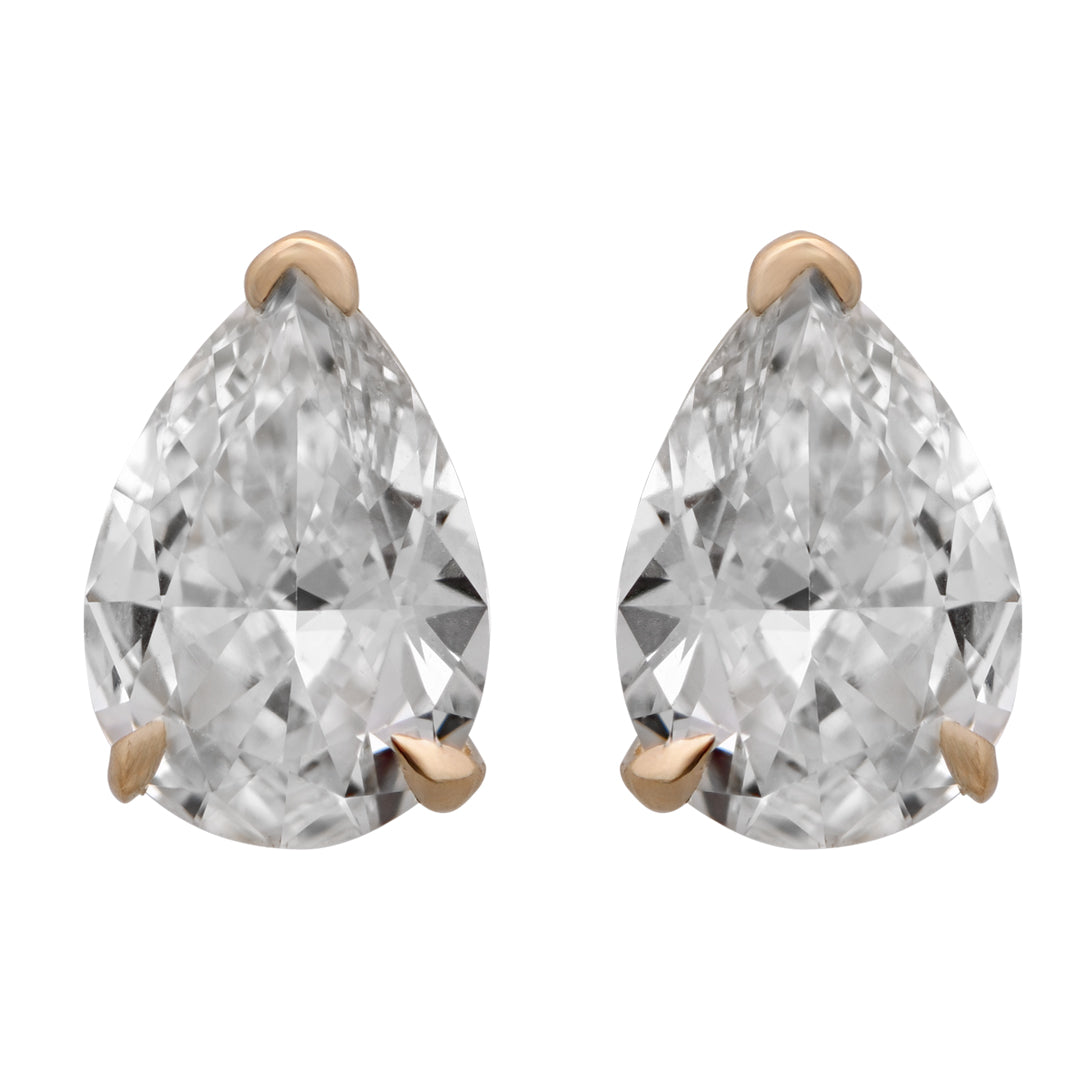
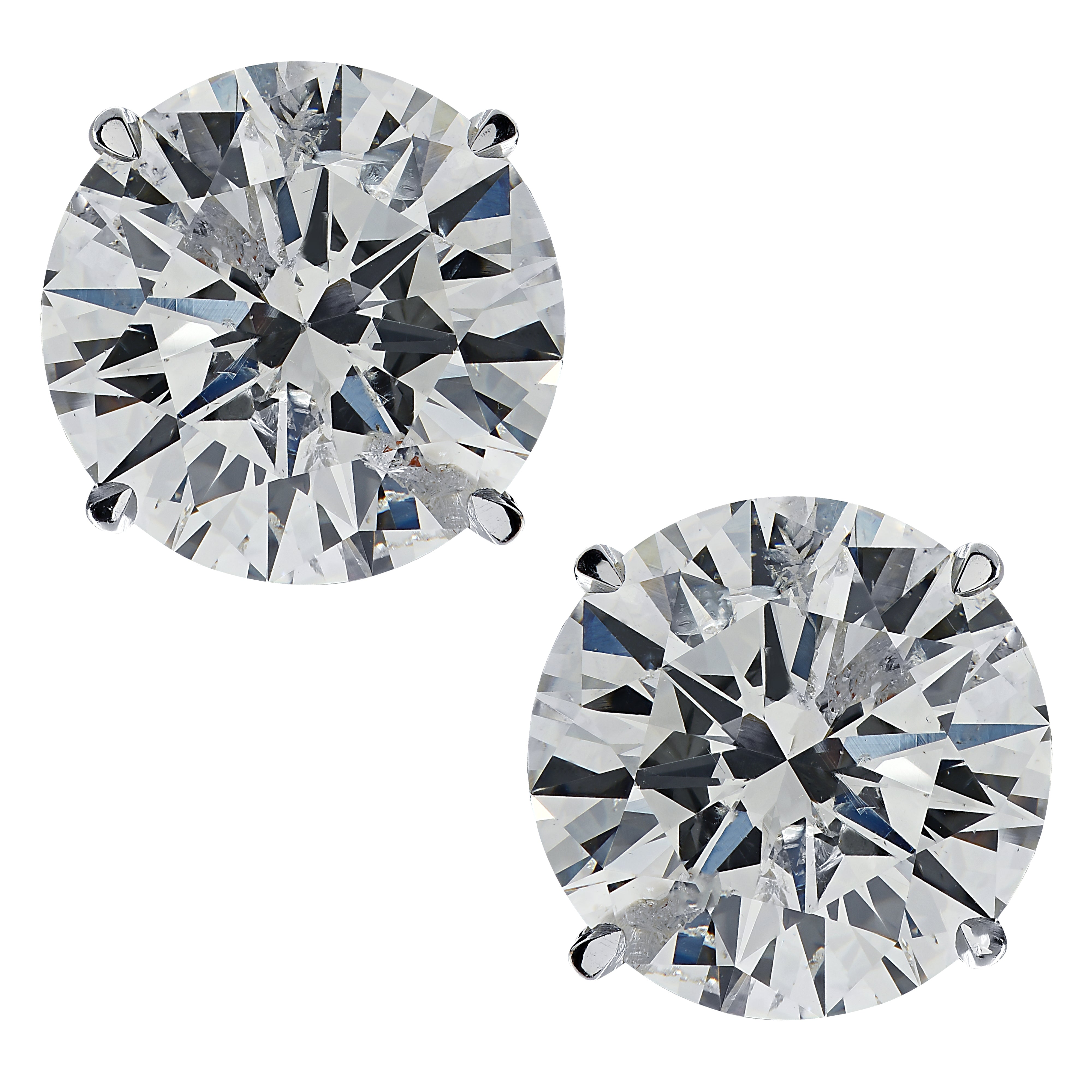
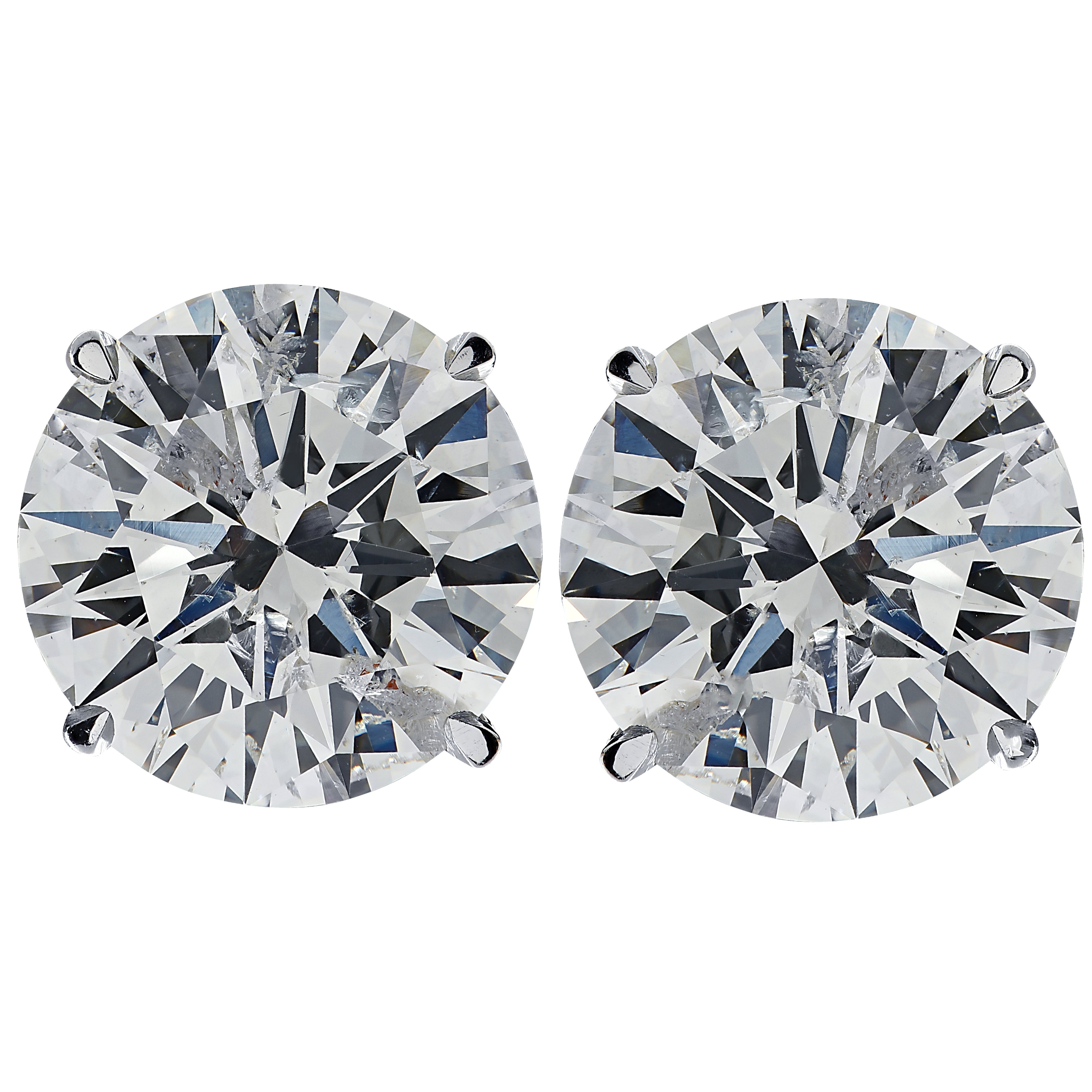
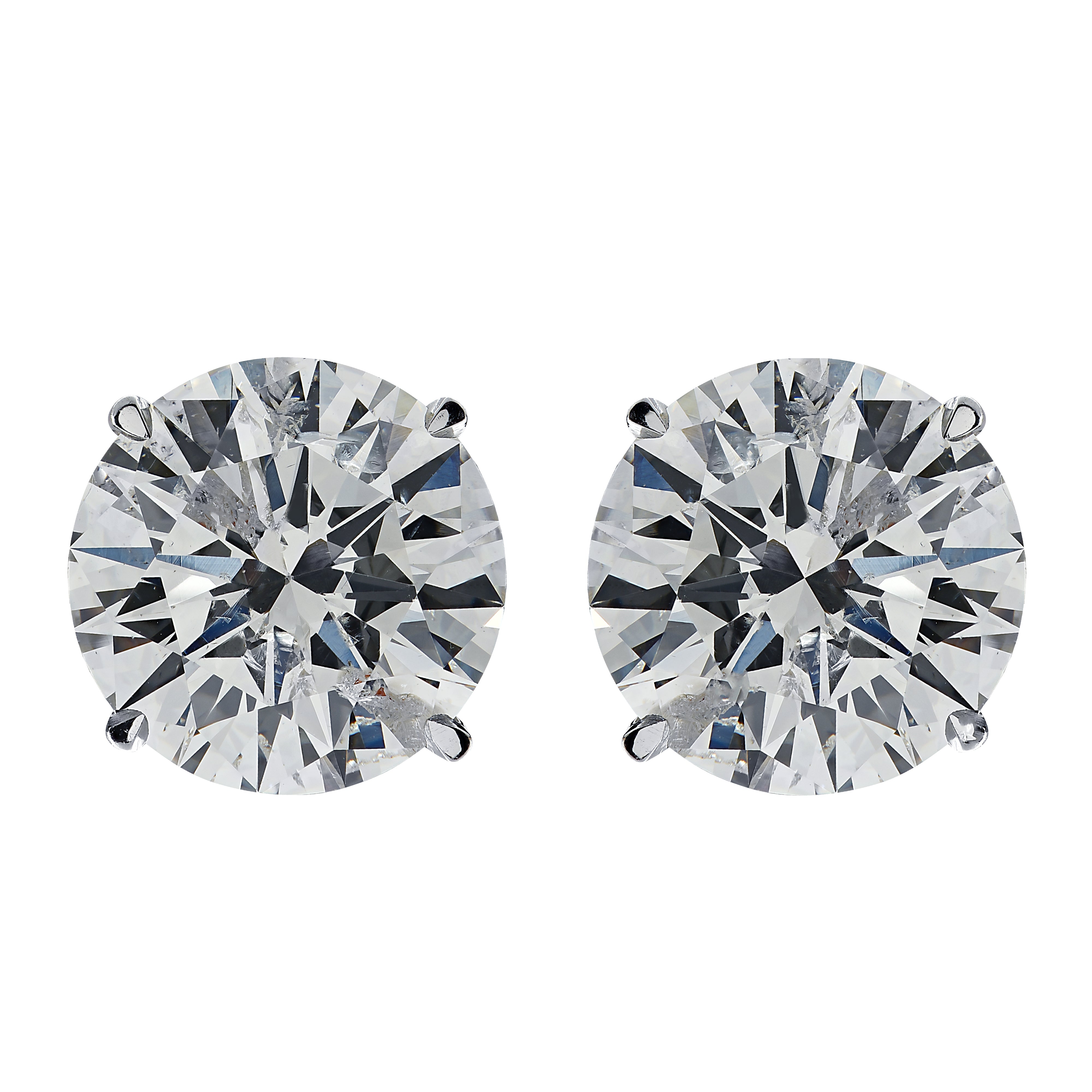
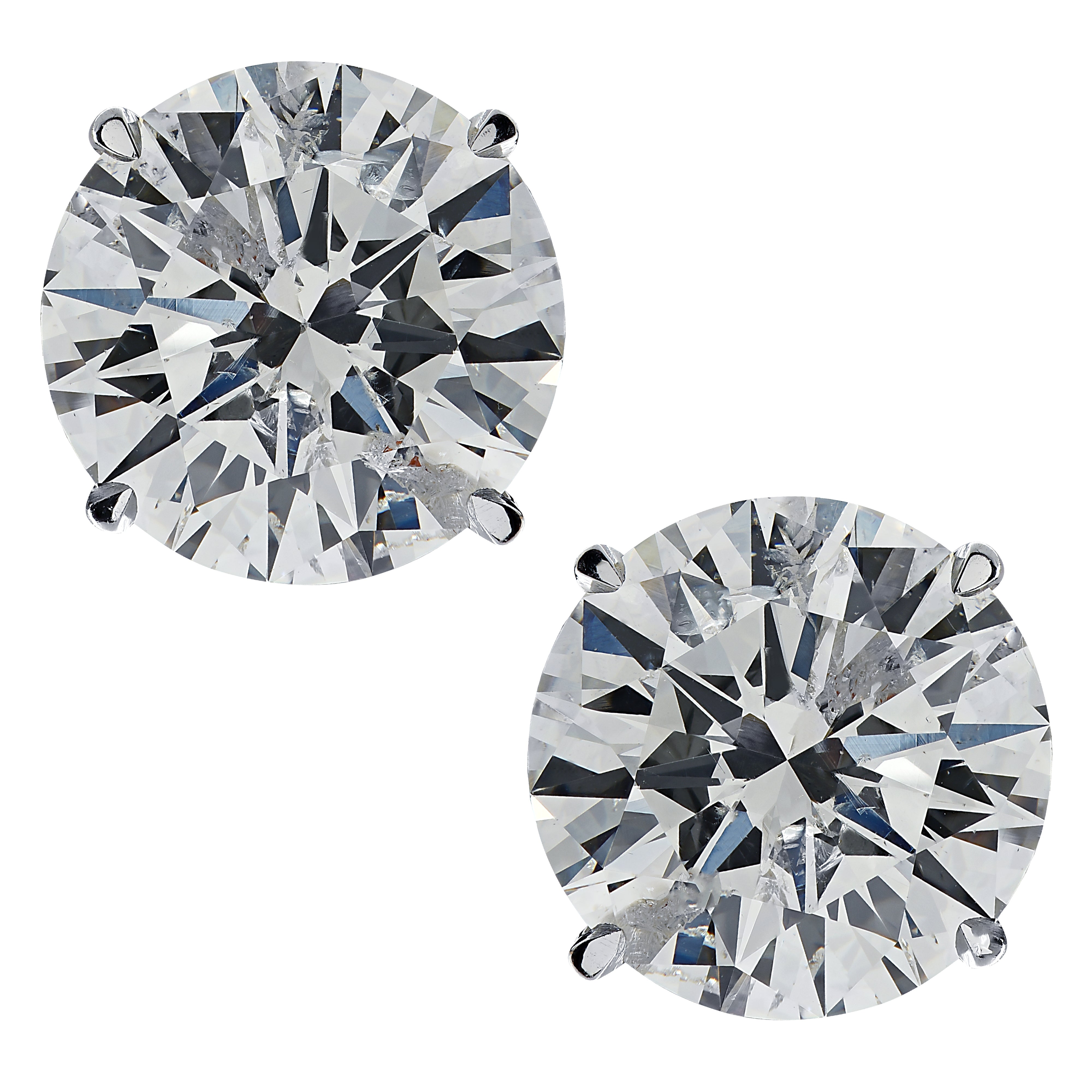
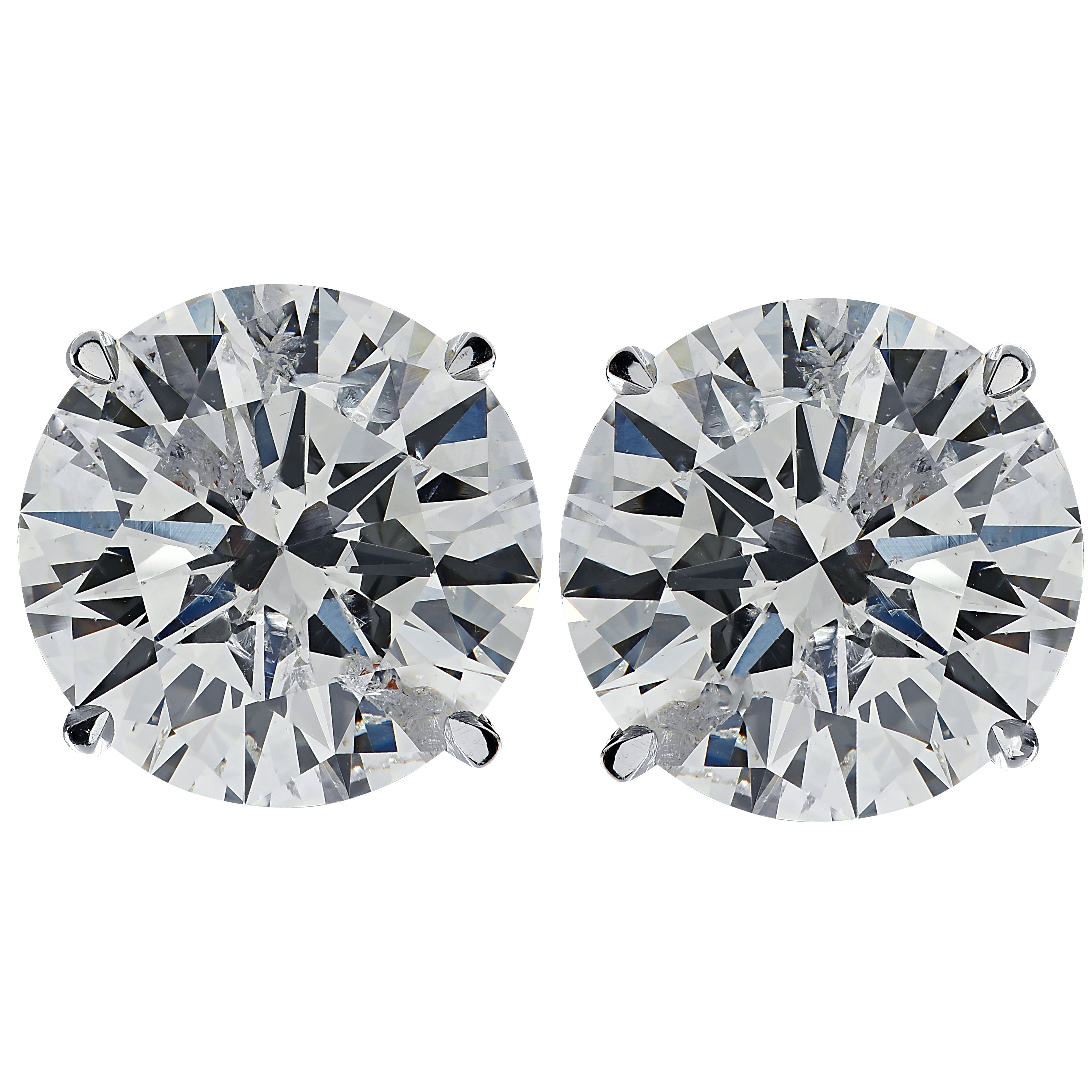
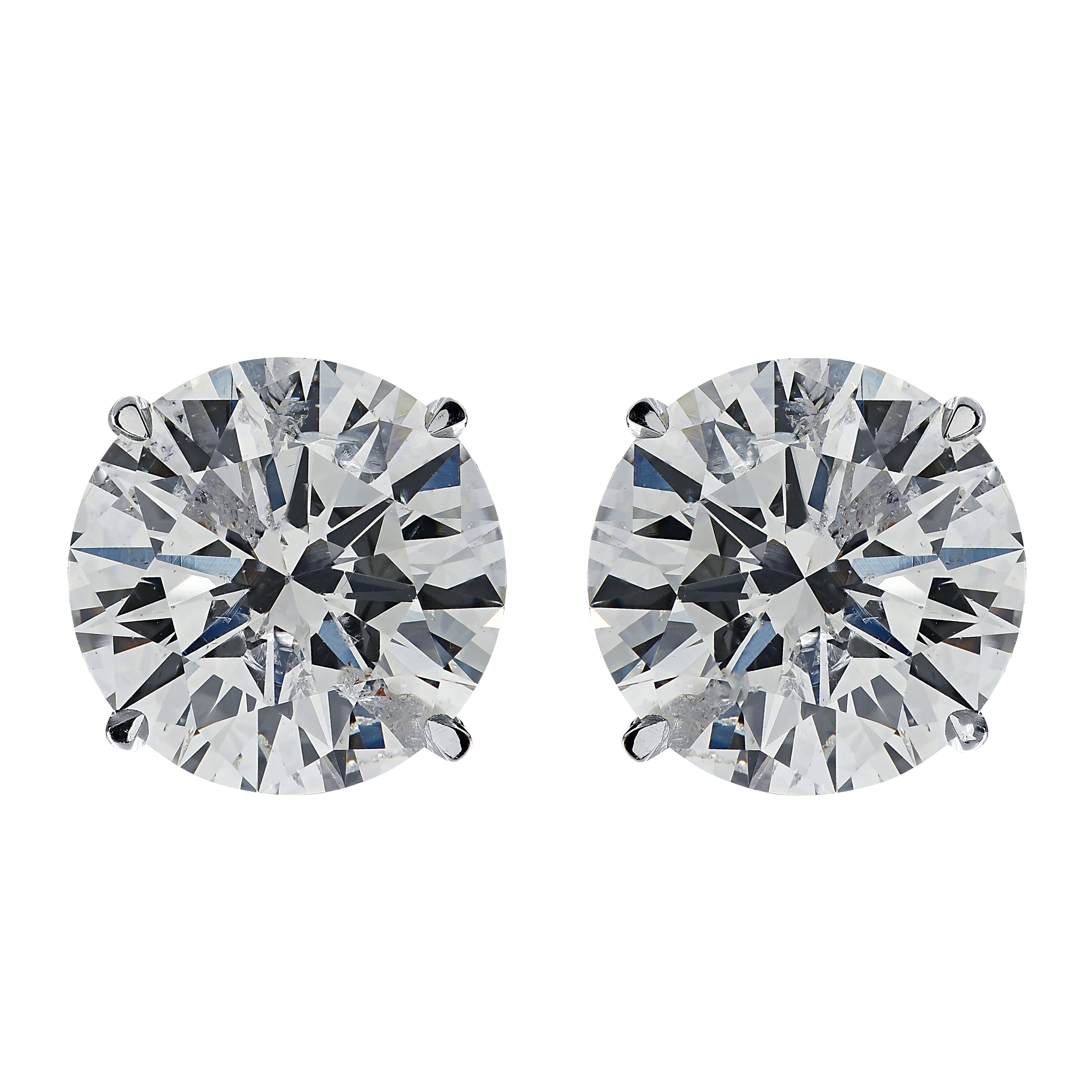
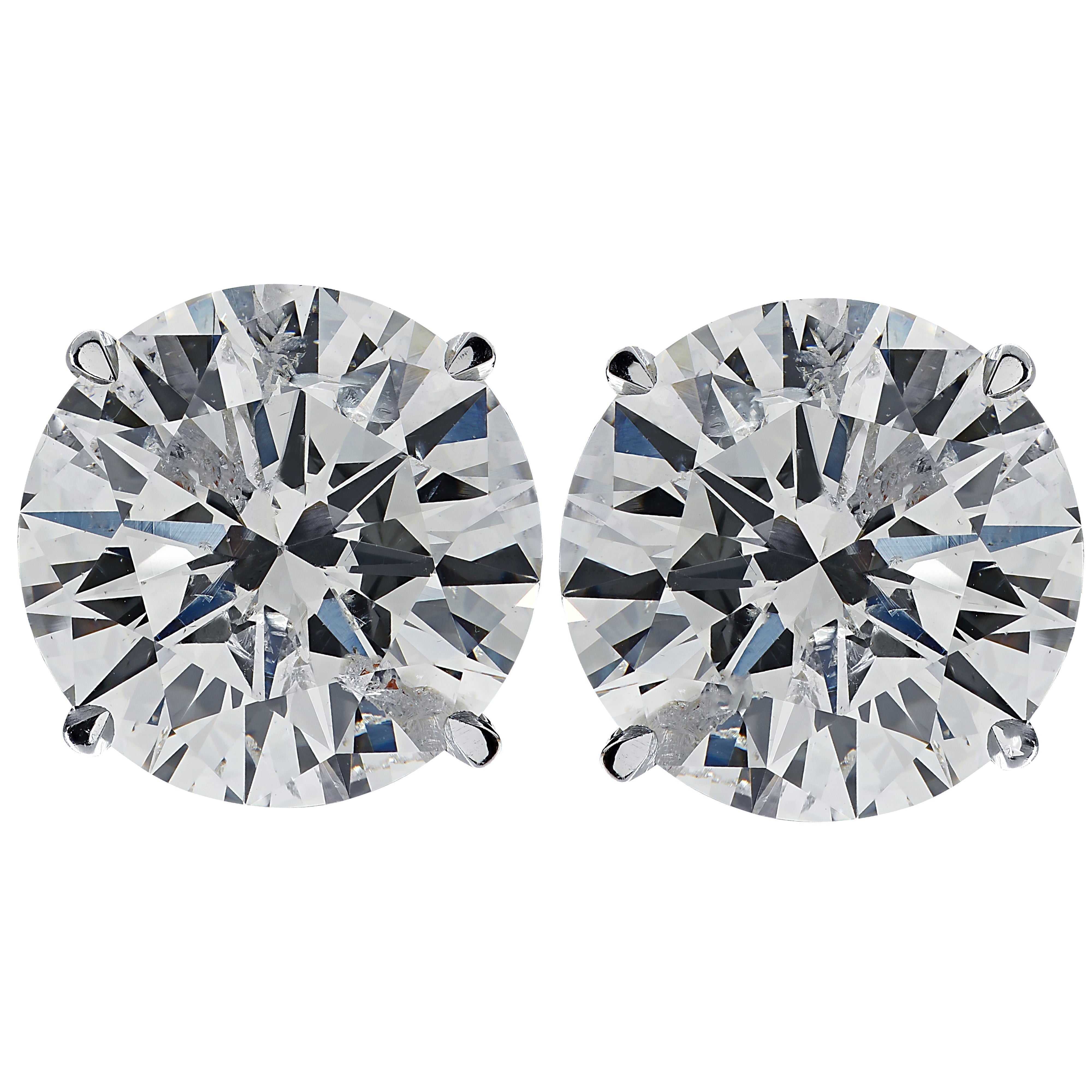
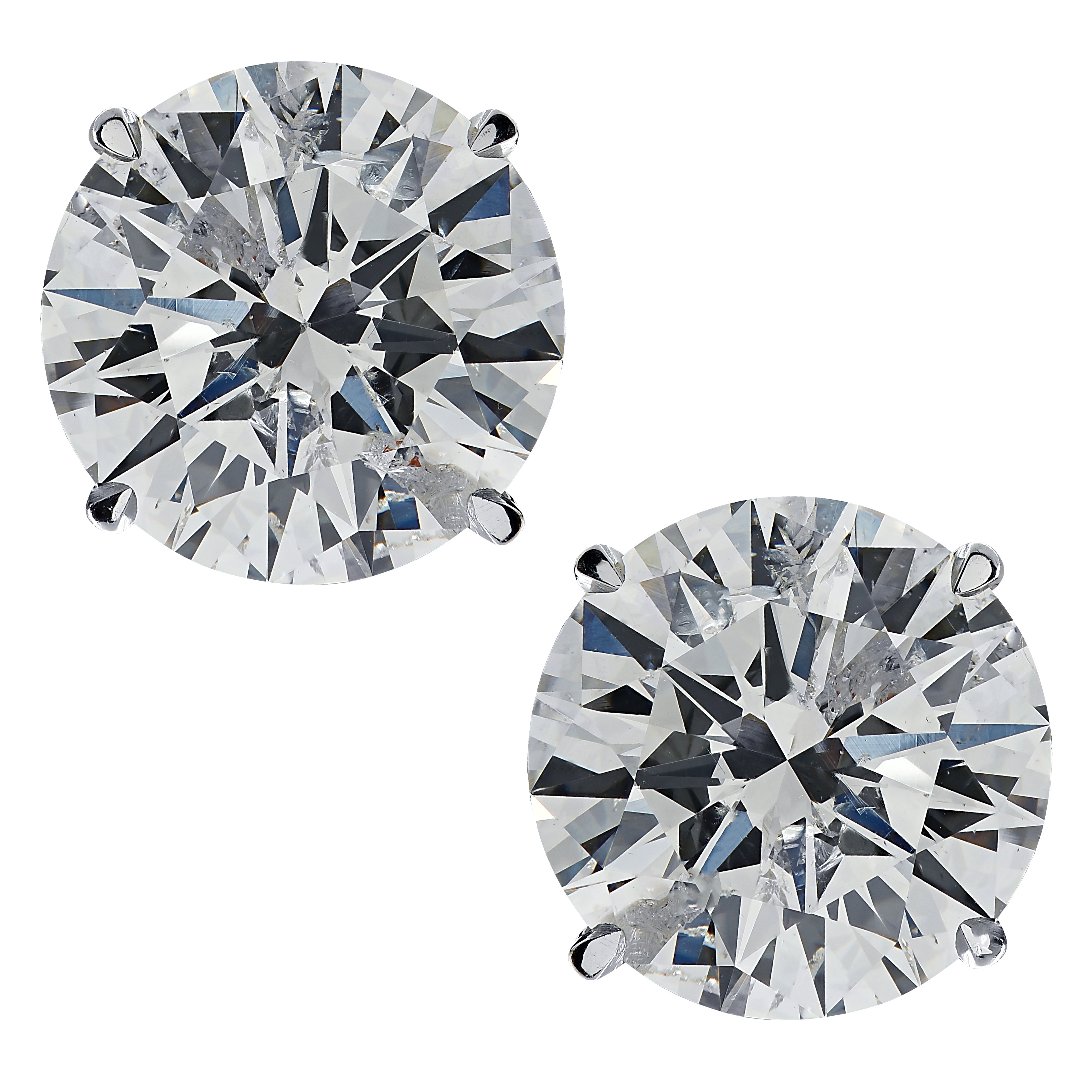
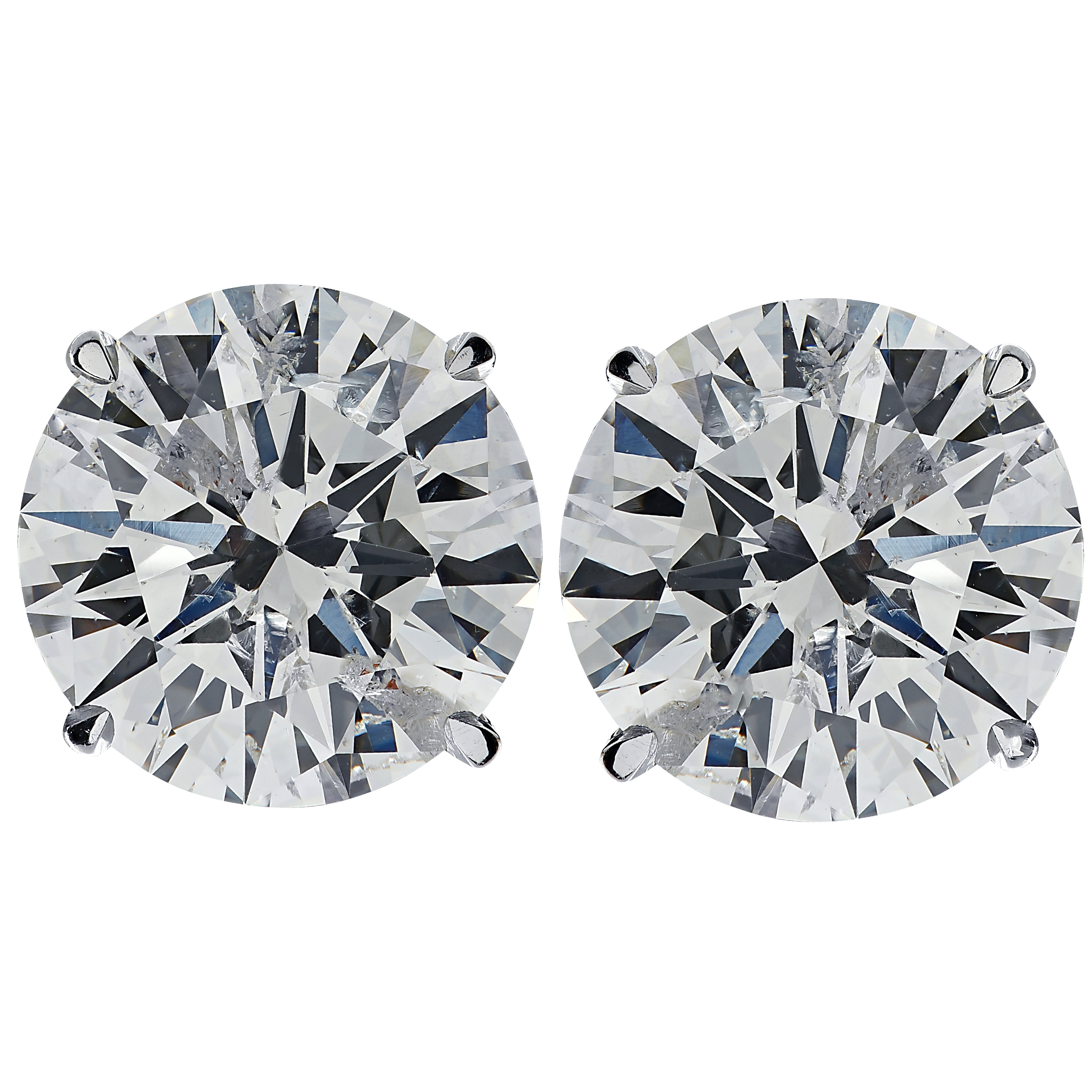
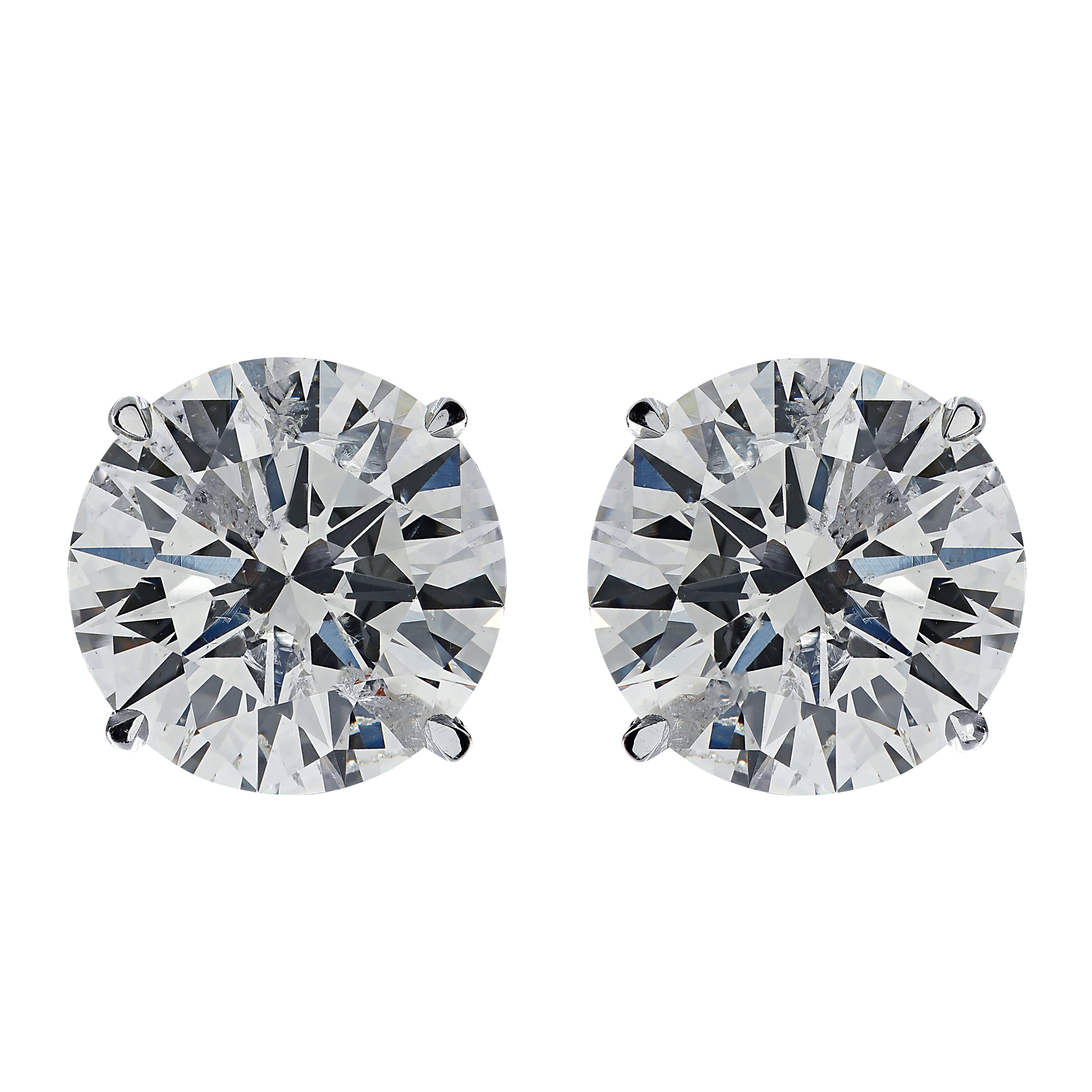
Solitaire earrings are exactly what they sound like: earrings built around a single focal stone. That stone might be a diamond, moissanite, sapphire, cubic zirconia, or another gem, but the design principle stays the same, one stone, one clear point of attention.
That simplicity is the magic. Because there's no heavy cluster, halo, or overly ornate framework competing for attention, solitaire earrings feel clean and balanced. They work with office wear, denim, wedding guest outfits, and basically everything in between.
They also resist dating themselves. Jewelry styles swing from maximalist to minimal, but a well-made solitaire sits outside that cycle. It's a little like a crisp white shirt or a tailored blazer: it can lean classic, modern, or understated depending on how we style it. And because solitaire designs let the stone and craftsmanship speak for themselves, they often look more expensive and refined than trendier pieces at the same price point.
Popular Types Of Solitaire Earrings And How They Differ
Not all solitaire earrings wear the same way. The main differences come down to silhouette, movement, and how visible we want them to be from a conversational distance.
Classic solitaire studs are the most versatile option. They sit close to the ear, feel secure, and suit almost every age and style preference. They're often the default choice for daily wear because they don't catch on clothing or hair as easily.
Solitaire drops offer a little more movement. Instead of resting directly on the lobe, the stone hangs slightly below it, which gives a softer, dressier effect. These can feel more elegant for dinners, weddings, or occasions when we want a touch more presence.
Then there are minimalist contemporary versions, sleek bezel-set styles, tiny geometric settings, or barely-there designs made for layering with multiple piercings. They keep the solitaire concept but give it a more modern edge.
Studs, Drops, And Everyday Minimalist Designs
If we're choosing between them, lifestyle matters as much as aesthetics. Studs are the easiest "put them in and forget them" option. They're great for workdays, travel, and people who prefer low-maintenance jewelry.
Drops bring more drama, even when the stone itself is small. They can elongate the neck visually and catch light beautifully when we move. The tradeoff is practicality: they're usually less ideal for sleeping, sports, or constant wear.
Minimalist solitaire earrings sit somewhere in the middle. A bezel-set stud, for example, often feels more modern and slightly more secure than a traditional prong setting. Tiny solitaires in mixed metals or unusual cuts can also make everyday jewelry feel more personal without becoming flashy.
How To Choose The Right Solitaire Earrings For Face Shape, Metal, And Stone
A good pair of solitaire earrings should feel flattering before they feel impressive. Face shape can help us narrow the field. Round faces often pair nicely with slightly elongated drops or angular settings that add definition. Oval faces are lucky, most styles work well. Heart-shaped faces can look especially balanced with softer drops or medium-sized studs, while square faces often suit rounded stones that soften strong lines.
Metal matters too. Yellow gold tends to feel warm and classic. White gold and platinum read cooler and cleaner. Rose gold adds softness and can be especially pretty on warmer or neutral skin tones. If we already wear a lot of one metal in rings or necklaces, matching that can make our jewelry wardrobe feel cohesive.
As for stone choice, diamonds remain the benchmark for brilliance and durability, ranking 10 on the Mohs scale. Moissanite offers impressive sparkle at a lower cost. Lab-grown diamonds are also increasingly popular in 2026 because they deliver the same chemical composition as mined diamonds with a different sourcing story. The best choice usually isn't the most expensive one, it's the one we'll feel good wearing often.
How To Judge Quality, Comfort, And Setting Security Before You Buy
When we shop for solitaire earrings, the stone tends to get all the attention, but comfort and construction are what determine whether we'll actually love wearing them.
Start with the setting. Prong settings show off more of the stone and allow lots of light in, which boosts sparkle. But the prongs should be even, smooth, and tight. Bezel settings wrap the stone in metal, giving a sleek look and strong protection. They're often a smart pick for everyday wear.
Next, check the earring backs. Friction backs are common and convenient, but they should fit snugly. Screw backs can add peace of mind for valuable stones. For drop styles, the hook or latch should close cleanly without feeling flimsy.
Comfort comes down to weight, post placement, and finish. Earrings that are too heavy can pull on the lobe and end up sitting awkwardly. Posts should feel centered enough to keep the stone facing forward. And if we have sensitive skin, nickel-free metals like platinum, solid gold, or high-quality surgical metals are worth prioritizing.
A small detail that matters: look at the pair side by side. The stones should match closely in size, color, and brilliance. That's one of those quiet signs of quality.
How To Style Solitaire Earrings For Daily Wear And Special Occasions
One reason solitaire earrings have lasted so long is that they don't force us into one styling lane. For everyday outfits, small to medium solitaire studs are hard to beat. They add enough shine to sharpen a simple sweater, button-down, or white tee without making us feel overdone at 9 a.m.
For work, solitaire earrings pair beautifully with structured pieces, blazers, fine knits, crisp collars. They give polish without distraction, which is useful if we want our accessories to support the look rather than dominate it.
For special occasions, we can scale up. Larger stones, drop solitaires, or a more distinctive cut can bring extra elegance to cocktail dresses, wedding looks, or eveningwear. If the earrings are doing more of the work, we can keep the necklace minimal and let the face stay the focal point.
And if we have multiple piercings, solitaire earrings are fantastic anchor pieces. A main solitaire stud with tiny hoops or plain metal huggies creates that layered, curated effect people love right now, still refined, not cluttered.
How To Clean, Store, And Maintain Solitaire Earrings
Even the prettiest solitaire earrings lose their magic when lotion, oil, and everyday grime dull the stone. The good news: basic care goes a long way.
For routine cleaning at home, we can soak the earrings briefly in warm water with a little mild dish soap, then use a very soft toothbrush to clean around the setting. Rinse well and dry with a lint-free cloth. That's often enough to bring back noticeable sparkle. Harsh chemicals, abrasive cleaners, and rough paper towels are best avoided.
Storage matters more than people think. Solitaire earrings should be kept in a soft-lined jewelry box, pouch, or separate compartment so the stones and metal don't scratch against other pieces. Studs are especially easy to lose, so keeping backs attached helps.
Maintenance is mostly about checking the setting from time to time. If a stone starts to rattle, tilt, or catch on fabric, stop wearing the earrings until a jeweler inspects them. A quick professional cleaning and prong check once or twice a year can prevent a much more painful problem: losing the stone altogether.
Solitaire earrings don't ask for much. But they do reward consistency.
Solitaire Earrings Frequently Asked Questions
What are solitaire earrings and why are they considered timeless?
Solitaire earrings feature a single focal stone set simply, offering a clean, balanced look. Their minimalistic design resists dating by trends, making them versatile and enduring, suitable for casual and formal wear alike.
What types of solitaire earrings are most popular and how do they differ?
Popular types include classic studs that sit close to the ear for everyday wear, solitaire drops that hang below the lobe offering elegance and movement, and minimalist contemporary designs with sleek settings. Each differs in silhouette, visibility, and practicality.
How do I choose the right solitaire earrings based on face shape, metal, and stone?
Round faces suit elongated drops or angular settings; oval faces fit most styles; heart-shaped faces benefit from soft drops or medium studs; square faces look good with rounded stones. Metals like yellow gold feel classic, white gold or platinum offer a cooler tone, and stone choice depends on sparkle and budget.
What should I check to ensure quality, comfort, and security when buying solitaire earrings?
Examine the setting—prong settings for sparkle or bezel settings for protection. Check earring backs for snugness or secure screw backs. Comfort depends on weight and post placement. Also, ensure stones match in size, color, and brilliance for quality.
How can solitaire earrings be styled for everyday wear and special occasions?
Small to medium studs enhance casual and office wear without overwhelming. Larger stones or drop styles add elegance for weddings or events. They also pair well as anchor pieces with other earrings for a layered look that’s refined yet stylish.
What is the best way to clean and maintain solitaire earrings?
Clean by soaking briefly in warm, soapy water and gently brushing with a soft toothbrush. Rinse and dry with a lint-free cloth. Store separately in soft-lined boxes to prevent scratches. Regularly check settings and have a jeweler inspect and clean them professionally yearly to avoid losing stones.