Chanel Jewelry
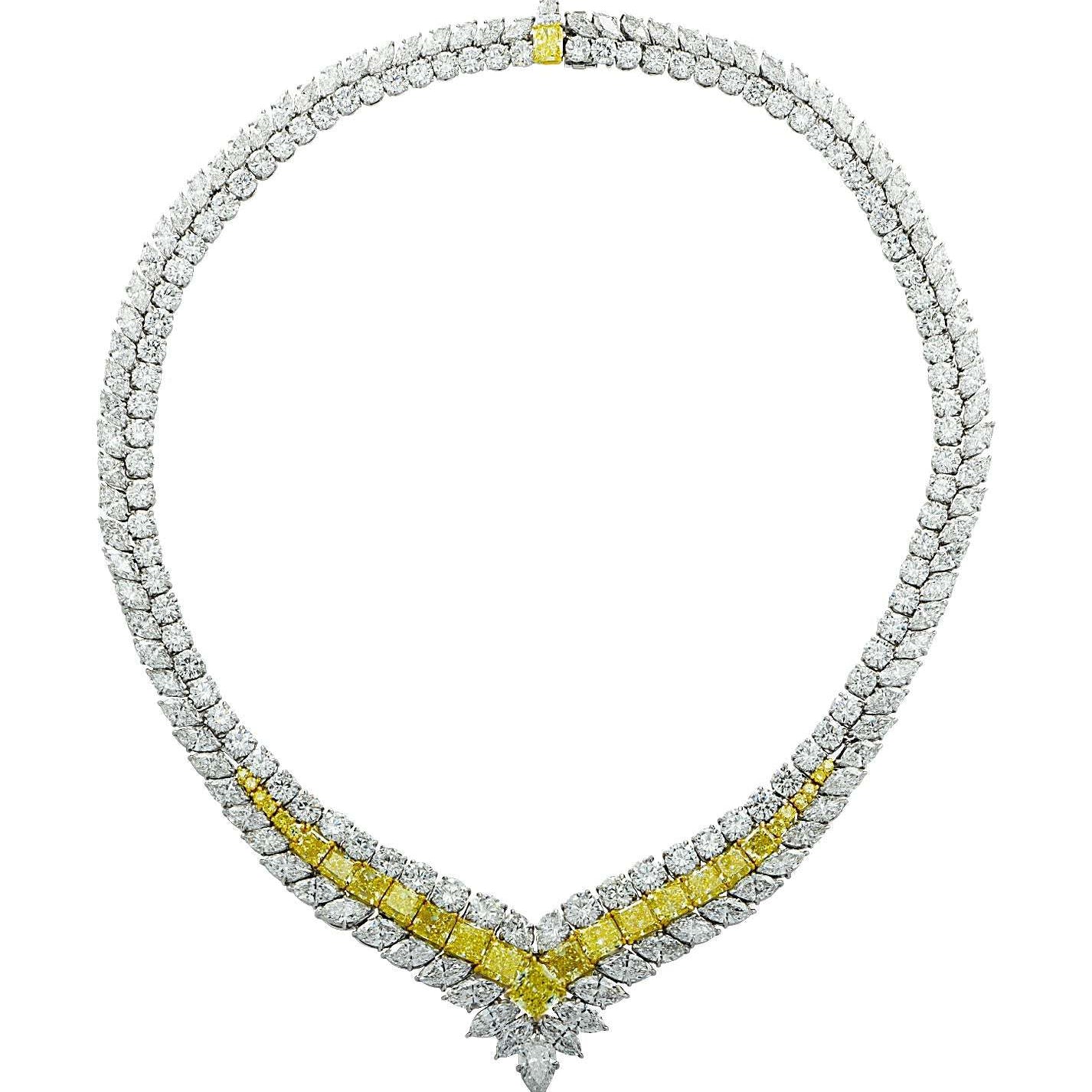
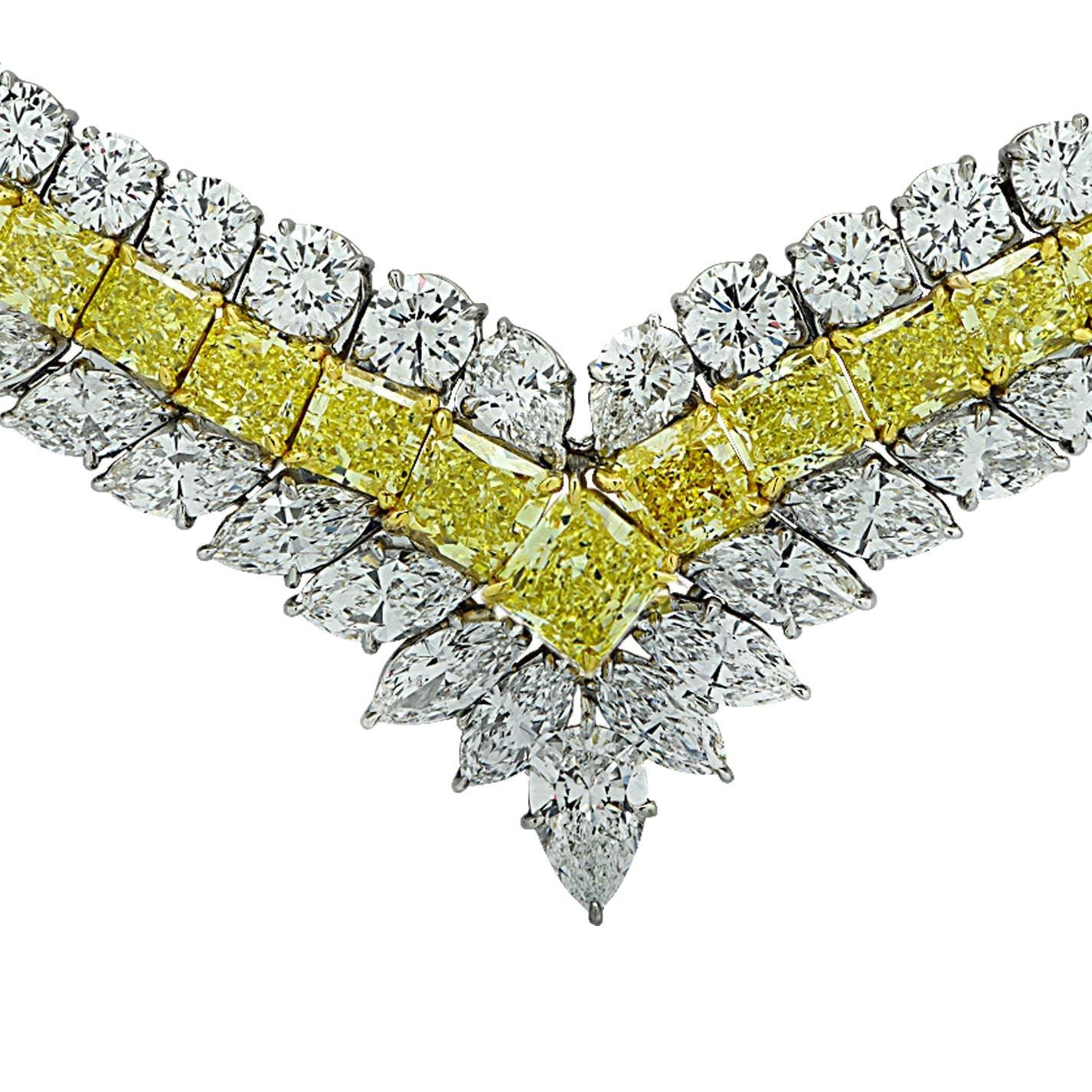
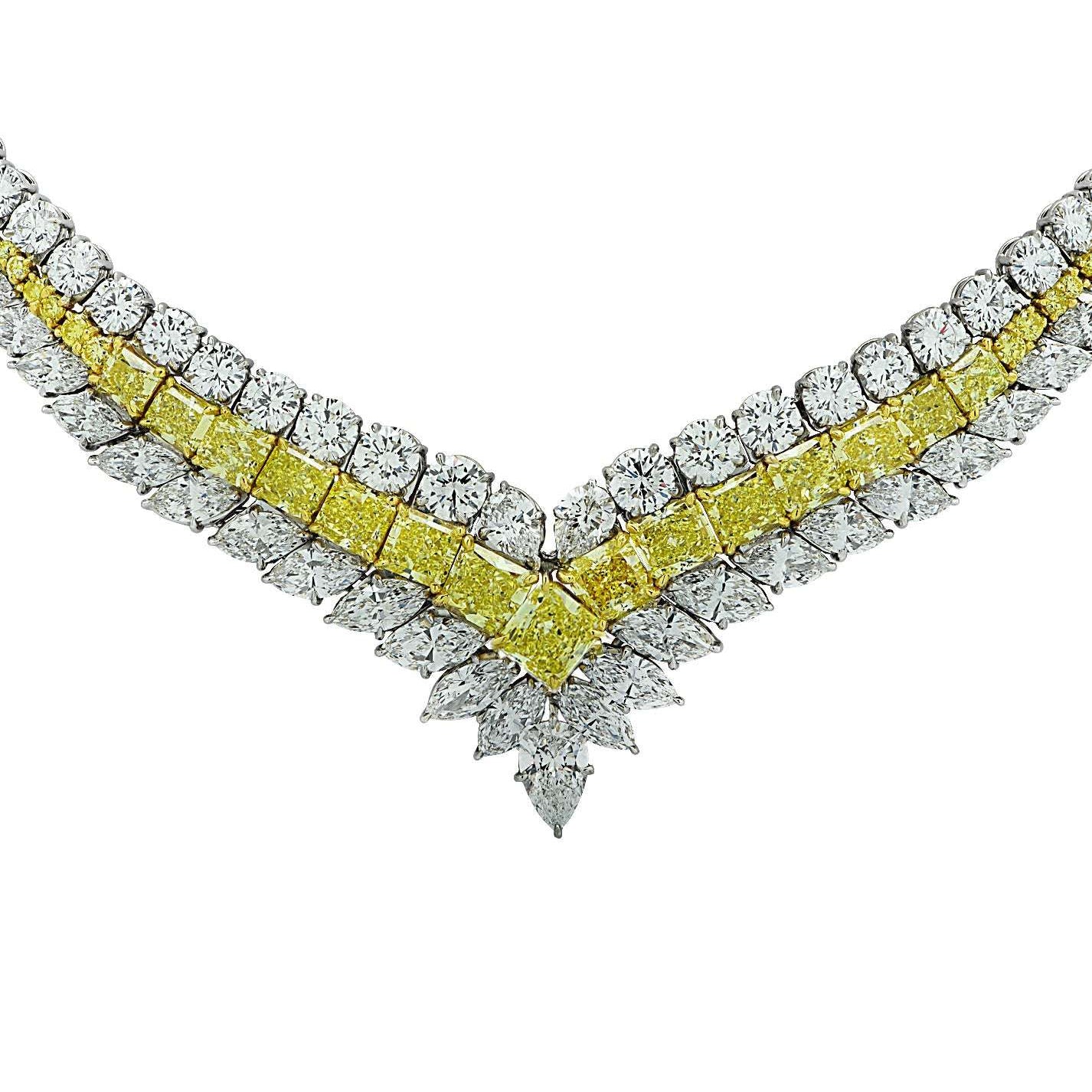
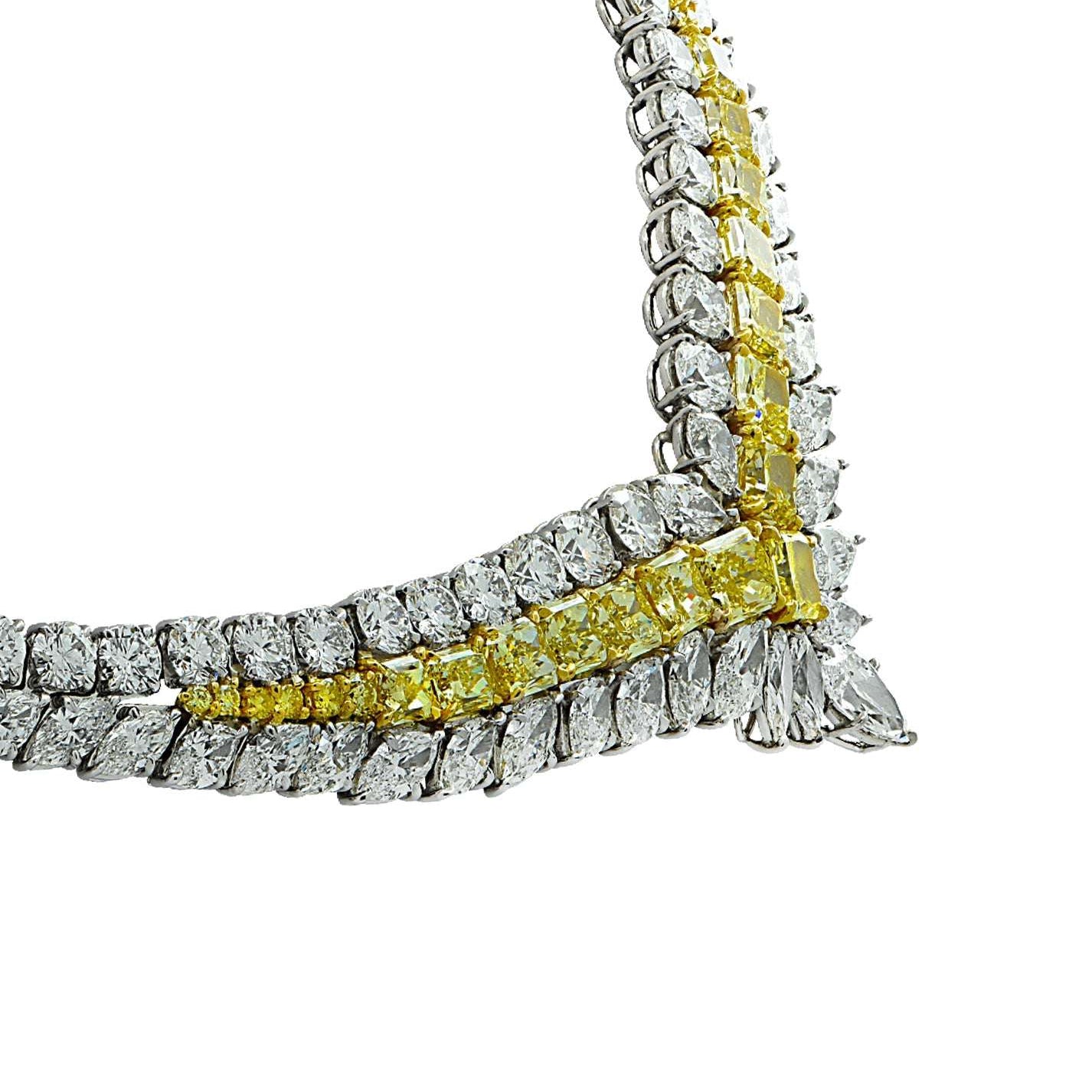
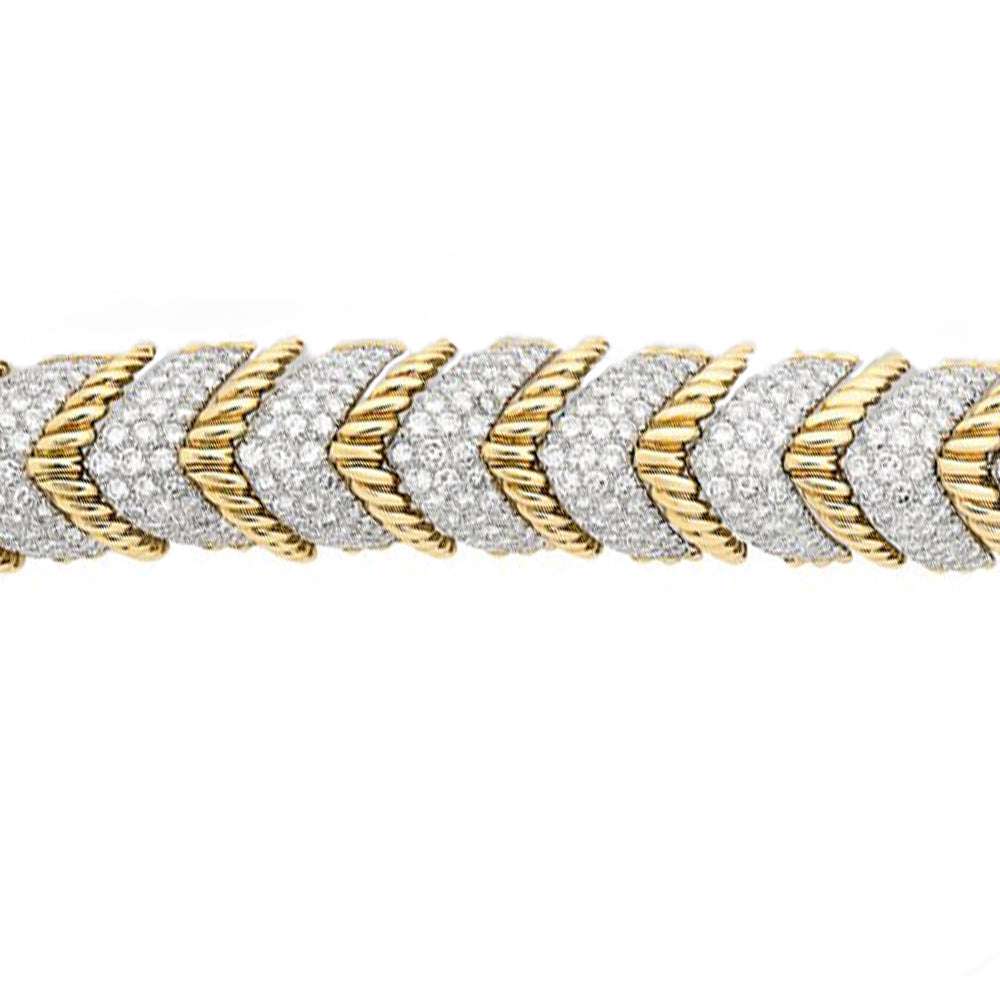
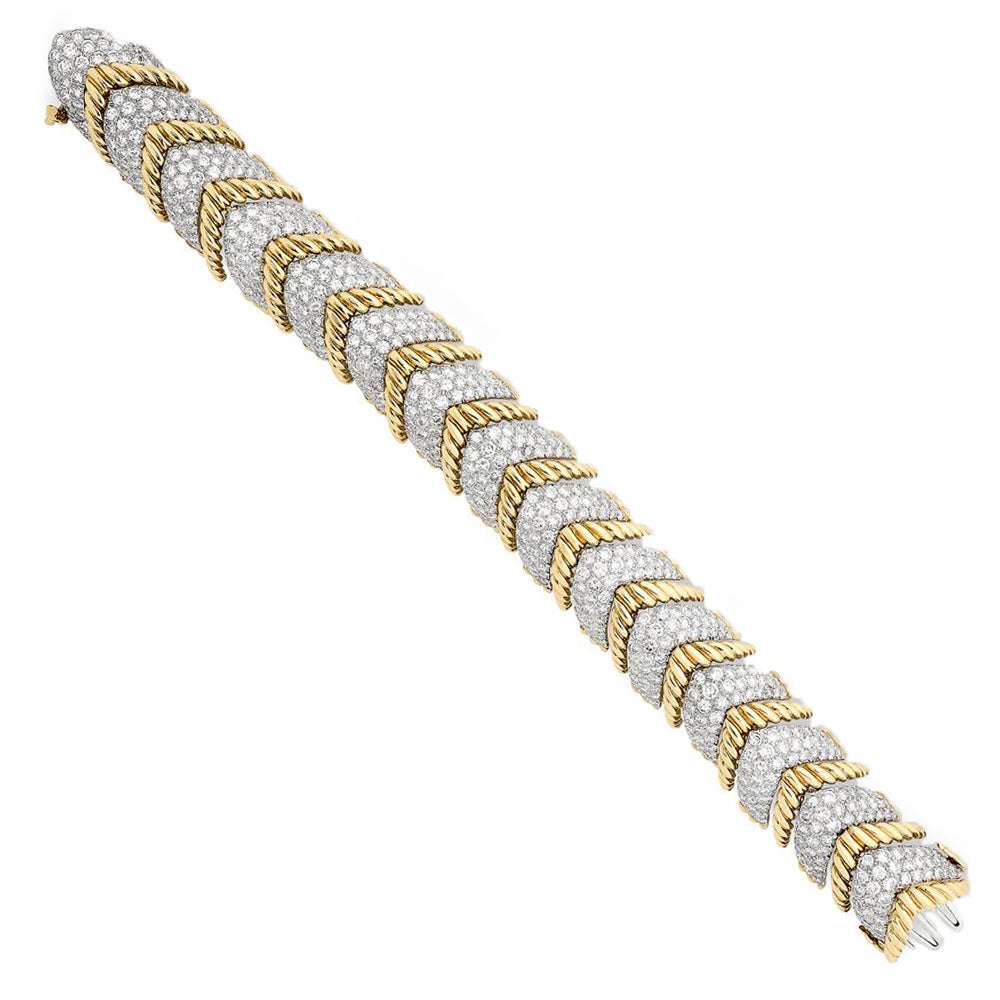
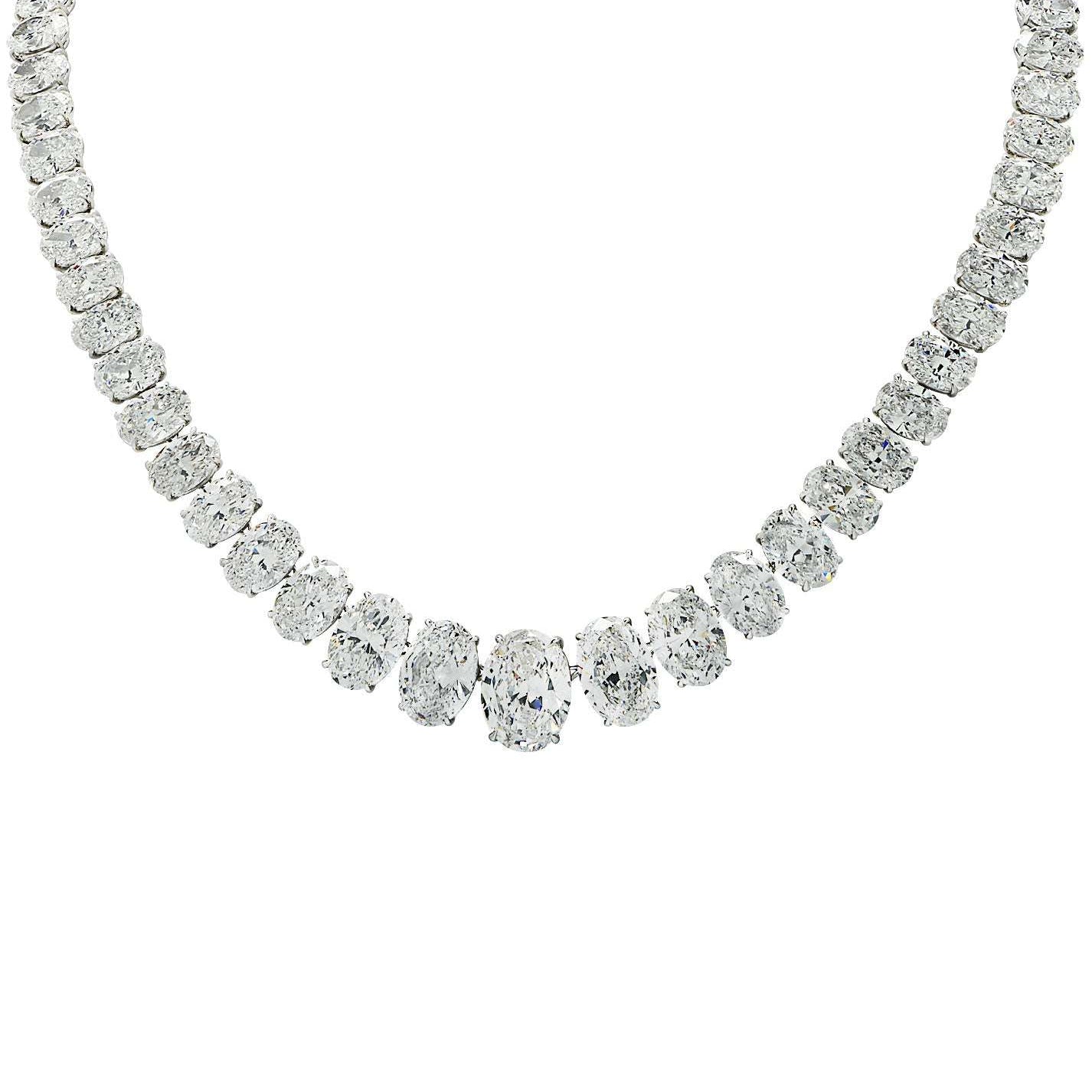
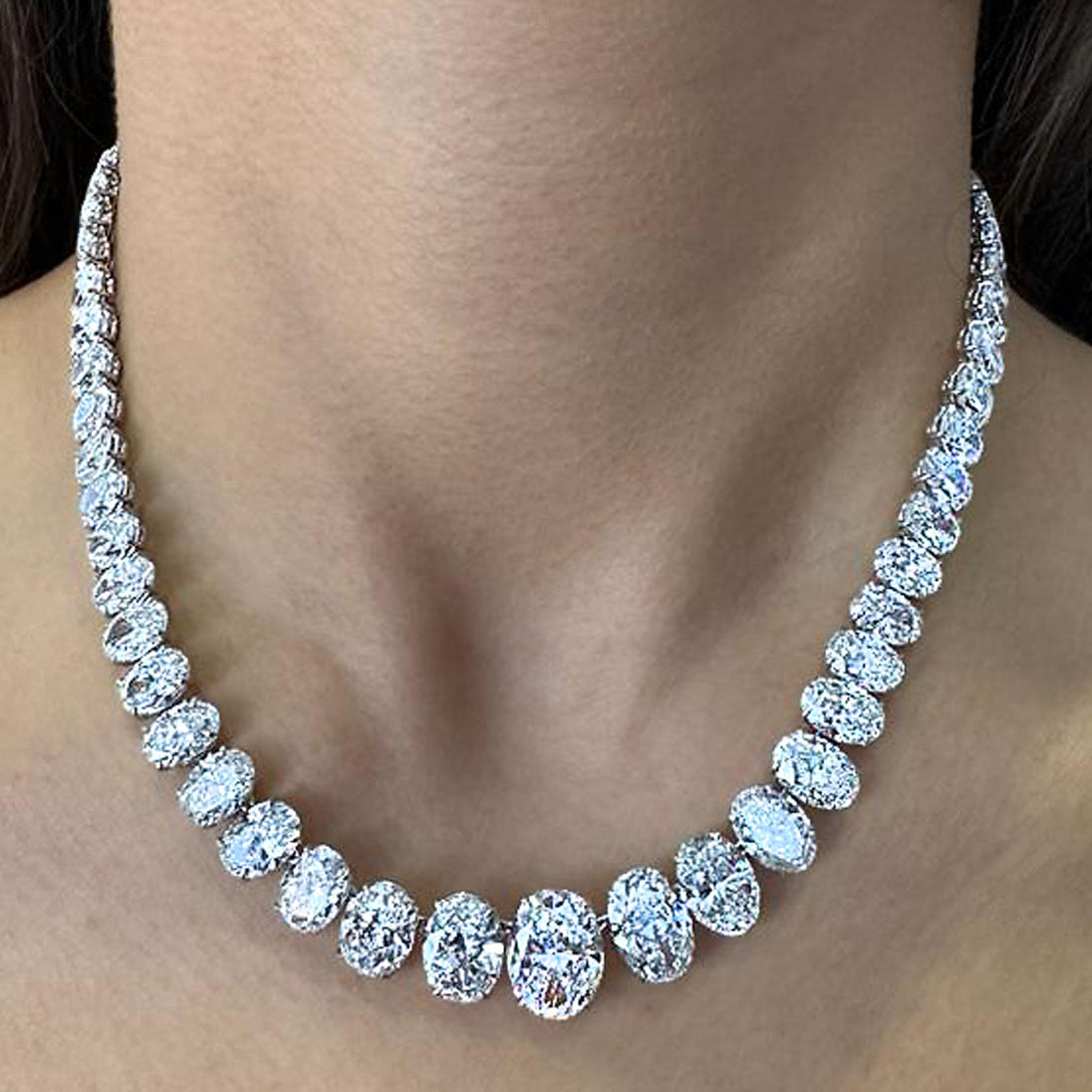
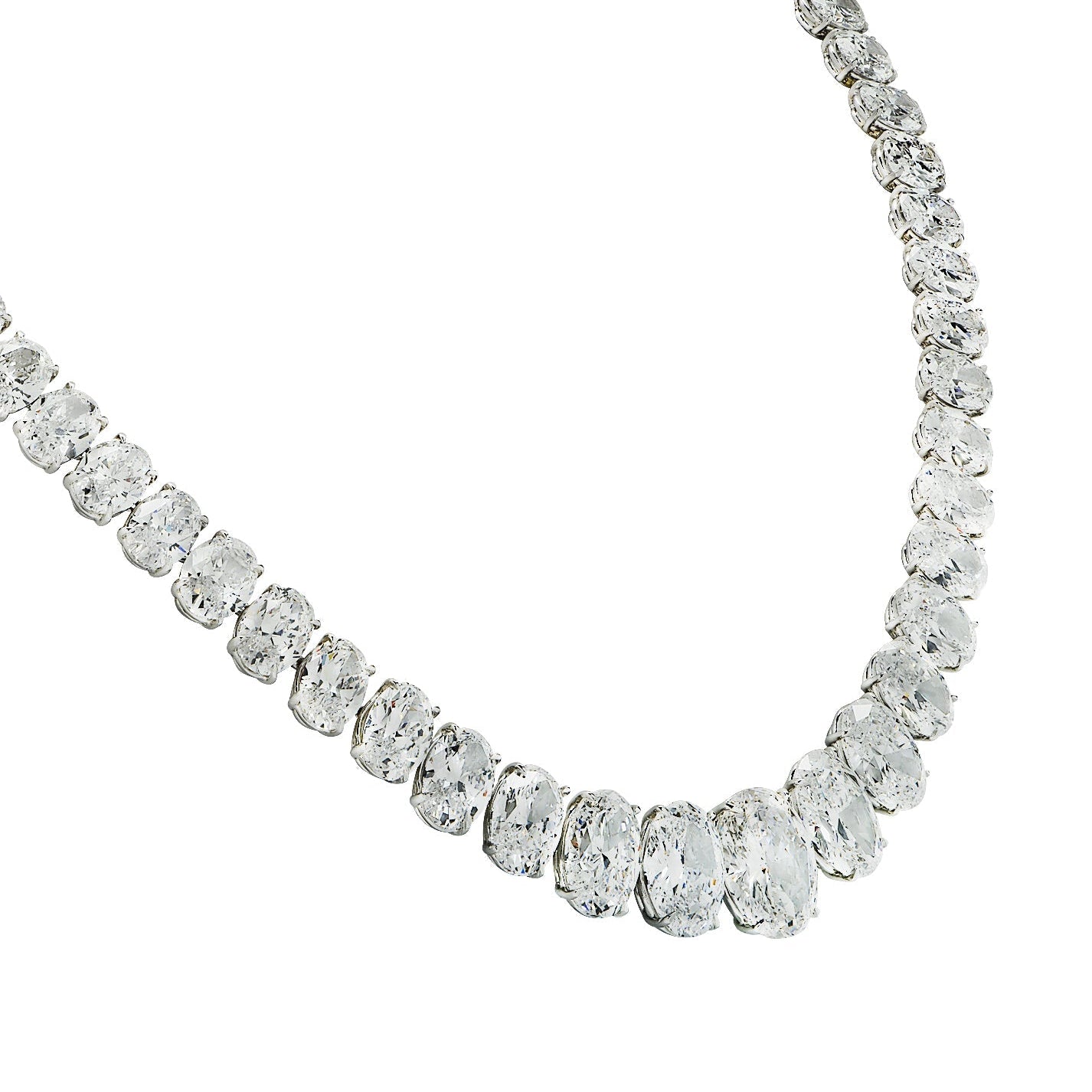
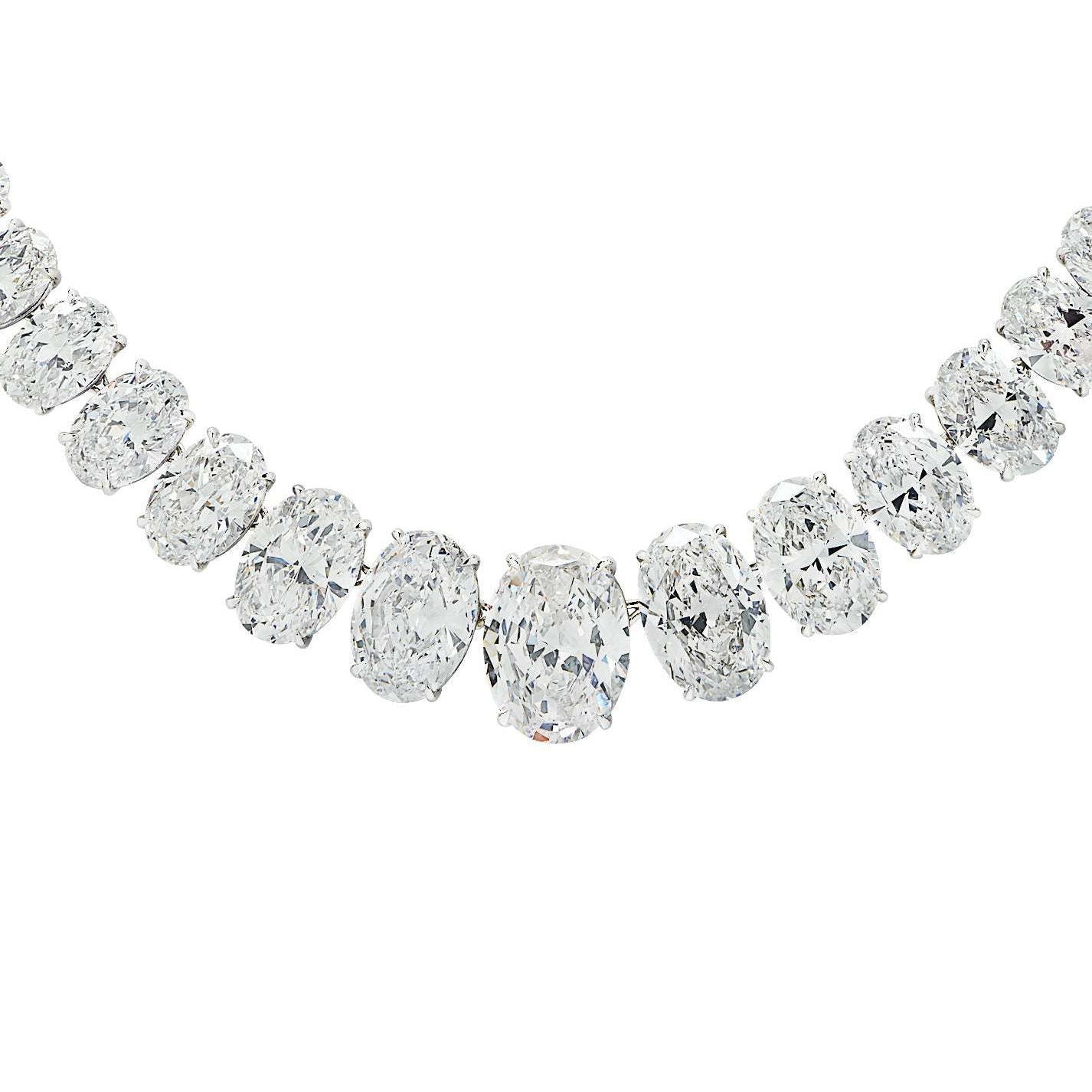
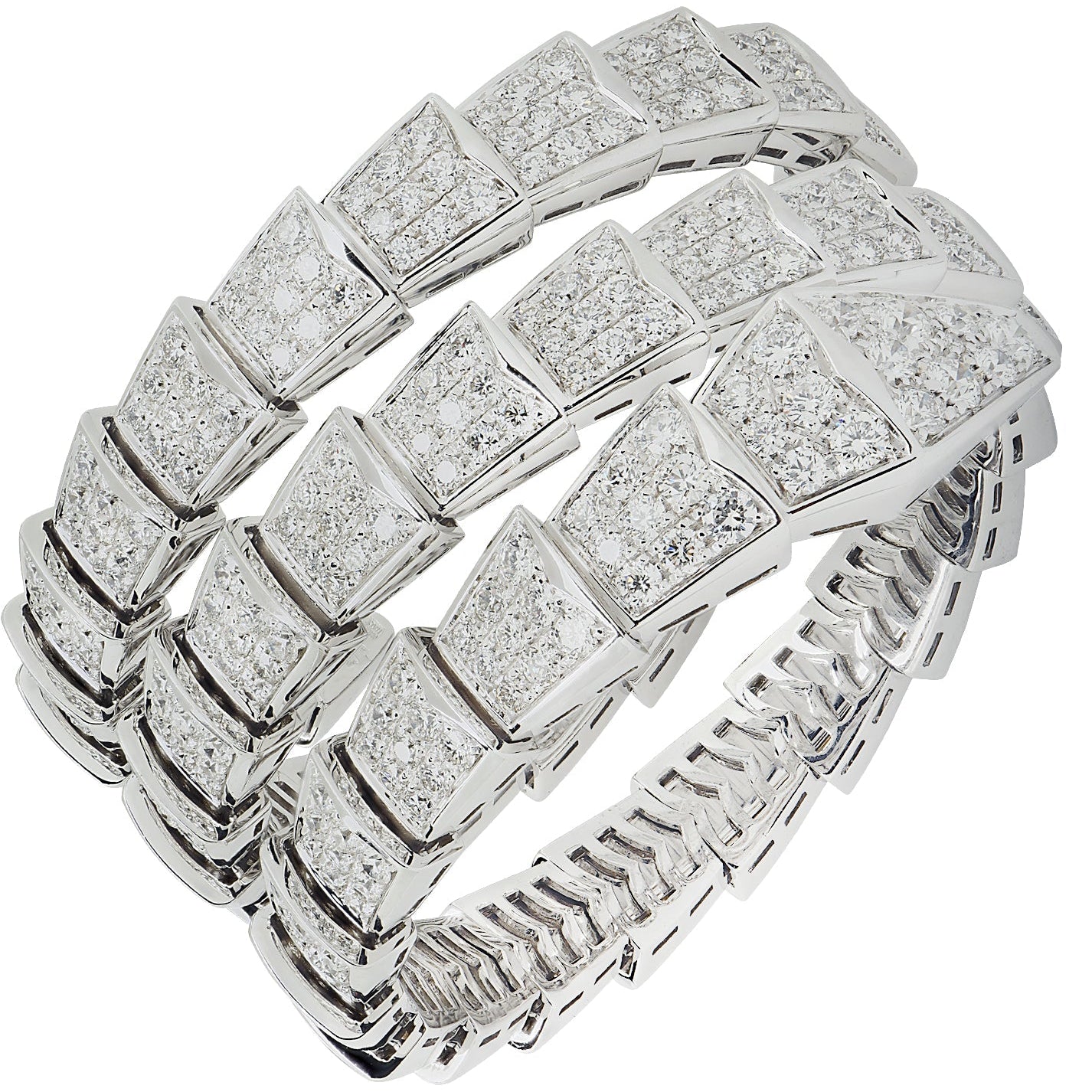
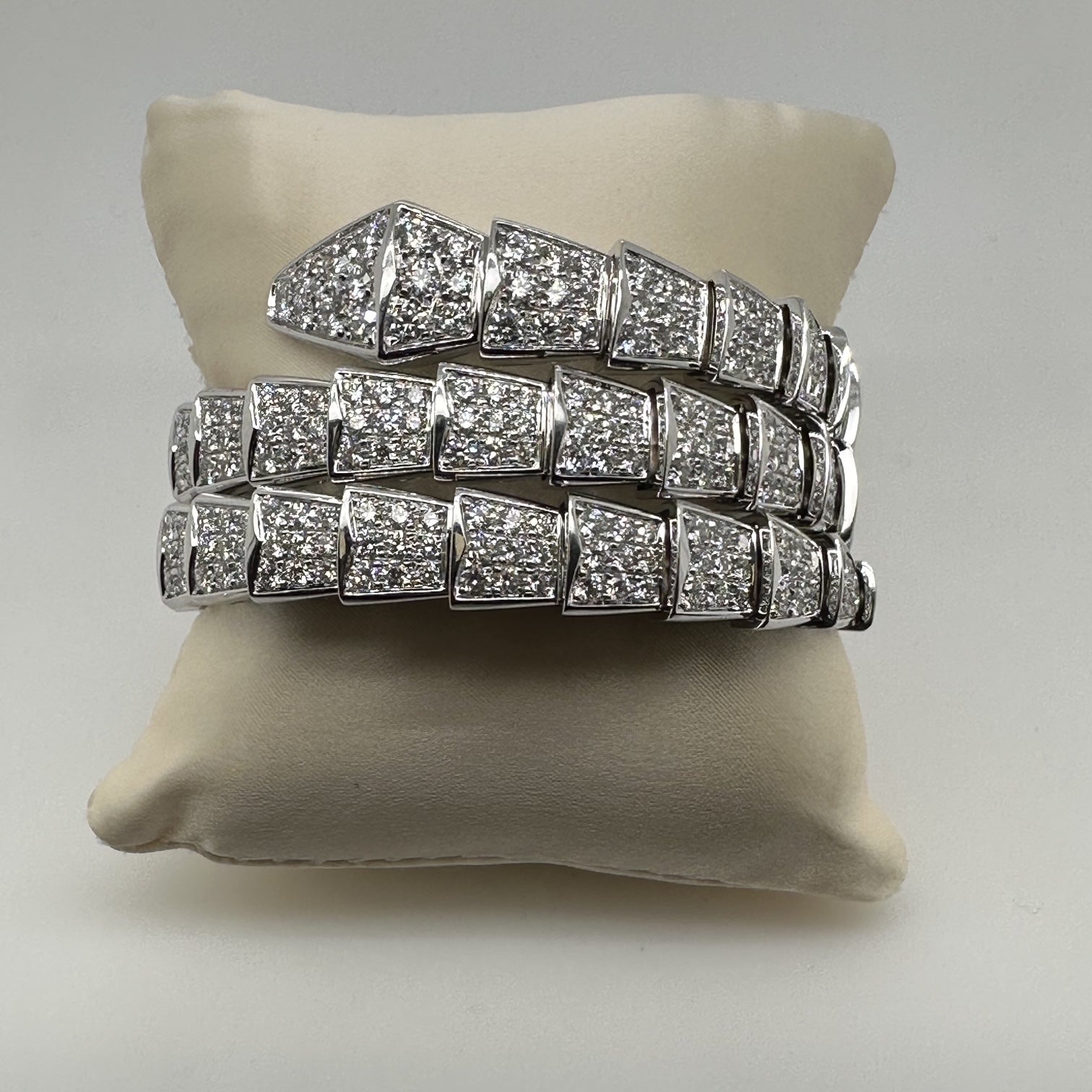
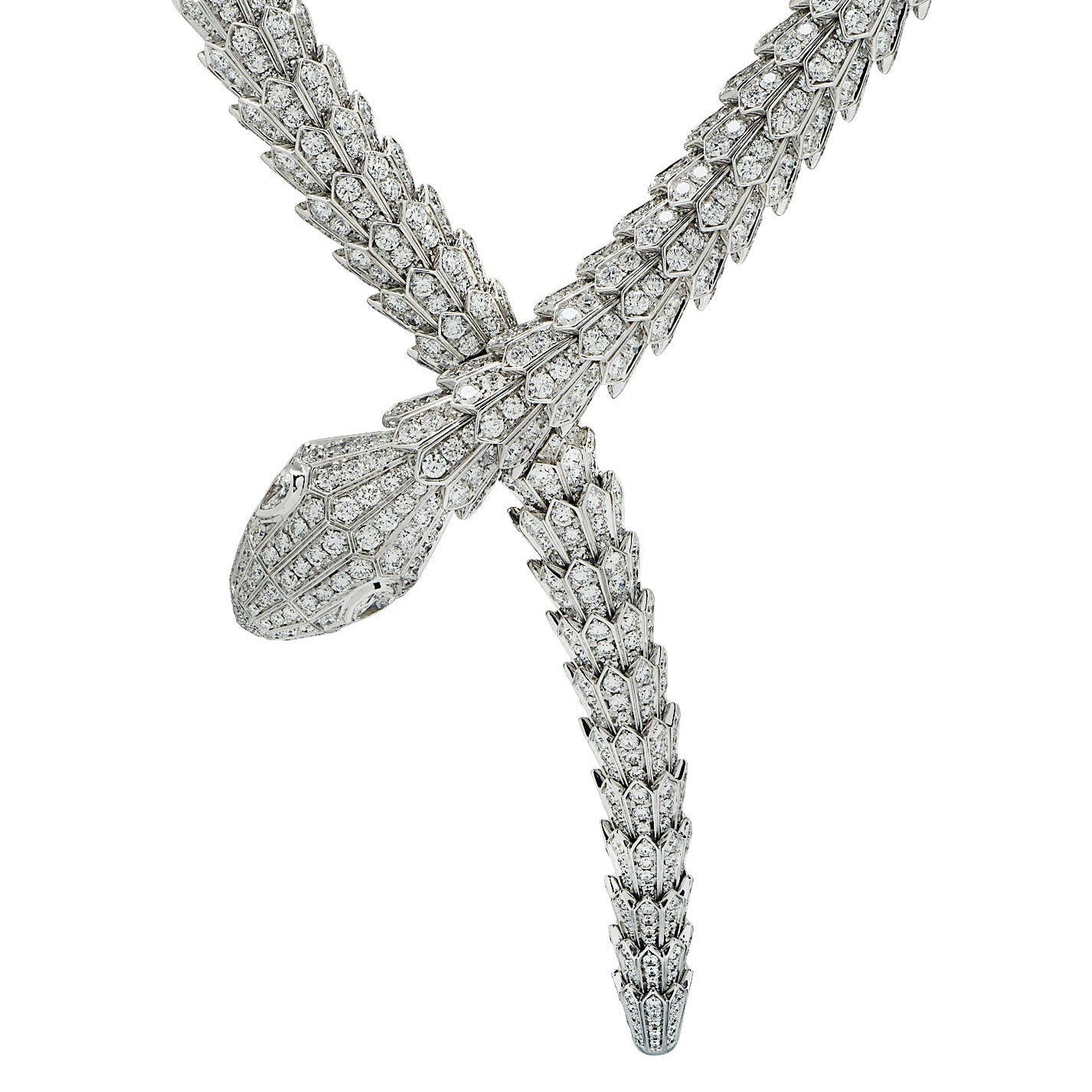
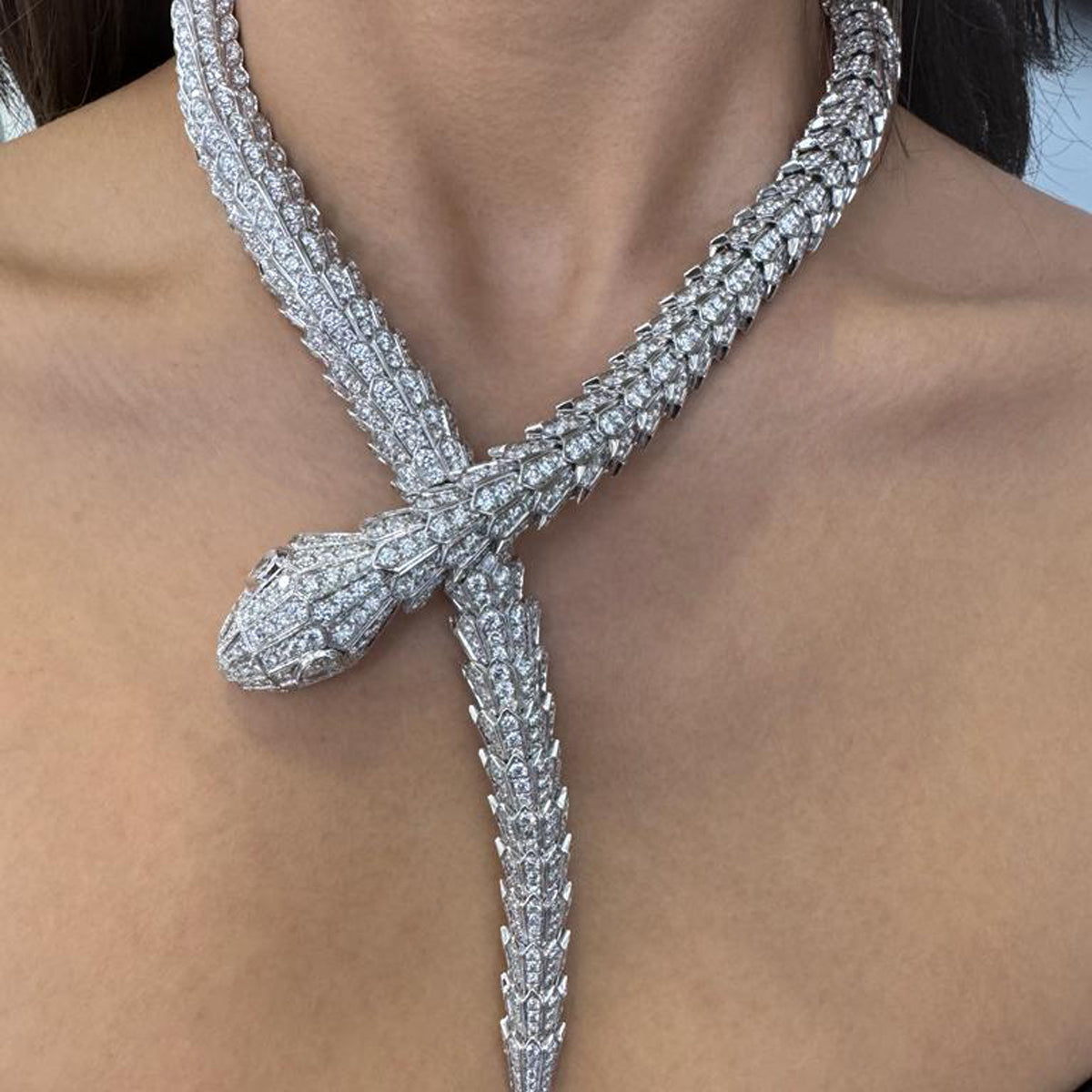
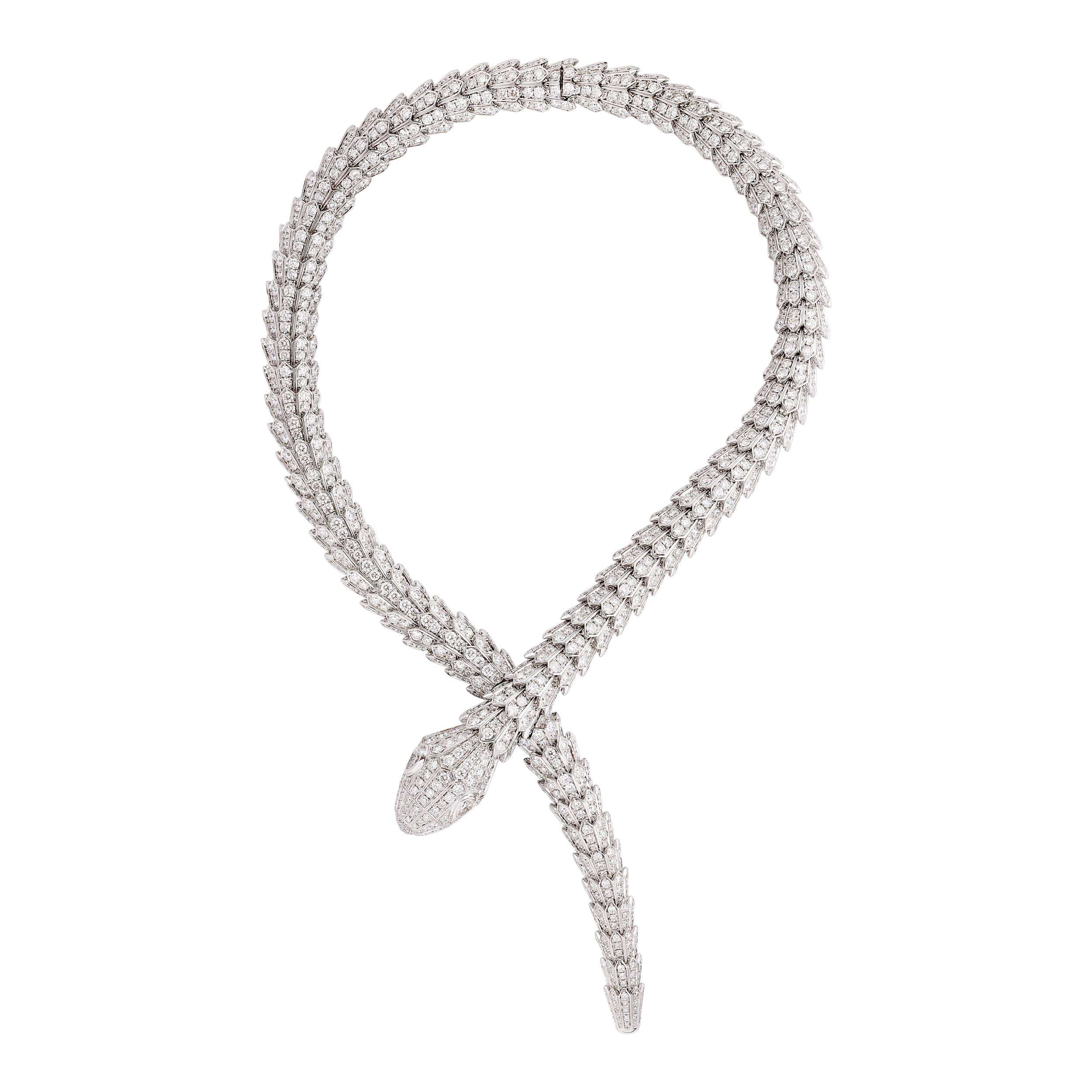
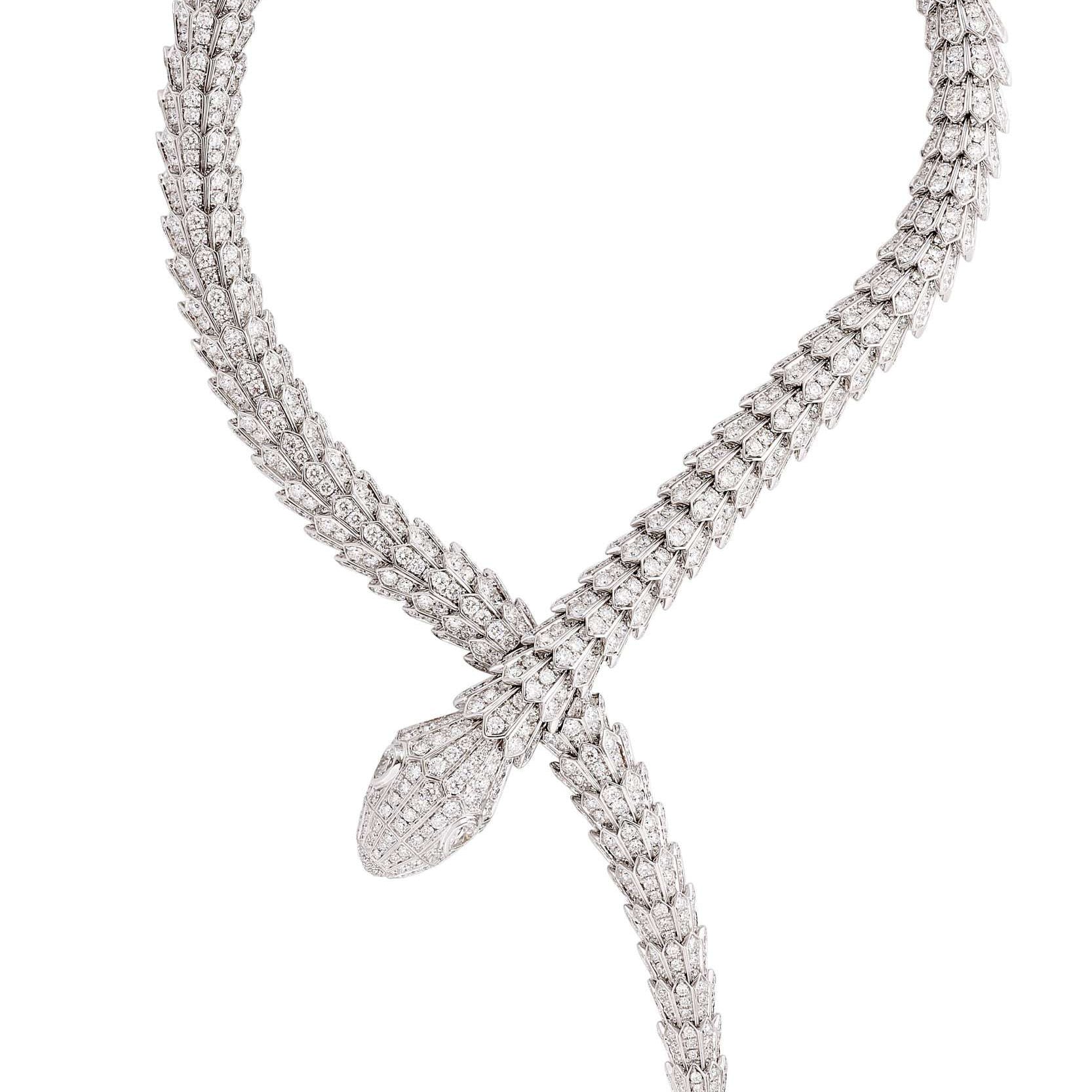
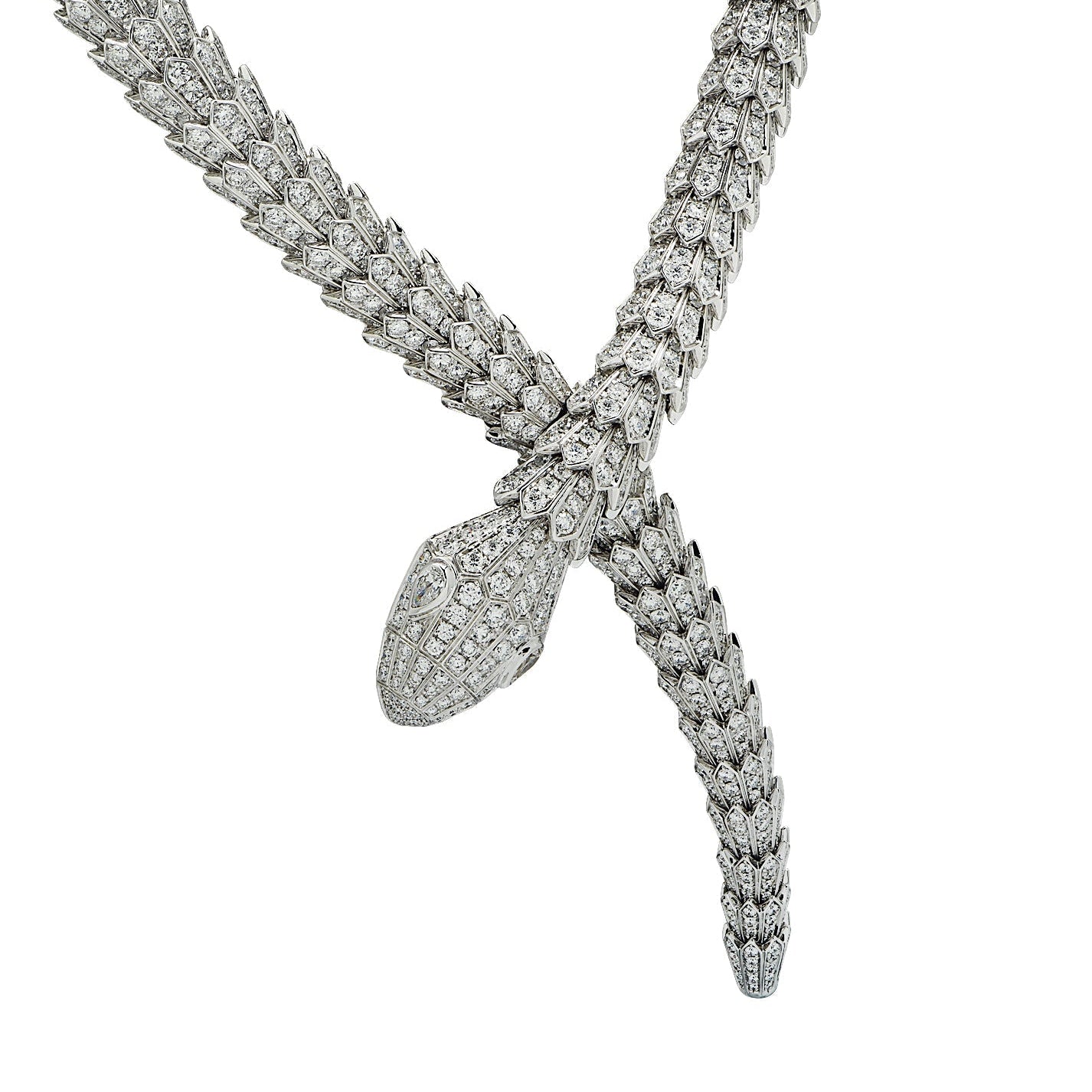
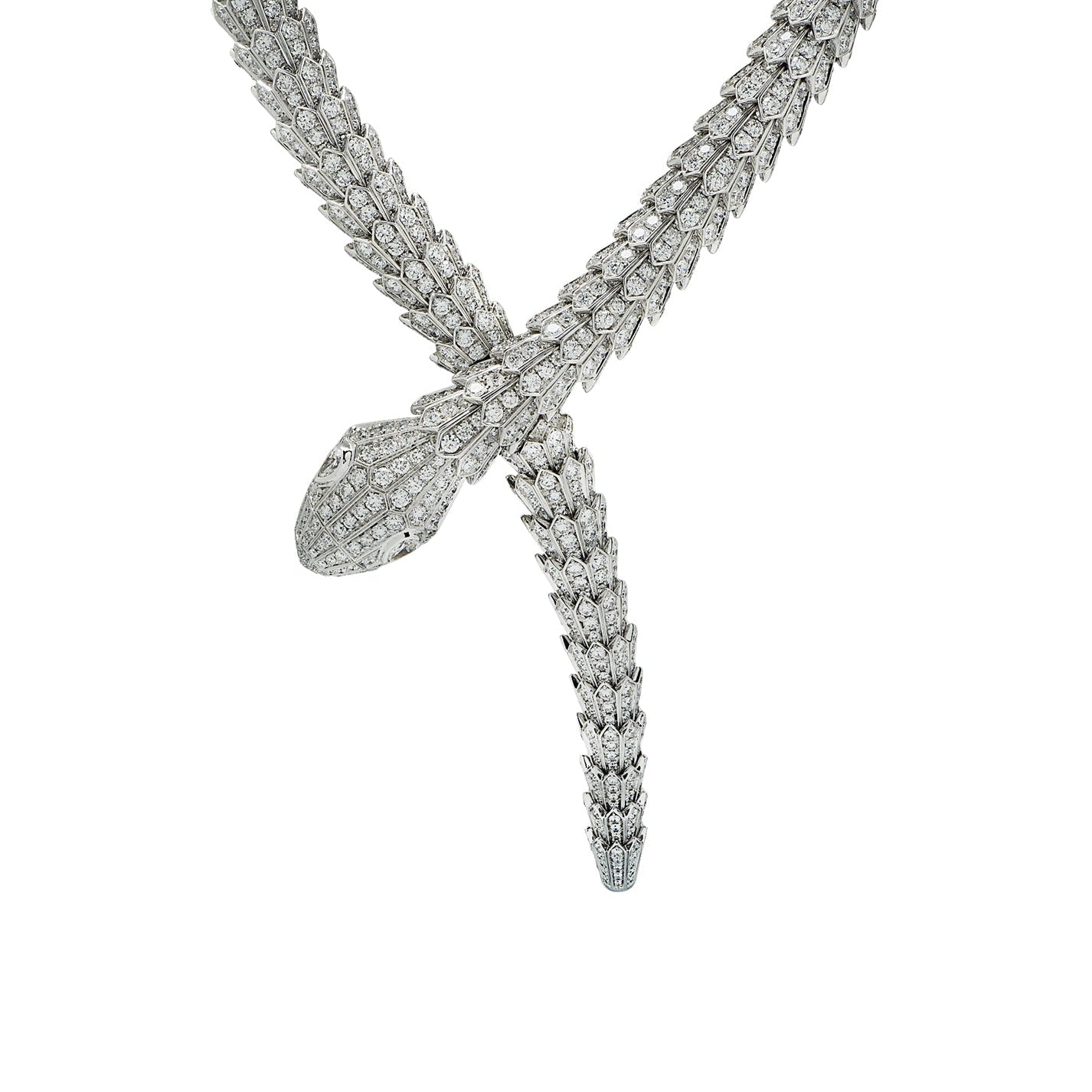
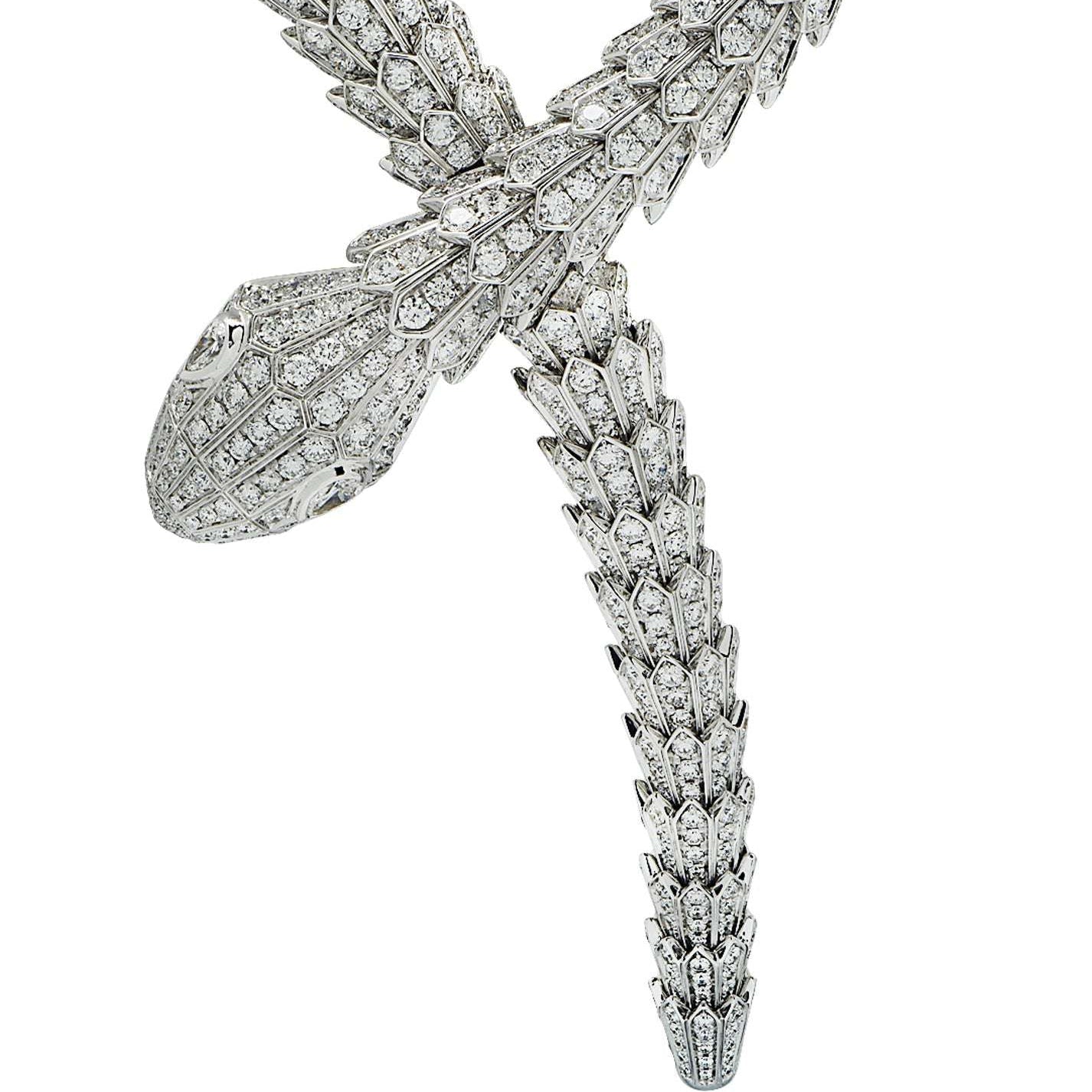
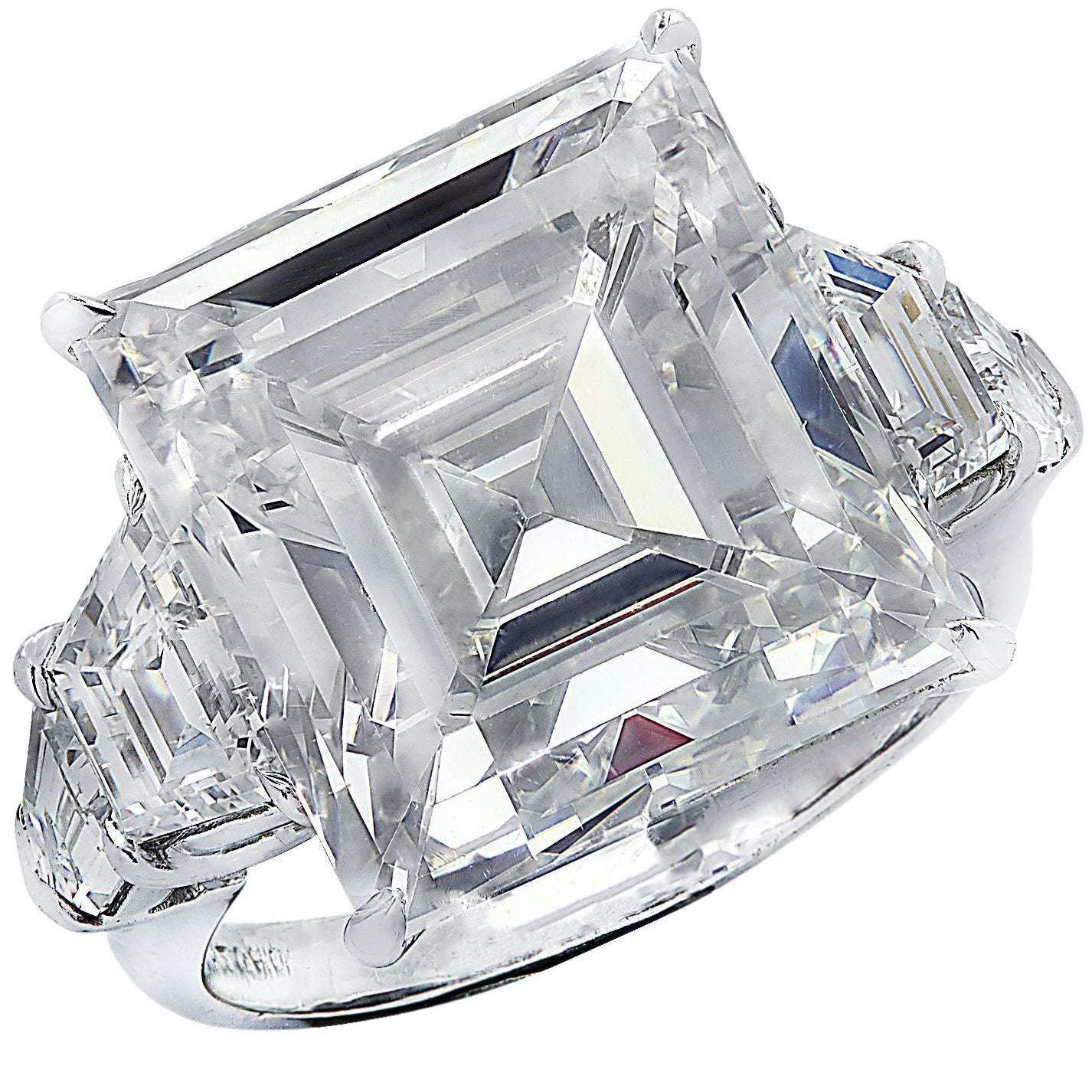
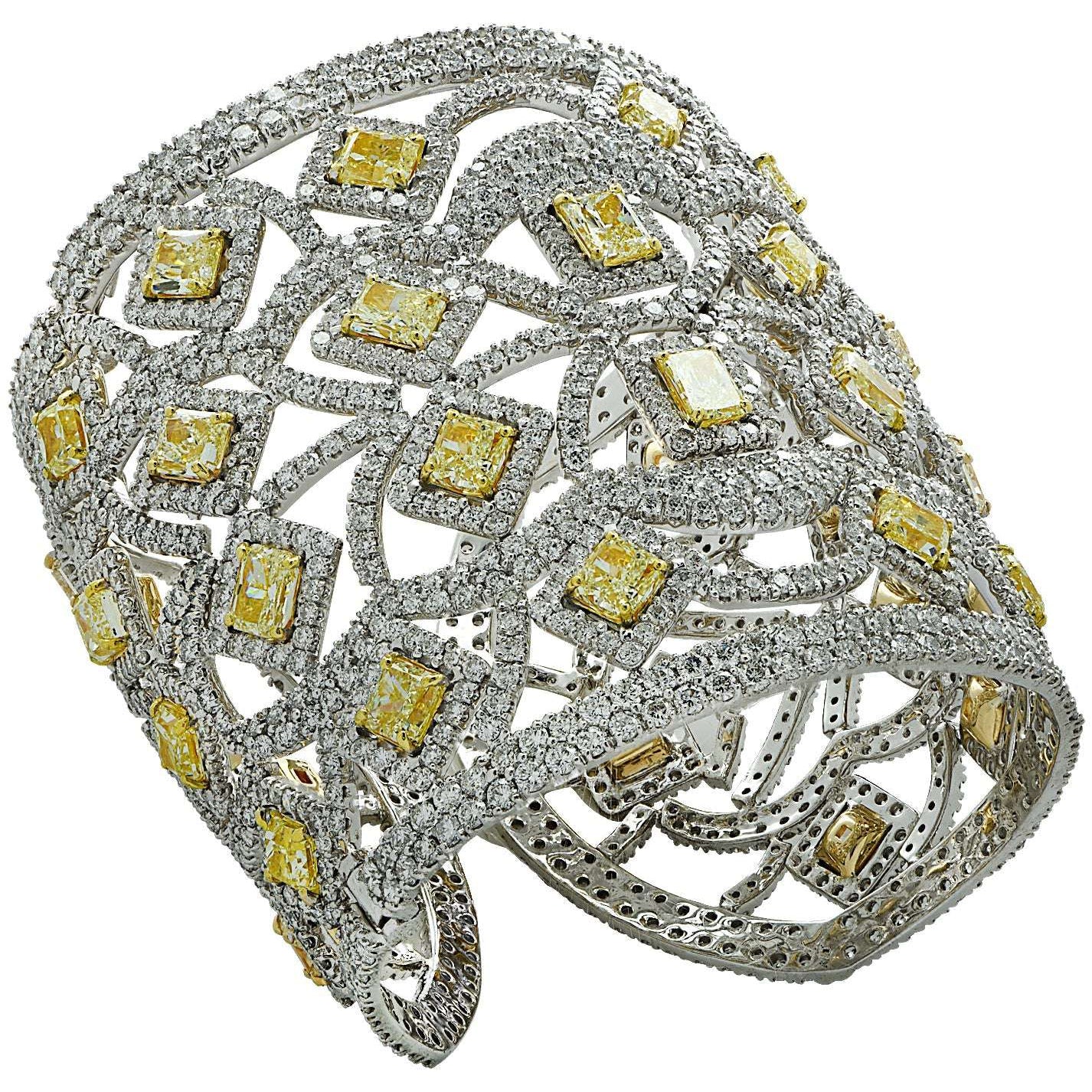
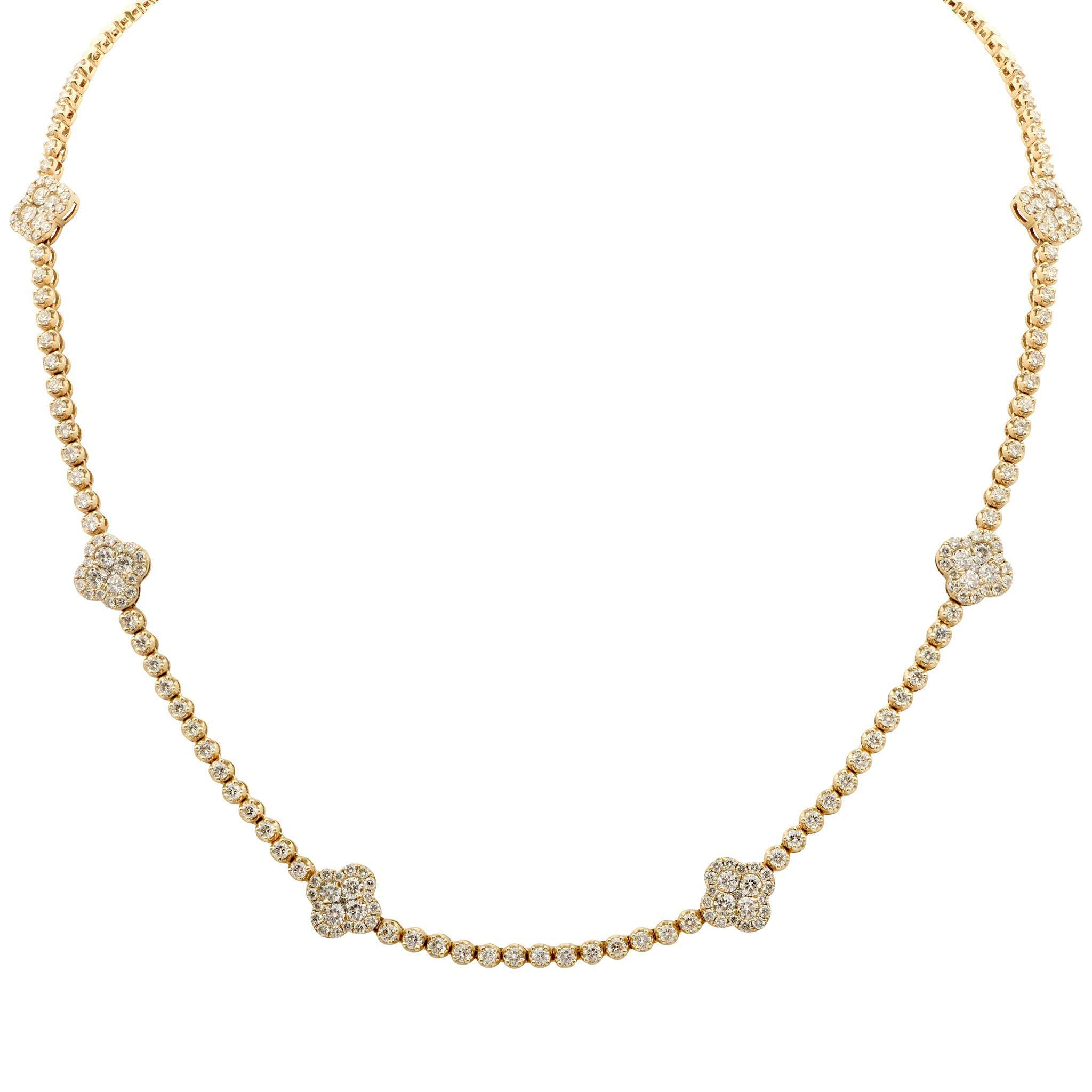
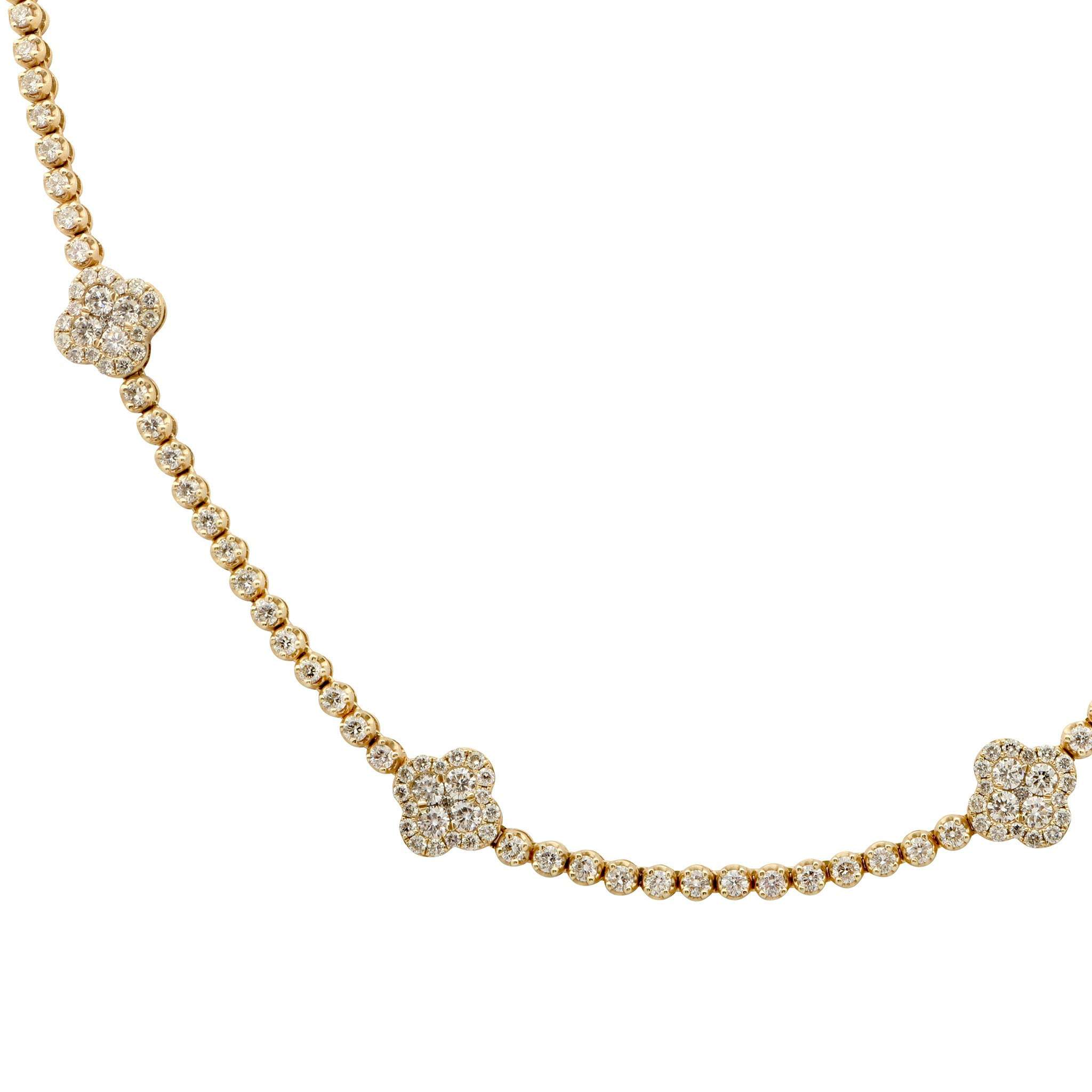
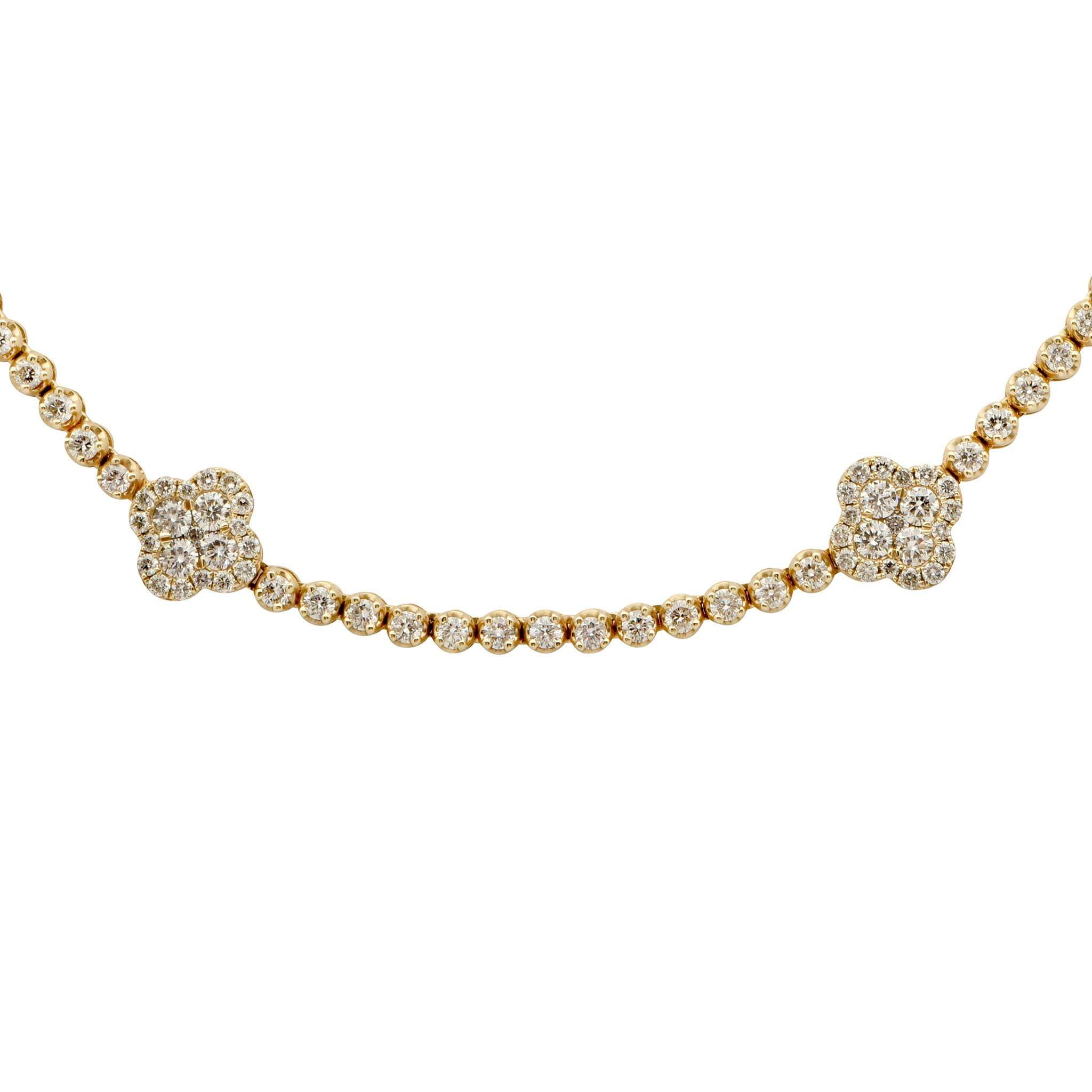
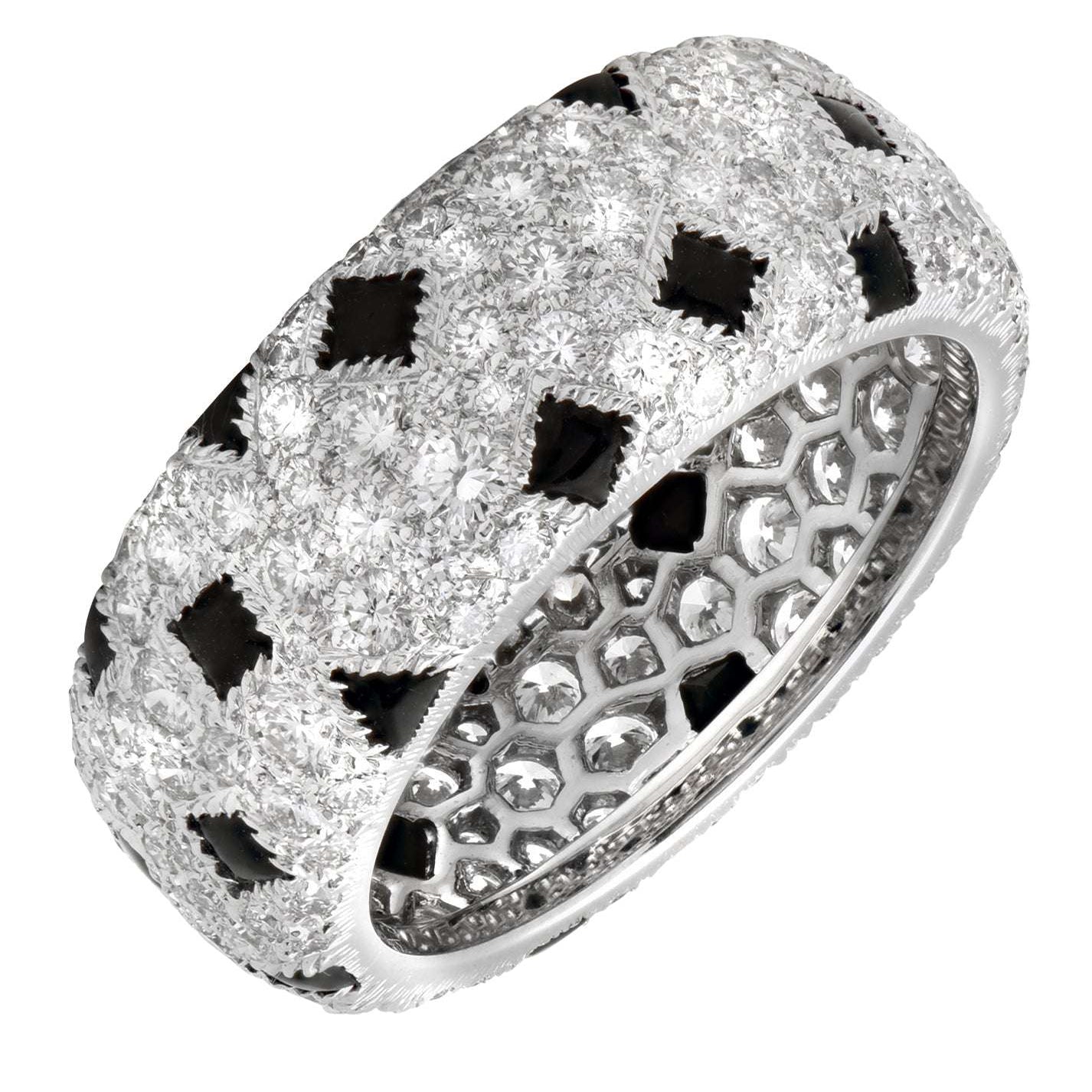
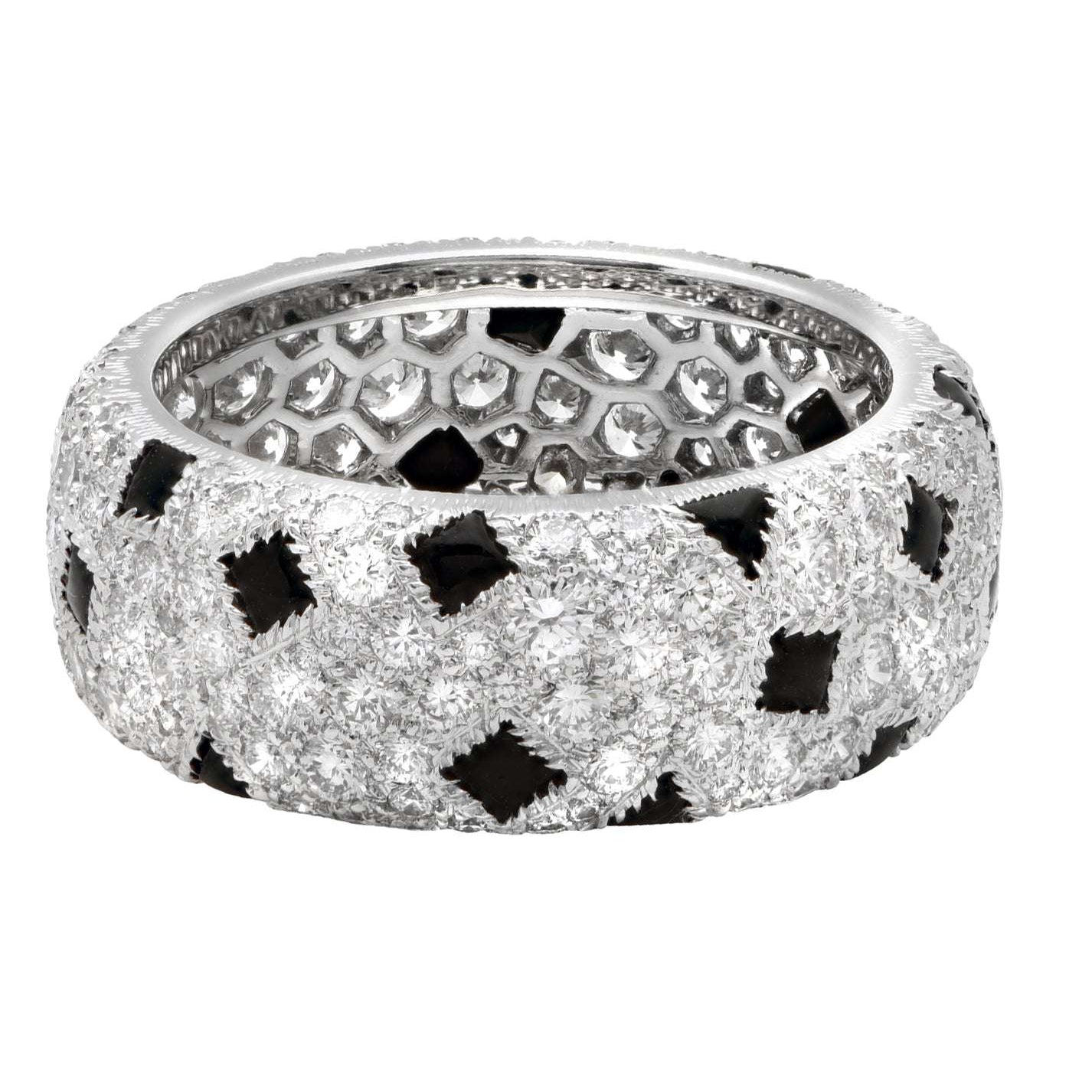
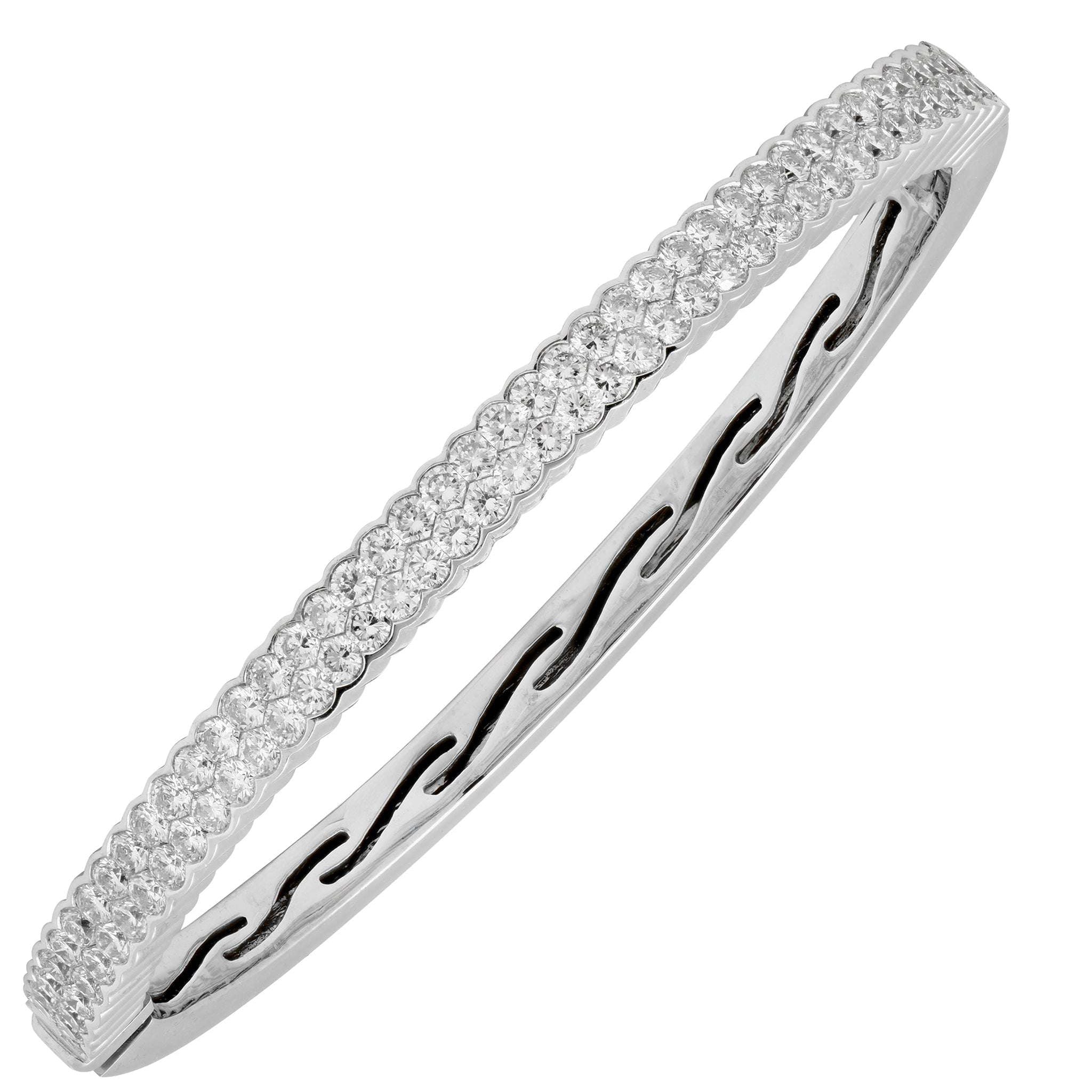
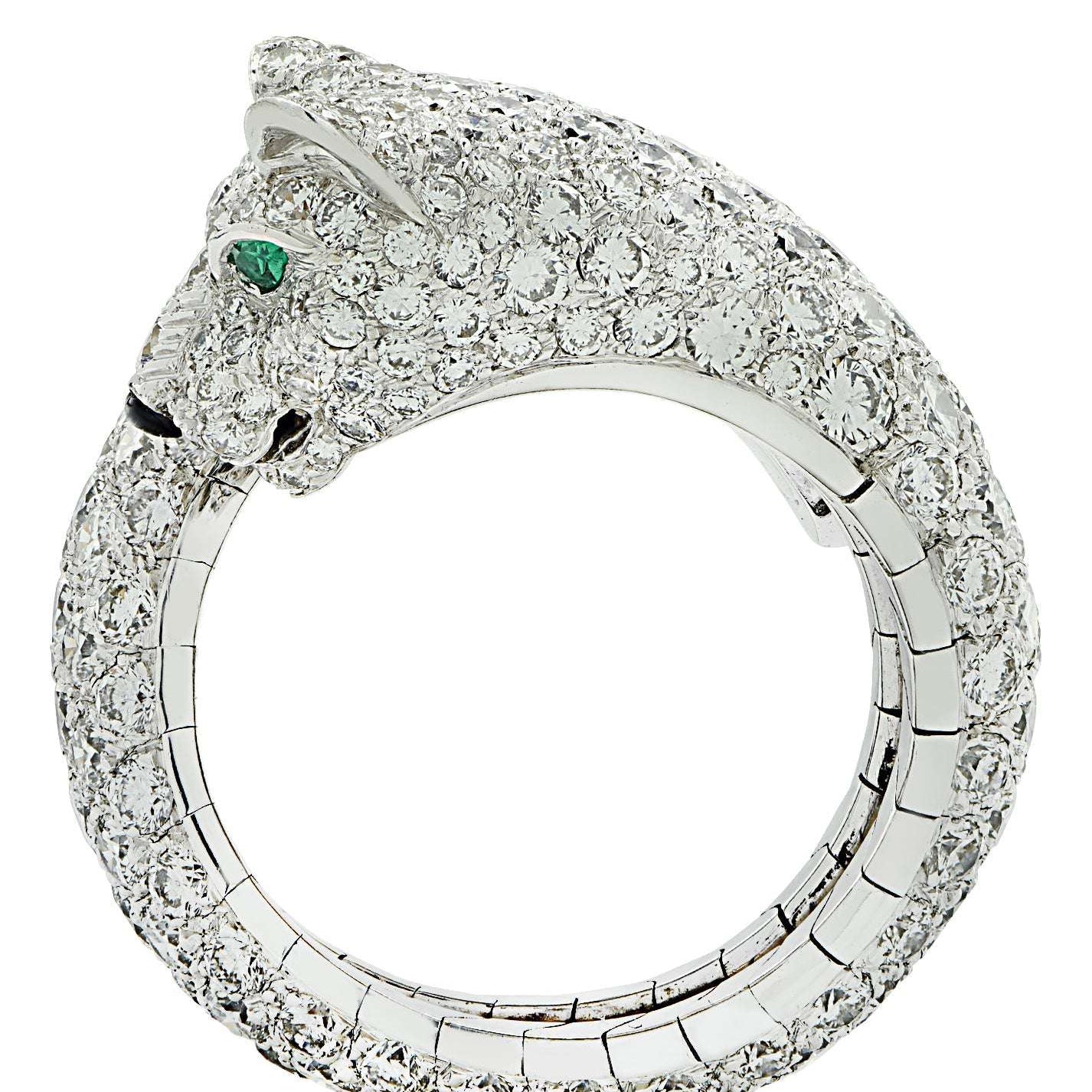
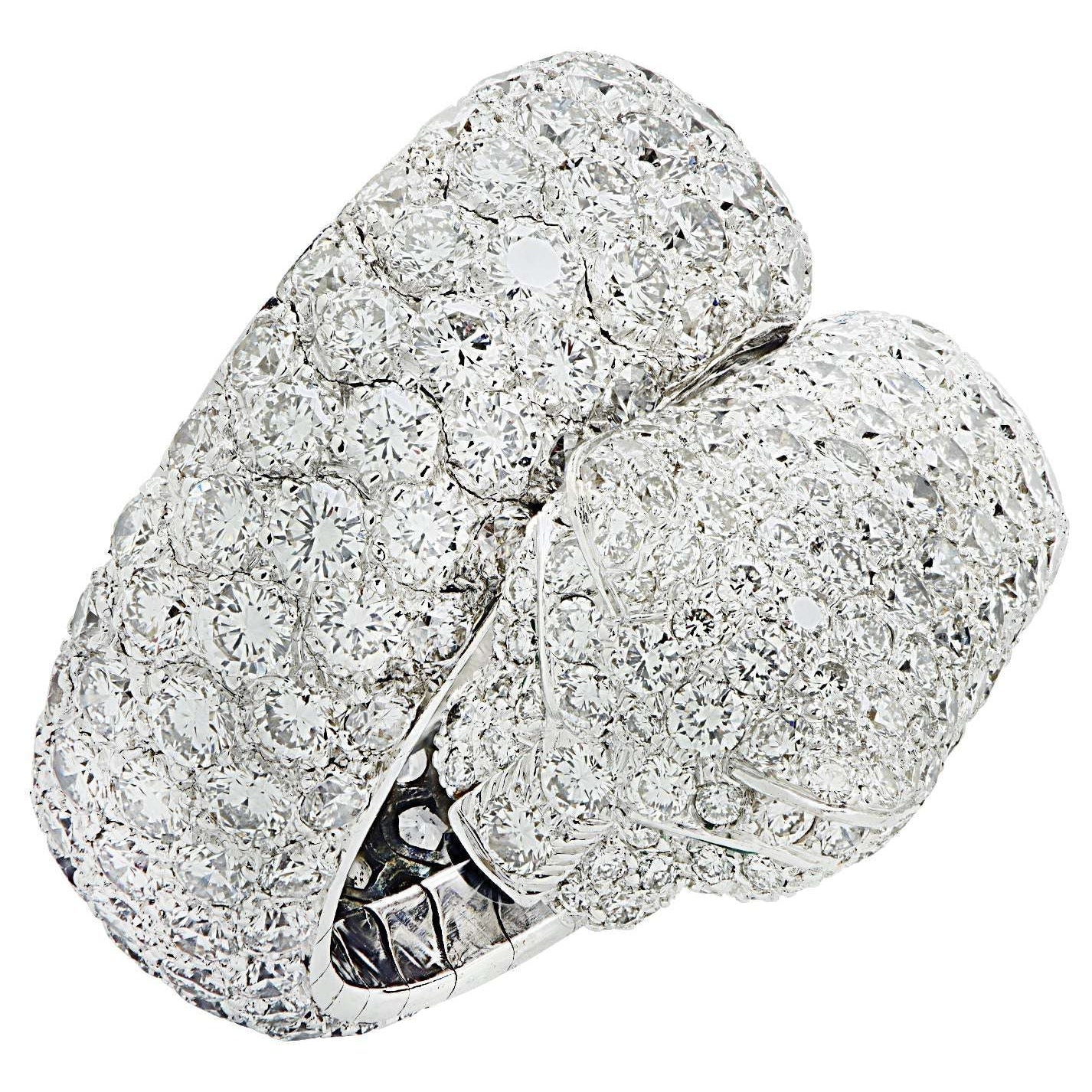
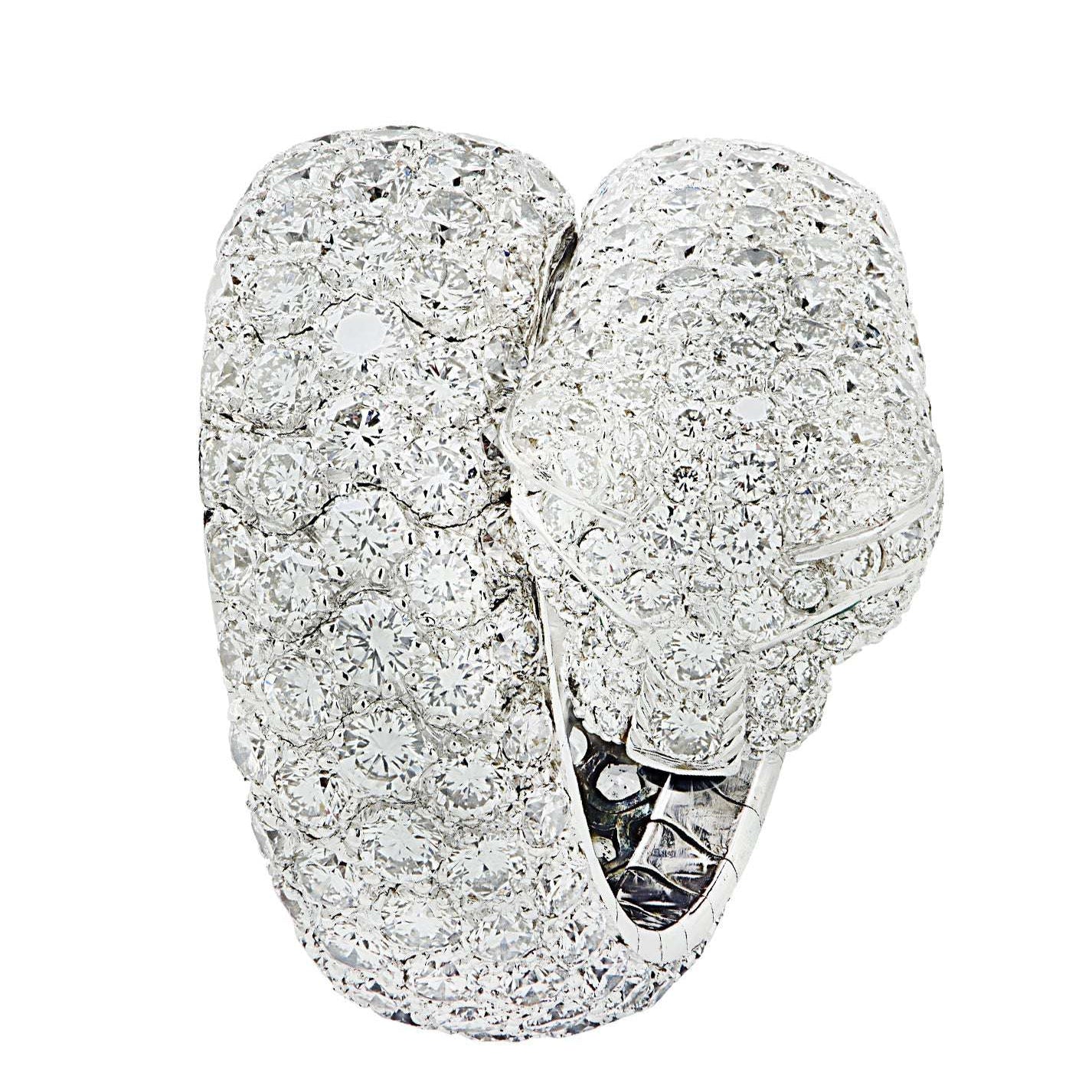
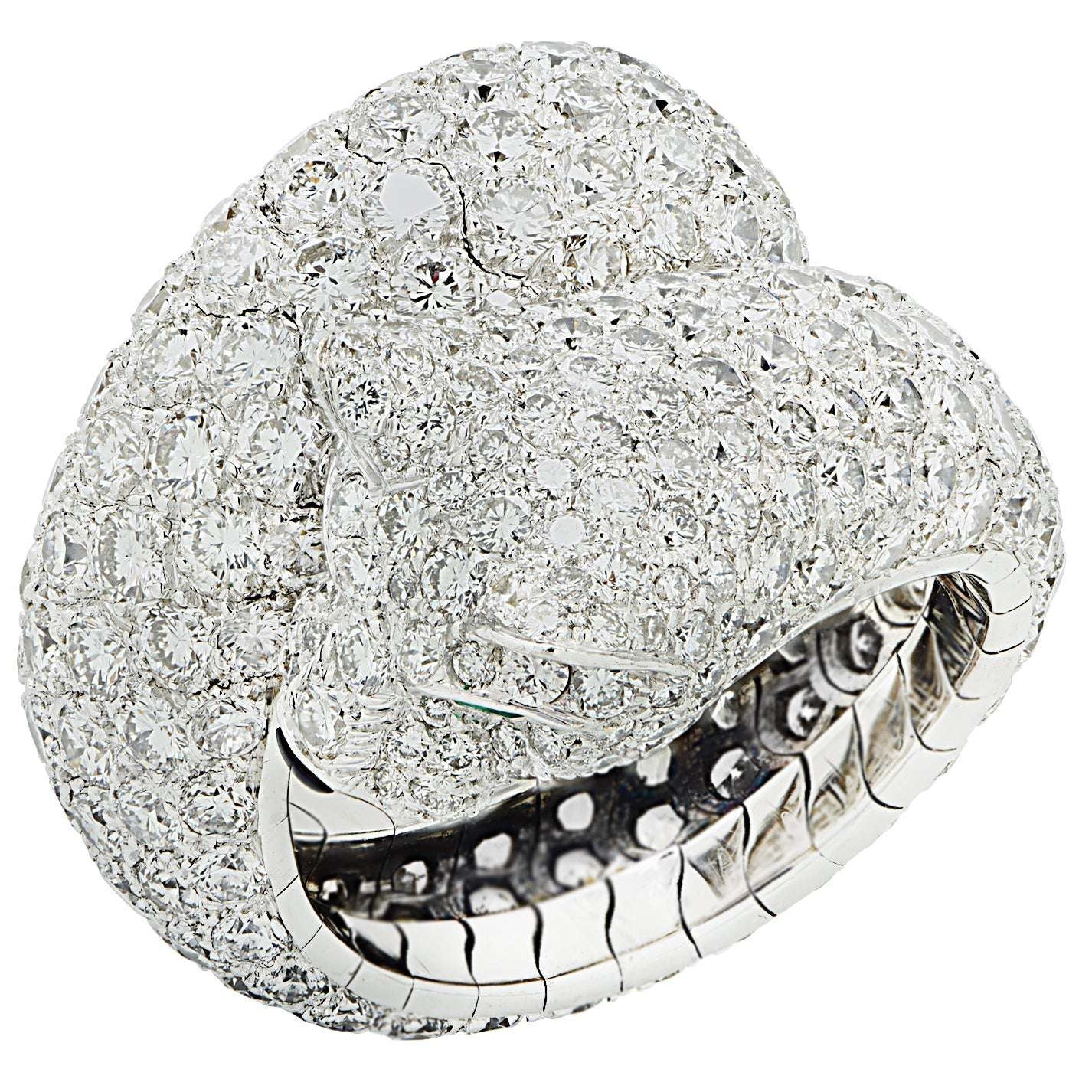
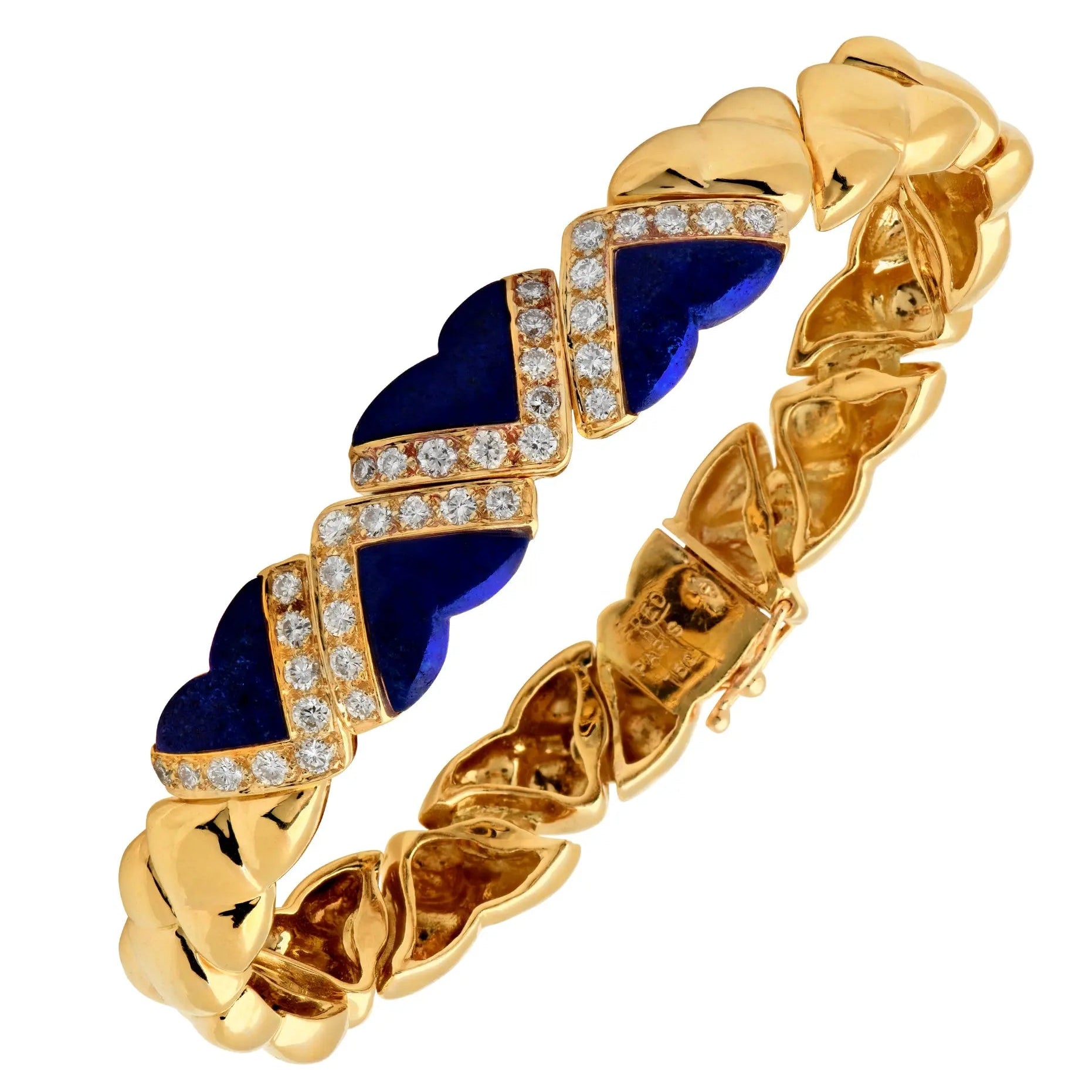
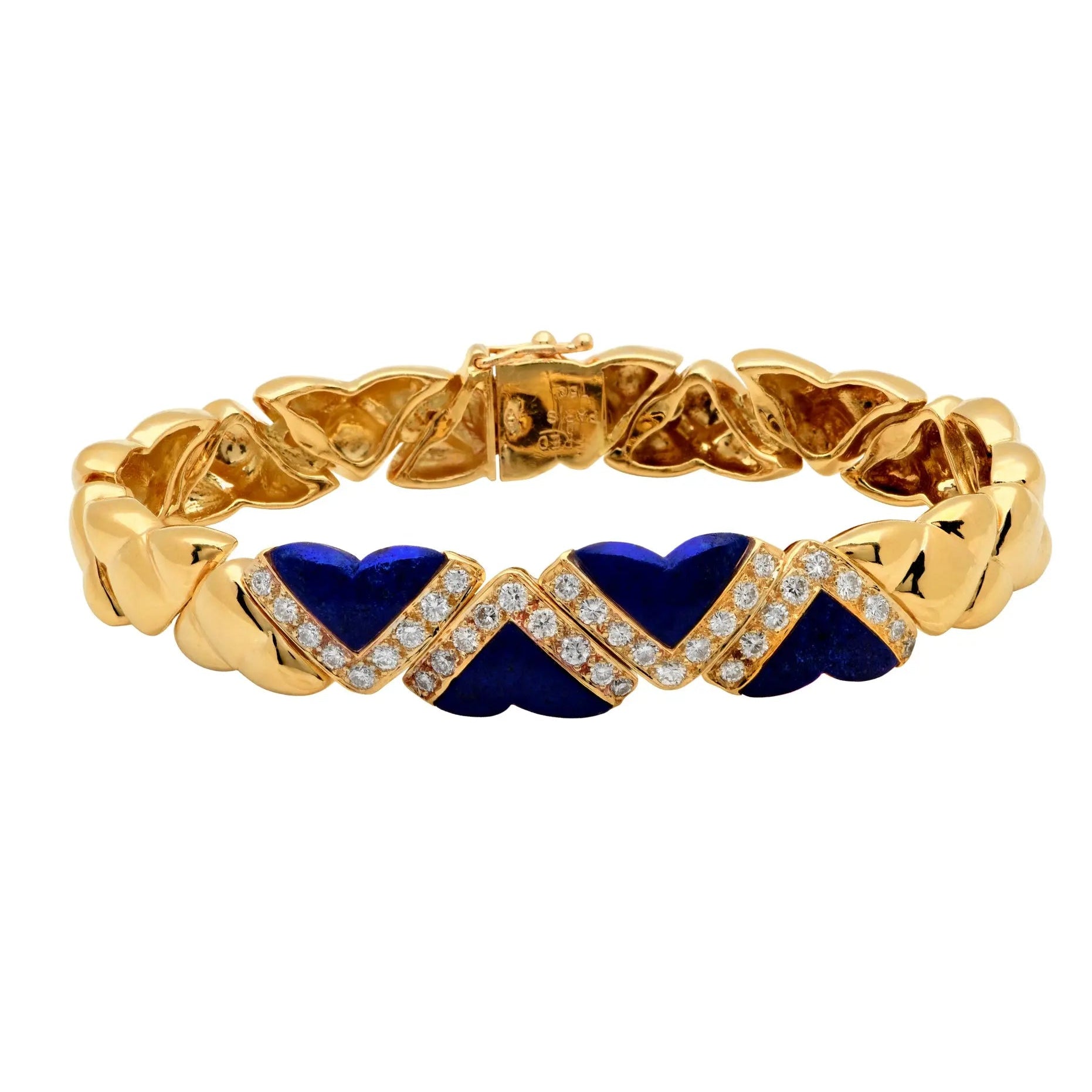
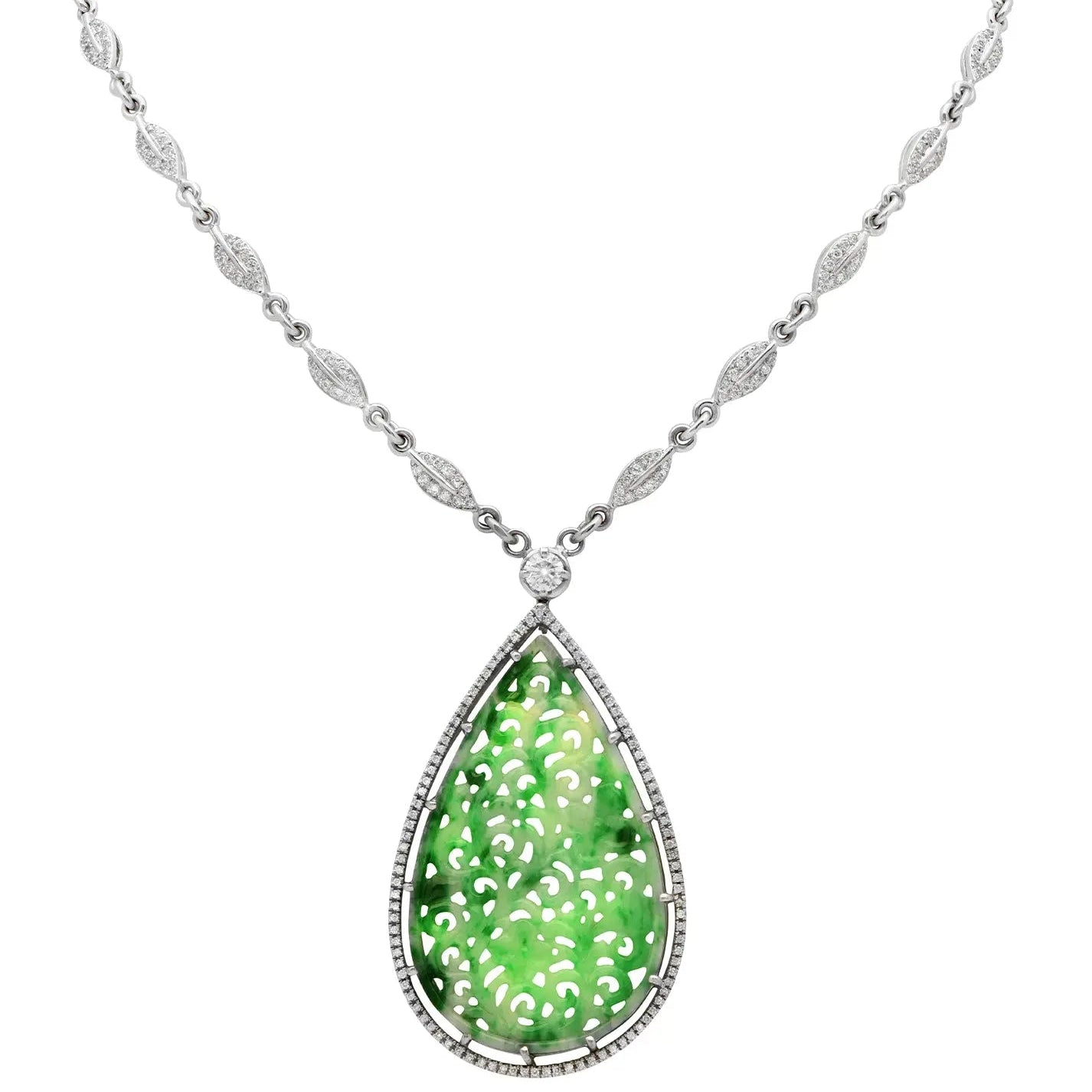
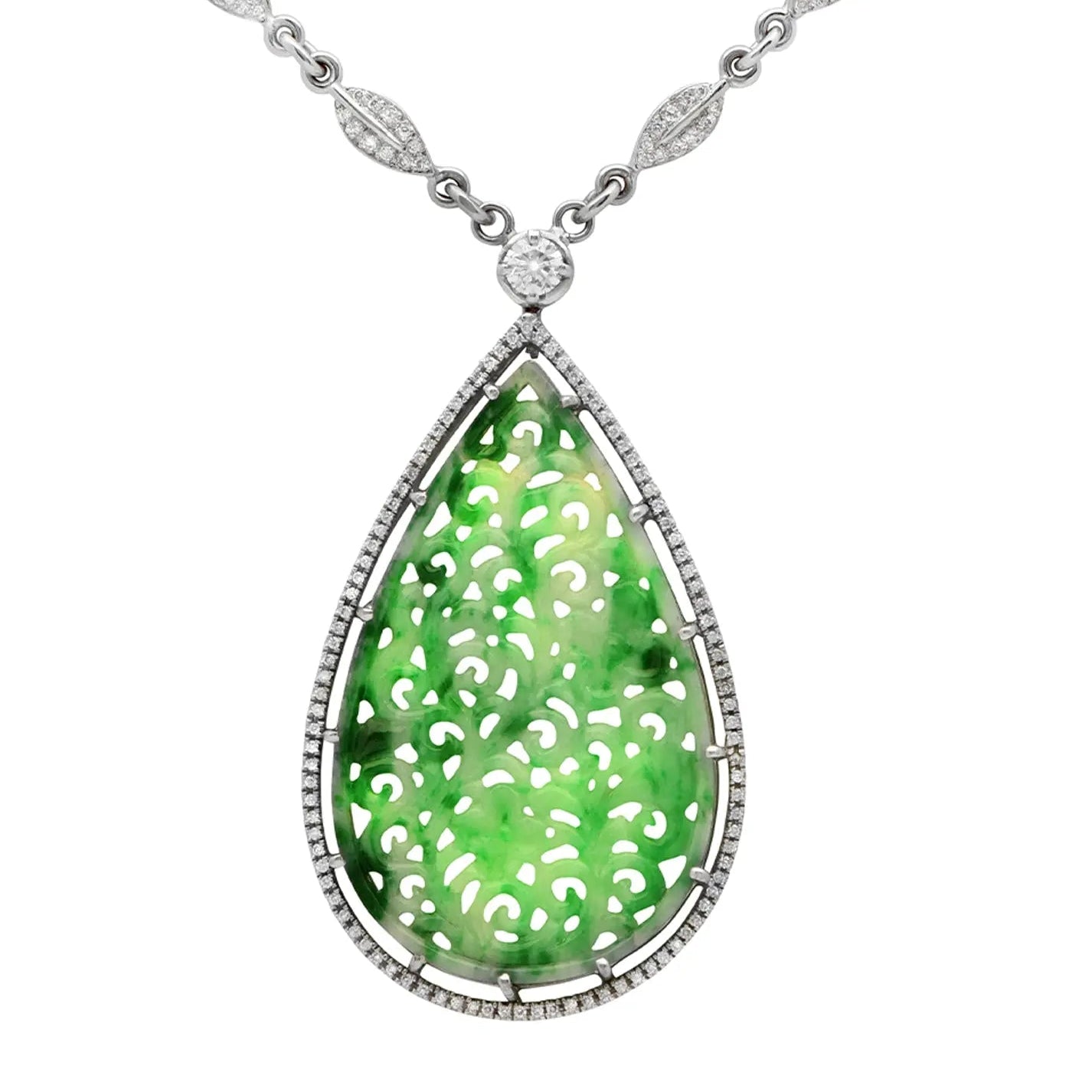
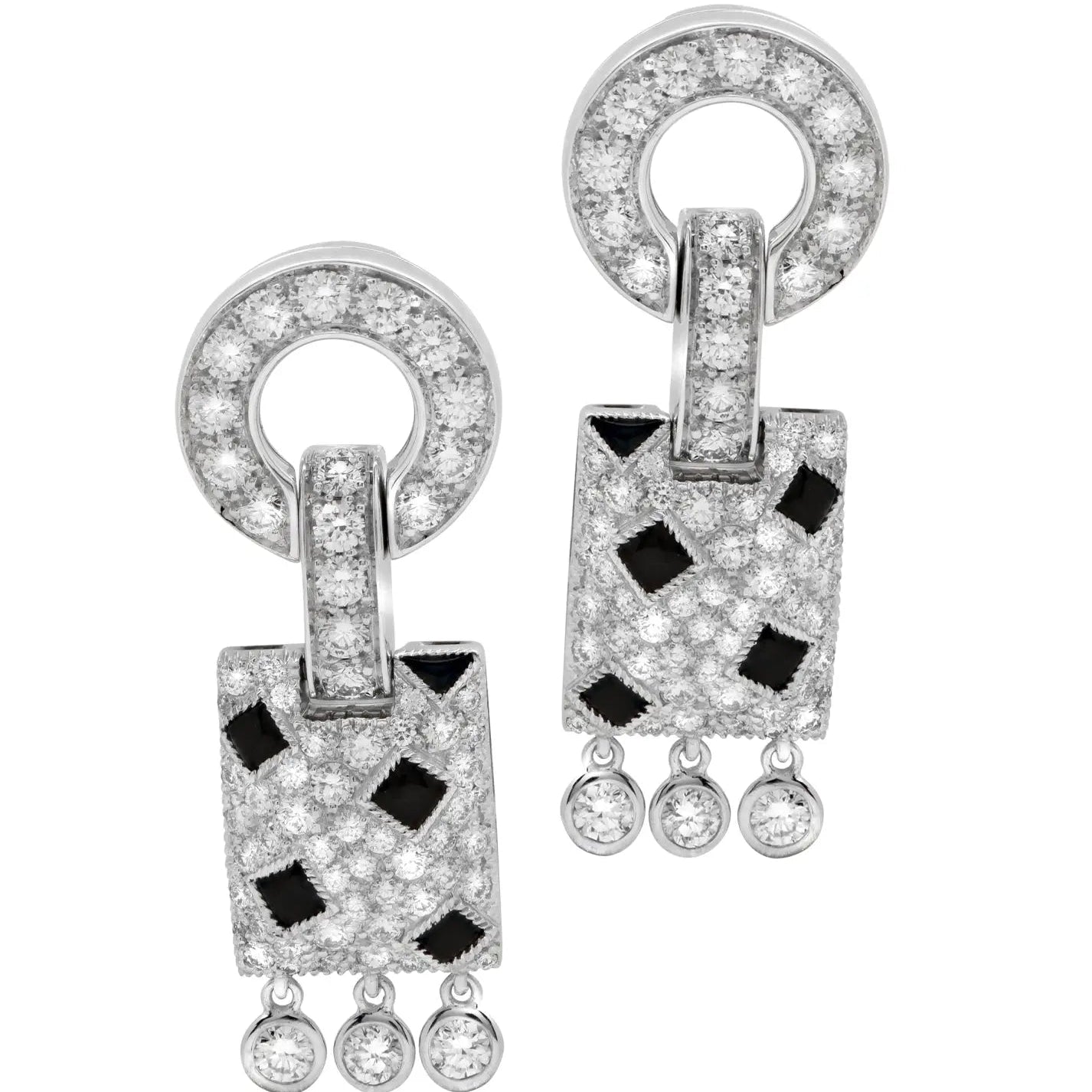
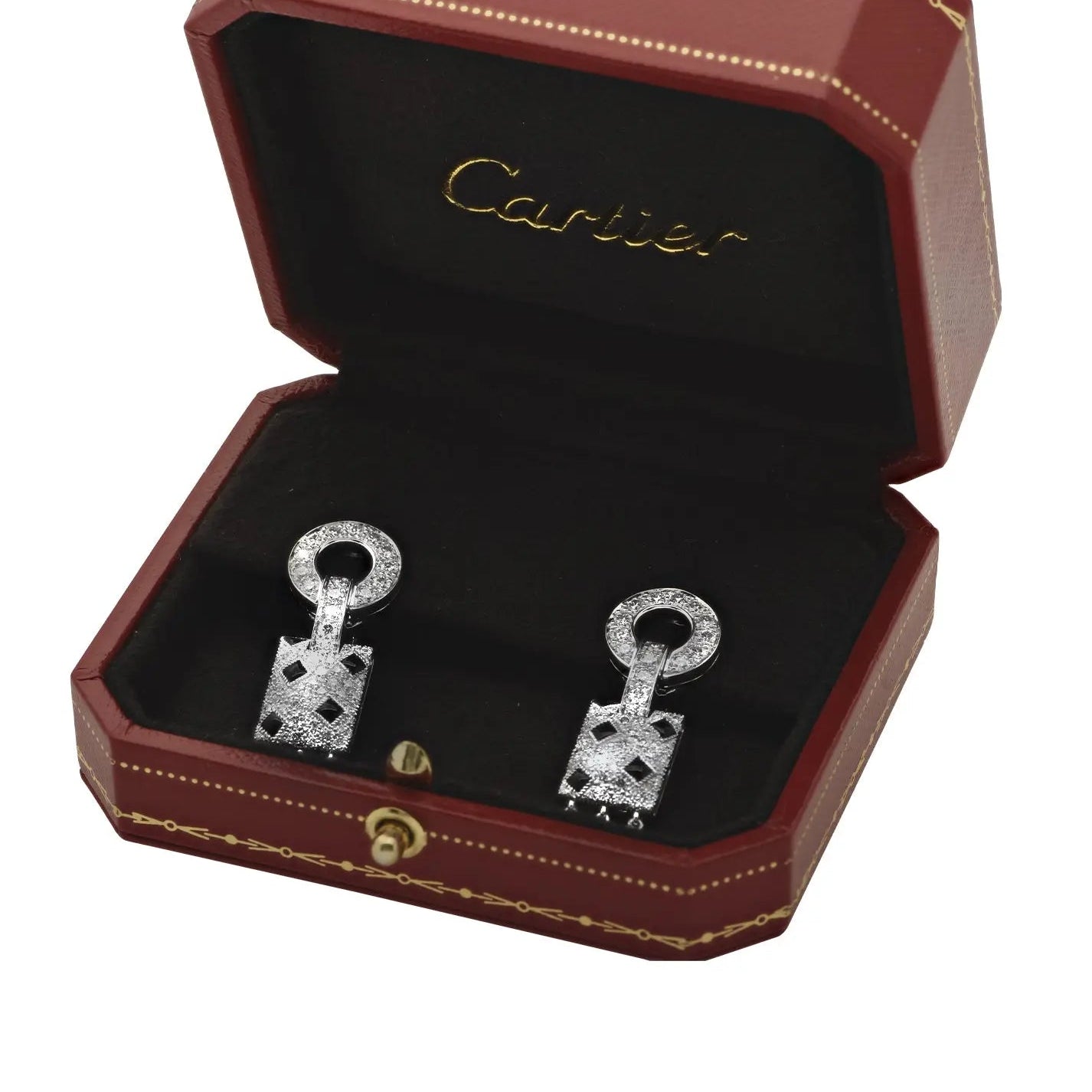
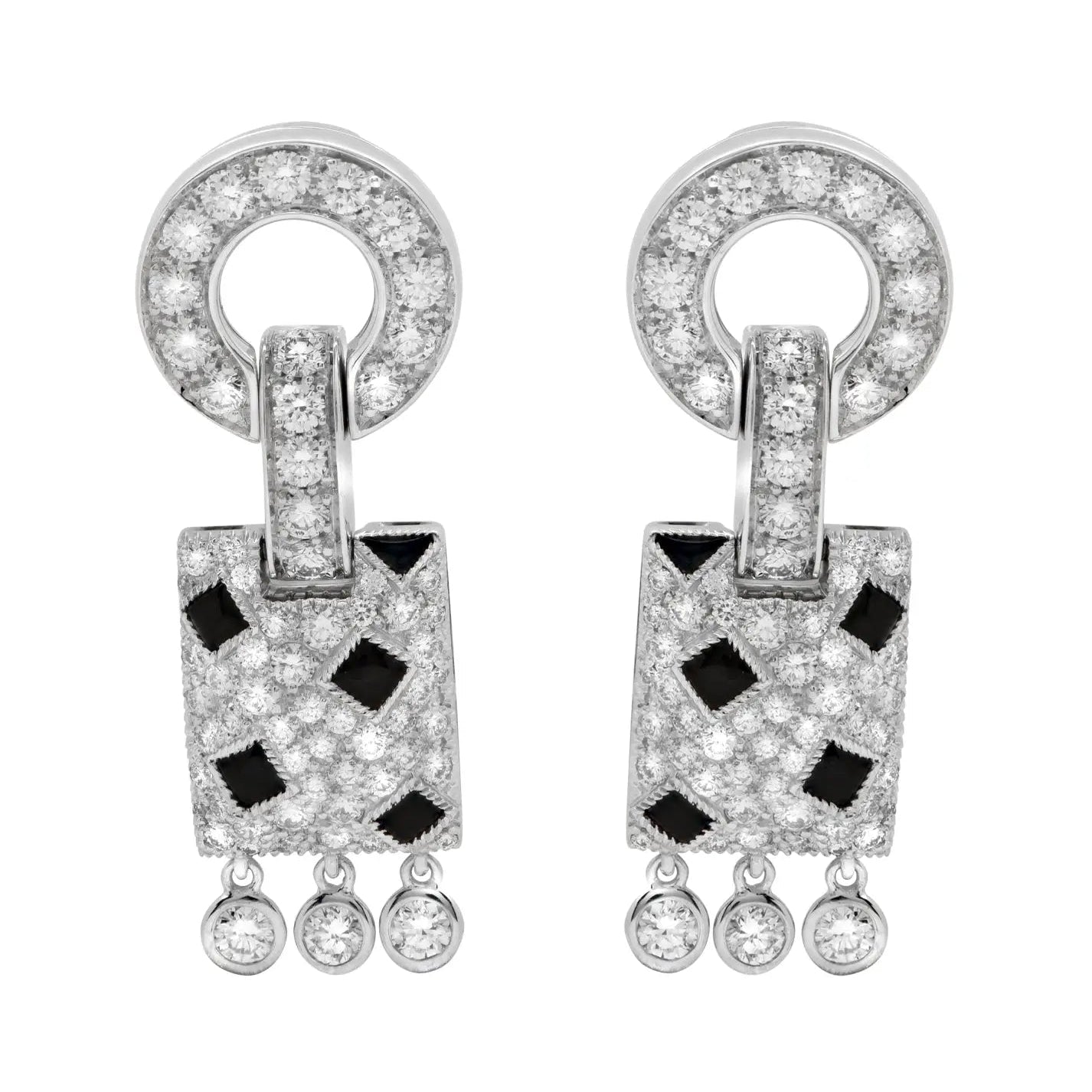
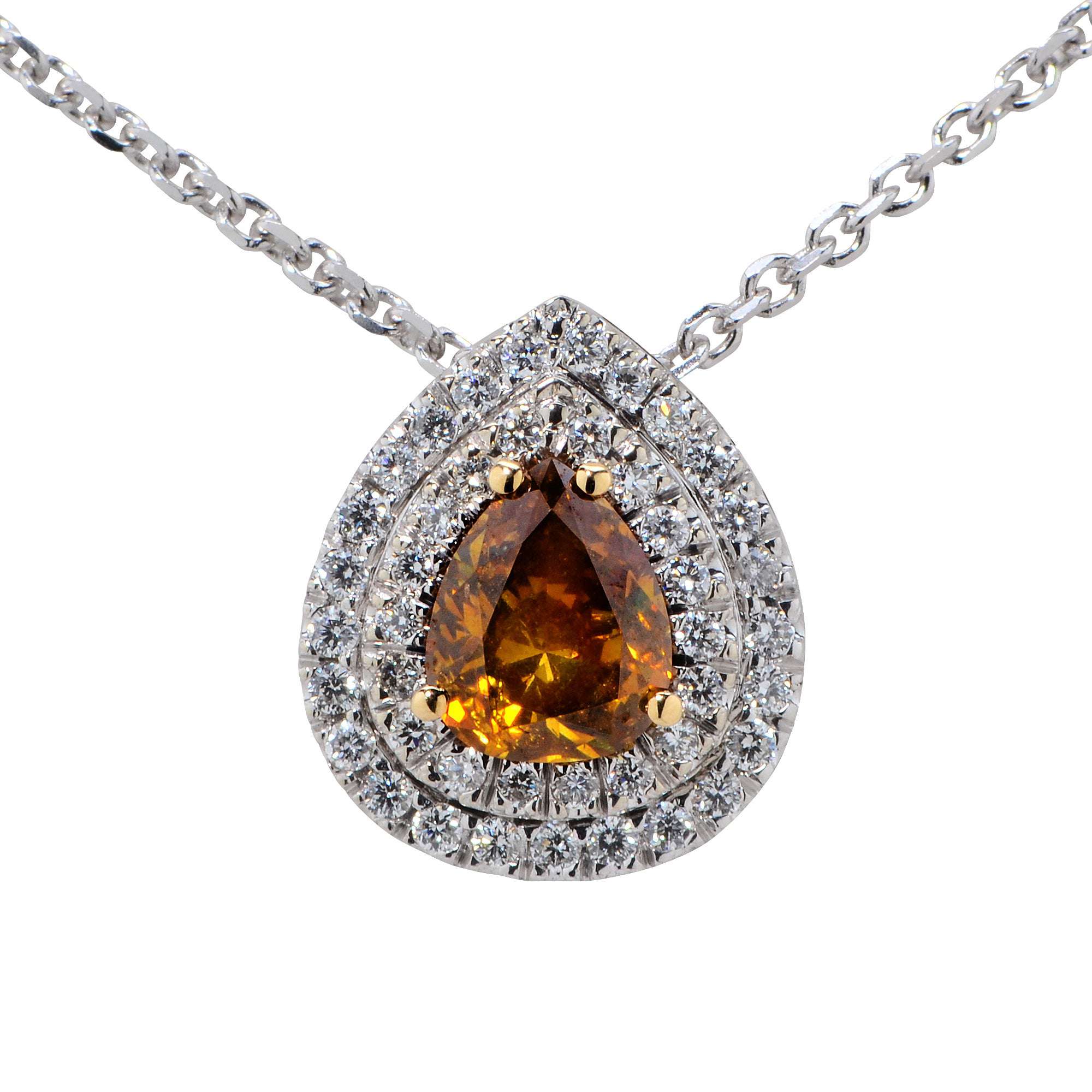
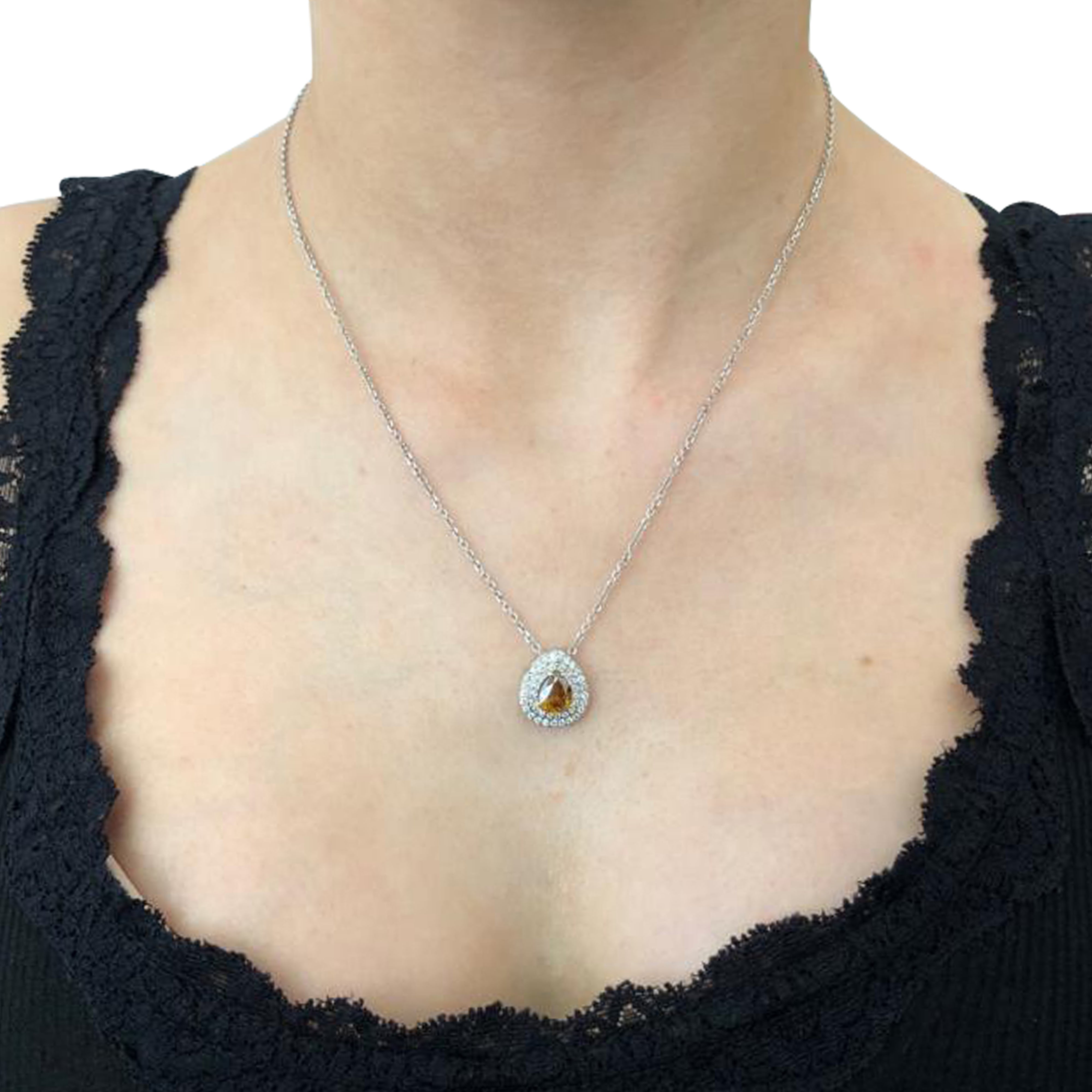
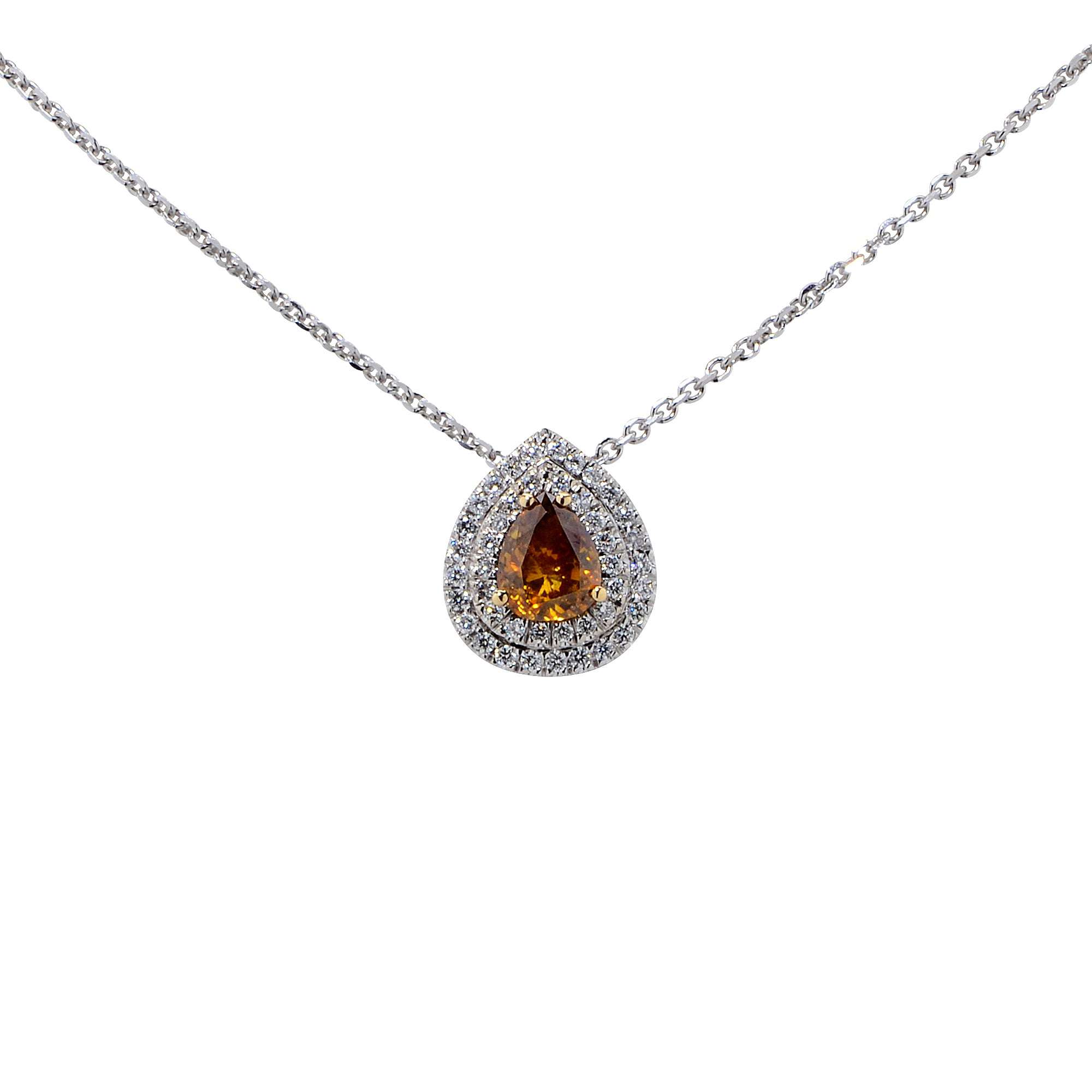
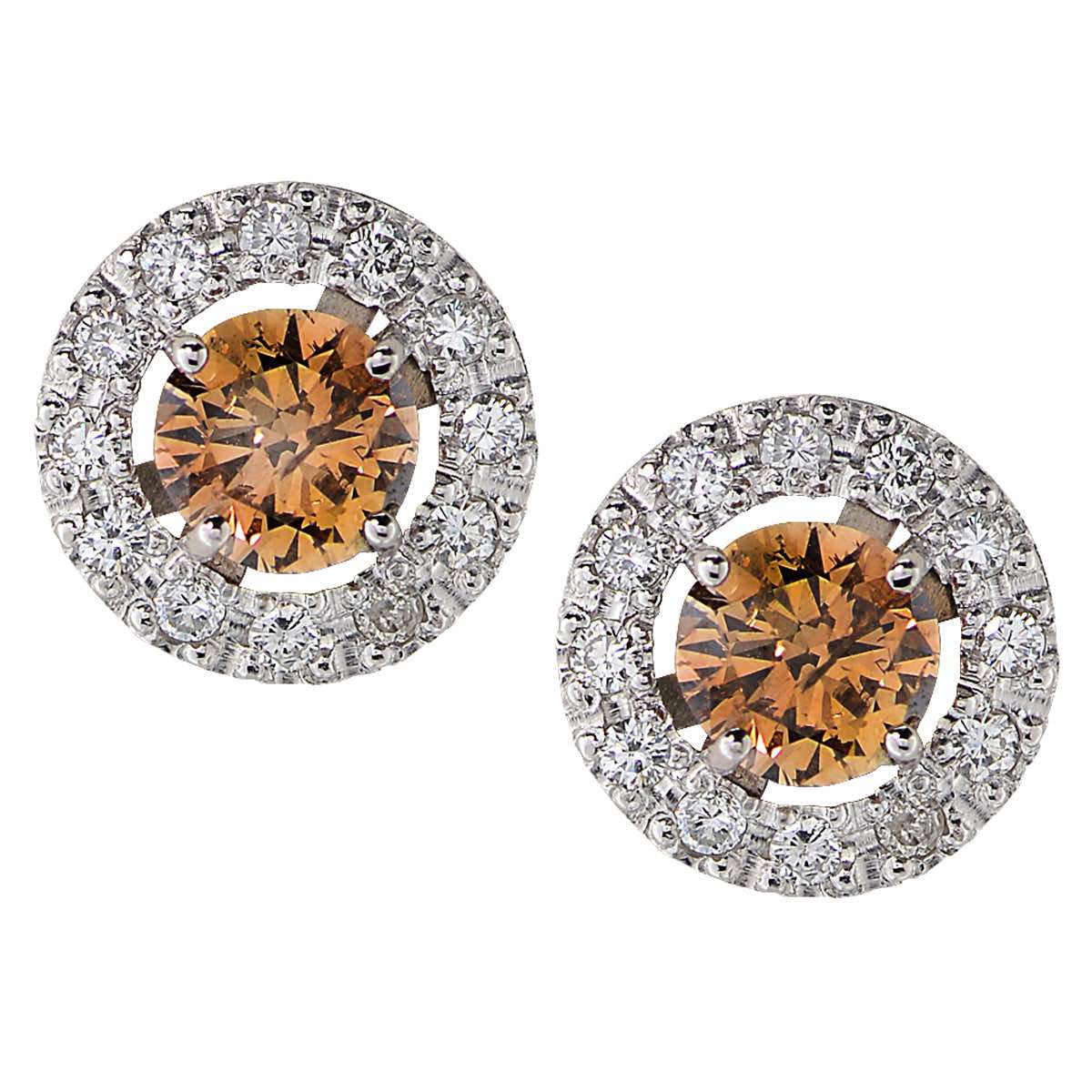
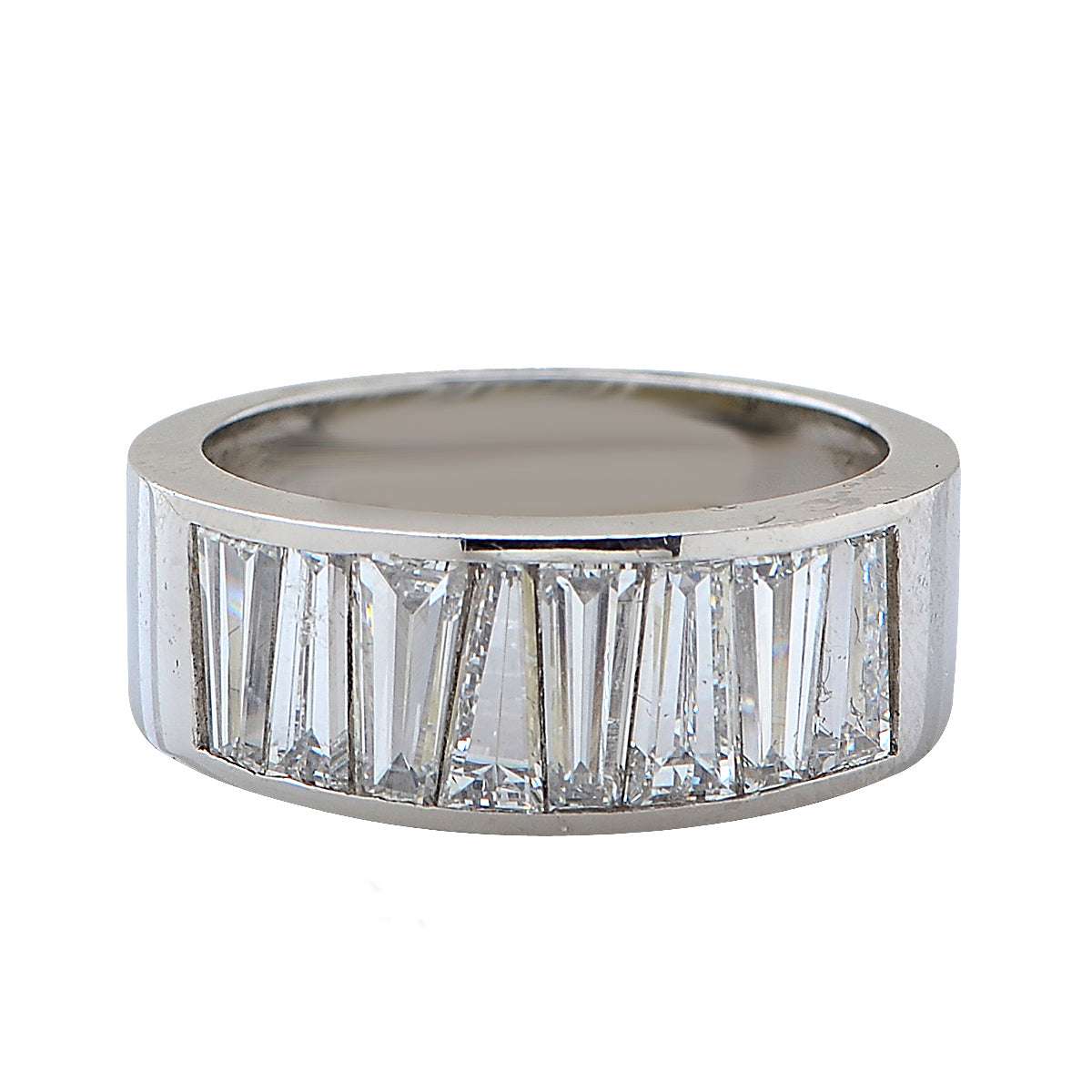
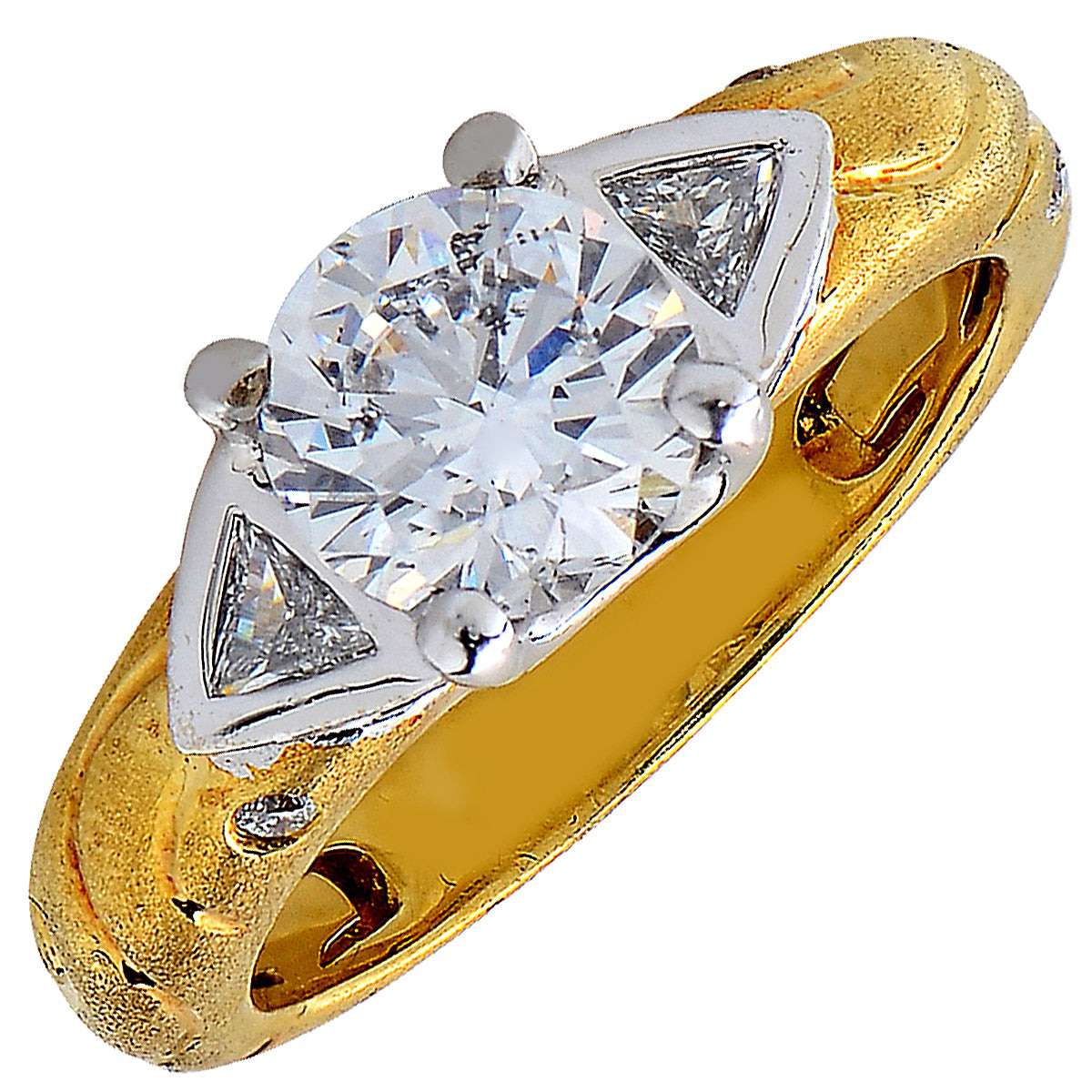
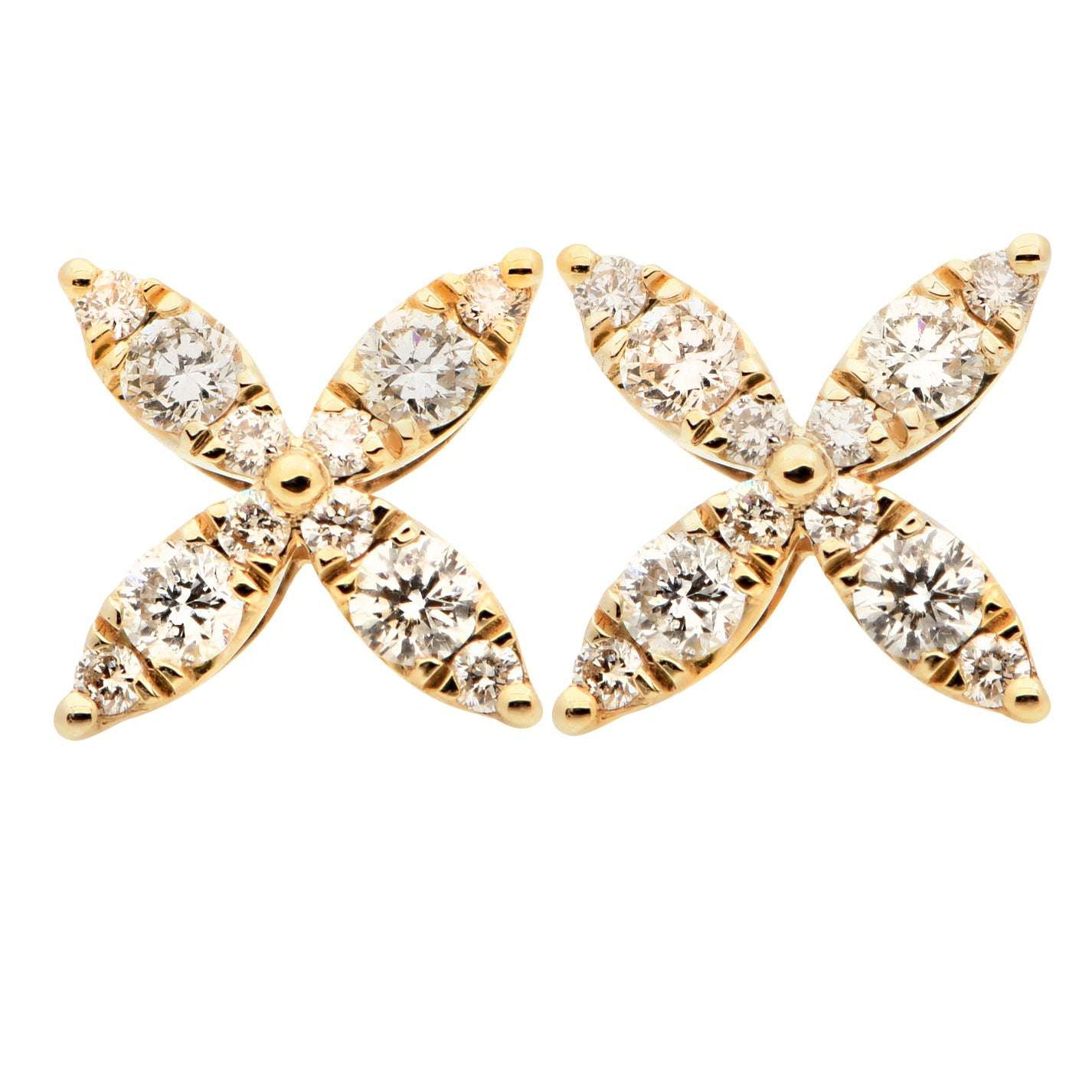
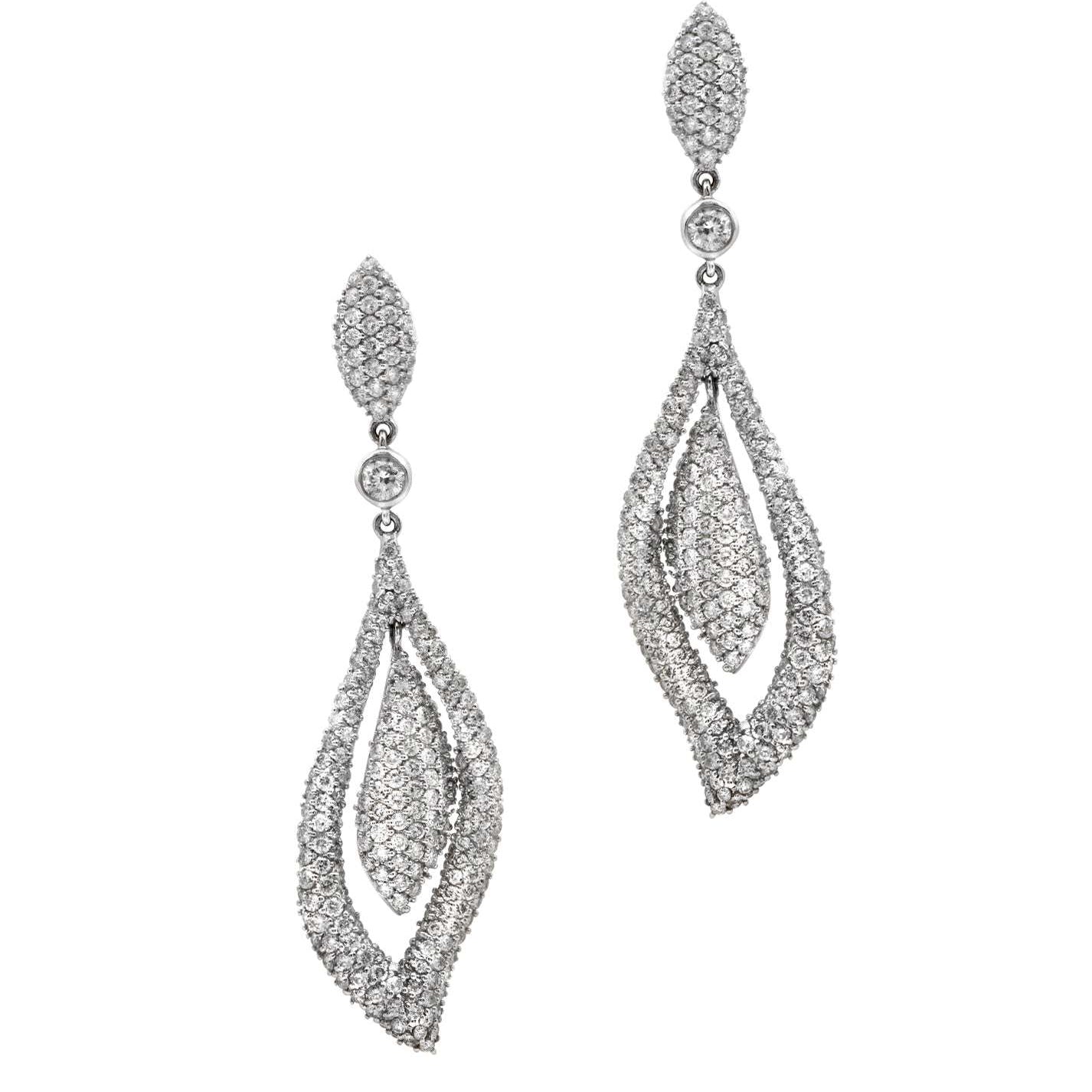
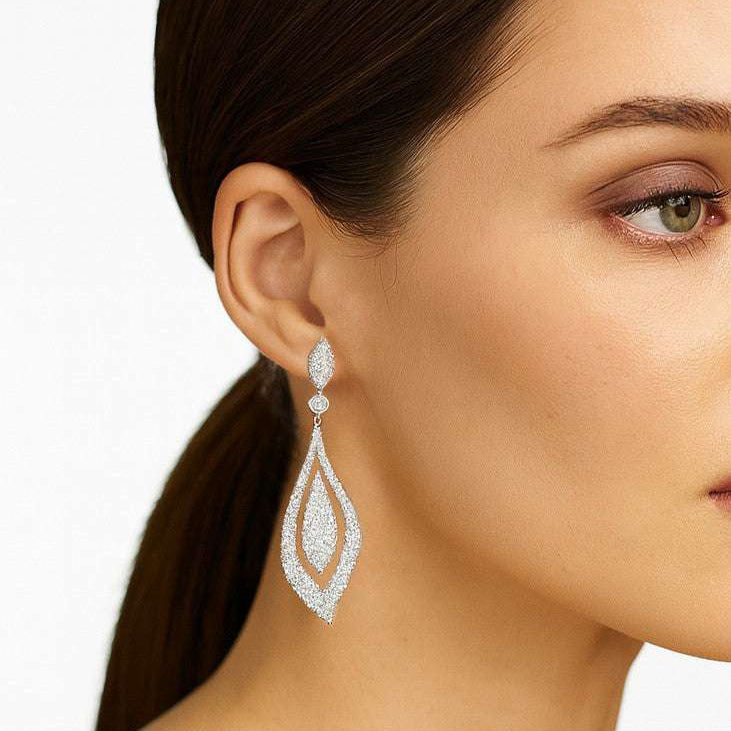
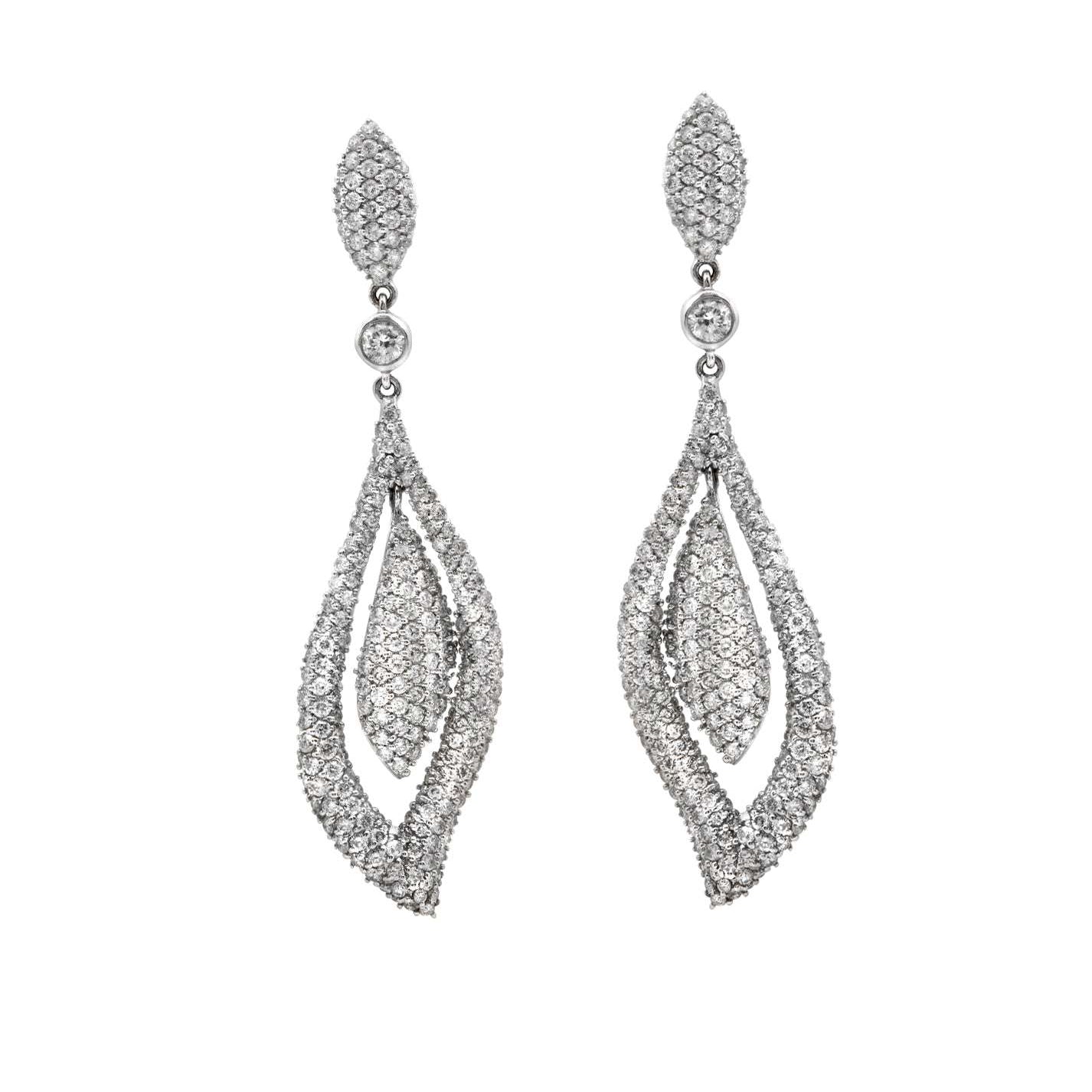
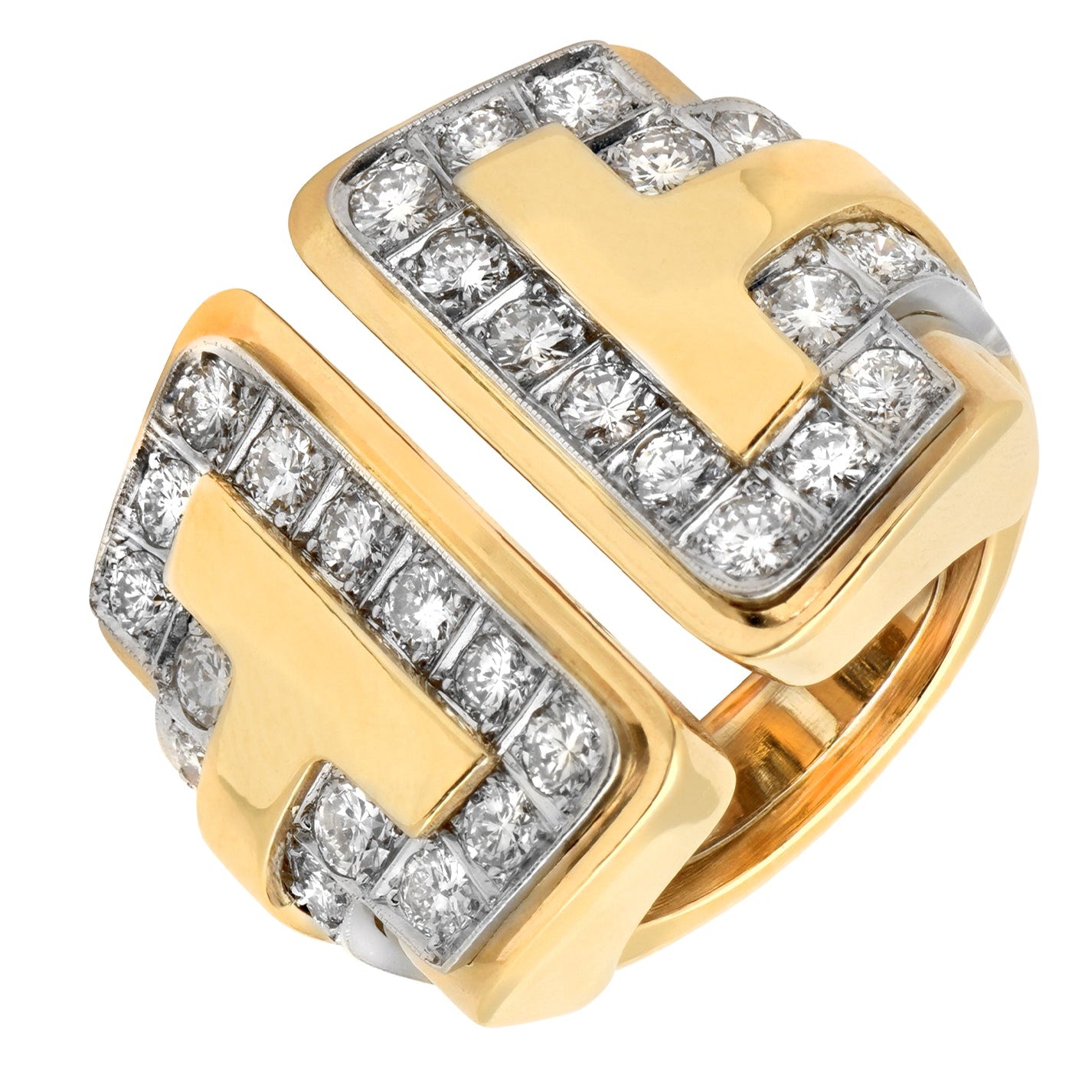
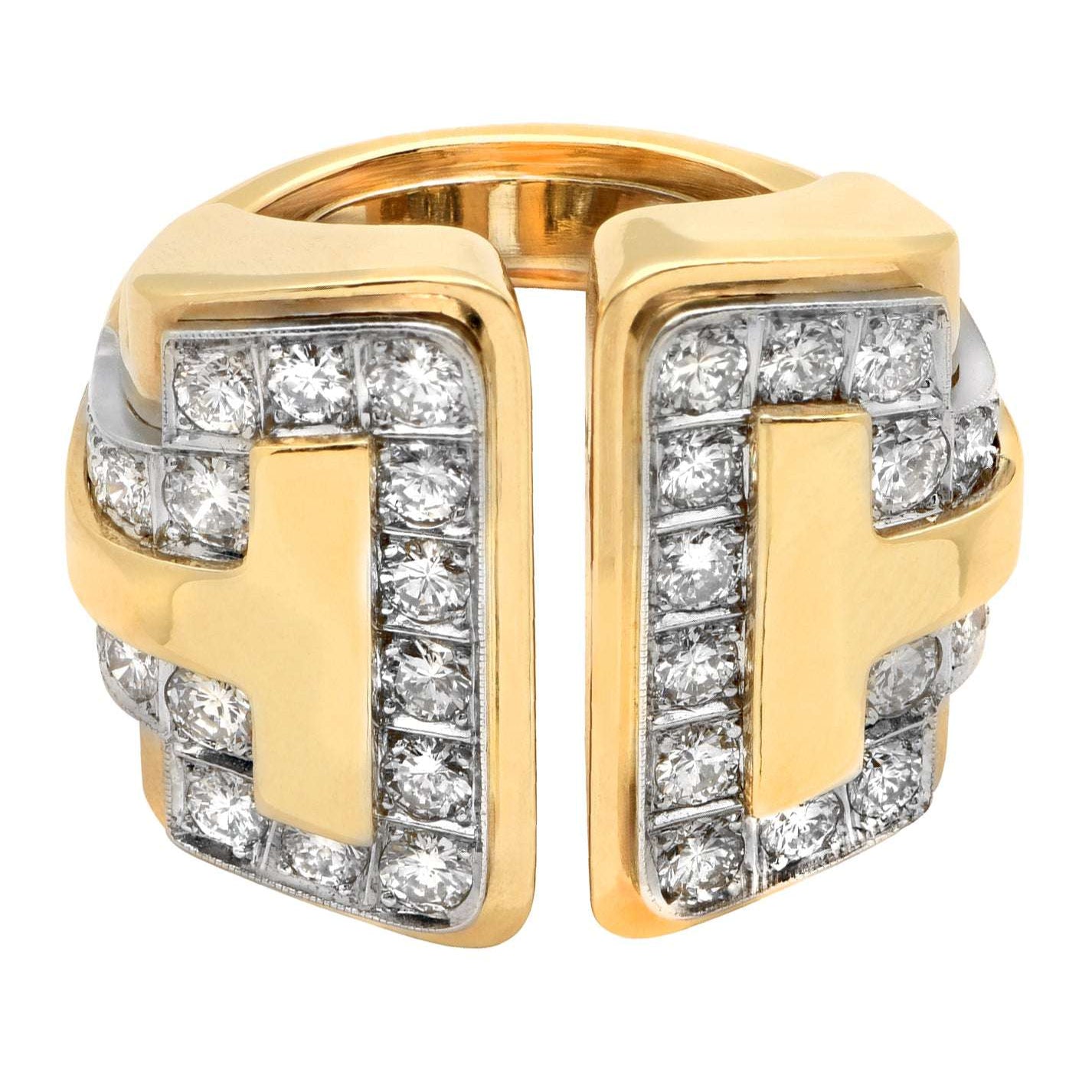
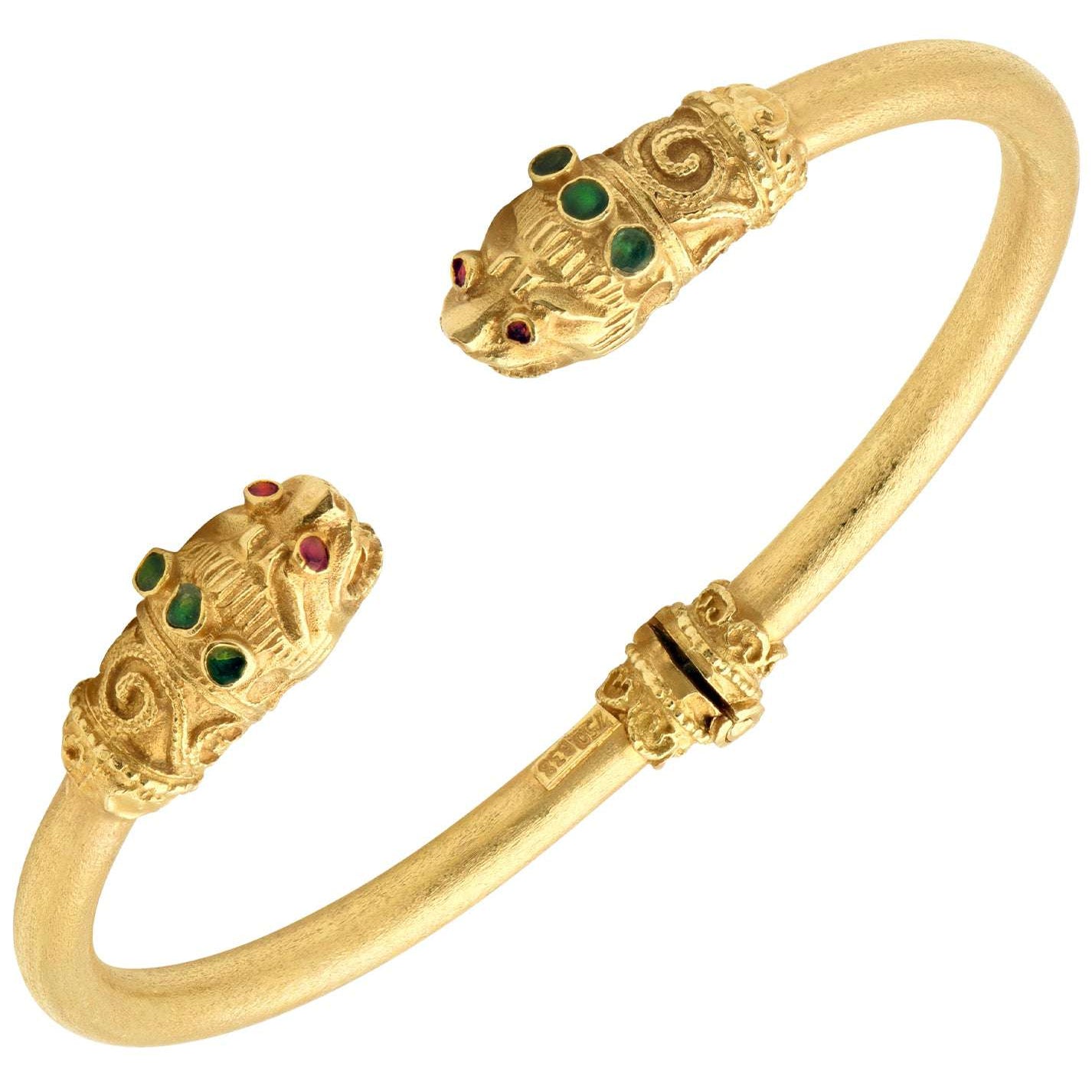
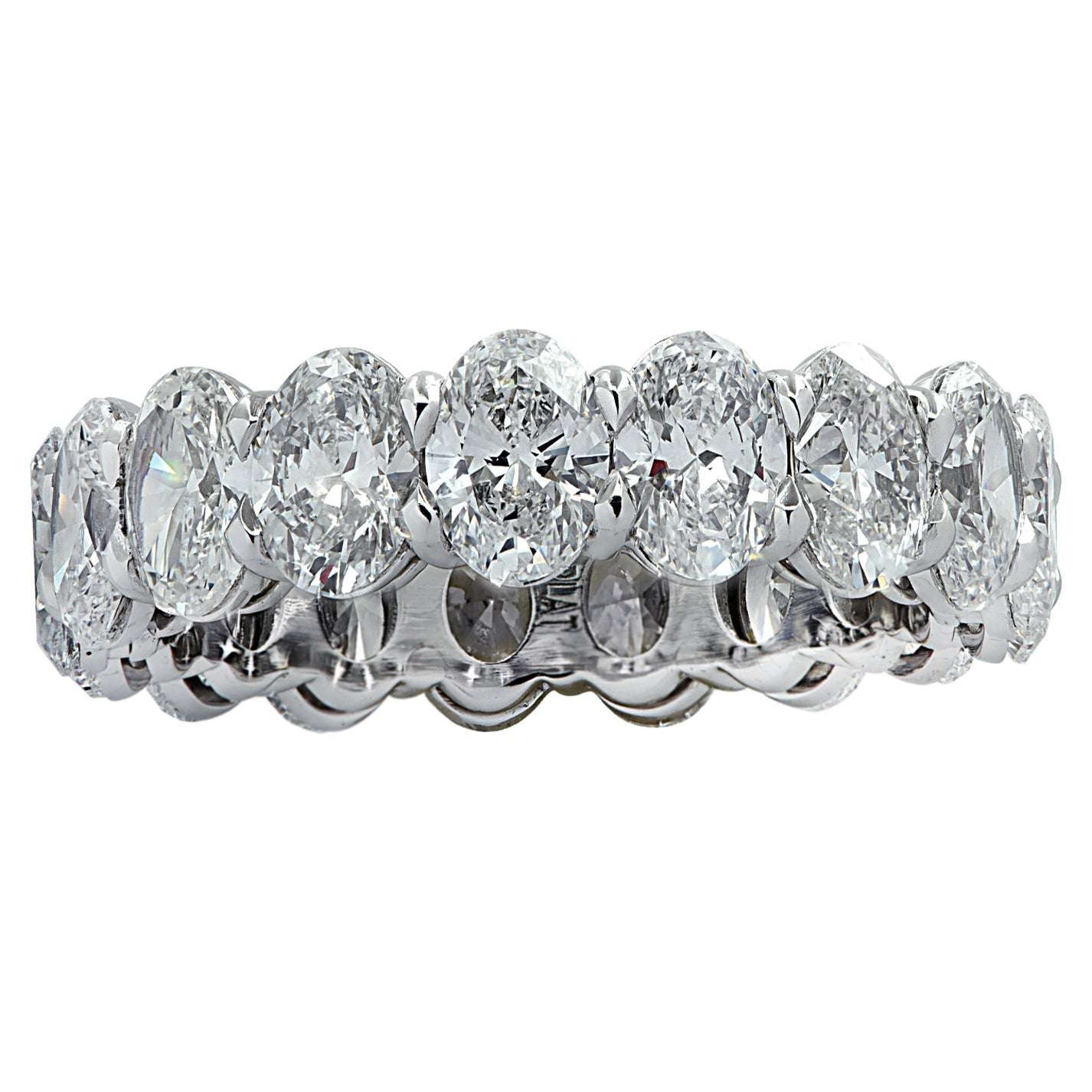
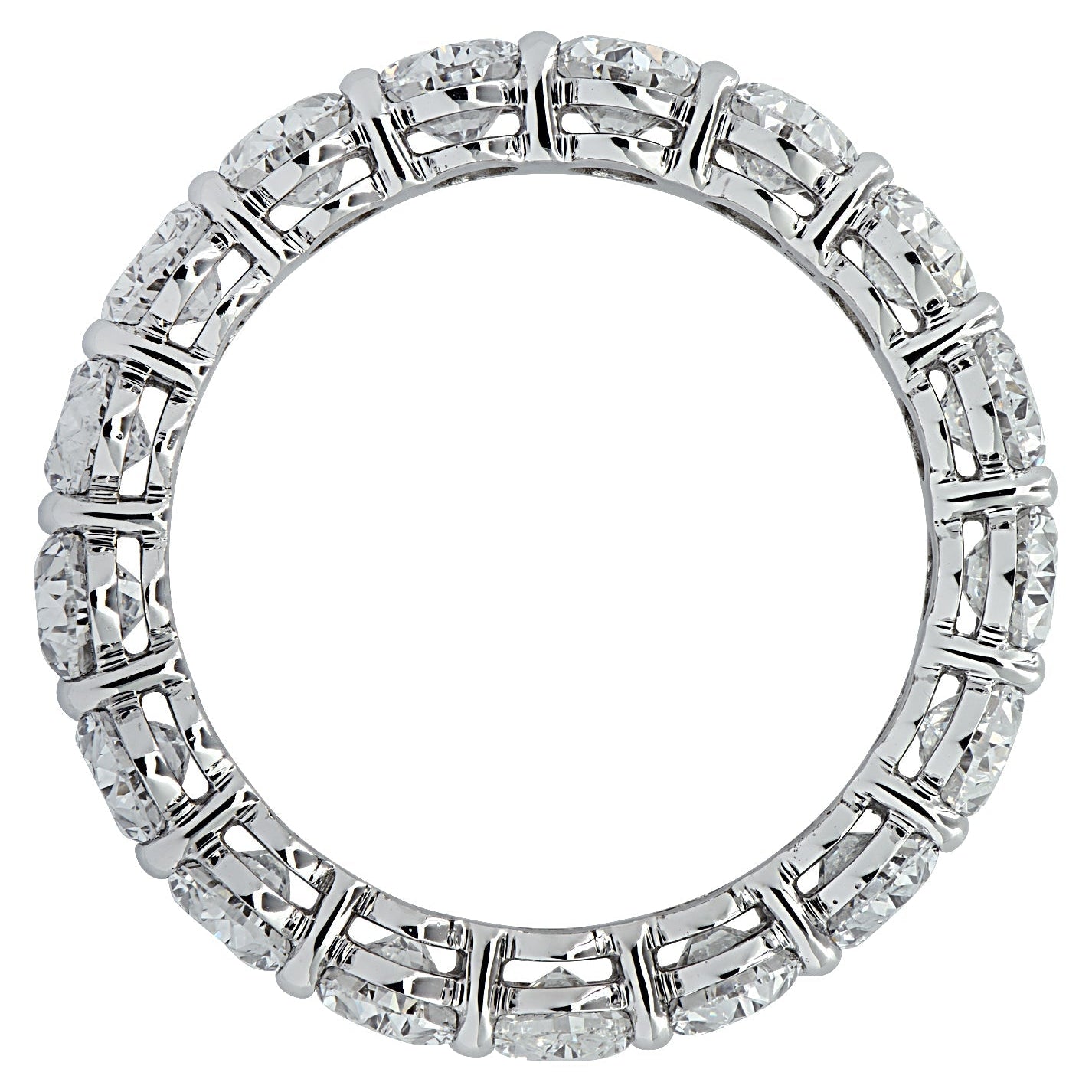
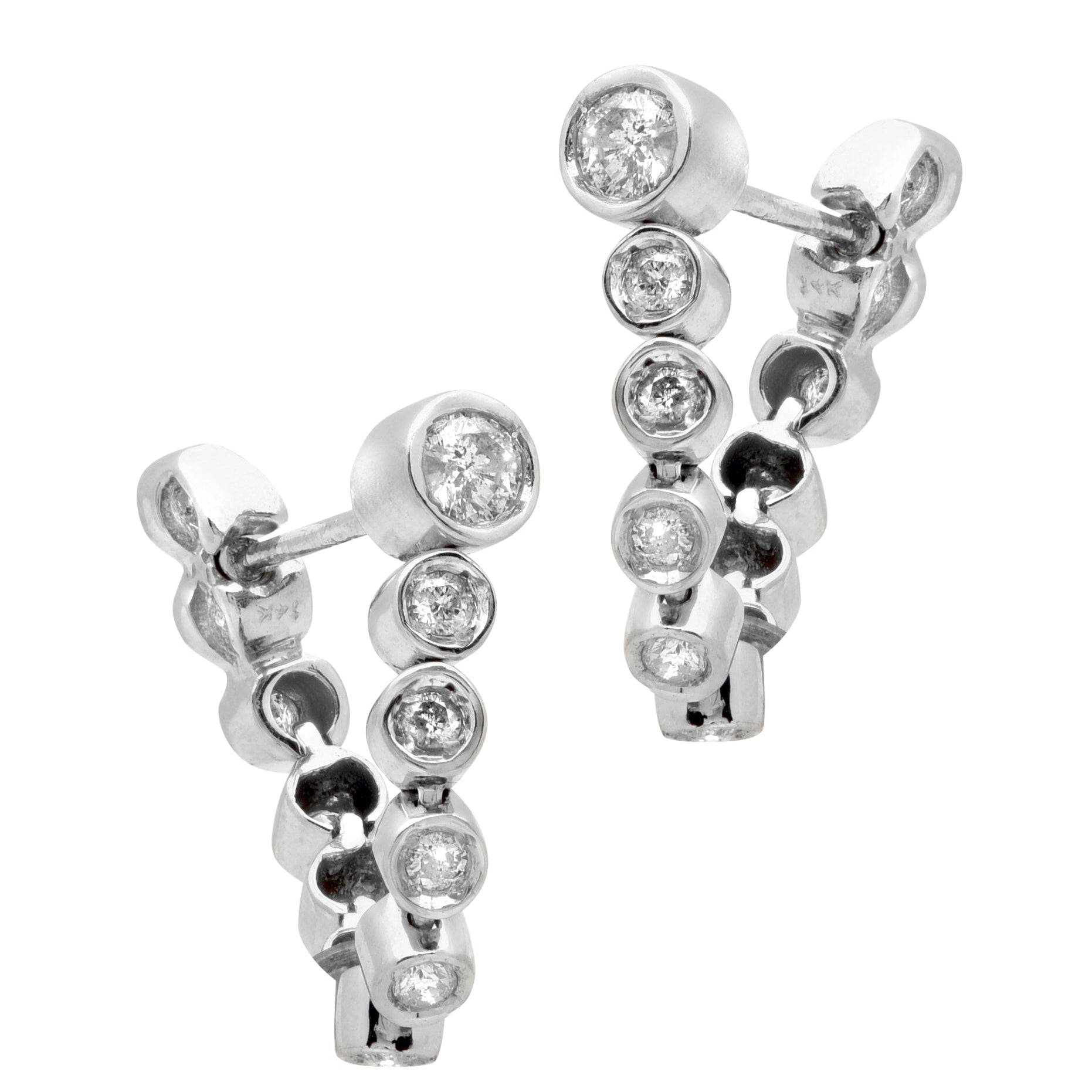
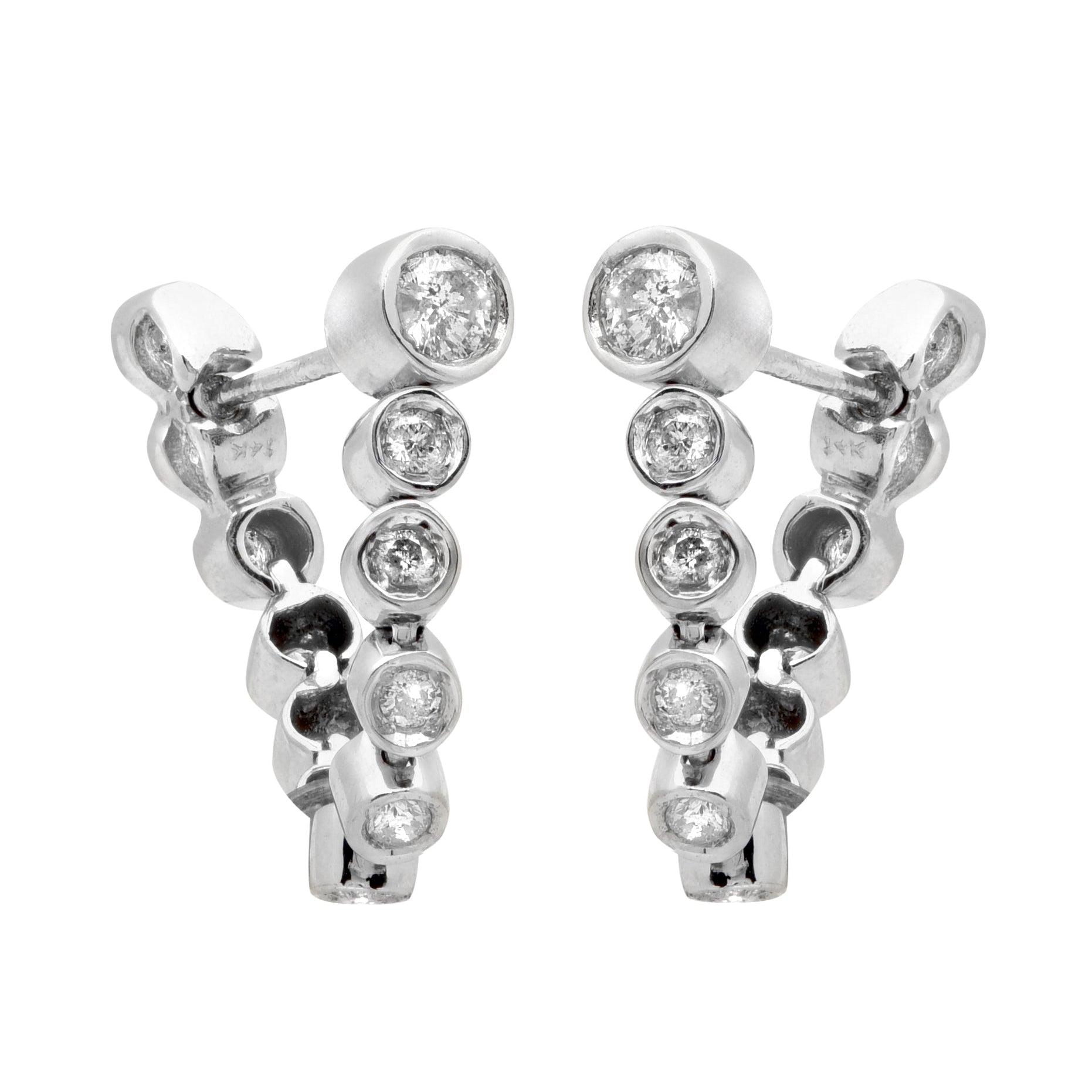
Chanel Jewelry: Heritage, Collections, And Buying Guide
You don't buy Chanel Jewelry just to accessorize, you buy into a century of design codes that rewrote what luxury looks like. From Gabrielle "Coco" Chanel's audacious costume jewels that liberated women from rigid dress codes to today's Place Vendôme high jewelry, Chanel's pieces carry a consistent language: powerful motifs, impeccable construction, and a precise sense of proportion. If you're weighing new versus vintage, costume versus fine, or simply want to authenticate and care for what you own, this guide gives you the context and practical detail to make confident decisions.
The Chanel Jewelry Story: From Costume To High Jewelry
Coco Chanel didn't treat jewelry as a whisper. In the 1920s and '30s she stacked ropes of pearls, oversized crosses, and gilt chains, making "costume" not a compromise but a statement. She collaborated with artisans like Maison Gripoix (pâte de verre poured glass) and used glass pearls so women could wear generous layers without the cost, or fragility, of naturals. The point wasn't to imitate: it was to elevate the outfit.
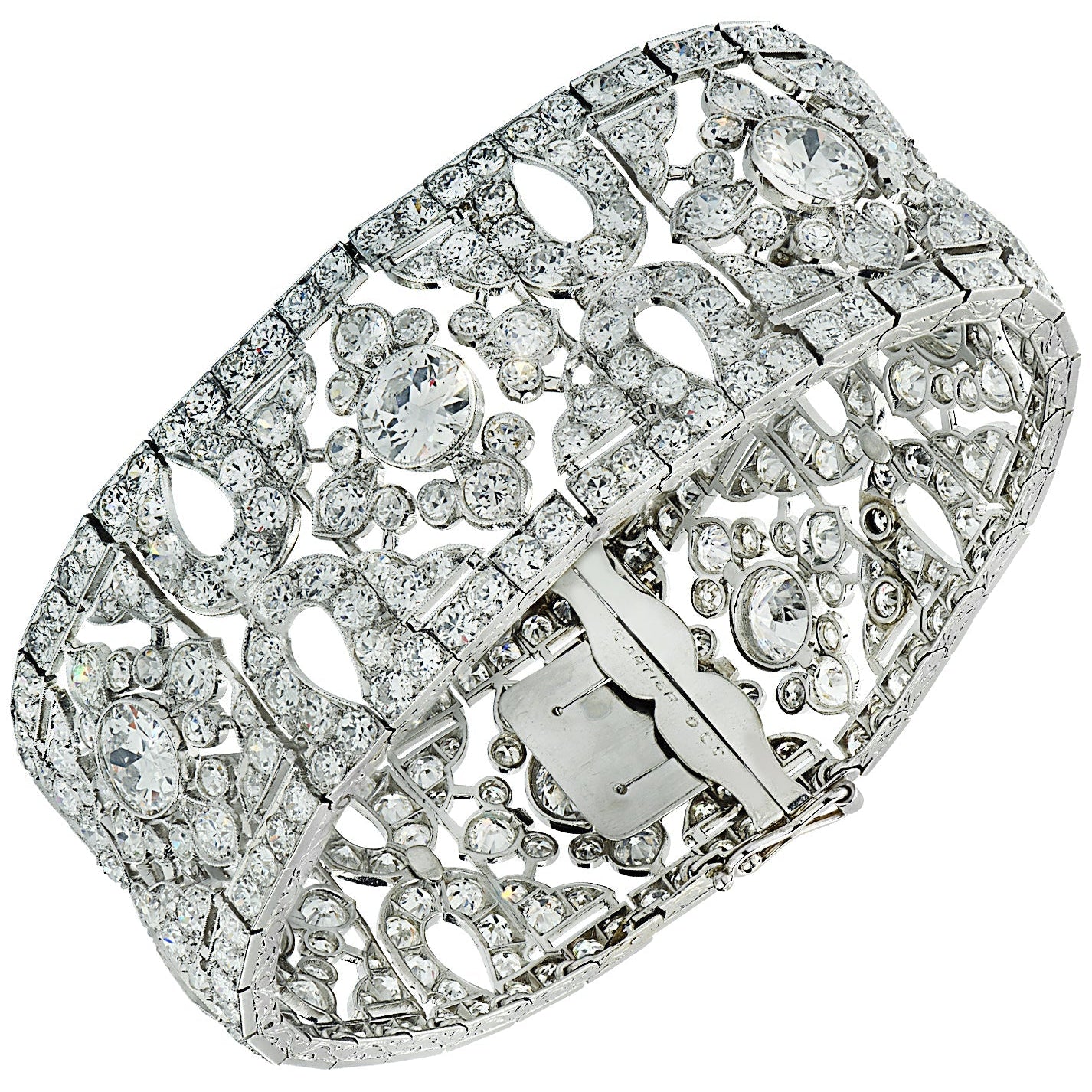
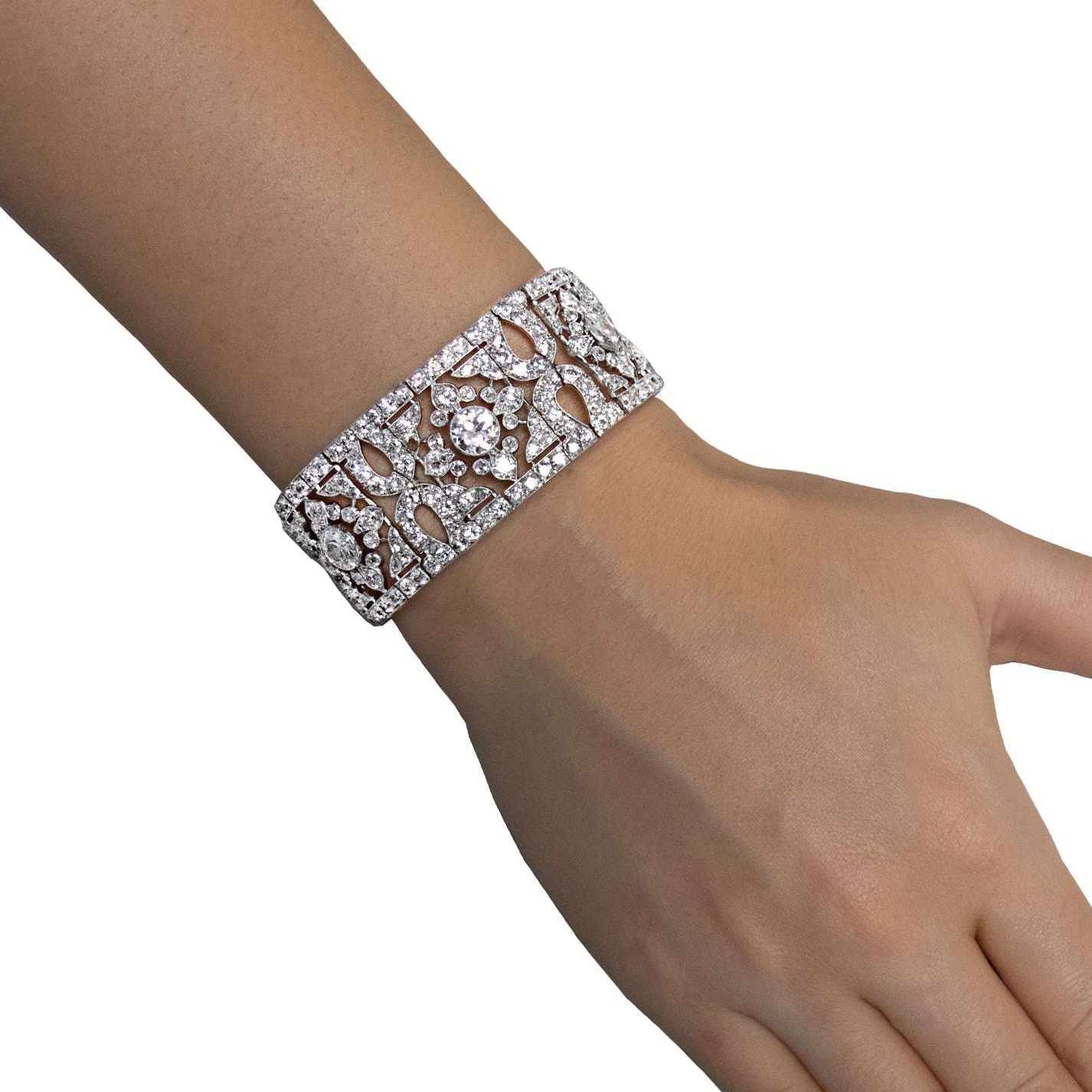
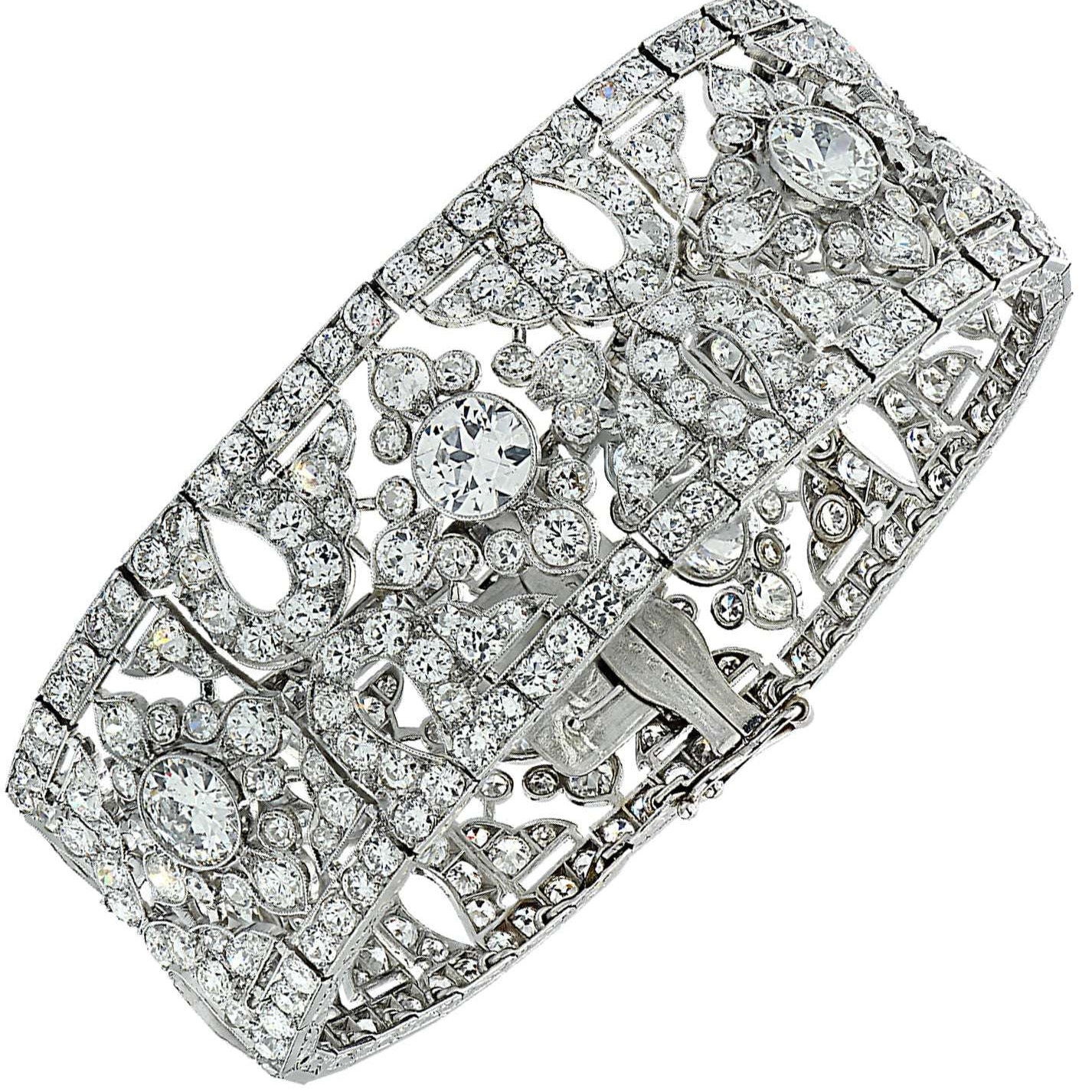
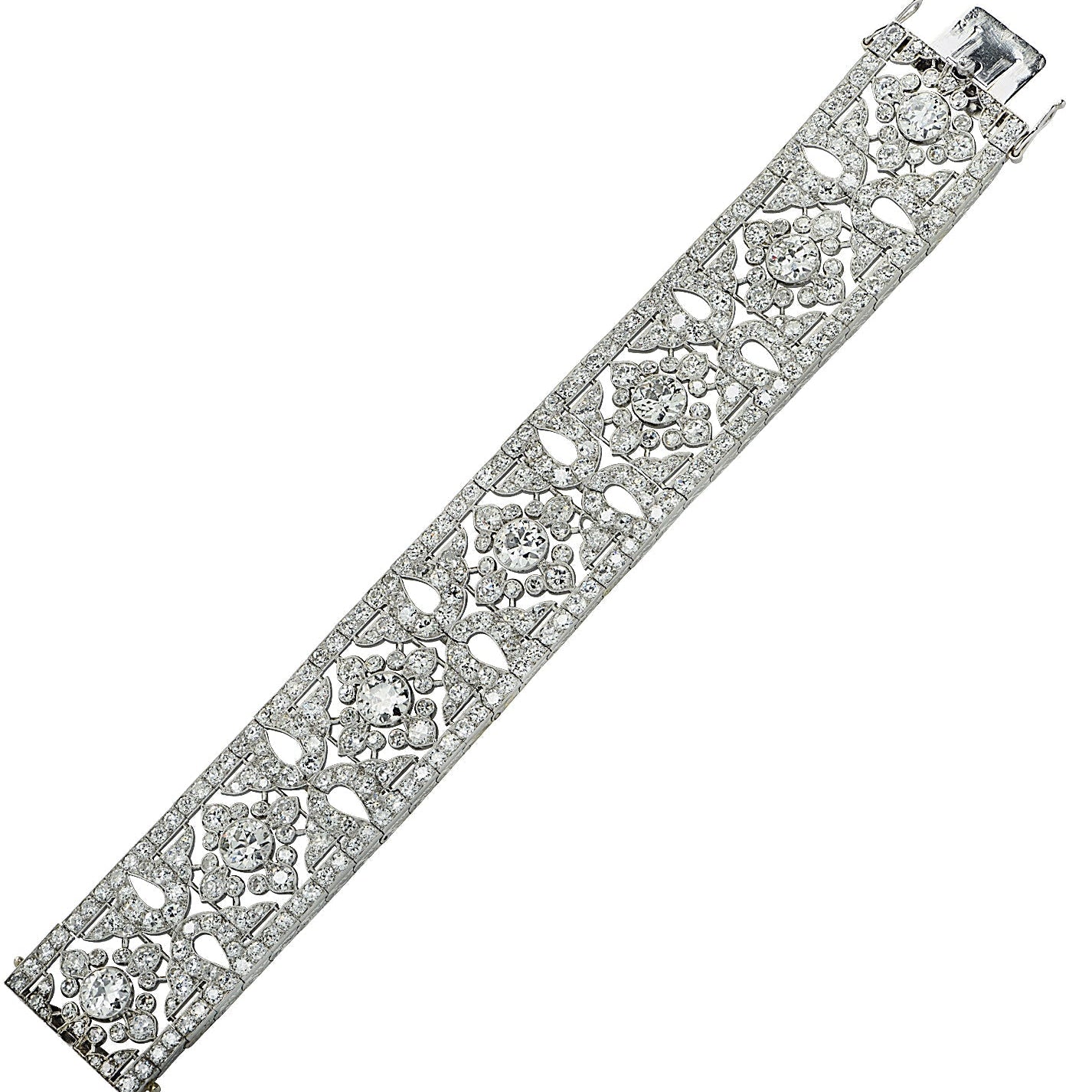
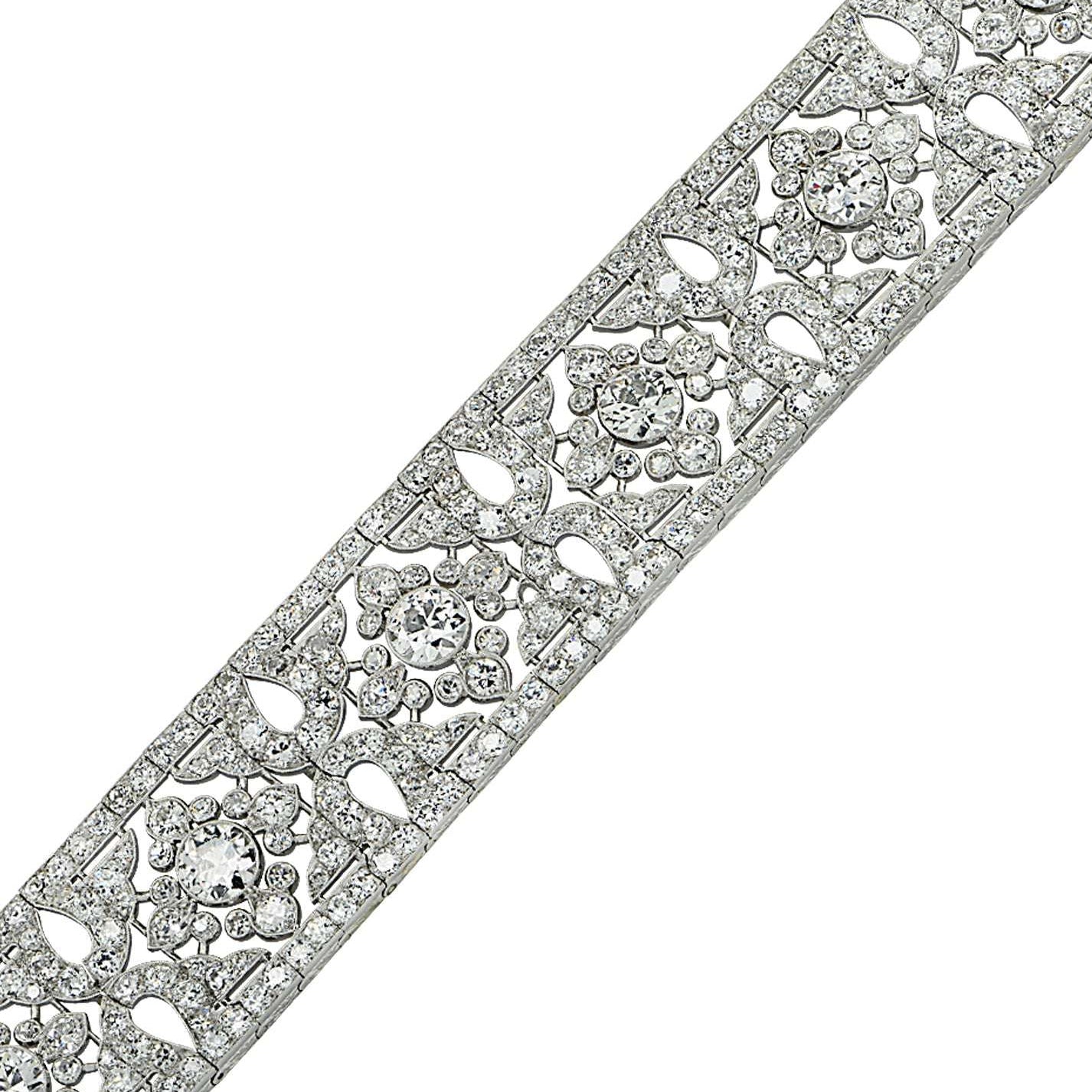
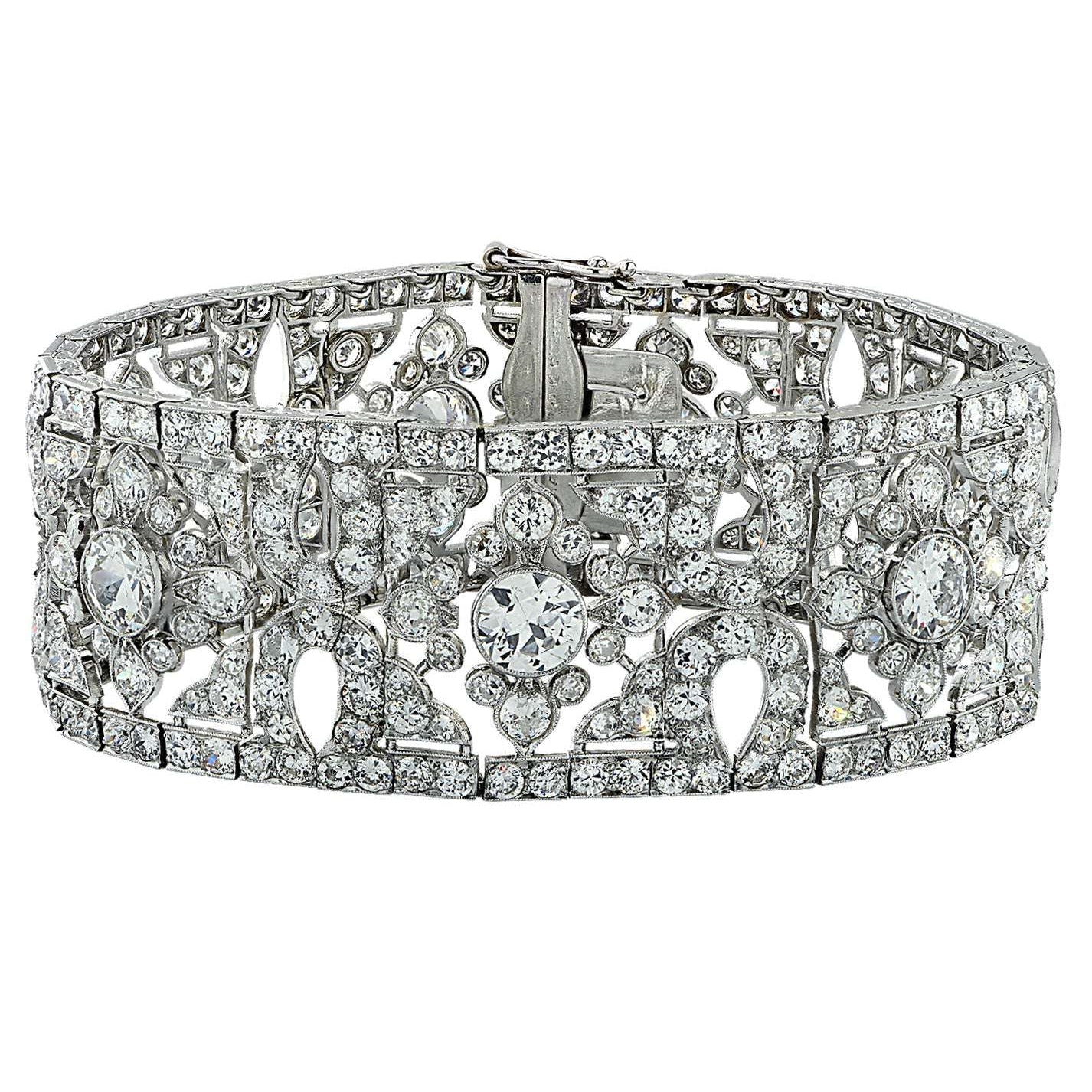
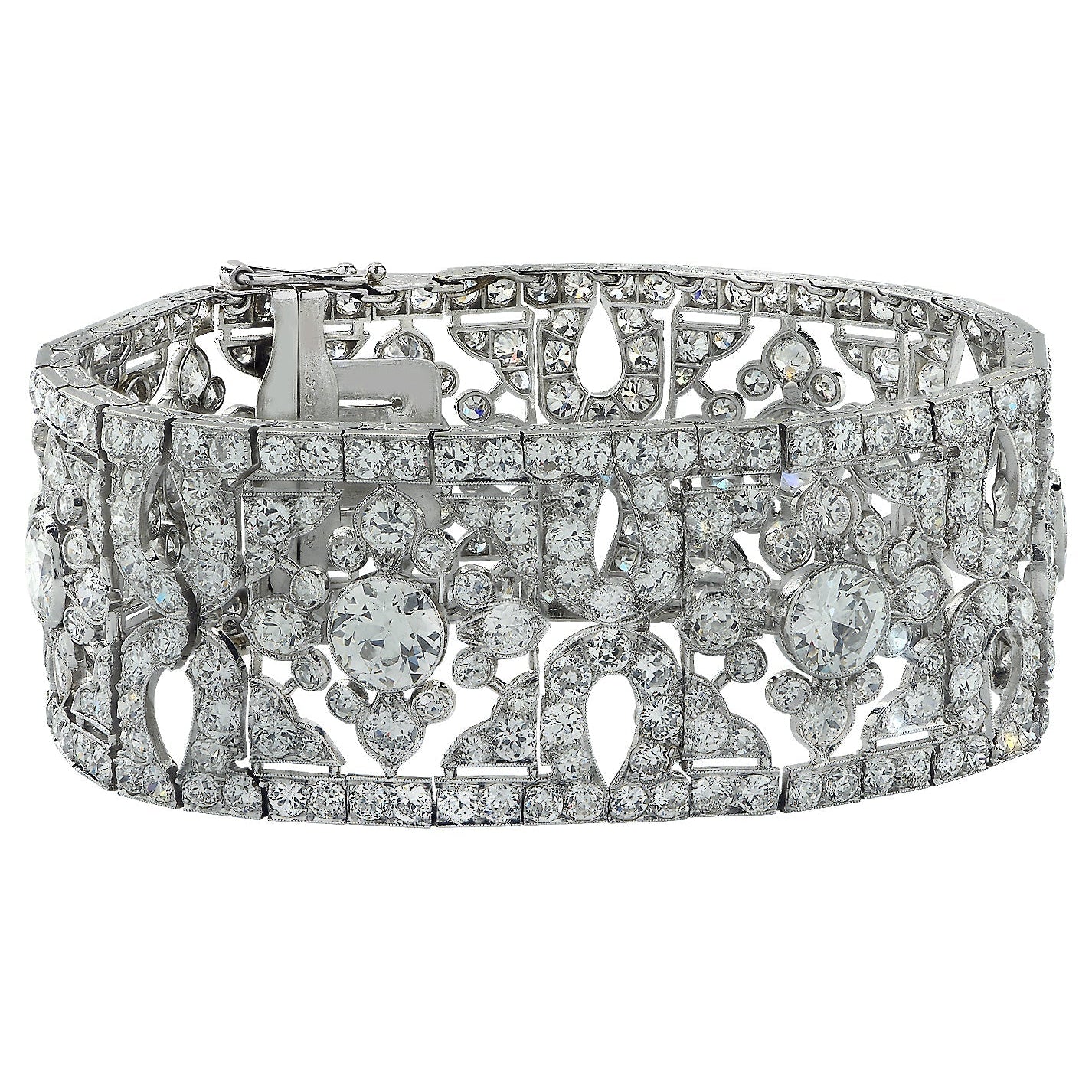
In 1932 she shocked conservative Paris with "Bijoux de Diamants," a diamond collection in platinum and white gold with comets, stars, and fringes, arguably the first modern high jewelry line authored by a fashion designer. After wartime pauses, Chanel's costume jewelry thrived again under the creative direction of Robert Goossens and later, from the 1980s, Karl Lagerfeld, who amplified the double‑C logo and maximalist chains.
Chanel Fine Jewelry (joaillerie) returned as a permanent pillar with the opening of the Place Vendôme boutique in 1997. Today the house produces:
- Costume (fashion) jewelry: primarily gold‑tone or silver‑tone base metals, glass, resin, crystal, and Gripoix‑style glass.
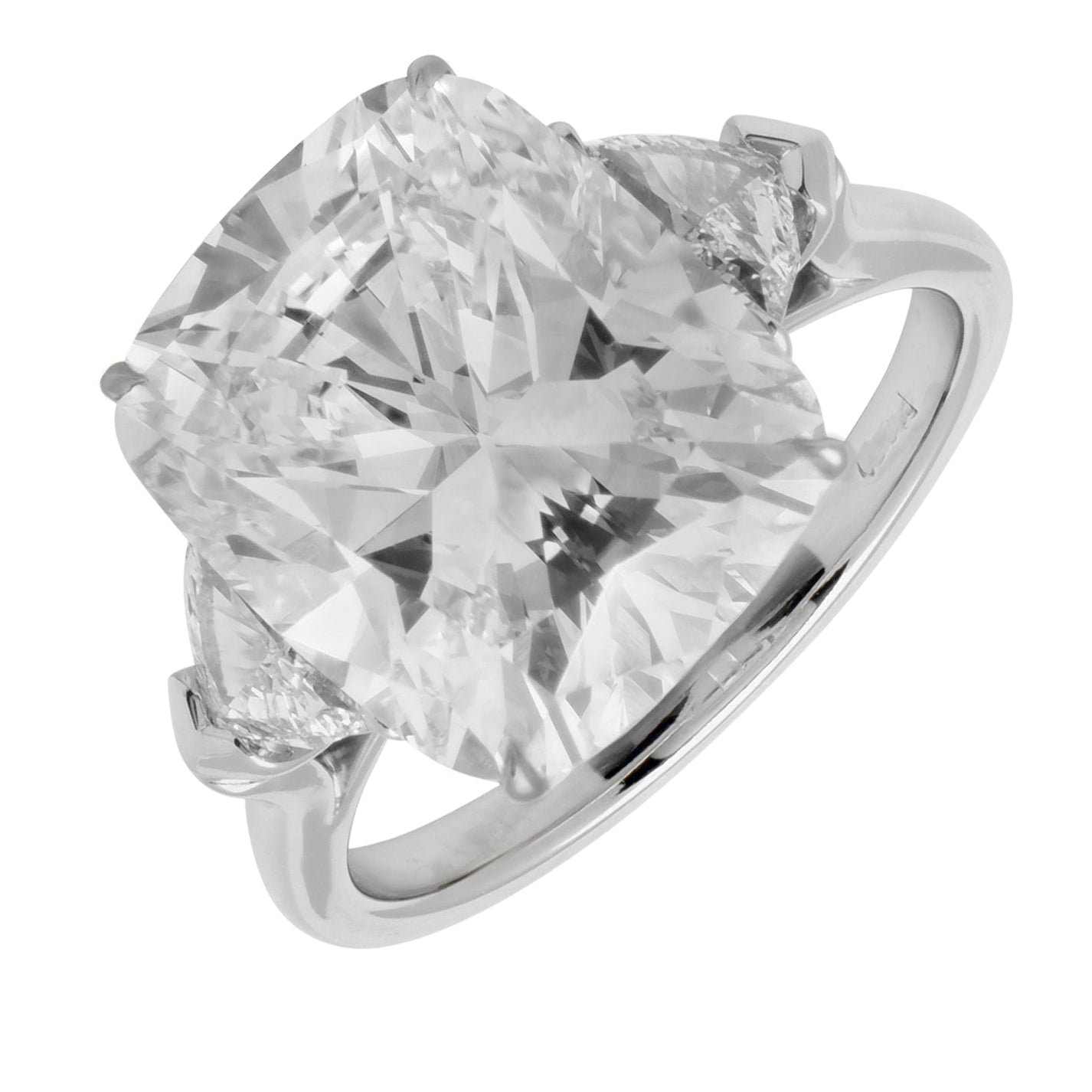
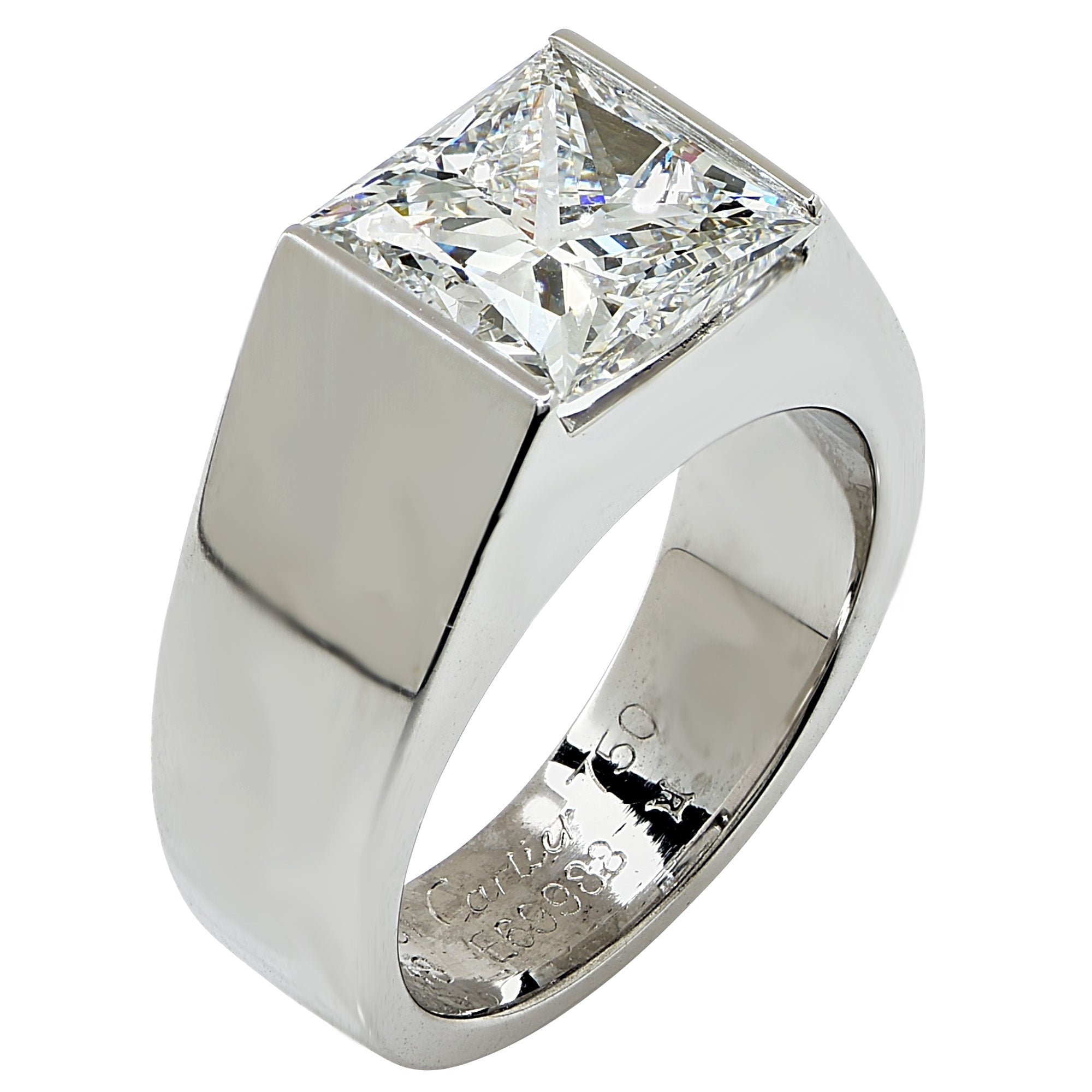
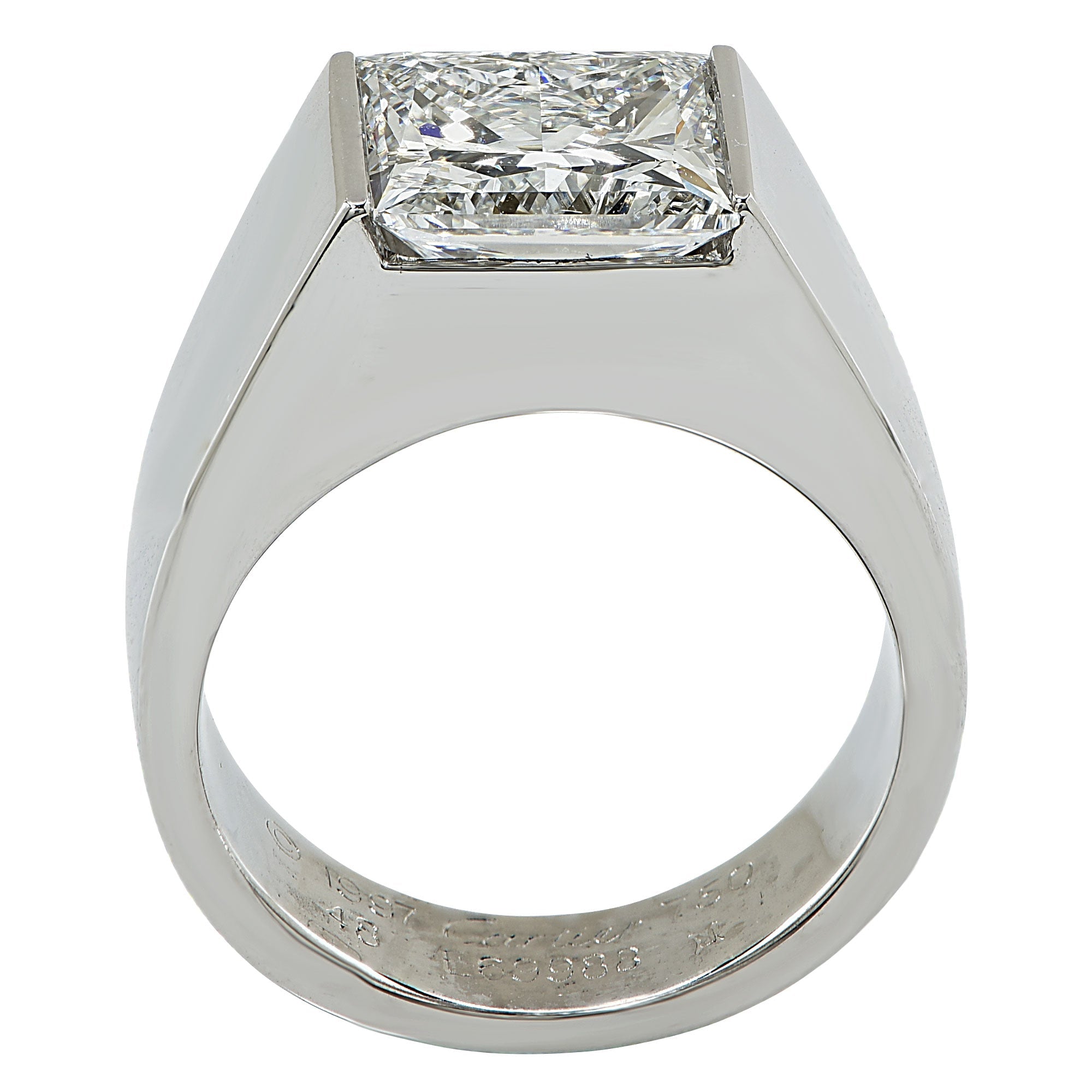
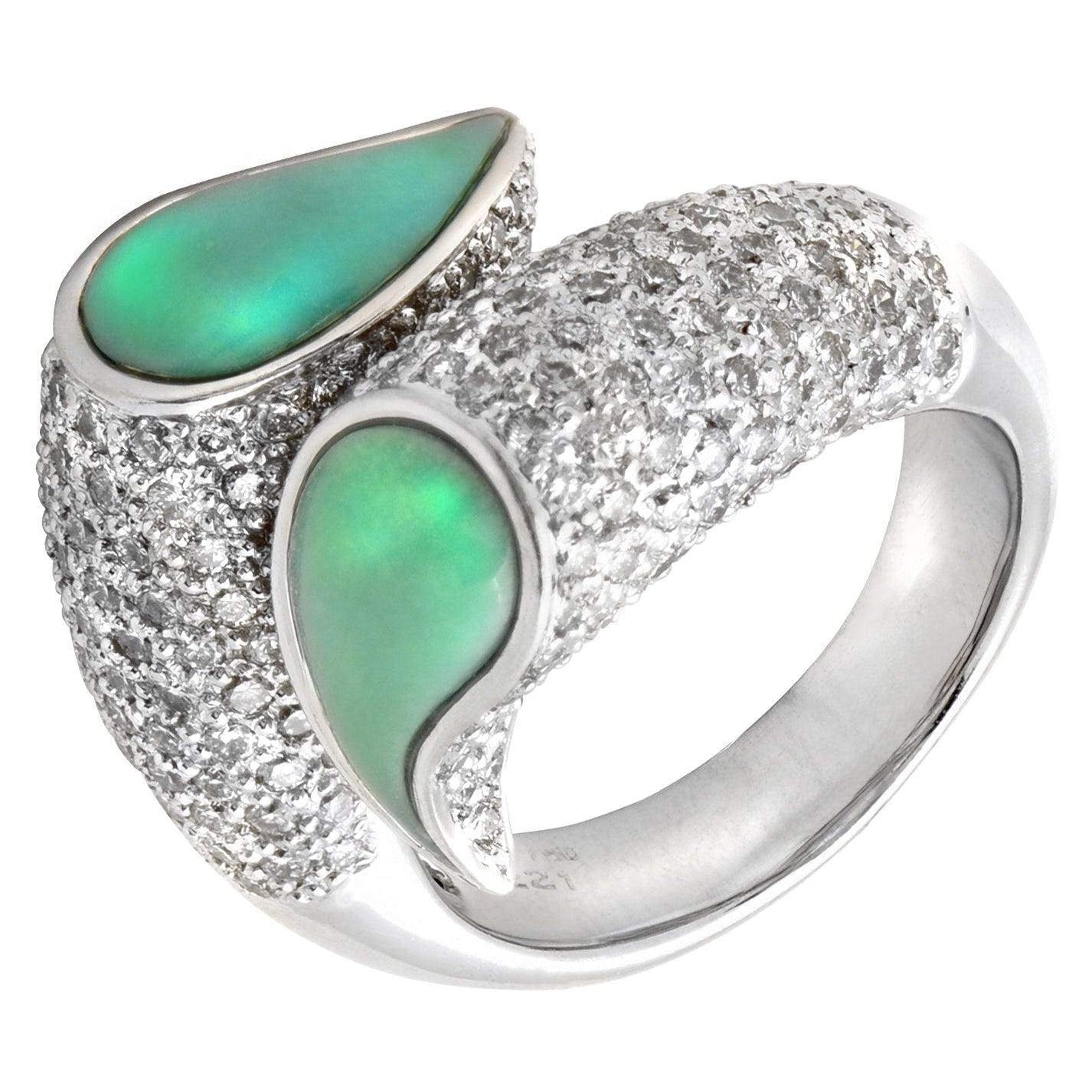
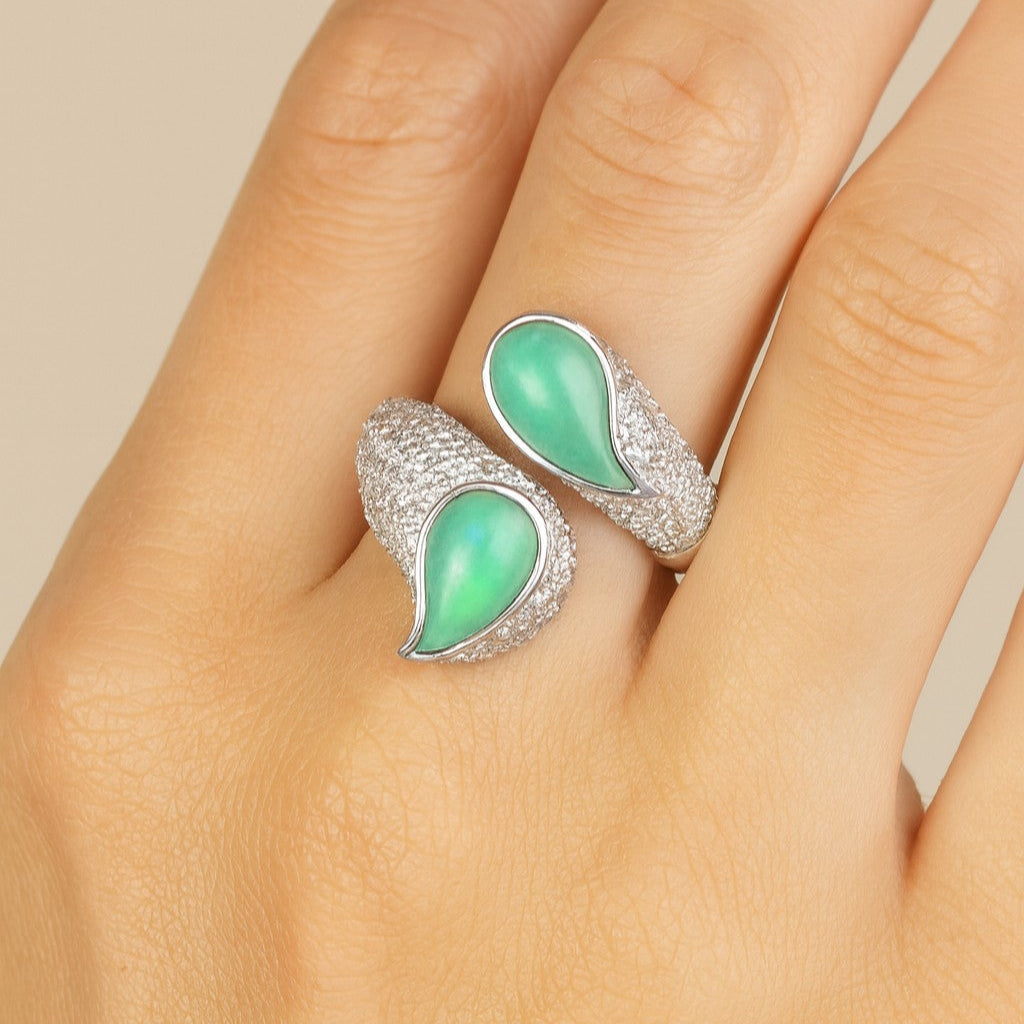
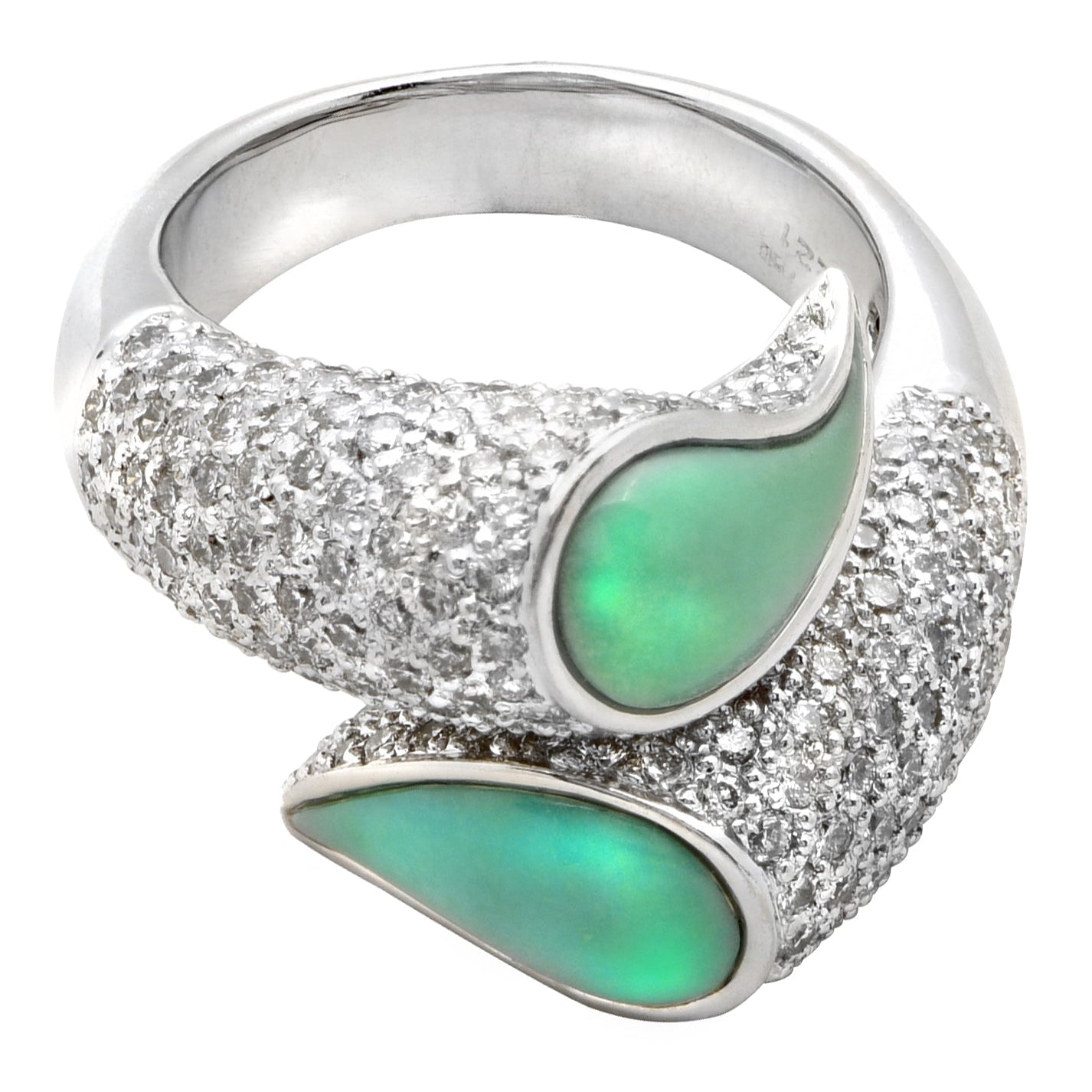
- Fine jewelry: 18k gold (yellow, beige, white), platinum, diamonds and colored gemstones.
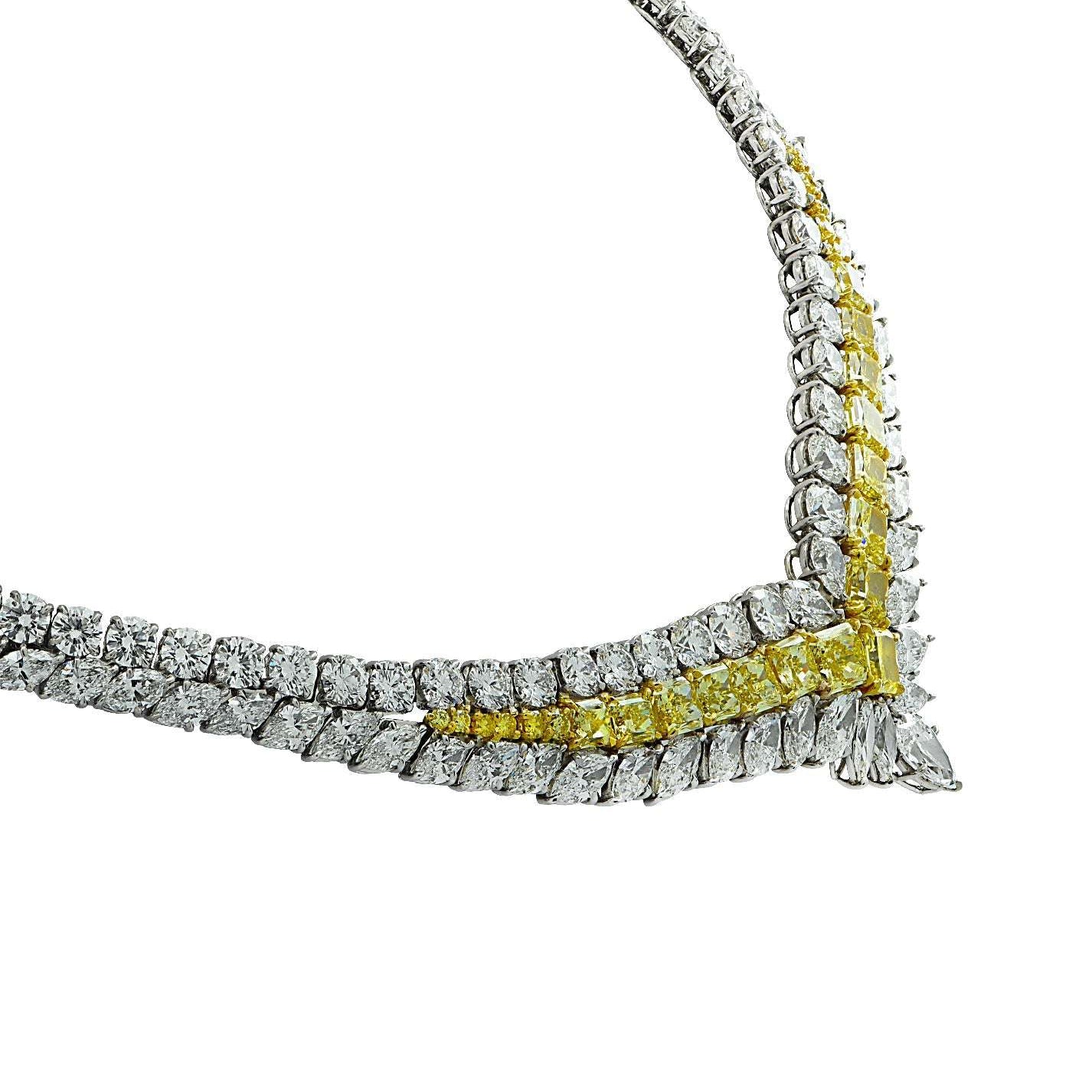
- High Jewelry: rare stones, complex settings, and couture-level craftsmanship, often as touring collections.
Across tiers, the design vocabulary stays unmistakable: camellias, stars, N°5, quilting, pearls, and chains.
Iconic Motifs And Collections
Camélia
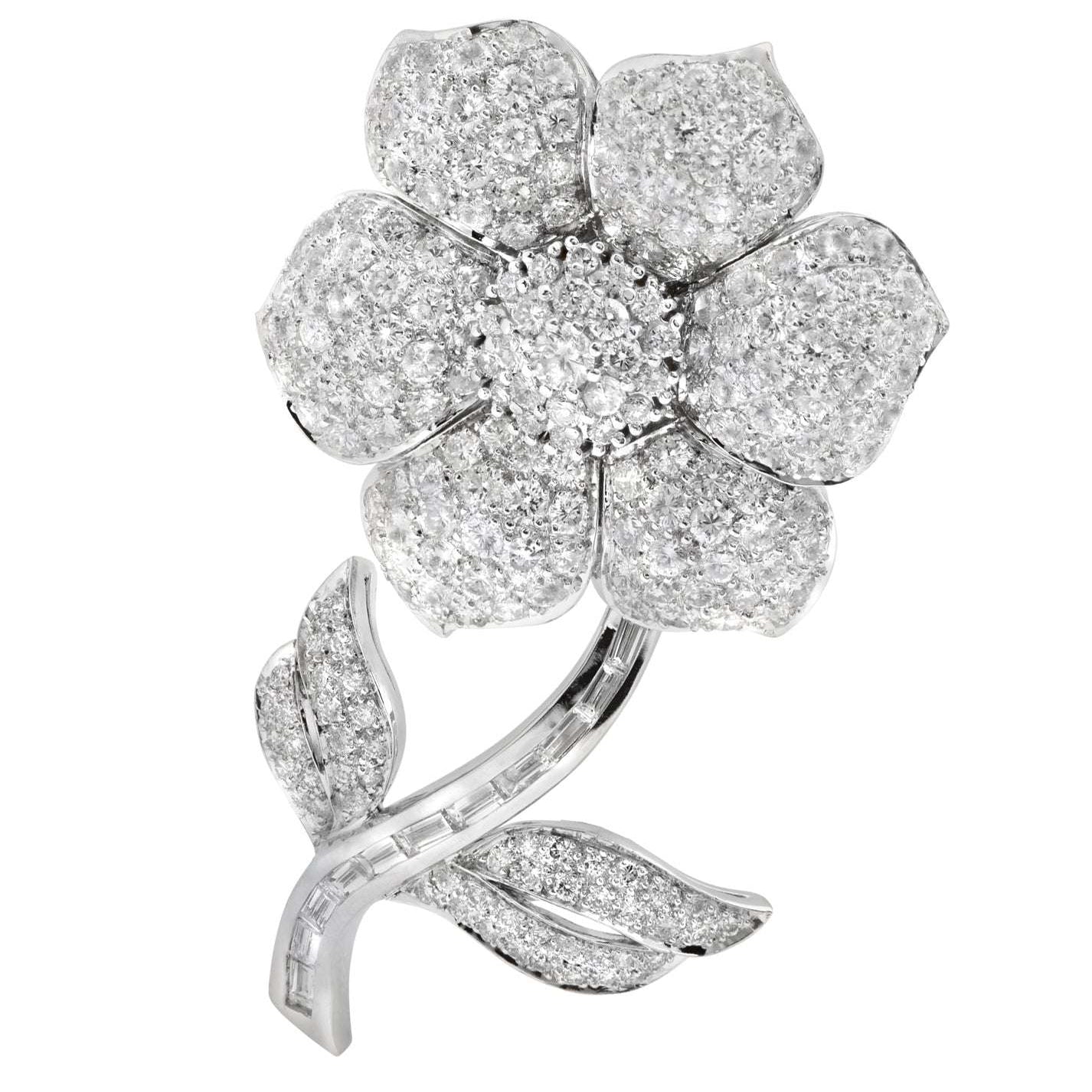
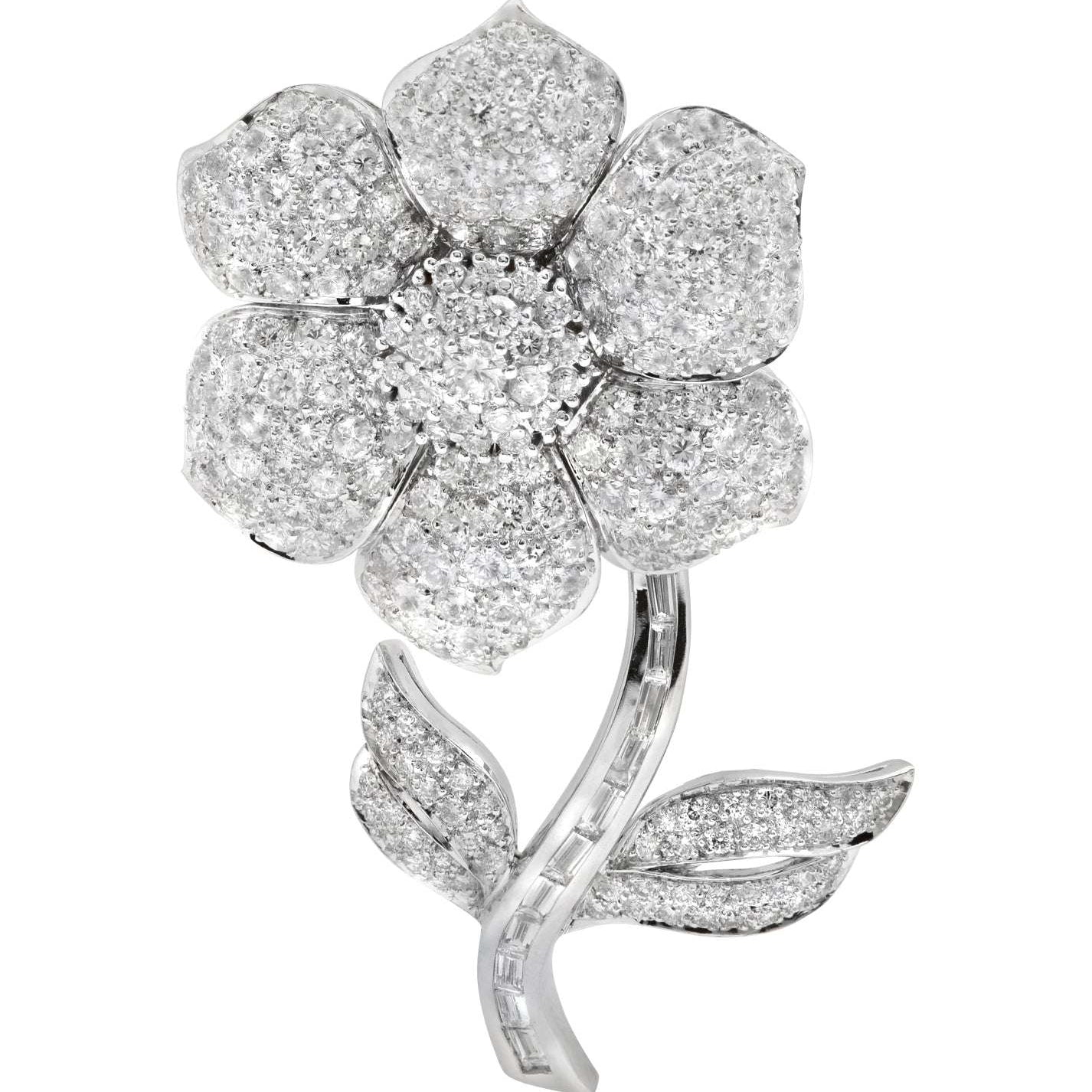
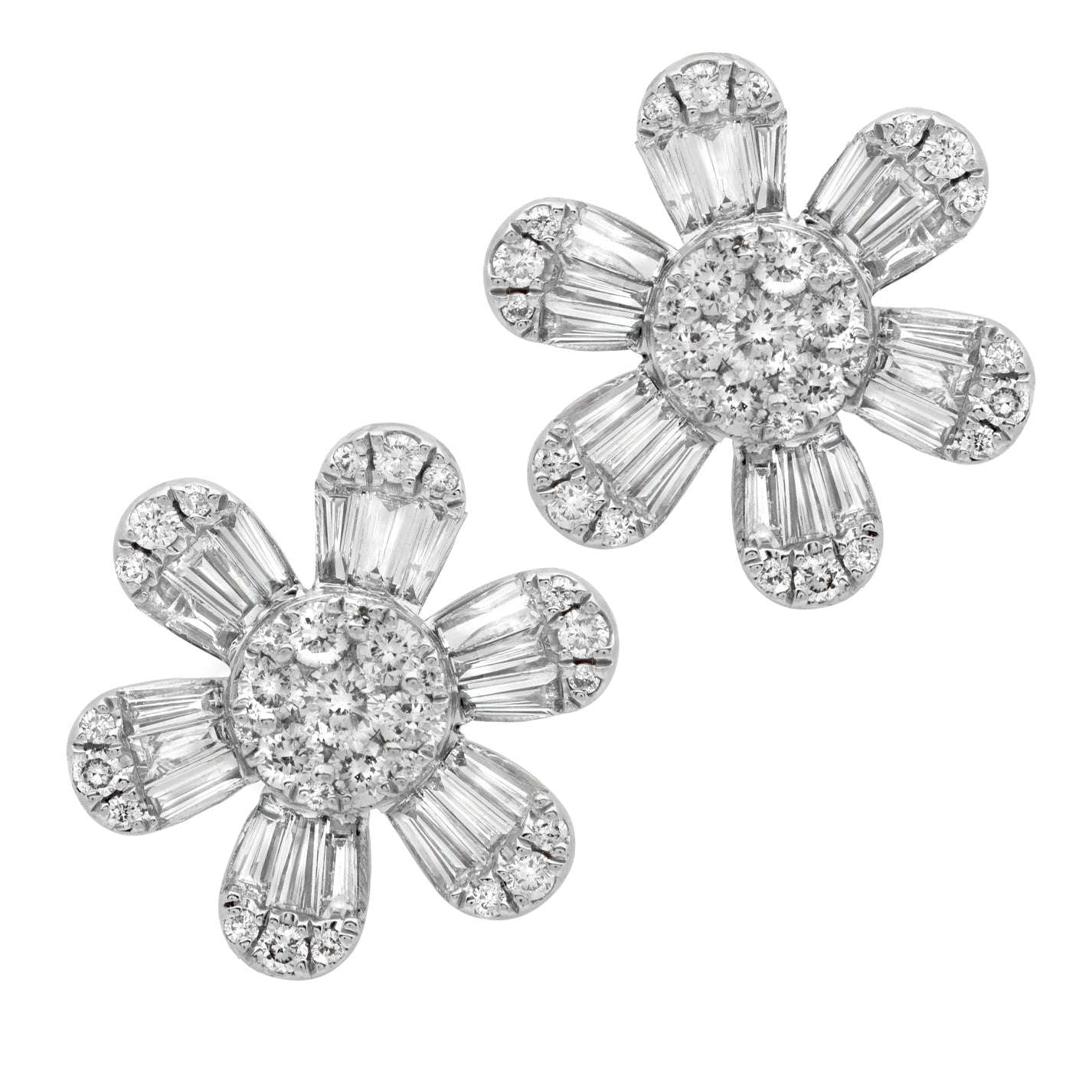
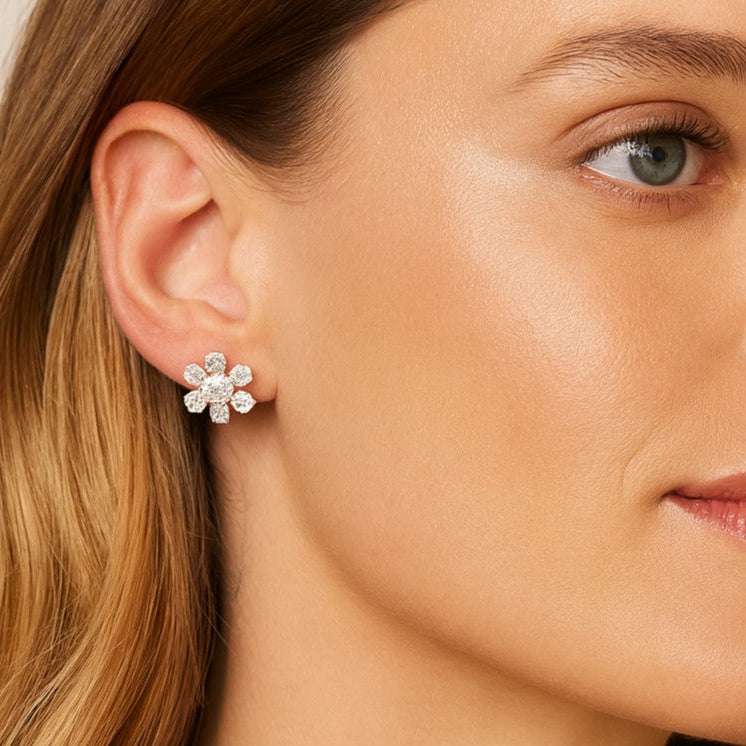
Coco's favorite flower, sans scent and thorns, signals purity of line. In costume pieces you'll see Gripoix glass or lacquered petals: in fine jewelry, sculpted 18k camellias pavé‑set with diamonds or carved from onyx and mother‑of‑pearl. The best versions balance negative space so they feel like a graphic emblem, not a literal bloom.
Coco Crush
Born from Chanel's matelassé (quilted) leather pattern, Coco Crush translates those criss‑cross lines into curved rings, cuffs, and bangles. In 18k beige, yellow, or white gold, with or without diamonds, it's designed for stacking. You'll notice the satin versus high‑polish interplay that keeps large pieces wearable by day.
Comète And Étoile
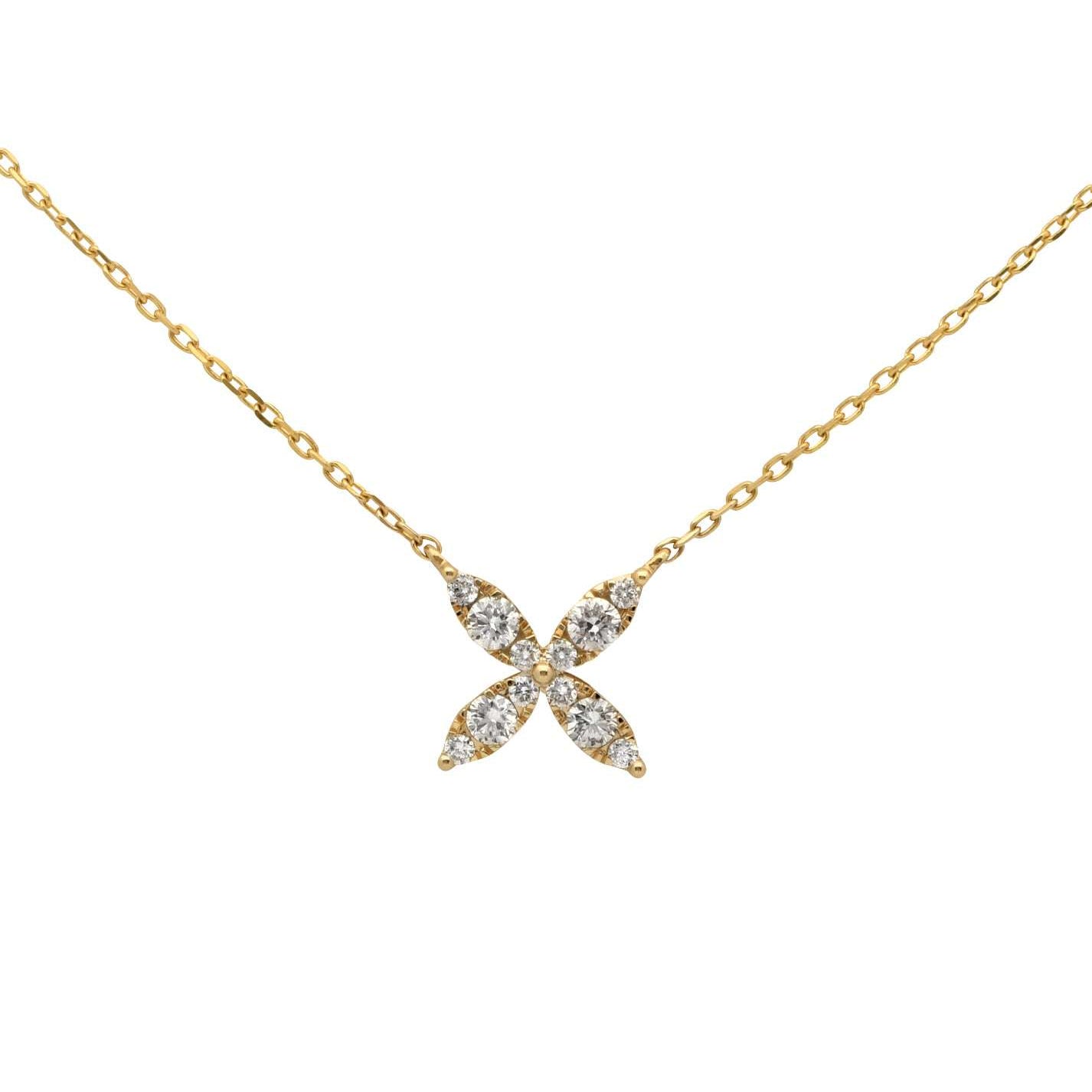
The 1932 comet returns as shooting‑star necklaces, asymmetric earrings, and open rings with diamond‑tipped trails. In high jewelry, stars arc across the décolletage with articulated links: in fine jewelry, a single diamond star on a fine chain is a restrained nod you can wear daily.
N°5 And Perfume-Inspired Pieces
The N°5 bottle silhouette, faceted like an emerald‑cut gem, appears as pendants, charm bracelets, and gem‑set medallions. Some high jewelry even abstracts scent trails into floating diamond lines. If you prefer stealth luxury, look for bottle‑cap clasps or clasp plaques stamped N°5 on otherwise minimal chains.
Pearls, Chains, And CC Logos
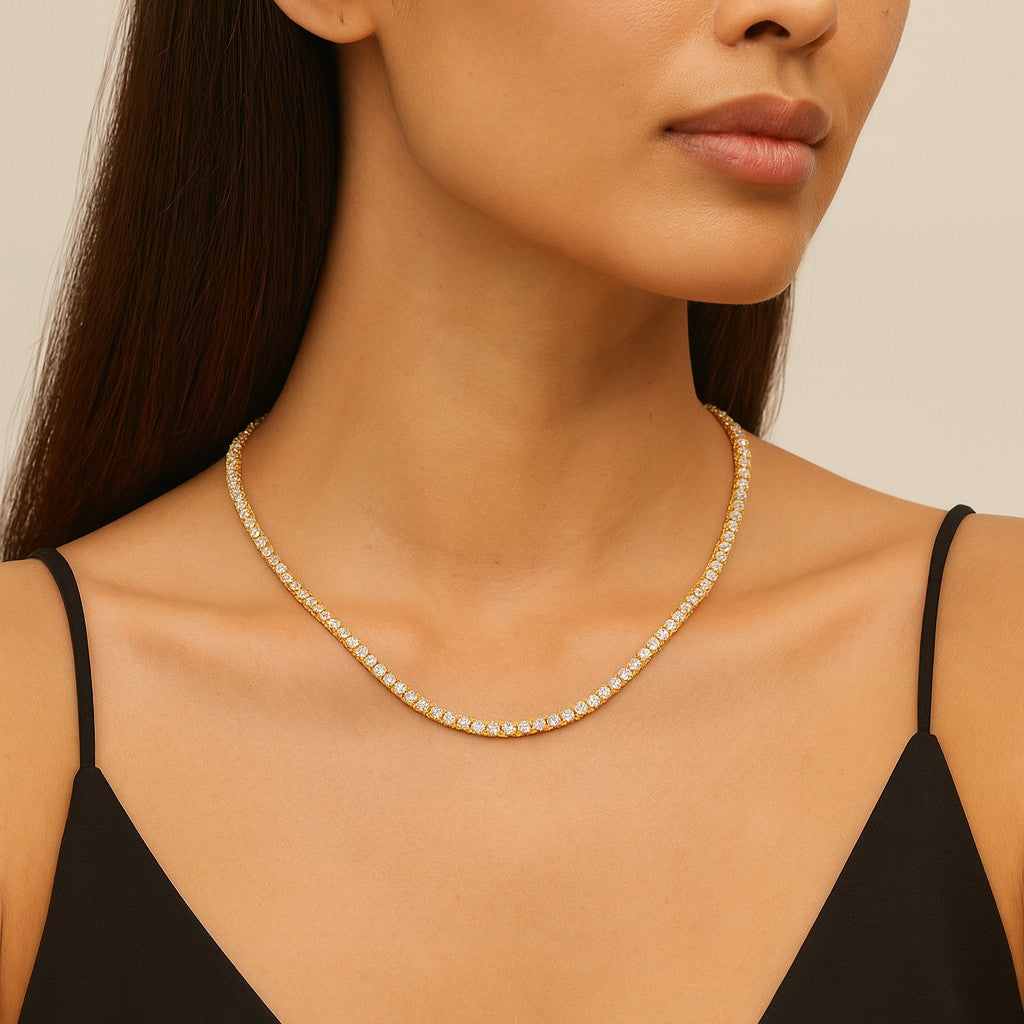
Pearls are quintessential Chanel. Costume strands use glass with a luminous coating: fine strands use cultured pearls, often mixed with 18k spacers and diamond stations. Gilt chains, from ultra‑fine to oversize, counterbalance the softness of pearls. As for the CC logo, you'll find everything from tiny pavé studs to runway‑scale brooches. If logos aren't your style, choose a chain with a discreet CC charm at the clasp.
Materials, Craftsmanship, And Hallmarks
Fine Vs. Costume: What To Know
- Costume (fashion) jewelry: brass or other base metals with gold/silver‑tone finishes: Gripoix glass, crystals, resin, enamel, and glass pearls. Expect plated surfaces and glued or prong‑set stones depending on the era.
- Fine jewelry: 18k gold (stamped 750) and platinum (often 950), natural diamonds and gemstones, precision settings, and serial numbers. Chanel also uses proprietary gold tones like Beige Gold.
Both categories should feel well‑finished, but fine jewelry has crisper edges, uniform prongs, and more precise symmetry. Vintage costume pieces have weight, clean solder points, and stones set flush: sloppy glue strings or misaligned CCs are red flags.
Metals, Gemstones, And Setting Standards
Chanel fine jewelry uses:
- 18k gold and platinum with hallmarks and maker's marks.
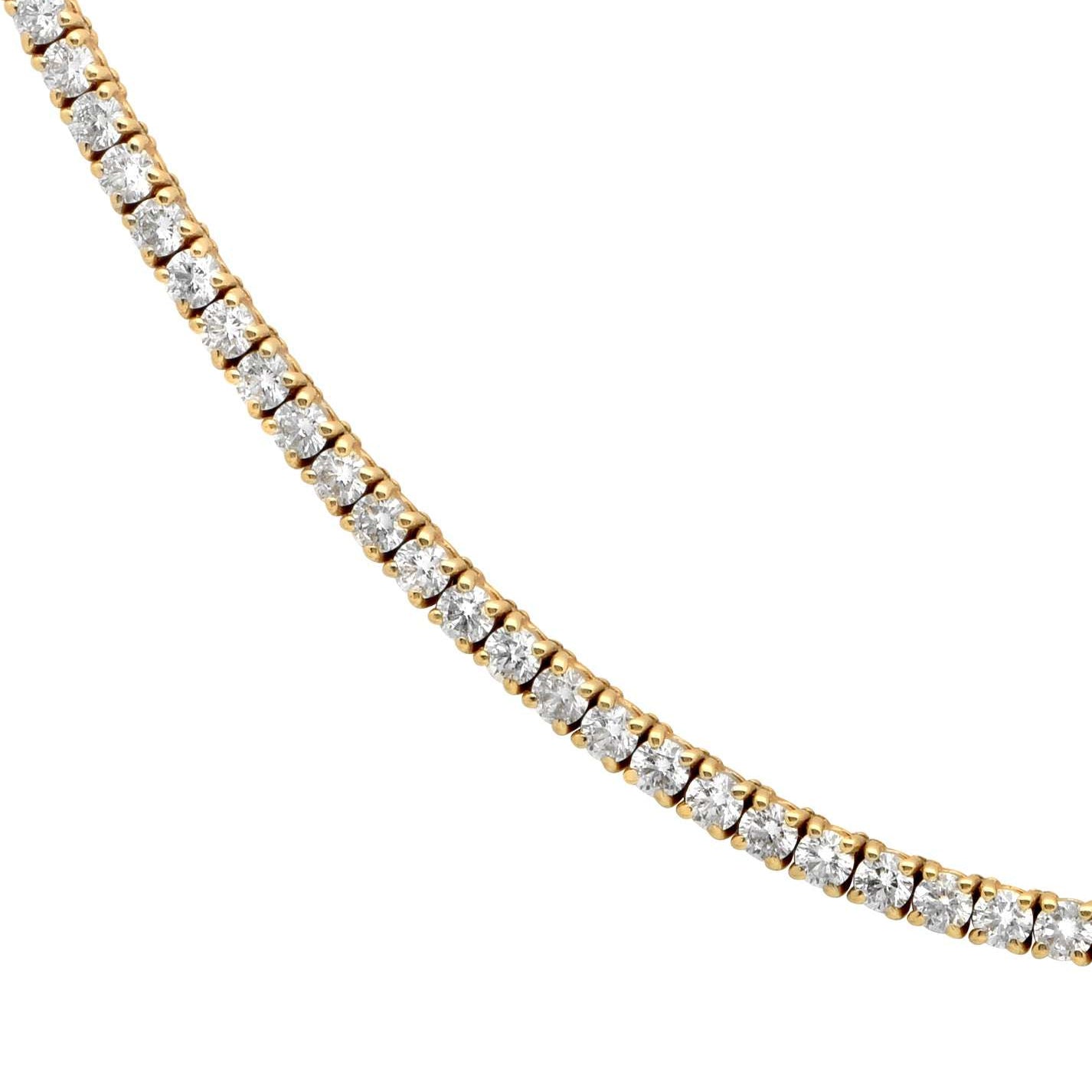
- Diamonds cut to strict tolerances: pavé should be even, with beads consistent in size.
- Colored stones (onyx, mother‑of‑pearl, spinel, sapphires) used graphically rather than as maximalist rainbows.
Settings are typically micro‑pavé, bezel, or prong, with under‑galleries finished smooth for comfort. Costume lines often use claw‑like prongs for crystals and riveted backs on brooches and buttons.
Stamps, Signatures, And Date Codes
- Costume jewelry: oval or rectangular cartouches stamped CHANEL, sometimes with a ©, plus "Made in France" or "Italy," and season codes like 95P (Spring 1995) or 01A (Autumn 2001). Earlier pieces ('60s–'70s Goossens/Gripoix) may show different plaques or signatures: late '80s–2000s typically feature oval plates.
- Fine jewelry: hallmarks for metal purity (750 for 18k: 950 for platinum), French assay marks (eagle's head for 18k gold, dog's head for platinum) when applicable, a maker's mark, CHANEL signature, and a unique serial number. Stamps should be sharp, evenly aligned, and placed inconspicuously (inner ring shanks, clasp undersides).
How To Authenticate Chanel Jewelry
Construction Details And Backplates
Start from the back. On earrings and brooches, Chanel uses tidy backplates with clean edges and consistent texturing. Hinges open smoothly without grinding. Screws sit flush: solder joins are neat. Vintage costume pieces have coherent symmetry, the left and right earrings mirror perfectly. Excess glue, flimsy pin stems, or rough casting seams suggest trouble.
Serial Marks, Font, And Finish
Compare the stamp font to known authentic examples from the same era. On costume plaques, the CHANEL typeface is centered and even: season codes are clear, not fuzzy. On fine jewelry, the 750/950 marks and serials are laser‑sharp, with uniform depth. Letter spacing that drifts, overly shiny mirrored plaques, or crooked stamps are signs to pause.
Finish tells you a lot: Chanel plating is even, not brassy: matte/satin finishes are deliberate, not dull. Pavé lines should track smoothly, no random stone sizes, no gaps. If the CC logo's interlock is off (one C thicker, odd overlap), walk away.
Packaging, Paperwork, And Provenance
Boxes and pouches vary by era but share quality: dense foam, precise embossing, and fitted slots. Fine jewelry typically includes certificates and boutique receipts with style codes: costume may include a care card. For vintage, provenance matters: auction listings, boutique stamps, or seller records support authenticity. Treat perfect full‑set packaging on "too‑new" vintage with caution, reproduction boxes are common.
Buying Guide: New, Vintage, And Pre-Owned
Sizing, Comfort, And Everyday Wear
Try pieces on if you can. Coco Crush rings are slightly curved inside for comfort: stacking multiple widths changes feel and size, go up a half size for tall stacks. Clip‑on vintage earrings are iconic but can pinch: consider adding silicone pads. Long pearl sautoirs are versatile but heavy, check how they sit across your collarbones.
Pricing Tiers And Factors That Drive Cost
- Costume jewelry: roughly $500–$1,800 for earrings, $1,200–$3,500 for necklaces and cuffs, with runway or limited pieces higher.
- Fine jewelry: entry rings and small pendants often $3,500–$7,500: diamond‑forward pieces from $8,000 into the tens of thousands.
- High Jewelry: five to six figures, depending on stones and artistry.
Costs reflect materials (18k vs. plated), labor (hand‑set pavé, articulation), collection fame (Coco Crush, Camélia), rarity (limited seasonal releases), and condition for vintage.
Where To Shop And What To Avoid
- New: Chanel boutiques and the official website ensure authenticity, sizing help, and after‑sales service.
- Vintage/pre‑owned: trusted auctions, vetted resellers, and jewelers who guarantee authenticity. Ask for macro photos of stamps, clasps, prongs, and earring backs. Avoid listings with stock photos only, vague condition notes, or prices that undercut market norms by extreme margins.
Value And Resale Considerations
Core motifs hold value best: Coco Crush, Camélia diamond pieces, Comète stars, and classic pearl‑and‑chain styles. Limited seasonal costume pieces can spike, but liquidity varies. Fine jewelry in 18k/platinum with diamonds retains a stronger floor than resin‑heavy costume. Keep paperwork and service records: clean, original condition with intact plating or sharp hallmarks improves resale.
Styling And Care Tips
Layering Chains, Pearls, And Logos
Balance matters. If you layer a long pearl sautoir with a chunky chain, add a slim third strand to bridge scale. Use odd numbers for stacks and mix textures, one matte, one high‑polish, one beaded. A discreet CC charm near the clasp reads sophisticated: an oversized logo plus a bold cuff can veer runway quickly.
Mixing Metals And Modern Looks
Chanel makes this easy: beige, yellow, and white golds are designed to mingle. Anchor with one dominant tone, then add a contrast in smaller doses. Pair a white‑gold Comète pendant with a beige‑gold Coco Crush ring: finish with a slim yellow‑gold bracelet so it looks intentional. With costume, layer black‑enamel CCs against warm gilt to sharpen the contrast.
Cleaning, Storage, And Maintenance
- Costume jewelry: keep away from perfume, lotions, and swimming. Wipe with a soft dry cloth after wear. Store individually in fabric pouches to prevent plating rub. Avoid ultrasonic cleaners, they can loosen crystals and cloud glass pearls.
- Fine jewelry: use a mild soap solution and a soft brush on metal and diamonds: rinse and pat dry. Ultrasonic is generally safe for plain gold and diamonds, but not for stones like emeralds or for pieces with adhesive elements, when in doubt, ask a jeweler.
- General: check clasps and screws twice a year. For pearls, restring periodically if worn often: look for fray or spacing between knots. Professional polishing should be occasional, over‑polish can soften edges, especially on Coco Crush.
Conclusion
When you choose Chanel Jewelry, you're selecting a design language with nearly a century of continuity. Know the motifs, learn the stamps, and trust your hands, weight, finish, and proportion rarely lie. Whether you invest in an 18k Coco Crush stack or hunt for a vintage Gripoix brooch, buy the best condition you can find, keep the paperwork, and wear it with conviction. That's the Chanel way, luxury that works as hard as you do.
Frequently Asked Questions
What’s the difference between Chanel costume, fine, and high jewelry?
Chanel costume jewelry uses plated base metals, Gripoix glass, crystals, resin, and glass pearls. Chanel fine jewelry is 18k gold or platinum with natural diamonds and gems, precision settings, and serials. High Jewelry features rare stones and couture craftsmanship. All share core motifs like camellias, stars, chains, pearls, and N°5.
How do I authenticate Chanel Jewelry at home?
Start with construction: smooth hinges, flush screws, neat soldering, and mirrored symmetry on earrings. Check stamps: crisp CHANEL plaques with season codes on costume (e.g., 95P, 01A); 750/950 purity, French assay marks, maker’s mark, and serials on fine pieces. Even plating and consistent pavé are musts; sloppy glue is a red flag.
Which Chanel Jewelry motifs and collections are most iconic?
Standouts include Camélia florals, Coco Crush quilted lines, Comète and Étoile stars, the N°5 bottle silhouette, classic pearls, bold chains, and CC logos. Coco Crush stacks in 18k beige, yellow, or white gold are modern staples, while camellias and comet pieces range from daily-wear fine jewelry to high jewelry showpieces.
How should I clean and store Chanel costume vs. fine jewelry?
Costume: keep away from perfume, lotions, and water; wipe after wear and store separately in soft pouches. Avoid ultrasonic cleaners. Fine: use mild soap, a soft brush, rinse and pat dry; ultrasonic is fine for plain gold/diamonds only. Check clasps and screws regularly and restring pearls as needed.
What is Chanel Beige Gold, and how does it differ from yellow or rose gold?
Chanel Beige Gold is a proprietary 18k alloy with a softly warm, neutral tone—less pink than rose gold and subtler than traditional yellow. It’s not plating; color runs through the metal. The hue is designed to mix effortlessly with white and yellow gold, complementing a wide range of skin tones.
Can Coco Crush or other Chanel rings be resized?
Many Chanel rings can be resized within limits, but quilted or pavé designs may allow only minimal adjustments to preserve pattern and hallmarks. Chanel boutiques can advise per style and may recommend ordering the correct size. Avoid third‑party resizing that could distort motifs or loosen stones.