Emeralds


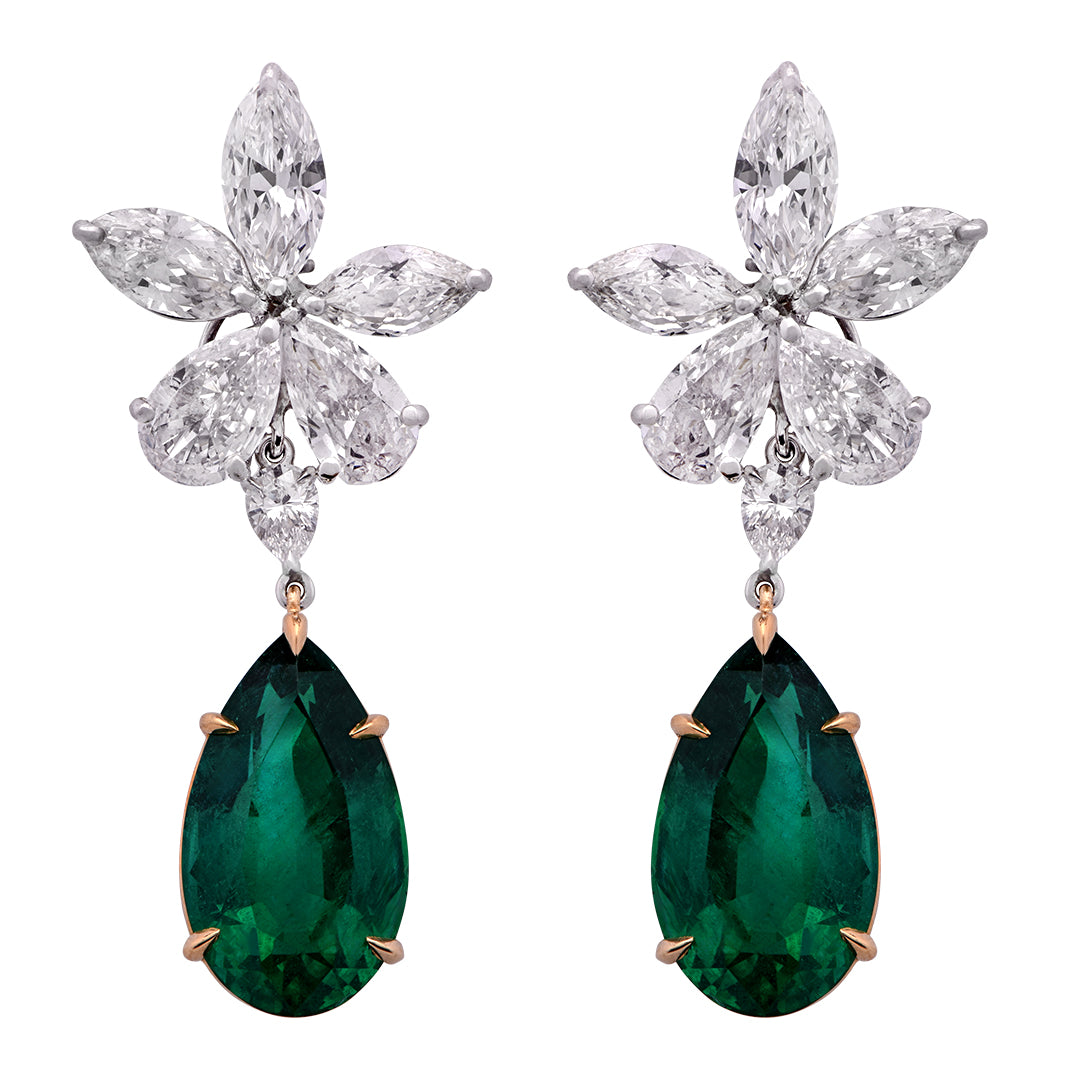
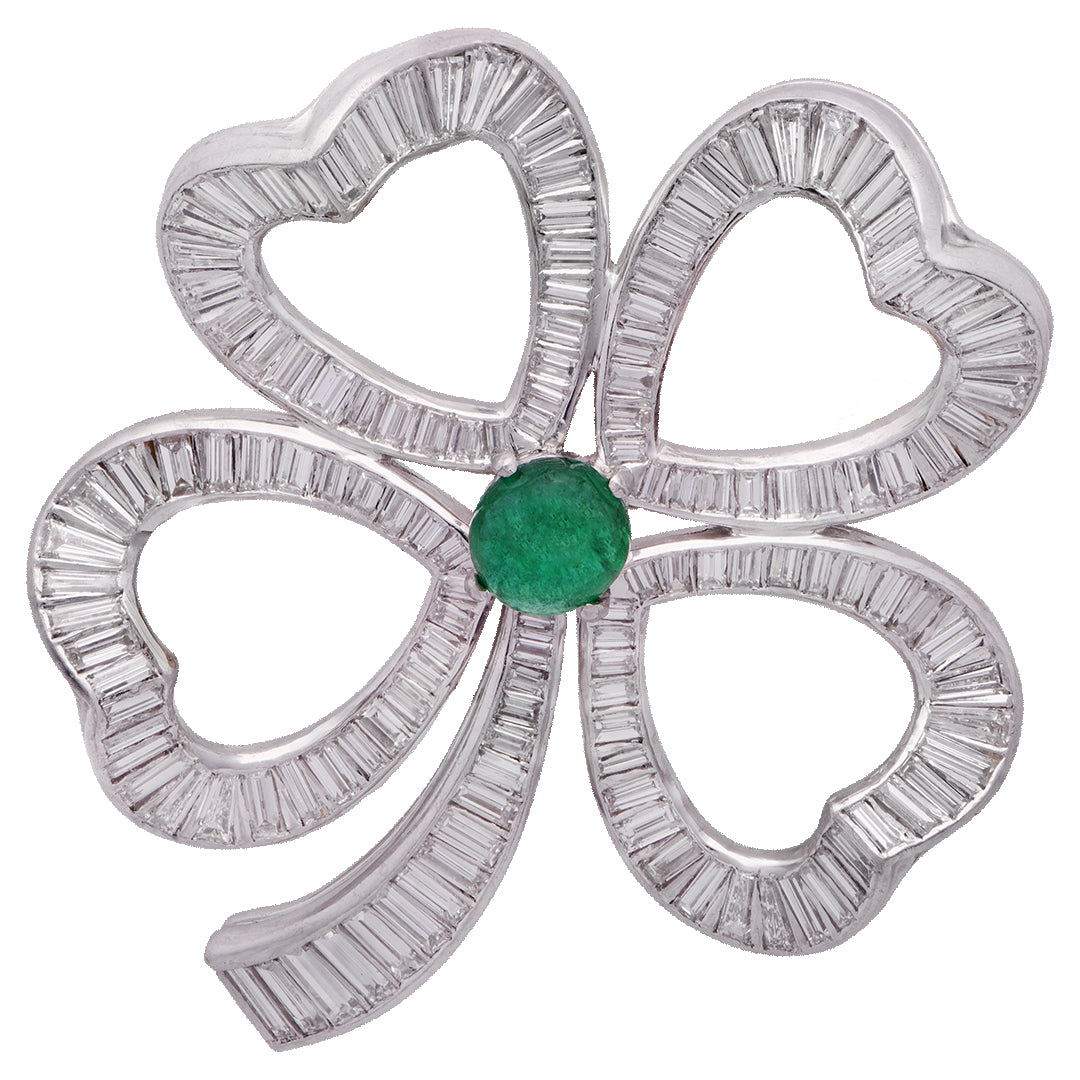
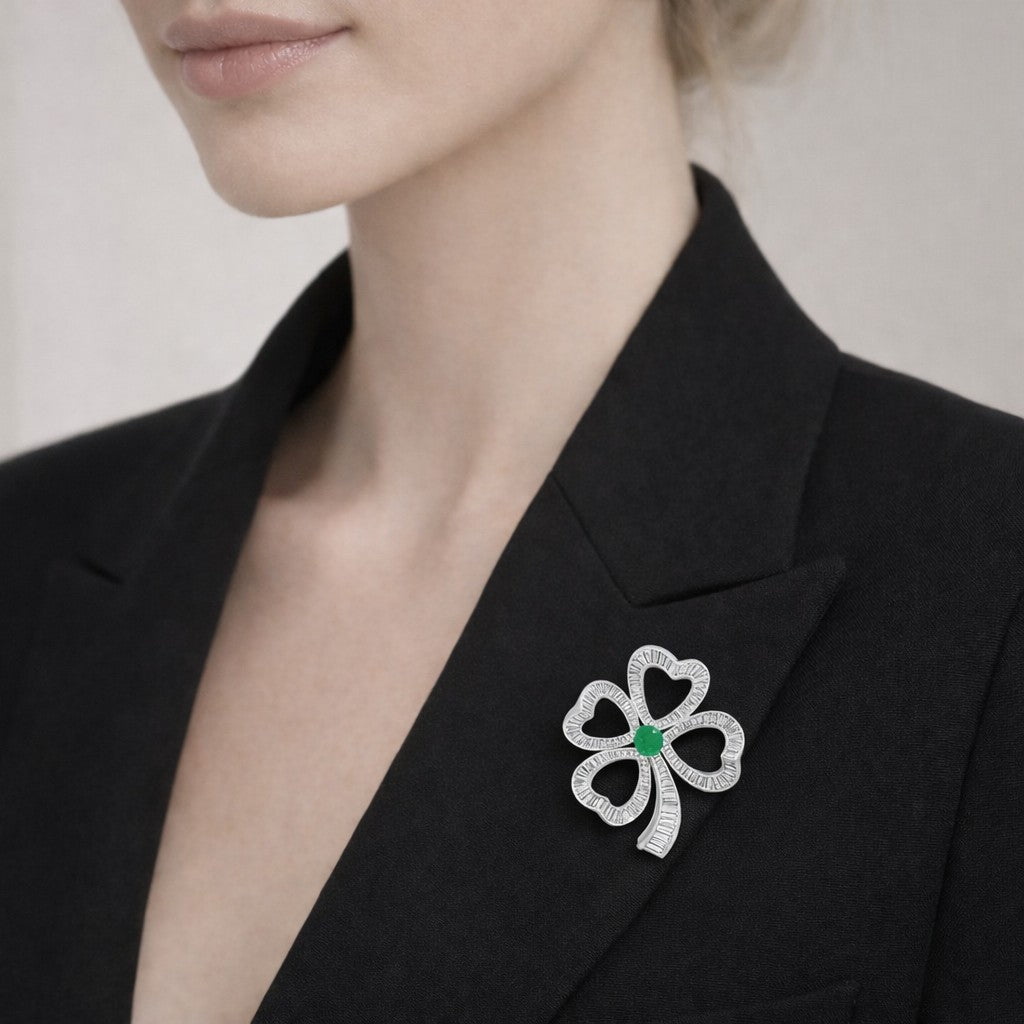
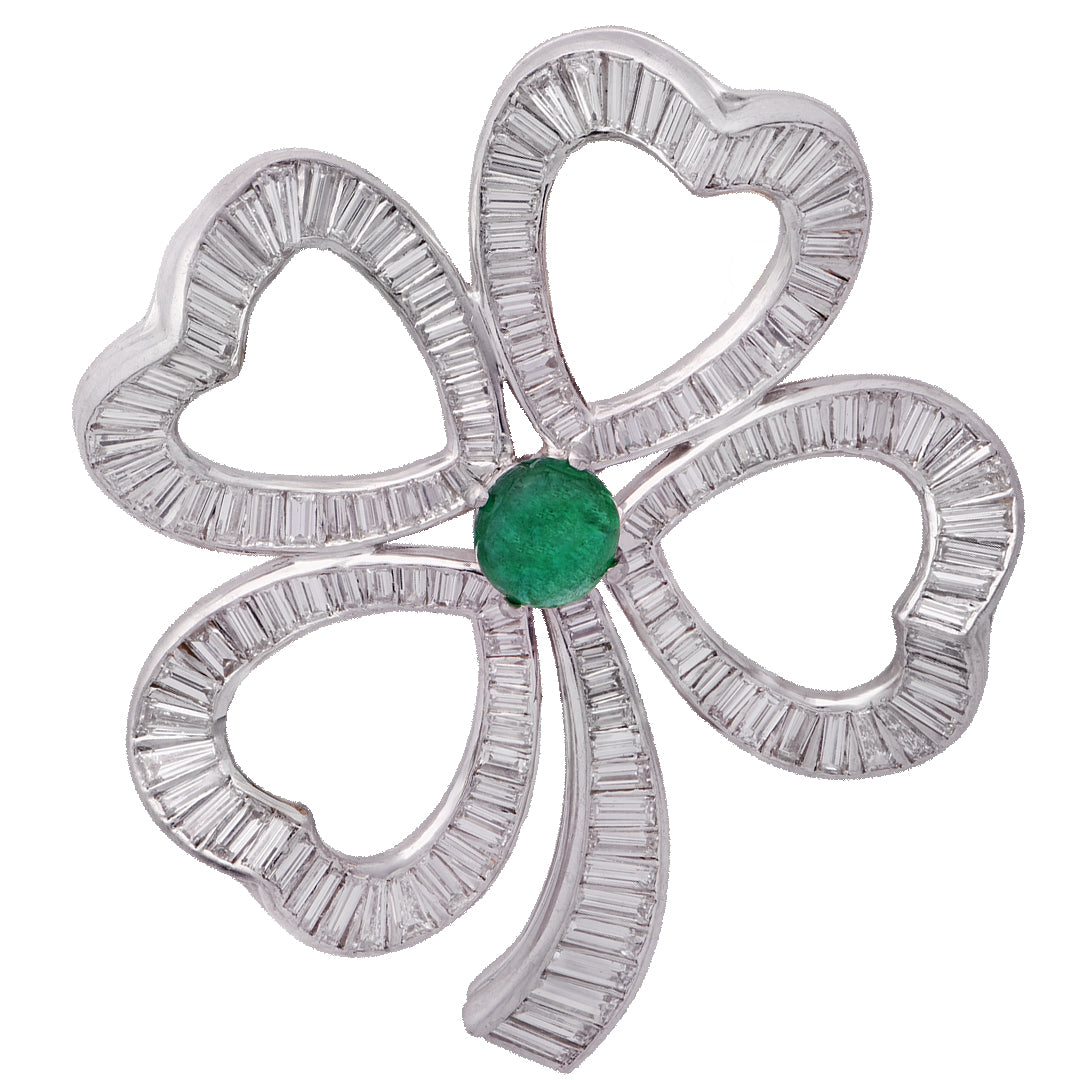


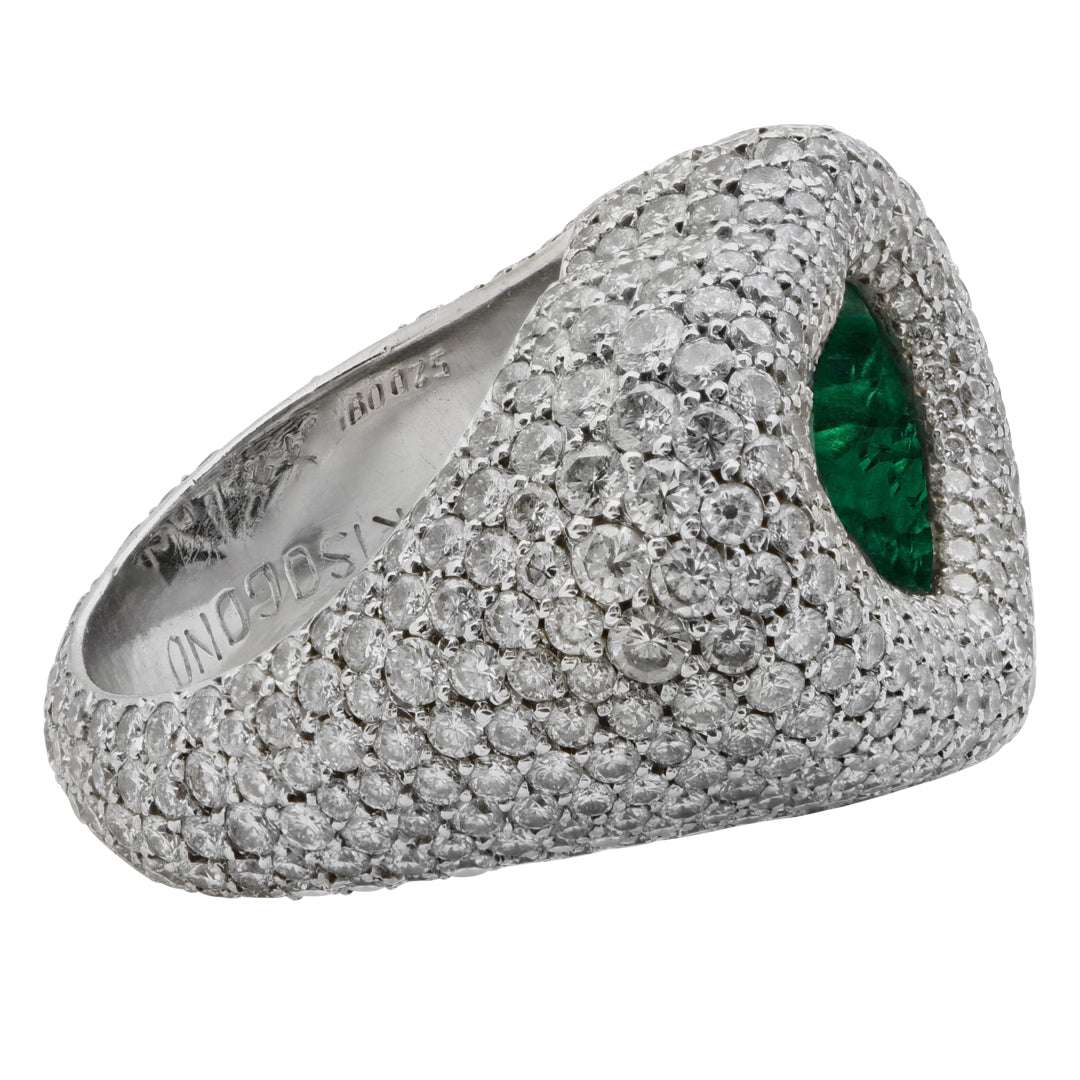
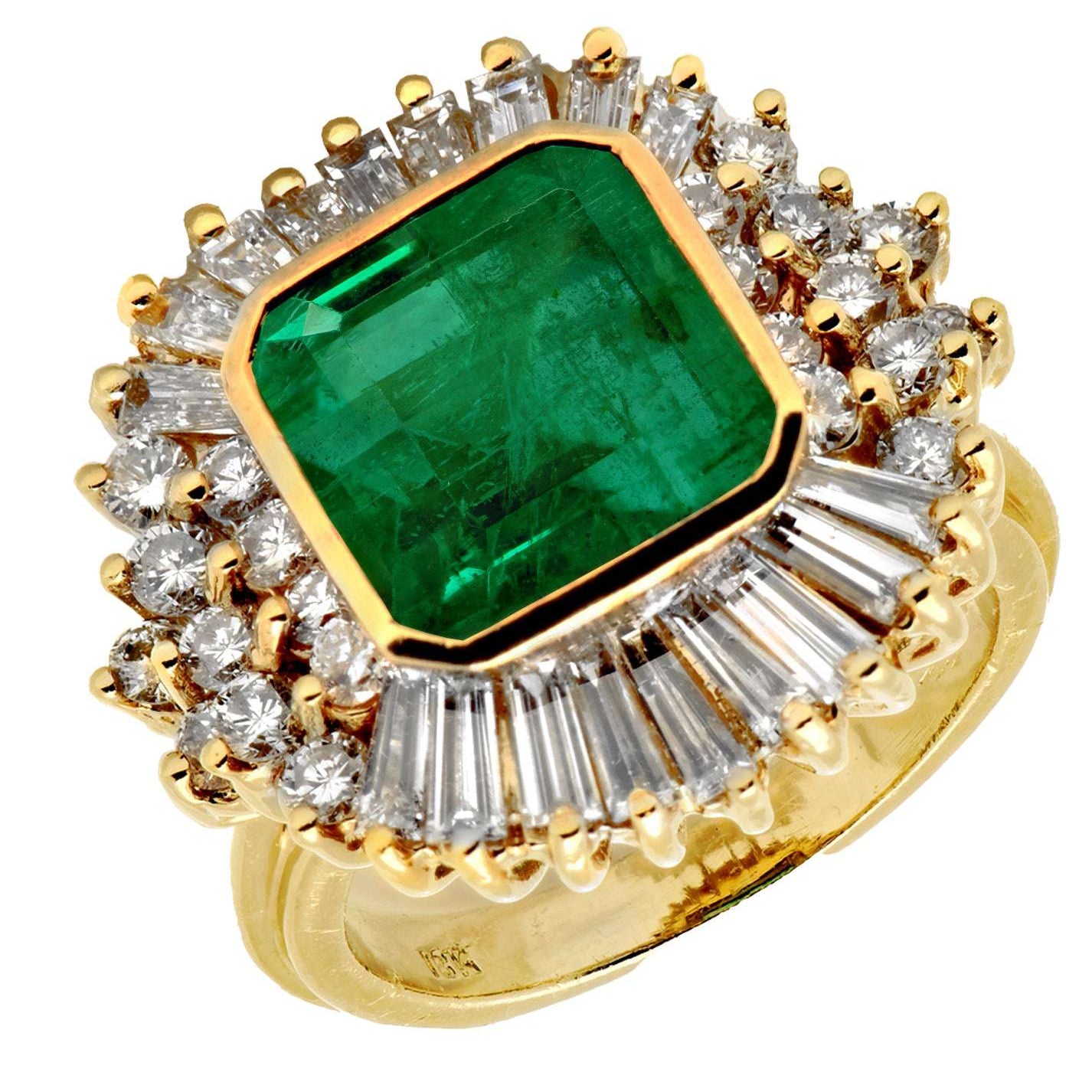
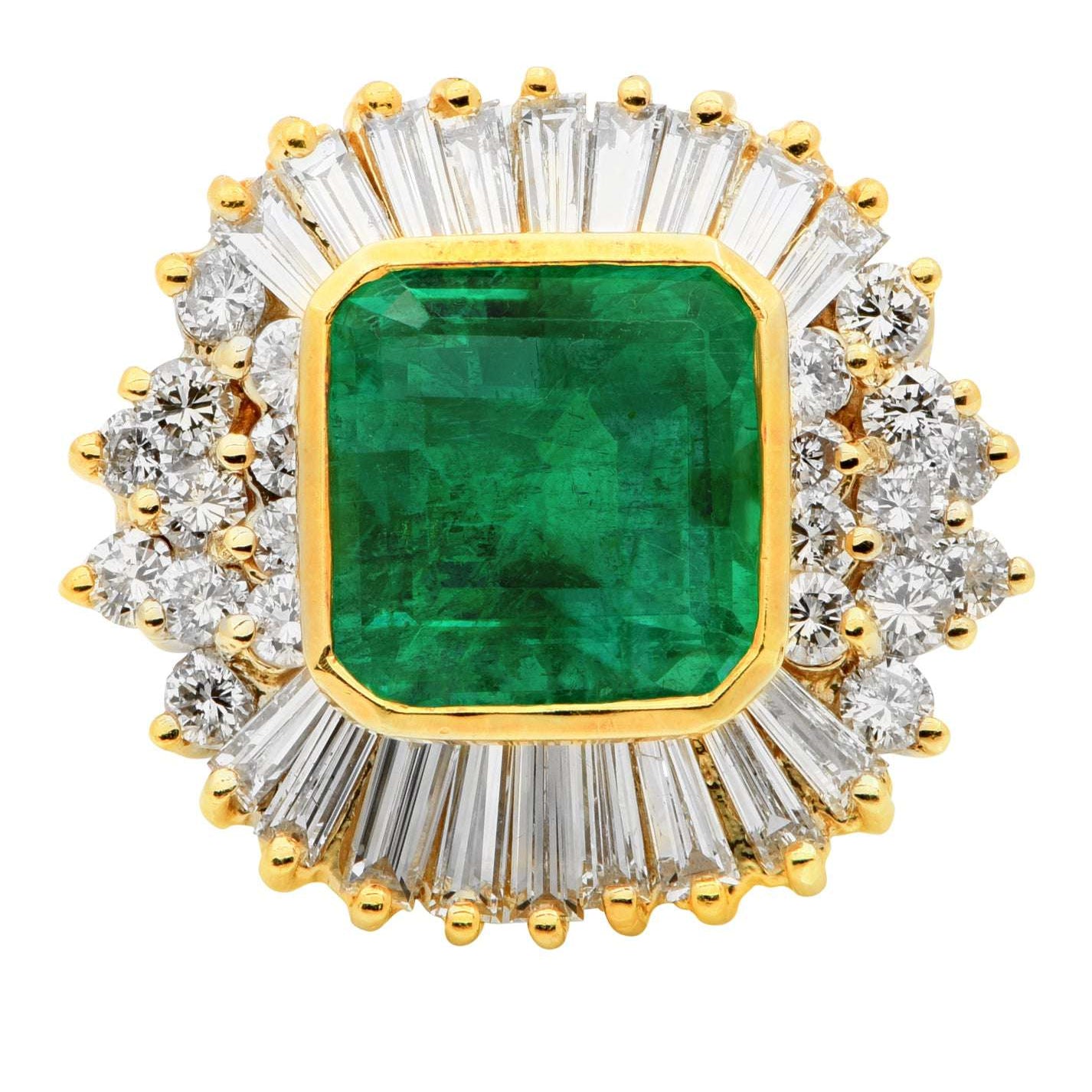

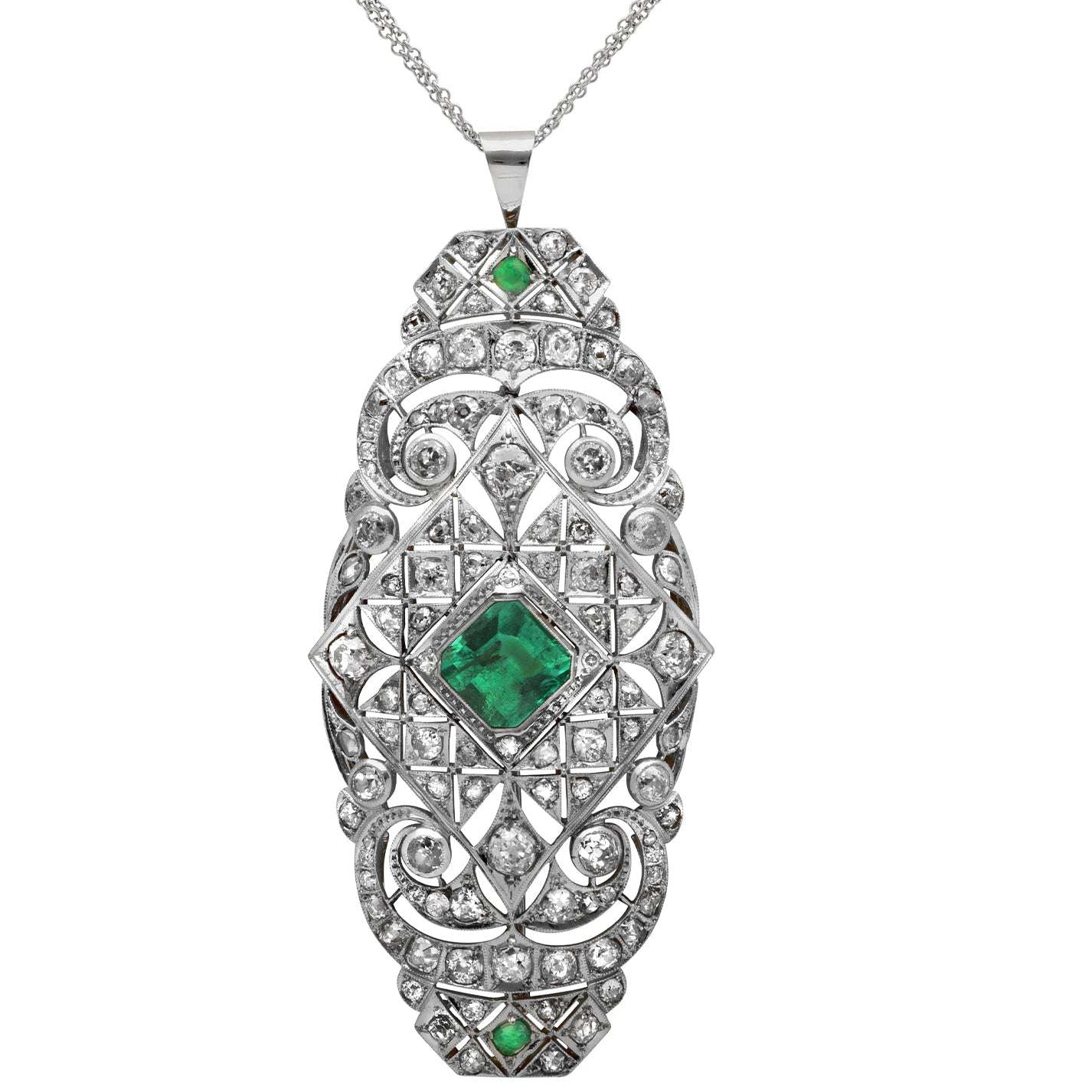
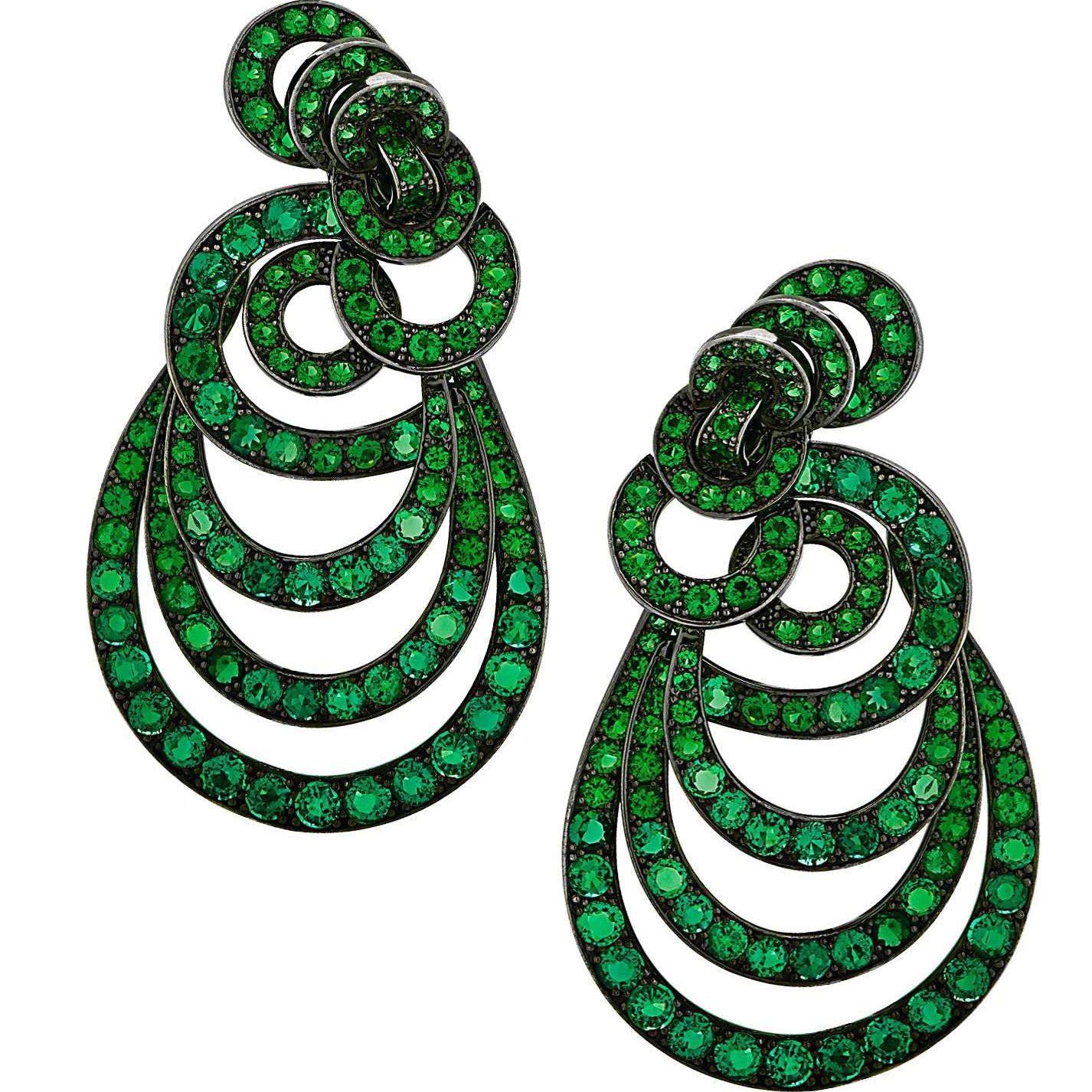
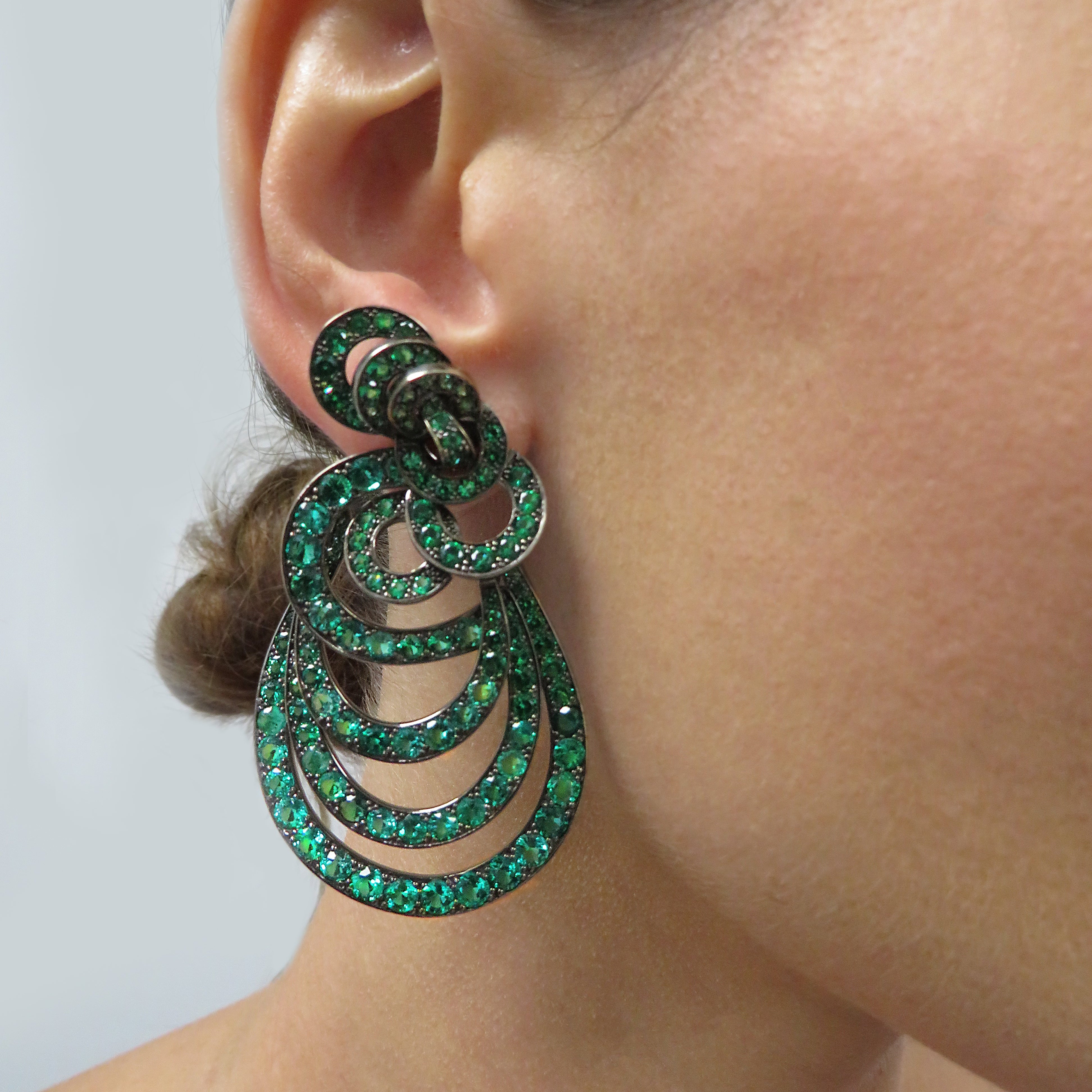
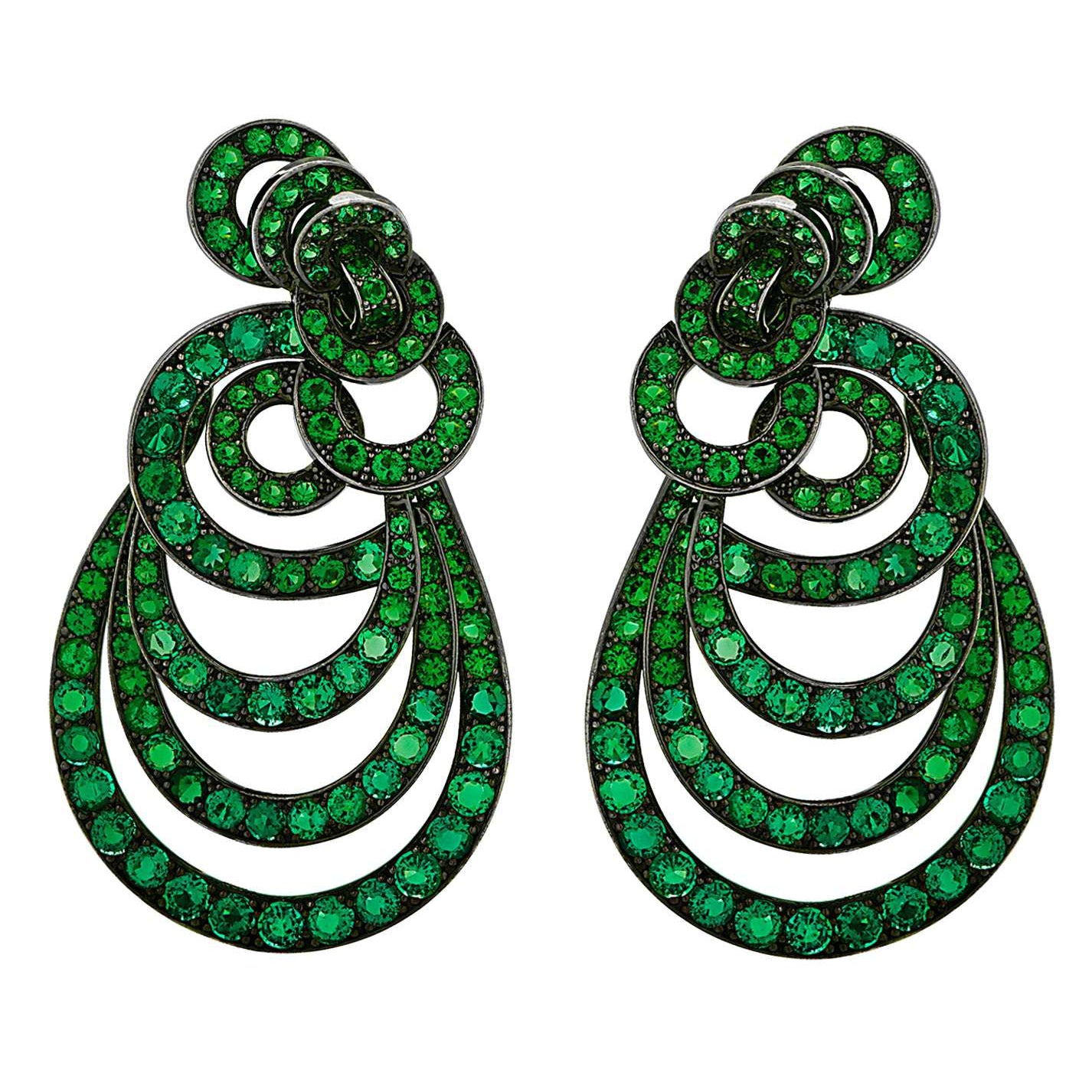
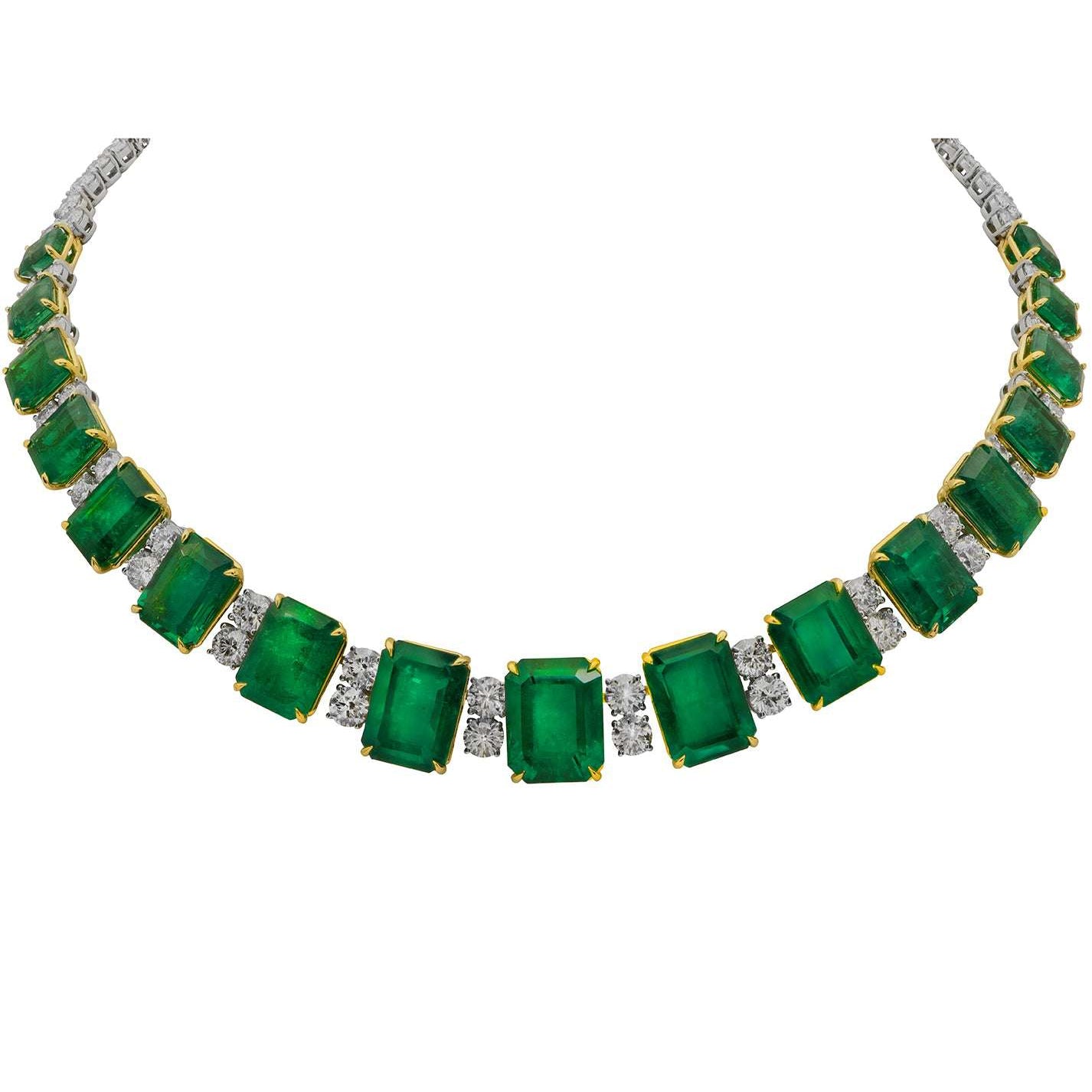
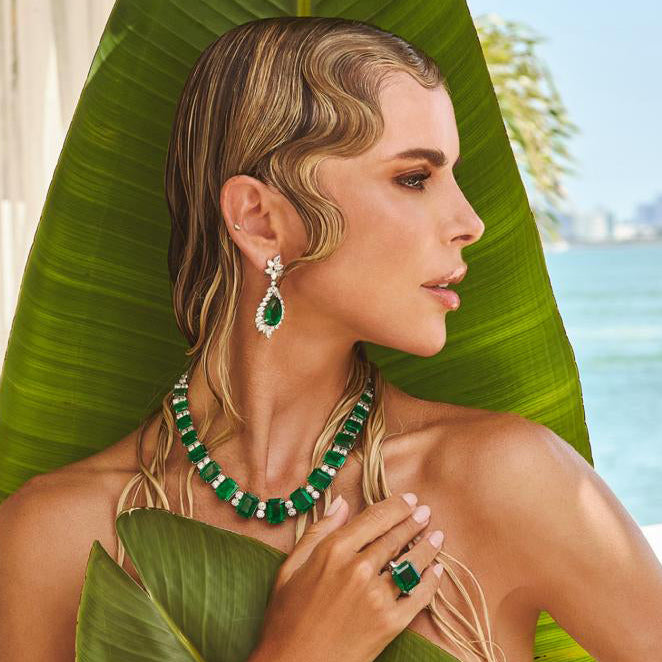
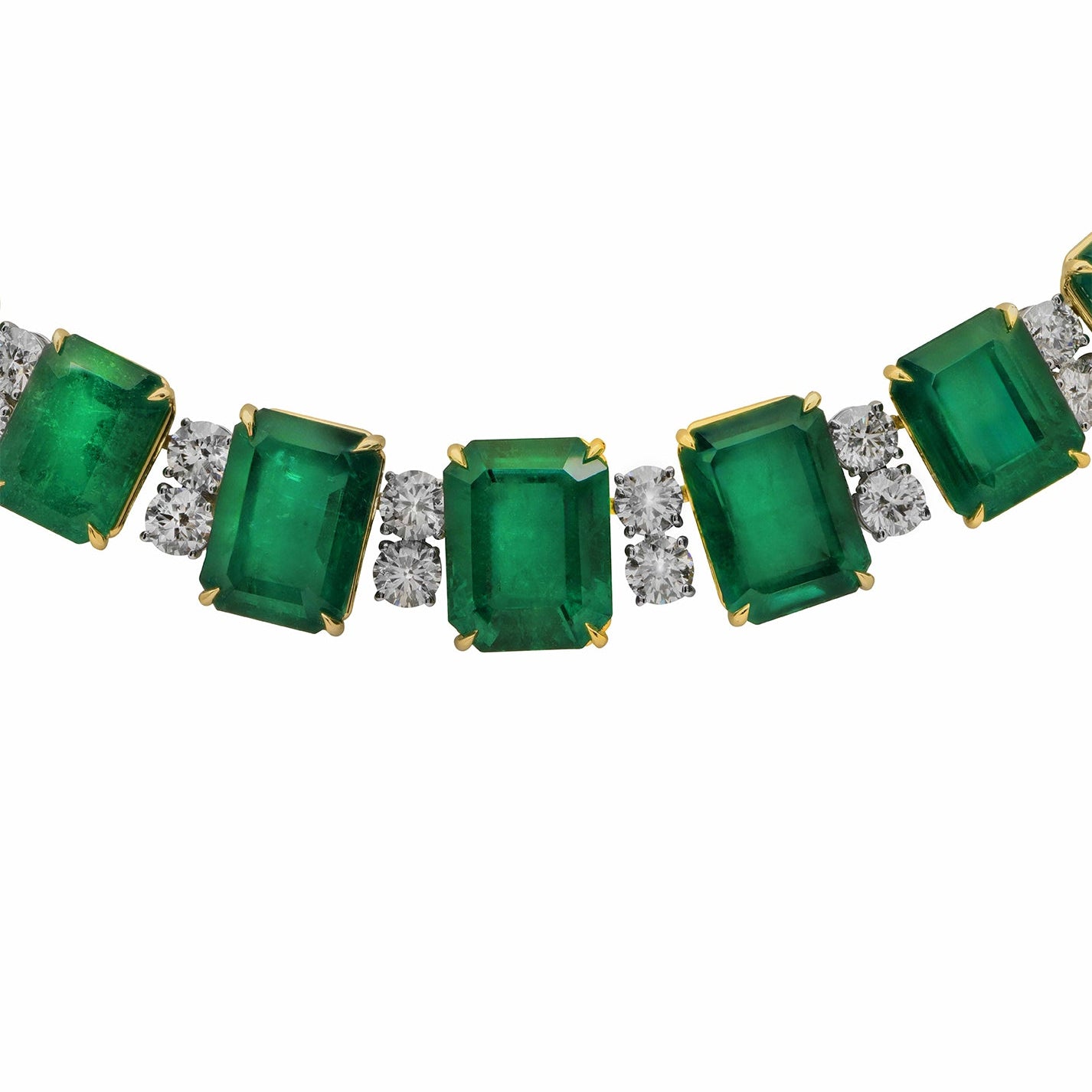
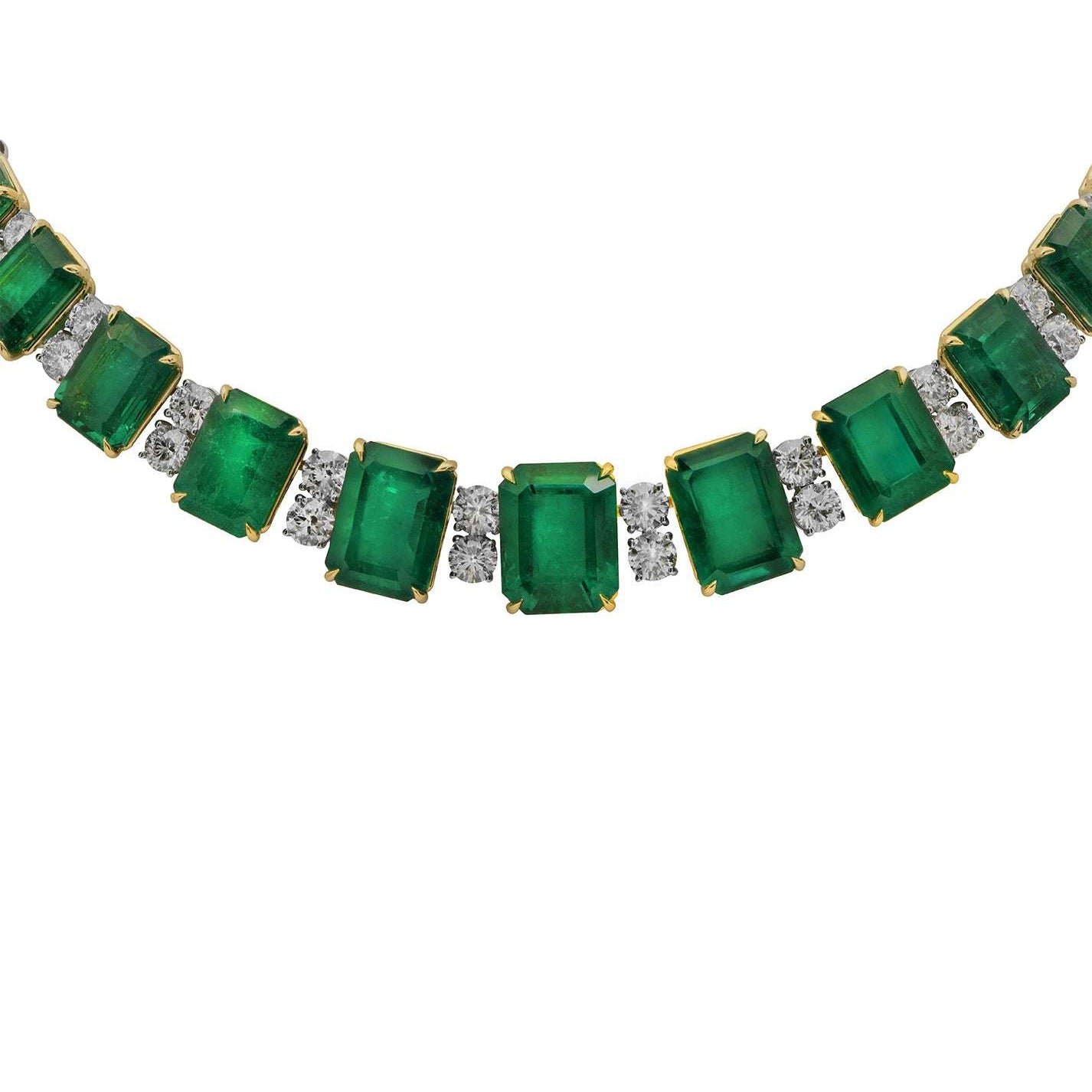
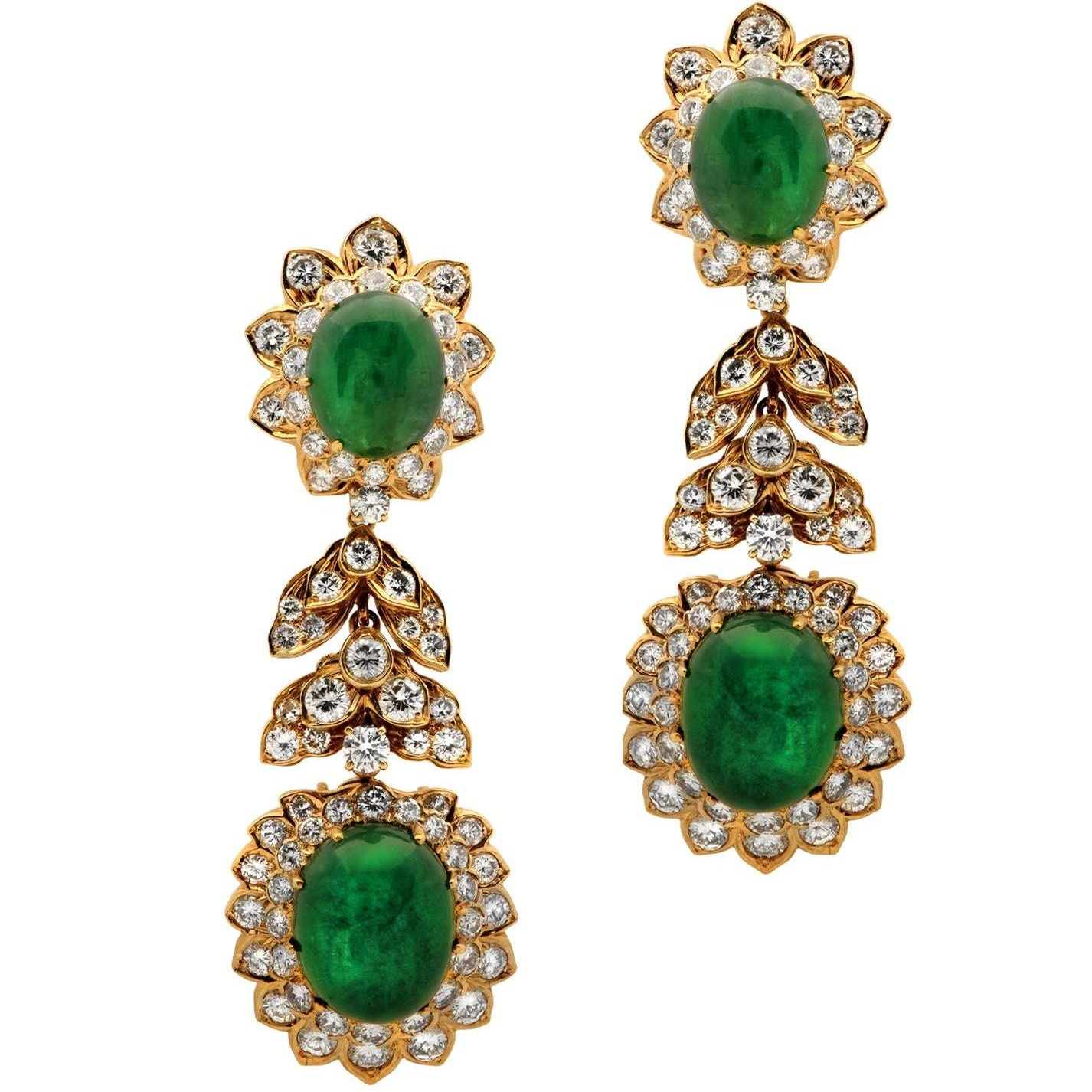
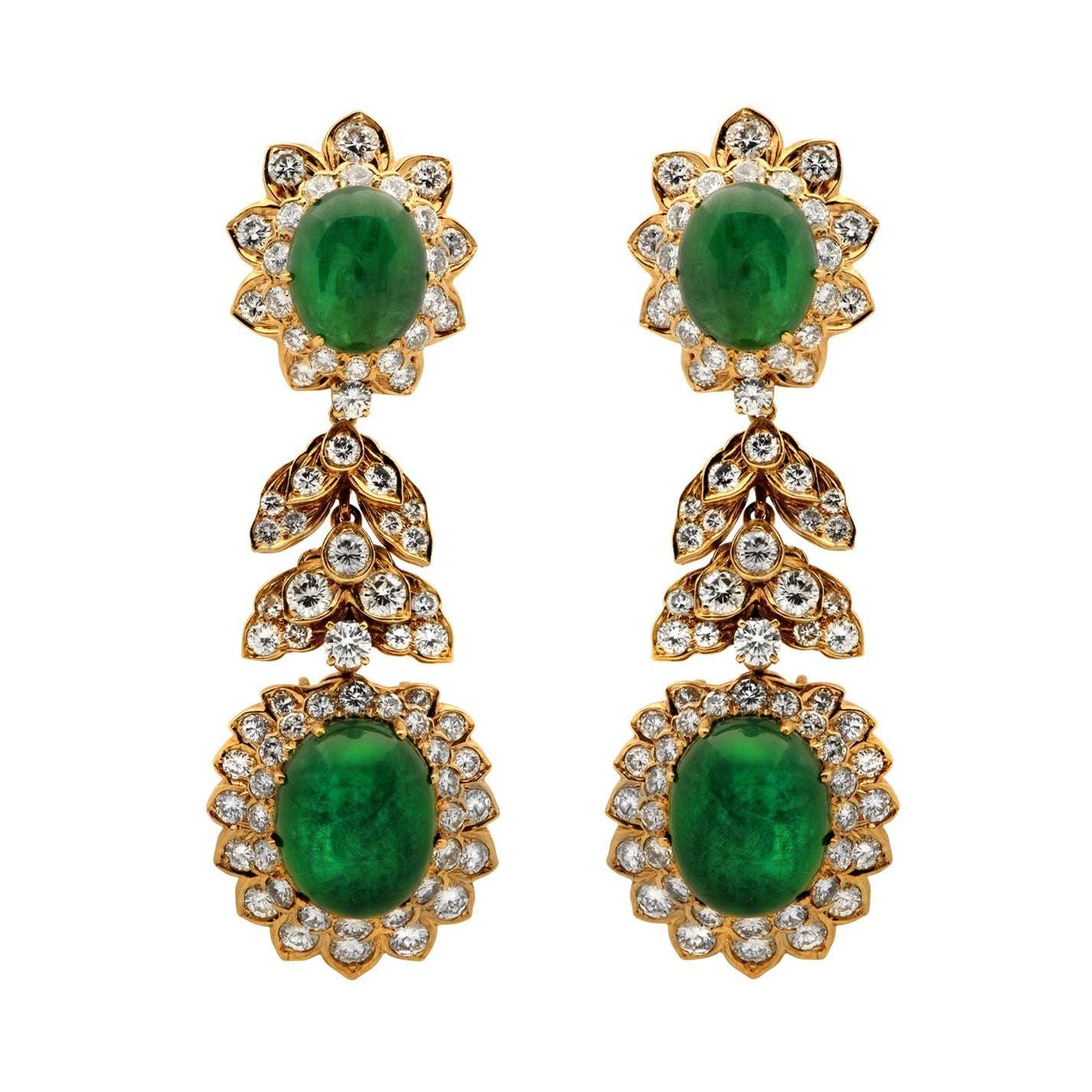
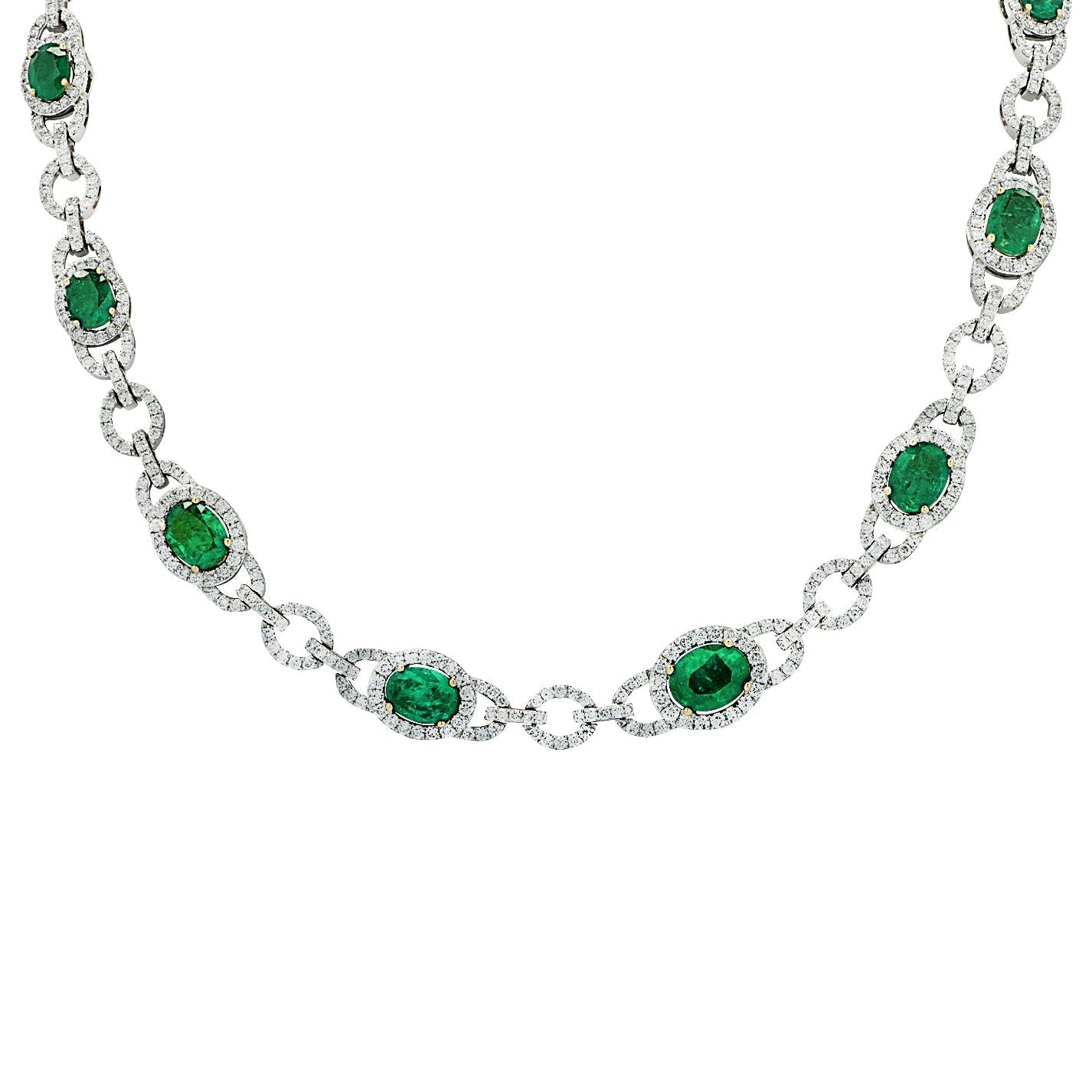
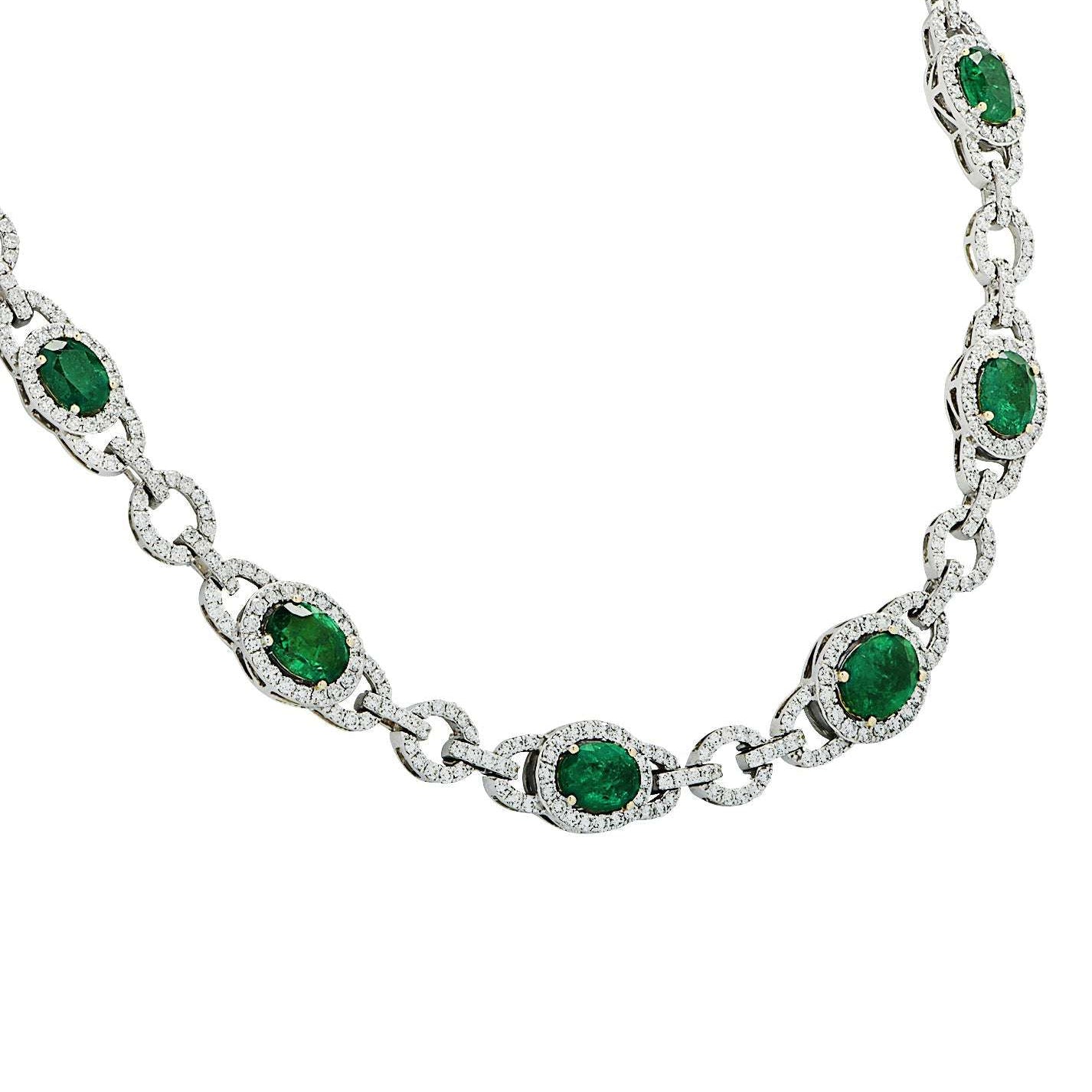
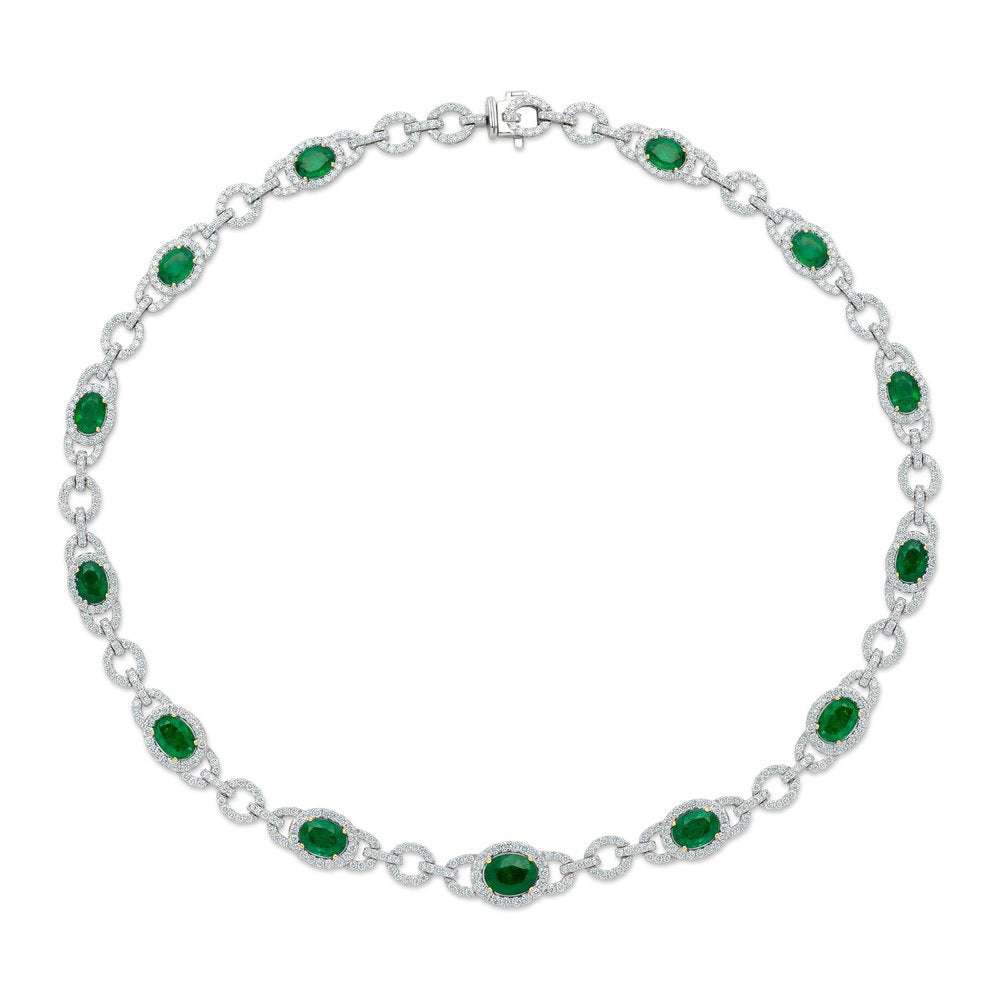
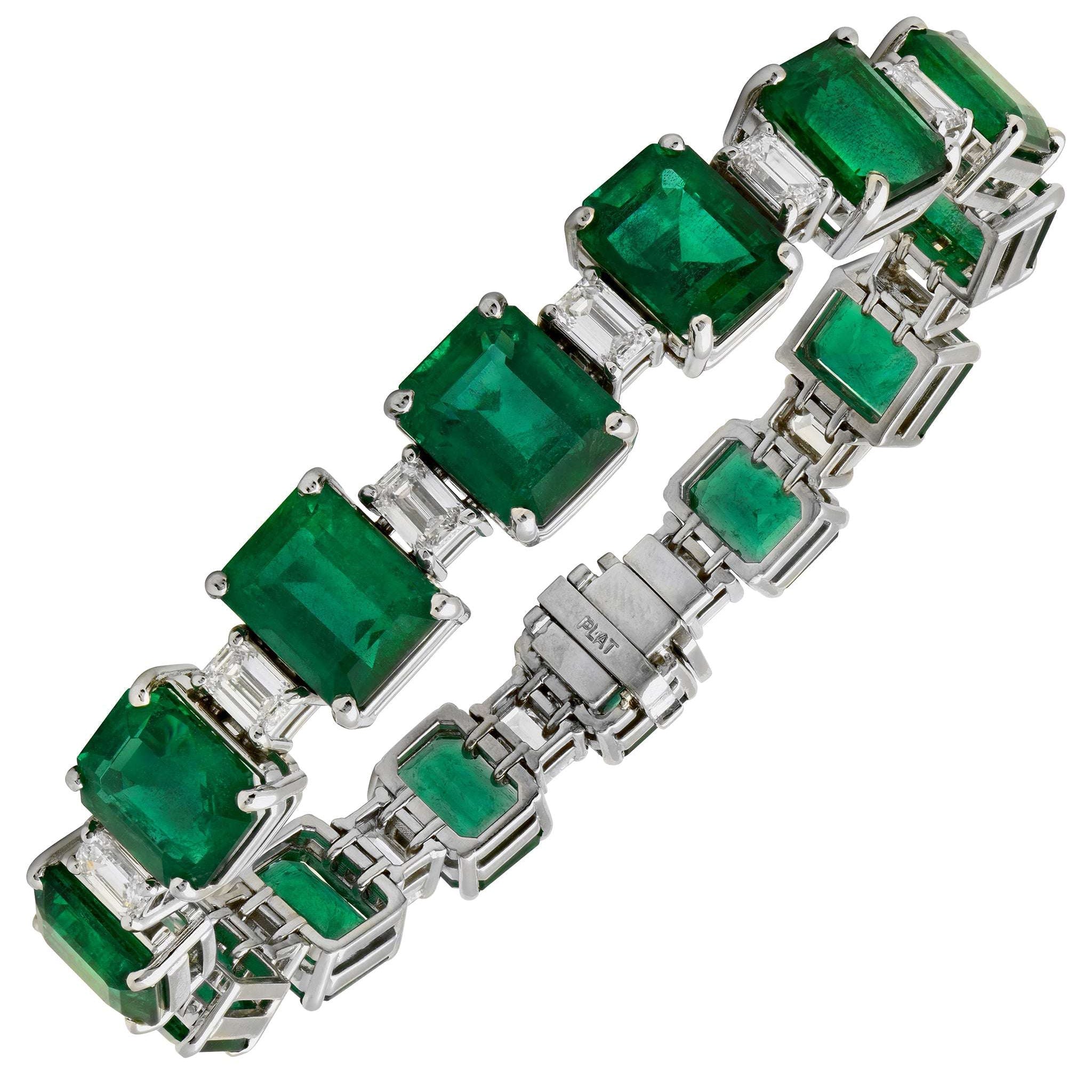
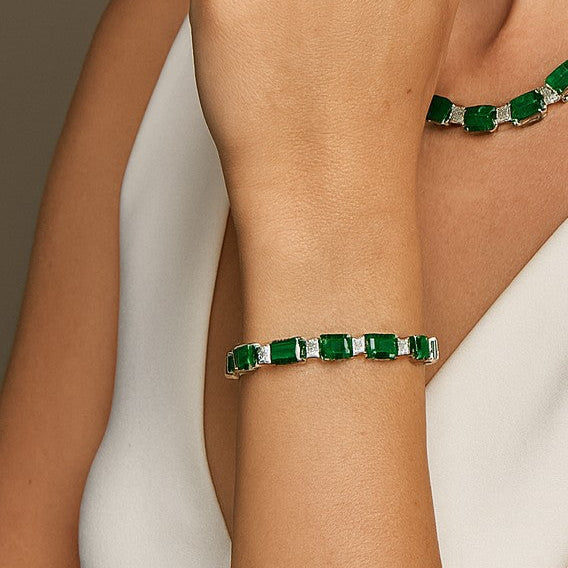
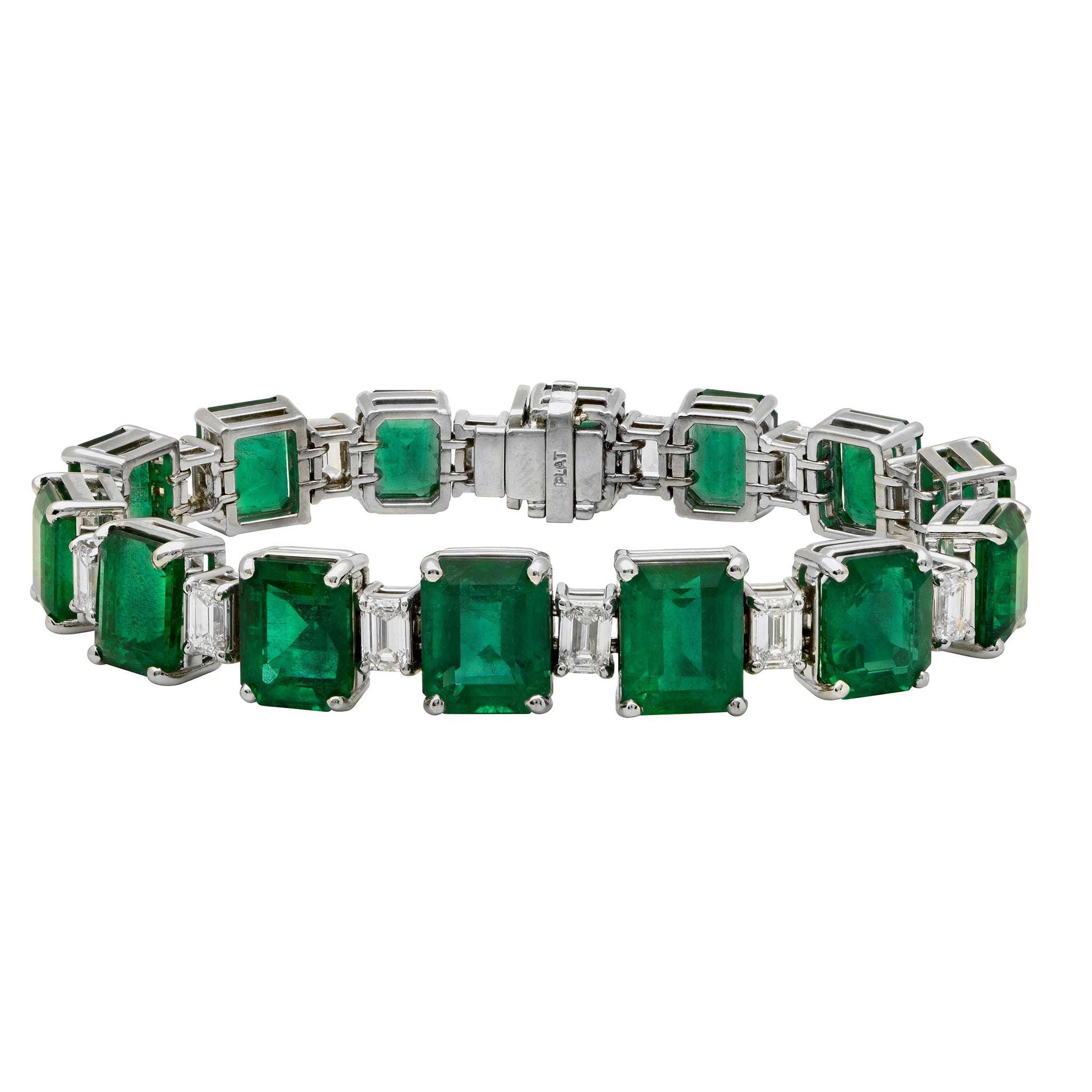
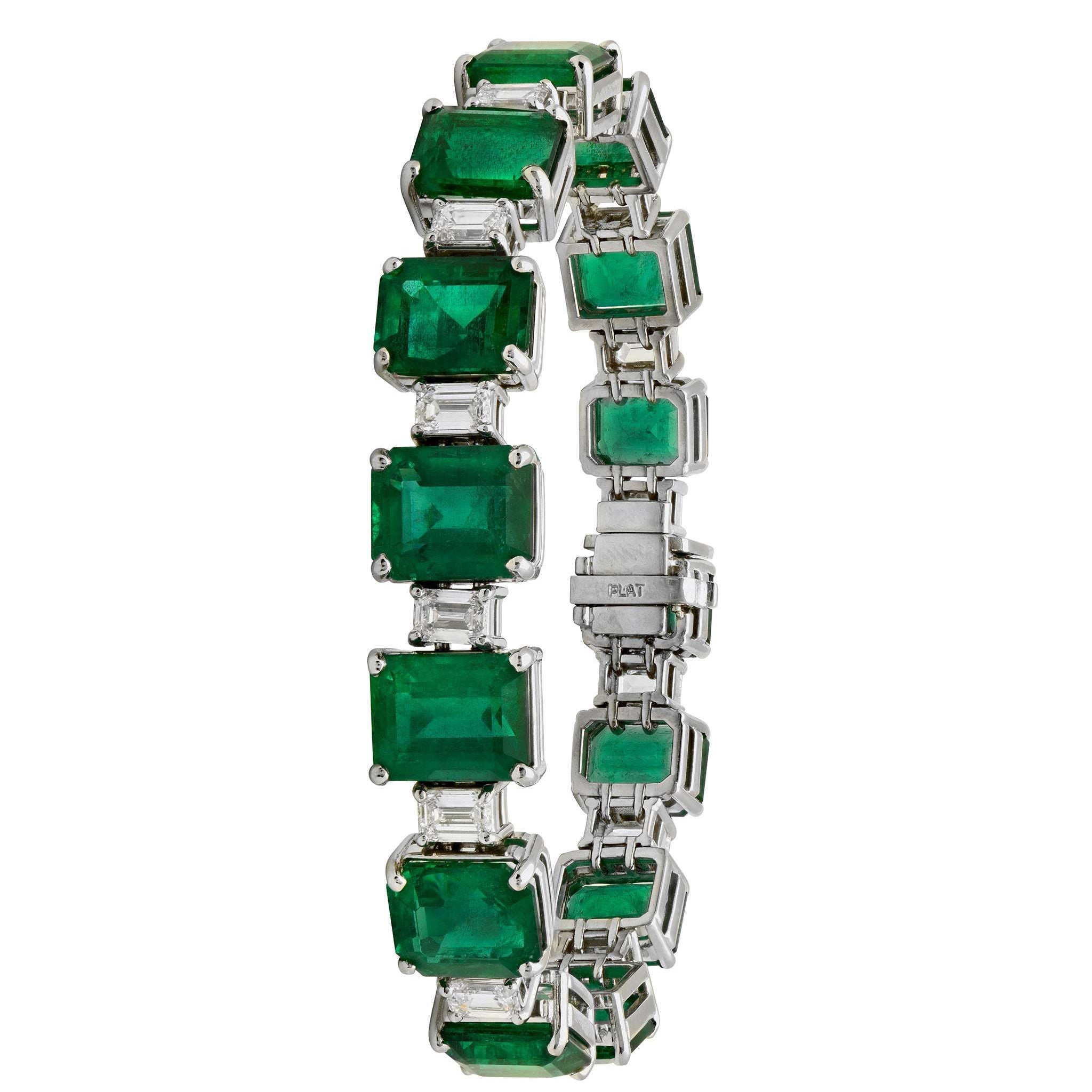
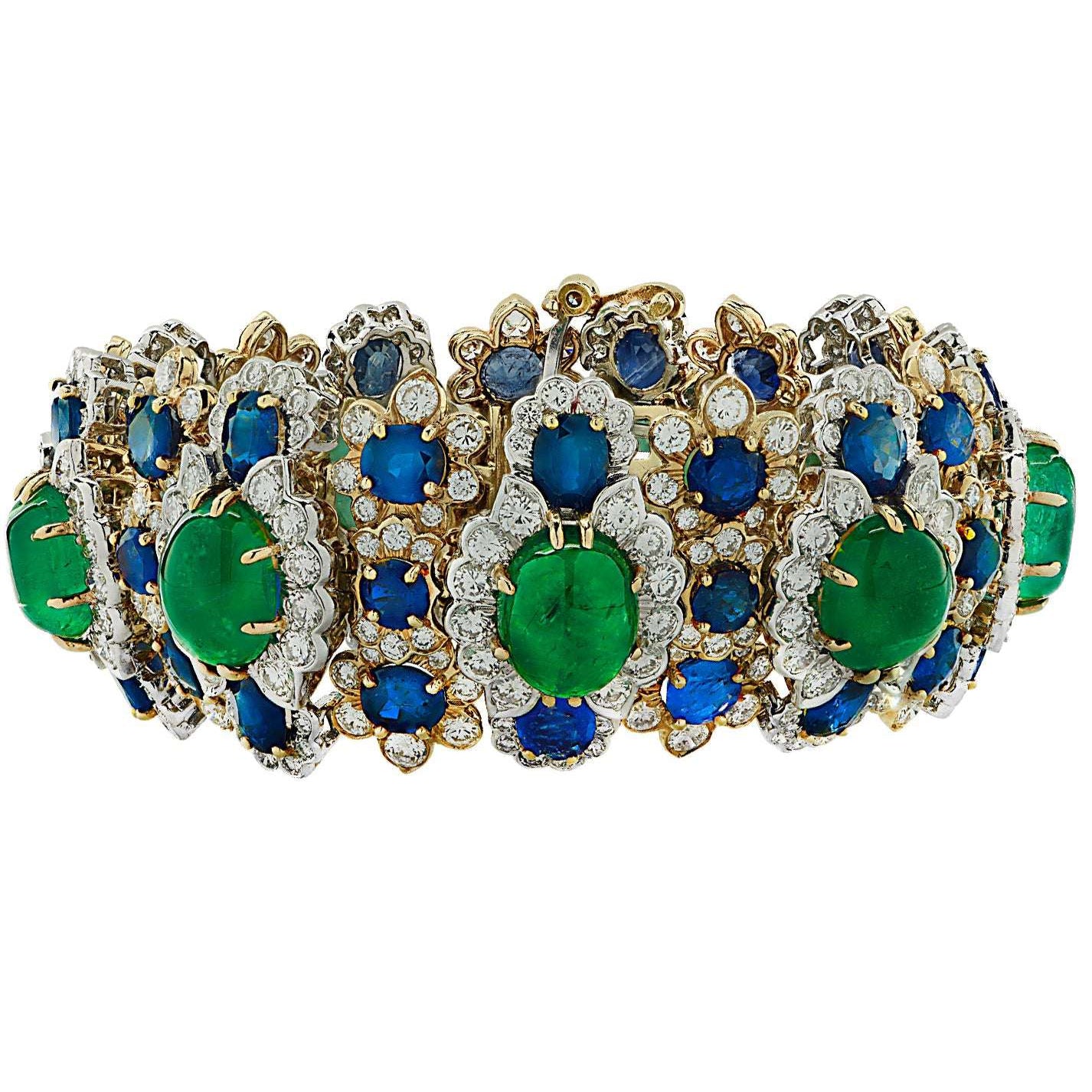
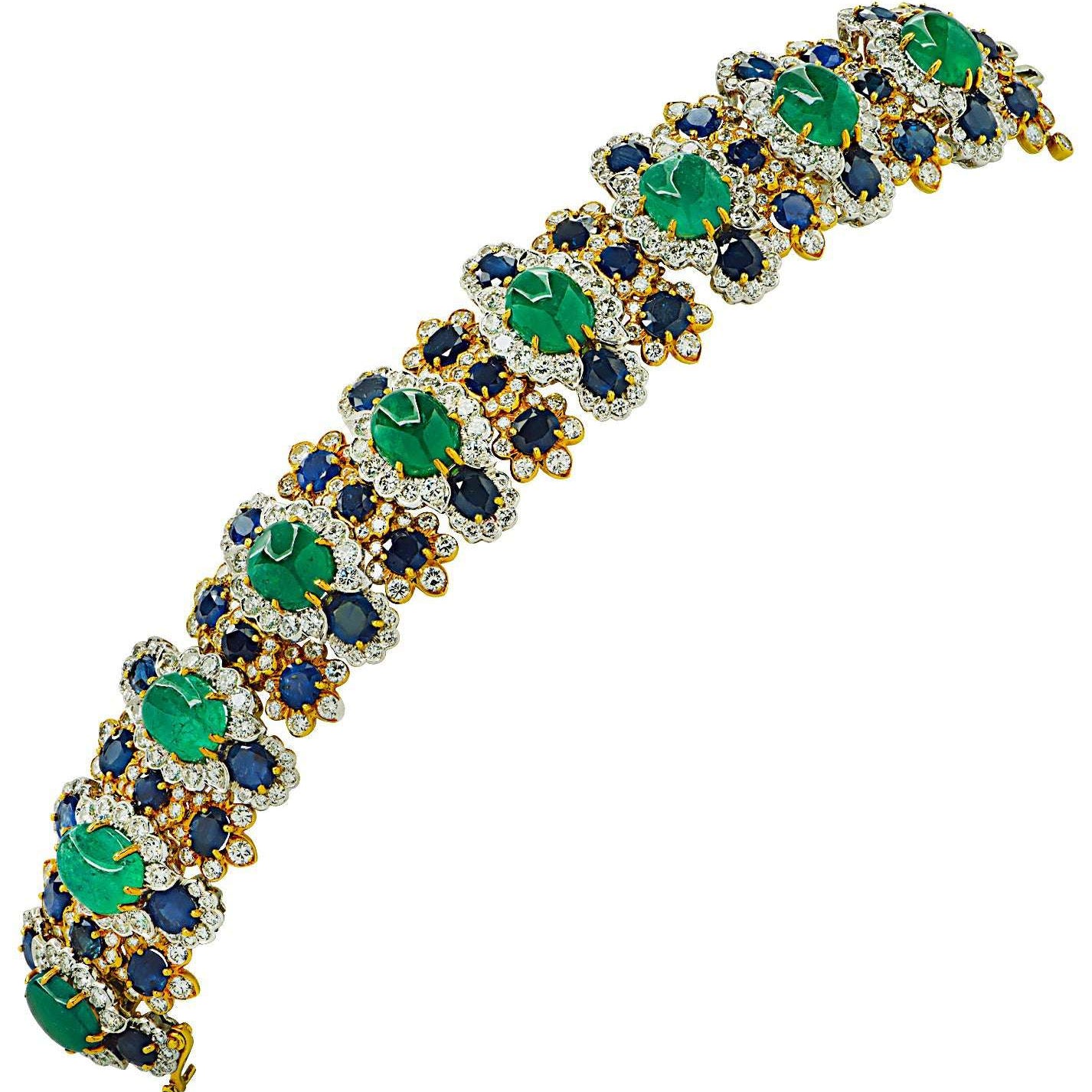
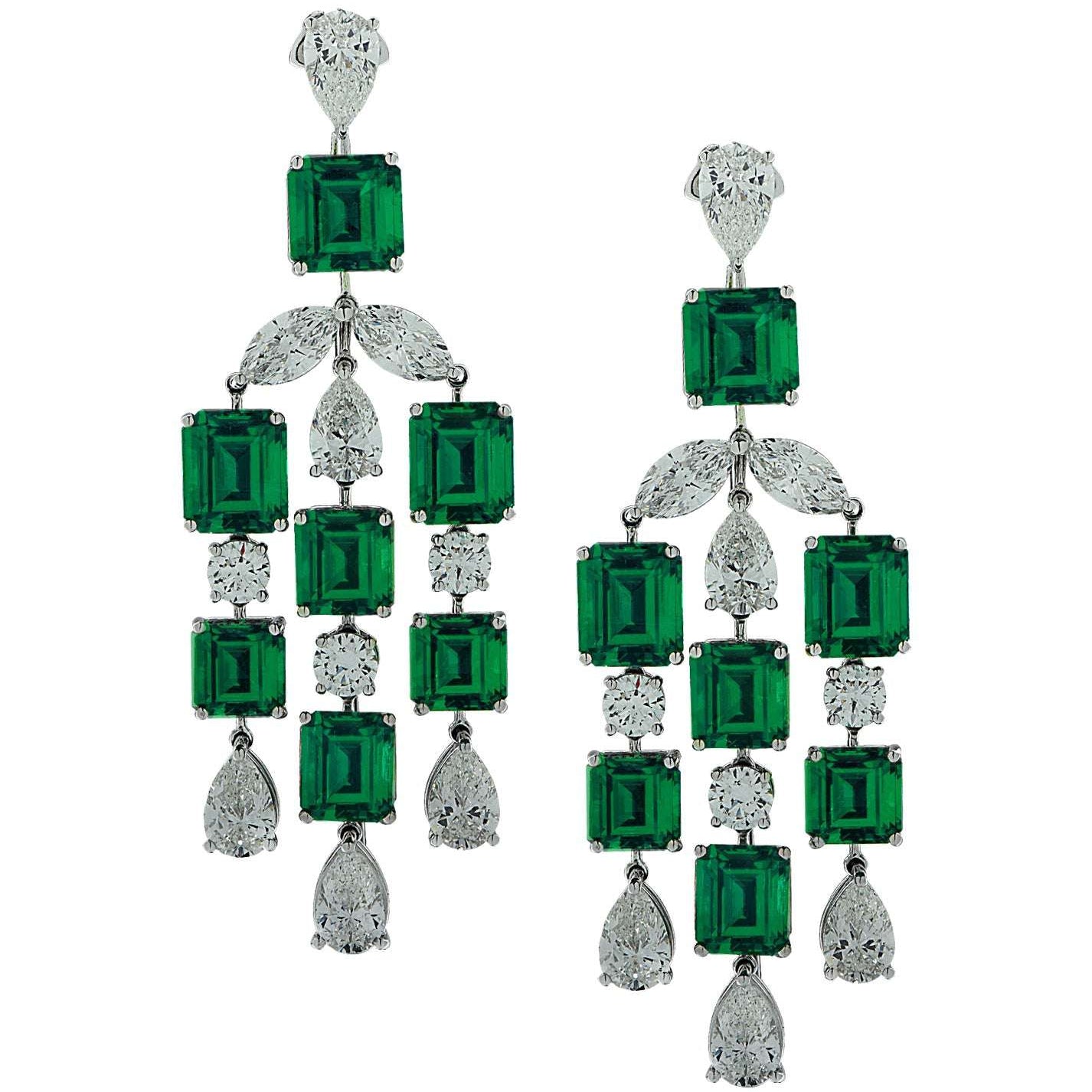
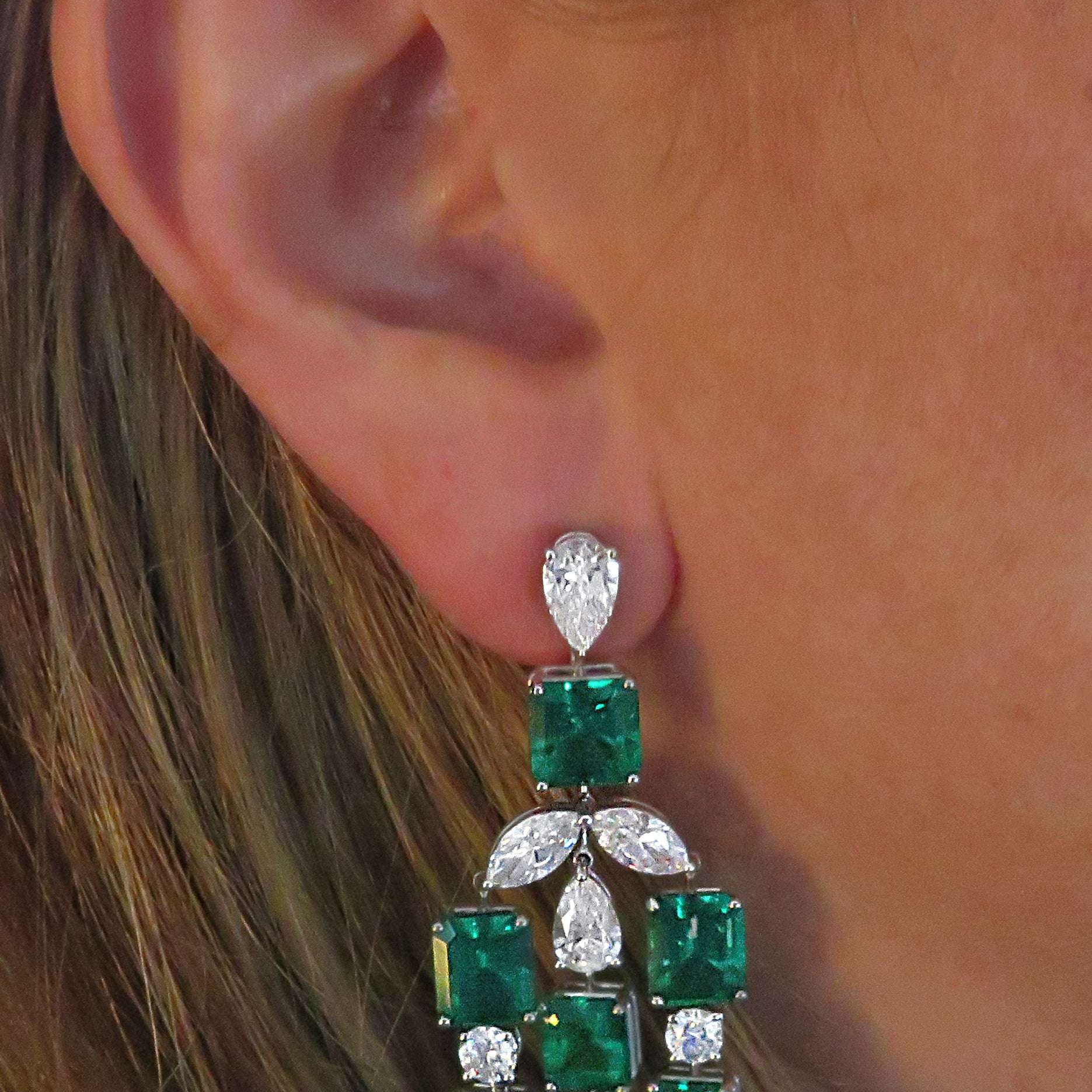
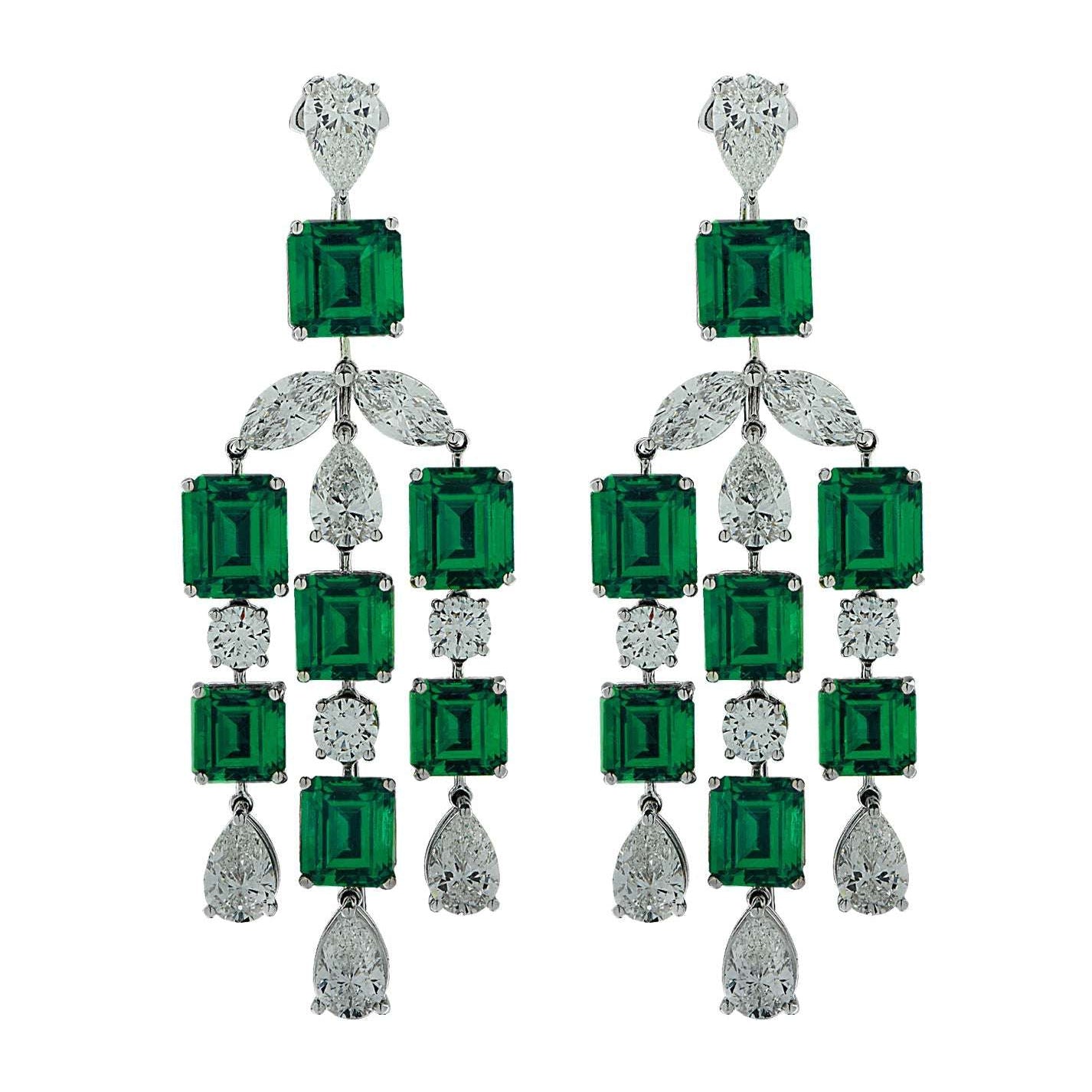
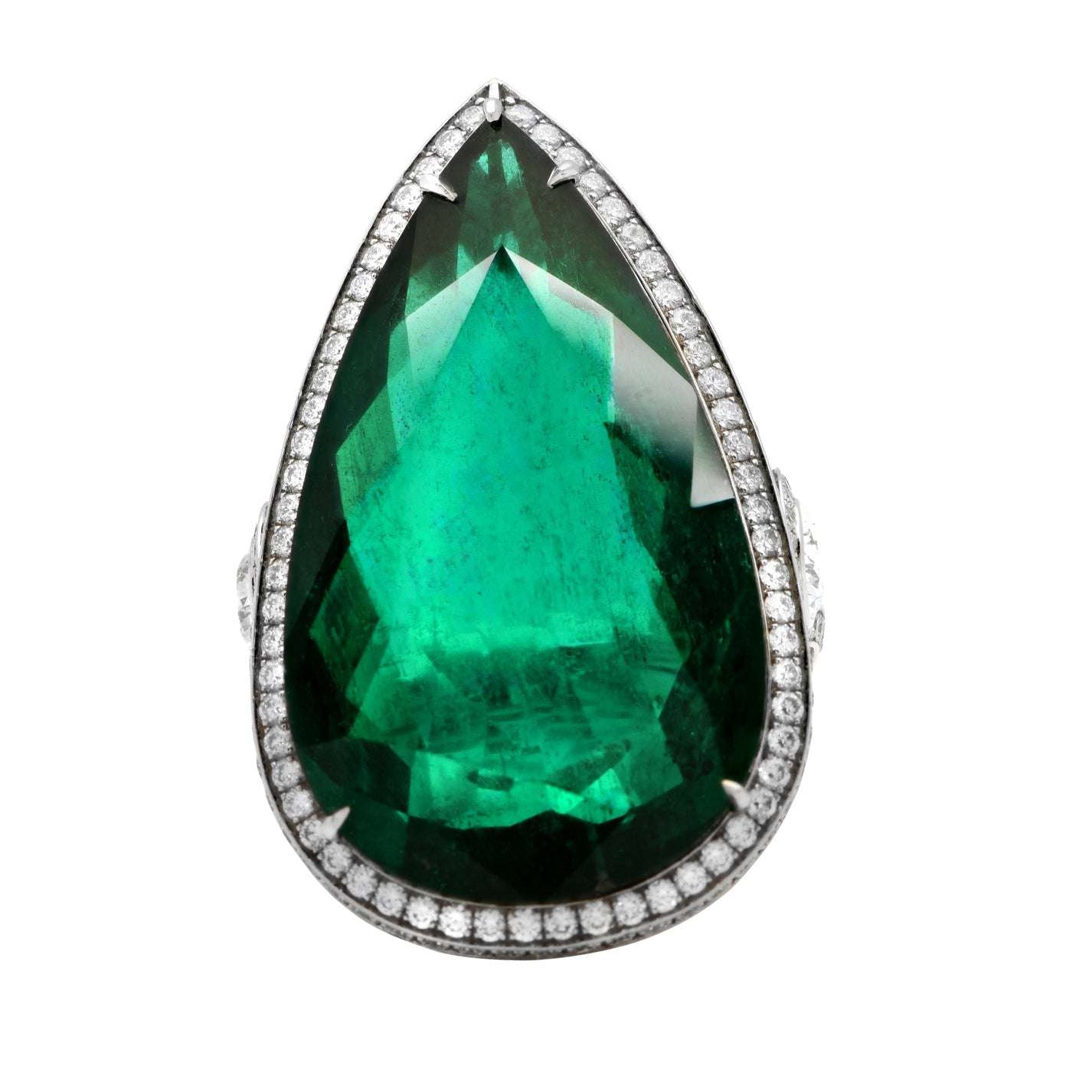
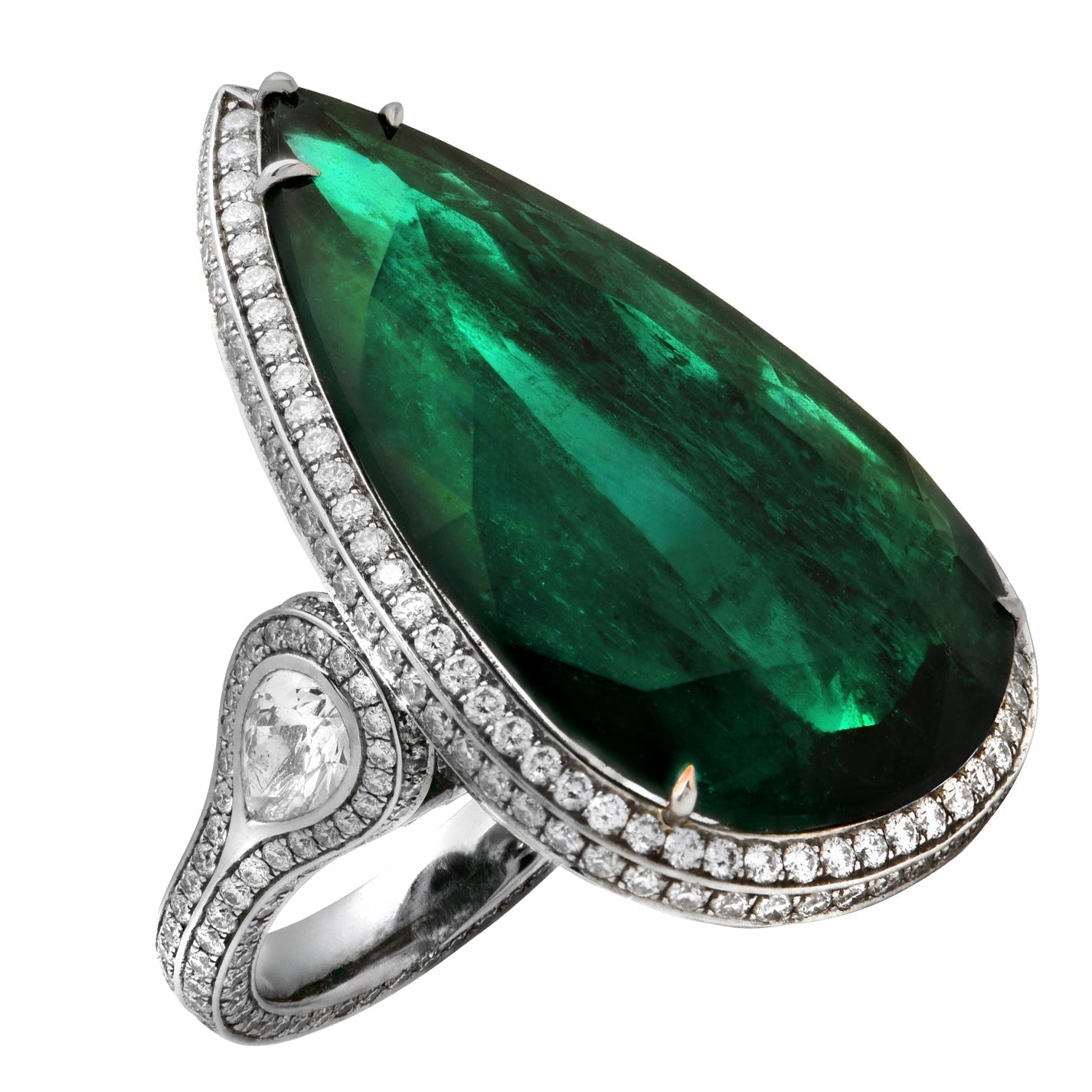
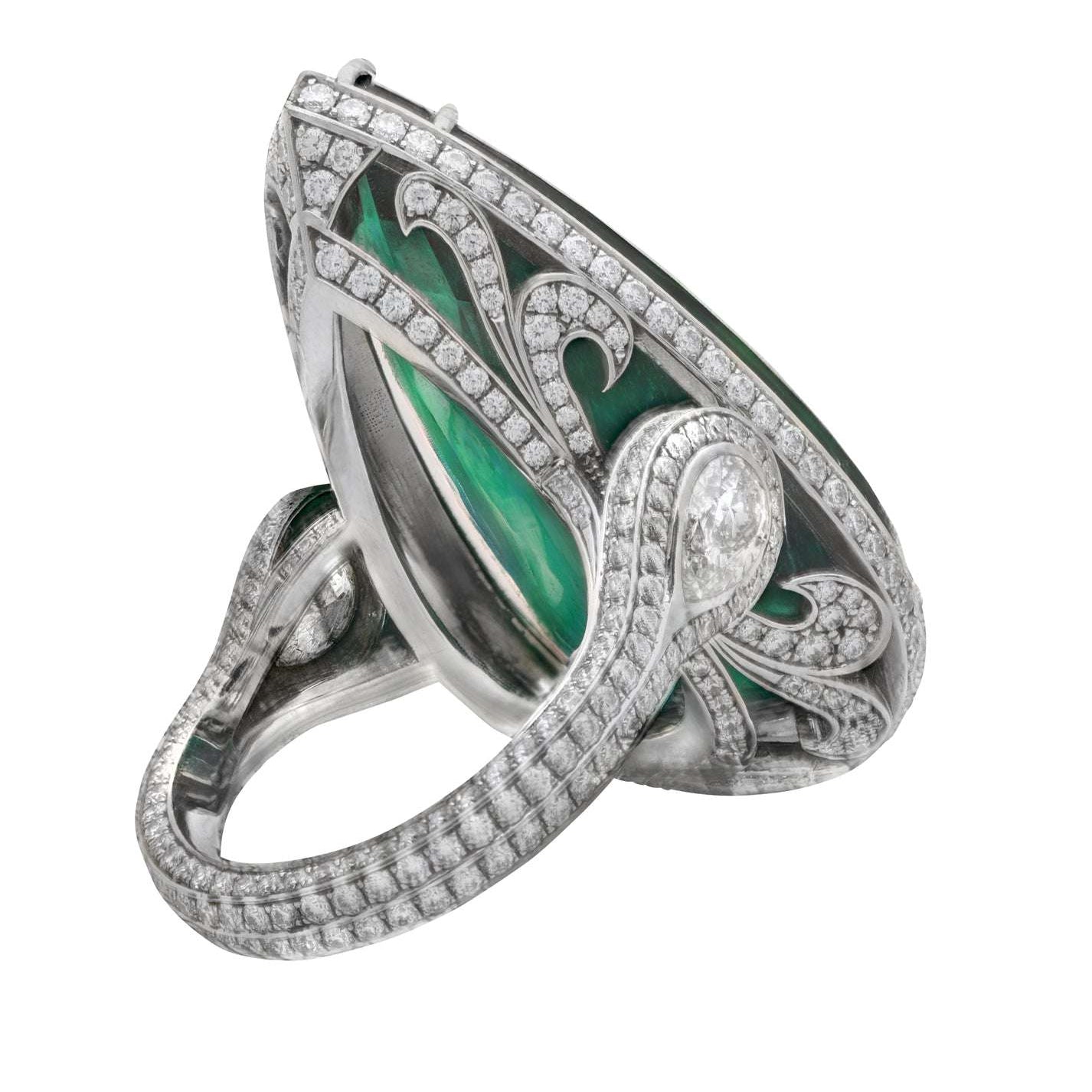
Emerald Gemstone Jewelry
There's something about emerald gemstone jewelry that just pulls you in, the glow, the depth, the way green feels both calming and electric at the same time. If you've ever paused at a window display or kept a screenshot of an emerald ring "just in case," you already know the magnetism. In this guide, you'll learn what makes emeralds so special, how to judge quality, and how to choose a piece that fits your life (and lasts).
Why Emeralds Captivate
Emeralds are the green variety of beryl, colored by trace amounts of chromium, vanadium, or both. That chemistry creates the unmistakable hue, green with a touch of blue, that signals luxury without shouting. Historically, emeralds were Cleopatra's favorite: today, they still signal character and confidence.
But it's not just the lore. Emeralds are one of the few gems where perfection isn't the goal. The patterns you'll see inside, often called "jardin," French for garden, can look like feathery wisps or mossy inclusions. Instead of downgrading the stone, they give it personality. You're not just wearing color: you're wearing a miniature landscape.
And then there's the way emeralds play with light. Even in softer indoor lighting, a fine emerald seems to light from within. Pair that with yellow gold and you get a warm glow: set it in platinum and the green snaps into sharp focus. It's versatile in the most expressive way.
Quality Factors That Drive Emerald Value
You'll see big price swings in emerald gemstone jewelry, and it isn't random. Emerald value comes down to the famous four Cs, color, clarity, cut, and carat, plus origin, treatments, and whether it's natural or lab-grown. Here's how to read those cues like a pro.
Color And Saturation
Color is king with emeralds. The most prized stones sit in a sweet spot: a rich, evenly distributed green with medium to medium-dark tone and strong saturation. Too light, and it veers into green beryl: too dark, and the gem can look inky.
You'll also notice undertones. Bluish-green often feels regal and cool: slightly yellowish-green can look springy and bright. Neither is "wrong," but prices tend to climb as saturation deepens and the hue stays balanced. If you're comparing two stones, look at them in multiple lights, daylight, warm indoor bulbs, to see how stable the color really is.
Clarity And The Emerald's "Jardin"
Emeralds almost always have inclusions. That's normal, and it's why clarity standards are more forgiving than for diamonds. You're looking for a pleasing jardin that doesn't interrupt transparency or create weak points.
If an inclusion breaks the surface near a prong or edge, the stone may be more vulnerable to chipping. Turn the gem and watch how the inclusions move with the light. A lively stone with fine, feathery jardin can be mesmerizing, and more affordable than a super-clean emerald of similar color.
Cut And Shape Considerations
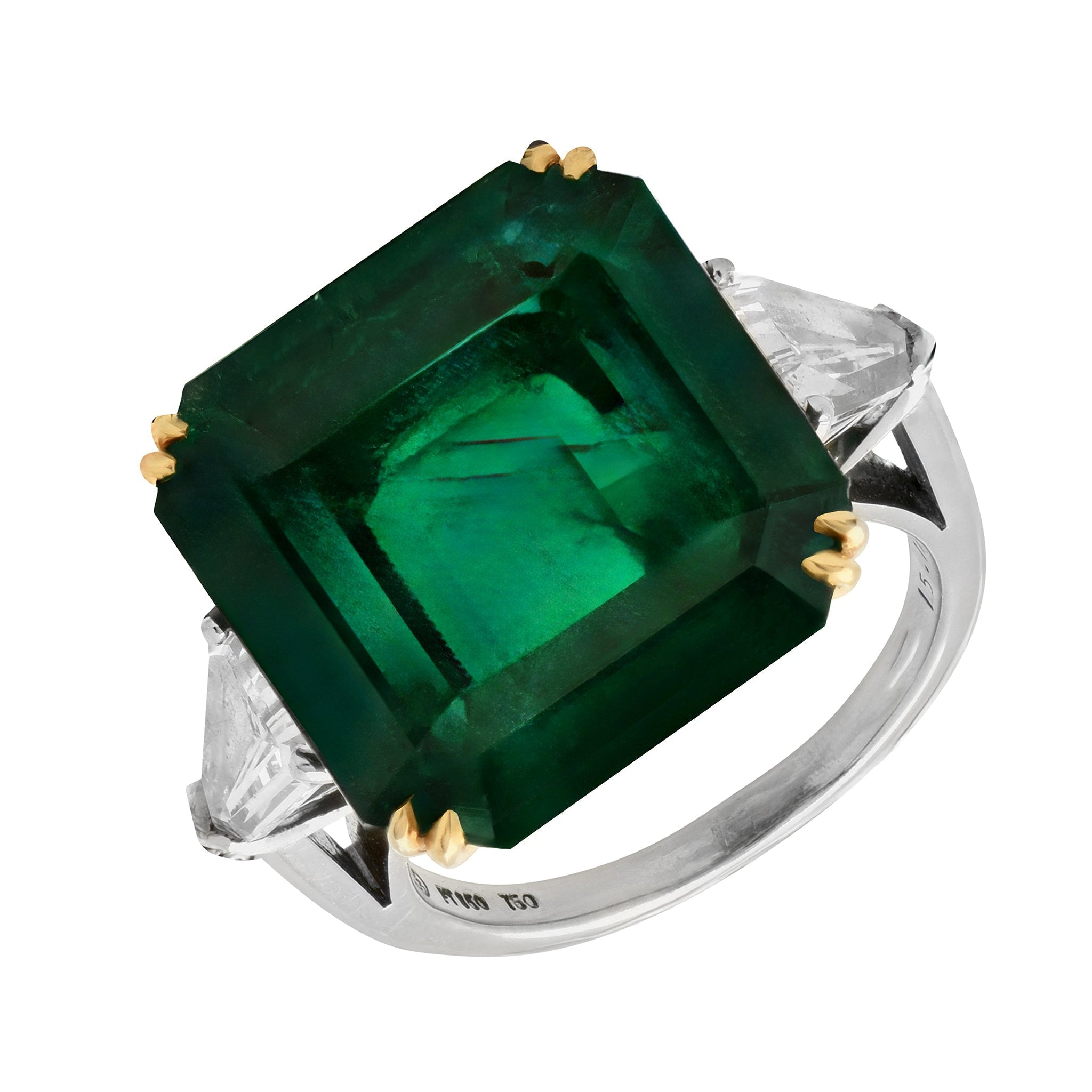
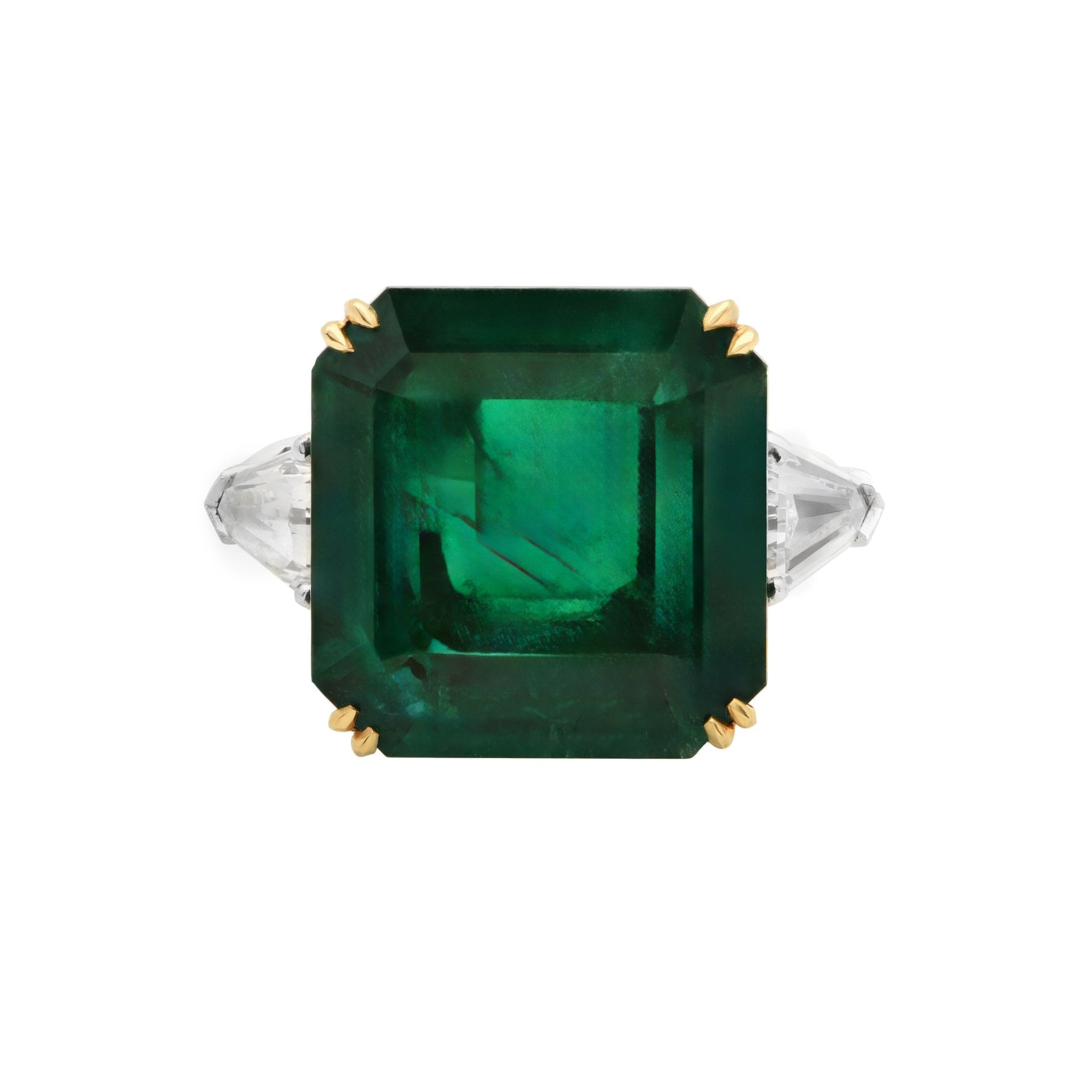
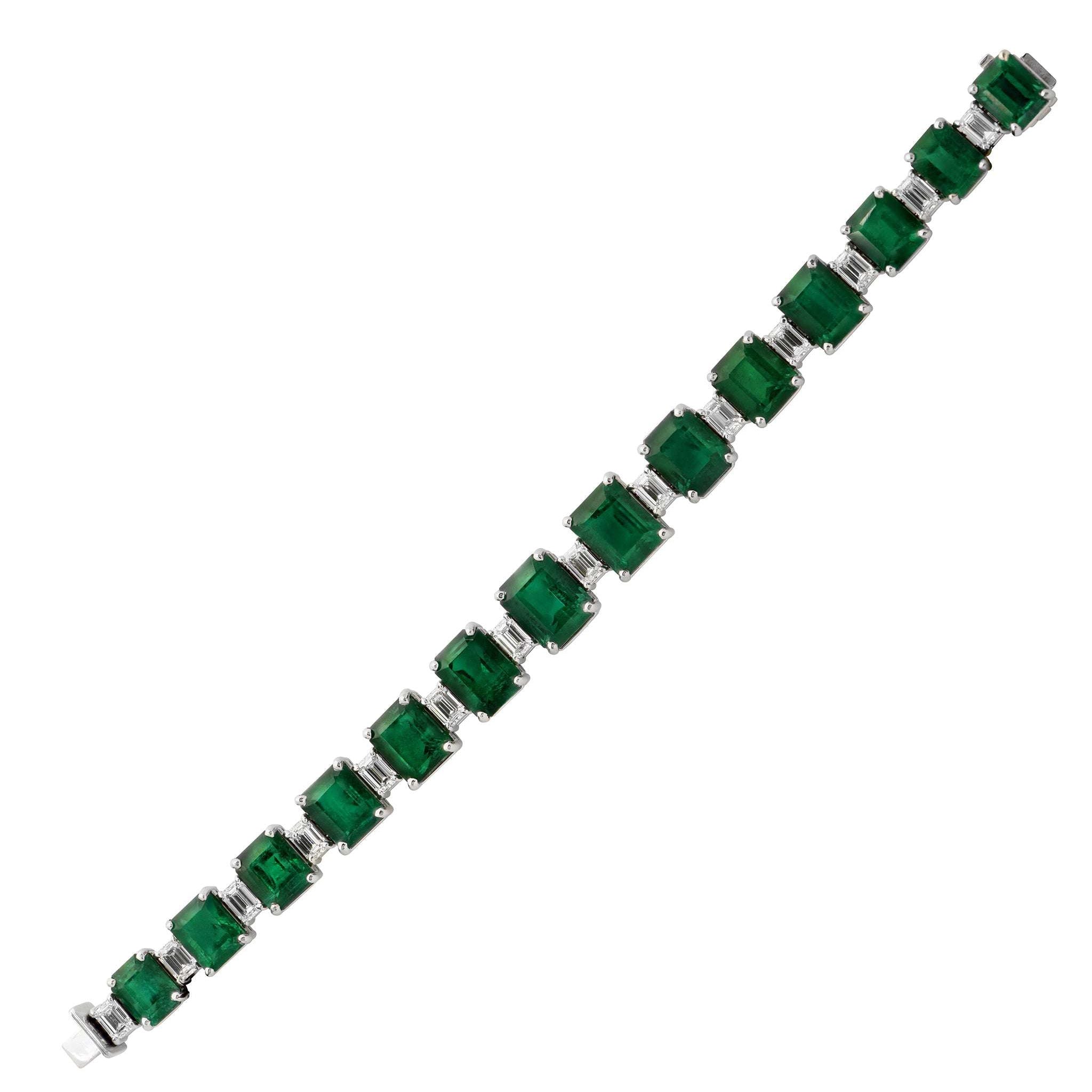
The classic emerald cut, those stepped facets and clipped corners, exists for a reason. It protects the stone and shows off that velvety color. But don't overlook ovals, pears, cushions, or rounds.
A well-cut emerald should have even color across the face, not dark windows or washed-out patches. Depth matters: too shallow and you'll see a "window" through the middle: too deep and the stone can look small for its weight. Prioritize overall look on your hand or at your neck over paper specs.
Natural Vs. Lab-Grown Emeralds
Lab-grown emeralds share the same basic chemistry and structure as natural ones, and they offer intense color with fewer inclusions at a friendlier price. If you want bold size or a crisp look on a budget, lab-grown is a smart path.
Natural emeralds carry rarity and history, each one formed over millions of years. Prices reflect that scarcity. If you go lab-grown, ask for clear disclosure and a grading report from a reputable lab. Whether natural or lab-created, you should know exactly what you're buying.
Treatments, Origin, And Certification
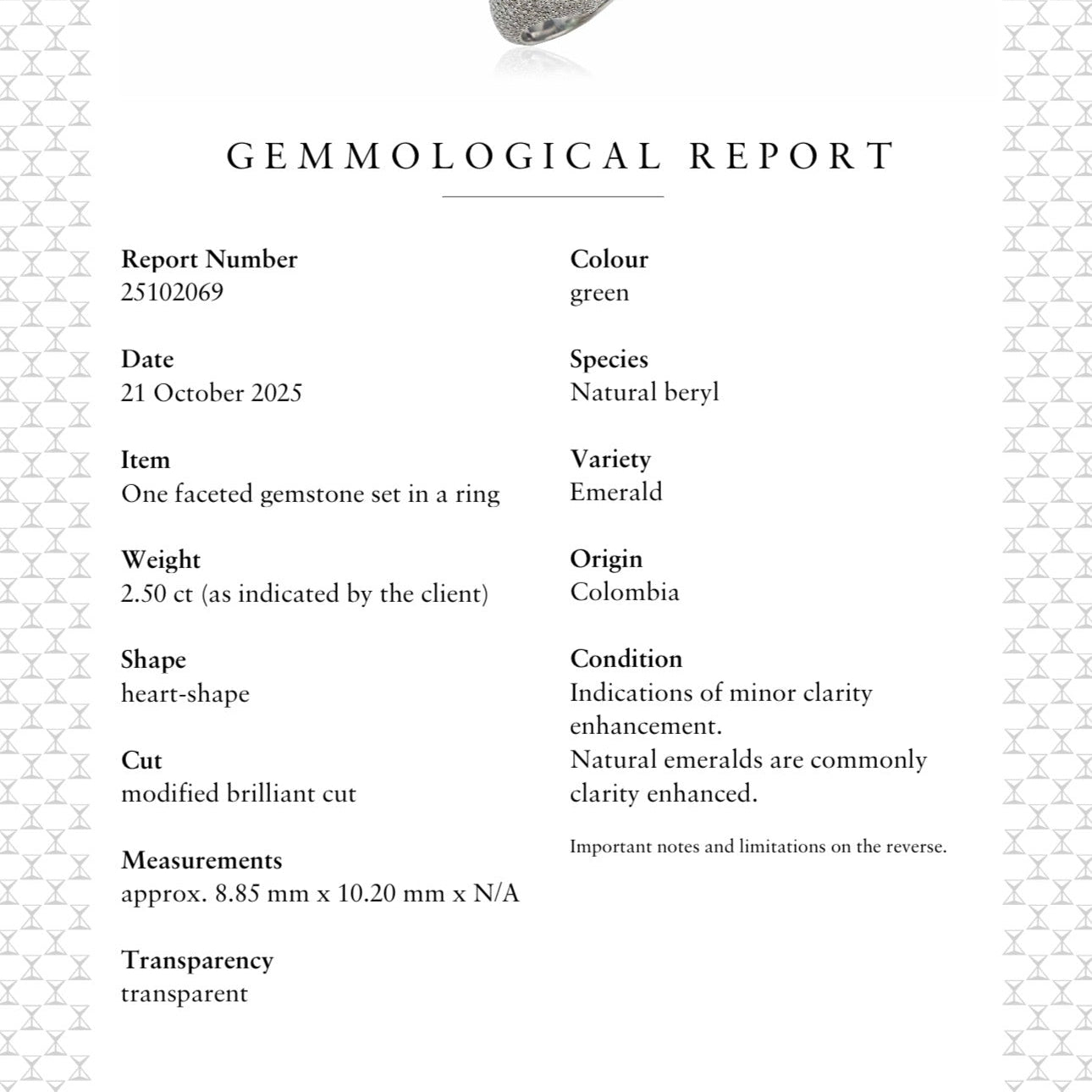
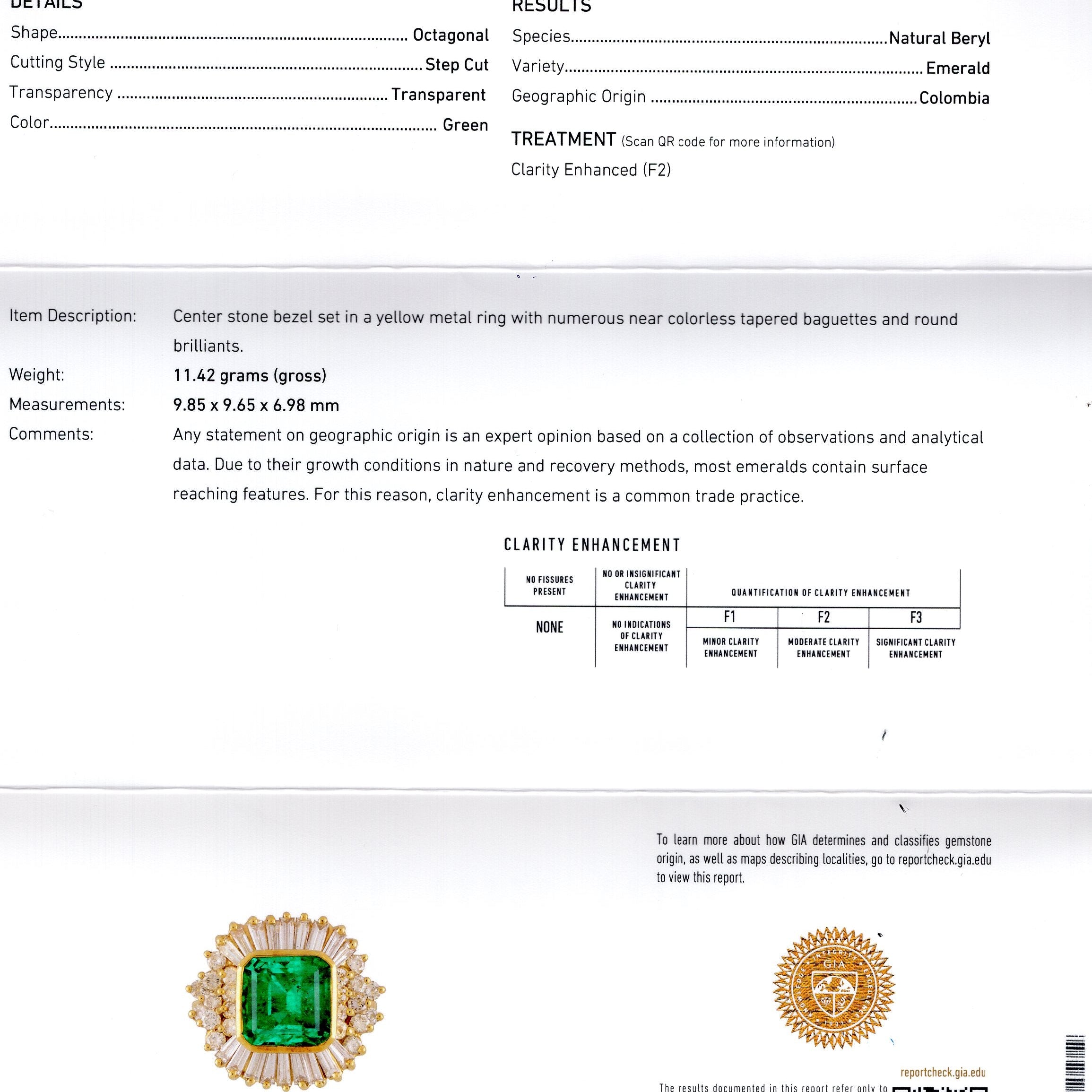
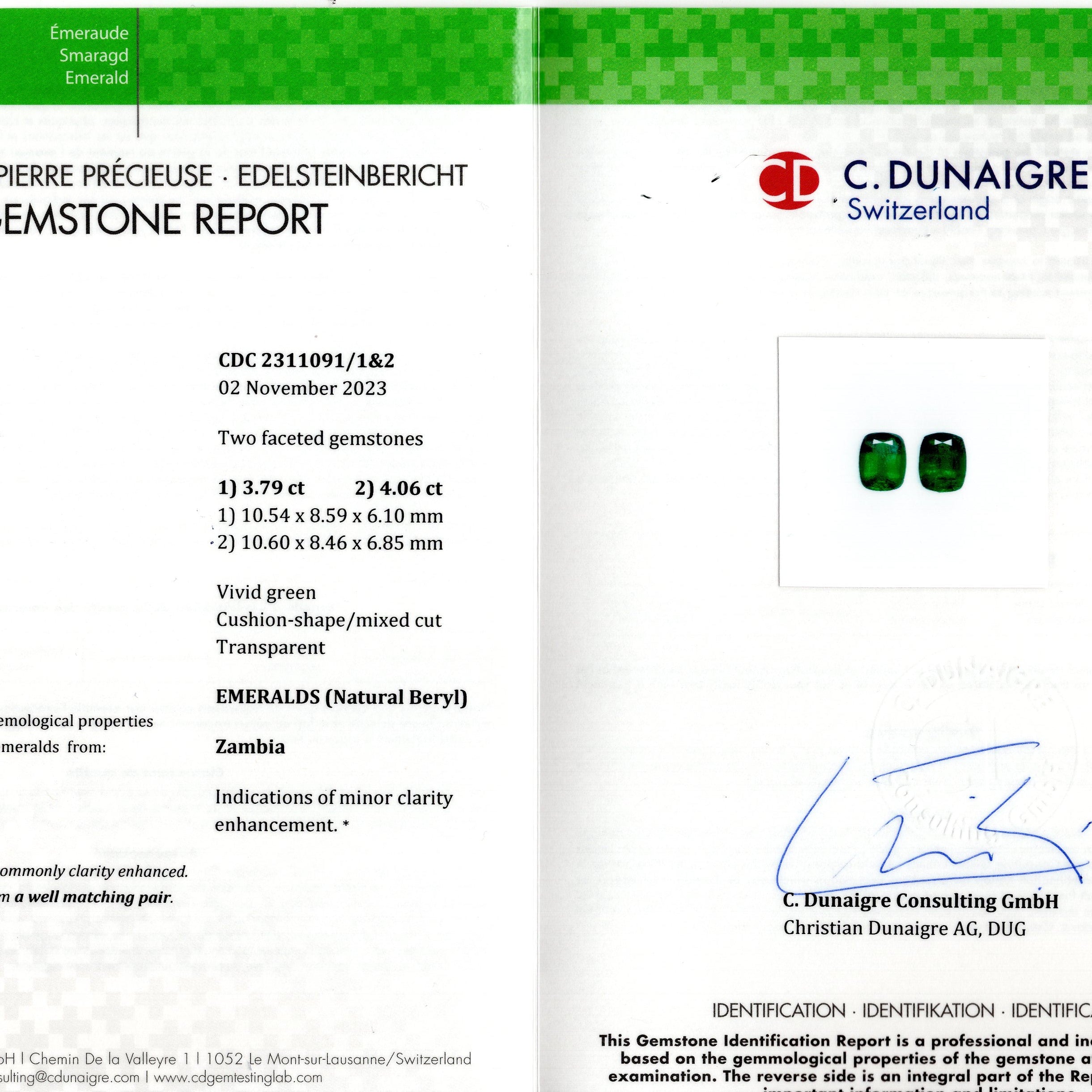
Most emeralds are treated, commonly with oil, to improve clarity by reducing the visibility of surface-reaching inclusions. Oiling is widely accepted in the trade, but the degree matters: "minor" is preferable to "moderate" or "significant." Resin or polymer fillings are less ideal and should be disclosed.
Origin can influence price, Colombian emeralds (Muzo, Chivor), Zambian emeralds, and stones from Ethiopia or Brazil each have characteristic looks. Origin isn't a quality guarantee, but it's a storytelling detail many collectors value.
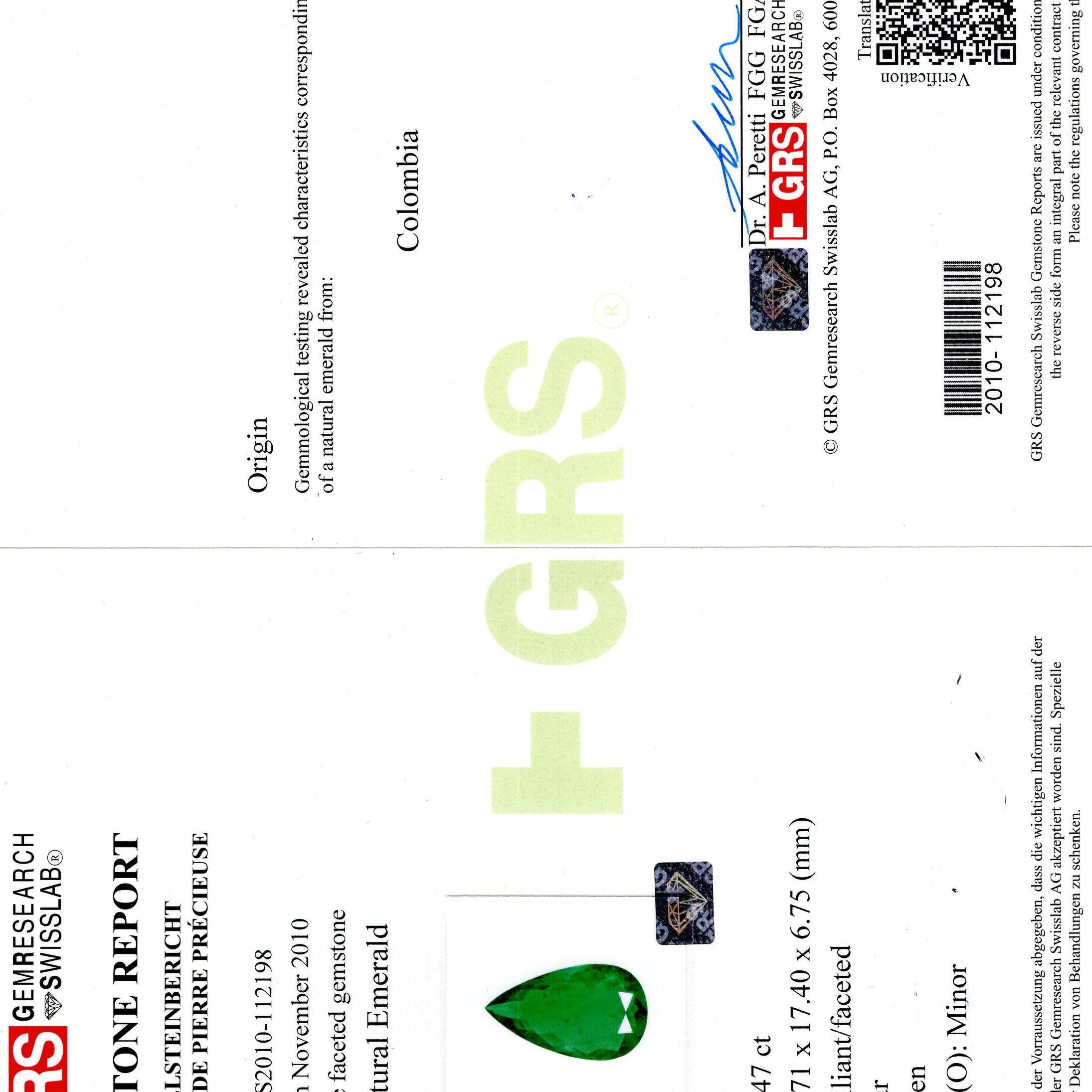
Always ask for a reputable report, especially for important purchases. Leading labs include GIA, AGL, and IGI. Reports can note treatment extent and, when possible, origin, details that help you compare apples to apples.
Popular Emerald Jewelry Styles
Emerald gemstone jewelry comes alive in both quiet classics and scene-stealing statements. Here are styles that hold up year after year.
Rings: Solitaires, Halos, And Three-Stone Designs
- Solitaires: Clean and timeless. An emerald-cut solitaire in yellow gold feels vintage-chic: an oval in platinum leans modern.
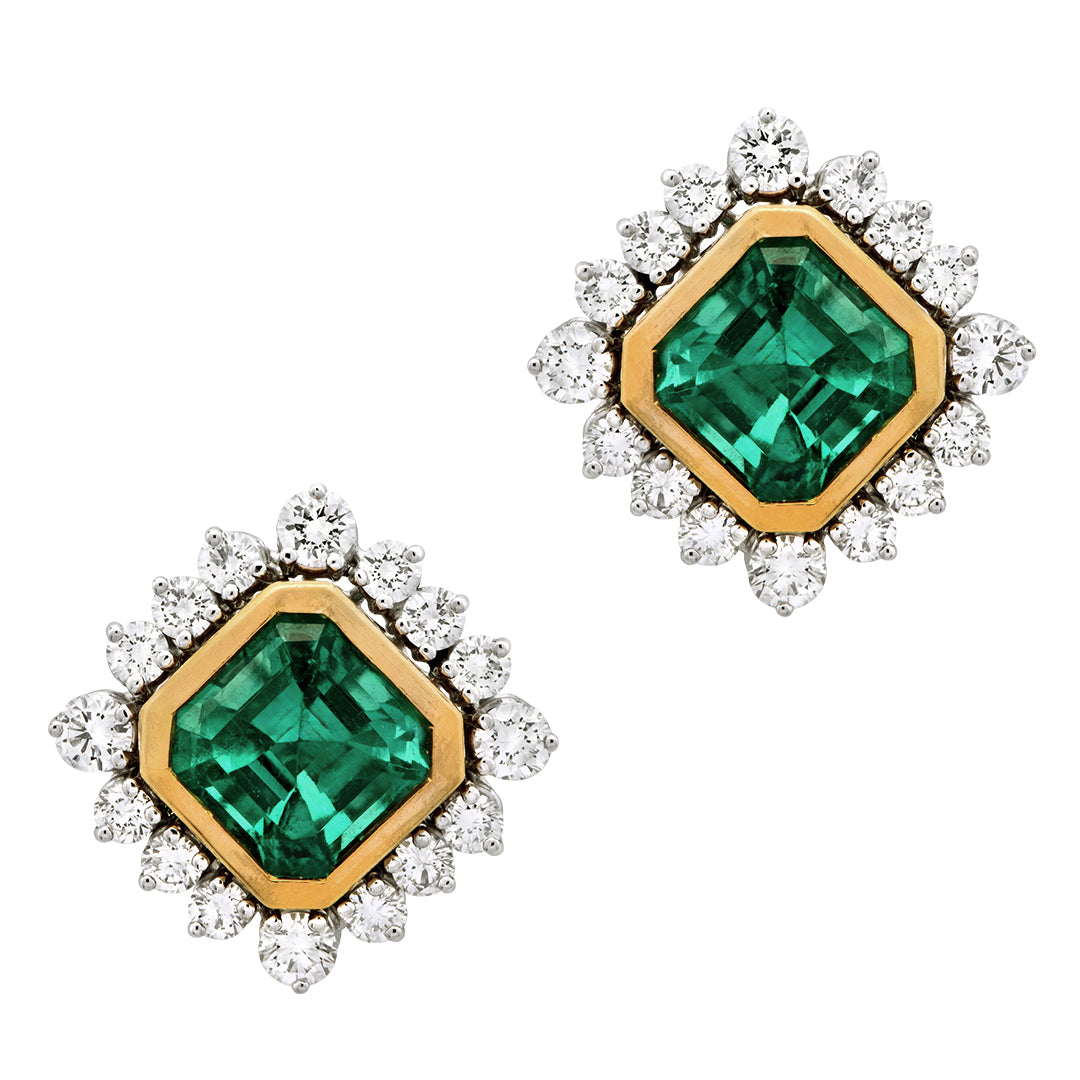
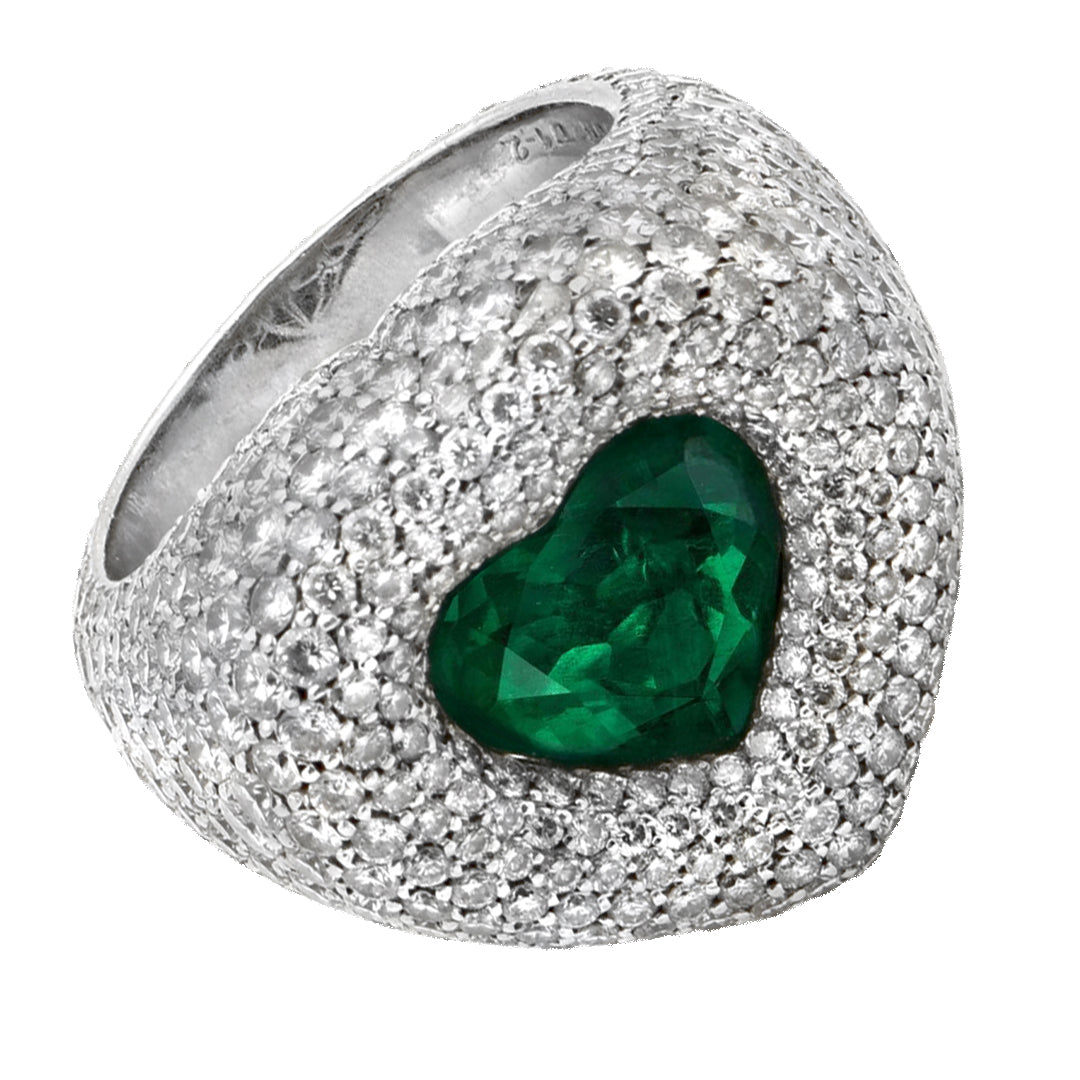
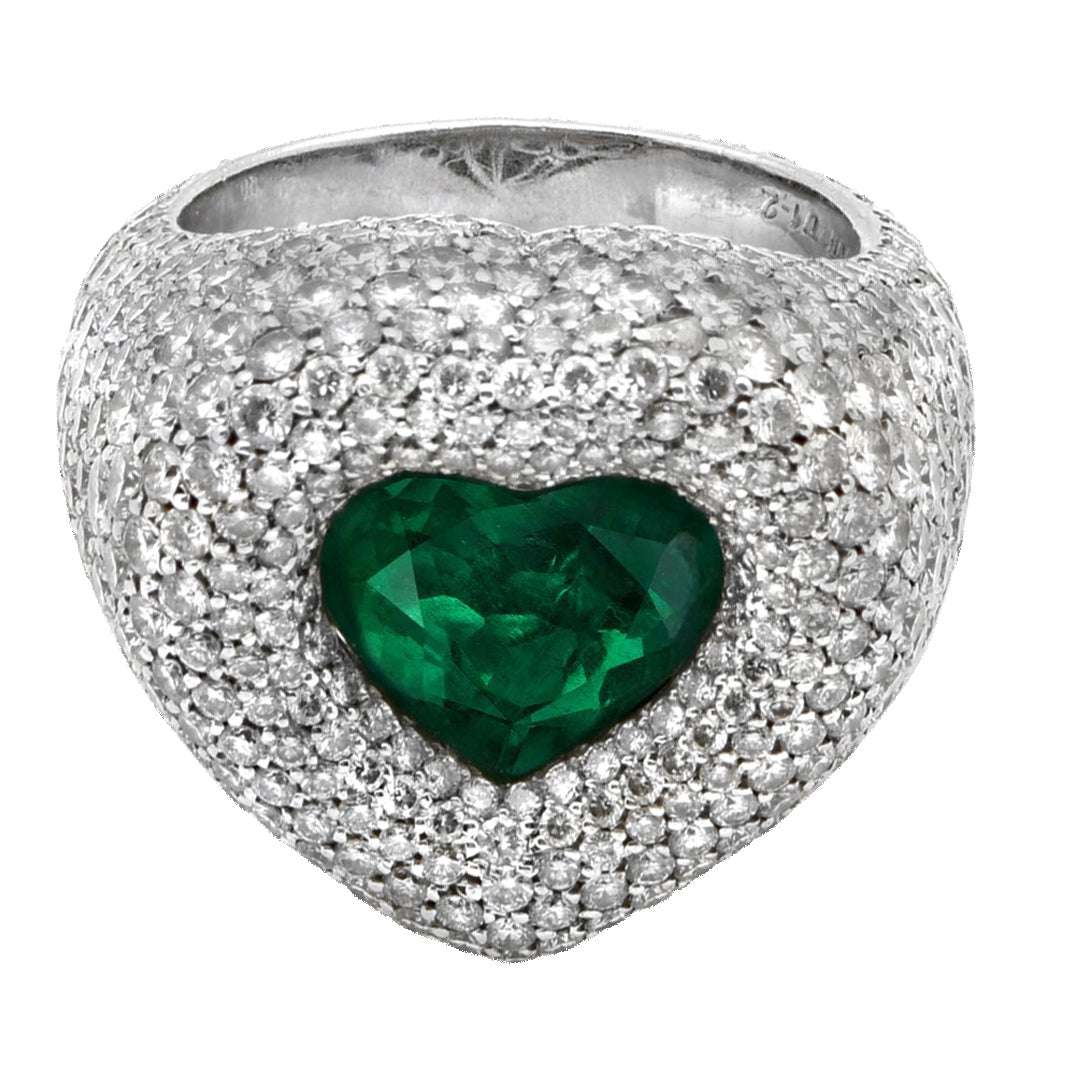
- Halos: A diamond halo adds shimmer and a size boost, framing the green for extra presence. If you love sparkle, a delicate pavé band balances the emerald's richness.
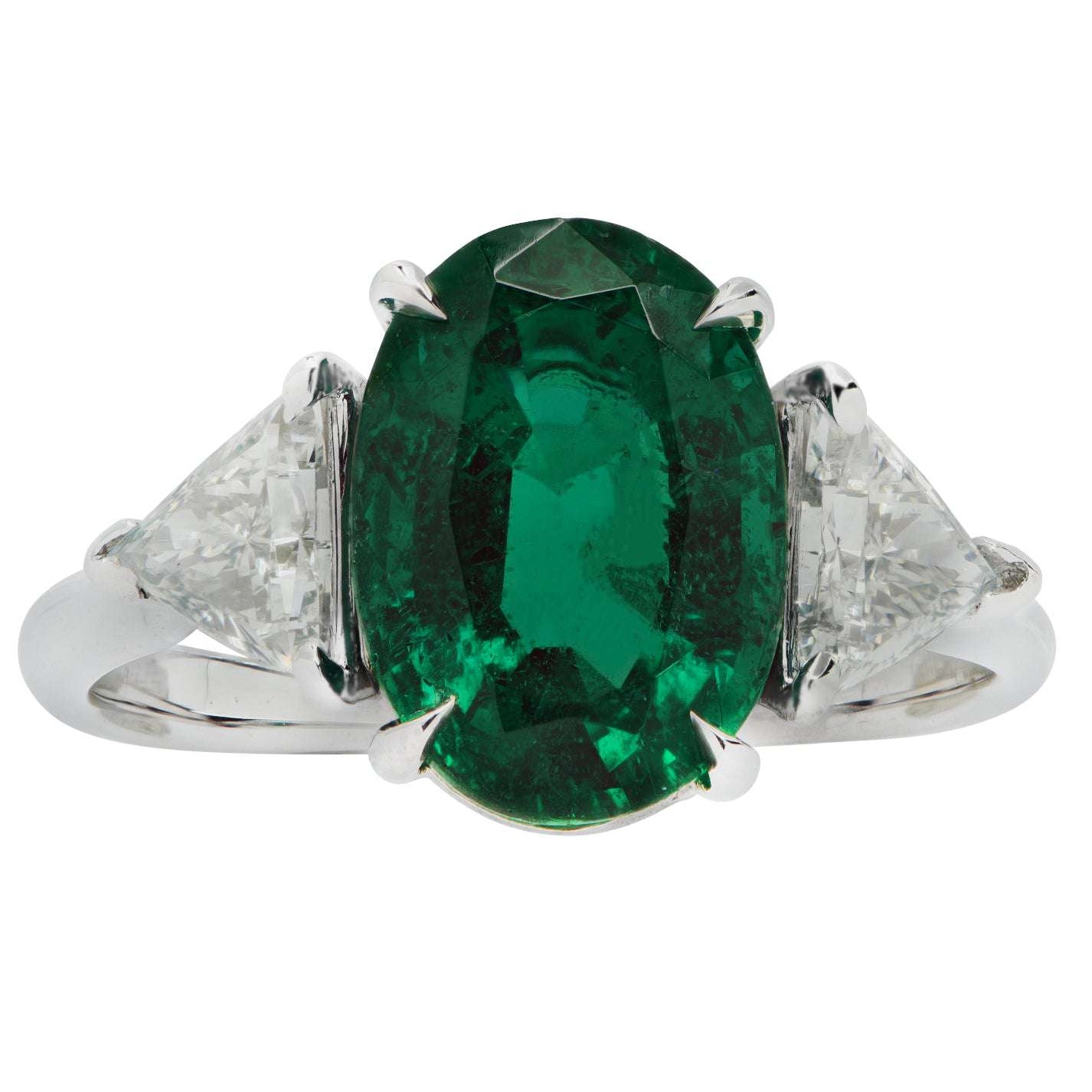
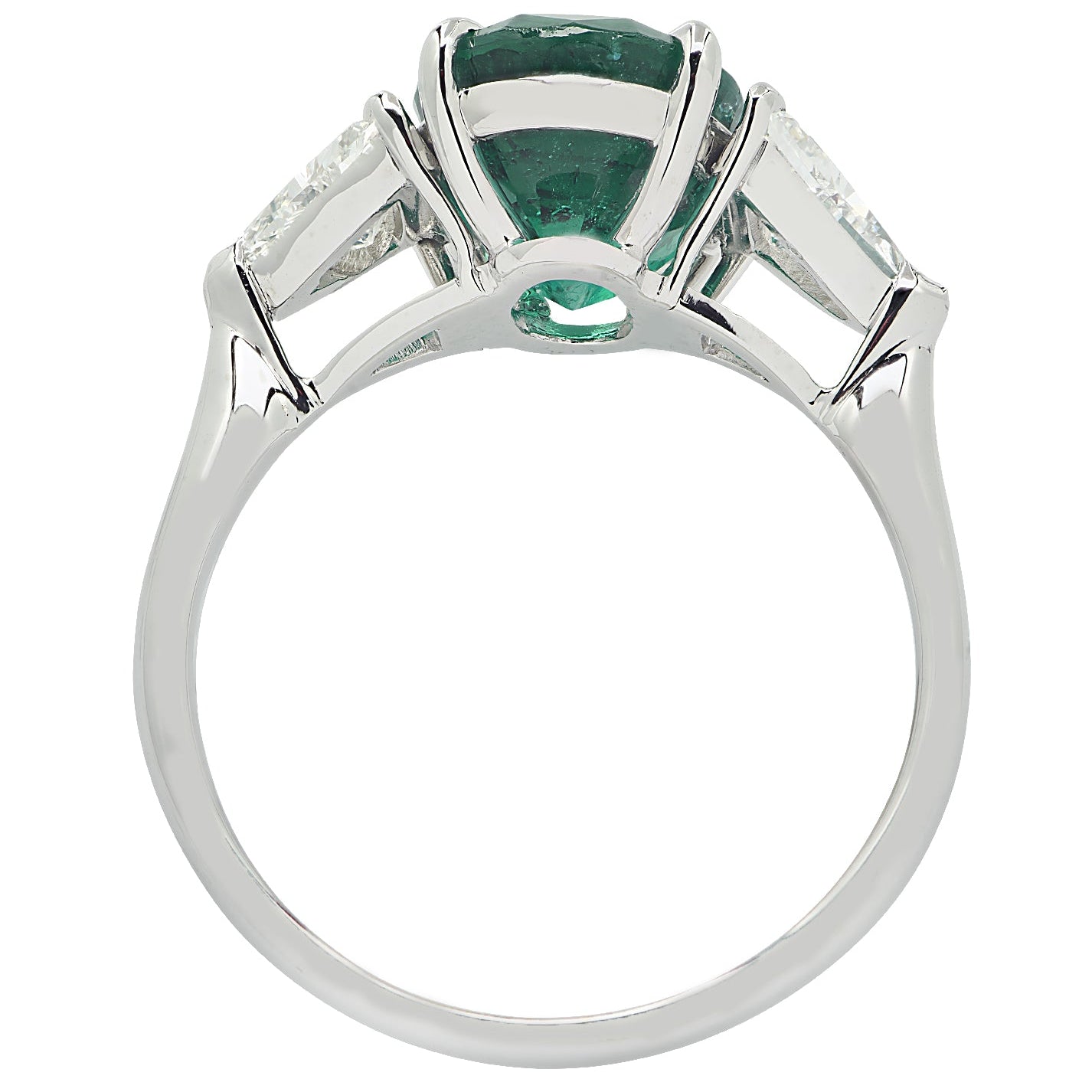
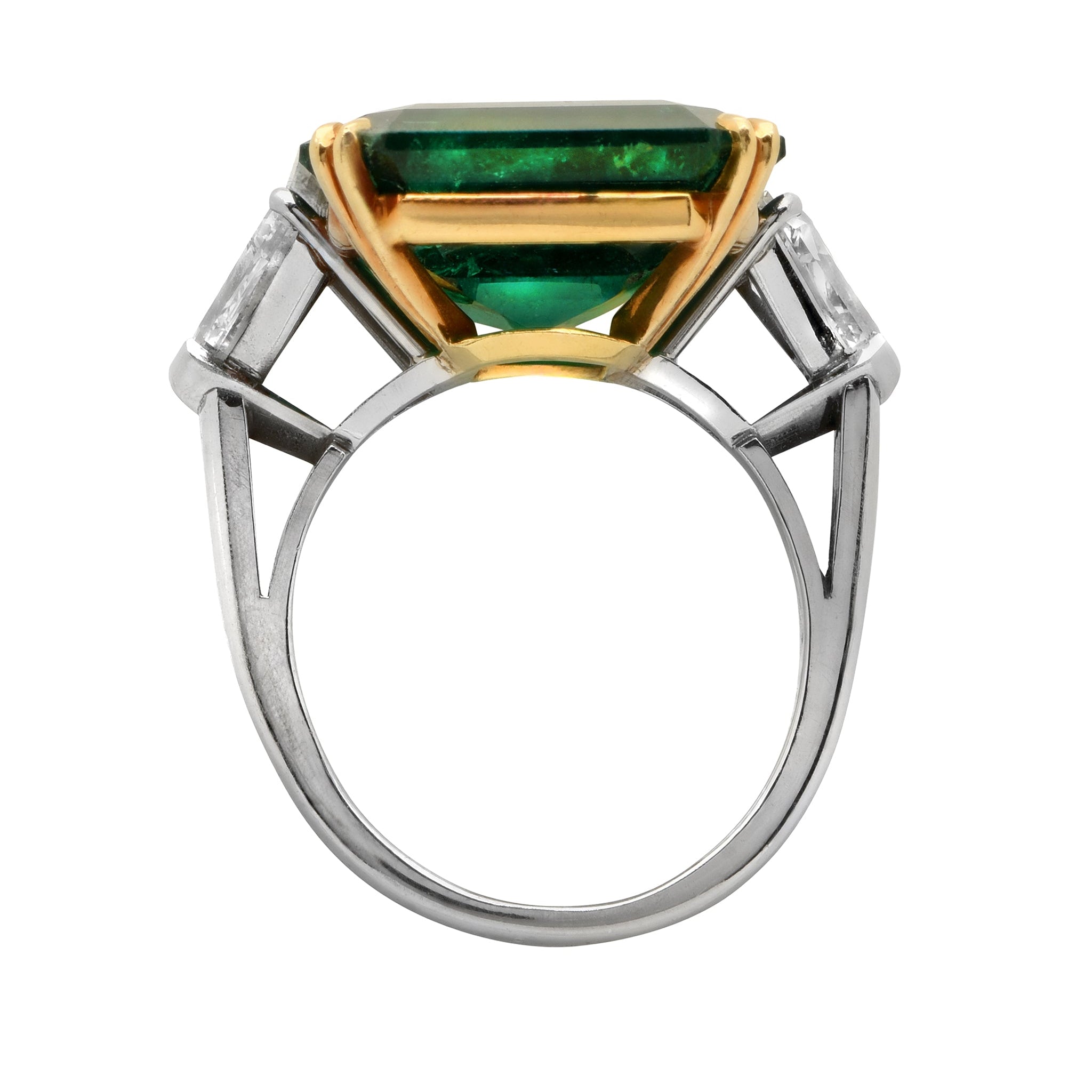
- Three-stone: Flank your emerald with tapered baguettes for an Art Deco mood, or pair with pear-shaped diamonds for soft, romantic lines. As an emerald engagement ring, three-stone designs symbolize past, present, future, sentimental and striking.
Necklaces And Pendants: From Solitaires To Statement Pieces
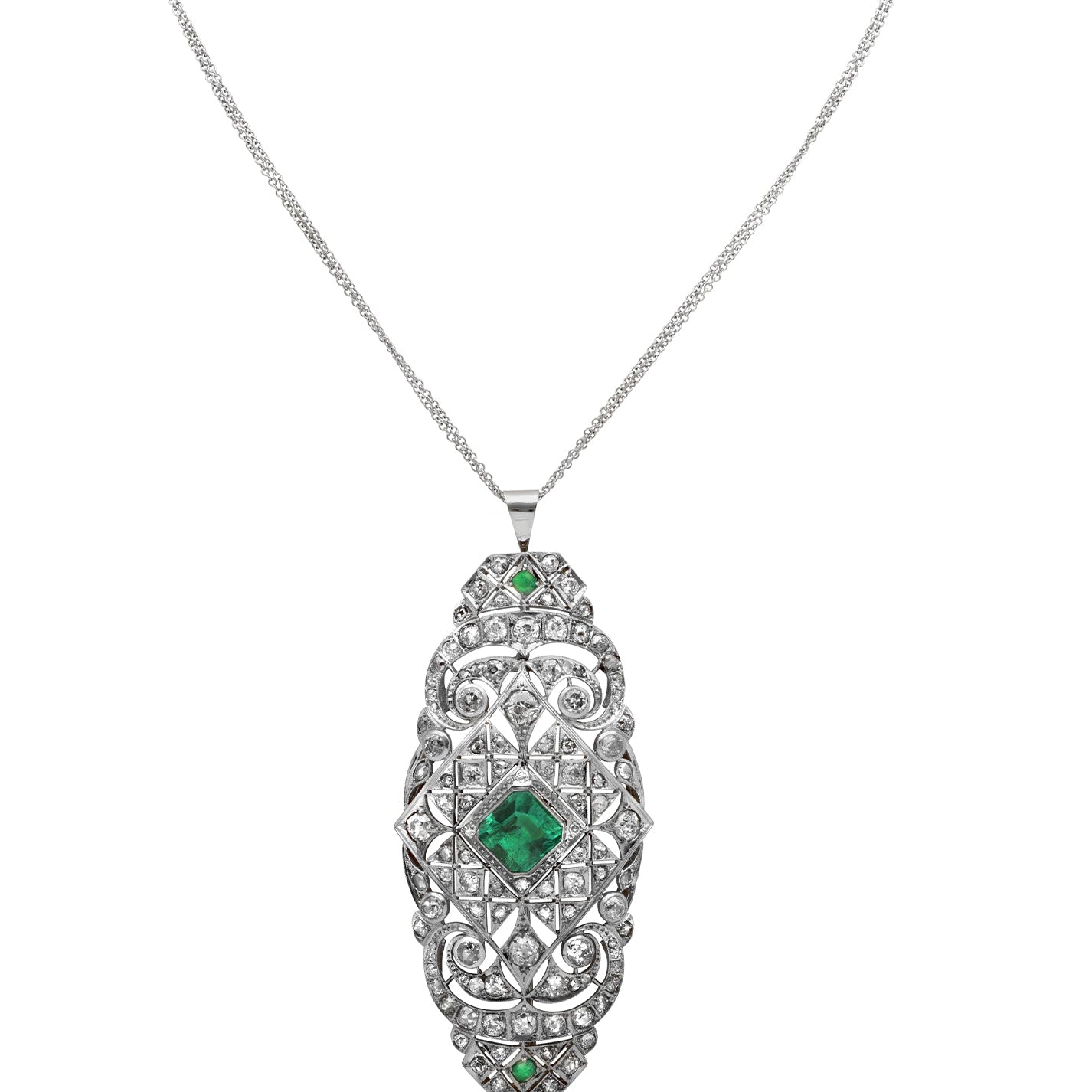
- Simple solitaire: A bezel-set emerald on a fine chain is everyday-elevated and travel-friendly.
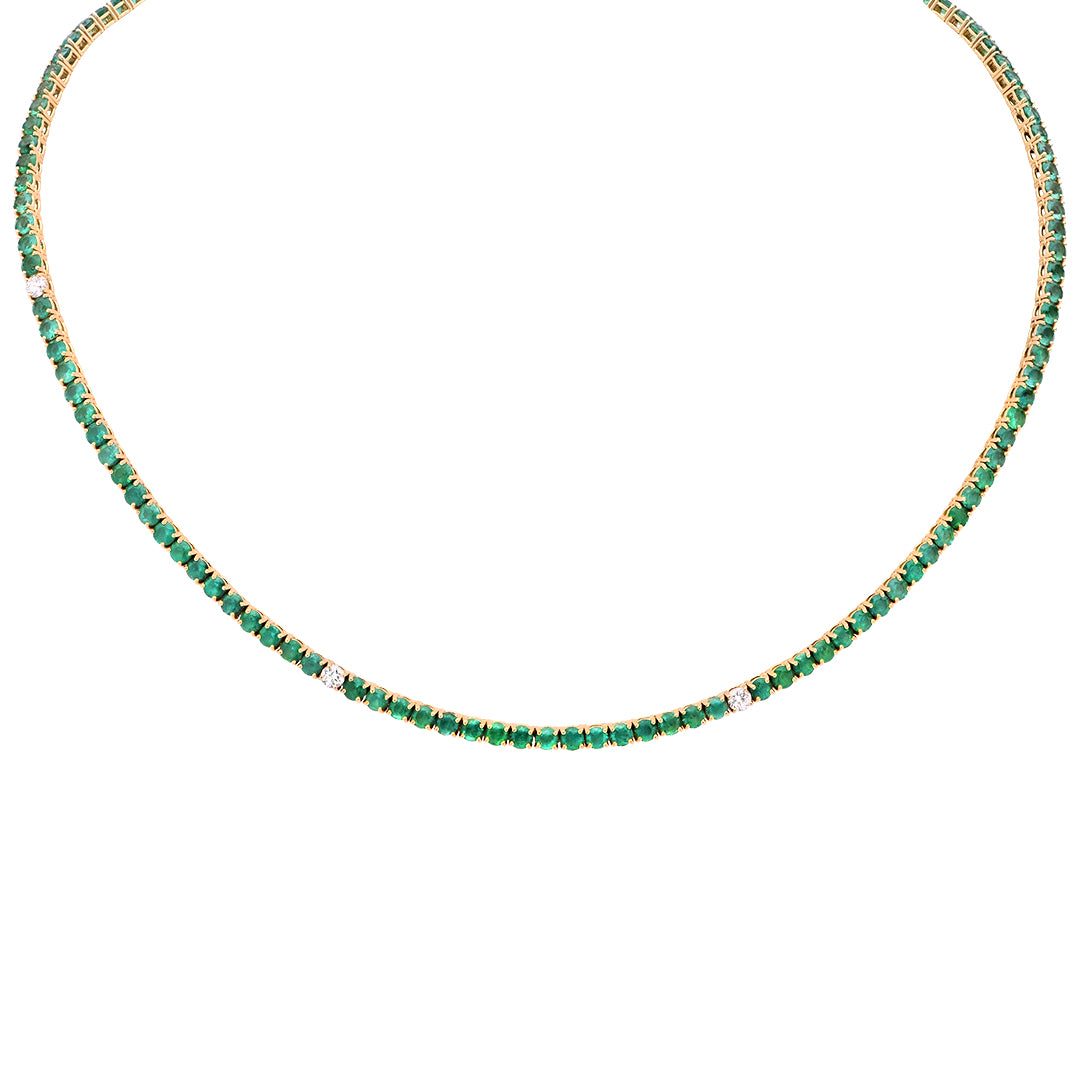
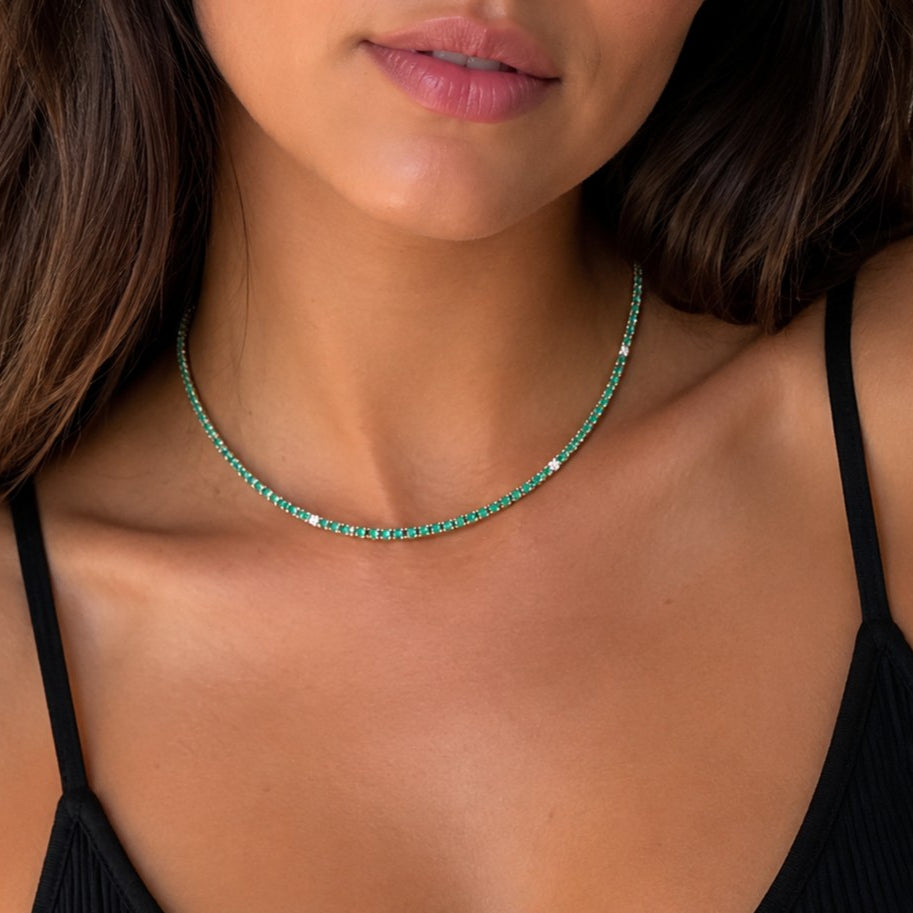
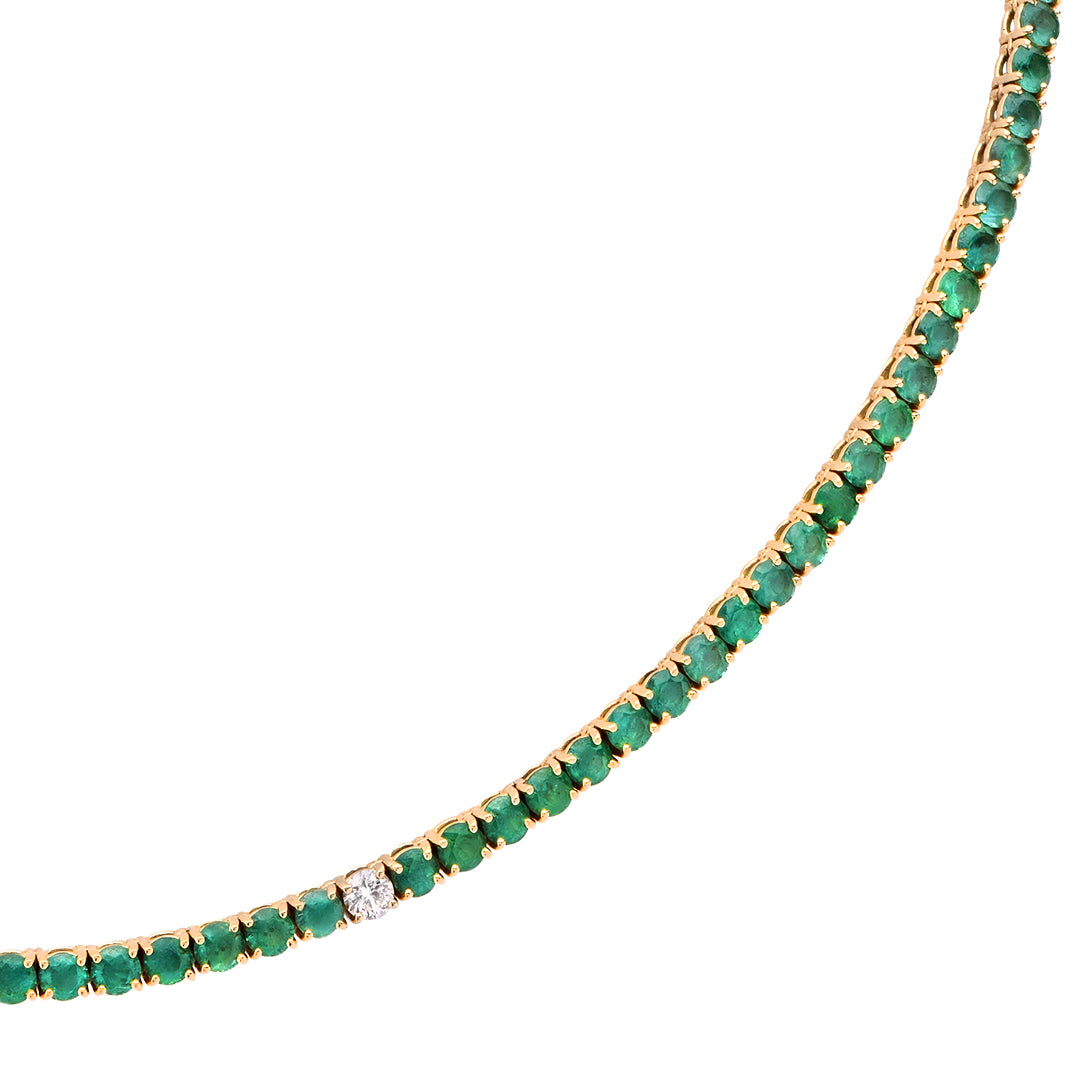
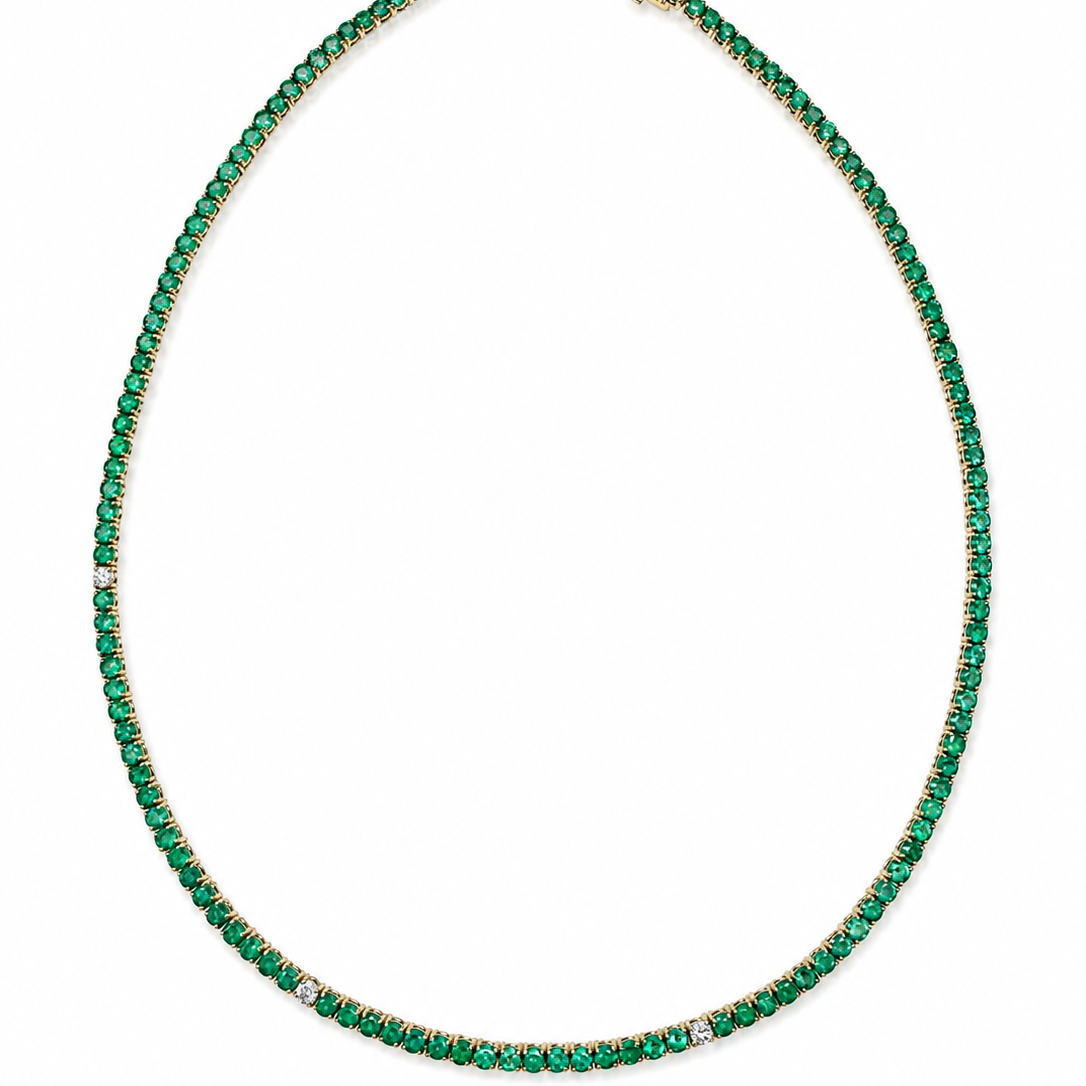
- Station and line necklaces: Small emeralds spaced along a chain add color without weight: a graduated line necklace dials up red-carpet drama.
- Lockets and talismans: An emerald at the center of a medallion or locket brings that "personal treasure" feel. Layer with shorter chains to make the green pop.
Earrings And Bracelets: Studs, Drops, Huggies, And Tennis
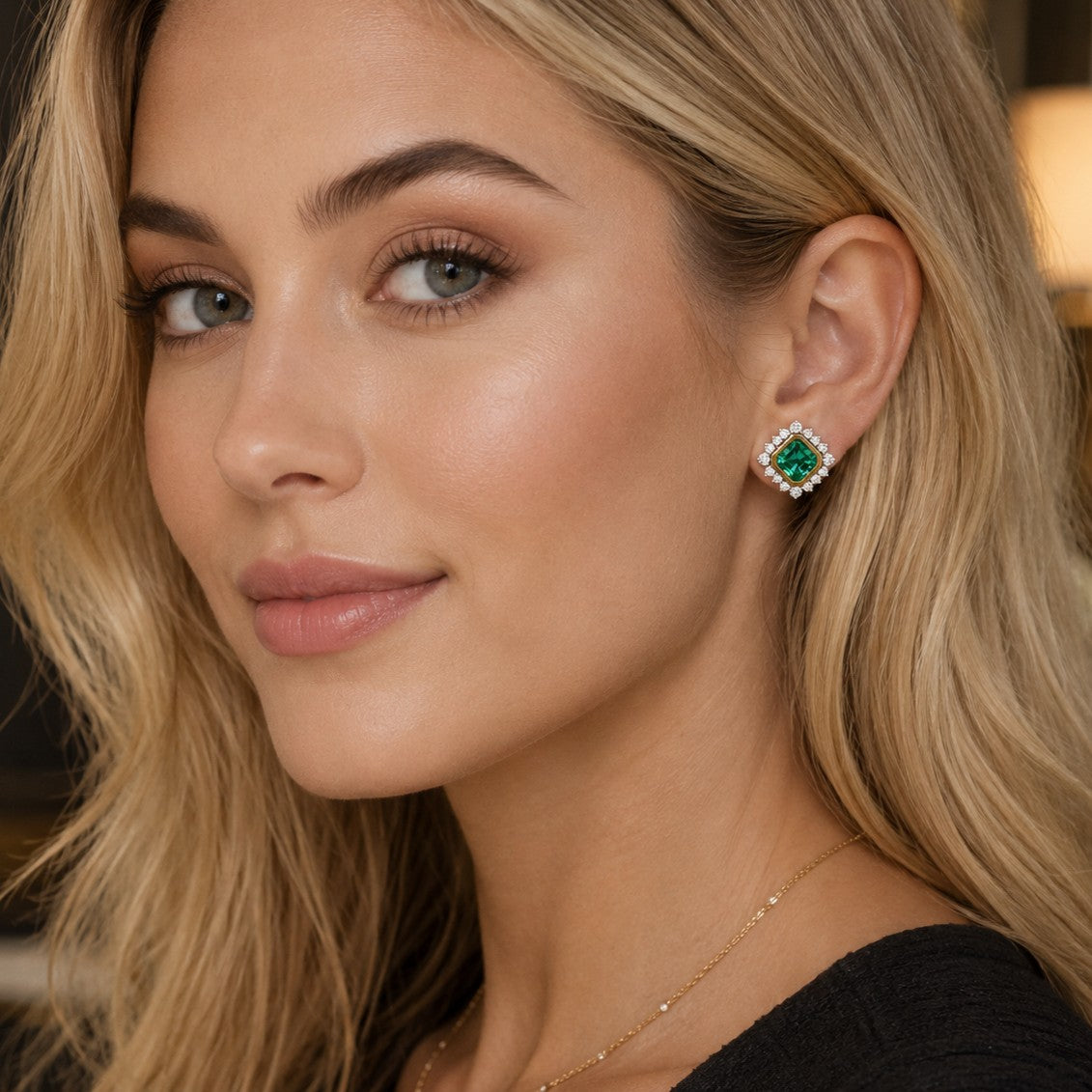
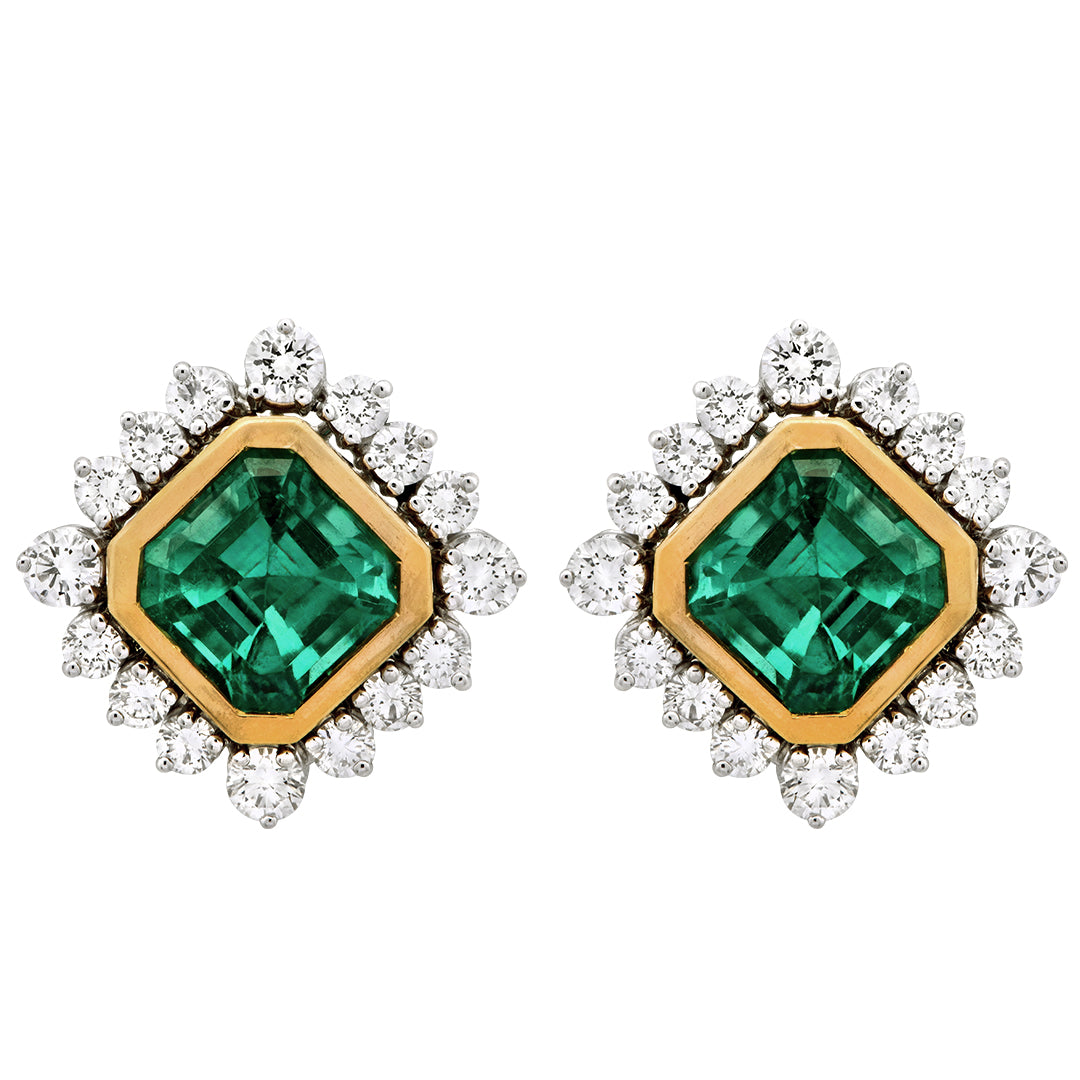
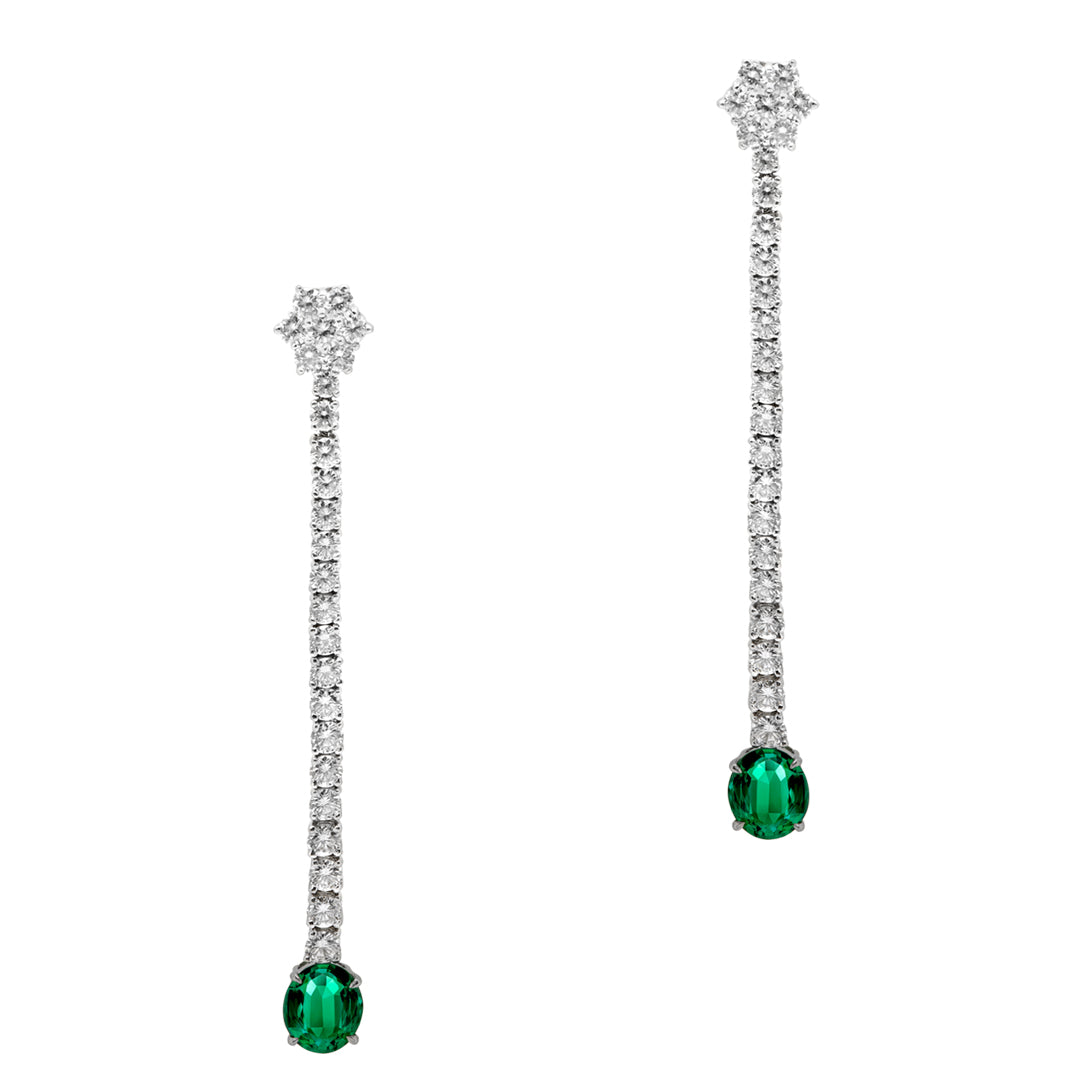
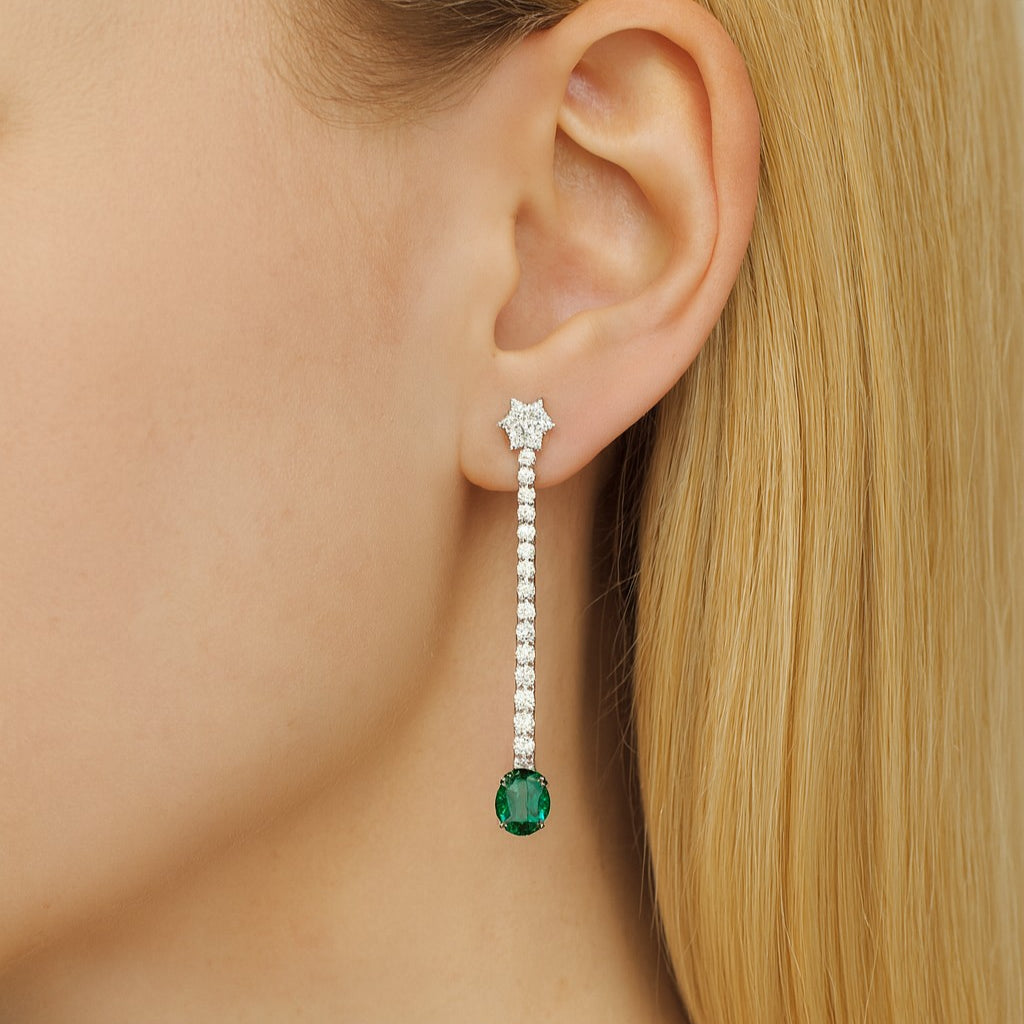
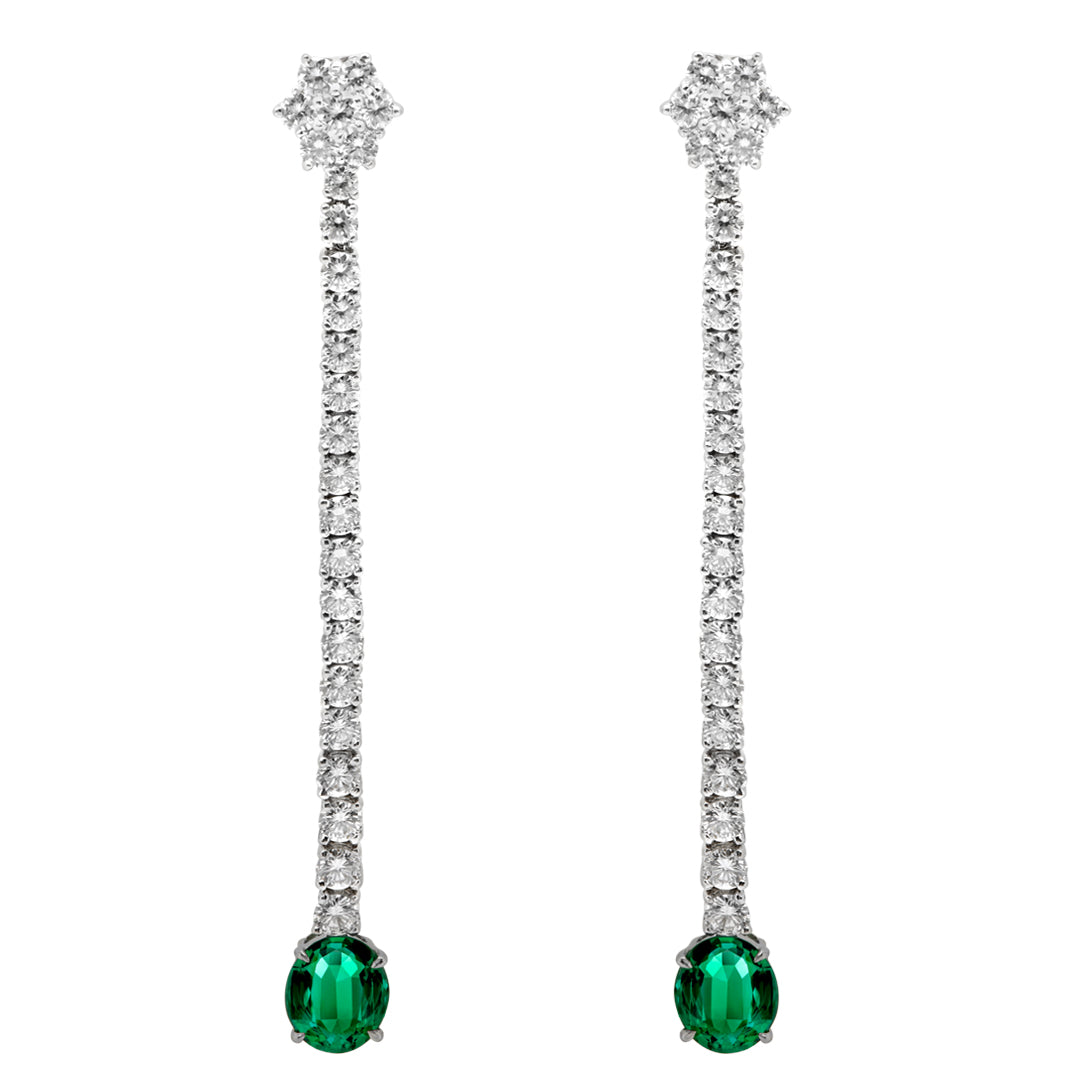
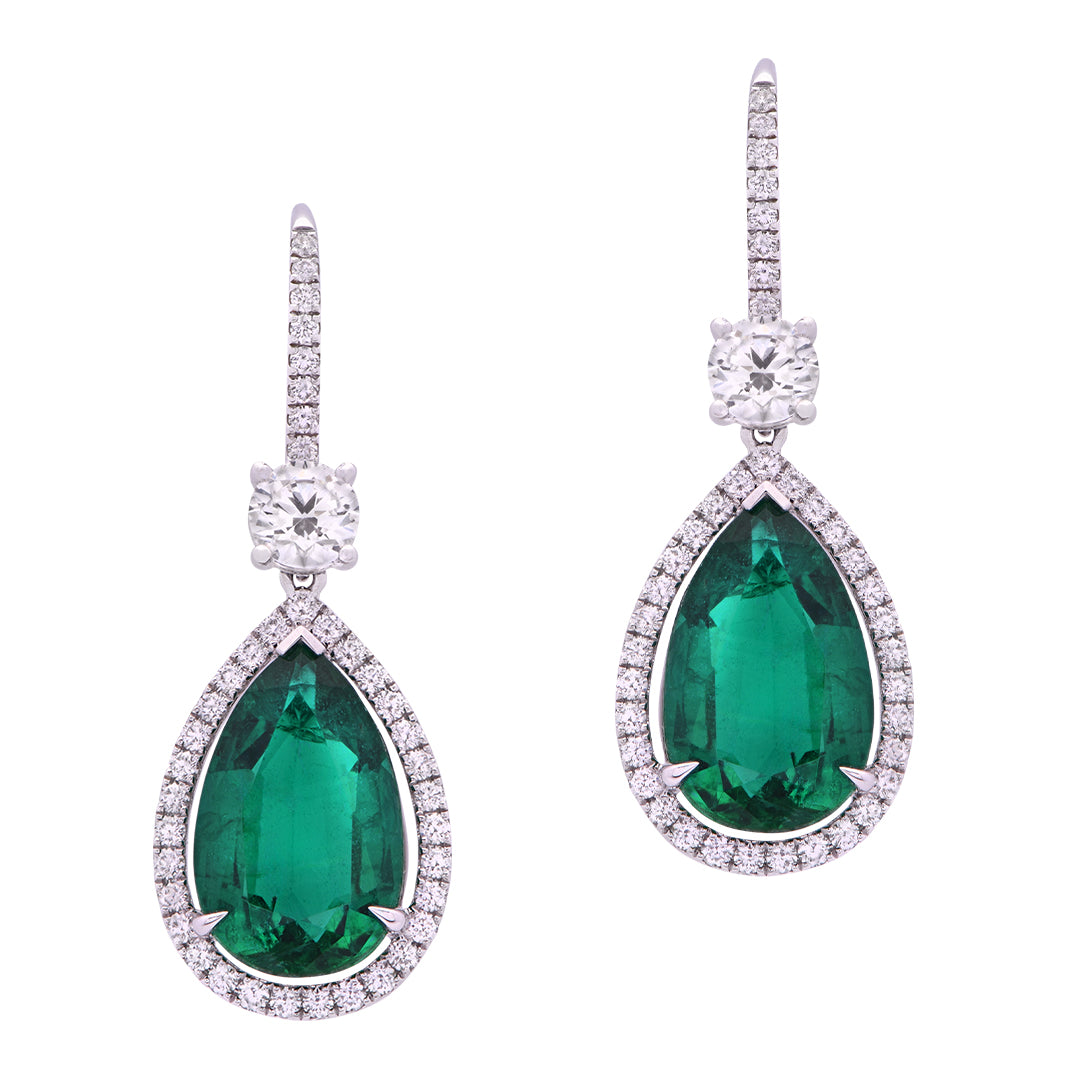
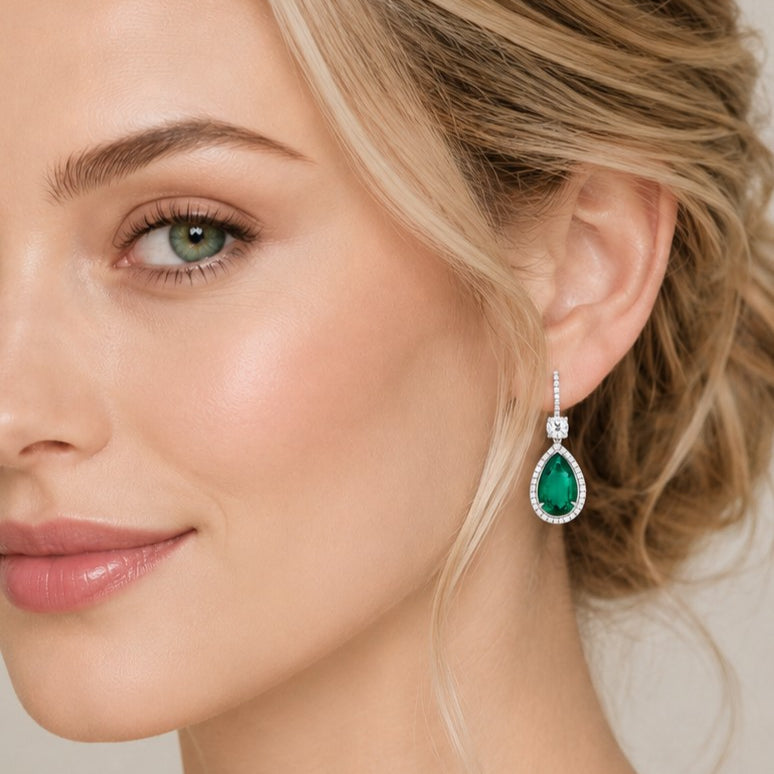
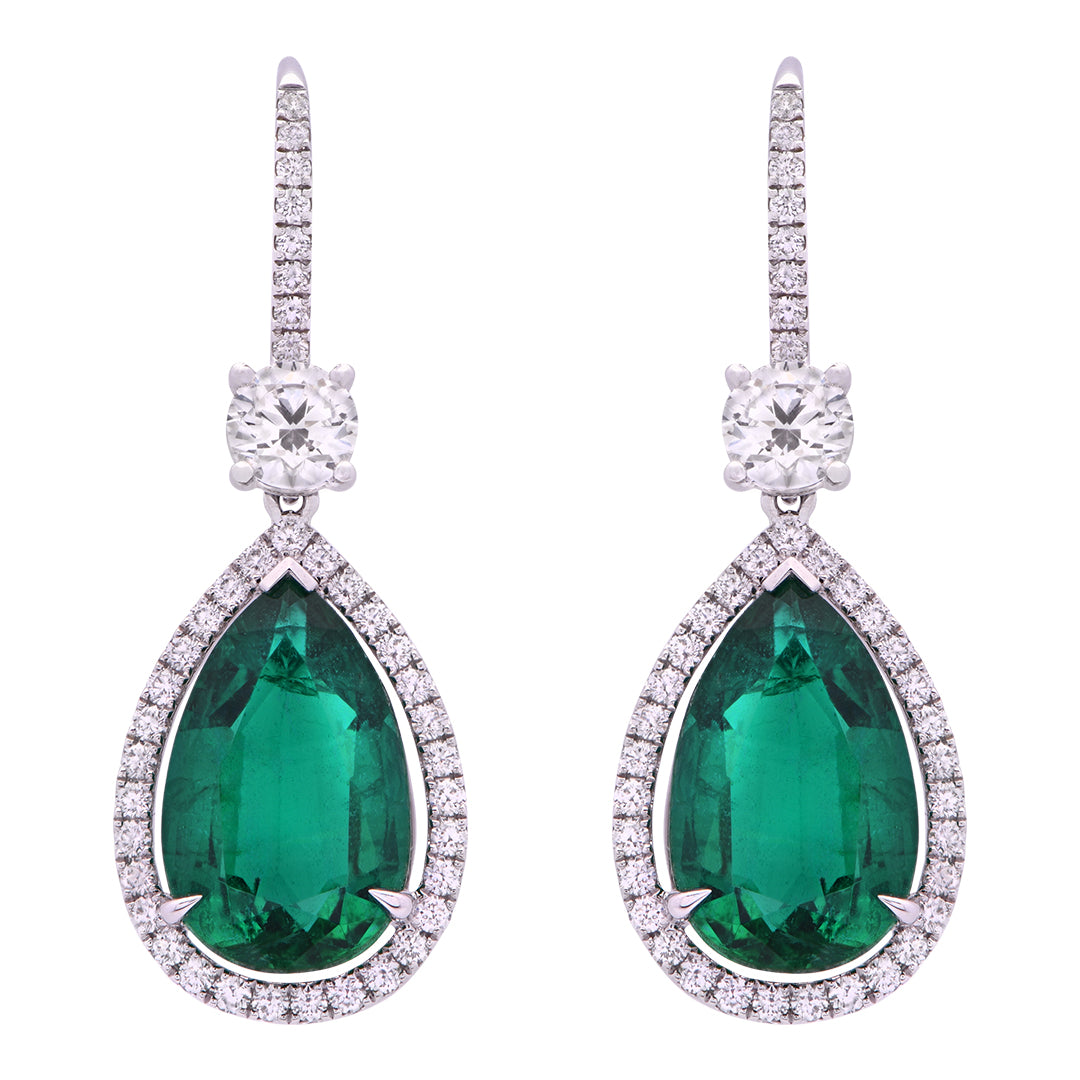
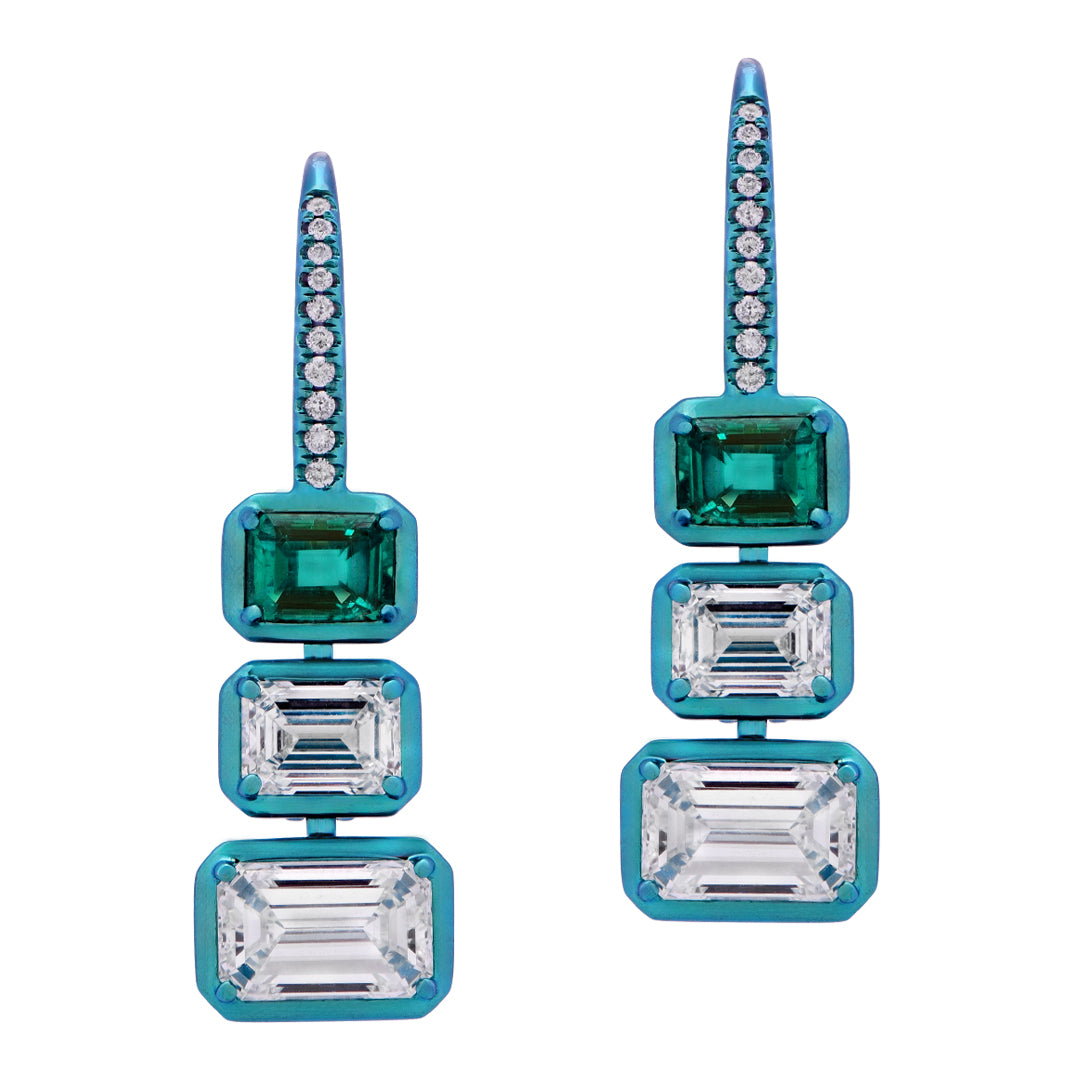
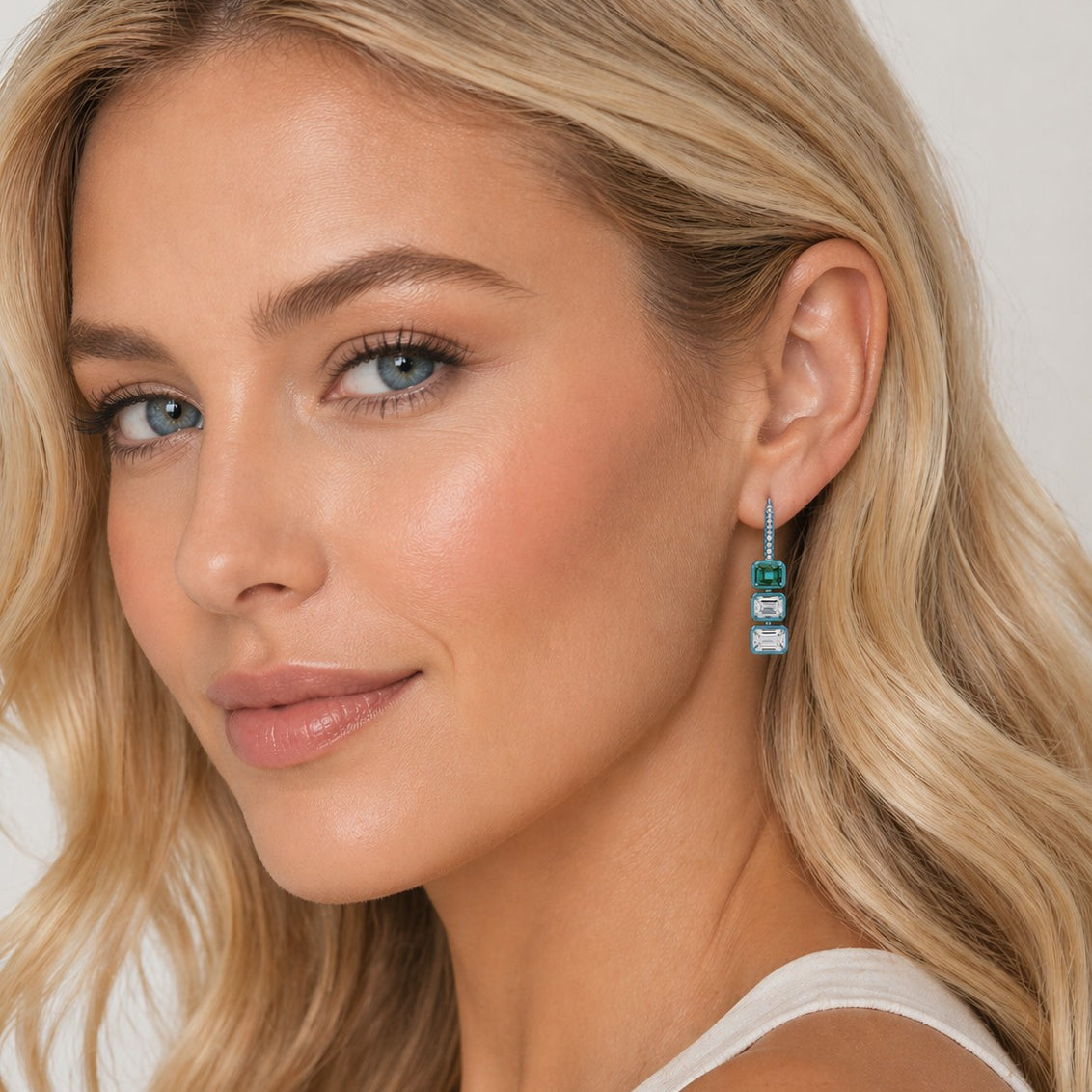
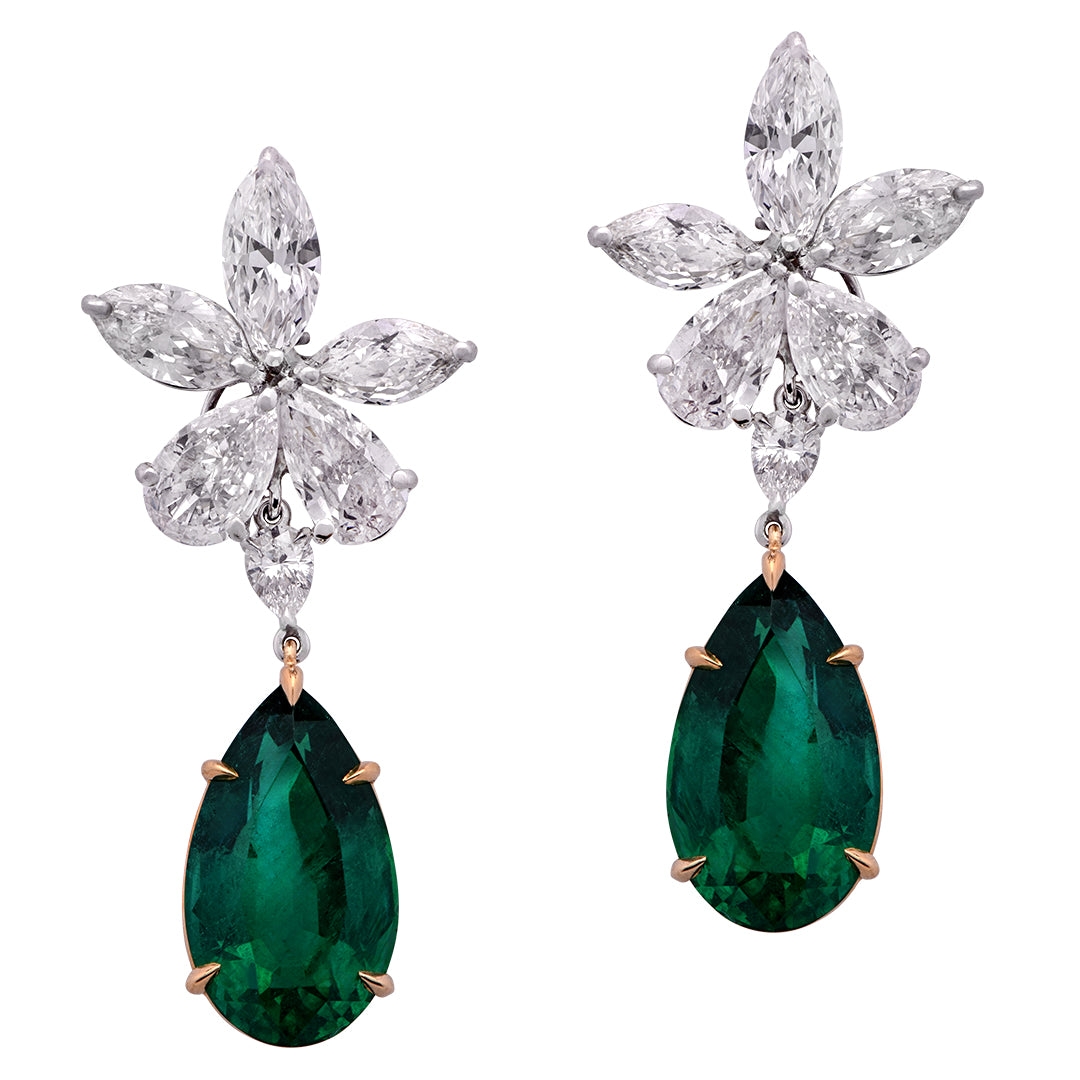
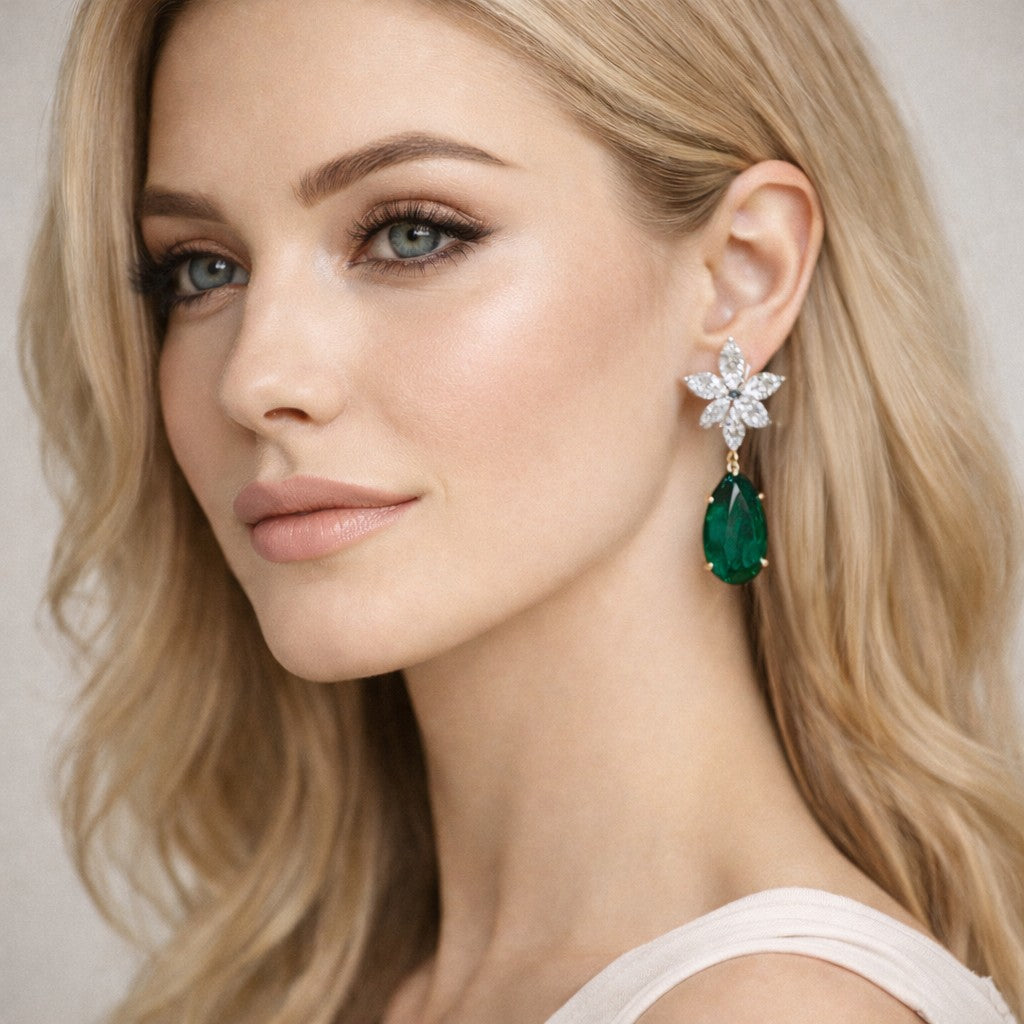
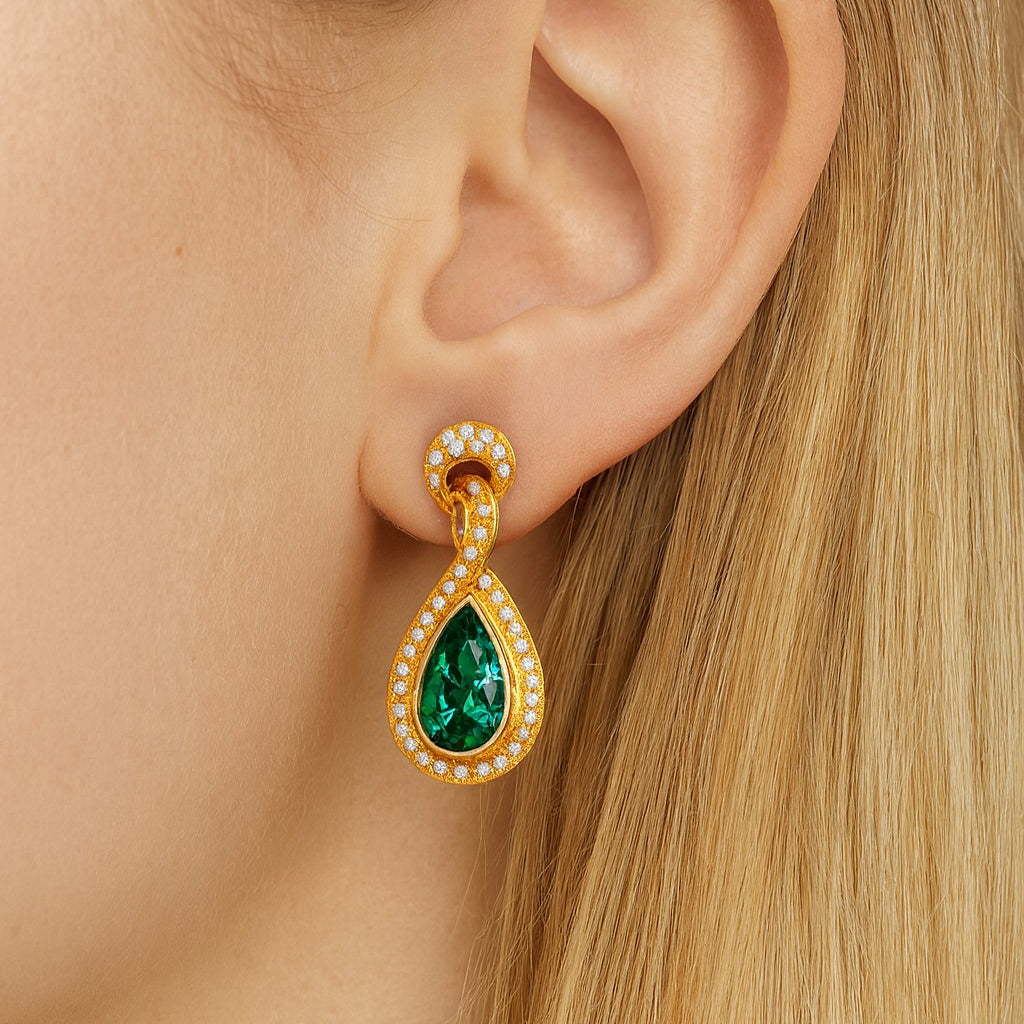
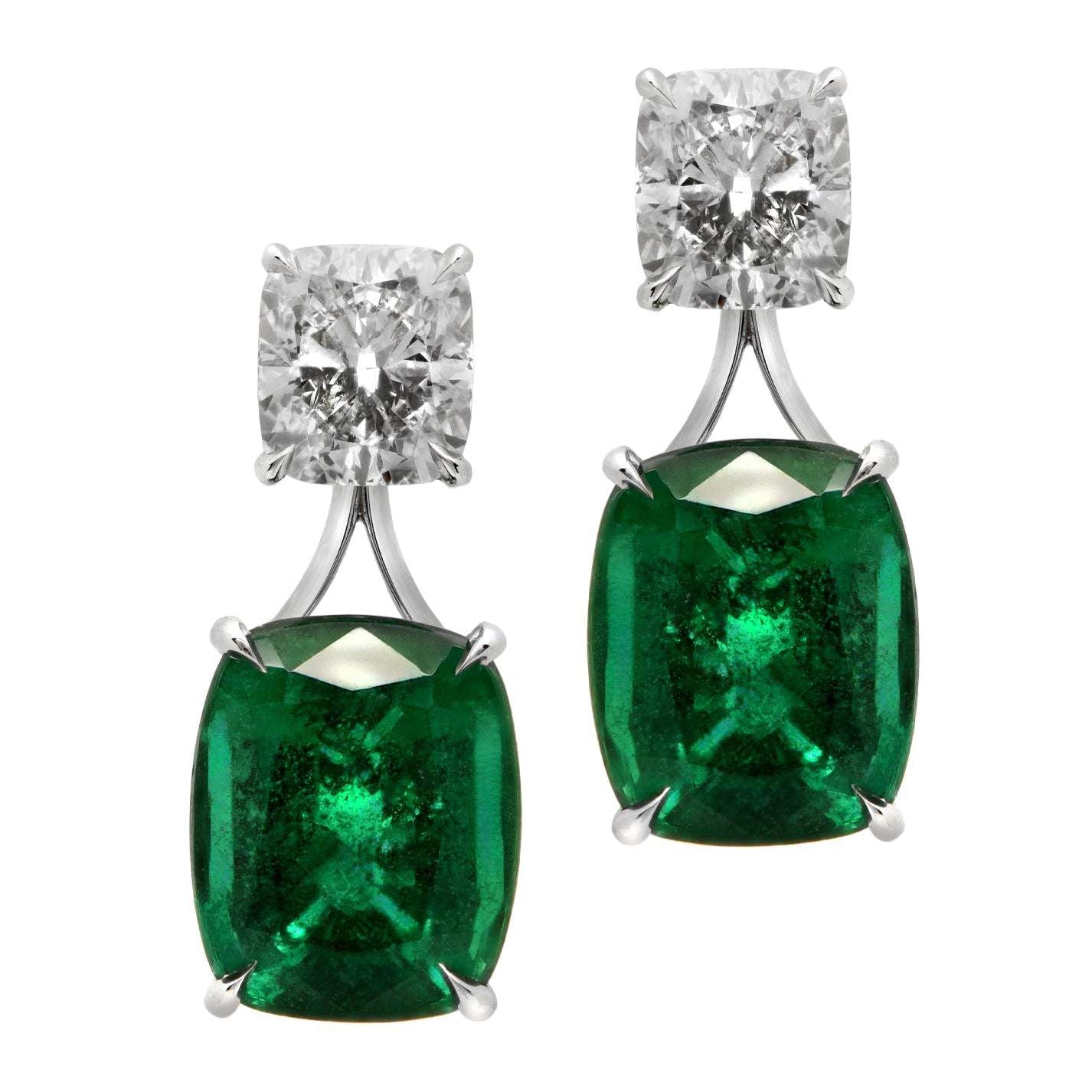
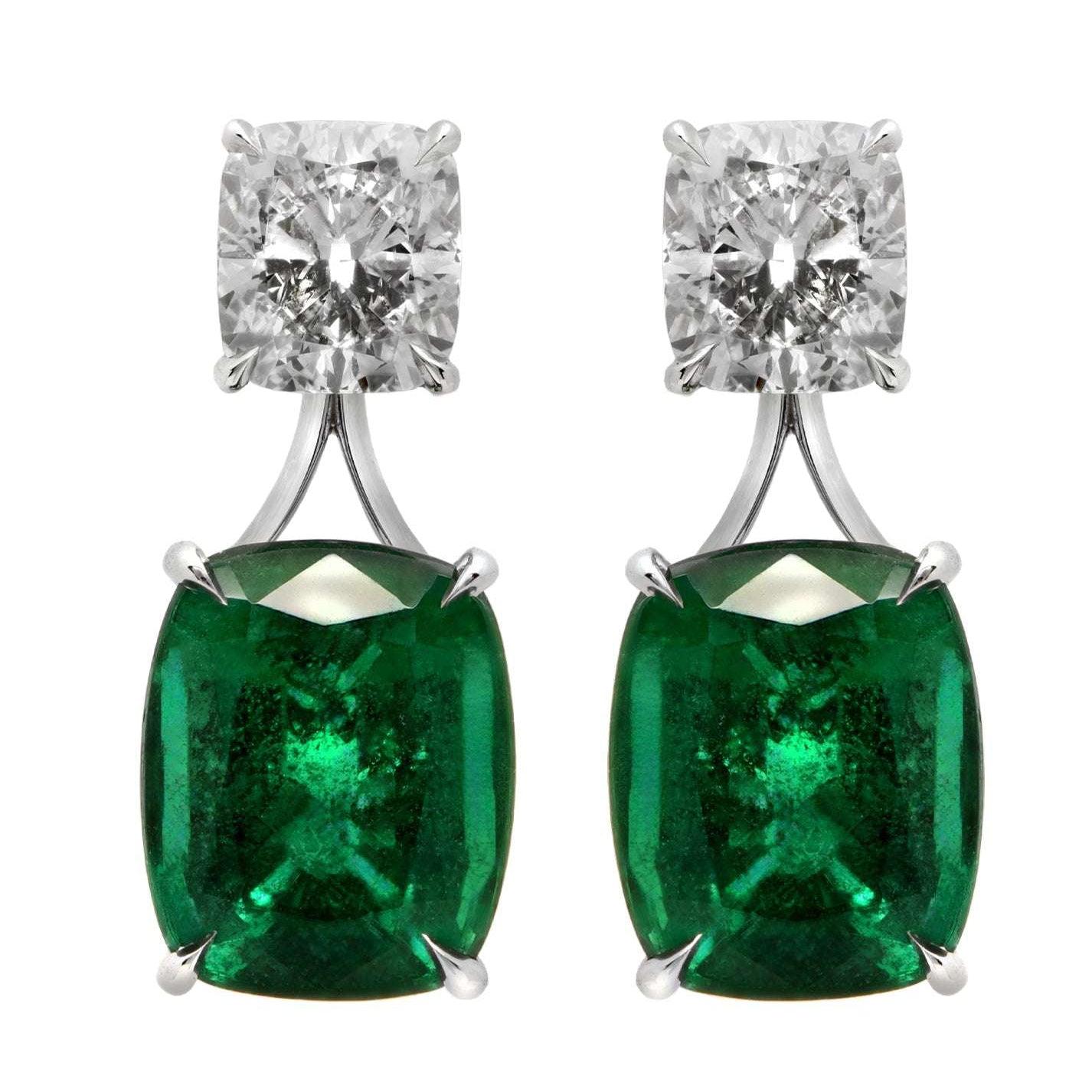
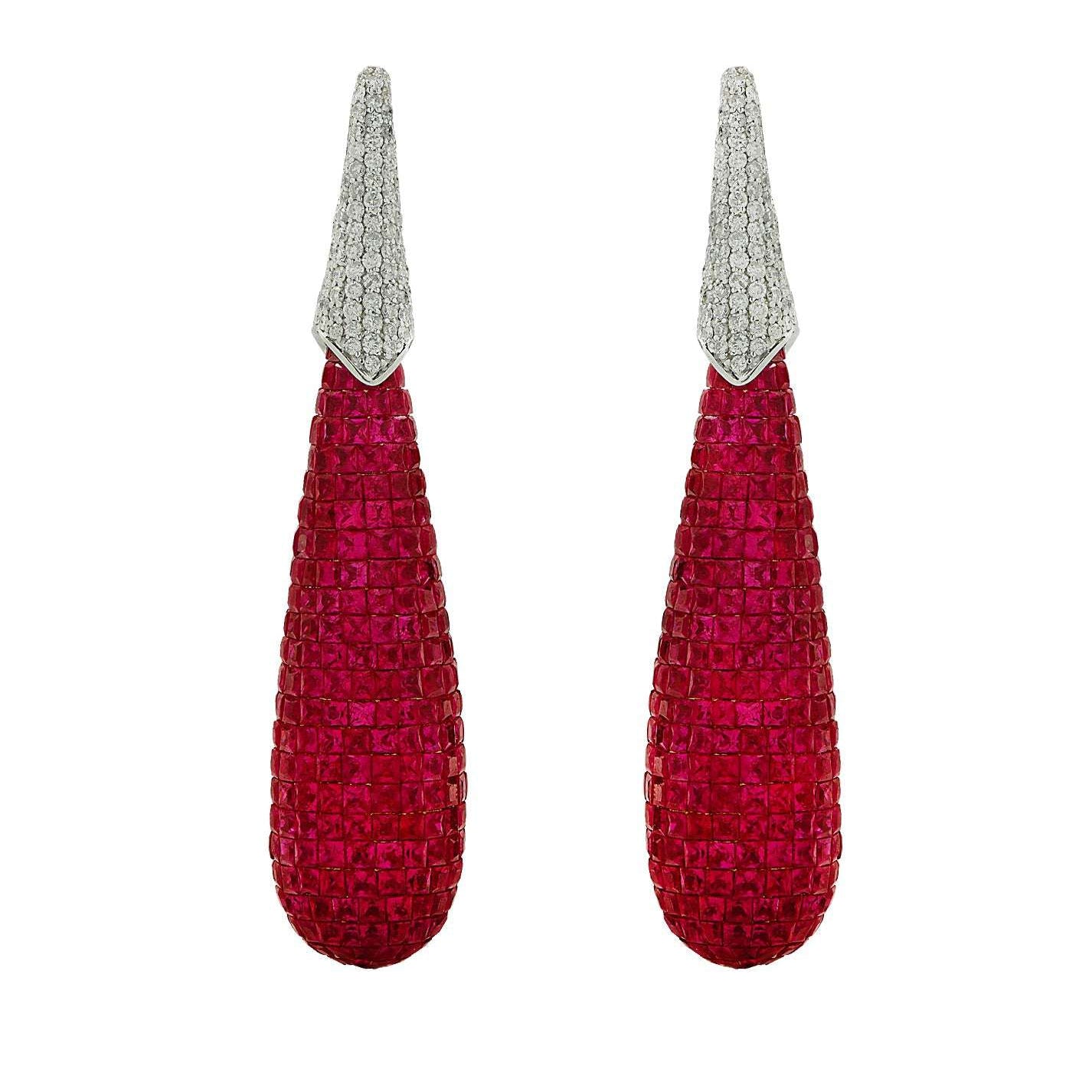
- Earrings: Emerald studs are the capsule-wardrobe of fine jewelry. Drops or huggies add swing and catch light: mix shapes, pear drops with emerald-cut studs, for texture.
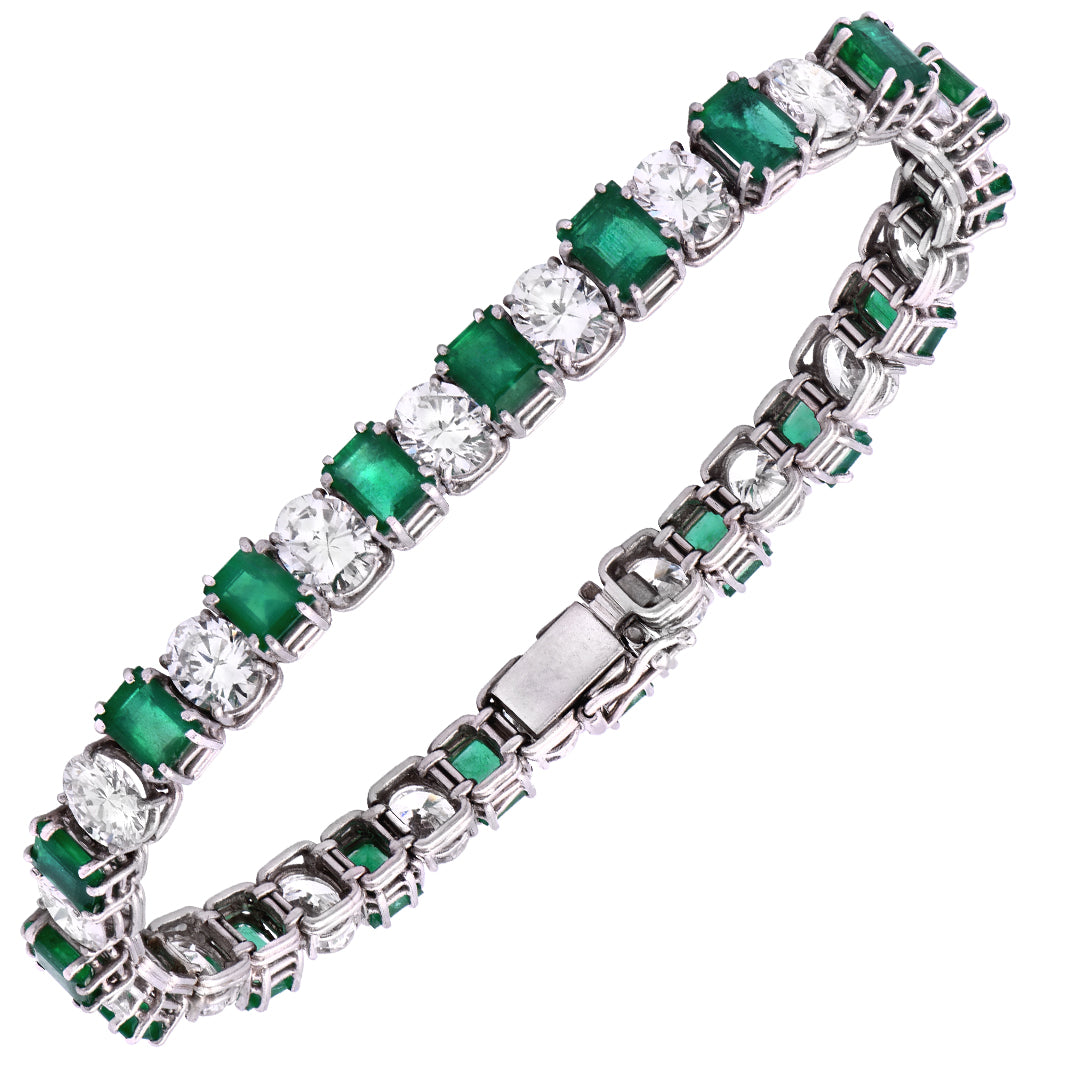
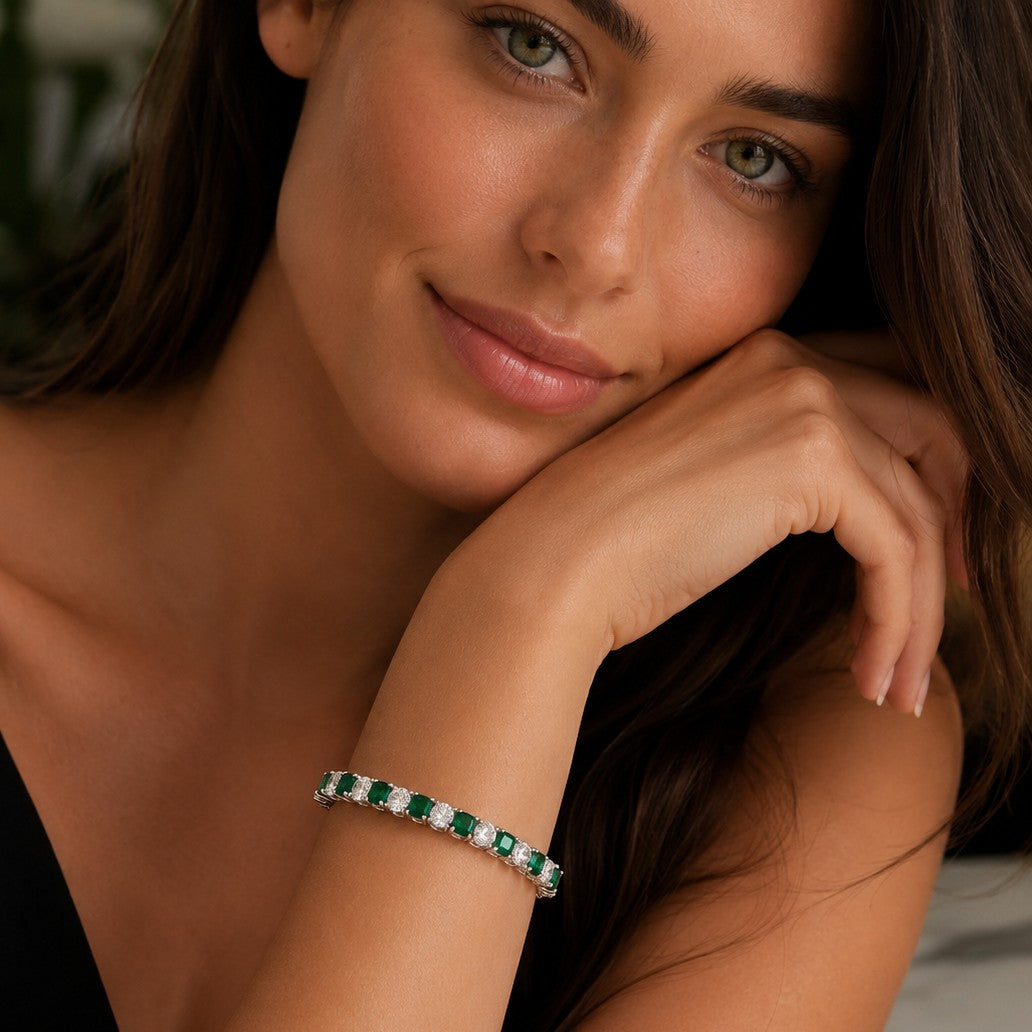
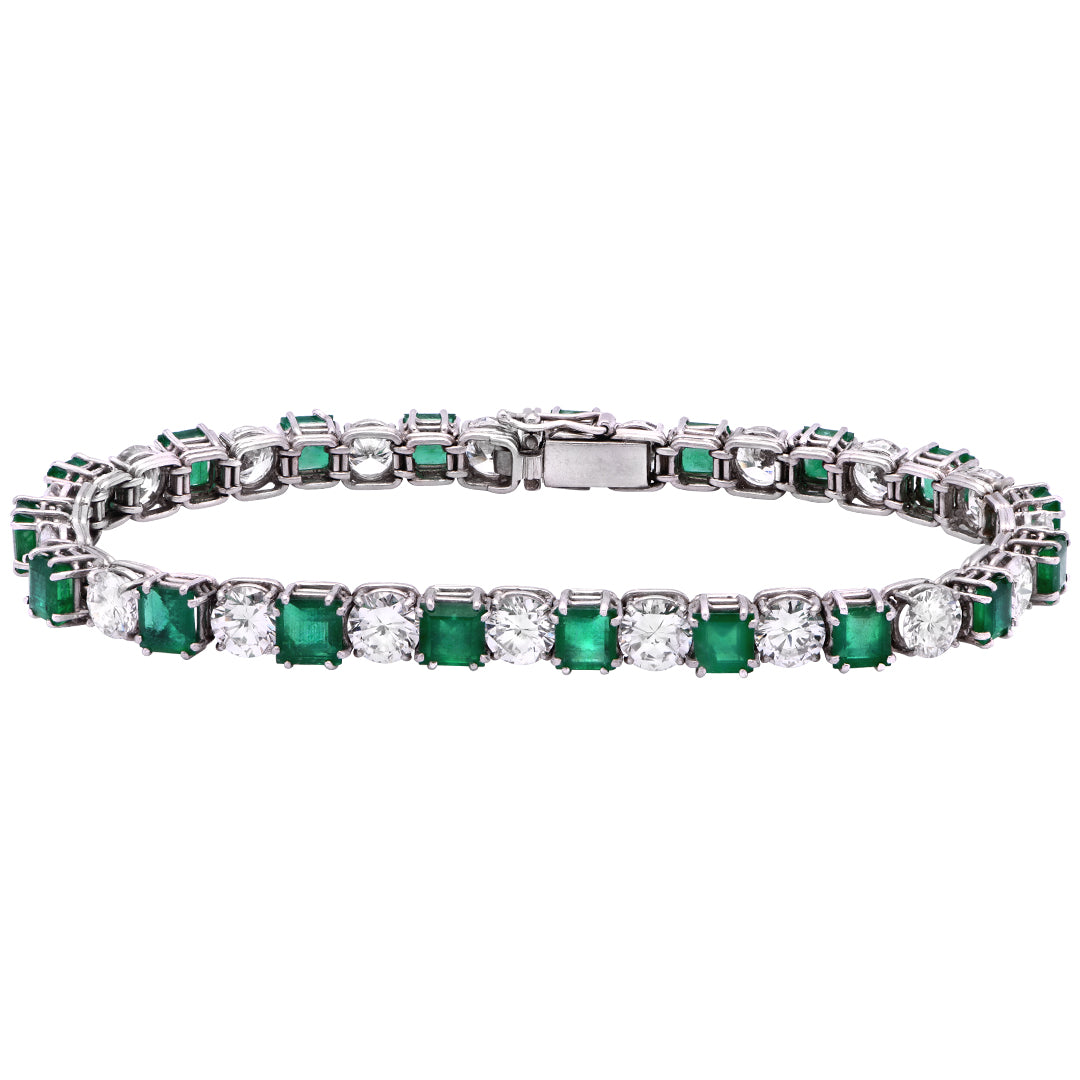
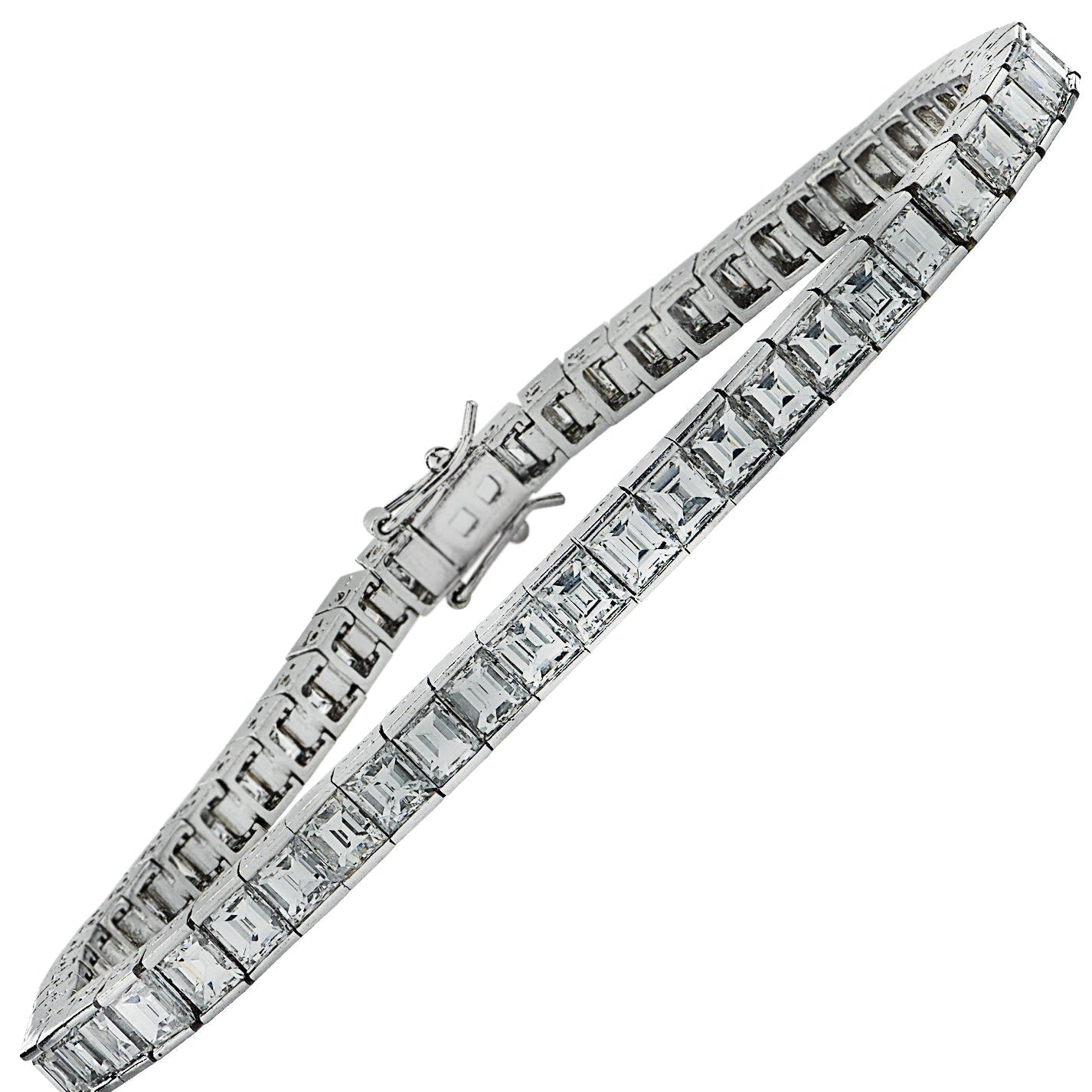
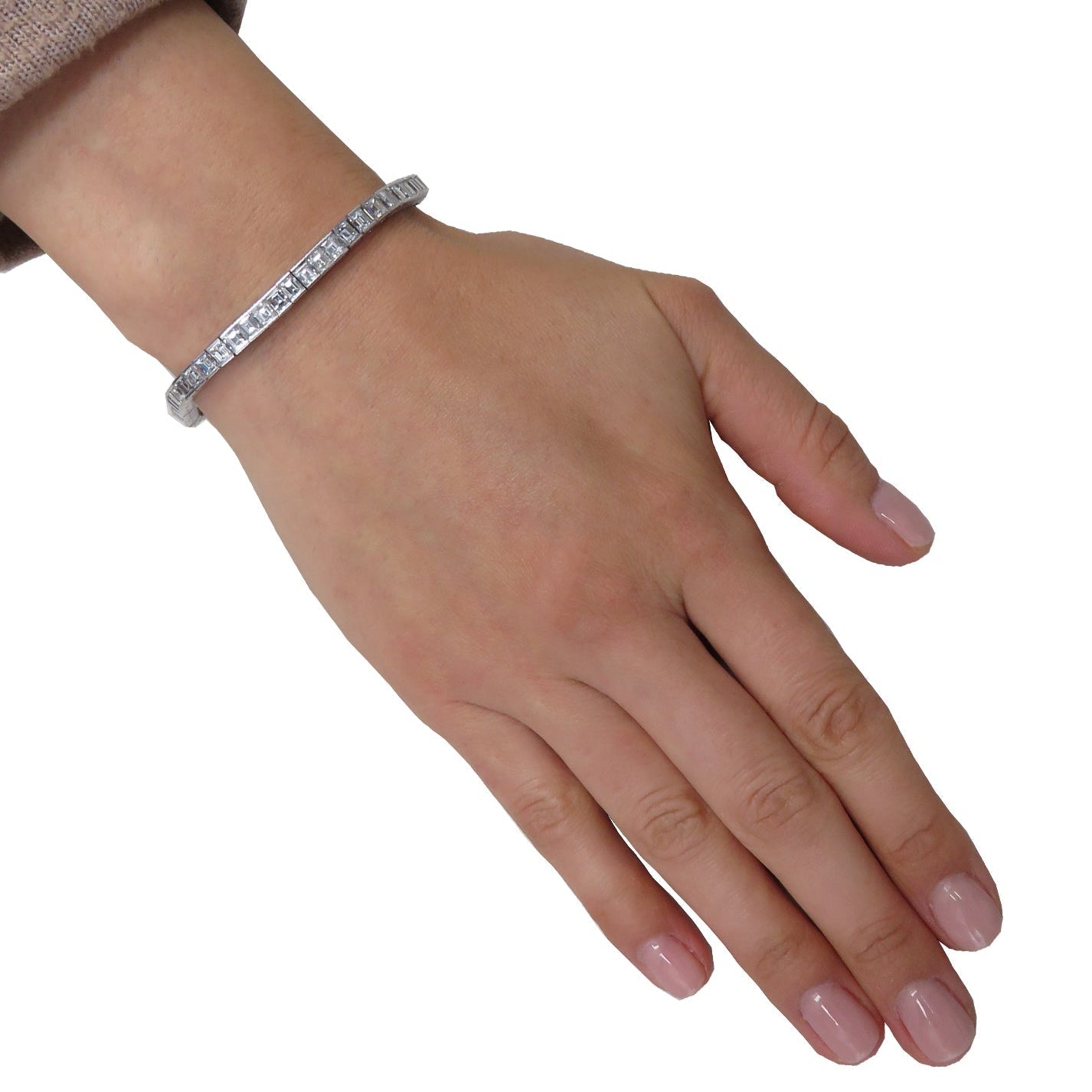
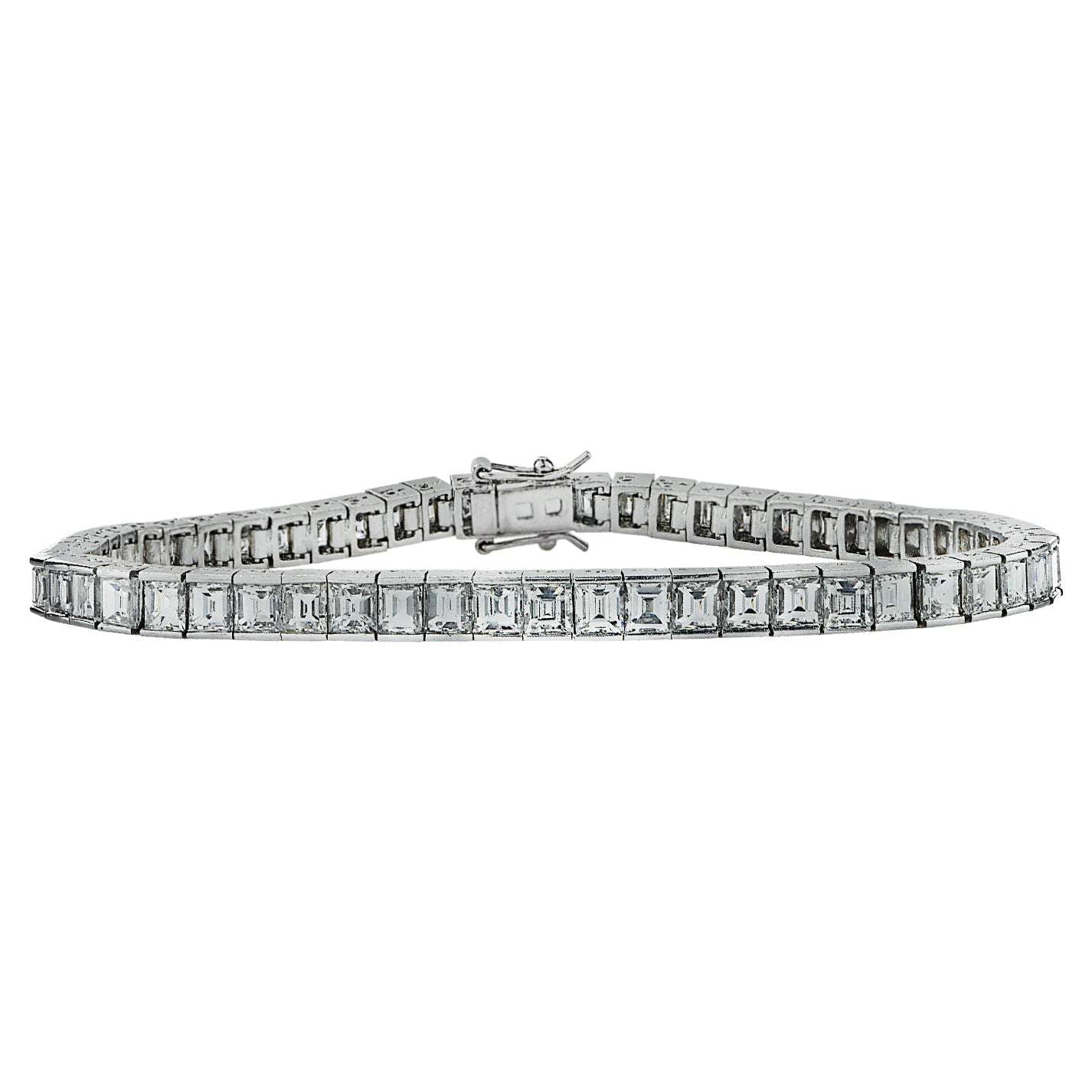
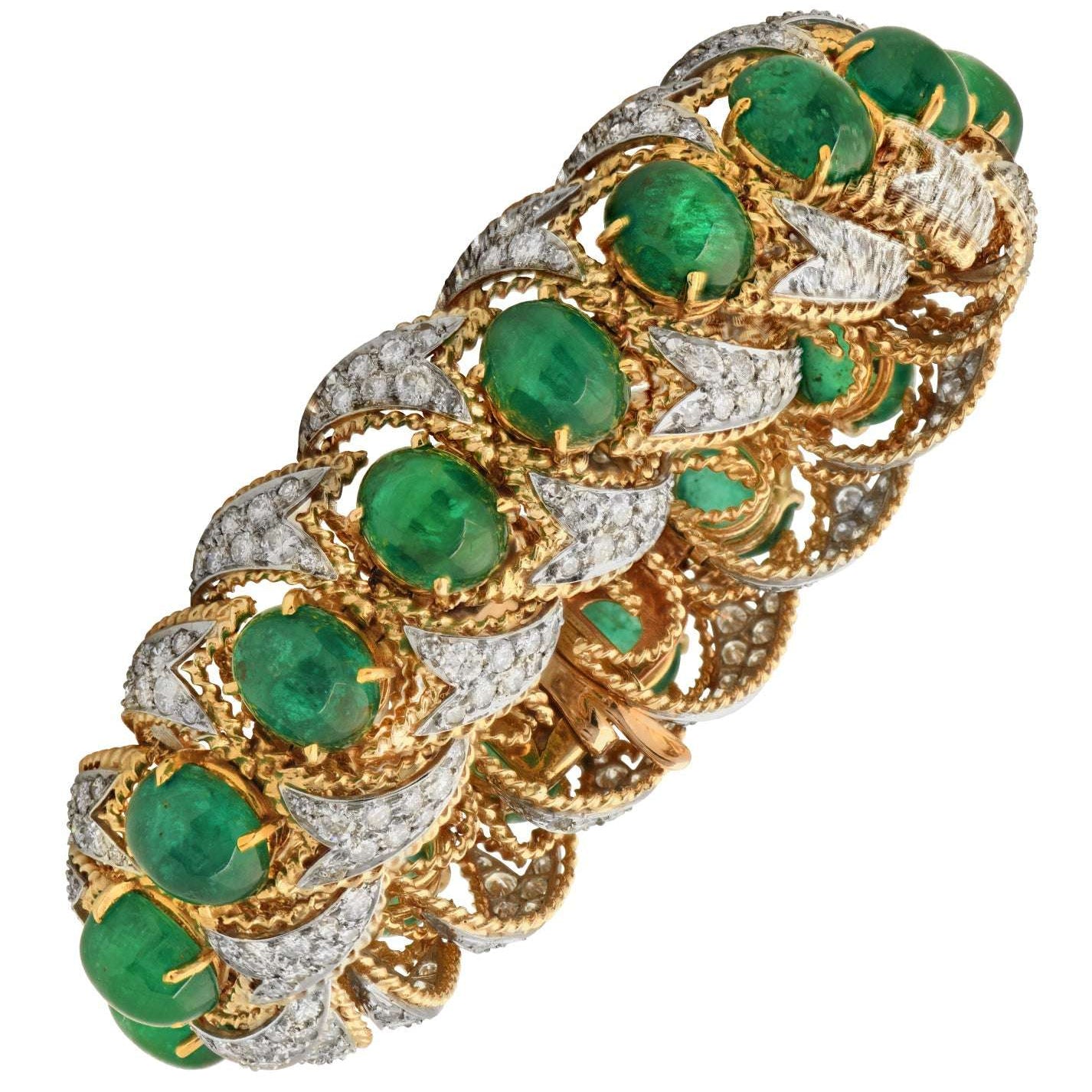
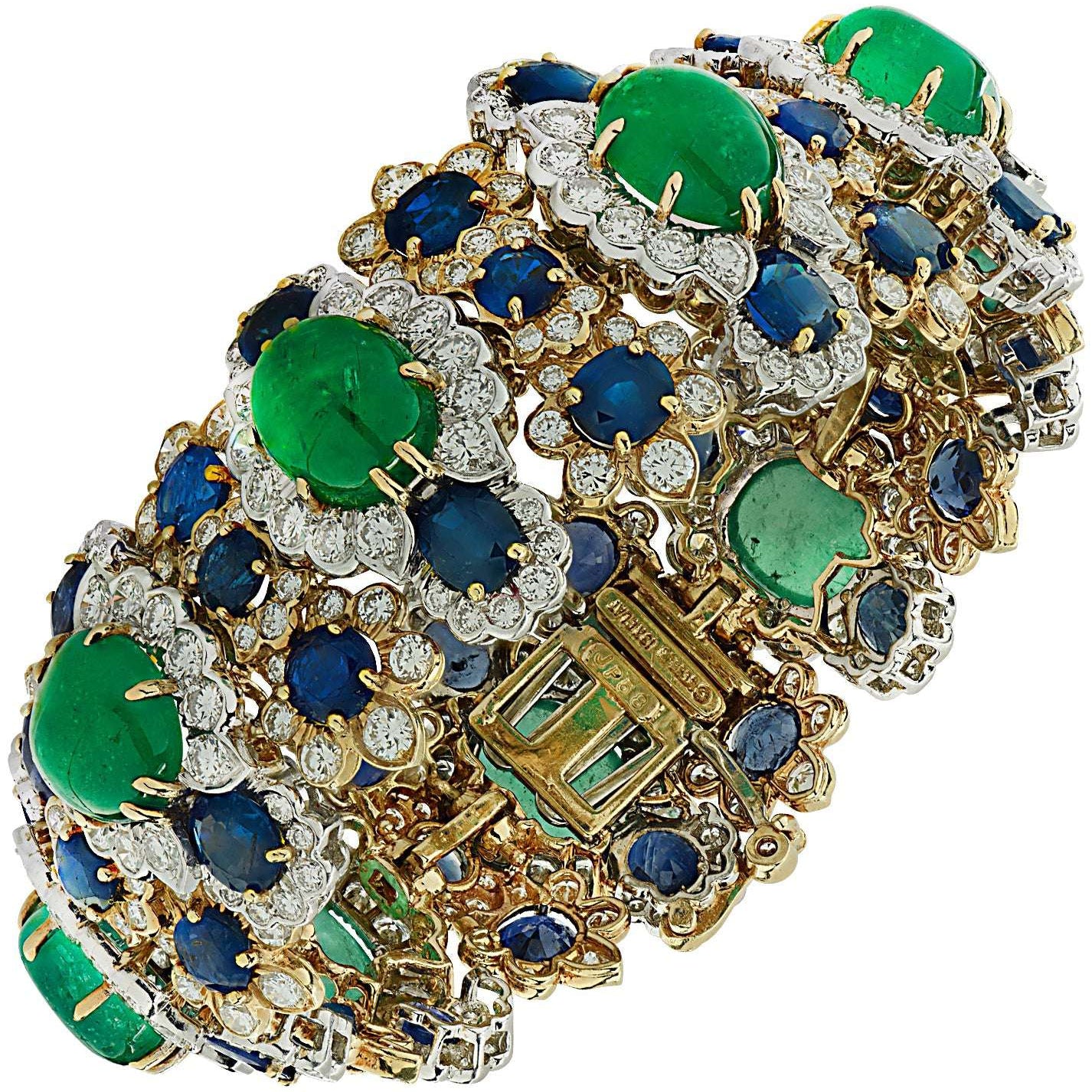
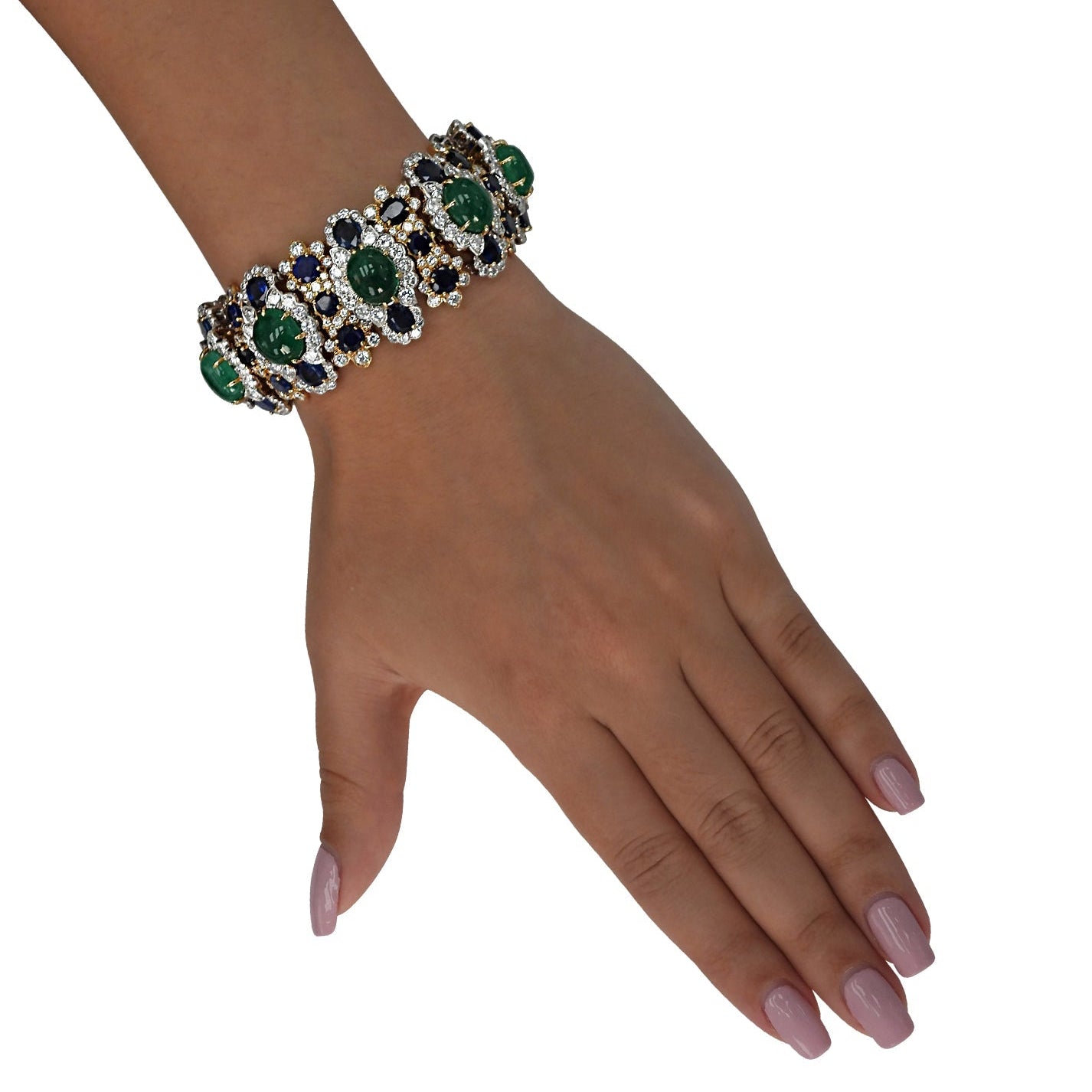
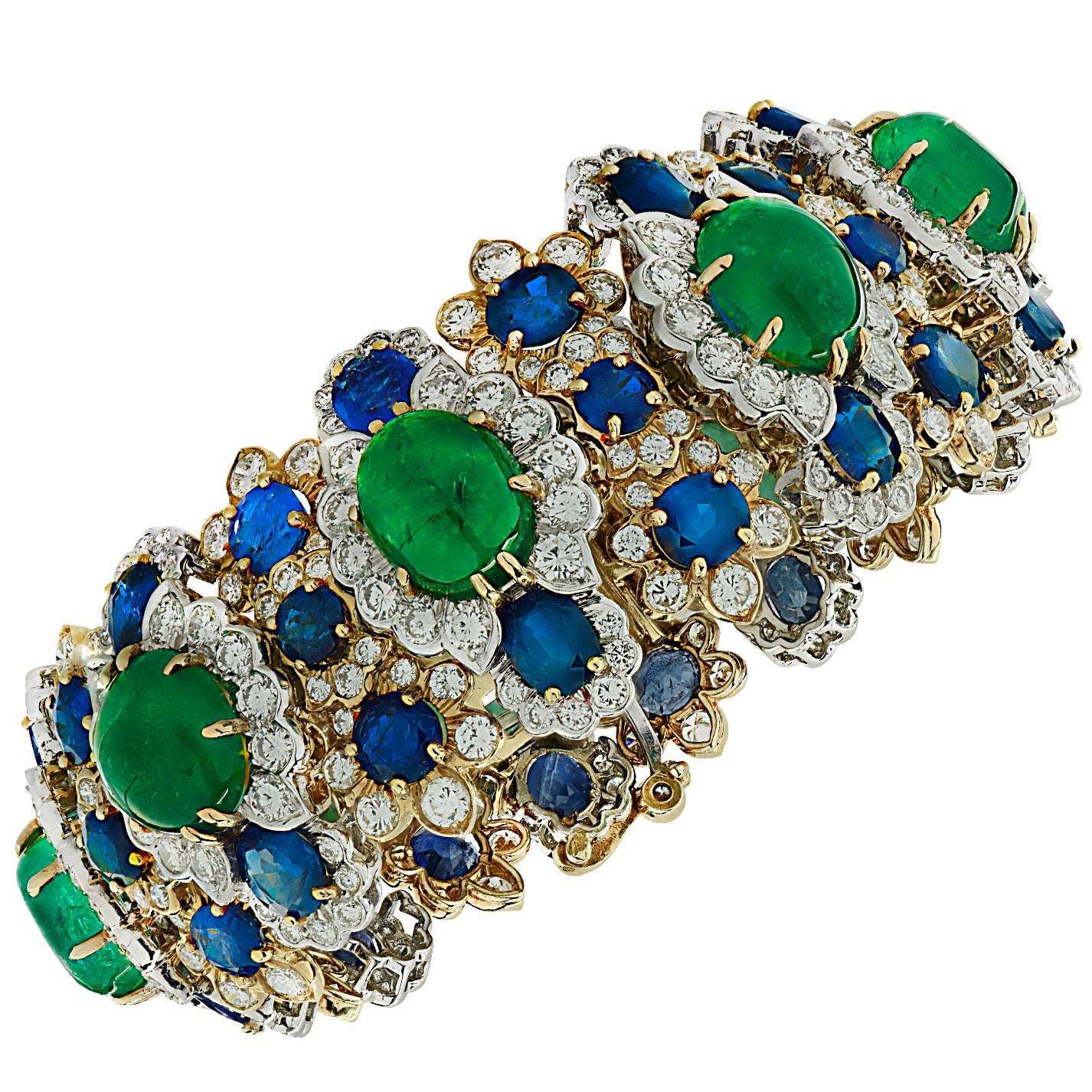
- Bracelets: A classic diamond tennis with emerald accents gives color rhythm: an all-emerald line bracelet is bold and wonderfully formal. For every day, try a slim bangle with channel-set emeralds that won't snag on sweaters.
How To Choose The Right Emerald Piece
Choosing well is part taste, part lifestyle reality. Here's how to land a piece you'll actually wear, and love.
Match Metal And Setting To Stone Color And Lifestyle
- Yellow and 18k golds warm the green, often flattering medium-to-deep emeralds.
- White gold and platinum sharpen bluish-greens and read more contemporary.
- Bezel and halo settings offer protection if you're hard on your hands: prong settings let in more light but need mindful wear.
Try the piece against your skin in natural light. If the color feels alive and your eyes go straight to the gem, not the metal, that's a good sign.
Everyday Vs. Occasion Wear And Durability
Emeralds rate about 7.5–8 on the Mohs scale, but inclusions and fissures can make them less tough than diamonds or sapphires. Daily-wear rings should be sturdier, think lower profiles, protective settings, and routine checkups. For pieces you'll save for events, you can go larger, higher-set, and more intricate.
If you're very active with your hands, consider earrings, pendants, or bracelets for everyday emerald sparkle without the knocks.
Budget Tiers And What To Expect
- Entry: Lab-grown or smaller natural stones with lighter color or more jardin. Great for studs, petite pendants, and slim bands.
- Mid: Natural emeralds with pleasing color and minor-to-moderate oiling. Beautiful in solitaires and halo rings.
- Investment: Vivid color, strong saturation, good clarity for emerald, minor oiling, and documentation (potentially origin). These pieces command higher prices but also that unmistakable, stop-you-in-your-tracks glow.
Care, Cleaning, And Long-Term Maintenance
Treat emerald gemstone jewelry kindly and it will keep its color and charm for decades.
Cleaning Do's And Don'ts
- Do: Clean gently with lukewarm water, mild soap, and a soft brush. Pat dry, don't bake it on a windowsill.
- Don't: Use ultrasonic or steam cleaners: they can worsen fissures or disturb fillers. Avoid harsh chemicals and extreme heat.
Storage And Wear Tips
- Store pieces separately in soft pouches or compartments so harder gems don't scratch your emeralds.
- Put jewelry on last (after hairspray, lotion, perfume) and take it off first at night.
- Remove rings for workouts, gardening, dishwashing, and anything that risks knocks or sudden temperature swings.
When To See A Jeweler For Maintenance
- Every 6–12 months for prong checks, cleaning, and to assess any oiling that may need refreshing.
- Immediately if you notice a loose stone, a new surface-reaching fissure, or if the gem looks cloudy after a knock.
Ethical And Sustainable Buying
If ethics matter to you (and they probably do), a little diligence goes a long way.
Responsible Sourcing And Traceability
Ask about mine-to-market transparency: Where was the emerald sourced? Was it cut in facilities with fair labor standards? Look for jewelers aligned with bodies like the Responsible Jewellery Council or using Fairmined/Fairtrade gold. A detailed receipt and a third-party lab report provide useful paper trails.
Lab-Grown As A Lower-Impact Option And What To Ask For
Lab-grown emeralds can reduce mining impact and often cost less. If you choose this route, request clear disclosure, details on the growth method, and a grading report. Also ask about recycled metals for the setting to further lower your footprint.
Conclusion
Emerald gemstone jewelry isn't just another sparkle: it's character you can wear. When you understand color, clarity, treatment, and setting, you're not guessing, you're choosing with intention. Whether it's a tiny pendant you never take off or a statement ring that marks a milestone, let the piece feel unmistakably you. And when that green catches the light at just the right angle? That's the moment you'll be glad you followed your eye.
Frequently Asked Questions
How do I evaluate emerald gemstone jewelry quality?
Focus on the four Cs plus origin and treatments. Seek a rich, evenly distributed green with medium to medium-dark tone and strong saturation. Expect some “jardin” inclusions, but avoid ones that weaken edges. Look for a balanced cut without windowing, and compare stones in different lighting before deciding.
What’s the difference between natural and lab-grown emeralds?
Both share the same core chemistry and structure. Lab-grown emeralds often show vivid color with fewer inclusions at a lower cost; natural stones carry rarity and history and typically cost more. In either case, request clear disclosure and a grading report from a reputable lab to confirm details.
Are emeralds treated, and what should I ask about certification and origin?
Most emeralds are oil-treated to reduce visibility of surface-reaching inclusions; “minor” is preferable to “moderate” or “significant.” Resin/polymer fillings must be disclosed. Ask for reports from GIA, AGL, or IGI, which can note treatment extent and sometimes origin (e.g., Colombia, Zambia) to help compare fairly.
How do I clean and care for emerald gemstone jewelry safely?
Use lukewarm water, mild soap, and a soft brush; pat dry. Avoid ultrasonic and steam cleaners, harsh chemicals, and extreme heat. Store pieces separately in soft pouches. Remove rings for workouts, gardening, and dishwashing. See a jeweler every 6–12 months for prong checks, cleaning, and possible oil refresh.
How can I tell if an emerald is real?
The most reliable way is a report from a recognized lab (GIA, AGL, IGI). Natural emeralds show characteristic “jardin” inclusions, not gas bubbles. Professional testing may check refractive index and magnification features. Be cautious of stones with unnaturally perfect clarity at low prices or vague disclosure.
What is emerald’s birth month and symbolism?
Emerald is the May birthstone. Traditionally, it symbolizes renewal, growth, and love, echoing spring’s fresh green. Many also associate emerald with wisdom and balance. Whether chosen for a birthday, anniversary, or milestone, its vibrant hue and storied meaning make it a timeless, personal gemstone choice.