Spinel


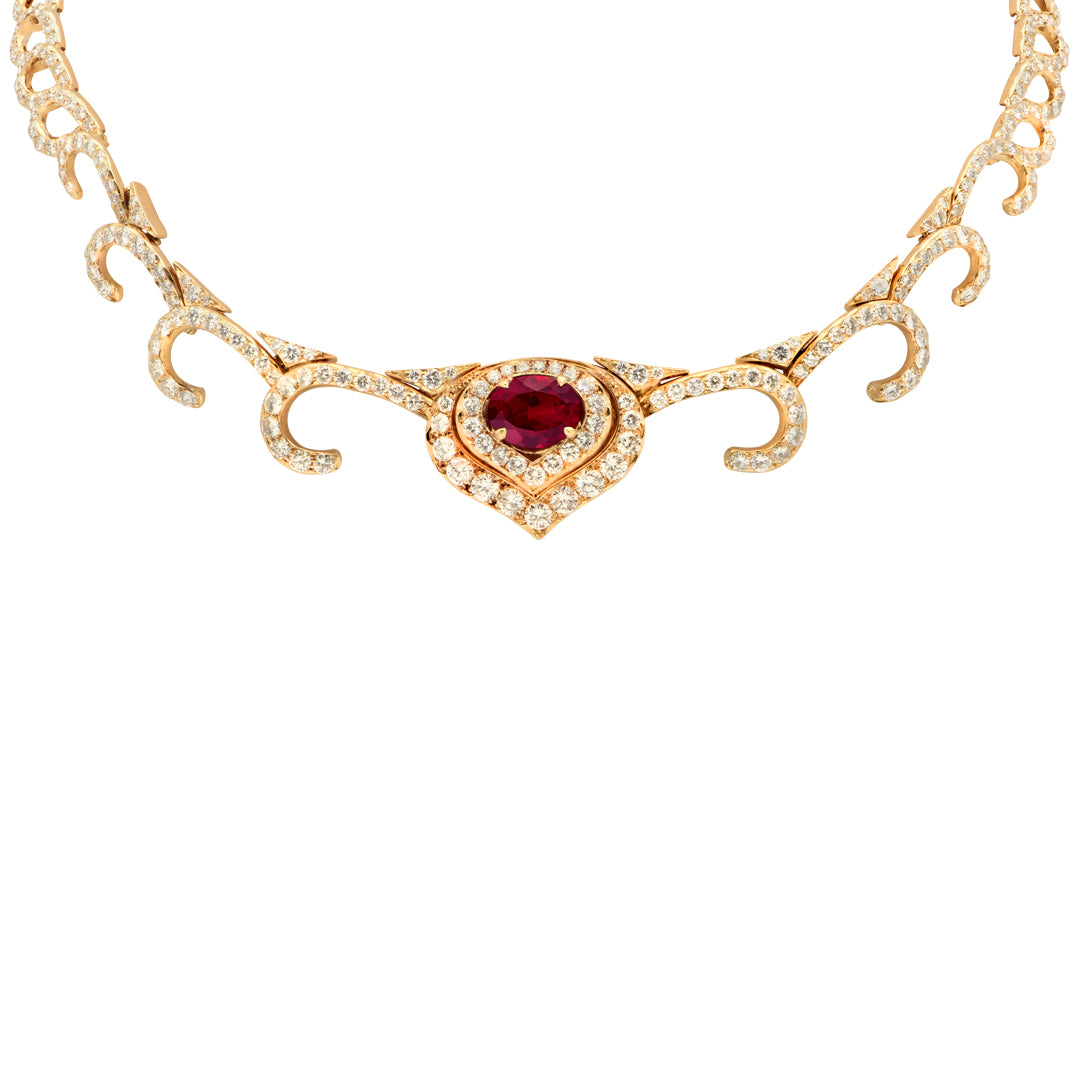
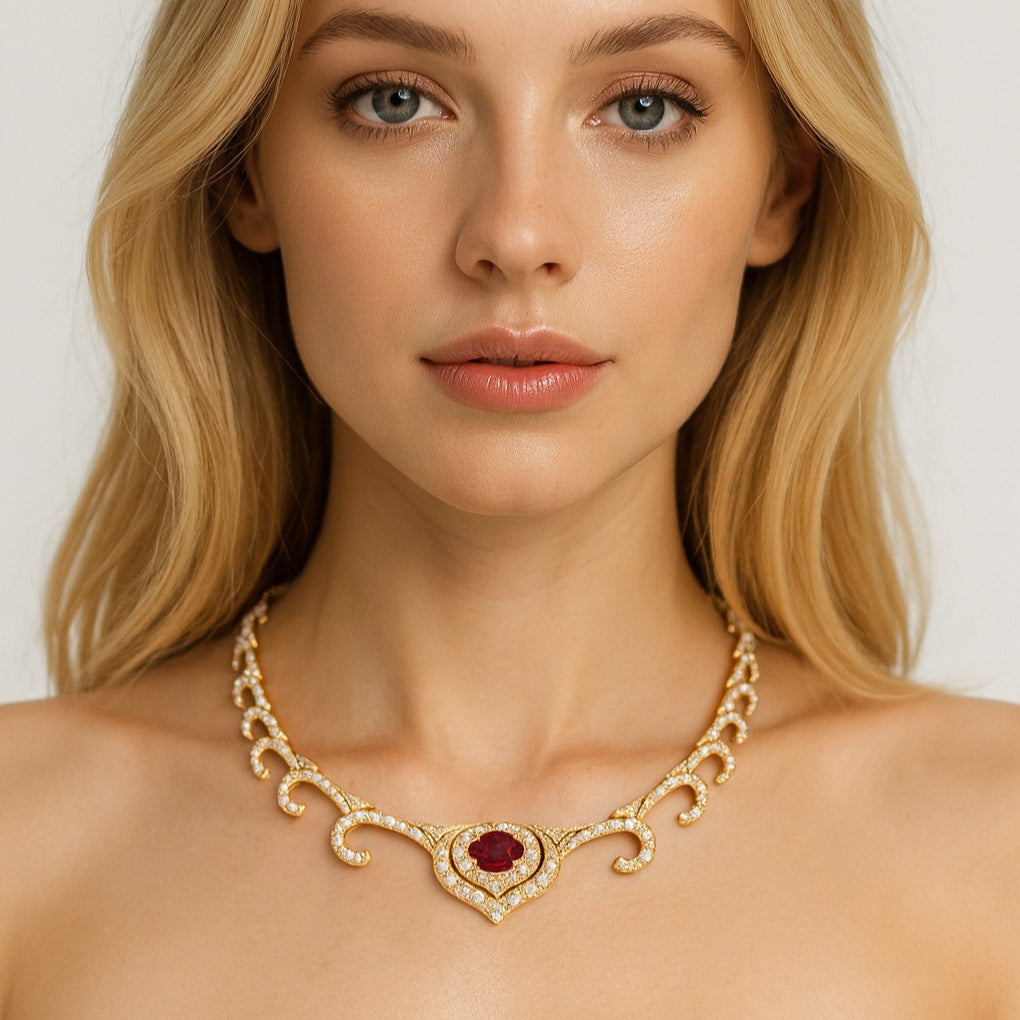
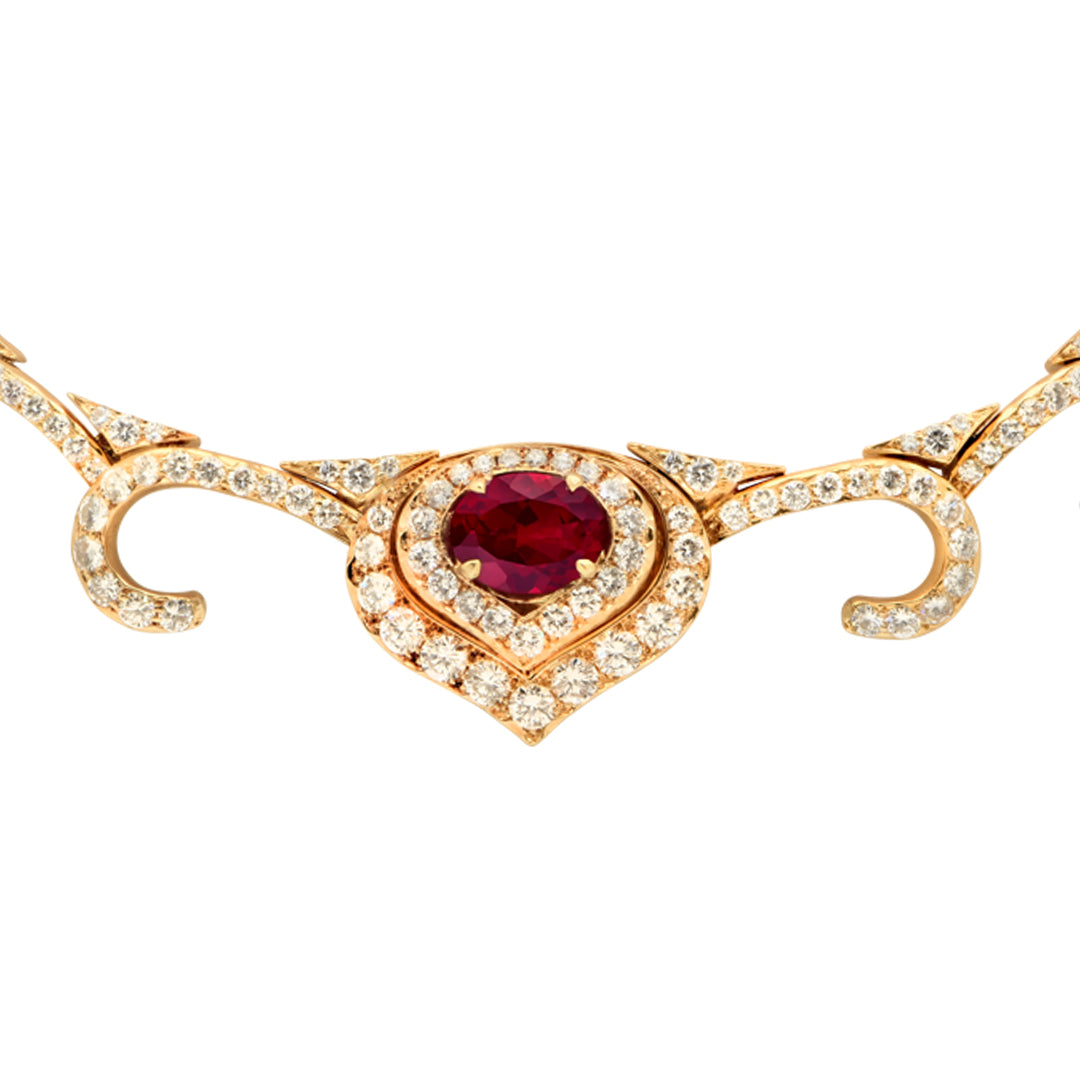
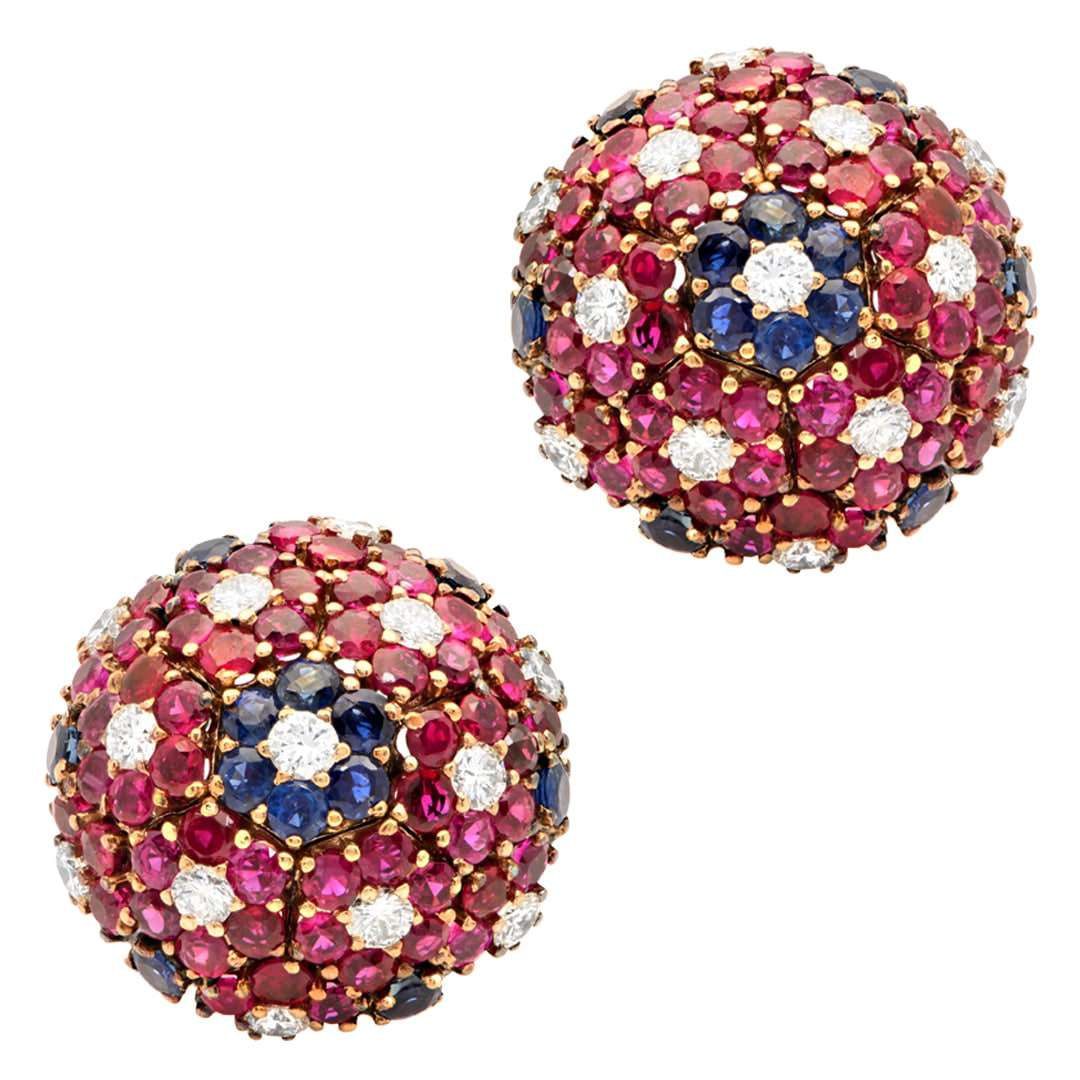
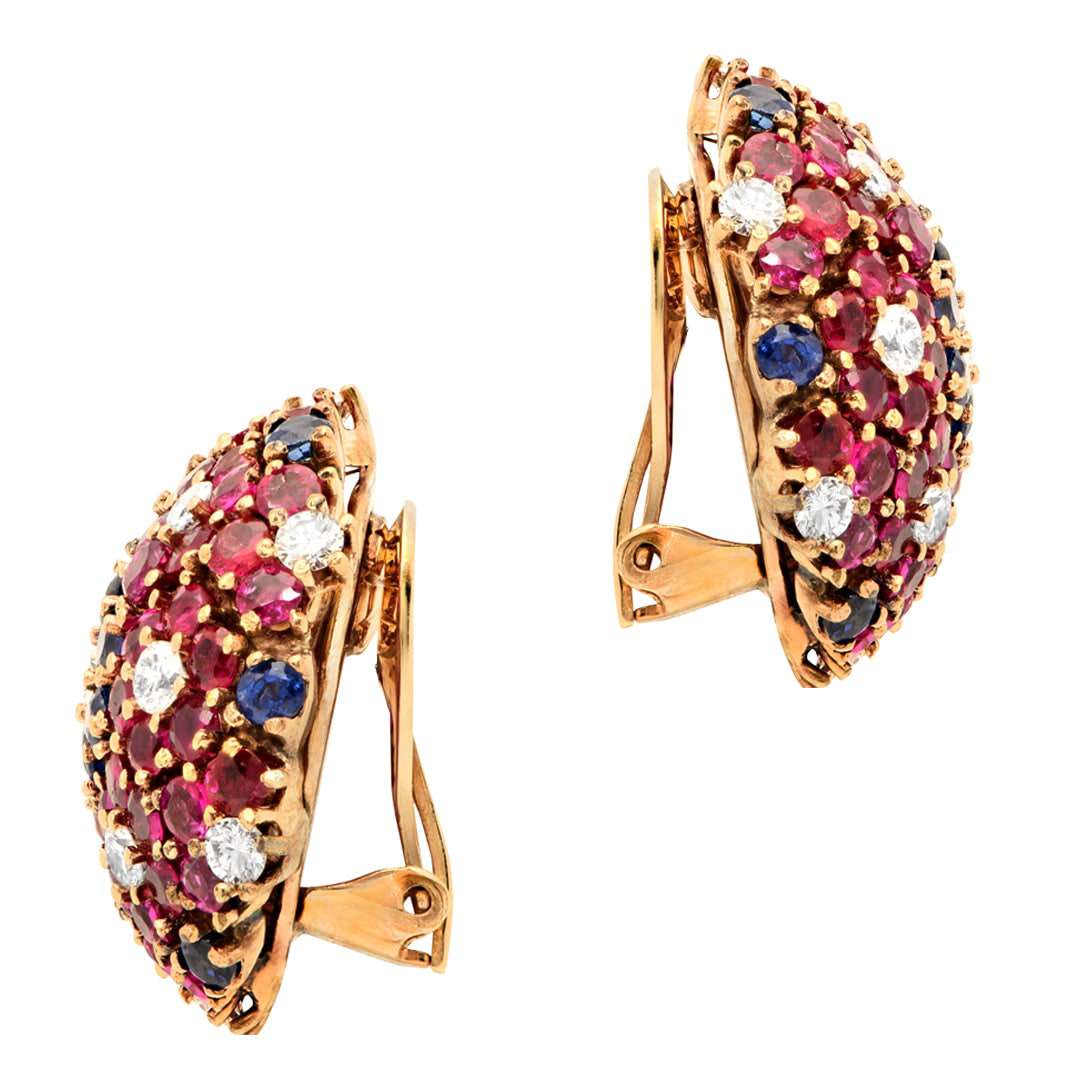
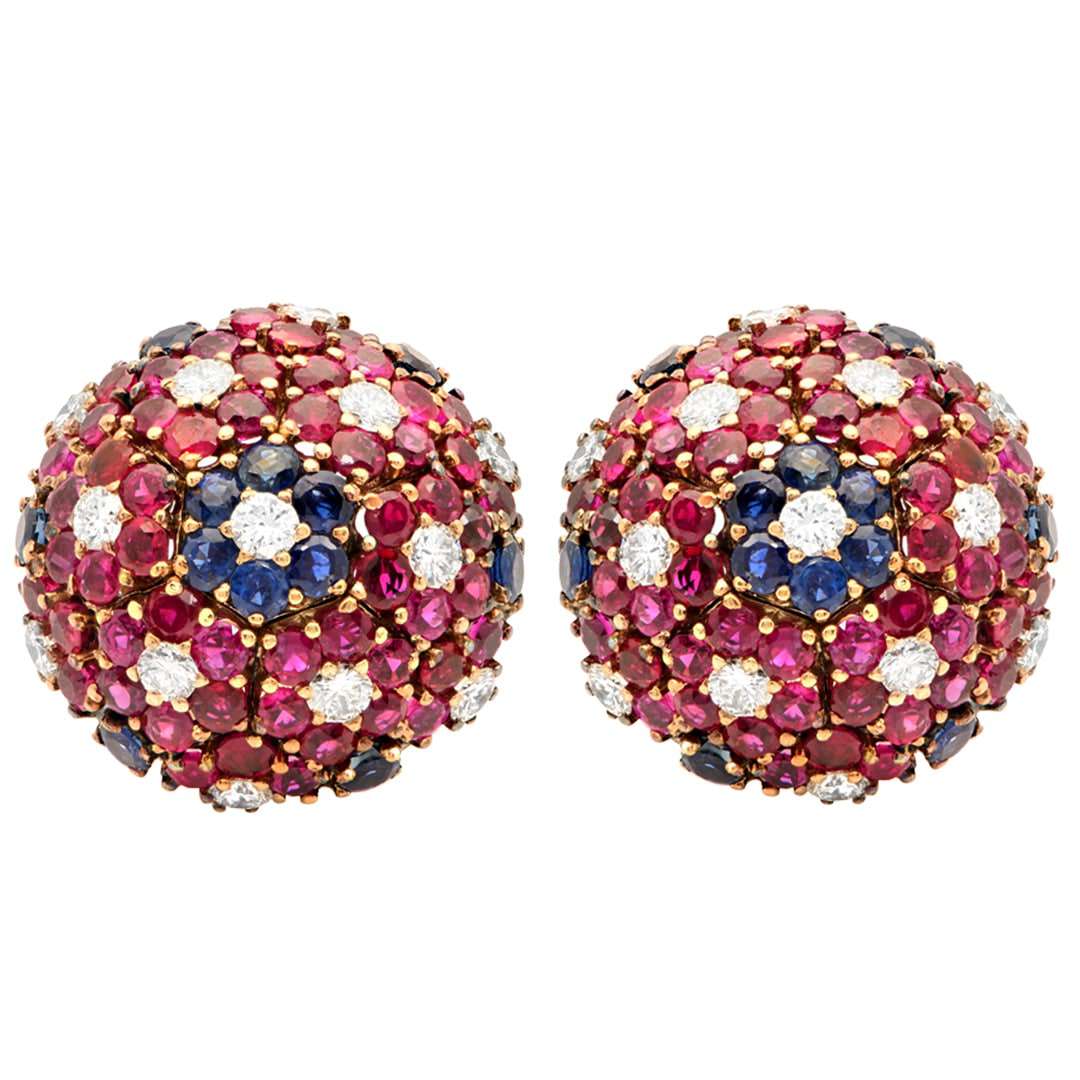
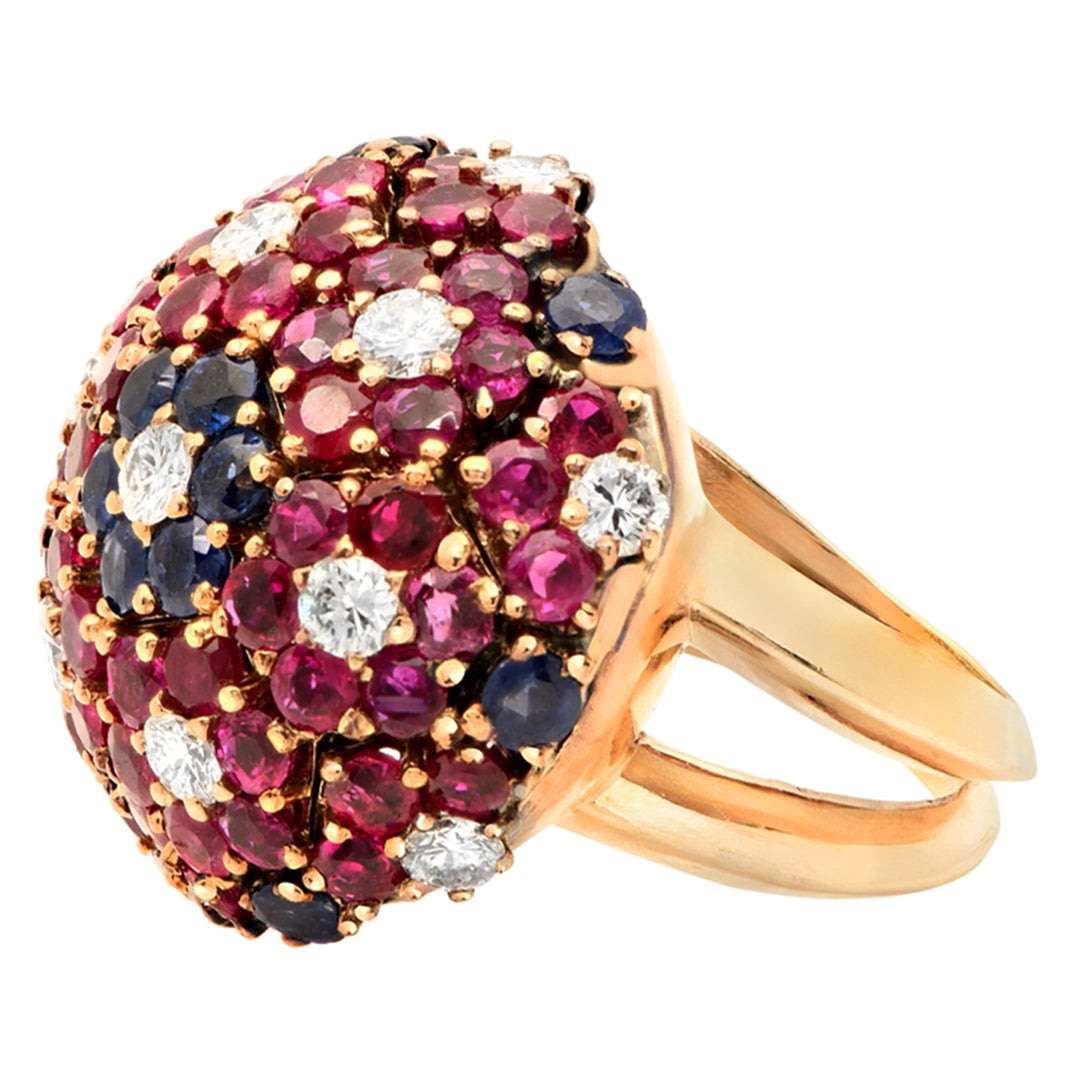
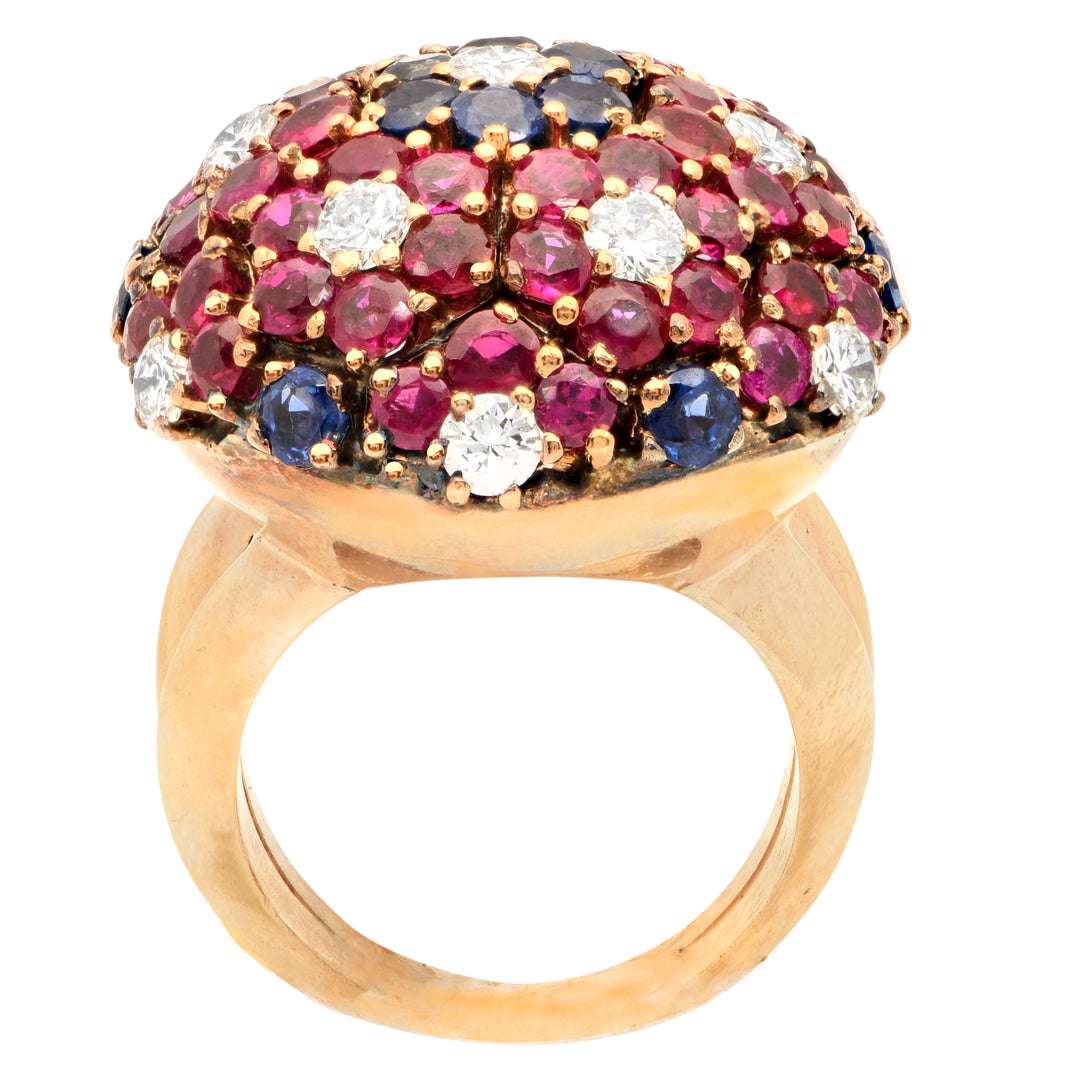
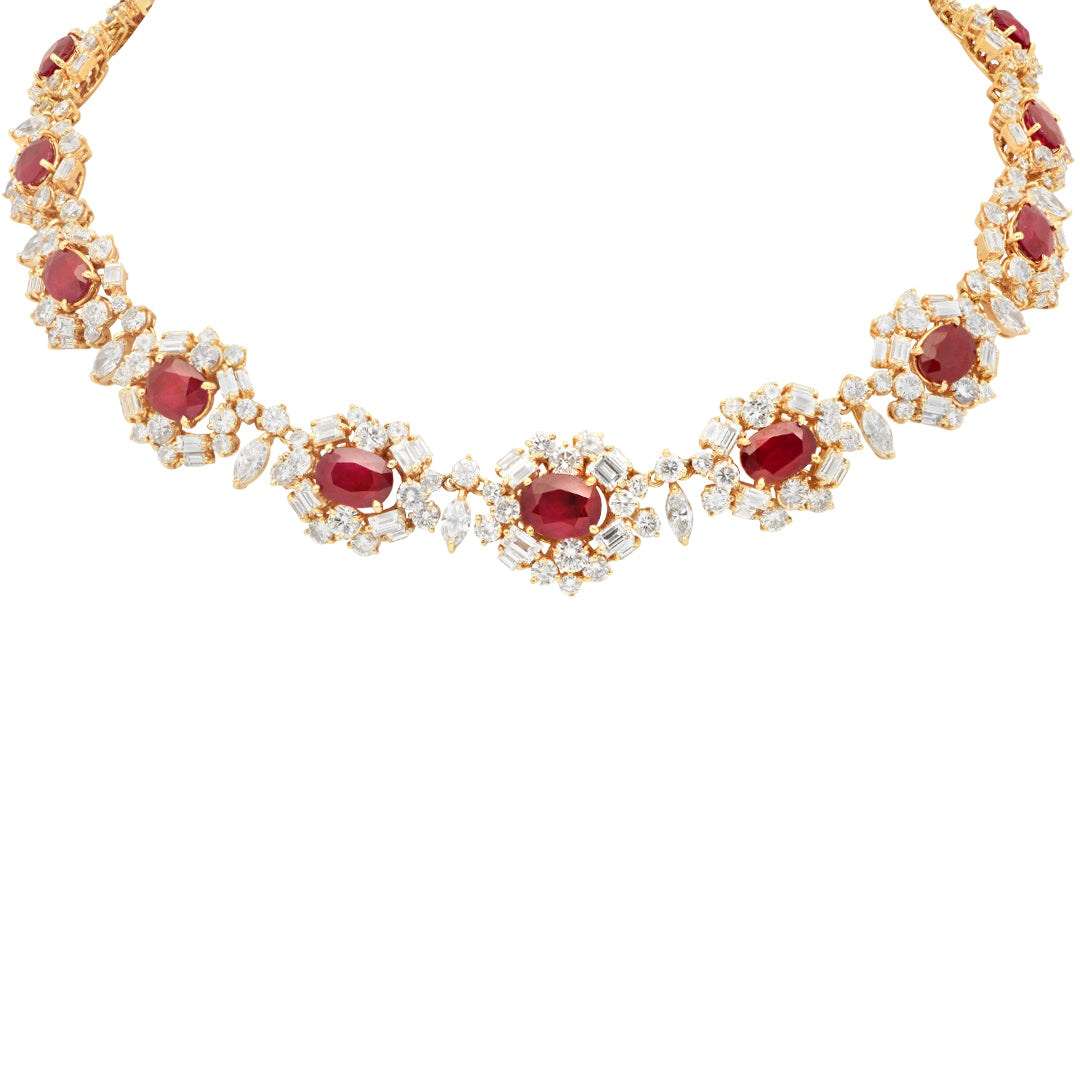
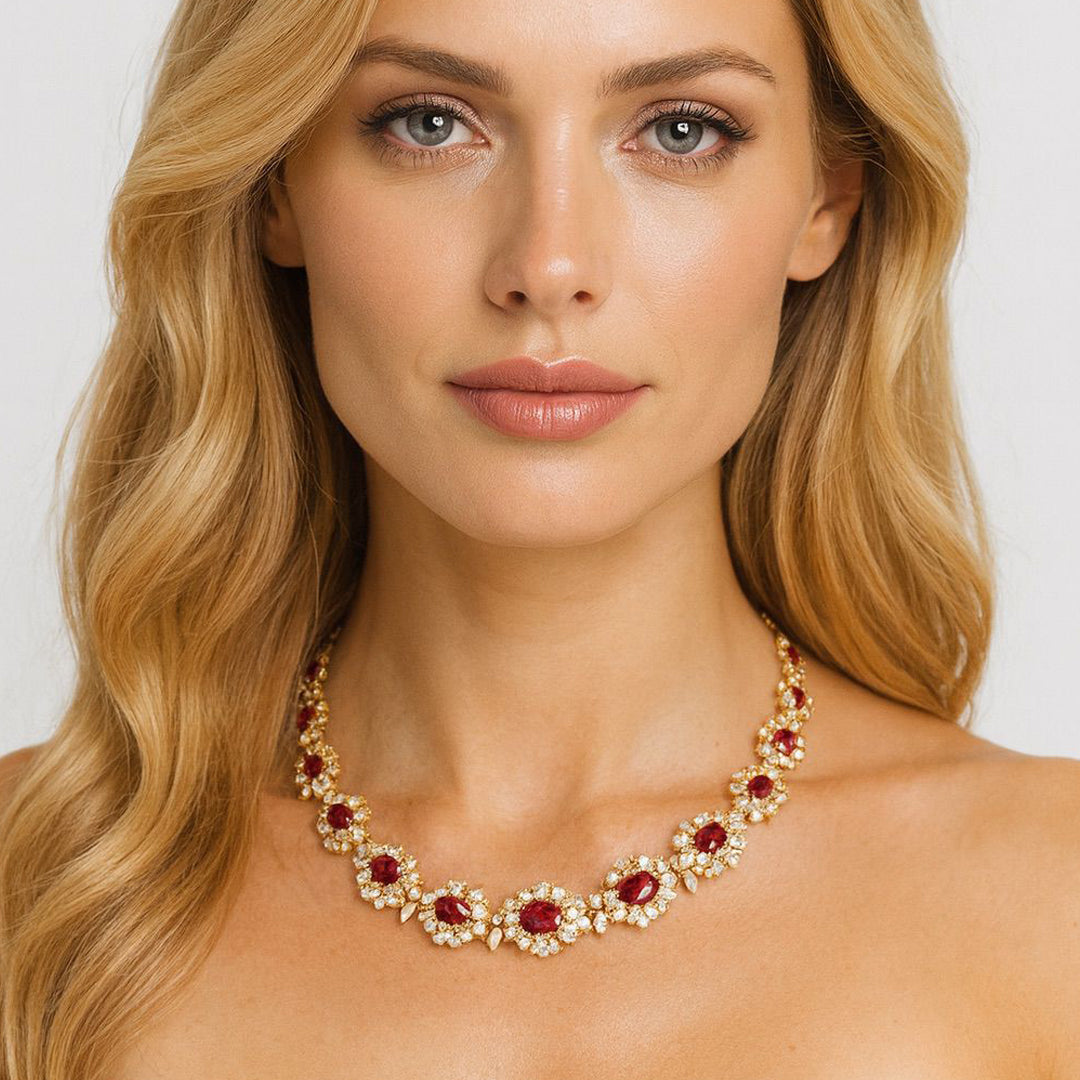
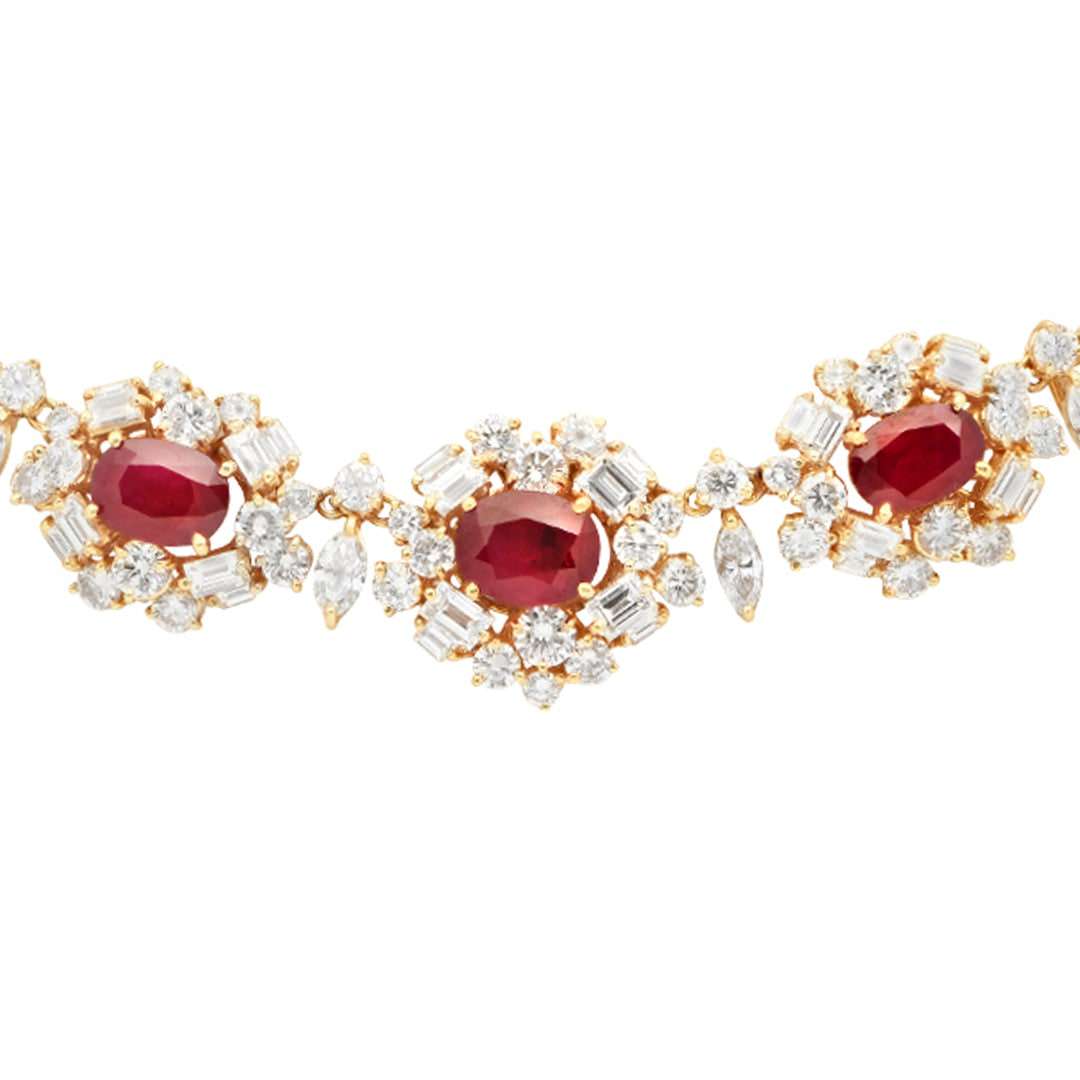
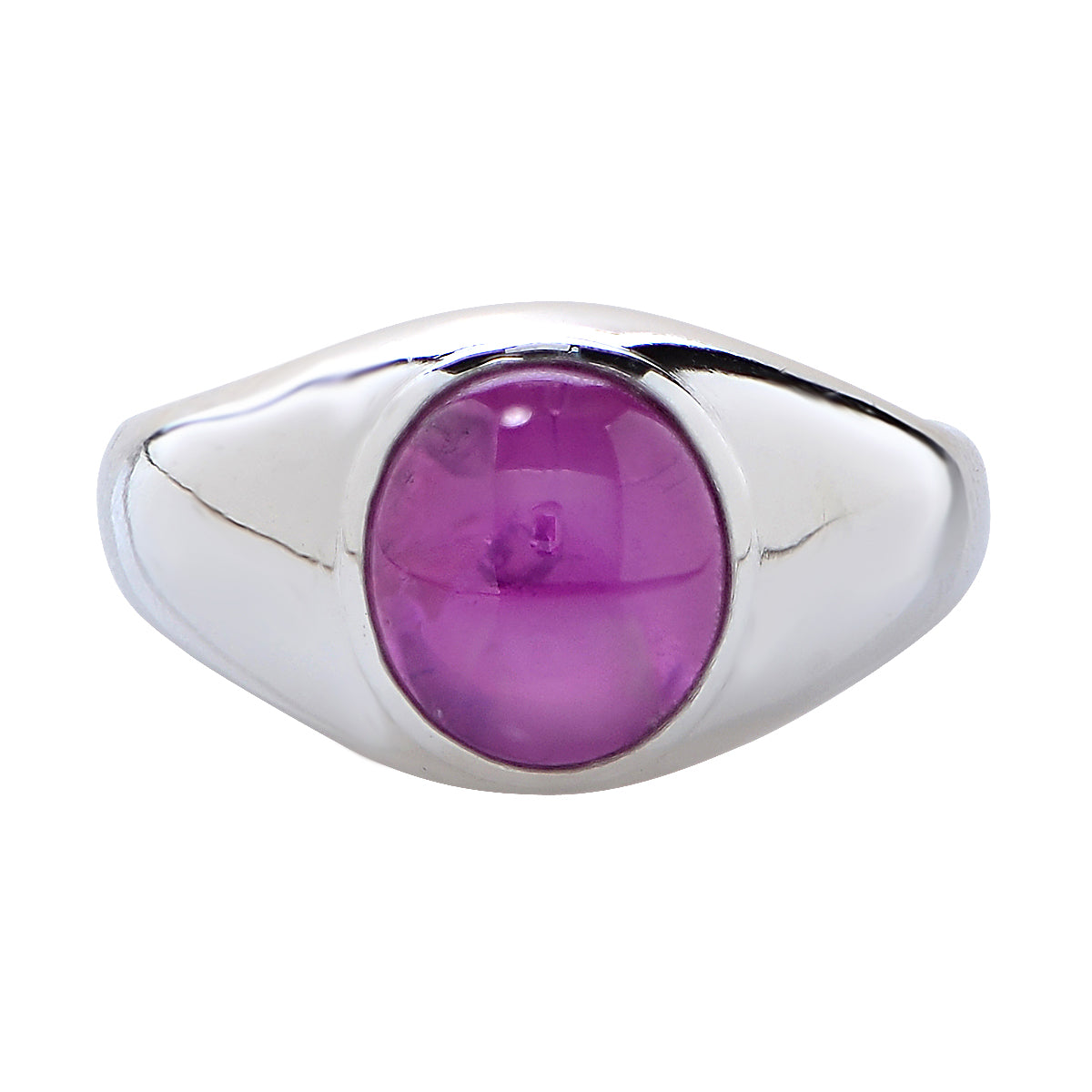
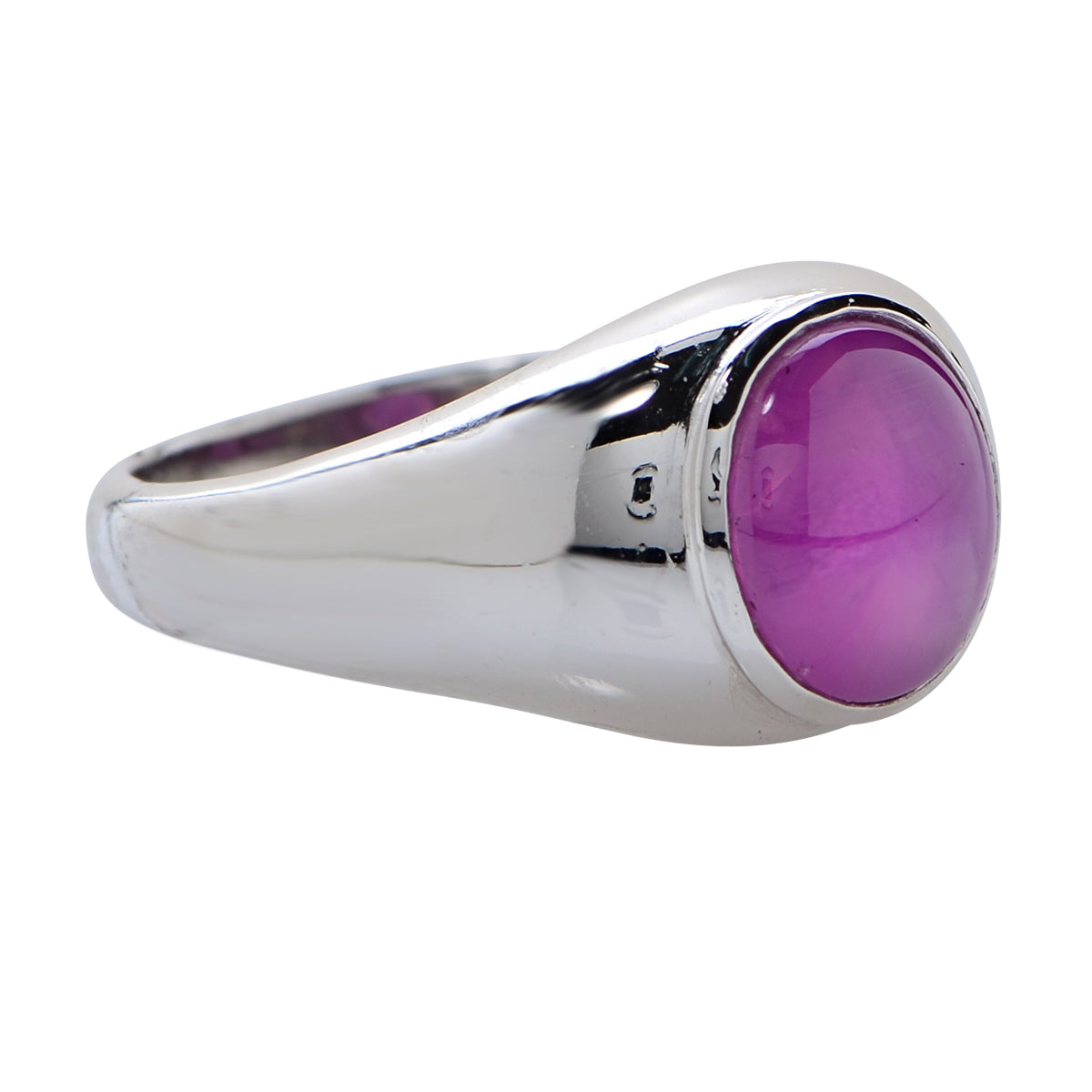
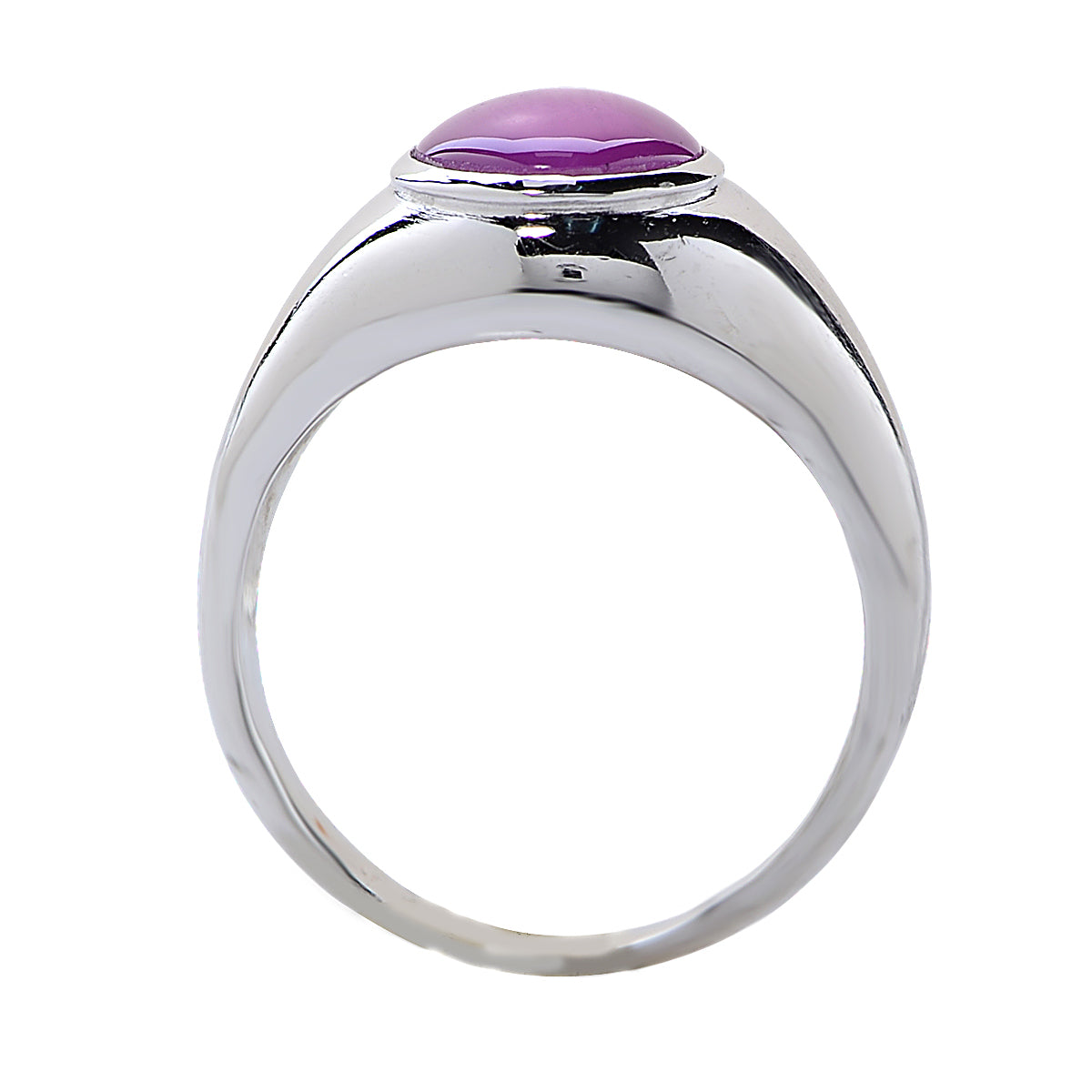
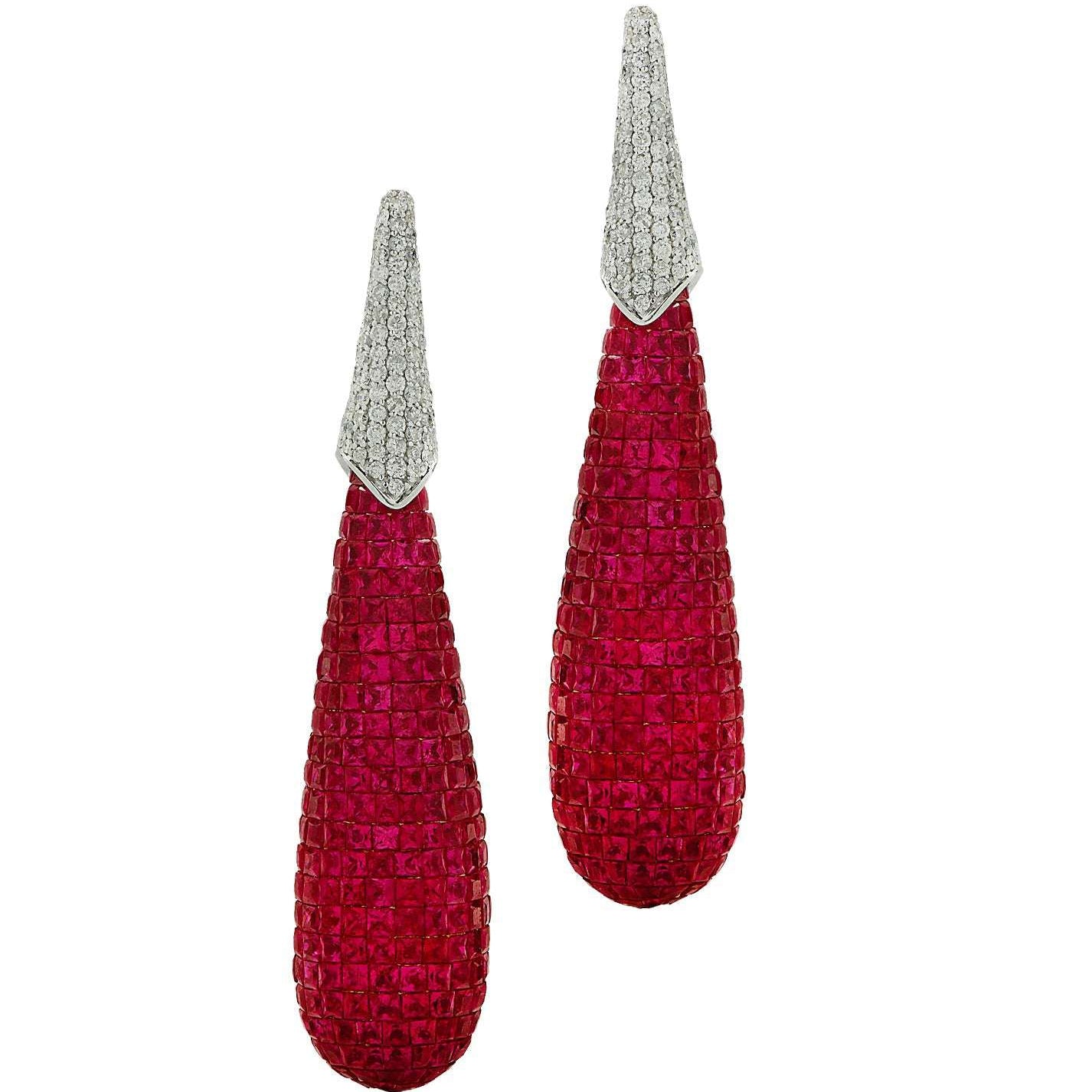
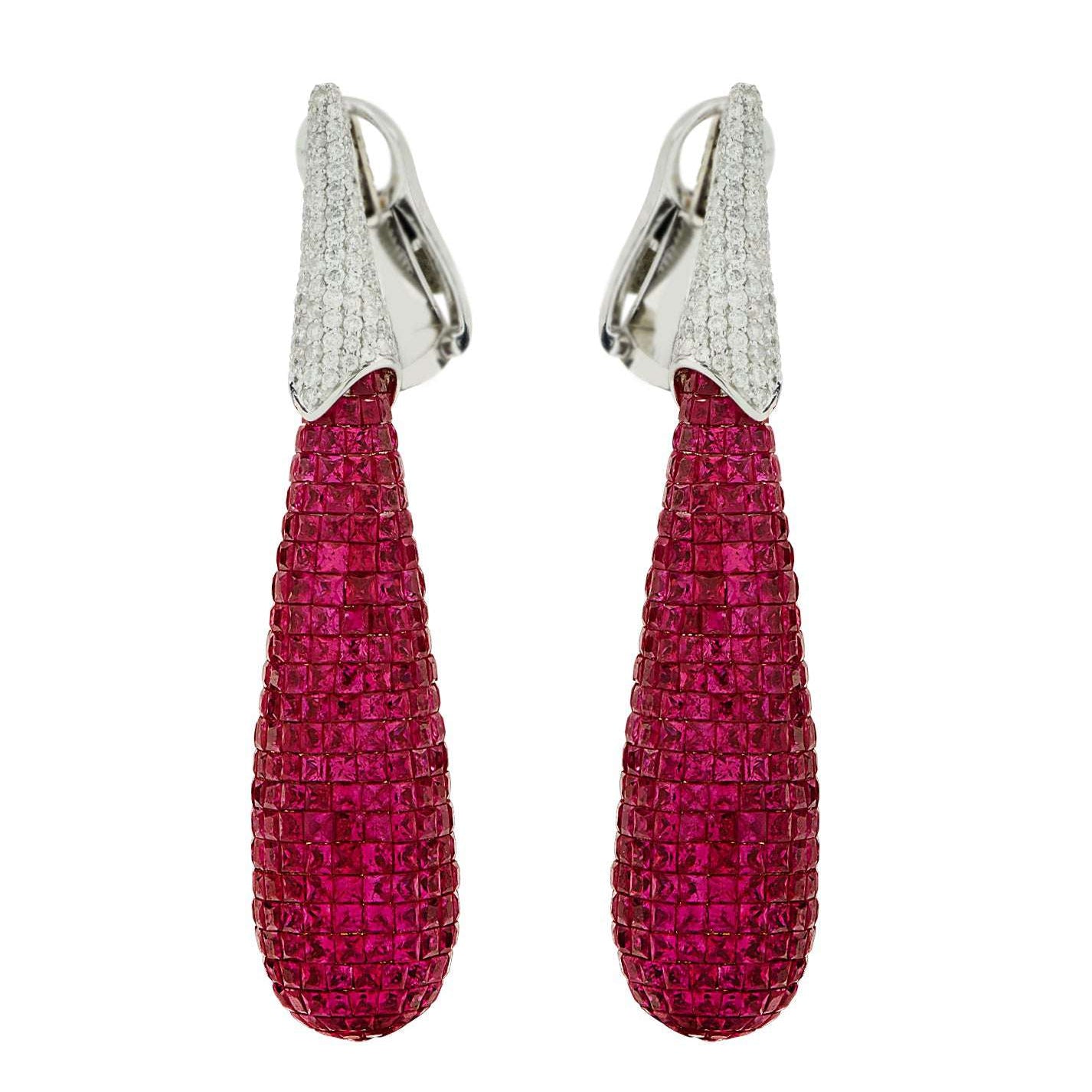
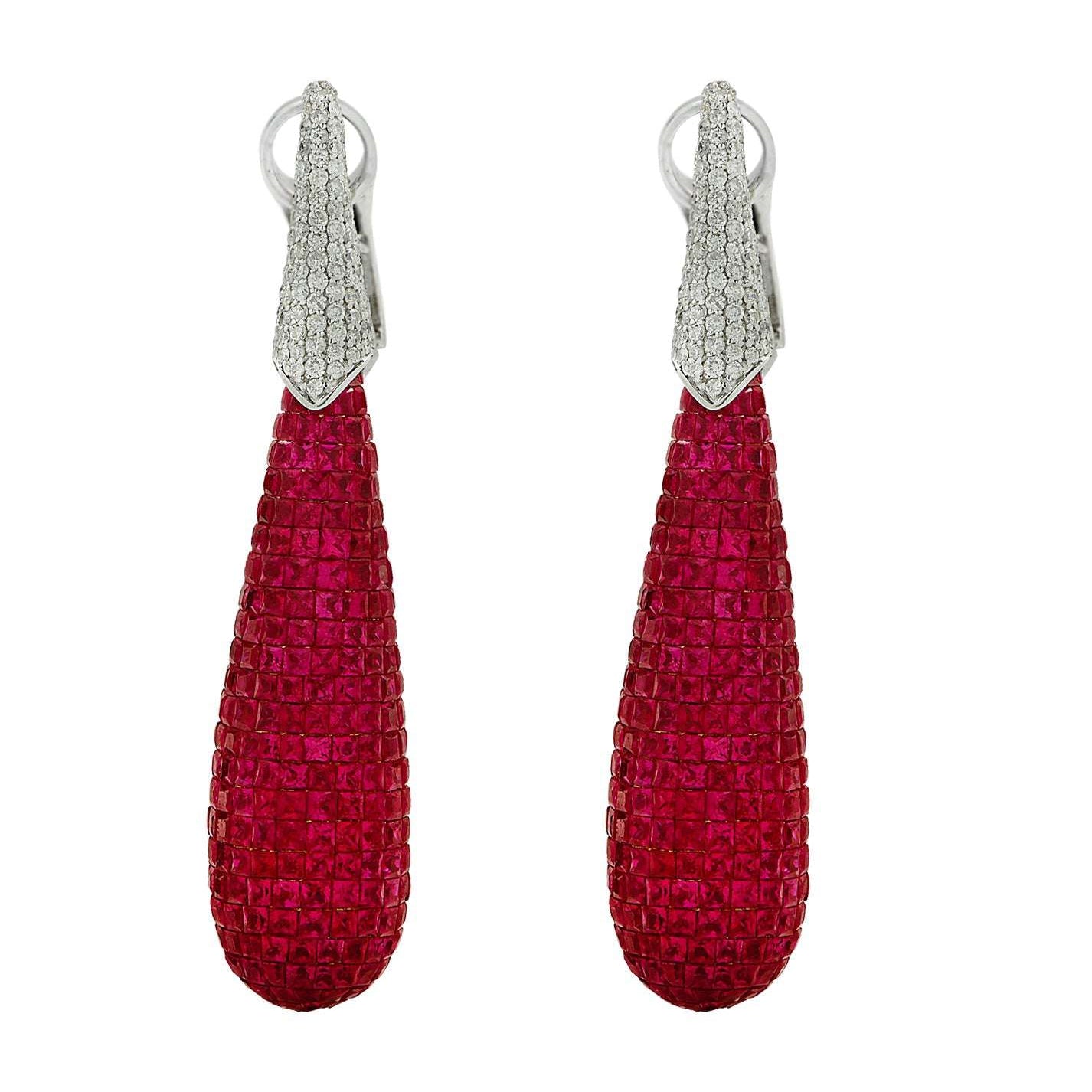
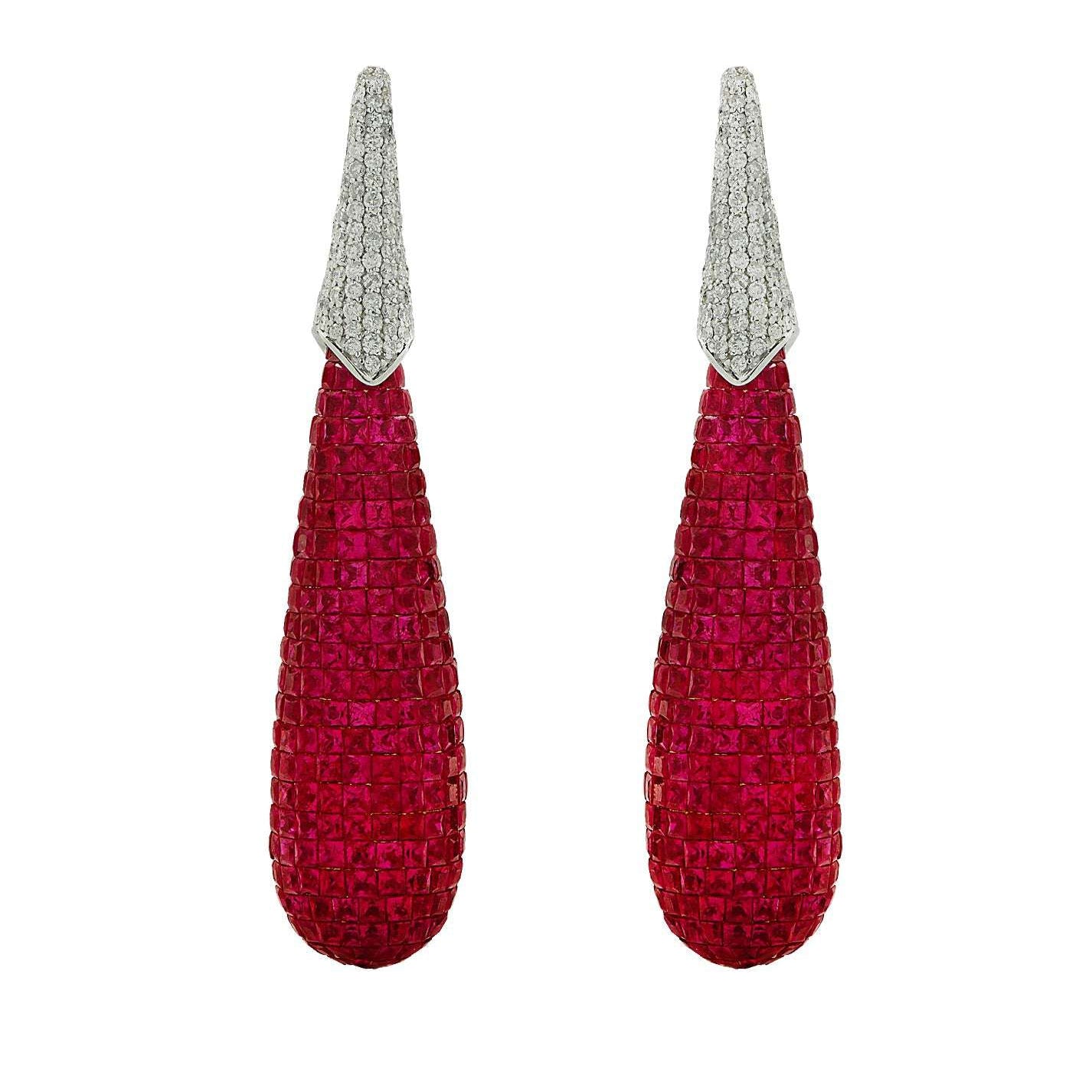
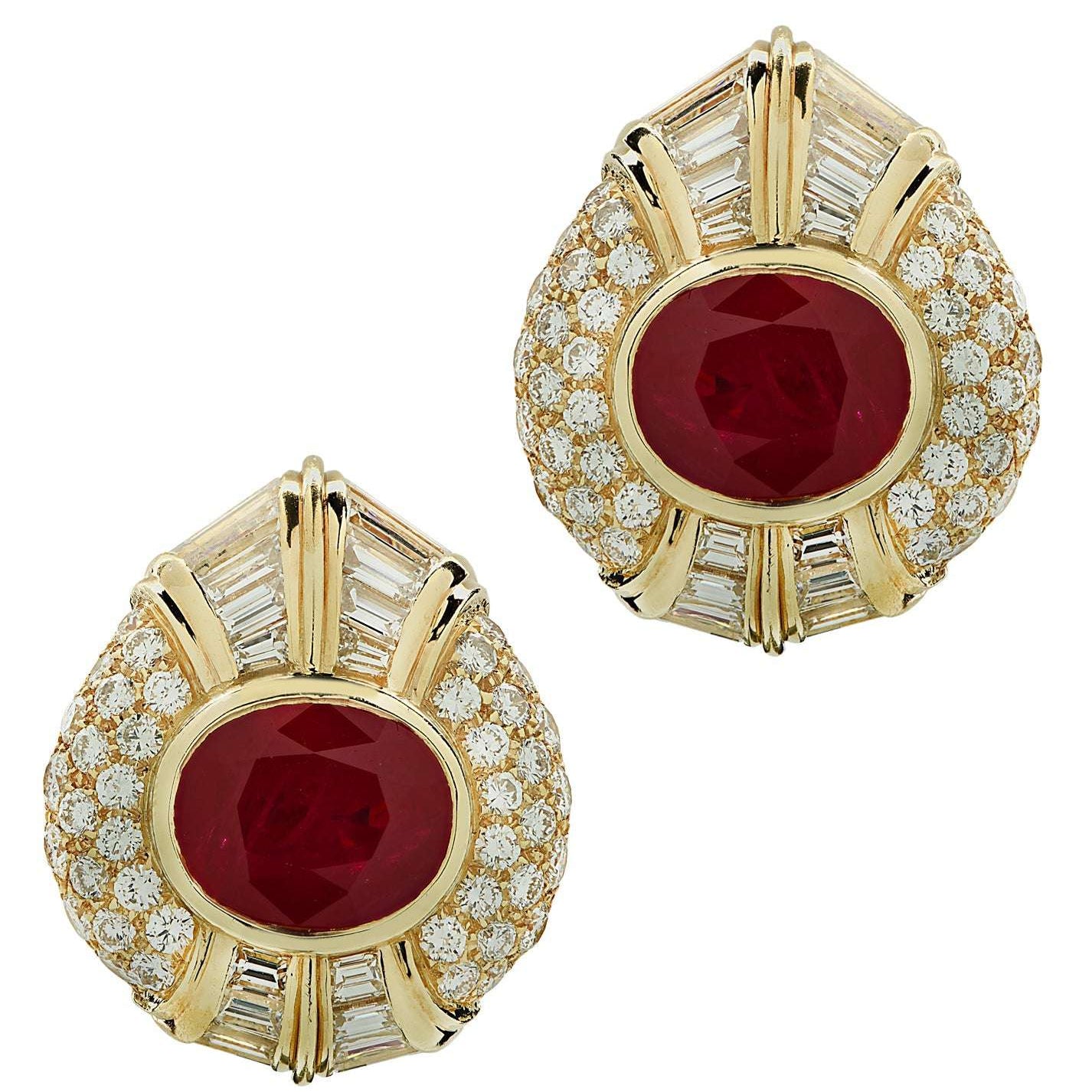
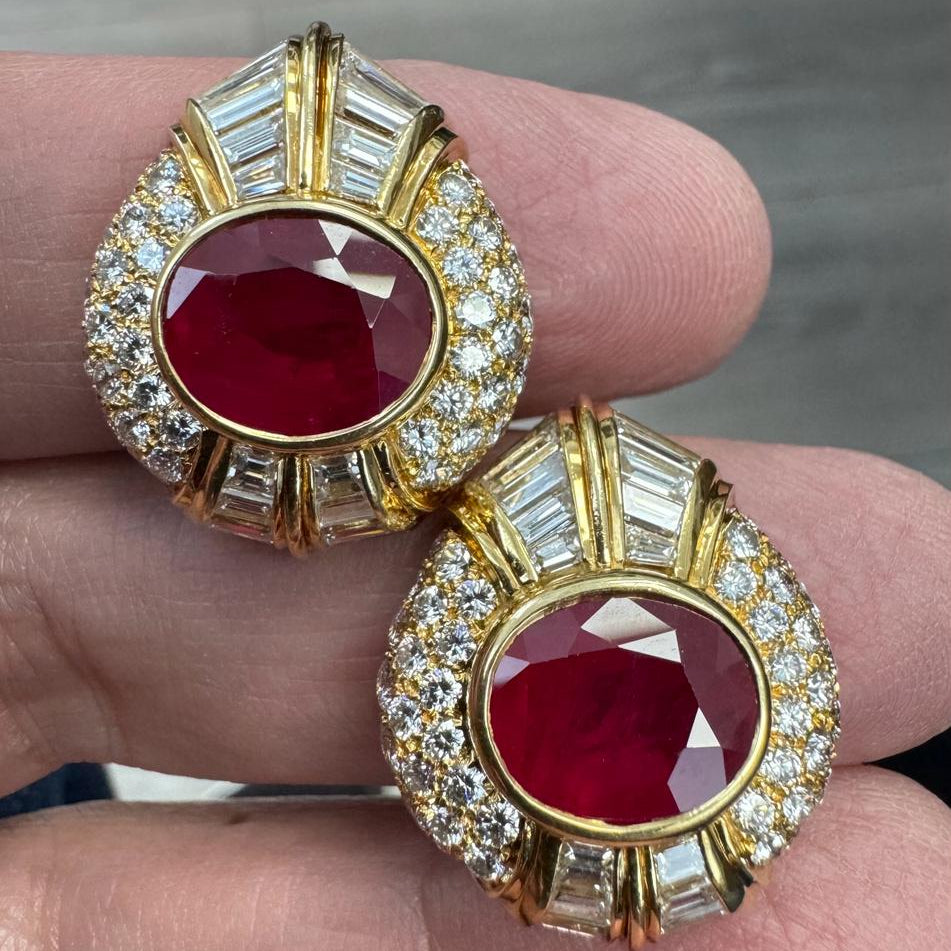
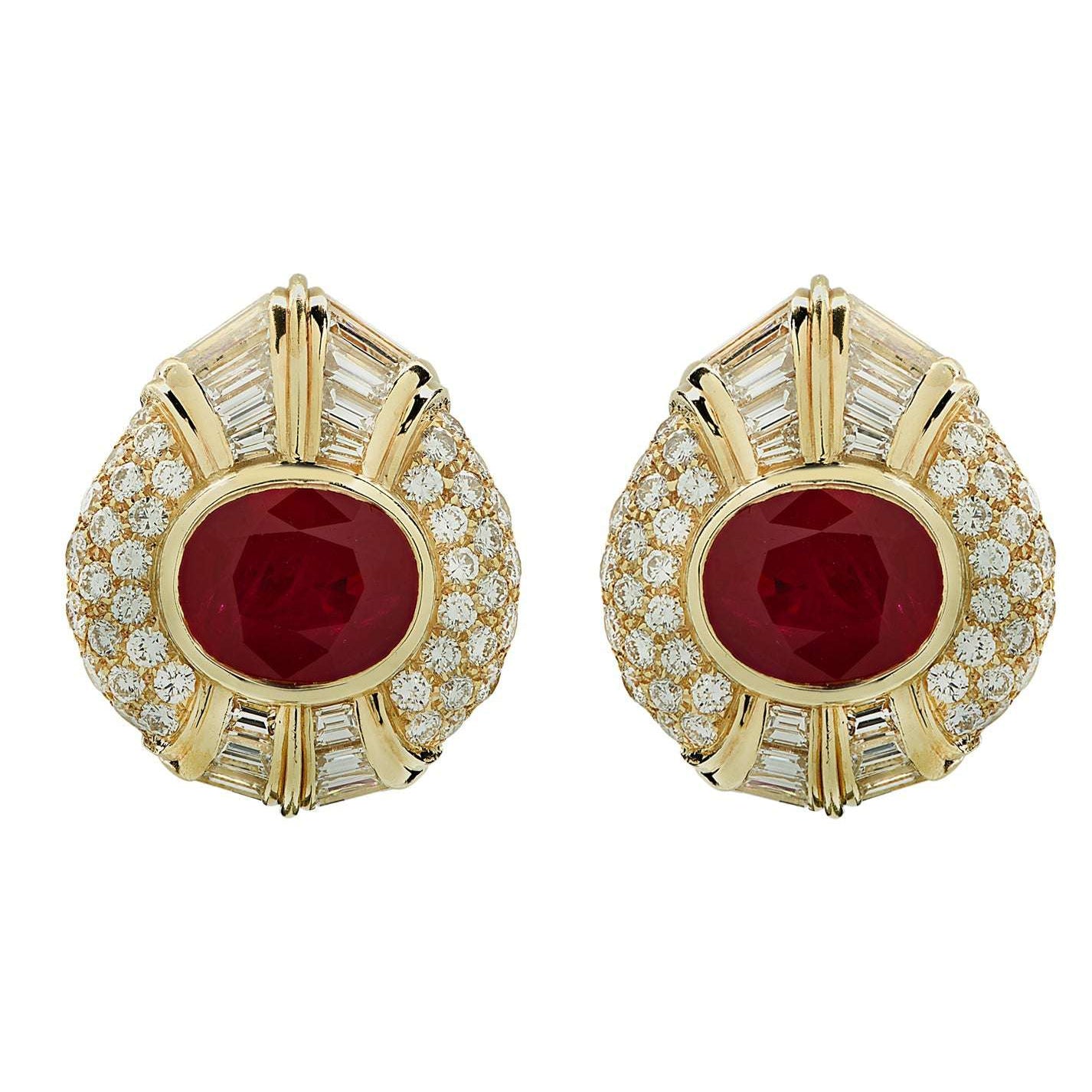
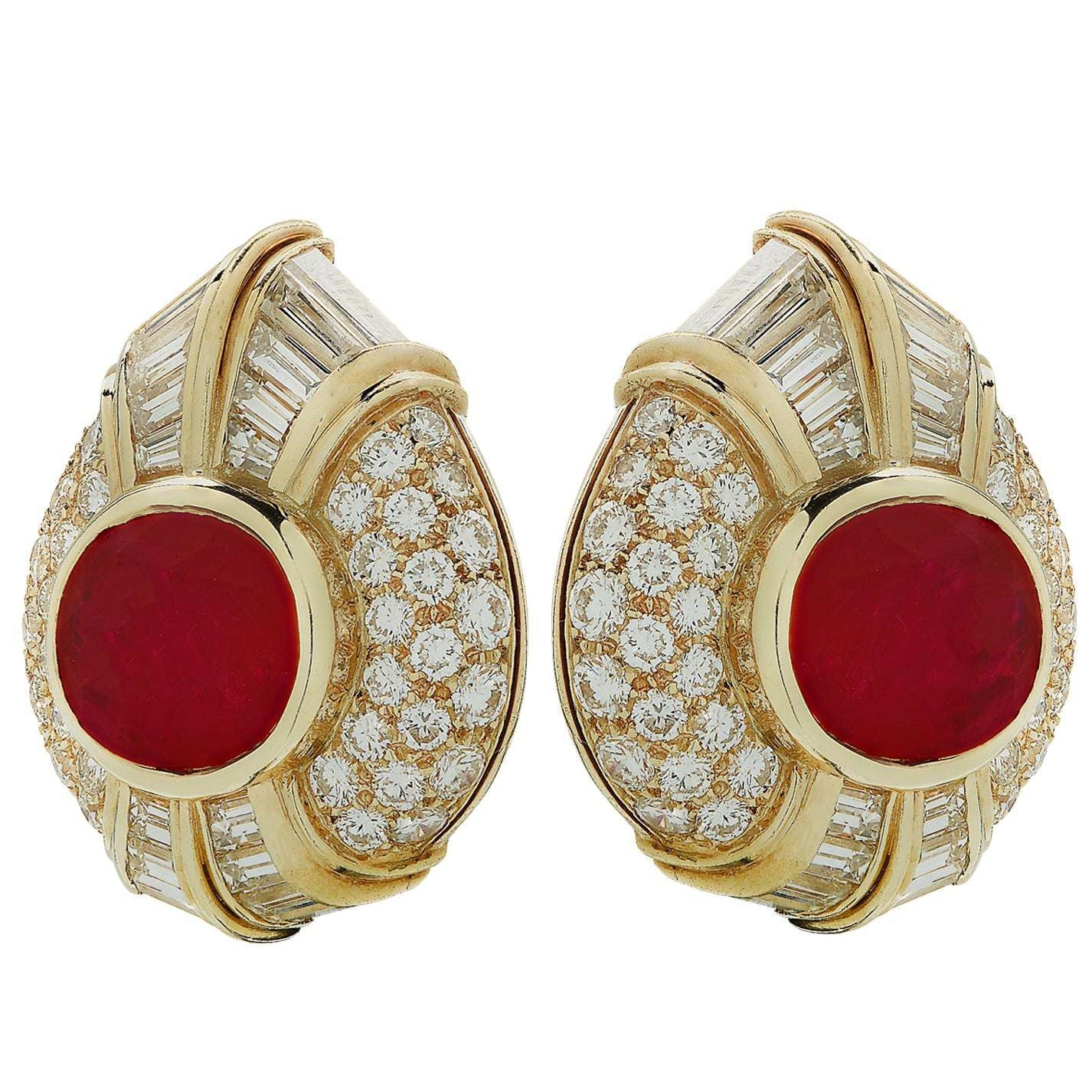
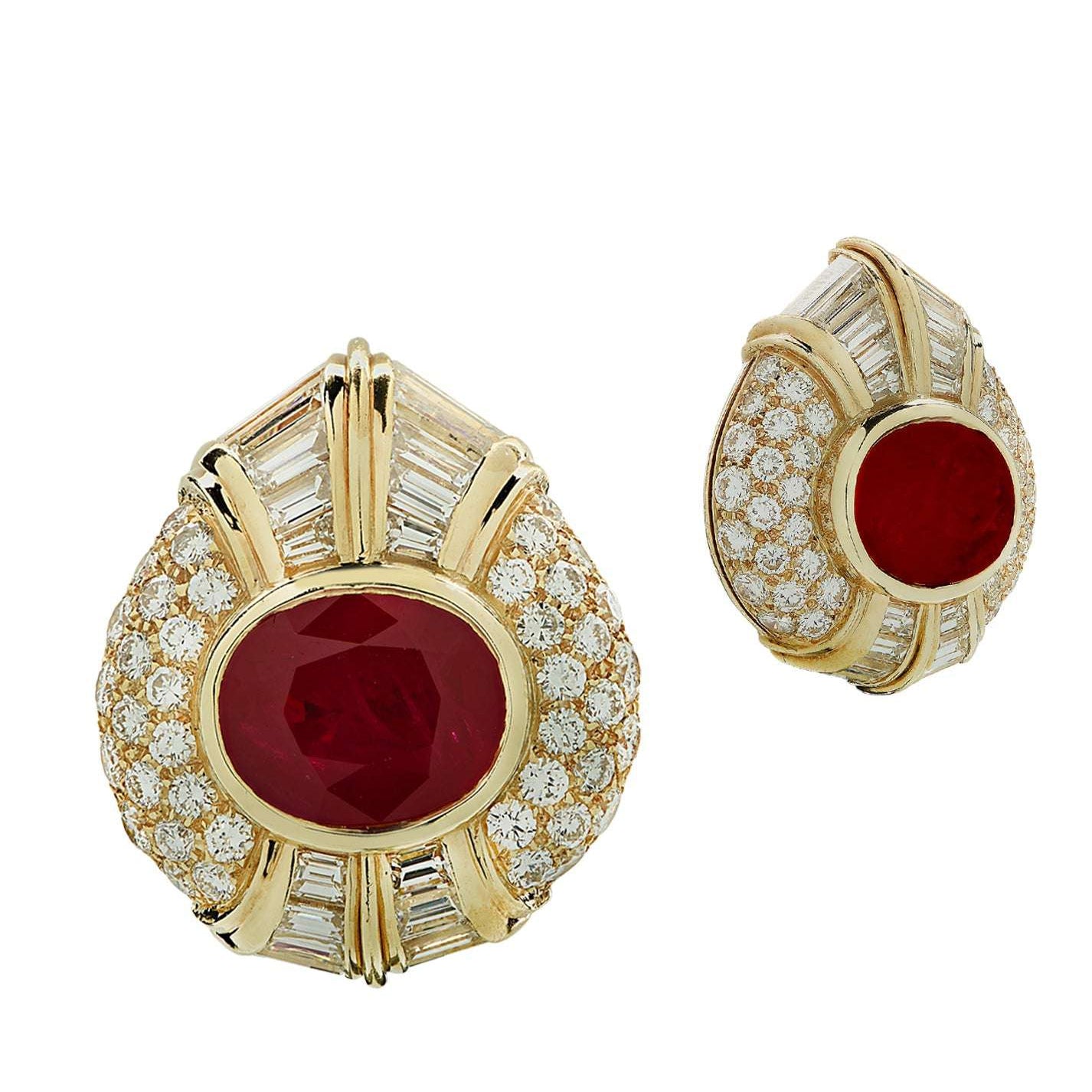
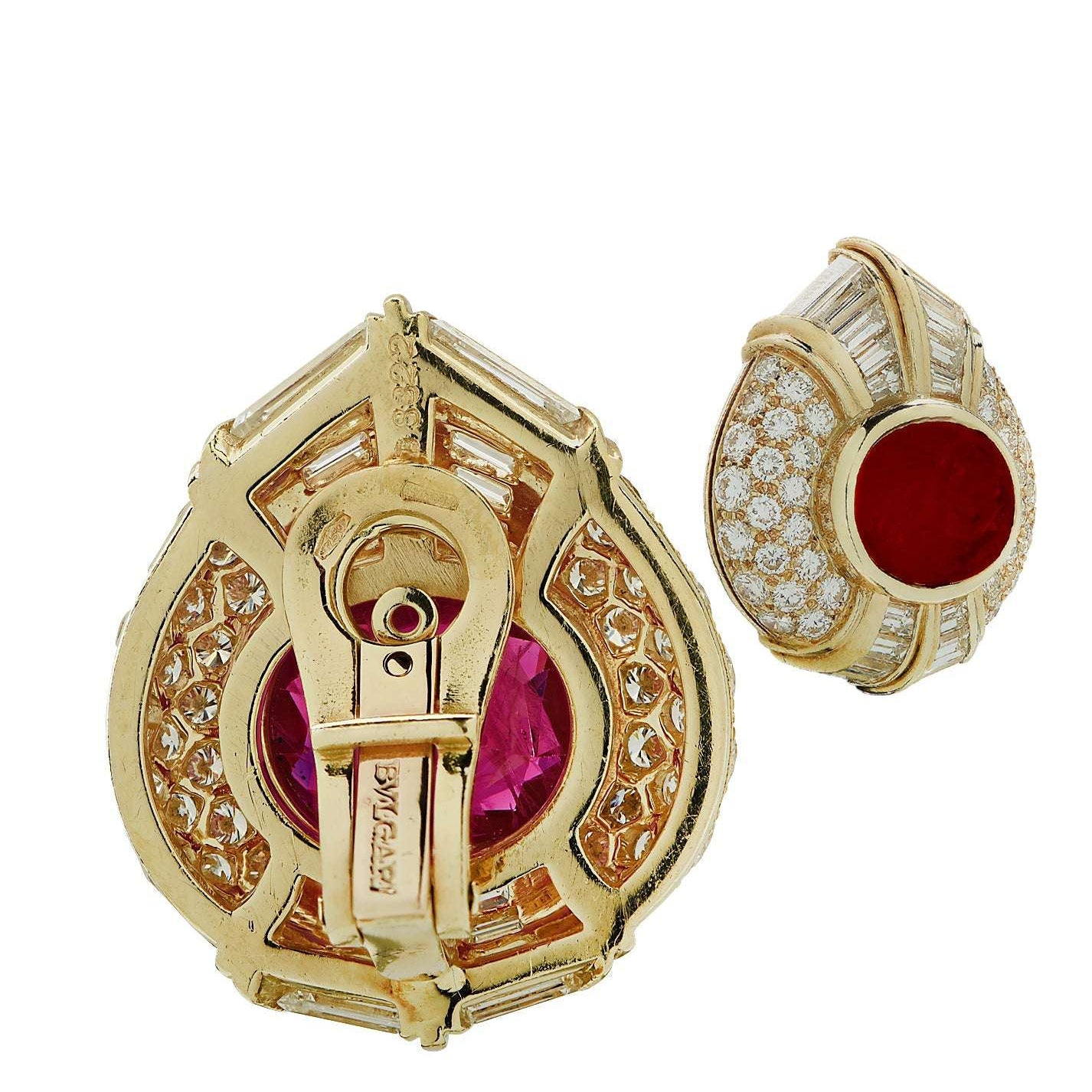
Spinel Jewelry: The Vibrant Gemstone Worth Discovering
If you've ever admired a ruby-red jewel that glowed like an ember yet wasn't quite ruby, there's a good chance you were looking at spinel. Long prized in royal regalia and newly rediscovered by modern designers, spinel jewelry delivers head-turning color, durability for daily wear, and surprising value, especially when you know what to look for. Here's your expert guide to understanding the gem, choosing quality pieces, and caring for them so they last a lifetime.
What Is Spinel? Origins, Lore, And Ruby Confusion Explained
A Brief History From Royal Regalia To Modern Revival
For centuries, spinel masqueraded as ruby. Some of history's most famous "rubies," including the Black Prince's Ruby in the British Imperial State Crown, are actually red spinel. Why the mix-up? Before modern gemology, jewelers grouped gems by color, not chemistry. Spinel's vivid reds and pinks made it a natural stand-in.
Today, with crystal-structure and chemical testing, spinel stands on its own: a distinct gem species (magnesium aluminate, MgAl2O4) crystallizing in the cubic system. It's found in classic locales like Myanmar's Mogok, Sri Lanka, and Afghanistan, with standout modern sources in Tanzania (notably Mahenge), Vietnam (Luc Yen), and Tajikistan. Designers love it for its palette, from stoplight red to cobalt blue to sophisticated gray, and collectors value its relative rarity in fine qualities.
How Spinel Differs From Ruby And Sapphire
Ruby and sapphire are corundum (aluminum oxide). Spinel is a different species with its own hallmarks:
- Optical character: Spinel is singly refractive (often yielding crisp, punchy color), unlike ruby/sapphire's double refraction.
- Hardness: Spinel rates 8 on the Mohs scale (ruby/sapphire are 9), making it very durable for jewelry.
- Cleavage: Spinel has no cleavage, reducing the risk of splitting during wear or setting.
- Chemistry of color: Chromium drives the best reds and hot pinks in spinel: cobalt can yield electric blues. That chemistry also leads to strong red fluorescence in many pink/red stones, boosting their glow in daylight.
The upshot: you get ruby-like fire without ruby's price peaks, plus a broader color range that holds up beautifully in daily wear.
Natural, Synthetic, And Treated Spinel
- Natural spinel is most often untreated. Occasional heat or low-impact clarity improvements exist but are far less common than in corundum.
- Synthetic spinel has been produced since the early 1900s (commonly via flame-fusion). It can mimic many colors, including cobalt blue. Inexpensive simulants and synthetics historically fueled confusion.
- Lab detection: Labs identify synthetics through features like curved striae and gas bubbles, plus advanced spectroscopy.
- Disclosure: Reputable sellers disclose any treatments or synthetic origin and support claims with lab reports.
For confidence, rely on recognized labs, such as GIA, AGL, GRS, SSEF, or Lotus Gemology.
Colors, Varieties, And Quality Factors
Most Sought-After Colors And Their Appeal
- Red: Fine, chromium-rich reds rival ruby and command top prices, especially in clean stones over 2–3 carats.
- Hot pink and neon pink (Mahenge): Revered for their electric saturation and lively fluorescence.
- Cobalt blue: True cobalt blue spinel is rare and extremely desirable: many "blue spinels" skew gray or violet.
- Lavender to lilac: Romantic, often excellent value with strong market demand.
- Gray and steely tones: Modern and gender-neutral, great in minimalist designs.
- Black spinel: Inky, mirror-like luster and wallet-friendly, popular for bold, everyday jewelry.
Color preference is personal, but in the market, saturation and purity (minimal brown/gray masking) are primary value drivers.
Clarity, Cut Styles, And Carat Weight Considerations
- Clarity: Spinel typically forms cleanly. Fine gems should be eye-clean: visible fractures or clouds will reduce value. Needle-like inclusions can occasionally add character but shouldn't dull brilliance.
- Cut: Precision cutting amplifies spinel's brightness. You'll see cushions, ovals, and rounds most often: fancy shapes (trillion, kite, hexagon) are gaining traction. Watch for windowing (pale centers) in larger stones.
- Carat weight: Fine color grows exponentially rarer with size. Expect price jumps past 2 ct and again beyond 5 ct for top reds, hot pinks, and cobalt blues. Black and gray spinels remain more accessible in larger sizes.
Color Saturation, Tone, And Phenomena (Including Fluorescence)
- Saturation: The more intense and vivid the color, the more valuable the gem, provided it isn't so dark that it looks inky.
- Tone: Medium to medium-dark tones usually show best. Overly light stones can look washed out: overly dark ones lose life.
- Fluorescence: Many pink/red spinels fluoresce under UV and daylight due to chromium, this can make them appear to "glow." It's typically a positive.
- Phenomena: Asterism (star spinel) is rare and prized by collectors: color-change spinel (blue-gray to purple) exists and is intriguing, though niche.
Popular Styles, Settings, And Metal Pairings
Engagement Rings And Everyday Rings
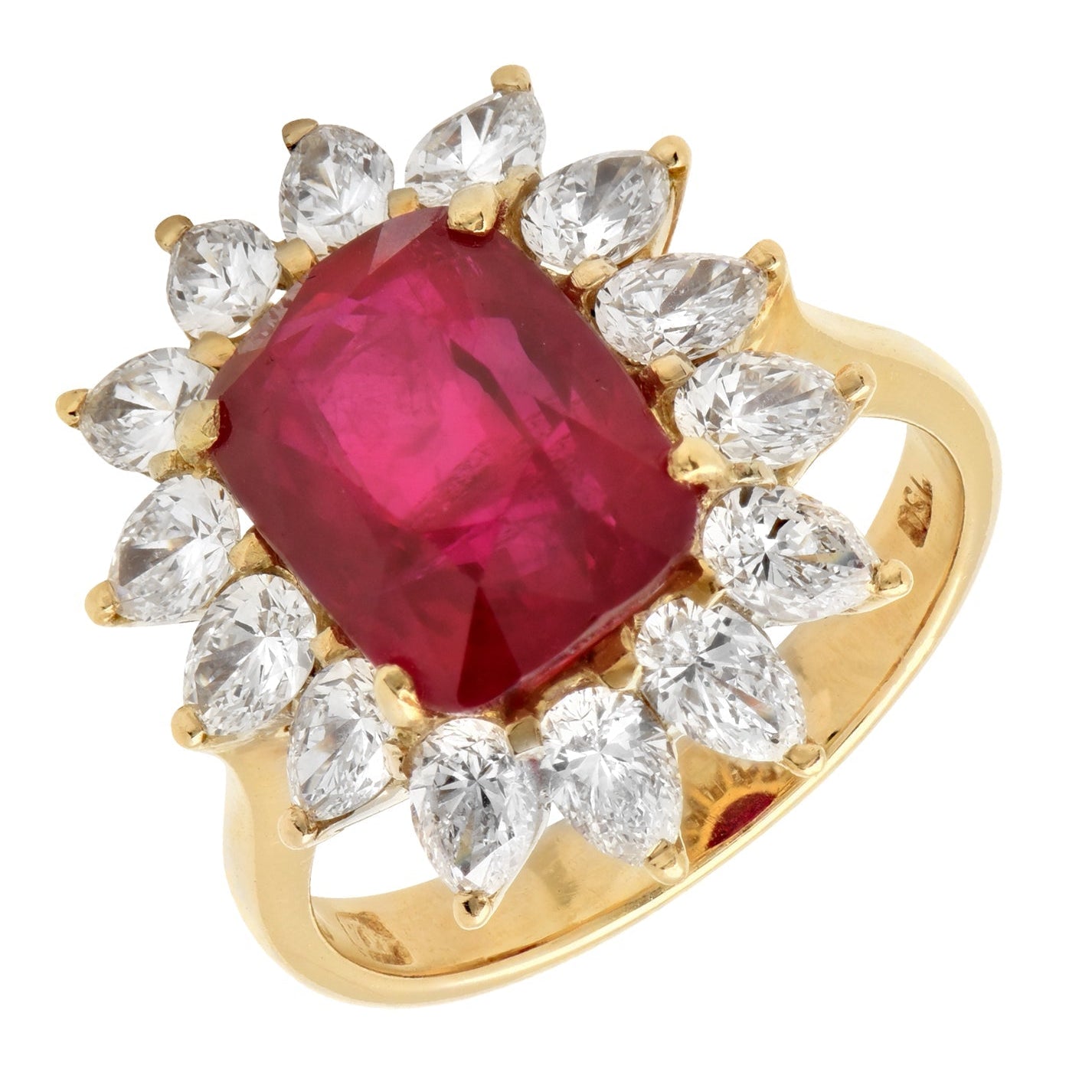
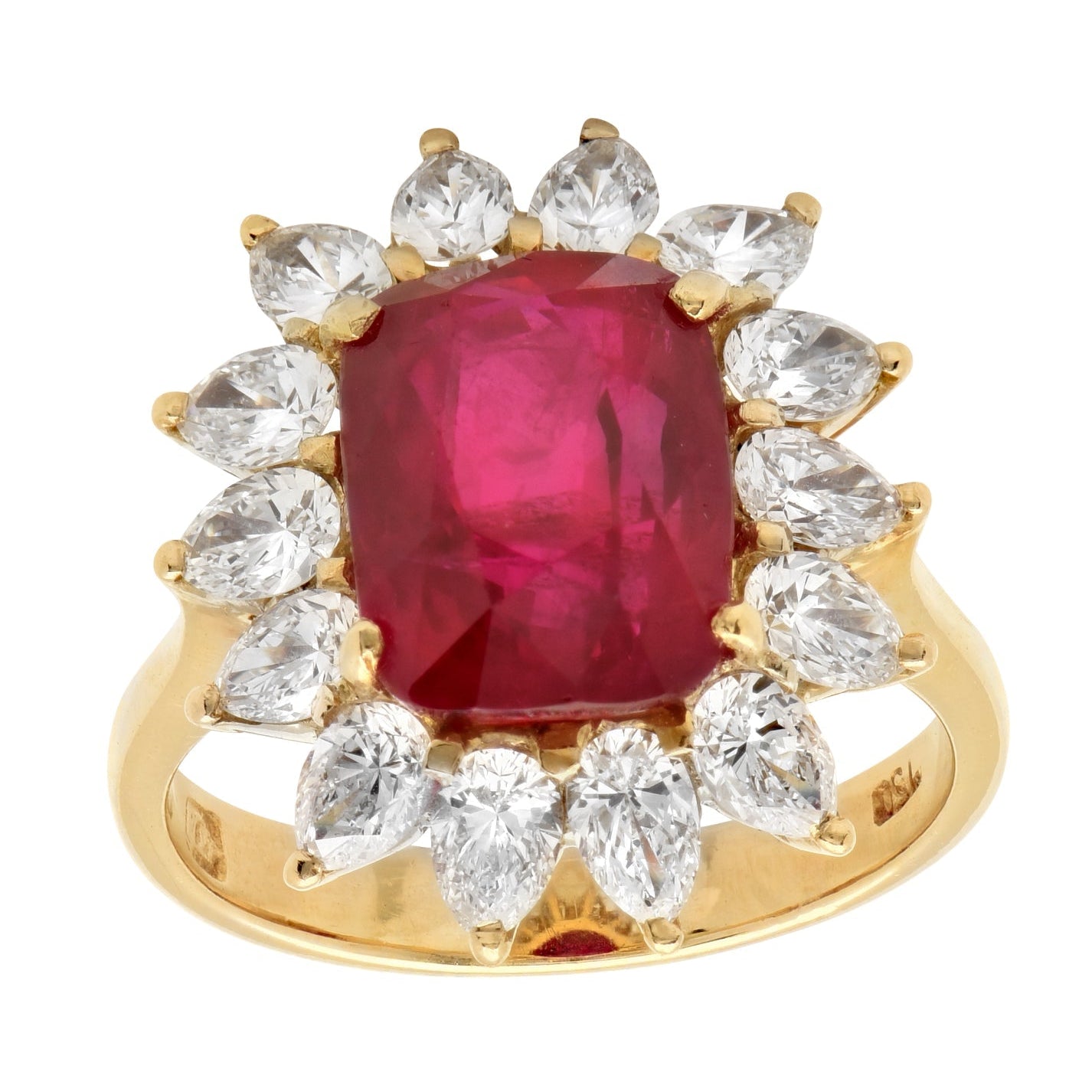
You can absolutely choose spinel for an engagement ring. With a Mohs hardness of 8 and no cleavage, it stands up well to daily life when set securely. Reds and hot pinks bring high-drama romance, cobalt blue feels regal, and lavender offers a soft, modern twist. For extra protection, consider bezel or semi-bezel settings, or low-set prongs with robust shoulders. Halo and three-stone designs maximize presence without oversizing the center.
Earrings, Pendants, And Bracelets
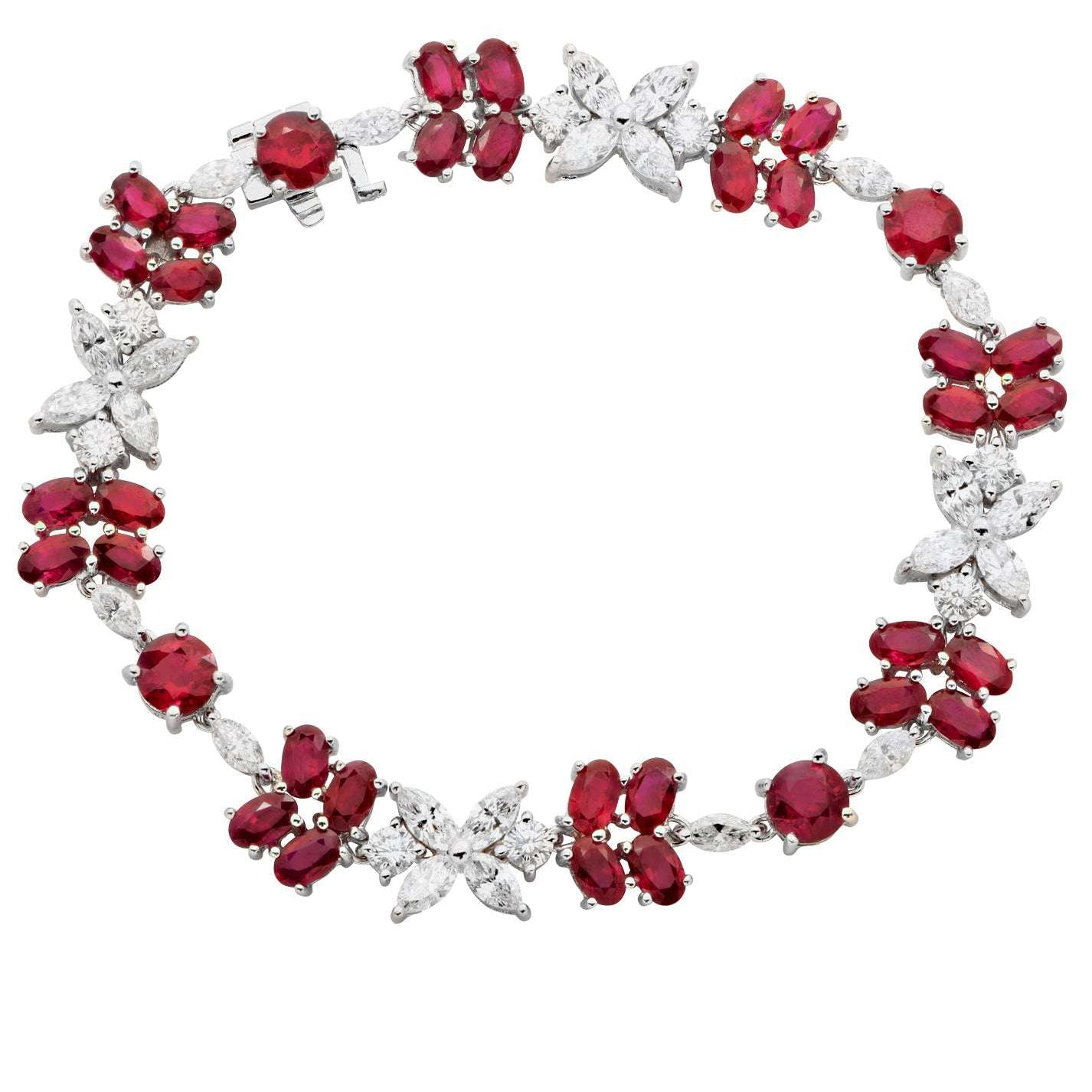
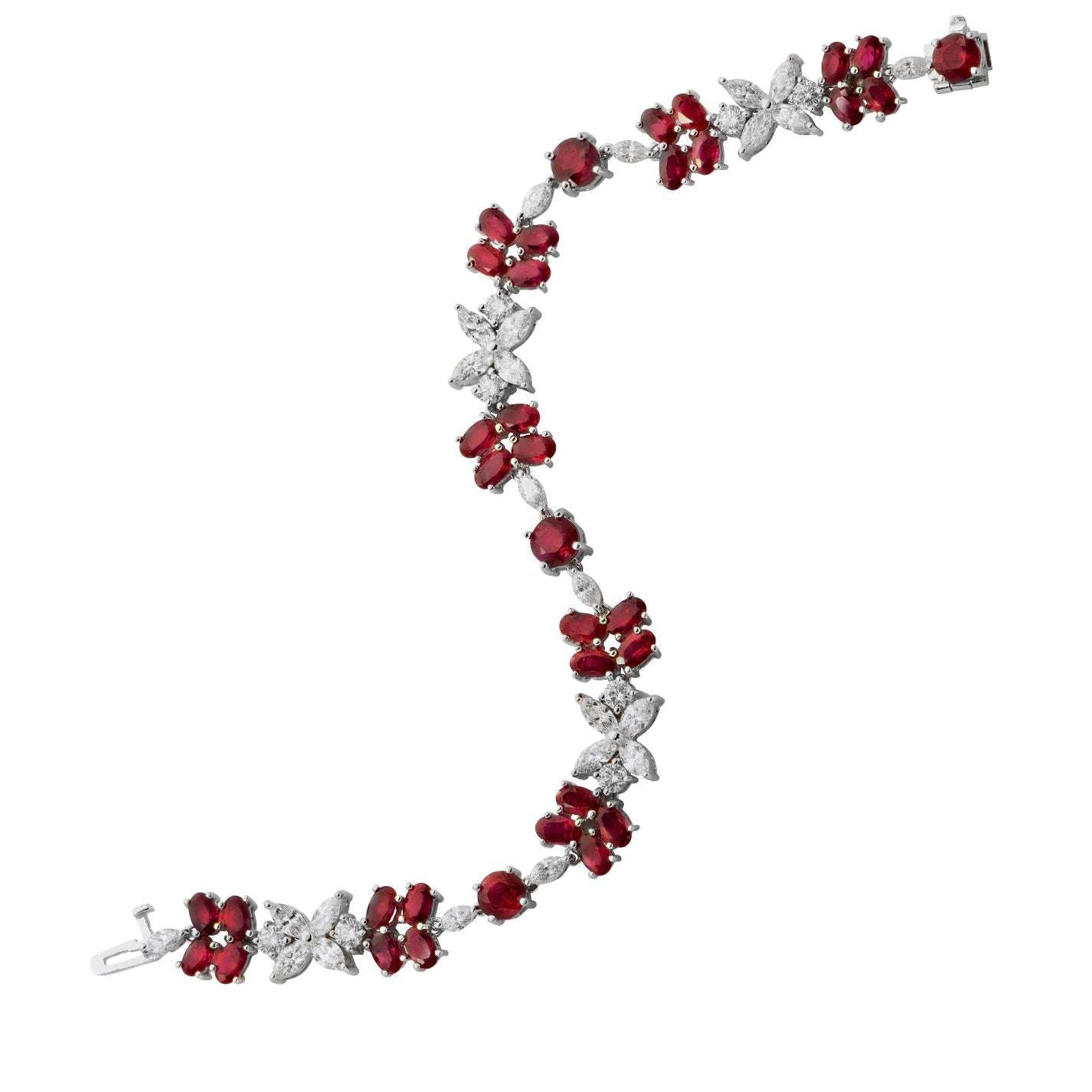
Spinel's brightness makes it a natural for studs and drops, hot pink studs pop against the skin, while gray or black spinel drops pair elegantly with monochrome wardrobes. Pendants let you play with fancy cuts (kite, oval, pear) and still keep budgets sane. Tennis bracelets with mixed-color spinels create a gradient effect that looks custom without the custom price.
Metal Choices That Make Color Pop
- White metals (platinum, palladium, white gold): Enhance cool tones, cobalt blue, violet, and steely gray.
- Yellow gold: Warms up red, orange, and certain pinks: stunning contrast with black spinel.
- Rose gold: Harmonizes with hot pinks and lilacs, creating a cohesive, romantic palette.
If you're torn, audition stones against metal swatches in daylight: spinel's fluorescence and dispersion can shift how colors read under different lighting.
How To Choose And Buy Spinel Jewelry
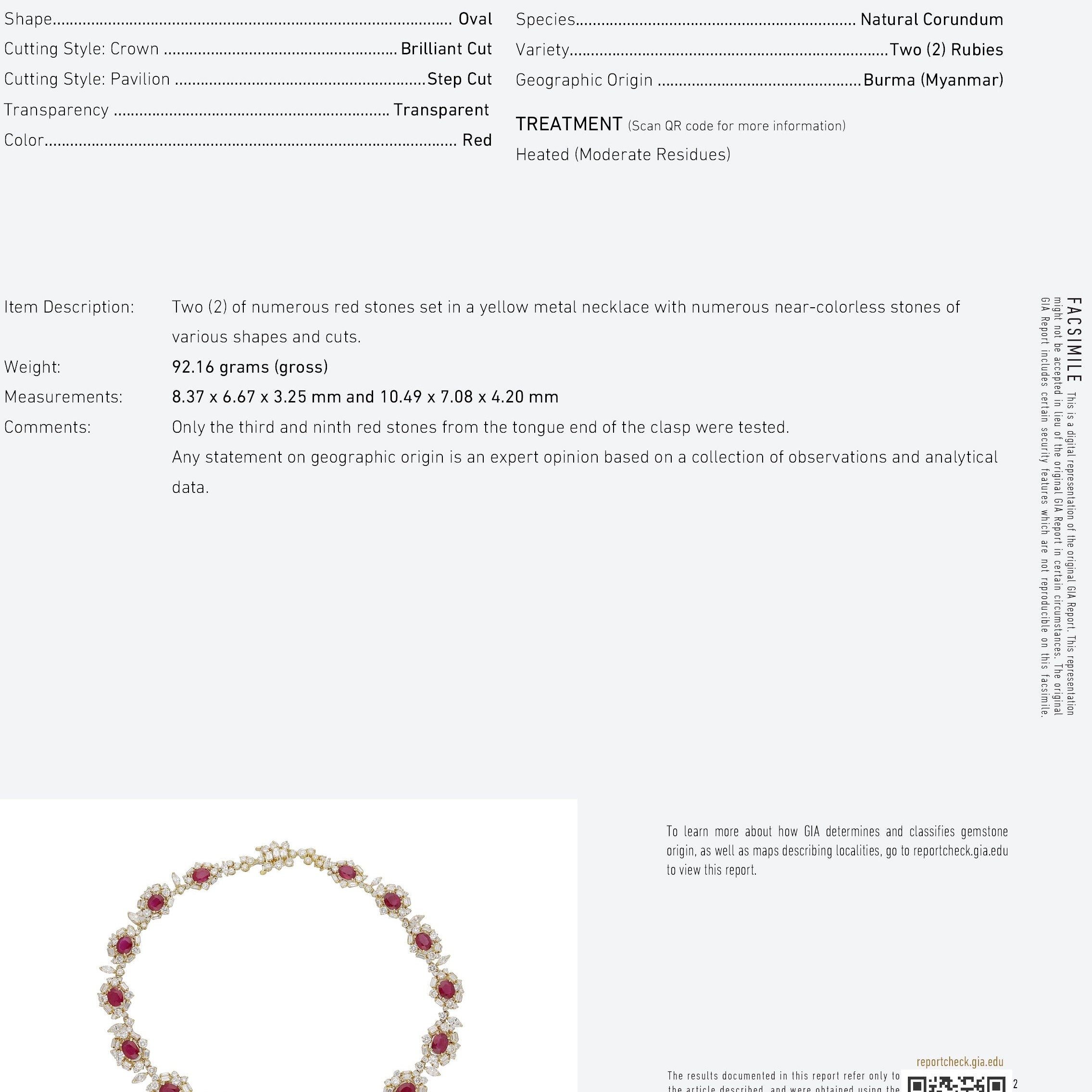
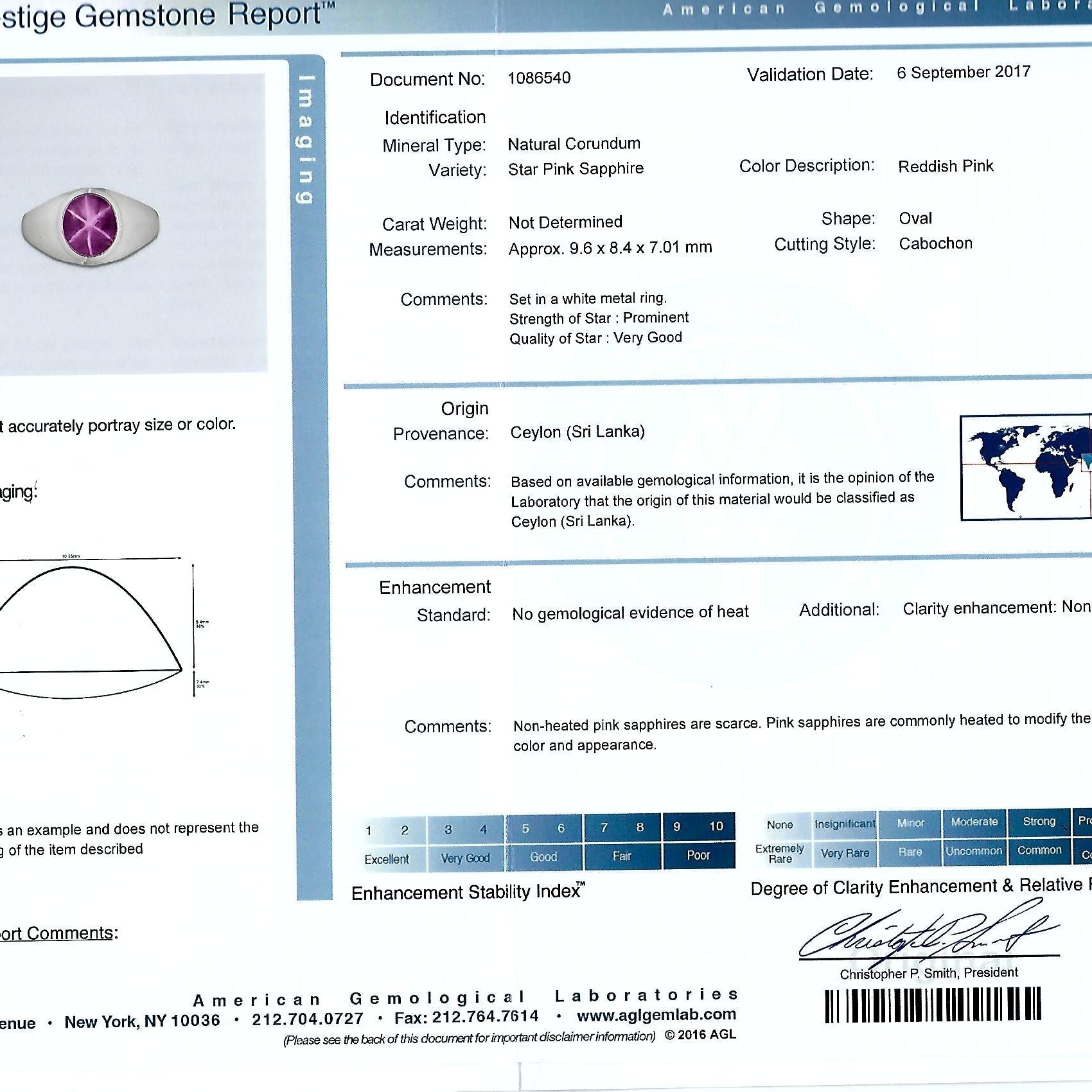
Reading Certificates And Lab Reports
For significant purchases, especially red, cobalt blue, or large stones, insist on a report from a respected lab. Confirm:
- Species/variety: Natural spinel, not synthetic or simulant.
- Treatments: Typically "none," but verify: note that diffusion or coatings would materially affect value.
- Color description and origin (if given): Origin isn't always determinable, but "Mogok," "Mahenge," or "Luc Yen" can add cachet, assuming the call is well-supported.
- Comments: Any clarity features or unusual findings. If you're comparing multiple stones, standardized reports help you assess apples-to-apples.
Pricing Tiers And What Drives Value
- Top tier: Vivid red, neon hot pink, true cobalt blue, especially eye-clean stones above 2 ct. Prices can rival or exceed fine sapphire on a per-carat basis.
- Mid tier: Lilac, lavender, rich violet, and well-balanced gray, excellent design flexibility and value.
- Accessible: Black spinel, lighter pinks, and brownish or darker tones. Great for fashion-forward, larger looks.
Price is primarily a function of color (hue, tone, saturation), clarity, cut precision, and size. Fine make (excellent cutting) can elevate a medium-color stone into a showstopper.
Assessing Craftsmanship And Setting Security
- Inspect prongs: Even, snug, and fully covering the girdle without digging into the crown. Double-check corners on fancy shapes.
- Seat and gallery: A well-cut seat supports the pavilion: the gallery should be smooth, with no sharp edges to snag clothing.
- Proportions: The stone should sit low enough for stability but high enough to allow light return.
- Finish: Crisp polish, clean solder seams, and symmetrical alignment signal quality.
When in doubt, have an independent jeweler check stone security before you wear a new piece regularly.
Care, Durability, and Ethical Sourcing
Everyday Wear, Cleaning, And Storage Best Practices
Spinel's toughness makes it a dependable daily companion, but common sense still applies. Remove rings for heavy gym work or abrasive tasks. To clean, use warm water, a drop of mild dish soap, and a soft brush: rinse and pat dry. Ultrasonic and steam cleaners are generally safe for untreated, intact spinel, but avoid them if the stone is heavily included or you can't rule out treatments.
Store pieces separately in soft pouches to prevent scratching other gems or metals. Even hard stones can abrade each other if jostled in the same box.
Resizing, Repairs, And Longevity
Tell your jeweler you're working with spinel so they can protect the stone during heat-intensive work. Many tasks can be done with the gem in place using heat sinks or by removing the stone first. With sensible maintenance, tightening prongs as needed and refinishing metal, spinel jewelry can become a multi-generational heirloom.
Notable Origins And Responsible Sourcing Options
Respected sources include Myanmar (Mogok), Sri Lanka, Vietnam (Luc Yen), Tanzania (Mahenge), Tajikistan, and Afghanistan. If provenance matters to you, ask for supplier transparency and documentation. You can also prioritize:
- Vendors aligned with Responsible Jewellery Council standards
- Small-scale artisanal supply chains with documented traceability
- Recycled precious metals and audited manufacturing
Ethical options are growing: reputable dealers will welcome these conversations and provide specifics, not platitudes.
Conclusion
Spinel jewelry rewards the curious. You get the romance of royal history, the punch of vivid color, and a durability profile that suits real life, all often at prices that feel sane next to corundum. If you focus on saturation, smart cutting, and solid craftsmanship, and lean on credible lab reports for higher-end buys, you'll end up with pieces that look luminous today and still feel exciting a decade from now. That's the joy of discovering a gem in its modern prime.
Frequently Asked Questions
What is spinel jewelry and why is it so popular?
Spinel jewelry offers vivid color, daily-wear durability, and strong value. Once mistaken for ruby in royal regalia, spinel is a distinct gem (Mohs 8) with no cleavage and crisp, punchy color. Designers prize its palette—from stoplight red to cobalt blue and chic gray—often at prices below fine corundum.
How does spinel differ from ruby and sapphire?
Ruby and sapphire are corundum; spinel is a separate species (magnesium aluminate) that’s singly refractive, often yielding vivid, even color. Spinel has Mohs hardness 8 (vs. 9), no cleavage, and chromium-driven fluorescence in pinks/reds. You get ruby-like fire, broader colors, and typically gentler price peaks.
Is spinel jewelry suitable for engagement rings and everyday wear?
Yes. With Mohs 8 hardness and no cleavage, spinel stands up well to daily life. For extra protection, choose bezel or semi-bezel settings or low-set prongs with sturdy shoulders. Reds and hot pinks feel romantic; cobalt blue is regal; lavender is modern. Maintain prongs and have settings checked periodically.
How do I choose high-quality spinel jewelry?
Prioritize saturated, pure color with medium to medium-dark tone, eye-clean clarity, and precision cutting (avoid windowing). For significant pieces, request lab reports from GIA, AGL, GRS, SSEF, or Lotus Gemology noting species, treatments (typically none), and any supported origin calls (e.g., Mogok, Mahenge, Luc Yen). Craftsmanship and secure settings matter.
Is spinel a birthstone, and for which month?
Yes. Since 2016, spinel has been an official August birthstone alongside peridot and sardonyx. Its wide color range—red, hot pink, lavender, cobalt blue, gray, and black—makes spinel jewelry a versatile, personalized choice for August birthdays, from understated studs to bold rings and pendants.
Is black spinel the same as a black diamond?
No. Black spinel (magnesium aluminate) and diamond (carbon) are different gems. Diamond is harder (Mohs 10) and denser with distinct brilliance; black spinel is Mohs 8 with inky, mirror-like luster. Black spinel is typically more affordable, offering a bold, durable look ideal for everyday jewelry.